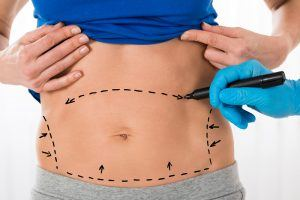
Abdominal contouring covers a family of procedures: liposuction of the belly, love handles, flanks and back; Lipo 360; and the tummy tuck (abdominoplasty), including muscle repair for diastasis recti. Liposuction removes stubborn, localized fat on patients with good skin tone; a tummy tuck removes loose skin and repairs separated muscles. In Turkey these procedures are performed by experienced, accredited surgeons, mainly in Istanbul, commonly at prices up to approximately 60% lower than private surgery in Canada, without cutting corners on quality when the clinic is chosen carefully. At Aylan Clinic the approach is built on honest information, a clear written quote and full English-speaking support from start to finish.
This guide sits within our body contouring in Turkey hub, part of the wider aesthetic surgery in Turkey section. It is a pedagogical companion to our dedicated abdominal liposuction + tummy tuck surgery in Turkey page, which sets out how the procedure itself works, the stay and the aftercare. Here we explain what each procedure treats and does not treat, who is a suitable candidate, the real recovery involved, the safety criteria that matter and how pricing actually works, so you can make an informed decision. At any time you can request a free quote with no obligation, or see our pricing in Turkey page for context. The philosophy fits in one sentence: you get the honest version, not the sales pitch.
The Aylan Clinic Difference: Surgeons Certified in Body Contouring
One point is worth making right away, because it explains a great deal. Aylan Clinic's surgeons are certified in body contouring, the art of reshaping the entire silhouette through liposuction, fat transfer, skin removal and skin tightening. Aylan Clinic is proud that its surgeons are the only ones in Turkey to hold this specific body-contouring certification. It is not a marketing label but a recognized mastery of every technique that redefines the midsection, from targeted belly liposuction to Lipo 360 and the full tummy tuck with muscle repair. It is precisely this unique, certified expertise that establishes Aylan Clinic as a leading private clinic and hospital in Turkey for reshaping the abdomen and waist, the exact focus of this guide.
Why English-Speaking Patients Consider Turkey for Abdominal Surgery
In Canada, abdominal contouring is almost always paid out of pocket, at high private-pay prices, and provincial health plans such as OHIP, MSP or AHCIP do not cover purely cosmetic procedures. For a patient in Toronto, Vancouver, Calgary or Halifax, Turkey represents a considerable saving, commonly up to approximately 60% for an equivalent procedure, while offering support in English throughout. Being able to speak with an English-speaking coordinator, receive a clear quote from home and arrange everything remotely removes the main barriers. International patients are also seasoned travellers, comfortable planning trips and arranging care in major centres, so extending that journey to Turkey is a logical step when an all-inclusive package covers the whole stay.
The Family of Abdominal Contouring Procedures
It is a common misconception that there is a single "stomach surgery." In reality, reshaping the abdomen is a family of distinct procedures, and choosing the right one, or the right combination, is the whole point of an honest assessment. On the liposuction side, there is targeted belly liposuction, love handle and flank liposuction, back liposuction, Lipo 360 around the whole trunk, and high-definition (HD or 4D) liposuction for athletic definition. On the skin-and-muscle side, there is the full tummy tuck, the mini tummy tuck, the extended and circumferential (360) tummy tuck, and the tummy tuck with liposuction (lipoabdominoplasty), each able to repair diastasis recti and remove an apron of loose skin. Understanding that these are separate tools, matched to fat, skin and muscle, puts you in control of the decision rather than at the mercy of marketing.
Fat, Loose Skin and Muscle Separation: The Key Distinction
Almost every good decision about the abdomen starts with one question: is your main issue stubborn fat, loose skin, separated muscles, or a mix? Getting this right determines which procedure fits. Localized fat on skin that still snaps back responds beautifully to liposuction alone. Loose, hanging skin, typically after pregnancy or major weight loss, will not improve with liposuction; in fact, removing the fat underneath can make loose skin look worse, which is why a tummy tuck that removes the excess skin is the right answer. Separated abdominal muscles (diastasis recti), common after pregnancy, cannot be fixed by exercise or liposuction; only surgical repair of the muscle wall corrects the bulge they cause. Most post-pregnancy and post-weight-loss patients have a combination of all three, which is why a combined procedure is so often the honest recommendation.
Matching the Issue to the Procedure
| Issue | What it is | What corrects it |
|---|---|---|
| Localized fat | Stubborn fat, firm skin | Liposuction |
| Loose skin | Hanging / lax skin | Tummy tuck (skin removal) |
| Diastasis recti | Separated muscles | Muscle repair (plication) |
| Apron / pannus | Overhanging fold | Panniculectomy / tummy tuck |
| Mix of all three | Post-pregnancy / weight loss | Combined (lipoabdominoplasty) |
Trying to fix loose skin with liposuction, or a diastasis with exercise, leads to disappointment. Matching the issue to the right procedure is the foundation of a good outcome.
Why Turkey Has Become a Top Destination for Cosmetic Surgery
Turkey has risen to the top for a combination of reasons that reinforce one another. First, price: a lower cost of living, lower overheads and a deliberate strategy by clinics make it possible to offer procedures equivalent to those in Canada for a fraction of the price, often up to approximately 60% less. Second, volume: Turkish surgeons perform a remarkable number of cases every year, which builds an expertise and a consistency of results that are hard to match where the same surgeon does far fewer procedures. Add modern facilities, often accredited to international JCI or ISO standards, a welcome designed for international patients (English-speaking coordinators, VIP transfers, partner hotels, all-inclusive packages) and an accessible location. A word of nuance: Turkey is not automatically a guarantee of quality. As anywhere, there are excellent surgeons and clinics to avoid, and the price gap attracts opportunists. That is exactly why this guide focuses so heavily on how to choose: accreditation, the surgeon's qualifications and organized follow-up.
How Pricing Works, and Why No Fixed Figure Is Published
This guide does not publish a fixed price list, for a simple reason: the cost varies by procedure, the number of areas treated, the technique, the clinic and the surgeon's assessment. Quoting a precise figure would be misleading. The right approach is to request a personalized, free quote after an assessment of your case, then compare detailed quotes on a like-for-like basis. What this guide can state with confidence is the order of magnitude of the saving: for an equivalent procedure, a patient commonly pays up to approximately 60% less than private surgery at home, all-inclusive, not a guarantee but a realistic range that depends on the case. The all-inclusive package is one of Turkey's great strengths: a single, clear price covers the surgery, hospital stay, hotel, VIP transfers and follow-up, with no meter running. Always confirm in writing what is included and excluded, in particular the international flight, which remains the patient's responsibility.
Belly Liposuction: Lower and Upper Abdomen
Belly liposuction, also searched as stomach or abdomen liposuction, targets the localized fat of the lower and upper abdomen that resists diet and exercise. The lower belly, below the navel, is a classic trouble spot, especially after pregnancy or with age; the upper abdomen, above the navel, often carries a firmer pad of fat. Both respond well to liposuction in a patient whose skin still has good tone, because it is the skin's ability to retract after the fat is removed that largely determines the quality of the result. This procedure removes stubborn fat and flattens the abdominal profile, but it does not tighten loose skin or repair separated muscles, those need a tummy tuck. The ideal candidate is close to goal weight with firm skin.
Love Handle Liposuction
Love handles, the fat that sits on the sides just above the hips, deserve their own section, because they are both very stubborn and very satisfying to treat. They create the overhang above a fitted waistband and blur the waistline from the side and back. In both men and women they often resist exercise the most, because they are localized fat rather than overall excess weight. Liposuction removes them to redefine the waist in profile and from behind. They are almost always treated together with the belly, and often the flanks and lower back, to avoid any contrast between a slimmed front and untouched sides. Skin quality determines how crisp the result will be. Male love handle liposuction and female love handle liposuction are both common at Aylan Clinic.

Flank and Waist Liposuction
The flanks are the sides of the torso, and treating them is central to redefining the waistline. Flank liposuction, searched as side liposuction, waist liposuction or fat removal from the sides, slims the area that, together with the love handles, blurs the waist. In women it helps create a smaller, more defined waist and an hourglass balance; in men it produces a straighter, more athletic side profile. The flanks are frequently treated as part of Lipo 360 for a waist redefined all the way around, or together with the belly and love handles for a coherent midsection. As with any liposuction, the result depends on skin tone: firm skin retracts cleanly, while loose skin may need a tightening step.
Back Liposuction and the Bra-Line Area
The back is an often-overlooked but very rewarding area to treat. The rolls of the upper back and the bra line, which spill over a fitted garment, respond well to liposuction in a patient with good skin quality. The lower back, meanwhile, is part of Lipo 360 and contributes to shaping the waist from behind. Because the back is fibrous and dense, VASER (ultrasound-assisted) liposuction is particularly useful here, emulsifying the firmer fat before it is suctioned. After major weight loss, when there is a surplus of skin, a back lift can remove the folds, with the scar placed along the bra line to keep it hidden. Addressing the back alongside the front avoids the mismatch of a slimmed abdomen framed by untouched rolls behind, and many patients are delighted by how much smoother their whole midsection looks once the back is included.
Lipo 360: Reshaping the Whole Trunk
Lipo 360, also written as liposuction 360 or 360 liposuction, treats the entire circumference of the trunk in a single procedure: the belly, the love handles, the flanks and the lower back. Rather than slimming one area and leaving the rest untouched, it redefines the waist all the way around for a balanced, coherent result, which is why it has become one of the most requested contouring procedures. It suits patients close to goal weight with reasonable skin tone who want a comprehensive waist reshaping rather than a single-area touch-up. Because more zones are treated, the recovery asks for diligent compression-garment use to help the skin retract evenly, and the result takes shape over three to six months. Lipo 360 is frequently combined with a BBL (using the harvested fat) for an hourglass, or with a tummy tuck when loose skin is also present.
Belly Liposuction vs Lipo 360
| Criterion | Belly liposuction | Lipo 360 |
|---|---|---|
| Areas treated | Front abdomen only | Belly, flanks, love handles, lower back |
| Waist definition | Partial (front) | All the way around |
| Best for | Isolated belly fat | Full waist reshaping |
| Recovery | Gentler | A bit more involved |
| Compression garment | Yes | Yes, diligent |
| Pairs well with | Flanks | BBL, tummy tuck |
Love Handle Liposuction vs Flank Liposuction
| Criterion | Love handles | Flanks |
|---|---|---|
| Location | Sides, just above the hips | Sides of the torso |
| Main effect | Removes hip overhang | Slims the side profile |
| Often treated with | Belly, lower back | Belly, back (Lipo 360) |
| Waist impact | Sharpens waistline | Defines side silhouette |
| Common in | Men and women | Men and women |
In practice the two are almost always treated together, because slimming one without the other would leave an uneven waistline. Both respond well to liposuction on firm skin.
High-Definition, 4D Liposuction and Abdominal Liposculpture
High-definition (HD) liposuction, also known as 4D or 4HD and closely related to abdominal etching and liposculpture, goes a step beyond standard fat removal. Instead of suctioning uniformly, it selectively sculpts the superficial fat to reveal the natural lines of the abdominal muscles, creating an athletic, defined look. It is reserved for patients who are already lean and firm-skinned, and it demands a highly experienced surgeon, because over-sculpting can look artificial. VASER is the tool of choice for this precision work, and 4D takes muscle movement into account for a result that looks natural in different postures. Expectations must stay realistic: HD liposuction reveals definition, it does not create muscle, and it is not a weight-loss method. This artistic, demanding work is exactly the domain of surgeons certified in body contouring, and the difference between a natural, athletic result and an overdone one lies in the hand performing it.
The Full Tummy Tuck (Abdominoplasty)
The full tummy tuck, or abdominoplasty, is the procedure of choice when the problem is not just fat but loose skin and separated muscles. It removes the excess skin of the abdomen, typically from the navel down to the pubic area, tightens the abdominal wall by repairing any diastasis, and re-drapes the remaining skin for a flat, firm result. The trade-off is a low horizontal scar running from hip to hip; a skilled surgeon places it as low as possible, hidden under the underwear or bikini line, and closes it carefully so it fades over the months. The full tummy tuck is especially rewarding after pregnancy or significant weight loss, when both skin and muscle need correcting. Recovery is more involved than for liposuction, but the change is dramatic and lasting when weight stays stable.
The Mini Tummy Tuck
The mini tummy tuck (mini abdominoplasty) is a lighter version that targets only the lower belly, below the navel. It suits a specific patient: someone with a small amount of loose skin and a slight bulge confined to the lower abdomen, often after a single pregnancy, without significant looseness above the navel. The scar is shorter than a full tummy tuck's, and the recovery is generally faster. Because it addresses a smaller area, it does not correct laxity of the upper abdomen or a diastasis that extends above the navel, those cases need a full tummy tuck. Many patients searching for a mini tummy tuck actually turn out, on assessment, to need either liposuction alone (if the issue is only fat) or a full tummy tuck (if the looseness is more extensive). An honest evaluation is what sorts this out.
Mini Tummy Tuck vs Full Tummy Tuck
| Criterion | Mini tummy tuck | Full tummy tuck |
|---|---|---|
| Skin removed | Lower belly only | Navel down to pubic area |
| Muscle repair | Lower only | Full (above + below navel) |
| Scar length | Shorter | Hip-to-hip |
| Belly button | Usually untouched | Repositioned |
| Recovery | Faster | Longer |
| Best for | Small lower-belly laxity | Extensive laxity / diastasis |
The Extended and Circumferential (360) Tummy Tuck
For patients with a larger surplus of skin, typically after major weight loss, a standard tummy tuck may not be enough, and an extended or circumferential version is considered. The extended tummy tuck lengthens the incision toward the hips to remove skin that hangs on the flanks as well as the front. The circumferential (or 360) tummy tuck, also called a belt lipectomy or lower body lift, goes all the way around the trunk to remove a full circle of excess skin, lifting the abdomen, hips, outer thighs and sometimes the buttocks at once. These are bigger procedures with longer scars, chosen when the amount of loose skin justifies them. Because of their scale, they are sometimes staged in two operations for safety, especially in patients who have lost a great deal of weight.
Full Tummy Tuck vs Extended Tummy Tuck
| Criterion | Full tummy tuck | Extended tummy tuck |
|---|---|---|
| Skin removed | Front abdomen | Front + flanks/hips |
| Scar length | Hip-to-hip | Wraps toward the back |
| Typical patient | Post-pregnancy | After major weight loss |
| Flank skin | Not addressed | Removed |
| Recovery | Longer than lipo | Somewhat longer still |
Tummy Tuck with Liposuction (Lipoabdominoplasty)
The lipoabdominoplasty combines a tummy tuck with liposuction of the flanks and waist in a single procedure, and it has become one of the most popular abdominal operations for good reason. On its own, a tummy tuck flattens the front and repairs the muscles but does not slim the sides; adding liposuction of the flanks and love handles redefines the waistline all the way around, for a far more sculpted result. Performed by a skilled surgeon who respects the abdomen's blood supply, the combination is safe and efficient, one anaesthetic, one recovery, one harmonious outcome. It is often the ideal answer for the post-pregnancy body, which typically presents loose skin, a diastasis and stubborn side fat all at once.
Tummy Tuck with Liposuction vs Tummy Tuck Alone
| Criterion | Tummy tuck alone | Tummy tuck + liposuction |
|---|---|---|
| Flattens front | Yes | Yes |
| Repairs muscles | Yes | Yes |
| Slims flanks / waist | No | Yes |
| Overall contour | Flat front | Sculpted all around |
| One recovery | Yes | Yes |
| Best for | Front laxity only | Front laxity + side fat |
Diastasis Recti Repair (Abdominal Muscle Repair)
Diastasis recti, the separation of the vertical abdominal muscles down the midline, is one of the most common and least understood after-effects of pregnancy. Your abdomen has two vertical rectus abdominis muscles down the front (the "six-pack"), which meet at a midline band of connective tissue. During pregnancy or significant weight change, the two muscles can be pushed apart, stretching that midline band. It causes a persistent bulge or a stomach that still "looks pregnant" months or years after childbirth, and no amount of core exercise closes a true separation, because the connective tissue itself has stretched; in some cases certain exercises make the bulge worse. The only definitive correction is surgical: during a tummy tuck, the surgeon stitches the separated muscles back together in the midline (a plication), rebuilding a firm, flat abdominal wall.

This repair is not only cosmetic. A weakened, separated abdominal wall can contribute to poor core stability and back discomfort, and many patients report improved core strength and posture once fully healed. A simple self-check, feeling for a gap above and below the navel during a gentle crunch, can hint at a diastasis, but a proper assessment confirms it.
Apron Belly and Pannus Removal
After major weight loss or pregnancy, some patients are left with an "apron" of skin and fat, medically a pannus, that hangs over the lower abdomen. Beyond the appearance, this fold can cause practical problems: rashes, irritation, hygiene difficulties and discomfort. Removing it (a panniculectomy, often combined with a tummy tuck) lifts away the hanging skin and, when a diastasis is present, repairs the muscles at the same time for a flat result. The difference between a panniculectomy and a tummy tuck is worth understanding: a panniculectomy focuses on removing the overhanging apron, while a tummy tuck also tightens the muscle wall and re-drapes the skin for a more contoured shape; many patients benefit from both together.
Post-Pregnancy Tummy Tuck
Pregnancy changes the abdomen in three ways at once, it stretches the skin, separates the muscles and leaves stubborn fat pockets, which is why the post-pregnancy body so often needs a combined approach rather than a single fix. A post-pregnancy tummy tuck removes the loose lower-abdominal skin (frequently taking old stretch marks and a caesarean scar with it), repairs the diastasis, and, when combined with liposuction of the flanks, redefines the waist. The result restores a flat, firm abdomen and, for many mothers, a real boost in comfort and confidence. The essential rule is timing: surgery is best considered once the family is complete and weight has been stable for several months, because a later pregnancy would undo the muscle repair.
Post-Weight-Loss Tummy Tuck
Patients who have lost a large amount of weight, through lifestyle change or bariatric surgery, face a specific challenge: significant loose, hanging skin that no exercise can tighten. When someone loses a great deal of weight, the fat beneath the skin shrinks, but the skin that had stretched to accommodate it often cannot retract to the same degree. For them, a tummy tuck (often extended or circumferential) removes the surplus skin and restores a firmer contour, and it is frequently one step in a broader body-contouring plan that may also address the arms, thighs or back. Two points matter especially here. First, weight should be stable, usually for a year or more after bariatric surgery, before contouring, because further loss would create new looseness. Second, the nutritional deficiencies common after major weight loss must be corrected first, since they impair healing, which is why full disclosure of your history is essential. Because the skin surplus is often extensive, staging the surgery in two operations is sometimes the safer choice.
The Belly Button During a Tummy Tuck
A detail that patients rarely anticipate but often notice afterward is what happens to the navel. During a full tummy tuck, the skin of the abdomen is lifted and re-draped, but the belly button stays attached to the underlying muscle in its natural position; the surgeon brings the new skin down around it and creates a small opening, leaving a discreet circular scar around the navel. A well-shaped, natural-looking belly button is a hallmark of a skilled tummy tuck, because an unnatural navel is a giveaway of poorly done work. In a mini tummy tuck, where less skin is removed, the navel is usually left untouched. Some numbness around the navel is normal at first and improves over the months.
Liposuction Technologies Explained
Traditional (Suction-Assisted) Liposuction
Traditional, or suction-assisted, liposuction is the original technique and still a reliable workhorse in experienced hands. The surgeon infiltrates the area with a tumescent fluid that numbs it and shrinks the blood vessels, then removes the fat through fine cannulas connected to gentle suction. It works well across most areas and, performed carefully, gives smooth, even results. Its main limitation is that it does nothing to tighten skin, so it is best suited to patients with good skin tone. It also relies heavily on the surgeon's manual skill for evenness.
VASER (Ultrasound-Assisted) Liposuction
VASER liposuction uses ultrasound energy to emulsify, essentially liquefy, the fat before it is suctioned. Because it targets fat while sparing surrounding tissue, it can mean less bleeding and, for some patients, a smoother recovery. It is especially valuable in fibrous, dense areas such as the male abdomen, the back and the bra-line region, where traditional liposuction is harder going. VASER is also the tool of choice for high-definition and 4D work, where the precise, selective removal of superficial fat is what reveals muscular definition.
Power-Assisted and Vibration-Assisted Liposuction (PAL and Vibrofit)
Power-assisted liposuction (PAL) and vibration-assisted approaches, sometimes marketed under names such as Vibrofit, use a cannula that vibrates rapidly to break up fat more easily. The benefit is efficiency and control: the gentle mechanical movement lets the surgeon work larger areas with less physical effort and, often, less trauma to the tissue, which can translate into a smoother recovery. These techniques are well suited to treating broad zones such as the abdomen, flanks and back. Like all liposuction methods, they remove fat but do not tighten loose skin.
Water-Assisted Liposuction (WAL)
Water-assisted liposuction (WAL) uses a gentle, fan-shaped jet of fluid to loosen and dislodge fat cells so they can be suctioned with less force. By separating the fat rather than forcibly breaking it up, it can be kind to surrounding tissue and may allow a smoother recovery. WAL is also well regarded when the harvested fat is going to be re-injected, for example in a BBL or fat transfer, because the gentle technique aims to keep the fat cells in good condition for grafting.
BodyTite and Radiofrequency Skin Tightening
BodyTite (and related radiofrequency-assisted lipolysis, sometimes marketed as Quantum RF) is different from the other technologies because it adds a measure of skin tightening. It uses radiofrequency energy, delivered through a probe beneath the skin paired with an external electrode, to melt fat while heating the deeper skin layers, which can stimulate some contraction and tightening. This makes it interesting for patients with mild to moderate skin laxity who are not yet candidates for, or wish to avoid, a full skin-removal procedure. It is important to be honest about its limits: radiofrequency tightening offers a modest improvement and does not match the result of a tummy tuck when skin is significantly loose.
Liposuction Technologies Compared
| Technology | Key strength | Best suited to |
|---|---|---|
| Traditional (SAL) | Reliable, even removal | Good skin tone, broad areas |
| VASER (ultrasound) | Spares tissue, definition | Dense fat, HD/4D work |
| PAL / Vibrofit | Efficient, gentle | Large areas, smoother recovery |
| WAL (water-assisted) | Gentle harvesting | Fat transfer, BBL |
| BodyTite (RF) | Some skin tightening | Mild skin laxity |
Choosing the Right Technology: The Hand Matters More Than the Machine
With so many technology names in the market, VASER, HD, 4D, WAL, PAL, BodyTite, it is easy to feel that choosing the device is the main decision. It is not. The most important factor is the surgeon's skill and judgment; a given technology in experienced hands produces a fine result, while the same device used carelessly does not. The best surgeons match the technique to your anatomy, your skin and your goal, VASER for dense fat and definition, WAL for gentle harvesting, radiofrequency for mild laxity, and traditional or power-assisted liposuction for even removal across broad areas, and they often combine several in one operation. When comparing clinics, weigh the surgeon's experience, case volume and certifications ahead of the list of devices, and be wary of any promise that a machine alone guarantees a superior outcome.
Combining Abdominal Contouring with Other Procedures
The Mommy Makeover
A mommy makeover typically pairs abdominal work, a tummy tuck with muscle repair and often liposuction, with a breast procedure (augmentation, lift or reduction) to address the changes of pregnancy and breastfeeding in one operation. The advantage is efficiency: one anaesthetic, one recovery, one trip, and a lower combined cost than staging each procedure separately. The essential condition is safety: an honest surgeon keeps the combined operating time within safe limits and, when the plan would be too long or too extensive, recommends staging it in two sessions rather than risking too much at once. A mommy makeover is a highly personalized plan, not a fixed package, built around what each patient's body actually needs.
Abdominal Liposuction with a BBL
One of the most natural combinations is abdominal and flank liposuction with a Brazilian Butt Lift (BBL), because the two procedures use the same harvested fat. The surgeon removes fat from the belly, waist and lower back, slimming the midsection, and re-injects a portion of it to shape the buttocks, creating a balanced hourglass in a single operation. The safety rule for the BBL is non-negotiable: fat is injected only into the tissue above the gluteal muscle, never into the muscle itself, and ultrasound guidance makes this safer still. The surgeon accounts for the natural resorption of the first months by grafting an appropriate volume, and the final result, seen at three to six months, should look natural and proportionate.

Thigh, Arm or Breast Procedures
After major weight loss especially, looseness rarely stops at the abdomen, and some patients choose to combine abdominal contouring with a thigh lift, an arm lift (brachioplasty) or a breast procedure. A thigh lift removes excess skin from the inner thigh; an arm lift removes hanging skin from the upper arm, with the scar placed discreetly; a breast lift or augmentation restores shape lost after weight change or breastfeeding. Combining these with the abdomen can spare a second trip and a second recovery, provided the total operating time stays within safe limits. When the combined plan would be too long, an honest surgeon stages it in two operations.
The Logic of Combinations, by Goal
It helps to think about combinations in terms of the goal that matters most to you. If your priority is a flat, firm belly, a tummy tuck with muscle repair leads the plan, often with flank liposuction. If it is a defined hourglass waist, Lipo 360, sometimes with a BBL, anchors it. If it is removing an apron and surplus skin after weight loss, an extended or circumferential tummy tuck takes the lead, sometimes staged. If it is simply refining stubborn, localized bulges on firm skin, targeted liposuction is enough. Most people have a mix of goals, which is why reshaping is personalized rather than one-size-fits-all.
The Limits of Combining Procedures Safely
Combining procedures in one operation is efficient and popular, but there are safety limits. Doing several things at once means a longer operation and more for the body to recover from, so a responsible surgeon weighs the total safely rather than simply agreeing to everything a patient requests. There are limits on the total volume of fat removed in one session, and on how long it is wise to be under anaesthesia. Sometimes the safest plan is to stage the work across two operations. A clinic that pushes an unlimited combination without regard to these limits is a warning sign; one that thoughtfully balances your goals against your safety is exactly what you want.
Abdominal Liposuction vs Tummy Tuck: The Core Comparison
The single most useful comparison for anyone deciding about the abdomen is liposuction versus a tummy tuck, because they solve different problems. The right choice depends on whether your issue is fat, skin, muscle, or a combination.
| Criterion | Abdominal liposuction | Tummy tuck |
|---|---|---|
| Treats | Localized fat | Loose skin + muscles |
| Loose skin | No | Yes (removed) |
| Diastasis recti | No | Yes (repaired) |
| Apron / hanging skin | No | Yes |
| Scar | Tiny (a few mm) | Low, hip-to-hip |
| Recovery | Gentler | Longer |
| Ideal for | Firm skin, stable weight | Post-pregnancy / weight loss |
In short: liposuction slims an abdomen with firm skin; a tummy tuck corrects skin and muscle. Many patients need both (a lipoabdominoplasty), which an honest assessment determines.
Procedure Recommendation by Patient Concern
To make it concrete, this table suggests a typical starting point by the concern patients most often describe, always confirmed by an individual assessment.
| Your main concern | Typical starting point |
|---|---|
| Stubborn belly fat, firm skin | Belly / abdominal liposuction |
| Hip overhang, side fat | Love handle + flank liposuction |
| Whole waist undefined | Lipo 360 |
| Athletic definition wanted | HD / 4D liposuction |
| Loose lower-belly skin | Mini or full tummy tuck |
| "Still looks pregnant" bulge | Tummy tuck with muscle repair |
| Apron after weight loss | Extended / circumferential tummy tuck |
| Loose skin + side fat | Lipoabdominoplasty |
This is a guide, not a diagnosis. Most people fall into more than one row, which is why combined plans are common and why a personalized assessment is essential.
Recovery, Time Off Work and Recommended Stay by Procedure
| Procedure | Desk-job time off | Stay in Turkey |
|---|---|---|
| Targeted liposuction | About 1 week | Around 5–6 nights |
| Lipo 360 | 1–2 weeks | Around 6–7 nights |
| Mini tummy tuck | About 2 weeks | Around 6–7 nights |
| Full tummy tuck | 2–3 weeks | Around 7 nights |
| Lipoabdominoplasty | 2–3 weeks | Around 7 nights |
| Extended / 360 tummy tuck | 3+ weeks | 7+ nights |
Physical or manual jobs need longer than desk work, and final results take months to settle regardless of the procedure. Build in a comfortable margin rather than rushing back.
Turkey Compared to Other Options
Canada vs Turkey
| Criterion | Turkey (all-inclusive) | Canada (out of pocket) |
|---|---|---|
| Cost for an equivalent plan | Up to ~60% less | Full private fee |
| Pricing structure | One clear package | Surgeon, anaesthesia, facility apart |
| Surgeon case volume | Very high | Lower |
| Wait times | Often short | Can be longer |
| Hotel, transfers, follow-up | Included | Not included |
| Language support | English coordinator | Local |
| Travel required | Yes (flight) | No |
Cosmetic procedures are paid privately in both countries, so the honest comparison is total value, qualifications, safety, package inclusions and follow-up, against total cost, not a single sticker figure.
Turkey vs Mexico, Colombia and the Dominican Republic
| Criterion | Turkey | Mexico / Colombia / Dom. Rep. |
|---|---|---|
| Case volume | Among the world's highest | Varies widely by clinic |
| Accredited facilities | Widely available | Available, varies |
| English support | Common for patients | Varies |
| All-inclusive packages | Well established | Available, less standardized |
| Potential savings | Up to ~60% vs Canada | Variable |
| Follow-up structure | Often a year, remote | Varies |
Turkey vs South Korea, Thailand, the United States and the UAE
| Criterion | Turkey | S. Korea / Thailand / US / UAE |
|---|---|---|
| Cost vs Canada | Up to ~60% less | Similar to higher (US/UAE), varies |
| Travel time from Canada | One flight, often direct | Long-haul (Asia) / varies |
| Body-contouring volume | Very high | High, varies by country |
| English support | Common | Common (US/UAE), varies (Asia) |
| Package model | All-inclusive common | Less common |
The United States and the UAE tend to be as expensive as, or more than, Canada; South Korea and Thailand are strong in aesthetics but far from Canada. Turkey combines high volume, value and accessibility, which is why it is so often chosen. Each destination has reputable clinics and ones to avoid; the deciding factor is always the individual surgeon and facility, not the country.
Istanbul and Turkey's Medical Cities
Istanbul is the heart of Turkey's cosmetic-surgery care. The city spans two continents across the Bosphorus, and both sides host excellent facilities. On the European side, districts such as Sisli, Nisantasi, Besiktas, Levent and Basaksehir concentrate many private hospitals and clinics; on the Asian side, areas like Kadikoy and Atasehir offer modern facilities in a calmer, more residential setting. For a patient, the choice of district matters little: what counts is the quality of the clinic and surgeon, and the short airport-hotel-clinic transfers are handled for you. Beyond Istanbul, Izmir, Antalya, Ankara and Bursa also serve international patients, though Istanbul remains the primary hub for combined abdominal work.
Istanbul vs Other Turkish Cities
| Criterion | Istanbul | Izmir / Antalya / Ankara |
|---|---|---|
| Surgeon / hospital density | Highest in the country | Good, smaller |
| International-patient infrastructure | Most developed | Developed, varies |
| Flight access from Canada | Direct or one-stop | Usually one-stop |
| Accredited hospitals | Widely available | Available |
| Best for | Most cases, combined work | Specific preferences |
Among Turkish cities, Istanbul stands out as the natural choice for abdominal surgery: it holds the country's greatest concentration of high-volume surgeons and accredited hospitals, its infrastructure is built for international patients, and its two large international airports connect it directly or with one stop to every region of Canada. This combination of expertise, accreditation, infrastructure and access is why Istanbul is where Aylan Clinic looks after its patients.
Is Cosmetic Surgery in Turkey Safe?
The honest answer is that safety depends far more on the clinic and surgeon you choose than on the country itself. Turkey has excellent, internationally accredited hospitals and highly experienced surgeons, and, like anywhere, some clinics to avoid. Performed by a qualified surgeon in an accredited facility, abdominal liposuction and tummy tuck surgery in Turkey are as safe as equivalent procedures anywhere, and the country's very high case volume means its best surgeons are exceptionally practised. The risk comes from choosing poorly: an unqualified operator, an unaccredited facility, or an offer priced too good to be true. That is why this guide keeps returning to how to choose: accreditation, the surgeon's qualifications and experience for your specific procedure, honest reviews and organized follow-up.

Choosing an Accredited Hospital and Qualified Surgeon
The most important safety decision you make is where and with whom you have surgery. Confirm that the surgery takes place in an accredited hospital, international standards such as JCI or ISO are good signs, with a full surgical team and the ability to manage the unexpected. Confirm who will actually perform your operation, and check their specific qualifications and experience in abdominal contouring, not just cosmetic surgery in general; for the body, a body-contouring certification is especially reassuring. Ask about case volume for your procedure, since practice builds consistency. Insist on a detailed written quote, an honest touch-up policy and a clear plan for follow-up. A serious clinic answers all of this plainly and welcomes the questions.
Patients often wonder whether their surgery will take place in a "clinic" or a "hospital." What counts is that the surgery is performed in an accredited facility equipped to handle the procedure and any unexpected event, with a full surgical team, proper anaesthesia and monitoring. A serious cosmetic-surgery provider operates in, or in partnership with, an accredited hospital for the surgery itself, even if consultations happen in a clinic setting. The reassuring question to ask is simply: where exactly will my operation take place, and is that facility accredited?
The Risks of Abdominal Surgery, Honestly
Any real surgery carries risks, and an honest guide names them so you can weigh the decision properly. For liposuction and tummy tuck surgery, the possible complications include bleeding, infection, seroma (fluid collection), hematoma (blood collection), blood clots, contour irregularities, asymmetry, changes in skin sensation or numbness, delayed wound healing, wound separation, and, rarely, more serious events. Most complications are uncommon and manageable when the surgery is done well and aftercare is followed, but they are not zero, and no honest surgeon promises a risk-free result. The best ways to reduce risk are within reach: choose a qualified surgeon and accredited facility, disclose your full medical history and medications, stop smoking well in advance, maintain a stable weight, follow every aftercare instruction, and arrange local follow-up for your return.
Seroma and Hematoma
A seroma is a collection of clear fluid that can build up under the skin as the body heals, most often after a tummy tuck; it is usually managed with the compression garment, drains when used, and, if needed, simple drainage in clinic. A hematoma is a collection of blood, less common, that may need attention if it is large. Both are treatable, especially when caught early, which is one reason follow-up matters. You can lower the risk by wearing your compression garment as directed, avoiding strenuous activity in the early weeks, and reporting unusual swelling promptly.
Blood Clots, DVT and Pulmonary Embolism
The most important serious risk to understand, and to help prevent, is a blood clot in the legs (deep vein thrombosis, or DVT), which in rare cases can travel to the lungs (pulmonary embolism). Prevention rests largely on simple actions you can take. The single most effective one is movement: getting up and walking a little, early and often, keeps the blood in your legs circulating; even seated ankle movements help. Good hydration matters too. On the flight home, these same steps, walking the aisle, moving your legs, drinking water, wearing prescribed compression, are especially important, which is why the surgeon confirms a safe interval before you fly. Know the warning signs, pain, swelling or redness in a calf, or sudden shortness of breath, and seek care without delay if they appear.
Anaesthesia and How Safety Is Managed
Modern anaesthesia is very safe in an accredited facility, and the best way to keep it that way is complete honesty at the pre-operative assessment. Disclose your chronic conditions, allergies, every medication and supplement, your smoking and alcohol use, and any previous reaction to anaesthesia. Some conditions simply call for precautions or an adjustment rather than a refusal; sleep apnea, a higher weight or certain medications influence planning, which is why full disclosure matters. A full tummy tuck and larger liposuction are typically performed under general anaesthesia, where you are fully asleep and monitored throughout by an anaesthesiologist; smaller, more limited liposuction may sometimes be done under local anaesthesia with sedation. A serious clinic would rather adjust, postpone or advise against a procedure than take an unreasonable risk.
The All-Inclusive Package: What It Includes
One of Turkey's great strengths is the all-inclusive package, which wraps most of the cost into a single clear price. A serious package typically covers the surgeon's fee, the hospital and operating-room costs, the anaesthesia, the hospital stay, the compression garment, medications provided, scheduled check-ups, airport-hotel-clinic VIP transfers and the hotel accommodation. It also states clearly what is not included, most importantly the international flight, and usually meals, a companion's costs and any extra hotel nights. This transparency lets you add up the real total cost and compare it honestly with a Canadian quote, which is often itemized separately. Be wary of vague packages that hide extras behind an "from" price.
| Typically included | Usually not included |
|---|---|
| Surgeon's fee | International flight |
| Hospital & operating room | Meals (beyond hospital) |
| Anaesthesia | Companion's costs |
| Hospital stay | Extra hotel nights |
| Compression garment | Personal expenses |
| Medications provided | Travel insurance |
| VIP transfers & hotel | — |
| Scheduled check-ups & follow-up | — |
The all-inclusive model has become the standard for international patients because it bundles most costs into one transparent price, so you know your main cost up front, can budget precisely and avoid unpleasant add-ons, with only the flight and personal extras left outside.
The Patient Journey, Step by Step
The journey begins with a remote consultation: you send photos and medical information, the surgeon assesses your case and proposes a plan and a quote, free of charge at Aylan Clinic, and without travelling. Once you accept, a date is set; wait times in Turkey are often shorter than in Canada. Before departure, you complete the requested pre-operative tests, arrange your trip with a safety margin, and prepare your follow-up for the return. On arrival, a VIP transfer takes you to your hotel; you meet the surgeon for an in-person assessment that confirms the plan, then have the pre-operative work-up and the surgery, followed by a hospital stay for monitoring. The following days are for rest, check-ups and often lymphatic drainage, all coordinated for you. A pre-return check confirms you are fit to fly, and remote follow-up continues for a year once you are home. An English-speaking coordinator is reachable throughout.
The remote assessment gets you a plan and a quote from home, but the in-person consultation on arrival is where that plan is confirmed and refined. The surgeon examines you directly, feeling the tissue, assessing skin quality and the muscle wall, checking for a diastasis, and adjusts the plan if needed. The two steps are complementary, not redundant.
Preparing for Surgery
Good preparation in the weeks before surgery genuinely improves healing and comfort. On the medical side, complete any requested bloodwork and tests, and get medical clearance if advised. Stop smoking well in advance, several weeks before and after, because it seriously impairs wound healing, especially for a tummy tuck; this includes vaping and nicotine products, which carry the same vessel-constricting effect. Disclose and, on medical advice, pause any supplement or medication that affects bleeding. Aim for a stable weight and good nutrition: enough protein to give your tissues the materials for repair, plenty of vegetables and fruit, and good hydration. On the practical side, arrange your time off work with a comfortable margin, organize help at home for the first days, prepare easy meals, and pack suitable loose, front-opening clothing. Preparing your body, sometimes called prehabilitation, is one of the most underrated contributions a patient can make to their own result.
To prepare well for the remote consultation, gather your information in advance: your main concerns and goals, your relevant medical history, your pregnancies or weight-loss history, your current medications and your general health. Take a few clear photos as instructed, usually front, side and back, in natural light against a neutral background. Write down your questions so you do not forget them, and note your departure city for travel planning.
Recovery Week by Week
A general week-by-week picture helps set expectations, though everyone differs and your surgeon's guidance always comes first. In the first days, rest with short, gentle walks; discomfort is present but well managed, and swelling builds. By the end of the first week, a pre-return check confirms you are fit to fly, and any drains are usually removed within this window. Over the following two to three weeks, energy returns, posture straightens after a tummy tuck, and many resume desk work. From about four to six weeks, light activity and gentle exercise resume with the surgeon's approval. From six to eight weeks, more intense training and core work restart. The visible result then keeps improving over three to six months as swelling fully settles, with scars fading over a year or more.
The First Twenty-Four Hours
As the anaesthesia wears off, you will feel groggy and then aware of tightness and soreness in the treated area, kept in check by the pain relief the team provides, you are not expected to tough it out. You will have your compression garment on, and possibly drains, both explained to you. You will be encouraged to rest, but also, when appropriate, to take your first very short, slow walk, which genuinely helps. After abdominal surgery you spend at least one night in hospital, monitored by the nursing team, with your pain managed proactively.
Compression Garments and Drains
The compression garment is worn for several weeks after liposuction or a tummy tuck; it reduces swelling, supports the healing tissues and helps the skin retract smoothly onto its new contours, which directly affects the quality of the result. Wearing it diligently, as directed, is one of the simplest ways to protect your outcome. Drains are thin tubes sometimes placed after a tummy tuck to let fluid escape and reduce the risk of a seroma; when used, they are typically removed within the first days to a week. Not every case needs drains, and some surgeons use techniques such as progressive tension sutures that reduce or avoid the need for them.
Lymphatic Drainage Massage
Lymphatic drainage massage is often recommended after liposuction or a tummy tuck. This gentle, specialized massage helps move the fluid that builds up after surgery, which can reduce swelling, ease discomfort and support smoother healing of the contours. Sessions are typically done in the days following surgery, while you are still in Turkey, by trained therapists, and sometimes continued once you are home. It is not painful, most find it soothing.
Flying Home and Local Follow-Up
The trip home and the care that follows are planned parts of the journey, not afterthoughts. The surgeon confirms a safe interval before flying, usually a few days, and a pre-return check verifies you are ready. On the flight, the priorities are simple: get up and walk periodically, do seated leg movements, stay well hydrated and wear the prescribed compression to lower the clot risk. Once home, arrange for someone to help for the first days, and rest as directed. Crucially, line up local follow-up: a family doctor or walk-in clinic who can look at an incision, remove a stitch or address a concern in person complements the clinic's remote support. Keep your operative report and documents to share with them. Aylan Clinic provides remote follow-up in English for a full year, and having a local provider as well gives you the best of both, distant expertise and nearby hands.
How Pricing Actually Varies
The cost of abdominal surgery is never a single number: several factors make it vary. The first is the procedure itself, liposuction of one area costs less than a full tummy tuck with muscle repair, which in turn costs less than a combined lipoabdominoplasty. The second is the number of areas treated: a Lipo 360, which goes around the whole trunk, involves more than a single zone. The third is the technology used, since some approaches such as VASER can affect the price. Add the operating time, the extent of the case, and what the all-inclusive package contains. This is why no generic price can be quoted in advance: only a personalized quote reflects your real situation.
| Factor | Effect on cost | Worth knowing |
|---|---|---|
| Procedure type | Lipo < tummy tuck < combined | The procedure sets the base |
| Number of areas | More areas, higher cost | Lipo 360 treats the whole trunk |
| Technology | Some approaches cost more | Chosen for the tissue, not the trend |
| Extent of the case | Major weight loss = more | Larger skin surplus to remove |
| Combination | Several steps in one operation | Often cheaper than staging |
| Package inclusions | All-inclusive vs itemized | Compare the real total cost |
What "Up to Approximately 60% Less" Really Means
It is an order of magnitude, not a guaranteed figure: depending on the procedure, the number of areas, the surgeon and the clinic, the actual saving varies. The "up to" matters, some cases approach that percentage, others less. What stays true is that the gap is substantial and that it applies to an all-inclusive package, to be compared with an often-itemized Canadian bill. The right way to use this benchmark: get a detailed quote, add your own extra costs (flight, stay, companion), and compare the real total against a complete Canadian quote.
Value Over Price
Rather than chasing the lowest price, the winning instinct is to think in terms of value, what you get for the cost. That means comparing the surgeon's experience and certifications, the facility's accreditation, the technologies available, the scope of the all-inclusive package, the quality of follow-up and the support in your language. A mid-priced surgery that includes all of this offers far better value than a rock-bottom fee that leaves out safety or aftercare. The strength of the Turkish offer is exactly this: outstanding value, where the lower cost comes from a different economy, not lower quality. You can save smartly on peripheral costs, travelling in the off-season, keeping the stay to what is necessary, or combining several steps in one trip, but never economize on the surgeon, the facility's accreditation or the follow-up.
The Free Quote: Your Concrete Starting Point
Of the whole process, the quote is the step that turns abstract thinking into a concrete project. Until you have a quote, you are reasoning about generalities; once you have one, you are talking about your own case. Requesting a quote commits you to nothing: it is an information tool, not a promise to proceed. For an accurate quote, send clear goals, a few photos taken as instructed, your relevant medical history and your departure city. When your quote arrives, read it line by line: check the procedure described matches what was discussed, that inclusions and exclusions are spelled out, that there is no vague "from" wording, and that the touch-up or revision policy is stated. You can request a free quote at any time, and our pricing in Turkey page gives further context.
How to Choose a Clinic: Red Flags and Green Flags
Learning to read the warning signs and the reassuring ones protects you more than any single reassurance. Green flags include a clear answer about who will actually perform your surgery and their qualifications, including a body-contouring certification for the body; verifiable facility accreditation; a detailed written all-inclusive quote with inclusions and exclusions; honest before-and-after photos of comparable patients; a surgeon willing to advise against an unsuitable procedure; a fair, stated touch-up policy; and organized follow-up in your language. Red flags include pressure to book fast with a "today only" discount; a price abnormally below all others; vague answers about who operates or about safety; a refusal to name the surgeon's qualifications; identical, uniformly glowing reviews; and promises of a perfect, risk-free, guaranteed result.
Verifying Your Surgeon's Qualifications
Ask for the surgeon's full name and confirm their credentials, training and board or association memberships, and their specific experience in abdominal contouring, not just cosmetic surgery in general. For body work, a body-contouring certification is especially reassuring. Ask how many cases like yours they perform, since volume builds consistency. Request to see before-and-after photos of comparable patients, and ask who will handle your care if a question arises. A trustworthy clinic answers all of this openly and in writing; evasiveness about who operates is a serious red flag.
Informed Consent
Informed consent is more than a form to sign; it is the heart of an ethical surgical decision. It means that before agreeing to surgery, you understand what is planned, the expected benefits, the possible risks and complications, the recovery involved and the realistic limits of the result, and that you have had the chance to ask questions and get clear answers. A good surgeon takes the time to make sure you genuinely understand, rather than rushing you through paperwork. You should never feel pressured, and you always have the right to ask for more information or more time.
Reading Reviews and Before-and-After Photos
Reviews are a useful research tool when read with judgment. Favour reviews that are dated, detailed and balanced, across several independent platforms rather than only a clinic's own site, and remember that no single testimonial predicts your result. Be wary of a wall of identical, uniformly glowing reviews, and equally of a single angry outlier; look for the overall pattern. Before-and-after photos are valuable when you know how to read them: an honest photo is taken in the same conditions before and after, and a true comparison is made at several months, when the result is settled, not at two weeks. No one else's photo predicts your result, which depends on your own anatomy and skin.
Marketing Versus Substance, and a Second Opinion
Slick websites, dramatic before-and-after reels, influencer endorsements and "limited-time" offers are designed to persuade, and their polish tells you nothing about the quality or safety of the actual surgery. What matters is underneath: the surgeon's qualifications and experience, the facility's accreditation, the honesty of the answers, the transparency of the quote, and the reality of the follow-up. Seeking a second surgical opinion remains worthwhile, particularly to confirm the recommended technique genuinely suits your presentation; reputable surgeons are entirely comfortable with it.
Questions to Ask Before Choosing a Clinic
| Topic | Question to ask |
|---|---|
| Surgeon | Who will perform my surgery, and what are their qualifications and experience for it? |
| Certification | Are your surgeons certified in body contouring? |
| Facility | Is the hospital accredited, with a full surgical team? |
| Plan | Which procedure do you recommend for my case, and why? |
| Quote | Can I have a detailed written all-inclusive quote? |
| Inclusions | What is included, and what is not? |
| Touch-ups | What is your policy if a revision is needed? |
| Follow-up | How is follow-up organized after I return home? |
Recovery in Detail
Scars and How They Heal
Liposuction leaves only tiny entry points of a few millimetres, placed discreetly, which often fade to near-invisibility. A tummy tuck leaves a real scar, low and horizontal from hip to hip, plus a small one around the navel, placed to hide under underwear or a swimsuit. Its appearance changes a great deal over time: firm and coloured at first, often most visible around two to three months, then softening and flattening from three to six months, and fading toward a paler, flatter line from six months to a year and beyond. Consistent care over this period makes a genuine difference.
A Simple Scar-Care Routine
- Keep the incision clean and dry in the early days, exactly as instructed.
- Once fully healed and approved, moisturize the scar regularly.
- Apply silicone gel or sheets, which are well regarded for scar softening.
- Massage the scar gently once your surgeon says it is safe.
- Protect it strictly from the sun for at least the first year (cover or high SPF).
- Avoid tension on the scar, no heavy lifting too soon.
- Be patient: a scar matures and fades over twelve to eighteen months.
Swelling, Bruising and Normal Healing Sensations
Swelling builds in the first days, then subsides slowly, markedly over the first weeks, but with the last of it taking several months to fully resolve. This is exactly why the final result is not visible early on. Manage it by wearing your compression garment as directed, keeping up gentle movement, staying hydrated, limiting excess salt and attending any lymphatic drainage recommended. Bruising, especially after liposuction, shifts through shades of purple, blue, green and yellow as it resolves, typically fading over one to a few weeks. Itching around incisions, occasional tingling, mild zaps or pulling sensations as nerves recover, and tightness after a tummy tuck are all normal parts of healing. Some numbness or altered sensation, especially over the lower abdomen after a tummy tuck, is normal and generally returns gradually over several months, sometimes up to a year.
Sleeping, Getting Out of Bed and Early Walking
After a tummy tuck, sleeping in a semi-reclined position, upper body raised and knees slightly bent, relieves tension on the abdominal repair. To get out of bed without straining, roll gently onto your side first, then use your arms to push yourself up to sitting while letting your legs swing down, keeping your core relaxed. Gentle early walking stands out as unusually important: short, slow walks in the first days keep the blood circulating in your legs, which is the single most effective way to reduce the risk of a blood clot, and also help digestion recover.
Driving, Work and Physical Activity
You must not drive while taking strong pain medication, nor until you can move freely, brake sharply and turn without pain, often one to two weeks after liposuction, and longer after a tummy tuck. Desk work usually resumes in one to three weeks depending on the procedure; physical or manual work needs more caution and often waits six weeks or more. Light activity such as easy cycling or gentle swimming (once incisions are fully healed) tends to resume around four to six weeks with the surgeon's approval; running, weight training and intense core work generally wait until around six to eight weeks or more, especially after a tummy tuck, where the repaired muscles need to heal fully before being loaded.
Nutrition, Hydration and Constipation
Protein at each meal provides the building blocks for tissue repair; vegetables and fruit supply the vitamins that aid healing; good hydration helps circulation and comfort; fibre-rich foods prevent the constipation that pain medication can cause, which avoids straining an operated area. Limit excess salt, which worsens swelling, and alcohol, especially while on medication. Constipation is common after surgery because pain medication, reduced movement and changes in eating all slow the digestive system; staying hydrated, eating fibre, moving gently and, if your surgeon approves, a gentle stool softener all help.
Understanding Pain
In the first days, expect tightness and soreness rather than sharp pain, especially after a tummy tuck, well controlled with prescribed medication. Discomfort is generally most noticeable in the first two or three days, then eases steadily; by the end of the first week many patients need far less medication. Liposuction tends to feel more like deep bruising and aching than true pain.
When to Worry and When Not To
The ordinary background of healing includes swelling that lasts months, bruising that changes colour and fades, tightness, itching, temporary numbness and fatigue in the early weeks, none of these is cause for alarm.
| Sign | What to do |
|---|---|
| Spreading redness or heat at an incision | Contact the clinic / see a doctor |
| Unusual or foul-smelling discharge | Seek medical advice promptly |
| Fever | Seek medical advice |
| Rapidly increasing swelling or a firm bulge | Contact the clinic |
| Calf pain, swelling or redness | Seek urgent care (possible clot) |
| Sudden shortness of breath or chest pain | Seek emergency care immediately |
| Wound opening or edge separation | Contact the clinic / see a doctor |
The simple rule: gradual, improving and expected is normal; sudden, worsening or accompanied by fever is not.
Special Considerations
Stretch Marks
A tummy tuck removes the skin it takes away, which usually includes the stretch marks of the lower abdomen, below the navel. Stretch marks located higher, or elsewhere on the body, are not removed by the surgery, though they may look improved when the skin is re-draped and tightened. No procedure fully erases stretch marks across the whole body.
Tattoos
A tattoo on the lower-belly skin that a tummy tuck removes will go with that skin. A tattoo higher up, on skin that is kept and re-draped, may end up slightly shifted or stretched. For liposuction, which removes no skin, tattoos are generally little affected. If you value a tattoo, mention it at the consultation.
The Pubic Area, Umbilical Hernia and the Caesarean Scar
After pregnancy or weight loss, the pubic area (mons pubis) can sag or accumulate fat; during a tummy tuck an attentive surgeon can include a gentle adjustment for a harmonious result, if you raise it. An umbilical hernia can sometimes be assessed and addressed during a tummy tuck, with the surgeon coordinating the appropriate step. A caesarean scar usually sits within the zone of skin that a tummy tuck removes, so the old low scar is often taken away or improved.
GLP-1 Weight-Loss Medications and Post-Bariatric Reshaping
With the popularity of GLP-1 weight-loss medications, a new patient profile is appearing: someone who has lost a large amount of weight relatively quickly, with skin that has not kept up. Liposuction alone usually does not suit this case; a tummy tuck, sometimes extended, is what is needed. Patients who have had bariatric surgery often lose a very large amount of weight, leaving significant loose skin. Their reshaping has particular considerations: weight stability is crucial, often one to two years after the bariatric procedure, and the nutritional deficiencies common after this kind of surgery must be corrected before contouring, since they impair healing. In both cases the stability rule applies fully: surgery is done once weight has stabilized, not in the middle of active loss.
Pregnancy After a Tummy Tuck
A tummy tuck repairs and tightens the abdominal muscles and removes loose skin; a subsequent pregnancy stretches the abdomen again and can undo that muscle repair and re-loosen the skin, potentially reversing much of the result. For this reason, surgeons generally advise completing your family before having a tummy tuck. Liposuction, which does not involve muscle repair, is less affected by this consideration.
Age, Skin Quality and Menopause
Age itself is rarely a barrier to abdominal surgery; what matters more is your general health and skin quality. Firmer skin retracts better after liposuction, while looser skin may point toward a tummy tuck. Around and after menopause, hormonal changes can shift fat toward the abdomen and affect skin tone. A good candidate at any age is in good general health, at a stable weight, a non-smoker or willing to stop, and has realistic expectations.
Loose Skin Versus Stretched Skin, and BMI
Truly loose skin, hanging, forming folds, not retracting when you stand, will not tighten with exercise or creams and needs surgical removal, as in a tummy tuck. Skin that is stretched but retains some elasticity may retract reasonably well after liposuction. Judging which category your skin falls into is a key part of the assessment. Cosmetic contouring is designed for people at or near a stable, realistic weight, it refines shape, it does not replace weight loss, and there are safe limits on how much fat can be removed in one session.
Visceral Versus Subcutaneous Fat
Subcutaneous fat sits just under the skin, the fat you can pinch, and this is what liposuction removes. Visceral fat lies deeper, around the internal organs, and it cannot and should not be touched by liposuction; it responds instead to diet, exercise and overall weight loss. A hard, protruding belly in someone otherwise slim may be driven by visceral fat, which surgery does not address.
Realistic Expectations and the Psychological Side
If one factor most distinguishes satisfied patients from disappointed ones, it is realistic expectations. Abdominal surgery delivers real, sometimes dramatic improvements, a flatter belly, a redefined waist, firmer skin, but it works with your anatomy, your skin and your history, and it leaves scars in exchange for its benefits. Expecting flawless perfection, mathematical symmetry or someone else's body leads to disappointment even after a technically excellent operation. Aiming for a clear, natural improvement in proportion with your own frame leads to satisfaction. A "natural-looking result" means one that looks like a fitter, refreshed version of you, not like someone who has obviously had surgery. Sometimes less is more: the finest outcomes usually come from a measured approach that respects your natural anatomy, and a skilled surgeon knows when to stop.
Abdominal surgery can improve appearance, but it does not replace a healthy relationship with your body. The patients most content afterward are those who came in with reasonable self-esteem and realistic expectations, seeking a specific improvement rather than a transformation of their self-worth. It carries a real emotional weight, and it is normal to feel a mix of excitement and nervousness before surgery, and a range of emotions during recovery. Much apprehension comes from the unknown, so understanding the plan, the recovery and the realistic result already reduces anxiety.
Who May Not Be a Suitable Candidate
An honest guide is clear that not everyone is a candidate. This table lists situations where surgery may need to be postponed, adjusted or advised against, always determined by a proper assessment.
| Situation | Why it matters |
|---|---|
| Unstable or ongoing weight change | Wait until weight is stable to protect the result |
| Family not yet complete (tummy tuck) | A later pregnancy would undo muscle repair |
| Active smoking | Impairs healing; stop well in advance |
| Uncontrolled medical conditions | Must be stabilized first for safety |
| Unrealistic expectations | A frank conversation, sometimes declining, is needed |
| Recent major weight loss, not stabilized | Wait, and correct nutritional deficiencies first |
A clinic that would rather postpone or decline than take an unreasonable risk is showing its seriousness. One of the strongest signs of a trustworthy surgeon is a willingness to say no, to advise against a procedure, to recommend waiting, or to propose less than a patient requested.
Typical Patient Scenarios
The New Mother
A loose lower belly, a diastasis that makes the stomach still look rounded, stretched skin and stubborn side fat, with the family complete and weight stable for several months. On assessment, the honest plan is often a lipoabdominoplasty, a tummy tuck with muscle repair combined with liposuction of the flanks to redefine the waist. The old lower-belly skin, frequently including stretch marks and a caesarean scar, is removed with the excess skin.
After Major Weight Loss
Significant loose, hanging skin that no exercise can tighten, perhaps an apron of lower-abdominal skin and folds on the flanks. The plan is often an extended or circumferential tummy tuck, sometimes as one step in a broader plan that also addresses the arms or thighs. Weight should be stable, usually for a year or more after bariatric surgery, and nutritional deficiencies corrected first. Because the skin surplus can be extensive, the surgery is sometimes staged in two operations.
The Man with Stubborn Abdominal Fat
A man close to his goal weight, with firm skin, bothered by a stubborn belly and love handles. Rather than an hourglass, he wants a flatter, straighter, more athletic midsection. Liposuction of the abdomen, flanks and love handles, often high-definition, fits this goal well. Liposuction treats the subcutaneous fat under the skin, not the deep fat around the organs, which responds only to lifestyle change. Wanting to correct a stubborn belly or remove loose skin after weight loss is as legitimate for a man as for a woman, and male anatomy, where fat is often firmer and more fibrous, makes a tool like VASER particularly useful.
Practical Trip Planning
Make sure your passport is valid for several months beyond your return date, and check the current entry requirements for citizens of your country before you travel, as these can change. Keep digital copies of your important documents, a card accepted internationally, and a working phone. To stay connected, an eSIM or a local SIM card offers affordable data, and most hotels offer Wi-Fi. Standard travel insurance often excludes elective cosmetic surgery and its complications, so read the fine print carefully; at minimum, ensure you have coverage for unrelated travel emergencies. Recovery comes first and sightseeing later: the stay is a medical trip, not a holiday, so treating it that way protects your investment.
Preparing your home before you travel makes the return much smoother: set up a comfortable rest area, prepare easy meals ahead, place everyday items at hand height, and have loose, easy-to-put-on clothing ready. If you have young children or pets, arrange help for the heavy tasks of the first days. Travelling alone is feasible and safe with a clinic organized for international patients, since transfers, hotel and check-ups are handled and an English-speaking coordinator stays reachable. A companion is always an option, and preparing them, or briefing someone back home, makes recovery a supported experience.
Pre-Travel Preparation Checklist
| Area | Before you travel |
|---|---|
| Medical | Assessment done; bloodwork/tests completed; cleared if advised |
| Quote | Written all-inclusive quote received and understood |
| Habits | Smoking and advised substances stopped on medical advice |
| Health | Weight stable; good nutrition and hydration |
| Travel | Passport valid; entry requirements checked; trip booked with a margin |
| Packing | Loose front-opening clothing; medications; documents |
| Home | Help arranged for first days; easy meals ready |
| Follow-up | Local family doctor / walk-in lined up for return |
Return-Home Follow-Up Checklist
| Area | After you return |
|---|---|
| Documents | Keep your operative report and instructions; share with your doctor |
| Remote follow-up | Stay in contact with the clinic; send photos if asked |
| Local care | See a family doctor / walk-in for hands-on checks as needed |
| Garment | Wear the compression garment as directed |
| Activity | Resume activity in stages, per your surgeon |
| Wound care | Follow incision care; protect scars from the sun |
| Warning signs | Know them; seek care promptly if they appear |
The One-Year Follow-Up and the Team Behind Your Result
A feature that distinguishes a serious clinic is structured follow-up over a full year, because it addresses the main fear about surgery abroad: being left alone afterward. The result of abdominal surgery unfolds over months, so care that continues over a year, rather than ending at discharge, genuinely matters. Remote follow-up lets you send progress photos, ask questions and get guidance at each stage from home, in your own language. A good result also depends on a whole team: the anaesthesiologist who keeps you safe, the nursing team during your hospital stay, the coordinator who ties the journey together, therapists who may provide lymphatic drainage, and the follow-up team over the year that follows. When you assess a clinic, you are really assessing this whole team and the accredited facility around it, not just one name.
Long-Term Maintenance and the Long View
Once you have your result, keeping it looking its best comes down to a few sensible habits. The most important is maintaining a stable weight, since significant gain or loss changes the contour the surgery created. Regular activity and balanced eating support that stability. Continuing to protect maturing scars from the sun in the first year helps them fade well. Because liposuction permanently removes fat cells and a tummy tuck permanently removes skin and repairs muscle, the result is genuinely lasting, provided your weight stays reasonably stable and, for a tummy tuck, you are not planning further pregnancies. Taking the long view, seeing the result as a lasting change rather than a temporary fix, puts the whole decision in its proper, reassuring perspective.
Glossary of Abdominal-Surgery Terms
| Term | Meaning |
|---|---|
| Liposuction | Removal of localized fat through a thin cannula |
| Tummy tuck (abdominoplasty) | Removal of loose skin and repair of the abdominal muscles |
| Mini tummy tuck | A smaller tummy tuck limited to the lower abdomen |
| Extended tummy tuck | A tummy tuck reaching onto the flanks and hips |
| Circumferential (360) tummy tuck | Skin removal all the way around the trunk |
| Lipoabdominoplasty | A tummy tuck combined with liposuction |
| Lipo 360 | Liposuction around the full circumference of the trunk |
| HD / 4D liposuction | High-definition liposuction that reveals muscular contours |
| Diastasis recti | Separation of the abdominal muscles, common after pregnancy |
| Plication | Surgical stitching that repairs a diastasis |
| Pannus / panniculectomy | An apron of overhanging skin / its removal |
| VASER / PAL / WAL | Ultrasound- / power- / water-assisted liposuction |
| BodyTite | Radiofrequency-assisted contouring with some skin tightening |
| Seroma / hematoma | A collection of clear fluid / of blood under the skin |
| DVT | Deep vein thrombosis, a blood clot in a leg vein |
| Compression garment | The supportive garment worn during recovery |
| BBL | Brazilian butt lift, fat transfer to the buttocks |
In Summary: Deciding with Confidence
The abdomen presents three distinct problems, stubborn fat, loose skin and separated muscles, and each has its own solution: liposuction for the fat, a tummy tuck for the skin and muscles, and often a combination for the post-pregnancy or post-weight-loss body. Liposuction is a contouring tool, not a weight-loss method, and works best on firm skin near a stable weight; a tummy tuck, for all its power to flatten and firm, comes with a scar that fades over a year, and the family should be complete before undertaking it. The single most important decision is not the country or the price but the surgeon and the facility: confirm who will operate and their qualifications, verify the facility's accreditation, insist on a detailed written all-inclusive quote, read reviews with judgment, and arrange follow-up for your return.
For the specifics of the operation itself, how it is performed, the stay and the aftercare, see our abdominal liposuction + tummy tuck surgery in Turkey page, and for cost context our pricing in Turkey page. When you are ready, the next step is small and commits you to nothing: request a free quote based on a few photos and your goals, or explore the wider range of body contouring in Turkey. Aylan Clinic offers surgeons certified in body contouring, an accredited hospital setting, transparent quotes with no figures promised in advance and no hidden extras, complete support in English, and a full year of follow-up, at up to approximately 60% less than private surgery in Canada.