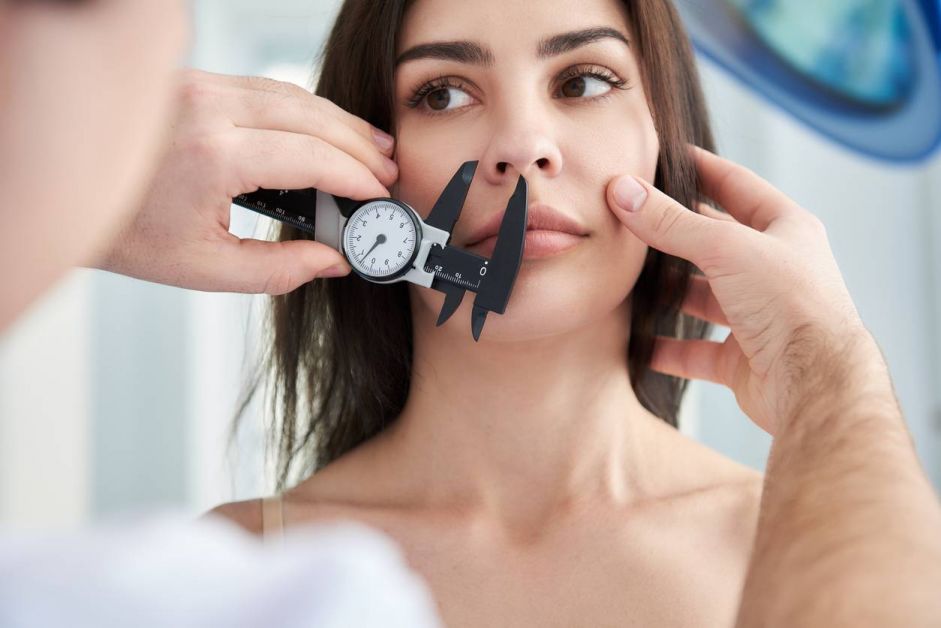
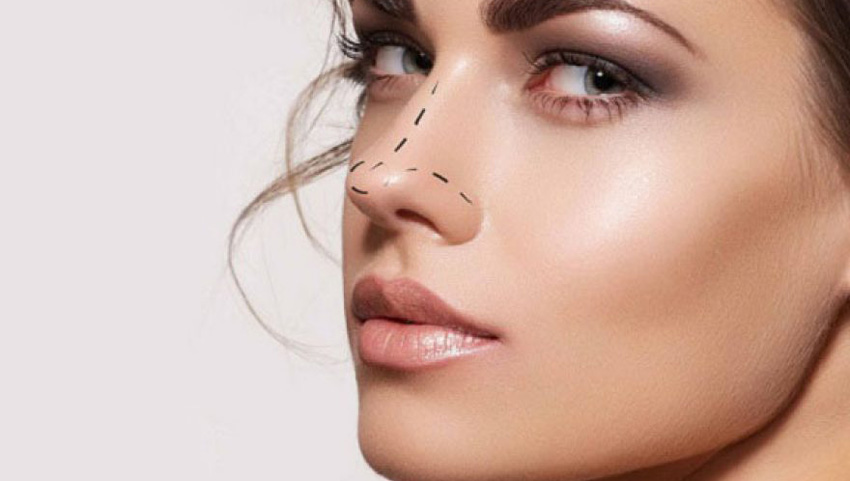
Ultrasonic rhinoplasty, often called piezo rhinoplasty, uses precise, high-frequency sound-wave energy delivered through a specialized instrument to reshape nasal bone, offering more selective, controlled bone modification with potentially less trauma to surrounding soft tissue compared to traditional mechanical instruments. This technique, offered at the best specialized centers in Turkey, relies on internationally accredited hospital infrastructure that allows this procedure to be performed with particularly well-documented medical rigor.
This page belongs to our facial surgery in Turkey hub, within the broader aesthetic surgery in Turkey section. Below you will find the principle behind this technology, how it compares to traditional rhinoplasty instruments, who is a genuine candidate, the full step-by-step process, expected results, risks worth knowing, and the practical details to consider before choosing this treatment in Turkey. At any point, you can request a free quote, with no obligation.
What Ultrasonic Rhinoplasty Actually Does
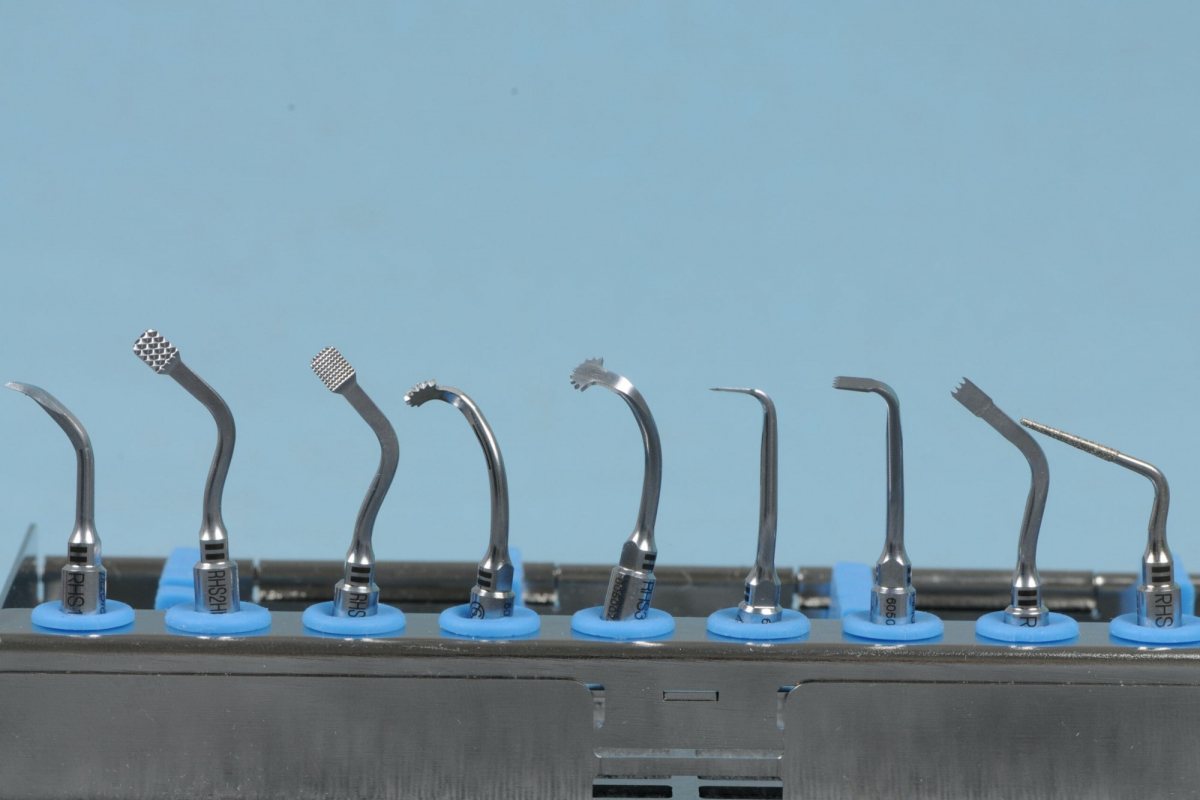
Traditional rhinoplasty techniques often rely on a mechanical instrument, sometimes described as a rasp or osteotome, to physically file or fracture nasal bone into its desired shape, a technique requiring considerable surgical force and skill but carrying some inherent unpredictability regarding exactly how bone will fracture. Ultrasonic rhinoplasty instead uses a specialized handheld device emitting precise, high-frequency vibrations specifically calibrated to cut or sculpt bone selectively, while remaining far less likely to damage the surrounding soft tissue, cartilage, and blood vessels that mechanical instruments can more readily disrupt.
How This Technology Compares to Traditional Mechanical Technique
It is worth understanding this distinction clearly, since it explains this technology's specific claimed advantages. Traditional mechanical rasping or osteotomy can occasionally create unpredictable microfractures extending beyond the intended treatment area, contributing to more diffuse bruising and swelling, while ultrasonic technology's more selective, controlled bone-cutting action is associated in several studies with reduced bruising, swelling, and a potentially more precise final bone contour. This is one of several refinements that place it alongside standard rhinoplasty in Turkey as a considered surgical option.
Comparison Table: Ultrasonic vs. Traditional Mechanical Technique
| Criterion | Ultrasonic (Piezo) Technique | Traditional Mechanical Technique |
|---|---|---|
| Bone modification method | Precise, selective high-frequency vibration | Mechanical filing or controlled fracturing |
| Soft tissue trauma | Generally reduced, given more selective action | Can be somewhat greater given less selective mechanical force |
| Bruising and swelling | Often reported as somewhat reduced | Can be more pronounced in some cases |
| Precision for fine bone contouring | Particularly well suited to fine, controlled adjustments | Effective but historically less selective |
Who Is a Genuine Candidate for This Technique
- Nasal bone concerns specifically, such as a dorsal hump or bony irregularity, where this technology's particular strengths are most directly relevant.
- A preference for potentially reduced bruising and swelling, since this technology's more selective bone-cutting action is associated with this reported benefit in several clinical comparisons.
- Realistic expectations understanding that this technology addresses bone modification specifically, while cartilage work, equally important for many rhinoplasty patients, still relies on standard surgical technique.
Indications and Contraindications for Ultrasonic Rhinoplasty
| Common Indications | Contraindications or Precautions |
|---|---|
| Nasal bone irregularities, including a dorsal hump, well suited to this precise technology | Active nasal or sinus infection requiring treatment first |
| Desire for potentially reduced bruising and swelling during recovery | Concerns primarily involving cartilage rather than bone, where this technology offers less direct benefit |
| Realistic expectations about this technology's specific bone-focused application | Active smoking, which can meaningfully affect healing regardless of technique used |
Step-by-Step: What the Procedure Involves
Before the Procedure
The initial consultation evaluates your specific nasal concerns, confirming whether ultrasonic technology is well suited to your particular combination of bone and cartilage work needed.
During the Procedure
This surgery is typically performed under general anesthesia, generally lasting a similar duration to traditional rhinoplasty, between one and three hours, with the surgeon using this specialized ultrasonic instrument specifically for bone modification, while addressing cartilage through standard surgical technique as needed.
After the Procedure
Recovery involves swelling and bruising, often somewhat milder than what some patients experience with traditional mechanical technique, though individual healing responses vary considerably, with a splint typically worn for the first week to support the nose.
Recovery Timeline
| Period | Typically Reported Progress |
|---|---|
| Days 1 to 7 | Swelling and bruising, often somewhat milder than traditional technique in some patient reports, splint worn for support |
| Weeks 2 to 4 | Most visible bruising resolves, splint removed, gradual return to normal activities |
| Months 6 to 12 | Final, fully settled nasal shape becomes apparent as all subtle residual swelling resolves |
Expected Results and Longevity
This result is permanent, since the surgical reshaping of bone and cartilage does not reverse itself, with this technology's more precise bone modification potentially contributing to a more refined final contour, though final results ultimately depend on the surgeon's overall skill and technique across both bone and cartilage work combined.
Risks and Possible Complications
- Localized heat generation, a theoretical consideration with ultrasonic energy requiring careful technique to avoid any thermal injury to surrounding tissue, generally well managed by experienced practitioners.
- Asymmetry, reduced through careful, symmetrical surgical planning regardless of the specific bone-modification technology used.
- Incomplete correction if cartilage concerns are not equally well addressed, underscoring that this technology specifically benefits bone work rather than representing a comprehensive solution for every rhinoplasty concern.
- Variable individual response, since reported benefits regarding reduced bruising and swelling, while documented in several studies, do not apply identically to every patient.
The Rigorous Medical Oversight Behind Turkey's Healthcare System
Turkey has built one of the most densely accredited healthcare infrastructures internationally among medical tourism destinations, with a number of Joint Commission International certified hospitals among the highest outside the United States. This accreditation enforces rigorous standards for this category of advanced nasal surgery technology.
Turkey's Ministry of Health has also developed a specific regulatory framework for medical tourism, including official certification of facilities authorized to receive international patients for this procedure.
The Specialized Training Behind Turkish Surgeons for This Technology
Turkey has developed a group of facial plastic surgeons with specific training in this specialized ultrasonic instrumentation, reflecting the country's broader position at the forefront of rhinoplasty technique and technology adoption within international facial plastic surgery.
An Honest Look at the Evidence Supporting This Technology
It is essential to approach this technology with the same evidence-based honesty applied throughout our content. Several published studies do support this technology's association with reduced bruising, swelling, and more precise bone contouring compared to traditional mechanical technique, representing a genuinely encouraging evidence base, though this technology's overall superiority remains an area of ongoing study rather than a universally settled conclusion, with surgeon skill and overall technique continuing to represent the most significant factor in final results regardless of which specific bone-modification tool is used.
Why This Technology Addresses Only Part of the Overall Rhinoplasty Picture
It is worth emphasizing directly that this technology specifically improves bone modification, one component of rhinoplasty, while cartilage reshaping, equally important for many patients' overall concerns, particularly regarding the nasal tip, still relies on standard surgical technique and skill independent of this specific bone-focused technology. A thorough surgeon combines this technology's bone-specific benefits with skilled cartilage work as needed for your complete surgical plan.
The Role of Reduced Tissue Trauma in Supporting Faster Initial Healing
This technology's more selective bone-cutting action is theorized to reduce collateral trauma to surrounding blood vessels and soft tissue, potentially contributing to the somewhat reduced bruising and swelling some patients report during their initial recovery, though it is worth noting that overall healing timeline for the fully settled final result remains similar regardless of which specific bone-modification technology is used.
Quality Signals Worth Looking for in a Surgical Team
A genuinely experienced team offering this technology explains clearly which specific aspects of your nasal concerns it will address, distinguishing bone-related concerns well suited to this technology from cartilage-related concerns requiring separate, skilled technique. A team that discusses this technology's genuine, evidence-supported benefits honestly, without overstating its role as a complete solution for every rhinoplasty concern, also reflects the kind of transparent care that distinguishes trustworthy practice.
Preparing for Your Consultation
It is useful to bring reference photographs illustrating your specific concerns, since a thorough evaluation distinguishing your bone-related concerns from cartilage-related concerns helps determine how this technology specifically fits within your broader, individualized surgical plan.
Maintaining Continuity of Care Between Turkey and Canada
It is recommended to keep thorough documentation of your procedure, including whether this ultrasonic technology was used and for which specific aspects of your surgery, since this information can be valuable for any future consultation with a surgeon in Canada.
Patient Experiences Reported After This Procedure
Many patients who have undergone this technique describe genuine satisfaction with their recovery experience, particularly appreciating what they perceived as reduced bruising and swelling compared to their expectations, though individual experiences vary and this technology's benefit, while documented, is not universally dramatic for every patient.
The Psychological Dimension Behind Seeking the Most Advanced Available Technology
Many patients researching this technology are drawn specifically by a desire to access the most current, technologically advanced surgical options available, reflecting a reasonable and understandable preference for innovation when genuinely supported by evidence. This preference deserves respectful engagement from a surgical team capable of discussing honestly both this technology's genuine benefits and its appropriate, specific role within your overall surgical plan.
Combining This Technology With Standard Rhinoplasty Technique
This technology is inherently combined with standard rhinoplasty technique for cartilage work, already detailed in our dedicated rhinoplasty content, since comprehensive rhinoplasty virtually always requires addressing both bone and cartilage together for a complete, harmonious result. In more complex anatomies, it may also form part of a septorhinoplasty when breathing function is addressed at the same time.
Why a Second Opinion Matters for This Decision
Seeking a second surgical opinion remains worthwhile for this procedure, particularly to confirm whether this specific technology genuinely benefits your particular combination of concerns or whether standard technique would produce an equally satisfactory result for your specific situation.
Questions Worth Asking During Your Consultation
It is useful to gather here the most relevant questions to bring to your surgeon, including their specific experience with this ultrasonic instrumentation, which specific aspects of your concerns they plan to address using this technology versus standard technique, and their honest assessment of how much benefit you can realistically expect from this specific technology for your situation.
The Physics Behind Piezoelectric Bone Modification
It is worth understanding this underlying technology in a bit more depth, since it explains why this instrument behaves so differently from mechanical alternatives. Piezoelectric technology generates precise mechanical vibrations at ultrasonic frequencies, and these vibrations are specifically tuned to effectively cut through mineralized bone tissue while remaining largely ineffective against the softer, more elastic soft tissue and blood vessels surrounding this bone. This selective physical property, rather than surgeon skill alone, provides the underlying scientific basis for this technology's reduced soft tissue trauma.
The Historical Development of This Technology Within Facial Surgery
This technology was initially developed and refined within other surgical specialties, particularly oral and maxillofacial surgery, before being adapted specifically for rhinoplasty applications over the past couple of decades. This origin means the underlying piezoelectric technology itself carries a longer track record of surgical safety data, even though its specific rhinoplasty application represents a more recent, specialized adaptation requiring dedicated additional training for surgeons choosing to incorporate this tool into their practice.
Understanding the Learning Curve Associated With This Technology
Surgeons adopting this technology must develop specific familiarity with its particular handling characteristics, including the appropriate speed and pressure for different bone modification tasks, a learning process distinct from the technical skills developed through mechanical instrument use. This distinct skill set is part of why verifying a surgeon's specific experience with this instrumentation, rather than assuming general rhinoplasty competency automatically translates to skilled ultrasonic technique, matters for patients specifically seeking this technology.
The Role of Cost Considerations in Technology Adoption
It is worth noting that this specialized equipment represents a genuine investment for clinics choosing to offer this technology, and this investment can be reflected, to varying degrees, in the overall cost structure of clinics offering this advanced instrumentation. This consideration is worth understanding as part of a complete, informed decision about whether this technology's specific benefits justify any associated cost difference for your particular situation. You can review broader ranges on our pricing in Turkey page.
Speaking With Your Surgical Team in Your Own Language
Communicating your specific questions about this technology and how it applies to your particular combination of concerns benefits enormously from a direct conversation in a language you are fully comfortable in. Many clinics in Turkey now offer English-speaking and French-speaking coordination specifically to support this kind of clear, direct communication for their international patients.
The Importance of Setting Appropriately Calibrated Expectations
Patients who understand this technology's specific, bone-focused application, rather than expecting it to represent a universally superior solution transforming every aspect of their rhinoplasty experience, tend to report the most accurate, satisfying assessment of their results. This calibrated understanding reflects the broader principle that any specific surgical tool serves best when applied thoughtfully to its genuinely appropriate application.
A Final Word on This Precise, Evidence-Supported Technology
This technology represents a genuine, evidence-supported refinement within rhinoplasty technique, offering meaningful benefits specifically for bone modification while working alongside, rather than replacing, the equally important skilled cartilage work every comprehensive rhinoplasty requires. This nuanced understanding is precisely why approaching this technology with realistic, appropriately scoped expectations matters for genuine patient satisfaction.
Thank you for taking the time to read through this detailed, honest overview of a technology that continues to offer meaningful, well-documented benefits for the right application.
Taking the Time to Confirm This Technology Genuinely Suits Your Needs
Given how much this technology's benefit depends on your specific combination of bone and cartilage concerns, it is worth taking sufficient time to discuss this fit thoroughly with your surgeon before making your final decision.
Recognizing the Value of a Surgeon's Honest, Balanced Perspective
The single most valuable thing a prospective patient can find in a consultation regarding this technology is a surgeon who discusses its genuine, evidence-supported benefits honestly, without overstating its role or presenting it as a universal solution superior to skilled surgical judgment across every aspect of your procedure.
The Broader Context of Technological Innovation in Rhinoplasty
This technology fits within a broader, ongoing pattern of technical innovation within rhinoplasty specifically and facial plastic surgery more generally, reflecting continued efforts to refine surgical precision and reduce patient trauma wherever meaningful, evidence-supported improvements can genuinely be achieved.
Understanding the Recovery Support You May Need
Even with this technology's potential to somewhat reduce bruising and swelling, arranging some practical support for the first week of recovery remains worthwhile, since the nasal splint and general post-surgical recovery still affect your comfort with daily activities during this initial healing period.

The Value of Realistic Documentation for Comparison
Standardized photography before your procedure and at regular intervals during your recovery provides a much more objective way to track your healing progress, whether you choose this technology or a traditional approach, rather than relying on subjective daily impressions alone.
Final Thoughts on Making an Informed Technology Choice
Ultimately, this decision belongs within a larger conversation about your overall surgical plan, and choosing a surgeon whose overall skill and judgment you trust matters more than any single instrumentation choice, even one as genuinely well-supported as this specific technology.
We Wish You Clarity and Confidence in This Decision
Take the time you need to gather balanced information, ask thorough questions of your surgical team, and confirm your understanding of exactly how this technology fits within your complete, individualized surgical plan. Best wishes as you move forward with this thoughtful and well-informed decision.
Appreciating the Precision Behind This Advanced Instrument
There is something genuinely satisfying about a technology that applies such precise physical principles to achieve more selective, controlled surgical outcomes, and patients who benefit from this precision often describe particular appreciation for their surgeon's investment in staying current with well-supported surgical advances. We hope this guide has provided a clear and balanced understanding of this valuable technology. Take care, and best of luck as you consider this personal decision.
A Closing Thought on Balancing Innovation With Fundamentals
While advanced technology like this offers genuine value, the fundamentals of skilled surgical judgment, thorough consultation, and realistic expectations remain the true foundation of any successful rhinoplasty outcome, with technology serving as a valuable complement to, rather than a replacement for, these essential fundamentals. We are grateful for your time and attention throughout this detailed overview, and we look forward to supporting you through every step of this process.
Recognizing How Far Surgical Technology Has Advanced
It is genuinely remarkable how far rhinoplasty technique has evolved, from purely mechanical instruments toward this precise, physics-based approach, and this progress reflects the broader dedication within facial plastic surgery to continuously refine patient outcomes through evidence-based innovation.
Final Reflections on Choosing Wisely Among Available Options
Whatever specific technique or technology your surgeon ultimately recommends, the most important factor remains their overall judgment, experience, and ability to tailor their approach thoughtfully to your unique anatomy and goals, with any specific tool serving that broader surgical vision rather than replacing it. Whether your plan draws on standard technique, this ultrasonic approach, ethnic rhinoplasty, or a secondary rhinoplasty in a revision case, the underlying surgical judgment matters most.
Ultrasonic Rhinoplasty Pricing in Turkey
| Pricing Factor | Cost Impact |
|---|---|
| Use of this specialized instrumentation | May represent a modest additional investment given this equipment's specialized nature |
| Combination with structural cartilage work or other facial procedures | May represent an additional investment depending on this broader treatment plan |
Why Turkey Has Become a Leading Destination for This Technology
Turkey Compared to Other Medical Tourism Destinations
| Criterion | Turkey | Tunisia | Costa Rica | Dominican Republic | Colombia | Mexico |
|---|---|---|---|---|---|---|
| Common clinic language | English widely spoken, with growing French-speaking support | French and English widely spoken | Spanish, limited English | Spanish, variable English | Spanish, variable English | Spanish, variable English |
| Documented expertise with this specific instrumentation | Particularly well established | Good availability | Variable | Variable | Good availability | Good availability |
| Estimated pricing level | Particularly accessible | Accessible | Moderate | Moderate | Moderate | Moderate to accessible |
| Direct flight access from Canada | Direct flights available to Istanbul | Generally with a stopover in Europe | Variable | Variable | Variable | Variable |
The Turkish Cities Most Recognized for This Technology
Istanbul, a Major Hub for International Facial Plastic Surgery
This metropolis concentrates a particularly high density of clinics equipped with this specialized ultrasonic instrumentation.
Antalya, Izmir, and Ankara as Complementary Hubs
These cities also host recognized clinics offering this technology.
Why So Many Canadians Are Turning to Turkey for This Technology
Patients from cities such as Toronto, Montreal, Calgary, Ottawa, Edmonton, Winnipeg, Quebec City, Hamilton, Kitchener, London, Victoria, Halifax, Oshawa, Windsor, Saskatoon, Regina, Sherbrooke, St. Catharines, Barrie, Kelowna, Abbotsford, Kingston, Trois-Rivières, Guelph, Moncton, Brantford, Saint John, Peterborough, Thunder Bay, Saguenay, Lethbridge, Nanaimo, Kamloops, Belleville, Chilliwack, Drummondville, Sudbury, Sarnia, Wood Buffalo, and Fredericton are researching ultrasonic rhinoplasty in Turkey, drawn by access to this advanced technology combined with pricing that is significantly more accessible than what is typically available in Canada.
How to Choose a Clinic for This Technology
- Confirm the facility holds internationally recognized accreditation, particularly JCI.
- Ask specifically about the surgeon's experience with this ultrasonic instrumentation and their honest assessment of its benefit for your specific situation.
- Request to see the surgeon's own before-and-after results specifically using this technology.
Planning Your Medical Trip to Turkey
- Entry requirements: Canadian citizens generally need to obtain an electronic visa before departure.
- Flights and transfers: several airlines offer direct flights from major Canadian cities to Istanbul.
- Length of stay: plan for approximately ten days to two weeks for this procedure and initial recovery before flying home.
In Summary: A Precise Tool Within a Broader Surgical Skill Set
Ultrasonic rhinoplasty offers precise, selective bone modification with potentially reduced tissue trauma, complementing rather than replacing the skilled cartilage work equally essential to a comprehensive rhinoplasty result. Turkey offers well-established access to this advanced technology.
Before making a decision, it is recommended to have your specific combination of bone and cartilage concerns evaluated by an experienced surgical team. Patients interested in a personalized assessment can request a free quote from the Aylan Clinic team to receive guidance suited to their situation. To explore further, browse all facial surgery in Turkey or the broader aesthetic surgery in Turkey section.
The Value of Understanding This Technology's Specific, Honest Role
Given how this technology specifically benefits bone modification rather than representing a comprehensive rhinoplasty solution on its own, the most valuable consultation is one where your surgeon clearly explains exactly how this tool fits within your complete, individualized surgical plan. We wish you a thoughtful and well-informed path toward the balanced, refined result you are hoping to achieve, and we thank you for taking the time to read through this comprehensive guide in full.
Everything about Ultrasonic Rhinoplasty in Turkey
Technique, pricing, results and the full patient journey — every detailed answer in our complete guide.