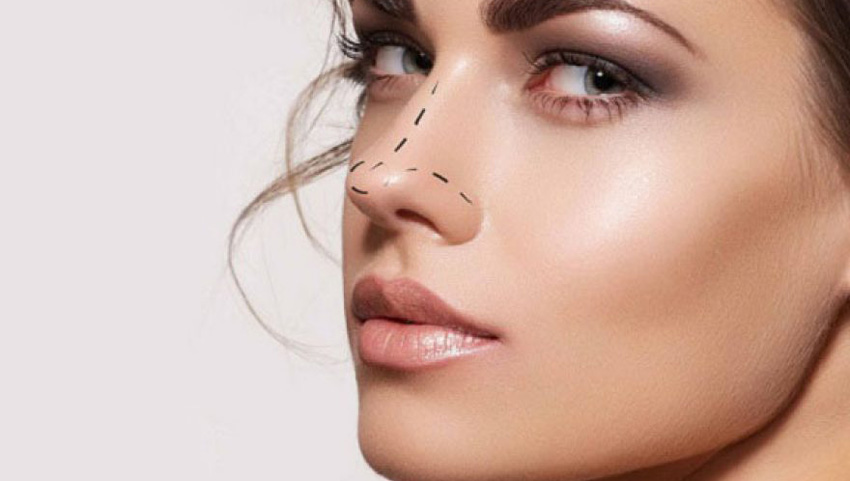
Ethnic rhinoplasty refines and reshapes the nose while deliberately preserving the specific anatomical characteristics tied to a patient’s cultural and ethnic heritage, rather than pursuing a single, universal nasal shape regardless of a patient’s background. This procedure, offered at the best specialized centers in Turkey, relies on internationally accredited hospital infrastructure that allows this surgery to be performed with particularly well-documented medical rigor.
This page belongs to our facial surgery in Turkey hub, within our wider aesthetic surgery in Turkey section. Below you will find the principle behind this approach, why it differs meaningfully from a standard rhinoplasty philosophy, who is a genuine candidate, the full step-by-step process, expected results, risks worth knowing, and the practical details to consider before choosing this treatment in Turkey. At any point, you can request a free quote, with no obligation.
What Ethnic Rhinoplasty Actually Prioritizes
Nasal anatomy varies considerably across different ethnic backgrounds, including skin thickness, cartilage strength, bone structure, and characteristic proportions, and these anatomical differences mean that a single, standardized approach to rhinoplasty, often historically developed around a narrower set of anatomical norms, does not serve every patient equally well. This approach specifically evaluates and respects your individual ethnic and cultural nasal characteristics, refining proportions and addressing specific functional or aesthetic concerns while deliberately preserving the features that connect your nose to your heritage and the rest of your facial identity.
Why a One-Size-Fits-All Approach Falls Short
It is worth understanding this concern directly, since it explains why this specialized approach matters so significantly for many patients. A surgeon trained primarily on a narrower range of nasal anatomy may inadvertently apply techniques or aesthetic goals poorly suited to different skin thickness, cartilage strength, or characteristic ethnic proportions, potentially producing a result that looks disconnected from a patient’s other facial features or that fails to account for anatomical realities, such as thicker skin’s different healing and contouring behavior, that meaningfully affect surgical planning and outcome.
Comparison Table: Ethnic-Specific Considerations in Rhinoplasty
| Anatomical Factor | Consideration for Surgical Planning |
|---|---|
| Skin thickness | Thicker skin behaves differently during healing and can obscure fine cartilage work, requiring adjusted technique |
| Cartilage strength | Weaker cartilage may require structural grafting for adequate support, while stronger cartilage offers different possibilities |
| Characteristic bridge and tip proportions | Preserving ethnically characteristic proportions rather than imposing a narrower universal standard |
| Nostril shape and width | Techniques must account for natural variation rather than applying a single template |
Who Is a Genuine Candidate for This Approach
- A desire for nasal refinement that respects, rather than erases, ethnic characteristics, seeking improved proportion or function while maintaining a nose that looks authentically connected to their heritage and the rest of their face.
- Functional breathing concerns alongside aesthetic goals, since this approach addresses both dimensions with equal attention to anatomical nuance.
- Realistic expectations about a personalized, proportionate result rather than a specific celebrity or idealized nose inconsistent with their own facial structure.
Indications and Contraindications for Ethnic Rhinoplasty
| Common Indications | Contraindications or Precautions |
|---|---|
| Desire for nasal refinement respecting ethnic and cultural characteristics | Active nasal or sinus infection requiring treatment first |
| Functional breathing concerns alongside aesthetic goals | Unrealistic expectations about replicating a nose inconsistent with one’s own anatomy |
| Realistic expectations about a personalized, proportionate result | Active smoking, which can meaningfully affect healing |
Step-by-Step: What the Procedure Involves
Before the Procedure
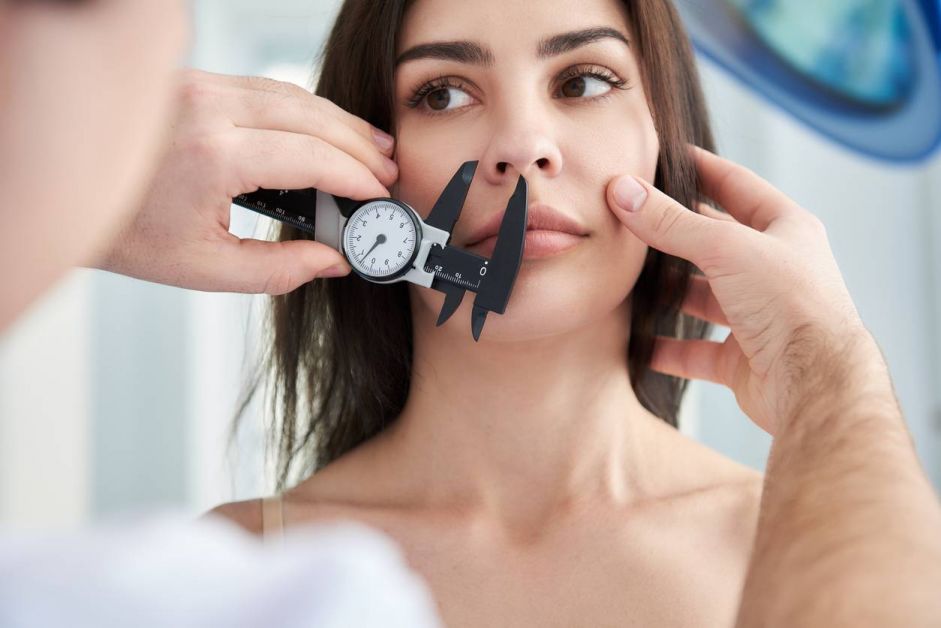
The initial consultation includes a thorough evaluation of your specific nasal anatomy, skin thickness, and cartilage strength, along with a detailed discussion of which characteristics you wish to preserve and which specific concerns you hope to address.
During the Procedure
This surgery is typically performed under general anesthesia, generally lasting between two and four hours depending on the complexity of the specific corrections needed, with the surgeon working carefully to refine nasal proportions while preserving your characteristic ethnic features.
After the Procedure
Recovery involves swelling and bruising, particularly around the eyes, during the first one to two weeks, with a splint typically worn for the first week to support the nose during this initial healing period.
Recovery Timeline
| Period | Typically Reported Progress |
|---|---|
| Days 1 to 7 | Swelling and bruising, particularly around the eyes, splint worn for support |
| Weeks 2 to 4 | Most visible bruising resolves, splint removed, gradual return to normal activities |
| Months 6 to 12 | Final, fully settled nasal shape becomes apparent as all subtle residual swelling resolves |
Expected Results and Longevity
This result is permanent, since the surgical reshaping of cartilage and bone does not reverse itself, though the nose continues to subtly settle and refine its final shape over a period that can extend up to a full year following surgery, particularly for patients with thicker skin requiring more time for this skin to fully contract around the newly reshaped underlying structure.
Risks and Possible Complications
- Prolonged swelling, particularly relevant for patients with thicker skin, who may need more patience before their truly final result becomes apparent.
- Asymmetry, reduced through careful, symmetrical surgical planning and precise technique.
- Breathing difficulty, a risk minimized through careful attention to preserving or improving internal nasal airway structure during the procedure.
- Under-correction or over-correction relative to ethnic proportions, underscoring the importance of a surgeon experienced specifically with this anatomically nuanced approach.
The Rigorous Medical Oversight Behind Turkey’s Healthcare System
Turkey has built one of the most densely accredited healthcare infrastructures internationally among medical tourism destinations, with a number of Joint Commission International certified hospitals among the highest outside the United States. This accreditation enforces rigorous standards for this category of nasal surgery.
Turkey’s Ministry of Health has also developed a specific regulatory framework for medical tourism, including official certification of facilities authorized to receive international patients for this procedure.
The Specialized Training Behind Turkish Surgeons for This Approach
Turkey has developed a deep pool of facial plastic surgeons with extensive experience treating a genuinely diverse international patient population, and this accumulated experience contributes to a nuanced understanding of how nasal anatomy and surgical technique needs vary meaningfully across different ethnic backgrounds.
Understanding Skin Thickness and Its Impact on Surgical Planning
It is worth understanding this factor in particular depth, since it represents one of the most significant anatomical variables affecting both surgical technique and expected outcome. Thicker skin, more common in certain ethnic backgrounds, tends to obscure fine cartilage refinement work to some degree and requires more time to fully contract around a newly reshaped nasal structure during healing, meaning both surgical planning and patient expectations must account for this specific anatomical reality rather than assuming universal healing and contouring behavior across all skin types.
The Importance of Preserving Characteristic Bridge and Tip Proportions
Many patients seeking this specialized approach specifically want to address concerns such as a dorsal hump or a wide tip while preserving other characteristic features, such as bridge width or a naturally rounded tip shape, that connect their nose to their family resemblance and cultural background. A skilled surgeon listens carefully to distinguish between features a patient wants changed and features they specifically want preserved, rather than assuming every anatomical characteristic represents something to be corrected.

Why Structural Support Considerations Differ by Cartilage Strength
Patients with naturally weaker or thinner cartilage may require additional structural grafting, often using cartilage harvested from the nasal septum, ear, or occasionally rib, to provide adequate long-term support for the reshaped nose, while patients with naturally stronger cartilage may need less additional structural reinforcement. This individualized structural planning reflects genuine anatomical variation rather than a uniform technique applied regardless of a patient’s specific cartilage characteristics.
Quality Signals Worth Looking for in a Surgical Team
A genuinely experienced team for this approach discusses your specific ethnic and cultural background directly and respectfully, asking clearly which features you wish to preserve rather than assuming a universal aesthetic goal. A team that demonstrates specific experience with your particular skin thickness and cartilage characteristics, evidenced through relevant before-and-after examples, also reflects the kind of nuanced expertise this approach genuinely requires.
Preparing for Your Consultation
It is useful to bring photographs of family members, since these images can help illustrate the specific characteristics you wish to preserve as part of your family resemblance, alongside a clear articulation of the specific concerns you hope to address.
Maintaining Continuity of Care Between Turkey and Canada
It is recommended to keep thorough documentation of your procedure, including any structural grafting performed, since this information can be valuable for any future consultation with a surgeon in Canada.
Patient Experiences Reported After This Procedure
Many patients describe particular satisfaction with achieving a refined, improved nose that still looks authentically like their own, often specifically appreciating that friends and family recognize continuity with their pre-surgical appearance rather than an entirely different, disconnected feature.
The Psychological Dimension Behind This Thoughtful Approach
Many patients approaching this decision carry a genuine concern about losing a connection to their heritage or family resemblance through surgery, and this concern deserves to be taken seriously and addressed directly by any surgical team. A thoughtful surgeon engages with this concern explicitly, helping patients articulate exactly which features feel important to preserve alongside the specific changes they are hoping to achieve.
Combining This Procedure With Other Facial Treatments
This procedure is occasionally combined with a chin implant, already detailed in our dedicated content, since nasal and chin proportions are closely related in overall facial balance, and addressing both together when appropriate can produce a more harmoniously proportioned profile.
Why a Second Opinion Matters for This Decision
Seeking a second surgical opinion remains worthwhile for this procedure, particularly to confirm that your chosen surgeon demonstrates genuine understanding of and experience with your specific ethnic nasal characteristics. If you are weighing more than one technique, comparing it with a standard rhinoplasty or a targeted ultrasonic rhinoplasty can help clarify which approach truly suits your anatomy.
Questions Worth Asking During Your Consultation
It is useful to gather here the most relevant questions to bring to your surgeon, including their specific experience with patients sharing your ethnic background, how they plan to balance your aesthetic goals with preserving your characteristic features, and whether structural grafting will be part of your specific surgical plan.
The Evolution of Rhinoplasty Philosophy Toward Ethnic Sensitivity
Facial plastic surgery has evolved considerably in its approach to nasal aesthetics over recent decades, moving from earlier standards often centered around a narrower range of anatomical templates toward a more genuinely global, inclusive understanding that respects diverse nasal characteristics as valid and beautiful in their own right rather than as deviations from a single ideal. This evolution reflects a broader, welcome shift within the specialty toward genuinely individualized, culturally respectful care.
The Role of Nasal Function in This Anatomically Diverse Approach
It is worth remembering that this procedure addresses breathing function as much as appearance, and functional nasal anatomy, including septal structure and internal airway dimensions, also varies across different populations. A surgeon experienced with diverse ethnic anatomy brings this same nuanced understanding to functional airway assessment and correction, not just external aesthetic appearance, ensuring breathing improvements are pursued with the same anatomical sophistication as aesthetic refinement. When a deviated septum is the main driver of obstruction, a dedicated septorhinoplasty may be discussed as part of the plan.
Understanding Bone Structure Variation and Its Surgical Implications
Beyond skin and cartilage, underlying nasal bone structure also varies meaningfully across ethnic backgrounds, including bone thickness and the specific proportions of the nasal bones relative to surrounding facial bones. This variation influences technical decisions throughout the procedure, including how bone is reshaped or repositioned, and a surgeon’s familiarity with this anatomical diversity contributes directly to a more predictable, well-planned surgical outcome.
The Importance of Avoiding a Single Aesthetic Template
It is essential to emphasize that this approach fundamentally rejects the idea of a single, universally ideal nasal shape, instead recognizing that beauty and proportion are meaningfully contextual, relative to an individual’s specific facial structure, ethnic background, and personal identity. A surgeon who understands and embraces this philosophy approaches every consultation with genuine curiosity about what would look proportionate and authentic for this specific patient, rather than measuring every nose against a single external standard.
Speaking With Your Surgical Team in Your Own Language
Communicating your specific concerns about which nasal characteristics feel important to preserve, alongside which concerns you hope to address, benefits enormously from a direct conversation in a language you are fully comfortable in. Many clinics in Turkey now offer English-speaking and French-speaking coordination specifically to support this kind of clear, culturally sensitive communication for their international patients.
The Value of Extensive Photographic Documentation for This Approach
Given how much this procedure depends on a nuanced understanding of your specific anatomy and your personal preferences regarding preservation versus change, standardized photography from multiple angles, along with any family photographs you choose to share, provides invaluable reference material supporting a truly individualized surgical plan.
Long-Term Follow-Up Considerations for This Procedure
Given how gradually thicker skin can settle following this surgery, extended follow-up over the course of the healing year remains particularly valuable, allowing your surgeon to monitor this progressive refinement and address any concerns that arise during this longer-than-typical healing timeline. This is one reason a carefully planned secondary rhinoplasty is only considered once the tissues have fully settled, rather than prematurely.
A Final Word on This Culturally Respectful Surgical Philosophy
This approach represents something genuinely important within modern facial plastic surgery: a recognition that surgical excellence requires anatomical knowledge spanning genuine human diversity, not a single narrow template applied universally. This philosophy is precisely why choosing a surgeon with authentic, demonstrated experience across diverse ethnic backgrounds matters so significantly for this particular procedure. Thank you for taking the time to read through this detailed overview of an approach that continues to represent thoughtful, anatomically respectful progress within facial plastic surgery.
Taking the Time to Reflect on Your Personal Priorities
This procedure, given its permanent nature and its close relationship to personal and cultural identity, deserves particularly thoughtful reflection before committing, ideally including sufficient time to articulate clearly, both to yourself and to your surgeon, exactly which features feel important to preserve.
Recognizing the Value of a Surgeon’s Genuine Cultural Curiosity
The single most valuable thing a prospective patient can find in a consultation for this procedure is a surgeon who approaches your specific background with genuine curiosity and respect, asking thoughtful questions rather than making assumptions about your aesthetic goals based on generalized ethnic categories alone.
The Broader Movement Toward Individualized Facial Plastic Surgery
This approach fits within a broader, welcome movement across facial plastic surgery toward truly individualized care that recognizes and celebrates human anatomical diversity, rather than measuring every patient against a single narrow standard. This evolution reflects genuine progress within the specialty, one that continues to benefit patients from increasingly diverse backgrounds seeking thoughtful, respectful surgical care.

Understanding the Recovery Support You May Need
Arranging some practical support for the first week or two after this procedure is worthwhile, since visible swelling and the nasal splint can affect your comfort with daily activities and, for some patients, their comfort in public settings during this initial healing period.
Final Thoughts on Achieving Authentic Facial Harmony
Ultimately, the goal of this approach is to help you achieve a nose that feels genuinely like an improved version of your own, one that fits harmoniously with the rest of your face and your sense of personal and cultural identity, rather than a feature that reads as disconnected or imposed from an external standard.
We Wish You Clarity and Confidence in This Decision
Take the time you need to gather information, articulate your specific priorities clearly, and confirm your comfort with your surgeon’s proposed plan before moving forward with this meaningful and personal decision.
The Value of Realistic Before-and-After Comparisons
When reviewing a surgeon’s portfolio, it is worth specifically seeking out patients whose starting ethnic background and anatomy resemble your own, since a result that looks excellent on a patient with different starting characteristics may not translate to a similarly successful outcome for your particular anatomy. Best wishes as you move forward with this thoughtful and personal decision.
Appreciating the Genuine Progress This Approach Represents
There is real value in an industry increasingly recognizing that beauty does not follow a single narrow template, and patients who benefit from this evolving understanding often describe particular gratitude for surgeons who took the time to genuinely understand their unique features and heritage. We hope this guide has provided a clear and thoughtful understanding of this important approach. Take care, and best of luck in achieving a result that authentically reflects who you are.
A Closing Thought on Identity and Self-Expression
Your nose is a distinctive, visible part of your identity, connected to your family and your heritage in ways that deserve genuine respect throughout this surgical process, and the best outcomes honor this connection rather than treating it as incidental to the procedure itself. We look forward to supporting you through every step of this meaningful process.
Recognizing the Diversity of Beauty Across Every Culture
Beauty has always taken countless authentic forms across human cultures, and this approach to surgery reflects a genuine respect for that diversity, helping each patient achieve a result that celebrates rather than diminishes their unique heritage. We wish you well as you take this thoughtful step toward feeling more confident in your own reflection.
Ethnic Rhinoplasty Pricing in Turkey
| Pricing Factor | Cost Impact |
|---|---|
| Complexity of the specific corrections needed, including any structural grafting | A primary factor influencing overall cost |
| Combination with other facial procedures | May represent an additional investment depending on this broader treatment plan |
For a broader overview of costs across procedures, see our pricing in Turkey guide, or request a free quote tailored to your situation.
Why Turkey Has Become a Leading Destination for This Procedure
Turkey Compared to Other Medical Tourism Destinations
| Criterion | Turkey | Tunisia | Costa Rica | Dominican Republic | Colombia | Mexico |
|---|---|---|---|---|---|---|
| Common clinic language | English widely spoken, with growing French-speaking support | French and English widely spoken | Spanish, limited English | Spanish, variable English | Spanish, variable English | Spanish, variable English |
| Documented experience with diverse ethnic nasal anatomy | Particularly well established | Good availability | Variable | Variable | Good availability | Good availability |
| Estimated pricing level | Particularly accessible | Accessible | Moderate | Moderate | Moderate | Moderate to accessible |
| Direct flight access from Canada | Direct flights available to Istanbul | Generally with a stopover in Europe | Variable | Variable | Variable | Variable |
The Turkish Cities Most Recognized for This Procedure
Istanbul, a Major Hub for International Facial Plastic Surgery
This metropolis concentrates a particularly high density of clinics with surgeons experienced across a genuinely diverse range of ethnic nasal anatomies.
Antalya, Izmir, and Ankara as Complementary Hubs
These cities also host recognized clinics offering this specialized approach.
Why So Many Canadians Are Turning to Turkey for This Procedure
Patients from cities such as Toronto, Montreal, Calgary, Ottawa, Edmonton, Winnipeg, Quebec City, Hamilton, Kitchener, London, Victoria, Halifax, Oshawa, Windsor, Saskatoon, Regina, Sherbrooke, St. Catharines, Barrie, Kelowna, Abbotsford, Kingston, Trois-Rivières, Guelph, Moncton, Brantford, Saint John, Peterborough, Thunder Bay, Saguenay, Lethbridge, Nanaimo, Kamloops, Belleville, Chilliwack, Drummondville, Sudbury, Sarnia, Wood Buffalo, and Fredericton are researching ethnic rhinoplasty in Turkey, drawn by well-documented experience with genuinely diverse patient anatomy along with pricing that is significantly more accessible than what is typically available in Canada.
How to Choose a Clinic for This Procedure
- Confirm the facility holds internationally recognized accreditation, particularly JCI.
- Ask specifically about the surgeon’s experience with patients sharing your ethnic background and nasal anatomy.
- Request to see the surgeon’s own before-and-after results specifically for patients with similar starting anatomy to your own.
Planning Your Medical Trip to Turkey
- Entry requirements: Canadian citizens generally need to obtain an electronic visa before departure.
- Flights and transfers: several airlines offer direct flights from major Canadian cities to Istanbul.
- Length of stay: plan for approximately ten days to two weeks for this procedure and initial recovery before flying home.
In Summary: A Thoughtful, Anatomically Respectful Approach to Nasal Surgery
Ethnic rhinoplasty refines nasal proportion and function while deliberately preserving the characteristics that connect your nose to your heritage and facial identity, rather than imposing a single universal standard. Turkey offers well-established, genuinely diverse expertise for this thoughtful approach.
Before making a decision, it is recommended to have your specific nasal anatomy evaluated by a surgeon with demonstrated experience in your particular ethnic characteristics. Patients interested in a personalized assessment can request a free quote from the Aylan Clinic team. To explore further, browse all of our facial surgery in Turkey options.
The Value of Feeling Genuinely Heard During Your Consultation
Given how personal this decision is, the most valuable consultation is one where you feel genuinely heard regarding which specific features matter to you, both those you wish to change and those you wish to preserve, rather than receiving a generic surgical plan applied without this individualized understanding. We wish you a thoughtful and well-informed path toward a result that authentically reflects both your personal goals and your heritage.