Female pattern hair loss, medically called female androgenetic alopecia when hormone-driven, differs fundamentally from male pattern baldness in both its underlying causes and its surgical implications, since women typically present with diffuse thinning across the crown and part line rather than the sharply localized, receding pattern seen in men. This distinction shapes nearly every decision in a woman's surgical evaluation, from confirming she is a genuine candidate at all to calculating a safe, sustainable graft plan. Turkey's surgical teams have developed specific expertise in this less straightforward diagnostic and planning process, distinct from the male-pattern volume that dominates the broader hair restoration industry.
This page is part of our hair transplant in Turkey hub, within aesthetic surgery in Turkey. Below you will find why female hair loss requires a genuinely different diagnostic approach, who is a real surgical candidate, the complete process adapted to female anatomy, realistic results, risks worth understanding, and the practical details for pursuing this procedure in Turkey. At any moment you can request a free quote, with no obligation.
Understanding the Ludwig Scale and Why Female Loss Looks Different
Female pattern hair loss is classified using the Ludwig scale, which describes progressive diffuse thinning at the crown and central part while the frontal hairline itself typically remains intact, a pattern visually distinct from the receding hairline central to male classification. Ludwig stage one shows mild widening of the central part, stage two shows more pronounced thinning visible under normal lighting, and stage three describes near-total diffuse thinning across the crown. A related pattern, sometimes described separately, involves a "Christmas tree" distribution where thinning is most pronounced near the front part and gradually tapers moving backward.
Why Diagnosis Matters More for Women Than for Men
Unlike male pattern baldness, where DHT sensitivity accounts for the overwhelming majority of cases, hair loss in women stems from a genuinely wider range of causes, including hormonal shifts from pregnancy, thyroid dysfunction, iron deficiency, telogen effluvium following illness or stress, and traction alopecia from certain hairstyling practices, alongside genetic female pattern loss itself. A significant proportion of these causes are not surgical candidates at all, since transplanting into a scalp affected by an active, treatable medical condition can produce disappointing results or, in some cases, actively harm the transplanted grafts once returned to an unstable follicular environment.
Comparison Table: Female Pattern Loss vs. Male Pattern Loss
| Criterion | Female Pattern Loss | Male Pattern Loss |
|---|---|---|
| Typical distribution | Diffuse thinning, crown and part line | Localized, hairline and crown |
| Frontal hairline | Usually preserved | Frequently recedes significantly |
| Range of underlying causes | Genuinely wide, including non-genetic causes | Predominantly DHT-driven |
| Donor zone stability | Sometimes affected by the same diffuse process | Reliably stable and resistant |
Who Is a Genuine Surgical Candidate
- A donor zone confirmed stable and unaffected by the same diffuse thinning process, since diffuse unpatterned alopecia can sometimes involve the donor area itself, unlike the reliably resistant male donor zone.
- Ruled-out or appropriately managed underlying medical causes, including thyroid function, iron levels, and any active telogen effluvium, ideally confirmed through blood work before surgical planning.
- Realistic expectations about density rather than dramatic transformation, since female surgical goals typically involve improving the appearance of thinning rather than filling a fully bald zone.
Indications and Contraindications Specific to Female Hair Restoration
| Common Indications | Contraindications or Precautions |
|---|---|
| Genetically confirmed female pattern loss with a stable, healthy donor zone | Active, untreated thyroid dysfunction, iron deficiency, or other reversible medical cause |
| Traction alopecia from sustained hairstyling tension, once the causative practice has stopped | Diffuse unpatterned alopecia affecting the donor zone itself |
| Localized thinning from scarring, prior surgery, or a specific area of concern | Ongoing telogen effluvium that has not yet resolved or stabilized |
Step-by-Step: What the Procedure Involves for Female Patients
Before the Procedure
Your surgical team conducts a genuinely thorough diagnostic evaluation, often including blood work screening thyroid function, ferritin, and other relevant markers, alongside direct scalp examination to confirm your donor zone's stability before any graft count is calculated.
During the Procedure
Performed under local anesthesia, extraction and implantation follow the same FUE or DHI principles already detailed in our dedicated content, though recipient site creation is generally denser and more strategically distributed across a wider diffuse area rather than concentrated at a single receding border.
After the Procedure
Because women typically retain more of their existing hair, camouflaging the healing donor and recipient areas is often more straightforward than in male patients with shorter overall hair length, though the same shock loss and shedding timeline applies.
Recovery Timeline
| Period | Typically Reported Progress |
|---|---|
| Days 1 to 10 | Scabbing and mild swelling, generally well concealed by existing hair length |
| Weeks 3 to 6 | Transplanted hair sheds as follicles enter a resting phase |
| Months 3 to 6 | New growth begins emerging, initially thin and sparse |
| Months 9 to 12 | Final density improvement becomes apparent as growth cycles complete |
Expected Results and Longevity
Because transplanted follicles carry the same donor dominance already detailed in our foundational content, results are permanent once regrowth completes, though this permanence again applies only to the specific follicles moved; any ongoing hormonal or diffuse thinning process affecting surrounding native hair continues independently unless addressed through complementary medical management.
Risks and Possible Complications
- Disappointing results if an underlying medical cause was missed, underscoring why thorough diagnostic screening before surgery matters more for women than for men.
- Shock loss affecting surrounding native hair, a particular concern in diffuse thinning patterns where every hair matters more visually.
- Continued progression of the underlying diffuse process, since surgery does not treat whatever hormonal or medical driver caused the original thinning.
- Standard surgical risks already detailed in our dedicated content, including folliculitis and technical graft placement considerations.
The Rigorous Medical Oversight Behind Turkey's Hair Restoration Industry
Turkey's Ministry of Health framework for international patients, combined with Joint Commission International accreditation held by many leading facilities, establishes licensed physician oversight requirements that matter particularly for female cases, where accurate diagnosis before surgery depends on genuine medical evaluation rather than a purely cosmetic consultation.
Why Surgeon Experience With Female-Specific Cases Matters
A surgeon whose experience is overwhelmingly built on male pattern cases may default to techniques and hairline strategies poorly suited to the diffuse, part-line-centered pattern typical in women. Specific experience with female diagnostic nuance and the denser, more distributed implantation strategy this pattern typically requires represents a genuinely distinct skill set worth confirming directly.
Understanding Why Some Women Are Told Surgery Is Not Yet Appropriate
An ethical surgeon sometimes recommends addressing an underlying medical cause, whether thyroid treatment, iron supplementation, or simply allowing several months for a stress-related telogen effluvium to resolve, before considering surgery at all. This honest sequencing, while requiring patience, protects patients from an unnecessary procedure performed on a scalp not yet in a condition to support lasting graft survival.
The Value of Blood Work Before Any Female Surgical Consultation
Requesting or bringing recent blood work covering thyroid function, ferritin, and vitamin D specifically supports a more accurate diagnostic conversation during your consultation, since many reversible causes of hair thinning in women produce symptoms that superficially resemble genetic female pattern loss without an underlying genetic component at all.

Quality Signals Worth Looking for in a Clinic for Female Patients
A genuinely thorough clinic asks detailed questions about your medical history, recent life events, medication use, and family pattern before ever discussing graft numbers, and does not proceed toward surgical scheduling until reasonably confident that genetic pattern loss, rather than a reversible medical cause, explains your specific presentation.
Preparing for Your Consultation
Bring any recent blood work results, a summary of your hair loss timeline including any major life events that preceded it, such as pregnancy or significant stress, and photographs showing progression over time if available.
Maintaining Continuity of Care Between Turkey and Canada
Request written documentation of your specific diagnosis, graft count, and any blood work findings from your evaluation, since this record supports continuity with a family physician, endocrinologist, or dermatologist in Canada, particularly if an underlying medical cause was identified alongside genetic loss.
Patient Experiences Reported by Female Patients
Many women describe a particular sense of validation in finally receiving a thorough diagnostic evaluation, having sometimes previously been told by other providers that their hair loss was simply stress or aging without any deeper investigation into a potentially treatable underlying cause.
Combining This Procedure With Other Treatments
Female hair restoration is frequently combined with PRP therapy or, when appropriate, minoxidil, already detailed in our dedicated content, to support the health of surrounding native hair affected by the same diffuse thinning process that the transplant itself does not directly treat.
Why a Second Opinion Matters for This Decision
Given the genuinely wider range of underlying causes behind female hair loss and the correspondingly higher stakes of a missed diagnosis, seeking a second opinion, ideally including independent blood work review, is particularly valuable before committing to surgery.
Questions Worth Asking During Your Consultation
Ask specifically what diagnostic steps were taken to rule out non-genetic causes, how many female-specific cases your surgeon has personally handled, and how they plan graft distribution across your particular diffuse pattern rather than treating it as a smaller version of male pattern restoration.
Understanding Why Donor Zone Stability Requires Special Confirmation in Women
Unlike the reliably resistant male donor zone, some women experience a more diffuse thinning process that can, in certain cases, extend into the area typically used for donor extraction. Confirming through direct examination, and sometimes trichoscopic imaging, that your specific donor zone remains genuinely stable and unaffected represents an essential step unique to female evaluation that does not carry the same weight in most male consultations.
The Emotional Dimension of Female Hair Loss Deserves Direct Acknowledgment
Hair loss in women often carries a particularly heavy social and emotional weight, given cultural associations between hair and femininity that differ from societal expectations placed on men, and a surgical team that acknowledges this dimension directly, rather than treating the consultation as a purely technical exchange, tends to provide a more genuinely supportive experience throughout this process.
Hairline and Part-Line Design Considerations Specific to Women
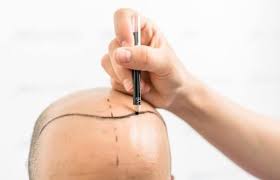
Because women typically retain their frontal hairline, surgical design focuses less on hairline reconstruction and more on strategically increasing density along the central part and crown, often requiring the surgeon to work within and around existing hair rather than designing an entirely new frontal border, a genuinely different artistic and technical exercise than typical male hairline work.
Complementary Scalp Treatments Worth Discussing Alongside Surgery
Some women pursuing hair restoration also explore complementary scalp health treatments, including PRP or exosome therapy already detailed elsewhere in our content, specifically to support overall follicular health across the broader thinning area rather than relying on transplantation alone to address every visible aspect of diffuse loss.
Understanding Traction Alopecia as a Distinct, Addressable Cause
Traction alopecia deserves particular attention within female hair loss, since it results from sustained mechanical tension on the follicle, most commonly from tight ponytails, braids, weaves, or hair extensions worn consistently over years, and it typically presents along the frontal hairline and temples where tension concentrates most heavily. Early traction alopecia often reverses on its own once the causative practice stops, since the follicle itself remains alive but dormant under sustained stress; only once a follicle has been subjected to this tension for a sufficiently long period does it undergo permanent miniaturization requiring surgical correction rather than simple behavioral change. A surgeon evaluating this specific cause examines whether follicles show scarring consistent with permanent damage or whether meaningful spontaneous regrowth has occurred since the tension stopped, since this distinction determines whether surgery is genuinely necessary or premature.
Understanding Telogen Effluvium and Why Timing Matters Enormously
Telogen effluvium describes a temporary shift where a disproportionate number of follicles simultaneously enter the resting, shedding phase in response to a triggering event such as significant illness, surgery, extreme stress, rapid weight loss, or childbirth specifically. This shedding typically begins two to three months after the triggering event itself, which is why patients are often confused about the cause, not connecting hair loss to a stressor that occurred months earlier. The overwhelming majority of telogen effluvium cases resolve completely within six to twelve months once the underlying trigger resolves, without any surgical intervention whatsoever, which is precisely why a surgeon evaluating a woman with recent-onset diffuse shedding, particularly following a documented triggering event, generally recommends waiting through this resolution window rather than proceeding directly to surgical planning.
Understanding Postpartum Hair Loss Specifically
Postpartum hair loss represents a particularly common and specific form of telogen effluvium, occurring because elevated pregnancy hormones extend the normal growth phase for many follicles simultaneously, meaning far fewer hairs than usual shed during pregnancy itself; once these hormone levels normalize after delivery, this artificially extended cohort of hairs enters the shedding phase together, producing a shedding episode that can feel dramatic despite being entirely normal and self-resolving, typically completing within six to twelve months following delivery. Surgeons routinely advise new mothers experiencing this pattern to wait through this full resolution window before any surgical consultation, since proceeding earlier risks planning surgery around a temporary condition rather than a stable, lasting pattern.
Understanding Menopause-Related Thinning as Its Own Consideration
Hormonal shifts during perimenopause and menopause can trigger or accelerate genetic female pattern thinning, given declining estrogen's protective effect against androgen sensitivity in susceptible follicles, meaning some women first notice pattern loss specifically during this life stage even without prior signs. This hormonal context is worth discussing openly during consultation, since some surgeons recommend coordinating surgical timing with a physician managing broader menopausal symptoms, particularly when hormone replacement therapy is already part of a patient's care and could itself influence ongoing follicular health.
Camouflage Techniques During the Recovery Period
Because most female patients retain significantly more surrounding hair length than typical male patients, several practical camouflage strategies become available during the healing period that are less relevant to male recovery, including specific parting adjustments, headband or light scarf use once initial healing permits, and scheduling around any planned social or professional commitments during the most visible early scabbing phase. Discussing these practical strategies directly with your surgical team before your procedure helps you plan your specific recovery timeline around your own personal and professional circumstances.
Understanding Scalp Micropigmentation as a Complementary, Not Competing, Option
Scalp micropigmentation, a specialized tattooing technique creating the visual illusion of density through pigment deposited into the scalp, is sometimes discussed alongside surgical transplantation for women, particularly for patients whose diffuse pattern extends beyond what available donor supply can fully address through transplantation alone. This technique does not add actual hair but can meaningfully improve the visual perception of density when combined thoughtfully with a surgical plan, and some women pursue this combination specifically to maximize their overall satisfaction given donor supply limitations.
Pricing Considerations for Female Hair Restoration in Turkey
| Pricing Factor | Cost Impact |
|---|---|
| Extent of diagnostic evaluation, including any recommended blood work | Can add a modest additional cost beyond the surgical fee itself |
| Graft count required for adequate diffuse coverage | A primary factor influencing overall surgical cost |
For a broader overview of costs across procedures, see our pricing in Turkey page, or request a free quote tailored to your specific pattern and graft count.
Understanding Iron Deficiency's Specific Role in Female Hair Loss
Ferritin, the protein that stores iron in the body, plays a direct role in follicle function, and levels considered technically "normal" by standard laboratory ranges can still be insufficient to support optimal hair growth, since many hair loss specialists recommend a ferritin threshold considerably higher than the lower limit of standard reference ranges. Women are particularly susceptible to iron deficiency given menstruation, and a surgeon or physician identifying borderline ferritin levels during pre-surgical screening may recommend supplementation and retesting before finalizing any surgical plan, since correcting this specific deficiency alone sometimes produces meaningful improvement without any surgical intervention at all.
Understanding Why Family History Carries Different Weight for Women
While family history remains relevant for predicting genetic female pattern loss, its predictive value is somewhat less absolute than in men, since female pattern expression depends on a more complex interplay of genetic and hormonal factors rather than the more singularly DHT-driven mechanism dominant in male cases. A mother or grandmother's hair pattern provides useful context but should not be treated as a definitive predictor the way paternal balding patterns often function in male family history discussions.
Understanding Long-Hair FUE as a Technique Some Women Specifically Prefer
Some clinics offer a variant sometimes called long-hair FUE, where donor hair is extracted without shaving the donor zone down to stubble first, allowing existing hair length to remain and conceal the extraction sites throughout healing. This approach requires greater technical skill, since the surgeon must judge extraction angle without the visual reference shaving typically provides, but many women specifically request this option given how much more discreet it makes the immediate post-procedure period, particularly for patients needing to return to work or social obligations quickly after surgery.
Understanding Why Density Expectations Differ From Male Cases
Because female surgical goals typically involve improving the visual appearance of an already-present but thinning area rather than filling a fully bald zone, the specific density threshold needed to achieve a satisfying visual result is often lower than what male patients require to address complete baldness. A surgeon explaining this distinction clearly during consultation, rather than presenting the same density targets used in male-pattern planning, demonstrates the kind of case-specific expertise that female patients should specifically look for. Compare this with the approach detailed on our hair transplant for men page.
Why Turkey Has Become a Leading Destination for Female Hair Restoration
Turkey Compared to Other Medical Tourism Destinations
| Criterion | Turkey | Tunisia | Costa Rica | Dominican Republic | Colombia | Mexico |
|---|---|---|---|---|---|---|
| Common clinic language | English widely spoken, growing French support | French and English widely spoken | Spanish, limited English | Spanish, variable English | Spanish, variable English | Spanish, variable English |
| Documented experience with female-specific diagnostic evaluation | Particularly well established | Good availability | Variable | Variable | Good availability | Good availability |
| Estimated pricing level | Particularly accessible | Accessible | Moderate to high | Moderate | Moderate | Moderate |
| Direct flight access from Canada | Direct flights to Istanbul | Generally via a European stopover | Variable | Variable | Variable | Variable |
The Turkish Cities Most Recognized for This Procedure
Istanbul hosts several clinics with specific reputations for thorough female diagnostic evaluation, a specialization distinct from the broader male-pattern volume dominating the wider industry. Antalya, Izmir, and Ankara also host recognized clinics for patients whose travel plans favor these alternatives.
Why So Many Canadian Women Choose Turkey for This Procedure
Patients from Toronto, Montreal, Calgary, Ottawa, Edmonton, Winnipeg, Quebec City, Hamilton, Kitchener, London, Victoria, Halifax, Oshawa, Windsor, Saskatoon, Regina, Sherbrooke, St. Catharines, Barrie, Kelowna, Abbotsford, Kingston, Trois-Rivières, Guelph, Moncton, Brantford, Saint John, Peterborough, Thunder Bay, Saguenay, Lethbridge, Nanaimo, Kamloops, Belleville, Chilliwack, Drummondville, Sudbury, Sarnia, Wood Buffalo, and Fredericton travel to Turkey for this procedure, drawn by thorough diagnostic protocols and pricing considerably below typical Canadian private clinic rates for comparable evaluation and graft counts.
How to Choose a Clinic as a Female Patient
- Confirm the clinic conducts genuine diagnostic screening, including relevant blood work, before proceeding toward surgical scheduling.
- Ask specifically how many female-pattern cases your surgeon has personally handled, distinct from overall clinic volume dominated by male cases.
- Request before-and-after results specifically from female patients with a diffuse thinning pattern comparable to your own.
Planning Your Medical Trip to Turkey
- Entry requirements: Canadian citizens generally need an electronic visa before departure.
- Flights and transfers: several airlines offer direct service from major Canadian cities to Istanbul.
- Length of stay: plan for four to five days, allowing time for the procedure and an initial follow-up before flying home.
In Summary: A Genuinely Distinct Diagnostic and Surgical Process
Female pattern hair loss follows a diffuse, part-line-centered pattern requiring a fundamentally different diagnostic approach than male pattern baldness, given the wider range of potential underlying causes. Turkey's surgical teams with specific female-focused experience bring particular value to this more complex evaluation process.
Before making a decision, ensure your specific diagnosis has been thoroughly confirmed, ideally including relevant blood work, by an experienced surgical team. Patients interested in a personalized assessment can request a free quote from the Aylan Clinic team. To explore further, see all hair transplant options in Turkey.
Everything about Hair Transplant (Women) in Turkey
Technique, pricing, results and the full patient journey — every detailed answer in our complete guide.