Female hair transplantation relocates individual follicles, typically from the back of the scalp, into areas of diffuse thinning or a receding hairline, using techniques adapted specifically for the way women’s hair loss patterns differ from male pattern baldness. Women comparing the best hair transplant clinics Turkey has to offer increasingly consider this option, drawn by surgeons with genuine female-specific experience and pricing that runs up to roughly 60% cheaper than equivalent private care back home. This guide walks through exactly how a women’s hair transplant works, what it costs to consider, and what women specifically should know before booking.
This guide complements our Hair Transplant (Women) in Turkey procedure page and sits within our wider hair transplant in Turkey hub. Where this guide is pedagogical, the intervention page covers exactly how the procedure is performed, the length of stay, and aftercare. At any point you can review our pricing in Turkey for an honest cost picture. Aylan Clinic built this resource to help you compare your options honestly.
What a Women’s Hair Transplant Actually Is
Women typically experience diffuse thinning across the scalp rather than the more localized balding pattern common in men, requiring surgeons to plan graft distribution differently and often preserve more length in donor hair to blend naturally with existing longer styles. A surgeon experienced predominantly with male pattern baldness may not automatically understand the different density distribution and styling considerations female patients typically need, making genuine female-specific experience worth confirming directly.
How the Procedure Works, Step by Step
Extraction follows the same core FUE principles used for any patient, though many women prefer a minimally shaved or shave-free approach to preserve their existing style during recovery, followed by careful implantation addressing the specific thinning pattern identified during consultation.
Who Actually Seeks Out a Women’s Hair Transplant
Diffuse thinning across the crown, a receding or uneven hairline, hair loss following pregnancy or menopause, and thinning caused by traction alopecia from tight hairstyles all commonly bring women to explore this specific option.
Who Makes a Good Candidate
Candidacy depends heavily on the underlying cause and pattern of hair loss, since some conditions like active telogen effluvium respond better to medical treatment first, making a thorough consultation examining your specific diagnosis essential before proceeding.
Women’s Hair Transplant Turkey Cost
Package pricing depends on graft count and clinic reputation, though women consistently find hair transplant packages in Turkey run up to roughly 60% cheaper than equivalent private care back home. For an honest cost picture, see our pricing in Turkey page.
Turkey vs Canada
| Factor | Turkey | Canada |
|---|---|---|
| Package cost comparison | Up to roughly 60% cheaper | Full domestic pricing |
| Surgeon experience with female patterns specifically | Typically extensive | Typically limited |
| All-inclusive travel packages | Standard offering | Rarely bundled |
Best Clinic for a Women’s Hair Transplant
Diffuse thinning patterns demand different density planning than male balding, so ask directly to see female-specific before-and-after results rather than general male portfolio photos when comparing the best clinic for hair transplant Turkey options. And the cheapest women’s hair transplant package is rarely a good sign — the nuanced density work female patterns require makes surgeon skill even more important than with straightforward male pattern cases, so an unusually cheap quote deserves real scrutiny.
“Women’s Hair Transplant Near Me”: Why Turkey Still Wins
Local options are worth checking for comparison purposes, though most women searching “hair transplant near me” quickly find domestic per-graft pricing runs considerably higher than an all-inclusive Turkish package addressing the same diffuse thinning pattern. Searching “female hair transplant clinic near me reviews” or “women’s hair restoration close to me cost” tends to surface more useful comparison information than a bare “near me” search alone.
Verified Reviews and Before-and-After Photos
Look for reviews mentioning diffuse density improvement and hairline naturalness specifically, since these are the procedure’s core success markers for women, alongside photos taken well past twelve months and posted recently rather than years ago. For a before-and-after photo to be trustworthy, look for consistent lighting, hairstyle, and parting between the before and after shots, along with a visible timestamp past the twelve-month mark, since these details are considerably harder to fake than a single polished photo.
Aylan Clinic and Our Canadian Patients
Aylan Clinic works with women seeking fuller, more natural-looking hair, and we prioritize careful density planning specific to diffuse thinning patterns rather than treating this as a simple extension of male pattern technique. A meaningful share of our patients come from across Canada.
| Region | Cities We Serve |
|---|---|
| Ontario & GTA | Toronto, Ottawa, Hamilton, London, Kitchener, Waterloo, Windsor, Mississauga, Brampton, Barrie, Kingston, Sudbury |
| BC & the Prairies | Vancouver, Victoria, Surrey, Burnaby, Kelowna, Calgary, Edmonton, Winnipeg, Regina, Saskatoon |
| Atlantic Canada | Halifax, Saint John, Fredericton, Charlottetown, St. John’s |
| Northern Canada | Whitehorse, Yellowknife, Iqaluit |
Remote consultation makes the added distance a non-issue for patients in the North and in more isolated communities.
Turkish Cities Offering Women’s Hair Transplants
The main Turkish cities offering female-specific hair transplant services, listed alphabetically, are: Adana, Afyonkarahisar, Alanya, Ankara, Antalya, Bodrum, Bursa, Çanakkale, Denizli, Edirne, Eskişehir, Fethiye, Gaziantep, Istanbul, Izmir, Kayseri, Kocaeli, Konya, Kuşadası, Marmaris, Mersin, Sakarya, Samsun, Tekirdağ, Trabzon, and Yalova.
Turkey by Region: Where Female-Specialized Clinics Cluster
Marmara Region hosts the deepest bench of female-specific hair restoration surgeons in the country, anchored by Istanbul’s international airports and largest concentration of accredited clinics. In the Aegean Region, Izmir has built a genuine reputation for diffuse thinning treatment specifically, often at somewhat lower regional pricing than Istanbul’s most prominent practices. The Mediterranean Region’s resort-recovery model, led by Antalya, appeals to many women given the relaxed, private setting for a longer recovery stay. In Central & Eastern Anatolia, fewer clinics specialize specifically in female pattern hair loss compared to standard male FUE, so confirm dedicated experience directly. The Black Sea Region has a smaller presence overall, generally better suited to patients already travelling through the region.
| Turkish Region | Cities | Best Suited For |
|---|---|---|
| Marmara | Istanbul, Bursa, Kocaeli, Sakarya, Tekirdağ, Yalova, Edirne, Çanakkale | Widest female-specialist selection |
| Aegean | Izmir, Kuşadası, Denizli, Afyonkarahisar | Lower regional pricing |
| Mediterranean | Antalya, Alanya, Mersin, Fethiye, Marmaris | Resort-style, private recovery |
| Central & Eastern Anatolia | Ankara, Konya, Kayseri, Eskişehir, Gaziantep | Domestic-focused, verify female experience |
| Black Sea | Samsun, Trabzon | Travellers already in the region |
Flight Routes for Canadian Patients
Flying direct to Istanbul works best from Toronto and Ottawa, connecting through one stopover from Vancouver or Calgary, routing via Toronto or Calgary for Prairie patients, via Toronto or Montreal for Atlantic Canadians, and with an added domestic leg for Northern patients before the international flight.
Turkey Compared to Other Destinations
Mexico’s medical tourism sector runs solid generally, though genuine female-pattern specialization remains considerably less developed than what Turkish clinics have built through sheer procedure volume over the past decade. Thailand and India both offer growing medical tourism infrastructure, though dedicated female-pattern specialists remain harder to find outside Turkey’s concentrated hair transplant ecosystem. Hungary, Poland, and the Czech Republic excel in dental and general cosmetic tourism, but their hair transplant sectors, and female-specific expertise particularly, remain considerably smaller in scale. While South Korea offers respected cosmetic credentials, its pricing runs meaningfully higher, and Costa Rica, Colombia, and Malaysia together maintain considerably smaller, less specialized hair transplant sectors by comparison.

Long Hair FUE: The Technique Many Clinics Skip Explaining
Long Hair FUE extracts and implants grafts without shaving the donor or recipient areas, allowing women to keep their existing length and style throughout the entire recovery period, a detail that matters enormously for patients who can’t take extended time away from work or social visibility. Keeping hair unshaved does not compromise graft quality when performed by a genuinely experienced surgeon — the technique simply requires more precise extraction around existing longer hairs, making surgeon skill with this specific approach worth confirming directly rather than assuming every clinic offers it competently.
Pre-Candidacy Screening: Thyroid and Ferritin Testing
A genuinely thorough clinic screens specifically for thyroid function and ferritin iron stores before confirming candidacy, since both conditions commonly cause diffuse thinning in women and can undermine transplant results if left unaddressed beforehand. Skipping this screening can save time and cost for a clinic, but proceeding with a transplant while an underlying hormonal or nutritional cause remains untreated can lead to disappointing results regardless of surgical skill, making this step genuinely worth prioritizing.
Scalp Dermoscopy: A Diagnostic Step Worth Asking About
Dermoscopy uses a specialized magnified imaging tool to examine follicle miniaturization patterns before surgery, helping confirm your hair loss has genuinely stabilized rather than still actively progressing, though not every clinic includes this diagnostic step as standard practice.
Part-Line and Fronto-Temporal Density Planning
Female pattern thinning frequently concentrates along the part line and fronto-temporal areas rather than the crown, requiring surgeons to plan density distribution specifically for these zones rather than applying a standard male-pattern template.
Cheap Packages and a Realistic Price Framework
Chasing the cheapest women’s hair transplant package is rarely a good sign — the nuanced diffuse thinning work female patterns demand makes surgeon skill especially important, so an unusually cheap quote often signals corners cut on exactly the expertise this procedure requires most. To evaluate quotes across clinics, request a breakdown covering surgeon experience specifically with female patterns, graft count, and whether Long Hair FUE is genuinely offered, rather than comparing bottom-line totals that can hide meaningfully different service levels.
Best Clinic Checklist: A Canadian Framework
- Does the surgeon have specific, extensive experience treating female pattern hair loss?
- Is Long Hair FUE genuinely available for patients wanting to avoid shaving?
- Does the clinic screen for thyroid and ferritin levels before confirming candidacy?
- Are female-specific before-and-after photos available and verified?
Provincial Health Coverage
Coverage simply isn’t available in most cases — hair transplants are classified as cosmetic procedures across every province, so OHIP, MSP, AHCIP, and every other provincial plan excludes them entirely, even when hair loss stems from a medical condition.
The Full Recovery Timeline, Month by Month
Expect scabbing to clear within about ten days, shock loss around the third to fourth month, which can feel particularly discouraging given how visible thinning already was, and full maturity typically arriving between month twelve and month fourteen. The core aftercare principles stay the same as male aftercare, though styling guidance around gently incorporating the treated area into existing hairstyles adds a female-specific consideration many male patients don’t typically encounter.
Age, Candidacy, and Hormonal Stability
Many surgeons prefer confirming hair loss has genuinely stabilized, often waiting until after menopause-related shifts settle or confirming a stable diagnosis, since hormonal fluctuations can still meaningfully affect female pattern loss at various life stages. Unlike male pattern baldness which typically follows a predictable genetic trajectory, female hair loss often ties closely to hormonal fluctuations, making confirmation of genuine stability particularly important before committing donor grafts to any specific area.
International Accreditation
Beyond standard Ministry of Health licensing, asking specifically about the surgical team’s female case volume matters, since general accreditation doesn’t necessarily confirm dedicated diffuse-pattern expertise. The same hospital-grade accreditation standards apply regardless of gender, since sterilization and safety protocols don’t change based on which pattern is being treated.
Red Flags Specific to Women’s Bookings
- A clinic treating female patterns as identical to male patterns without acknowledging diffuse thinning differences.
- No dedicated female-specific portfolio separate from general male results.
- No mention of thyroid or ferritin screening before confirming candidacy.
- Pressure to book without a thorough diagnostic assessment of your specific hair loss cause.
Green Flags Worth Looking For
A trustworthy consultation includes honest discussion of your specific diffuse pattern, willingness to screen for thyroid and ferritin levels, and clear explanation of whether Long Hair FUE genuinely suits your case. Watch specifically for a clinic that never mentions thyroid or ferritin screening at all, since responsible surgeons treating diffuse thinning routinely investigate these common underlying causes before confirming candidacy.
Visa Requirements and Safety
Visa requirements do not differ for women specifically — Canadian citizens enjoy the same visa-free entry for short tourist stays regardless of gender or which specific procedure brought them to Turkey.
Glossary of Female Hair Transplant Terms
| Term | What It Means |
|---|---|
| Long Hair FUE | Extraction and implantation without shaving, preserving existing length |
| Diffuse thinning | Overall density reduction across the scalp rather than localized balding |
| Ferritin screening | Blood testing for iron stores, since low levels commonly worsen hair loss |
| Fronto-temporal zone | The hairline area extending from forehead toward the temples |
Common Myths, Debunked
Myth: women always need to shave their entire head. Generally false — Long Hair FUE and similar no-shave techniques allow many female patients to keep their existing length throughout the entire process, a genuine option worth confirming with any clinic you’re considering. Myth: female pattern hair loss can’t be treated with transplants. Not quite — diffuse thinning responds well to transplantation when combined with appropriate density planning, though patients with very low overall donor density sometimes need medical management alongside surgery. Myth: women’s results grow in faster than men’s. False — the same biological growth cycle applies regardless of gender, meaning full results still take up to fourteen months to fully mature for most female patients.
Complications, Survival Rates, and Shock Loss
Surgical risk is not meaningfully different for female procedures than male ones, though women sometimes report more noticeable temporary shock loss given how visible their existing hair made the treated area beforehand. Graft survival rates are generally comparable, with both reporting rates in the 90 to 98% range when performed by a skilled, dedicated surgical team properly screening for underlying causes first.
The Video Consultation and Second Opinions
A video consultation is genuinely useful — a surgeon can often assess your specific thinning pattern and discuss whether Long Hair FUE suits your case well before you commit to travel, giving you a realistic plan early. A second opinion is also worthwhile, since different surgeons sometimes propose meaningfully different density and technique approaches for diffuse patterns, and hearing more than one perspective helps clarify your genuine options.
Combining a Transplant With PRP and Medical Management
Several surgeons specifically recommend PRP for female patients given research suggesting it may support finer strand survival during the shock loss phase, though this remains an optional enhancement rather than a required part of the core procedure. Many surgeons also recommend continuing appropriate treatments like minoxidil to protect surrounding native hair, since the underlying genetic or hormonal tendency toward thinning doesn’t disappear simply because transplanted grafts were added.
Smoking, Alcohol, and Nutrition Before Surgery
Smoking affects graft survival identically for women and men — restricted blood flow threatens graft survival regardless of gender, so the same pre-procedure guidance around quitting or cutting back applies equally. A generally balanced diet rich in protein, iron, and vitamins supports healing, and given how commonly low iron affects female hair health specifically, maintaining good nutritional status matters particularly here. Staying genuinely well-hydrated in the days surrounding your procedure supports healing and can help minimize swelling too.
Boutique vs High-Volume Clinics
Clinic size matters somewhat more for female patients — the nuanced density planning diffuse thinning demands can benefit from a boutique clinic’s typically lower daily volume and more focused surgeon attention.
Deposits, Cancellations, and Communication
The deposit process is no different for female patients: the same credit card payment recommendation and standard deposit structure applies. Cancellation terms tend to stay consistent across procedure types, though confirming the exact conditions directly with your clinic before booking always remains a sensible precaution. WhatsApp remains the standard communication channel across virtually all Turkish clinics regardless of gender or which procedure you’re booking.
Swelling, Itching, Numbness, and Styling During Recovery
Female patients experience similar recovery patterns — mild swelling migrating toward the forehead, temporary itching as follicles settle, and some numbness are all normal parts of recovery regardless of gender. With Long Hair FUE specifically, many patients can gently style existing length to naturally minimize visibility of the treated area, though direct manipulation of the grafts themselves should wait the recommended two to three weeks.
Sleeping, Exercise, Sports, and Flying
The same elevated sleeping position for the first several nights and the same two-to-four-week wait before heavier exercise apply equally regardless of gender. The same caution around contact sports and impact activities and the same flying recommendations apply, too. The core gentle-washing principle stays the same, though longer hair sometimes requires slightly more careful, methodical rinsing technique to avoid disturbing fresh grafts.
Telemedicine Follow-Up Once Home
Remote follow-up works the same way for female patients — ongoing messaging and video check-ins with your coordinator continue for months after your trip, regardless of gender.
Pricing and Logistics: Rapid-Fire
A women’s hair transplant is not inherently more expensive than a male procedure, though diffuse thinning sometimes requires broader coverage and higher graft counts than a localized male pattern, which can push total cost somewhat higher depending on your specific case. Grafts occasionally come from areas other than the scalp in cases with limited donor supply, though the back and sides of the scalp remain the far more common and reliable source. Transplanted follicles adopt the growth characteristics of their new location over time, meaning they’ll eventually need regular styling and care just like the rest of your natural hair. Most surgeons recommend waiting at least six to eight weeks before any chemical treatment or colouring near the treated area. Demand among Canadian patients is noticeably growing as awareness of female-specific technique options like Long Hair FUE spreads.
Who Performs the Work: Surgeon vs Technician
Ideally, your surgeon personally maps the specific density distribution across your diffuse thinning pattern while trained technicians assist elsewhere under supervision, so confirming this specific division of labour matters before booking. The same one-to-four-hairs-per-graft principle applies regardless of gender, since this reflects biology rather than which pattern is being addressed. Diffuse patterns sometimes require spreading grafts more broadly to blend with substantial surrounding native hair, a genuinely different strategic challenge than filling a clearly defined bald patch.
Facilities, Anesthesia, and Medical Conditions
The same hospital-grade accreditation and safety protocols apply regardless of gender. Experienced clinics adjust local anesthetic dosing and timing appropriately for the longer diffuse-coverage sessions women sometimes require, which is part of why having a dedicated anesthesia specialist on staff matters. Careful evaluation of active autoimmune conditions applies, and conditions like alopecia areata specifically require extra caution since transplanted hair can also be affected if the underlying condition remains active. Thyroid imbalances disproportionately affect women and commonly cause diffuse thinning, making confirmation of well-managed thyroid function genuinely more important here than for male pattern baldness cases. Full medication disclosure remains equally important, since blood thinners affect bleeding and healing independent of pattern, and patients with significant cardiac history should confirm fitness beforehand as with any outpatient procedure under local anesthetic.
Bloodwork, Scarring, and Allergies
Standard blood count and clotting function apply the same way regardless of gender, though genuinely thorough clinics add a thyroid panel and ferritin testing specifically for female patients given how commonly these affect diffuse thinning. Keloid risk relates primarily to the extraction process, which stays essentially unchanged regardless of gender. Flagging any known allergies to anesthetics or topical products before your procedure lets the clinic adjust their protocol.
Future-Proofing, Warranties, and Long-Term Care
An experienced surgeon considers how your specific diffuse pattern might continue evolving, planning placement that will still look cohesive even as surrounding native hair potentially continues thinning over time. Some clinics extend guarantees covering graft survival below a certain threshold, though getting these specific terms in writing matters more than assuming coverage exists automatically. Periodic check-ins help track any continued diffuse thinning in untreated areas, particularly valuable given how hormonal shifts can continue affecting hair density throughout life. Transplanted follicles carry the same donor-area genetic resistance regardless of gender, meaning female results are equally permanent once fully established, provided the donor hair itself was genuinely resistant to the same thinning process.
Postpartum, Menopause, and Traction Alopecia
Most surgeons recommend waiting at least twelve to eighteen months postpartum, since a significant portion of pregnancy-related shedding actually resolves naturally once hormone levels stabilize, and rushing into surgery could mean treating hair that would have regrown anyway. A trichologist or dermatologist can often distinguish telogen effluvium, which is temporary, from androgenetic or other permanent thinning through examination and sometimes bloodwork. Menopause-related thinning often responds well to transplantation once hormone-related shedding has stabilized, though some women benefit from combining transplantation with hormone therapy or other medical management. Traction alopecia from years of tight braiding or ponytails can often be addressed provided the hair loss has become permanent rather than still potentially reversible, and surgeons typically also counsel patients on adjusting future styling habits to protect the new results.
Female Classification: The Ludwig Scale
Doctors use the Ludwig scale and similar female-specific classification systems, which describe diffuse thinning severity differently than the Norwood scale’s localized balding stages, reflecting the genuinely different pattern women typically experience. The Ludwig scale generally describes progression from mild central thinning through more pronounced diffuse thinning while typically preserving the frontal hairline. Since many women retain their frontal hairline even with significant central thinning, surgeons often focus grafts on rebuilding density behind that preserved line rather than reconstructing the hairline itself. Some patients specifically prioritize crown density over frontal hairline work, making a surgeon’s willingness to prioritize based on your actual pattern, rather than a standard template, genuinely important.
Alternatives and Combined Approaches
Hair extensions offer only a temporary cosmetic solution requiring ongoing maintenance and can sometimes worsen traction-related thinning if applied incorrectly, making them fundamentally different from the permanent solution a transplant provides. Many surgeons recommend at least a trial period with appropriate topical or oral treatments like minoxidil first, particularly for milder diffuse thinning, since some patients see meaningful improvement without surgery becoming necessary at all. Some women use topical treatments to slow further loss while planning eventual surgery, an approach that can help preserve donor supply and surrounding native hair. Severe, widespread diffuse thinning sometimes requires multiple sessions or a combination of surgical and medical approaches, since a single procedure’s graft limit is ultimately bound by what the donor area can safely provide.
Setting Realistic Density Goals
Working with your surgeon to establish genuinely realistic density goals based on your specific donor supply and thinning severity leads to considerably higher satisfaction than chasing an idealized, fully restored appearance that available donor hair simply can’t support. Many of the most satisfied female patients combine surgical restoration with appropriate ongoing medical management, recognizing that a transplant addresses visible gaps while medication helps protect everything surrounding it long-term.
The Emotional Dimension and Feeling Heard
Many women describe hair loss carrying a distinct emotional weight tied to broader cultural expectations around femininity, and a surgeon who approaches this topic with genuine sensitivity rather than clinical detachment often makes the entire experience feel considerably more comfortable. Some clinics accommodate a preference for female coordinators or support staff, recognizing that certain patients feel more comfortable discussing sensitive concerns with female staff members. Given how emotionally significant hair loss often feels for women specifically, finding a clinic where you feel genuinely heard and understood, not just technically treated, tends to correlate strongly with overall satisfaction.

Honesty About Timelines and the Biology Behind Them
A clinic willing to say plainly that full female results take up to fourteen months, rather than promising an unrealistic shortcut, is generally signalling the same honesty that will carry through the rest of your experience. Finer average hair strand thickness in many female patients means the visible thickening process can feel gradual even once new growth genuinely begins, a normal biological reality worth understanding upfront rather than discovering with disappointment. Scheduling specific check-in points, like the four-month and eight-month marks, rather than checking progress constantly, can make gradual density change feel more noticeable and less discouraging.
Budgeting, Financing, and Travel Insurance
Factor in flights, several nights of accommodation, meals, and a reasonable buffer for incidentals when budgeting, since the procedure cost by itself doesn’t reflect the complete financial picture of the trip. Most clinics follow some version of a deposit-plus-balance structure, with a number also offering third-party financing, making it worthwhile to ask directly about flexibility. Purchasing travel insurance specifically to cover trip disruptions unrelated to the medical procedure itself is a sensible precaution, since standard clinic guarantees rarely extend to flight delays or lost luggage. While no genuine insurance coverage exists for cosmetic hair restoration, some Canadian financing companies offer medical procedure loans for elective treatments; health spending accounts and medical expense tax credits generally exclude cosmetic procedures, so confirm your exact plan terms and, for tax questions, consult a professional.
Genetics, Sessions, and Advanced Cases
Family history offers a rough indicator of eventual diffuse thinning potential, though the exact pattern and severity still varies meaningfully from person to person even within the same family, particularly given how many hormonal factors play a role. The same twelve-month minimum recovery window applies before considering a second session, allowing the donor area to recover and the first result to fully mature. Extremely advanced diffuse cases may require multiple sessions combined with ongoing medical management to achieve meaningful density. Patients who book quickly under a limited-time discount often skip proper research into a clinic’s specific female-pattern experience entirely, ending up with a surgeon who wouldn’t have made the cut with more scrutiny.
Simulations, Hairline Drawings, and the Design Process
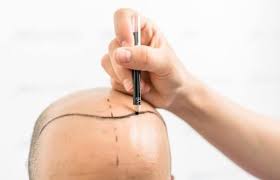
A handful of clinics offer digital simulations showing anticipated density results, giving a rough visual sense of outcomes before committing, though these remain approximations rather than guarantees for diffuse patterns specifically. Most reputable clinics draw the proposed density gradient and any hairline adjustment directly on the scalp for your approval before starting, and requesting adjustments to that drawn plan is completely normal and encouraged. A female hair transplant’s precision is only as good as the collaborative planning that precedes it — a surgeon who takes the time to genuinely understand your specific diffuse pattern, and a patient willing to communicate clearly, together produce the natural, satisfying results this procedure is capable of delivering.
Before-and-After Research and Non-Linear Recovery
The search “women’s hair transplant before and after” is genuinely worth trying, since it reveals whether independently posted results actually match what a clinic showcases on its own curated website. Genuinely realistic female transplant results usually show some natural variation in density and thickness, while an unbroken string of flawless photos across dozens of patients can sometimes indicate selective curation. The same non-linear pattern of visible progress followed by plateaus applies equally to female results, which is completely normal and can feel particularly discouraging given how emotionally significant this journey often is.
It’s Okay Not to Be Ready Yet
For most patients, diffuse thinning generally continues progressing gradually at its own pace, and there’s genuinely no harm in waiting if you’re not ready, since this remains an elective decision entirely on your own timeline. If everything here leaves you feeling like more time is needed before deciding, that’s a completely legitimate place to land — save this guide and revisit it whenever you feel genuinely ready. This guide provides general educational information to support your research, but it never replaces a genuine medical evaluation from a qualified surgeon and, ideally, a dermatologist examining your specific hair loss cause and pattern. For patients with underlying hormonal conditions or taking regular medications, checking with a family doctor or endocrinologist first is a sensible extra step.
Technique Choices: FUE, DHI, Sapphire, and Blends
Both FUE and DHI work well for diffuse coverage, though some surgeons prefer DHI’s precise implantation control for detailed hairline work while reserving standard FUE for broader density coverage across larger thinning areas. Some surgeons recommend Sapphire FUE for female diffuse patterns, citing the technique’s precise incision control for the tighter graft spacing diffuse coverage sometimes requires, though standard steel-blade FUE remains equally capable in experienced hands. Many surgeons blend DHI, standard FUE, and Long Hair techniques strategically within a single session, using whichever specific technique best suits each individual zone of your particular thinning pattern — flexibility that reflects exactly the kind of thoughtful, case-specific planning diffuse female patterns benefit from most.
Donor Allocation and Sequencing Multiple Zones
When donor supply runs limited, sequencing multiple procedures strategically becomes a thoughtful surgeon’s priority, focusing first on whichever zone matters most to you while preserving resources for future work. Committing donor grafts to one area today affects what remains available for other zones later, making thoughtful allocation planning genuinely important. Sharing your complete picture, including any eyebrow or other concerns alongside your primary scalp goals, during initial consultation helps your surgeon plan donor allocation more strategically from the very start.
Ethnicity, Hair Texture, and Climate
Curl pattern, calibre, and density all vary across ethnic backgrounds, making surgeon experience with diverse hair types genuinely worth confirming during your consultation. This guide aimed throughout to serve women from every ethnic background, hair type, and geographic region equally well. No specific Canadian climate zone requires fundamentally different maintenance than standard gentle care practices, though extreme dryness or humidity can affect general hair and skin health. Following full maturity at around twelve to fourteen months, ongoing growth to a specific desired length typically follows the same timeline as your natural hair growth rate.
Products, Supplements, and Trichology
General hair health products can support the overall appearance and feel of both native and transplanted hair, though no product accelerates the underlying biological growth timeline itself. Some surgeons recommend general biotin, iron, or multivitamin supplementation, particularly given how commonly low ferritin affects female patients, though any supplement plan should be discussed directly with your surgical team rather than self-prescribed. Some clinics offer complementary trichology advice supporting long-term scalp and hair health, which can benefit both the healing process and the general appearance of the treated area.
Practical Checklist: What to Pack
- Passport and printed travel confirmation documents.
- Comfortable, front-opening clothing for easy dressing post-procedure.
- Prescription medications and a list of current medications.
- A loose-fitting hat or scarf for later coverage during recovery.
- Any relevant medical records, including thyroid or ferritin test results if already available.
Practical Checklist: What to Confirm Before Travelling
- Exact pickup time and location for airport transfer.
- Hotel confirmation and address.
- Consultation appointment time and location.
- Procedure day schedule and expected duration.
- Follow-up appointment timing before departure.
Rather than assuming everything is set, confirming these logistical details directly with your coordinator a few days before departure prevents the kind of last-minute stress that can otherwise overshadow a well-planned trip.
Language, Customs, and Turkish Hospitality
Reputable clinics catering specifically to international patients typically provide fully English-speaking staff throughout the entire process, and given Canada’s bilingual population, some larger clinics specifically staff French-speaking coordinators too — worth confirming directly if French communication genuinely matters to your comfort. Given how much diffuse density planning depends on precise communication of your preferences and medical history, ensuring genuinely clear communication with your surgical team matters considerably. A basic awareness of local customs, modest dress in certain public areas and respectful behaviour in religious sites, helps ensure a smooth, comfortable trip, and many women specifically comment on the warmth of Turkish hospitality throughout their stay.
Combining Care and Focused Trips
Some women extend their trip to explore historical sites or coastal regions once their initial recovery window has safely passed, and some find lightweight scarves or hats genuinely useful for comfortable, natural-looking coverage during the first week when redness and swelling remain most visible. That said, most surgeons recommend keeping a first-time hair transplant trip focused, since combining multiple significant procedures can complicate recovery and make it harder to isolate which intervention is responsible for specific results.

Weather, Timing, and General Wellness
Turkish weather does not affect recovery in any significant way, though extreme heat during peak summer months can heighten general swelling sensitivity, making early morning scheduling and good hydration sensible precautions. Climate-controlled hotels and clinics minimize any meaningful impact external weather might have on recovery. Approaching your procedure from a foundation of general good health — adequate sleep, balanced nutrition, and stress management — tends to support smoother healing regardless of which specific pattern you’re addressing. Some patients avoid booking during harsh winter months mainly to sidestep potential domestic flight delays disrupting their connection.
Why This Guide Goes Further
Most generic articles treat female patients as an afterthought to male-focused content, missing the diffuse density planning, Long Hair FUE nuances, and thyroid screening considerations this guide addresses directly. Where competitor articles offer a list of clinic names and brief praise, this guide offers a genuine framework, female-pattern screening education, Canadian-specific context, and dozens of real questions answered honestly, built around empowerment rather than direction: equipping you with the tools to evaluate any clinic or procedure yourself. We focused deliberately on giving you a framework rather than naming specific competitor clinics, since your own independent judgment matters more than our opinion of a competitor. Reddit, YouTube, Instagram, and Facebook communities all offer genuinely candid firsthand perspectives, though nothing ultimately replaces direct contact with a clinic for answers specific to your own case.
Final Comparison Table: Considerations at a Glance
| Consideration | What to Look For |
|---|---|
| Surgeon involvement | Personally maps diffuse density, not delegated entirely |
| Long Hair FUE availability | Genuine no-shave option offered and explained |
| Pre-candidacy screening | Thyroid and ferritin testing before confirming candidacy |
| Portfolio verification | Female-specific results, verified and dated past 12 months |
Protection for both parties comes from a written plan specifying graft estimates, density gradient planning, and inclusions, giving you something concrete to reference on procedure day. Since clinics don’t all define a graft the same way, confirming exactly how each number was calculated matters more than comparing bare totals side by side.
Final Verification Checklist Before You Book
- Confirmed the surgeon’s specific female-pattern experience in writing.
- Discussed Long Hair FUE availability if avoiding a shave matters to you.
- Confirmed thyroid and ferritin screening will happen before surgery.
- Received an itemized cost breakdown with no hidden add-ons.
- Set realistic personal expectations for a fourteen-month timeline.
Appendix: Every Turkish City Covered
For quick reference: Istanbul, Antalya, Izmir, Ankara, Bursa, Kocaeli, Sakarya, Tekirdağ, Yalova, Edirne, Çanakkale, Konya, Kayseri, Eskişehir, Gaziantep, Trabzon, Samsun, Fethiye, Marmaris, Alanya, Mersin, Kuşadası, Denizli, Afyonkarahisar, Adana, and Bodrum together make up the full national landscape of clinic options women can consider.
Appendix: Every Canadian City Covered
To recap: Toronto, Ottawa, Hamilton, London, Kitchener, Waterloo, Windsor, Mississauga, Brampton, Barrie, Kingston, Sudbury, Vancouver, Victoria, Surrey, Burnaby, Kelowna, Calgary, Edmonton, Winnipeg, Regina, Saskatoon, Halifax, Saint John, Fredericton, Charlottetown, St. John’s, Whitehorse, Yellowknife, and Iqaluit together represent the complete range of Canadian women this guide was written to serve.
Appendix: The Competitor Destinations, Recapped
For quick reference: Mexico, Thailand, India, Hungary, Poland, the Czech Republic, South Korea, Costa Rica, Colombia, and Malaysia round out the full set of destinations this guide compared against Turkey specifically for female hair restoration.
In Summary: A Fuller, More Natural Result
Turkey remains a genuinely strong option for women specifically considering this procedure, thanks to the depth of surgical experience with diffuse female patterns concentrated there, paired with pricing that stays meaningfully more accessible than domestic alternatives. Proper screening for thyroid and ferritin matters before confirming candidacy, Long Hair FUE genuinely allows many patients to avoid shaving, results take up to fourteen months to fully mature, and genuine research pays off in real satisfaction.
When you are ready, our Hair Transplant (Women) in Turkey procedure page covers exactly how it works, the stay, and aftercare, and our pricing in Turkey page sets honest expectations. To go further, explore the full range of hair transplant in Turkey.