
Blepharoplasty removes excess skin, muscle, and fat from the upper eyelids, the lower eyelids, or both, correcting the heaviness, hooding, and puffiness that make the eyes appear tired regardless of how well-rested a person actually is. This procedure, offered at the best specialized centers in Turkey, relies on internationally accredited hospital infrastructure that allows this surgery to be supervised with particularly well-documented medical rigor.
This page belongs to our facial surgery in Turkey hub, within the broader field of aesthetic surgery in Turkey. Below you will find the principle behind this procedure, the distinction between upper and lower eyelid surgery, who is a genuine candidate, the full step-by-step process, expected results, risks worth knowing, and the practical details to consider before choosing this treatment in Turkey. At any point, you can request a free quote, with no obligation.
What Blepharoplasty Actually Does
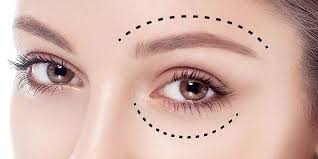
As skin loses elasticity with age, and as small fat pockets around the eyes shift position or become more prominent, the eyelids gradually accumulate loose skin folds, hooding over the upper lash line, and puffiness or bagginess beneath the lower lashes. This procedure surgically removes this excess tissue and, when needed, repositions or removes small amounts of underlying fat, restoring a more open, alert eye shape without altering the fundamental structure of the eye itself.
Upper Eyelid Blepharoplasty
This approach addresses the upper eyelid specifically, removing excess skin that has begun to droop or fold over the natural eyelid crease, a change that can progress to the point of genuinely obstructing peripheral vision in more advanced cases. The incision is placed directly within the natural eyelid crease, allowing the resulting scar to become essentially invisible once healed, since it sits within a fold that already exists on every open eye.
Lower Eyelid Blepharoplasty
This approach addresses puffiness, under-eye bags, and loose skin below the lower lash line, either through an incision hidden just below the lash line or, for cases involving fat repositioning without significant excess skin, through an incision placed on the inside of the eyelid leaving no visible external scar at all.
Comparison Table: Upper vs. Lower Eyelid Blepharoplasty
| Criterion | Upper Blepharoplasty | Lower Blepharoplasty |
|---|---|---|
| Primary concern addressed | Hooding, drooping skin, heavy upper lids | Puffiness, under-eye bags, loose lower skin |
| Incision location | Within the natural upper eyelid crease | Just below the lash line, or inside the eyelid |
| Visible scarring | Essentially invisible once healed | Minimal to none, depending on technique |
| Functional benefit | Can restore peripheral vision in advanced cases | Primarily aesthetic |
Who Is a Genuine Candidate for This Procedure
- Hooded or drooping upper eyelids that make the eyes look perpetually tired, heavy, or older than the rest of the face.
- Persistent under-eye puffiness or bags that do not improve with sleep, hydration, or skincare, since this often reflects a structural fat or skin issue rather than fatigue.
- Good general eye health, since a thorough ophthalmological evaluation should always precede this surgery to rule out any underlying condition affecting eyelid function.
Indications and Contraindications for Blepharoplasty
| Common Indications | Contraindications or Precautions |
|---|---|
| Upper eyelid hooding affecting appearance or, in advanced cases, vision | Dry eye syndrome that is not well controlled |
| Persistent lower eyelid puffiness or bags unrelated to fatigue | Active eye infection or inflammation |
| Realistic expectations about a refreshed, natural appearance rather than a dramatically altered eye shape | Uncontrolled thyroid conditions affecting eye tissue, such as Graves' disease |
Step-by-Step: What the Procedure Involves
Before the Procedure
The initial consultation includes a thorough eye examination and an assessment of your skin elasticity, fat distribution, and eyelid position to determine whether upper surgery, lower surgery, or both are appropriate for your situation.
During the Procedure
This surgery is typically performed under local anesthesia with light sedation, generally lasting between one and two hours depending on whether one or both eyelid areas are addressed, with the surgeon removing excess tissue and closing the incision with very fine sutures.
After the Procedure
Recovery involves noticeable bruising and swelling during the first one to two weeks, with cold compresses and keeping the head elevated typically recommended to minimize this initial swelling.
Recovery Timeline
| Period | Typically Reported Progress |
|---|---|
| Days 1 to 7 | Bruising, swelling, and mild discomfort, sutures often removed around day five to seven |
| Weeks 2 to 4 | Most visible bruising resolves, return to normal activities and light makeup use |
| Months 1 to 3 | Final, settled eyelid contour becomes fully apparent as subtle residual swelling resolves |
Expected Results and Longevity
Upper eyelid results are generally very long-lasting, often ten to fifteen years or longer, since the natural aging process required to reaccumulate similar excess skin takes considerable time. Lower eyelid results tend to be similarly durable, particularly when fat repositioning rather than simple removal is used to correct hollowing alongside puffiness.
Risks and Possible Complications
- Dry eye or excessive tearing, typically temporary as the eyelids adjust to their new position during healing.
- Asymmetry, a risk reduced through careful, symmetrical surgical planning and precise measurement before any incision is made.
- Scarring, which is typically minimal to invisible given the strategic incision placement within natural creases or inside the eyelid.
- Difficulty fully closing the eyes, a rare but recognized risk when too much skin is removed, underscoring the importance of a conservative, experienced surgical approach.
The Rigorous Medical Oversight Behind Turkey's Healthcare System
Turkey has built one of the most densely accredited healthcare infrastructures internationally among medical tourism destinations, with a number of Joint Commission International certified hospitals among the highest outside the United States. This accreditation enforces rigorous standards for this category of delicate periocular surgery.
Turkey's Ministry of Health has also developed a specific regulatory framework for medical tourism, including official certification of facilities authorized to receive international patients for this procedure.
The Specialized Training Behind Turkish Surgeons for This Procedure
Turkey has developed a deep pool of oculoplastic and facial plastic surgeons with extensive experience in this particularly delicate area, where the margin for error is smaller than almost anywhere else on the face given the eyelid's thin skin and close proximity to the eye itself.
The Anatomy Behind Eyelid Aging
It is worth understanding this anatomy in more depth, since it clarifies why this procedure works the way it does. The eyelid skin is among the thinnest skin on the entire body, supported by a thin muscle layer and a fibrous structural layer called the tarsal plate, with small fat compartments cushioning the eye itself just beneath. As skin loses collagen and elastin with age, and as the fibrous support structures gradually weaken, this thin skin can no longer hold its shape against gravity, gradually folding downward on the upper lid and allowing fat compartments to bulge forward on the lower lid. Genetics play a significant role in how early and how prominently this occurs, which is why some patients seek this procedure in their thirties while others do not consider it until much later.
Why Some Patients Need Both Upper and Lower Surgery Together
Since the upper and lower eyelids age according to related but distinct mechanisms, many patients eventually develop concerns in both areas simultaneously, and addressing only one area in isolation can occasionally create a slightly imbalanced appearance between a refreshed upper lid and an unaddressed, tired-looking lower lid. A thorough surgical evaluation considers the entire eye region as an integrated unit rather than treating each eyelid as a completely separate decision.
The Critical Importance of a Thorough Eye Examination Beforehand
It is essential to emphasize that this procedure should never be approached as a purely cosmetic decision without appropriate medical screening first. A comprehensive eye examination, ideally including an assessment of tear production and baseline visual function, protects against operating on a patient whose dry eye syndrome or other underlying condition could be significantly worsened by this surgery. A genuinely responsible surgical team insists on this screening rather than proceeding directly to surgery based on appearance alone.
Quality Signals Worth Looking for in a Surgical Team
A genuinely experienced team for this procedure conducts or coordinates a thorough eye health evaluation before ever discussing surgical planning, reflecting an appropriate prioritization of function alongside appearance. A team that discusses realistic healing timelines honestly, rather than minimizing the bruising and swelling that genuinely accompanies this recovery, also reflects the kind of transparency that distinguishes trustworthy surgical care.
Preparing for Your Consultation
It is useful to bring a list of any eye conditions, allergies, or medications you are currently taking, since certain conditions such as dry eye syndrome or blood-thinning medications directly affect surgical planning and recovery expectations for this specific procedure.
Maintaining Continuity of Care Between Turkey and Canada
It is recommended to keep thorough documentation of your procedure, including the specific technique used and any measurements taken, since this information can be valuable if you require follow-up care with an ophthalmologist or surgeon in Canada.
Patient Experiences Reported After This Procedure
Many patients describe this procedure as one of the most satisfying facial changes they have undergone, since a more open, rested eye area often makes the entire face appear more alert and youthful, an effect that friends and colleagues frequently notice without being able to pinpoint exactly what has changed.
The Psychological Dimension Behind This Common Concern
Heavy, tired-looking eyes are frequently misread by others as a sign of exhaustion, sadness, or simply being older than one's actual age, and this misperception can become a genuine source of frustration for patients who otherwise feel energetic and youthful. This concern deserves to be taken seriously by any surgical team, since for many patients this procedure resolves a persistent gap between how they feel internally and how their face is perceived by others.
Combining This Procedure With Other Facial Treatments
This procedure is frequently combined with a brow lift or facial fat grafting, both already detailed in our dedicated content, since a heavy brow position can sometimes compound upper eyelid hooding, and addressing both areas together often produces a more harmonious, balanced result than treating the eyelids in isolation.
Why a Second Opinion Matters for This Decision
Seeking a second medical opinion remains worthwhile for this procedure, particularly to confirm whether your specific concern stems primarily from skin excess, fat prominence, brow position, or some combination of these factors, since this distinction meaningfully affects the most appropriate surgical plan.
Questions Worth Asking During Your Consultation
It is useful to gather here the most relevant questions to bring to your surgeon, including their specific experience with both upper and lower blepharoplasty, whether they recommend addressing both areas simultaneously or sequentially for your situation, and how they plan to manage your specific combination of skin excess and fat prominence.
The Role of Skin Elasticity Testing in Surgical Planning
A meticulous surgeon evaluates not just the current amount of excess skin but also its underlying elasticity, since two patients with seemingly similar amounts of hooding can have meaningfully different skin quality beneath the surface. Concretely, this assessment influences decisions about exactly how much tissue to remove, since skin with genuinely poor elasticity may continue to stretch and re-accumulate looseness over time regardless of how conservatively the initial surgery is performed, while skin with better underlying quality tends to hold its post-surgical shape for a considerably longer period.
The Distinction Between Blepharoplasty and Non-Surgical Alternatives
It is worth clarifying how this procedure compares to non-surgical options sometimes marketed for similar concerns, including radiofrequency skin tightening or laser resurfacing around the eyes. These non-surgical approaches can offer modest improvement for very early, mild skin laxity, but they cannot remove significant excess skin or reposition herniated fat the way surgical blepharoplasty can, and patients with more pronounced hooding or bagginess are generally better served by surgery than by repeated, more modest non-surgical treatments that may ultimately cost more over time without achieving a comparable result.
How Ethnic Eyelid Anatomy Influences Surgical Planning
It is worth acknowledging that eyelid anatomy varies meaningfully across different ethnic backgrounds, particularly regarding the presence, height, and shape of the upper eyelid crease. A skilled surgeon adapts their technique according to this individual anatomy rather than applying a single universal approach, since preserving or appropriately adjusting a patient's natural crease shape and position is essential for a result that looks like a refreshed version of that person's own eyes rather than an artificially altered appearance inconsistent with their natural facial characteristics.
The Importance of Symmetry Assessment Before Surgery
Nearly every face carries some degree of natural asymmetry between the two eyes, whether in eyelid height, crease shape, or the amount of excess skin present, and a meticulous surgeon documents this asymmetry carefully before surgery through detailed photography and physical examination. This documentation allows the surgical plan to intentionally address pre-existing asymmetry, removing slightly different amounts of tissue from each side when appropriate rather than applying a rigid, identical approach that could otherwise make a subtle pre-existing asymmetry more noticeable after surgery.
Understanding the Concept of Eyelid Hooding Versus Brow Ptosis
It is genuinely important to distinguish between these two related but distinct concerns, since they require different surgical solutions. Eyelid hooding refers specifically to excess skin accumulating on the eyelid itself, while brow ptosis refers to the eyebrow position dropping lower on the forehead, which can create a visually similar heaviness over the eyes without actually involving excess eyelid skin. A surgeon who carefully distinguishes between these two possibilities, sometimes through a simple manual test lifting the brow to observe how the eyelid appearance changes, can determine whether blepharoplasty alone will address your concern or whether a brow lift should be considered instead or in combination.
The Role of Photography and Digital Documentation in This Specialty
Standardized before-and-after photography, taken under consistent lighting and from consistent angles, plays a particularly important role in this specialty given how subtle some of the anatomical changes being addressed truly are. This documentation not only helps track your own healing progress but also allows your surgeon to build a reliable, honest portfolio of their own results over time, and reviewing this portfolio carefully before your own surgery is one of the most useful ways to gauge a surgeon's specific aesthetic sensibility and technical consistency.
Why Recovery Timing Deserves Careful Personal Planning
Because visible bruising typically persists for one to two weeks, it is worth planning the timing of this procedure around any significant personal or professional events, weddings, or other occasions where you would prefer not to be visibly recovering from surgery. Many international patients specifically schedule their trip to Turkey to allow a comfortable buffer of quiet recovery time before returning to work or resuming a more public schedule.
The Value of a Thorough, Unhurried Consultation
A genuinely thorough consultation for this procedure typically takes considerably longer than a rushed, high-volume appointment, since properly evaluating eyelid position, skin quality, fat distribution, brow position, and overall eye health requires real time and careful physical examination. Patients should feel free to ask how much time has been allocated for their consultation and should treat a consistently rushed process as a meaningful signal to consider a different practice.
Combining This Procedure With Broader Facial Rejuvenation
Some patients approach blepharoplasty as one component within a broader facial rejuvenation plan that might also include a facelift combined with blepharoplasty, a neck lift, or skin resurfacing treatments elsewhere on the face. Thinking about the face holistically, rather than addressing the eyes in complete isolation from the rest of an aging face, often produces a more naturally balanced overall result, since an eye area that looks dramatically more youthful than a surrounding, unaddressed lower face can occasionally appear visually mismatched.
Speaking With Your Surgical Team in Your Own Language
Communicating subtle preferences about eye shape and appearance benefits enormously from a direct conversation in a language you are fully comfortable in, rather than relying entirely on translation for such a nuanced discussion. Many clinics in Turkey now offer English-speaking and French-speaking coordination specifically to support this kind of clear, direct communication for their international patients.
Long-Term Skin Care Considerations After This Procedure
Once healing is complete, maintaining good sun protection around the eye area helps preserve your surgical result for longer, since ongoing sun exposure continues to affect skin elasticity and collagen quality throughout life, independent of any prior surgery. Many surgeons also recommend a gentle, dedicated eye cream once initial healing is finished, both for comfort and as part of a broader long-term skin maintenance routine.

A Final Word on This Widely Performed Yet Delicate Procedure
This procedure, though extremely common and well established within facial plastic surgery, still requires meaningful surgical judgment and anatomical precision given the eyelid's thin, delicate tissue and close relationship to eye function itself. This is precisely why choosing an experienced, appropriately credentialed surgical team matters as much as, if not more than, the specific technique variation used. Thank you for taking the time to read through this detailed overview of a procedure that continues to be one of the most consistently satisfying treatments in facial plastic surgery.
Take the Time You Need Before Committing
This procedure, like any surgery involving the eye area, deserves careful reflection and a genuinely thorough consultation process before moving forward, ensuring your decision rests on solid information rather than urgency alone. We wish you a thoughtful, well-informed path toward a more rested and confident appearance.
Blepharoplasty Pricing in Turkey
| Pricing Factor | Cost Impact |
|---|---|
| Upper only, lower only, or combined upper and lower surgery | The primary factor influencing overall cost |
| Combination with a brow lift or other facial procedures | May represent an additional investment depending on this broader treatment plan |
For a broader overview of costs across procedures, see our pricing in Turkey page, or request a free quote tailored to your situation.
Why Turkey Has Become a Leading Destination for This Procedure
Turkey Compared to Other Medical Tourism Destinations
| Criterion | Turkey | Tunisia | Costa Rica | Dominican Republic | Colombia | Mexico |
|---|---|---|---|---|---|---|
| Common clinic language | English widely spoken, with growing French-speaking support | French and English widely spoken | Spanish, limited English | Spanish, variable English | Spanish, variable English | Spanish, variable English |
| Documented expertise with periocular surgery | Particularly well established | Good availability | Variable | Variable | Good availability | Good availability |
| Estimated pricing level | Particularly accessible | Accessible | Moderate | Moderate | Moderate | Moderate to accessible |
| Direct flight access from Canada | Direct flights available to Istanbul | Generally with a stopover in Europe | Variable | Variable | Variable | Variable |
The Turkish Cities Most Recognized for This Procedure
Istanbul, a Major Hub for International Facial Plastic Surgery
This metropolis concentrates a particularly high density of clinics specializing in oculoplastic and eyelid surgery.
Antalya, Izmir, and Ankara as Complementary Hubs
These cities also host recognized clinics offering this procedure.
Why So Many Canadians Are Turning to Turkey for This Procedure
Patients from cities such as Toronto, Montreal, Calgary, Ottawa, Edmonton, Winnipeg, Quebec City, Hamilton, Kitchener, London, Victoria, Halifax, Oshawa, Windsor, Saskatoon, Regina, Sherbrooke, St. Catharines, Barrie, Kelowna, Abbotsford, Kingston, Trois-Rivières, Guelph, Moncton, Brantford, Saint John, Peterborough, Thunder Bay, Saguenay, Lethbridge, Nanaimo, Kamloops, Belleville, Chilliwack, Drummondville, Sudbury, Sarnia, Wood Buffalo, and Fredericton are researching blepharoplasty in Turkey, drawn by pricing that is significantly more accessible than what is typically available in Canada, particularly given the often lengthy wait times for this category of surgery within Canada's public healthcare system when functional vision impairment is not yet clearly documented.
How to Choose a Clinic for This Procedure
- Confirm the facility holds internationally recognized accreditation, particularly JCI.
- Ask whether a thorough eye health evaluation precedes any surgical planning.
- Request to see the surgeon's own before-and-after results specifically for eyelid surgery.
Planning Your Medical Trip to Turkey
- Entry requirements: Canadian citizens generally need to obtain an electronic visa before departure.
- Flights and transfers: several airlines offer direct flights from major Canadian cities to Istanbul.
- Length of stay: plan for approximately ten days to two weeks for this procedure and initial recovery before flying home.
In Summary: A Refreshed, More Alert Appearance Around the Eyes
Blepharoplasty removes excess skin and fat from the upper or lower eyelids to correct hooding, heaviness, and puffiness, restoring a more rested, alert appearance without altering your natural eye shape. Turkey offers well-established expertise for this procedure.
Before making a decision, it is recommended to have a thorough eye health evaluation alongside your surgical consultation. Patients interested in a personalized assessment can request a free quote from the Aylan Clinic team to receive guidance suited to their situation. To go further, explore all of our facial surgery in Turkey or the wider field of aesthetic surgery in Turkey.
Everything about Blepharoplasty in Turkey
Technique, pricing, results and the full patient journey — every detailed answer in our complete guide.
