
Facial fat grafting transfers your own fat, harvested from another area of your body, into areas of the face that have lost volume with age, restoring a fuller, more youthful contour using entirely natural, biocompatible tissue. This procedure, offered at the best specialized centers in Turkey, relies on internationally accredited hospital infrastructure that allows this treatment to be performed with particularly well-documented medical rigor.
This page belongs to our facial surgery in Turkey hub, within our wider aesthetic surgery in Turkey section. Below you will find the principle behind this procedure, who is a genuine candidate, the full step-by-step process, expected results, risks worth knowing, and the practical details to consider before choosing this treatment in Turkey. At any point, you can request a free quote, with no obligation.
What facial fat grafting actually does
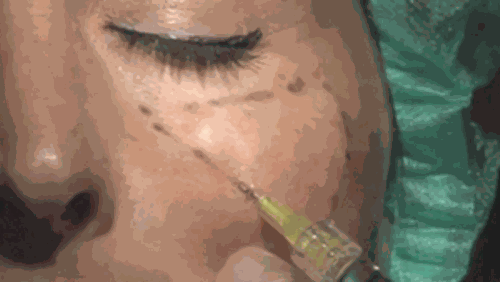
As we age, the face loses volume in specific areas, particularly the cheeks, temples, and under-eye region, a process distinct from and complementary to the tissue descent addressed by facelift surgery. Facial fat grafting harvests a small amount of fat from an area such as the abdomen or thighs through gentle liposuction, processes this fat to isolate healthy, viable fat cells, and then carefully reinjects it into the specific facial areas requiring volume restoration, using your own tissue to rebuild a more youthful facial contour.
Why using your own fat offers distinct advantages
It is worth understanding why this approach differs meaningfully from synthetic filler alternatives. Since this transferred tissue is entirely your own, there is no risk of allergic reaction or rejection, and once this fat successfully establishes a new blood supply in its new location, the result becomes genuinely permanent, unlike temporary synthetic fillers that gradually dissolve over months. This permanence, combined with the natural look and feel of your own living tissue, makes this approach particularly appealing for patients seeking a lasting, natural volume restoration.
Comparison table: fat grafting vs. synthetic dermal filler
| Criterion | Fat grafting | Synthetic dermal filler |
|---|---|---|
| Material used | Your own harvested fat | Synthetic hyaluronic acid or similar material |
| Permanence | Generally permanent once established | Temporary, typically six months to two years |
| Procedure invasiveness | Requires a harvesting procedure plus injection | Injection only, no harvesting required |
| Natural look and feel | Often described as particularly natural | Generally natural but can vary by product |
| Recovery time | One to two weeks | Minimal, often same-day return to activities |
Who is a genuine candidate for this procedure
- Facial volume loss in the cheeks, temples, or under-eye area, contributing to a hollow or aged appearance.
- Sufficient donor fat available at a harvesting site such as the abdomen or thighs, though this procedure requires only a modest amount of fat relative to typical liposuction volumes.
- Realistic expectations about a gradual, natural-looking volume restoration rather than an immediate, dramatic transformation.
Indications and contraindications for facial fat grafting
| Common indications | Contraindications or precautions |
|---|---|
| Facial volume loss affecting the cheeks, temples, or under-eye area | Active skin infection in either the donor or recipient area |
| Desire for a natural, permanent volume restoration using your own tissue | Insufficient donor fat available at potential harvesting sites |
| Realistic expectations about gradual improvement over several months | Uncontrolled bleeding disorders requiring careful evaluation |
Step-by-step: what the procedure involves
Before the procedure
The initial consultation evaluates your specific pattern of facial volume loss and identifies the most appropriate donor site for fat harvesting based on your individual anatomy.
During the procedure
This procedure is typically performed under local anesthesia with sedation or general anesthesia, generally lasting between one and three hours, with the surgeon first harvesting fat through gentle liposuction, then carefully processing and reinjecting it into the targeted facial areas using a specialized technique distributing small amounts throughout multiple tissue layers.
After the procedure
Recovery involves swelling, which is often more pronounced initially than patients expect, at both the facial injection sites and the donor harvesting area, with this swelling gradually resolving over the following weeks to reveal your true final result.
Recovery timeline
| Period | Typically reported progress |
|---|---|
| Days 1 to 7 | Significant swelling at both injection and donor sites, bruising common |
| Weeks 2 to 4 | Most visible swelling resolves, though the face may still appear fuller than the eventual final result |
| Months 2 to 6 | Final, settled volume becomes apparent as the surviving fat fully establishes itself |
Expected results and longevity
This result is generally considered permanent for the fat that successfully survives and establishes a new blood supply, though it is worth understanding that not all transferred fat survives this process, with typical survival rates ranging from fifty to seventy percent depending on technique and individual biological factors, which is why many patients undergo more than one session to achieve their desired final volume.
Risks and possible complications
- Asymmetric fat survival, resulting in one area appearing fuller than its counterpart, a recognized consideration given the variable nature of fat graft survival between individuals and even between injection sites.
- Overcorrection or undercorrection, since surgeons must account for this variable survival rate when determining how much fat to initially inject, sometimes intentionally overfilling to compensate for expected volume loss during healing.
- Lumping or irregularity, minimized through careful, meticulous injection technique distributing small amounts of fat across multiple tissue planes rather than large, concentrated deposits.
- Infection, minimized through careful sterile technique at both the donor and recipient sites.
The rigorous medical oversight behind Turkey's healthcare system
Turkey has built one of the most densely accredited healthcare infrastructures internationally among medical tourism destinations, with a number of Joint Commission International certified hospitals among the highest outside the United States. This accreditation enforces rigorous standards for this category of facial volume restoration procedure.
Turkey's Ministry of Health has also developed a specific regulatory framework for medical tourism, including official certification of facilities authorized to receive international patients for this procedure.
The specialized training behind Turkish surgeons for this procedure
Turkey has developed a deep pool of facial plastic surgeons with extensive experience in this precise technique, and this accumulated experience contributes to refined judgment in both fat harvesting and the meticulous, layered injection technique that maximizes graft survival and produces a naturally contoured result.
The biological process behind fat graft survival
It is worth understanding this process in more depth, since it explains both this procedure's advantages and its inherent variability. Once transferred fat cells are injected into their new location, they initially survive on nutrients diffusing from surrounding tissue before establishing their own new blood supply over the following weeks, a process called revascularization. Fat cells injected too densely in one location may not receive adequate nutrition during this critical early period and can fail to survive, which is precisely why experienced surgeons distribute fat in small, multiple passes across various tissue depths rather than large, single deposits.
Why technique matters more than volume injected
It is essential to emphasize that a surgeon's specific injection technique meaningfully affects how much of the transferred fat ultimately survives, meaning two surgeons injecting an identical volume of fat can achieve quite different final results based on their technique's respect for this biological survival process. This reality underscores why choosing a surgeon with specific, extensive experience in fat grafting technique matters more than simply confirming a certain volume of fat will be transferred.
The role of fat processing in optimizing survival
Before reinjection, harvested fat typically undergoes a processing step, often centrifugation or filtration, to separate viable fat cells from other components such as blood, local anesthetic fluid, and damaged cells. This processing step, while adding some time to the overall procedure, is widely considered to improve graft survival by ensuring only the healthiest, most viable fat cells are ultimately reinjected into the face.
Quality signals worth looking for in a surgical team
A genuinely experienced team for this procedure explains their specific approach to fat processing and injection technique, demonstrating an understanding of how these choices affect graft survival rather than treating this simply as a volume transfer. A team that discusses realistic expectations about potential need for a second session, rather than promising a single perfect result, also reflects the kind of honest, evidence-based care that distinguishes trustworthy surgical practice.
Preparing for your consultation
It is useful to bring photographs of yourself from ten or fifteen years earlier, since these images help your surgeon understand your natural facial volume distribution before age-related loss occurred, informing a realistic and personally appropriate target for your restoration.
Maintaining continuity of care between Turkey and Canada
It is recommended to keep thorough documentation of your procedure, including the specific areas treated and the volume of fat transferred, since this information can be valuable for any future consultation with a surgeon in Canada.
Patient experiences reported after this procedure
Many patients describe this procedure as producing a particularly natural-looking rejuvenation, often specifically noting that the restored volume feels and moves like their own natural tissue, since it genuinely is their own tissue, unlike the sometimes noticeably different texture some patients associate with synthetic filler products.
The psychological dimension behind this common concern
Facial volume loss can create a gaunt, tired, or older appearance that does not reflect a patient's actual health or vitality, and this mismatch between internal feeling and external appearance can become a genuine source of frustration over time. This concern deserves to be taken seriously by any surgical team, one that listens carefully to how this specific volume loss has affected a patient's confidence and how they feel they are perceived by others.
Combining this procedure with other facial treatments
This procedure is frequently combined with a facelift or blepharoplasty, both already detailed in our dedicated content, since addressing volume loss alongside tissue repositioning or eyelid rejuvenation often produces a more complete, naturally youthful result than any single approach alone.
Why a second opinion matters for this decision
Seeking a second surgical opinion remains worthwhile for this procedure, particularly to confirm the specific areas recommended for treatment and the surgeon's approach to maximizing graft survival for your particular situation.
Questions worth asking during your consultation
It is useful to gather here the most relevant questions to bring to your surgeon, including their specific technique for fat processing and injection, their typical graft survival rates, and whether they anticipate you may need a second session to achieve your desired final volume.
The historical evolution of fat grafting technique
This procedure has evolved considerably since its earliest applications, with modern harvesting and processing methods representing significant refinements over techniques used even a decade or two ago. This evolution reflects ongoing research into exactly which harvesting pressures, processing methods, and injection techniques best preserve fat cell viability, and surgeons who stay current with this evolving evidence base tend to achieve more consistent, predictable graft survival for their patients.
Understanding why certain facial areas respond better than others
It is worth noting that fat graft survival can vary somewhat between different facial areas, with some regions, such as the cheek, generally showing more reliable survival than areas with less surrounding soft tissue support, such as the lips. This variability is worth discussing directly with your surgeon, since it can influence realistic expectations for each specific area you are hoping to address.
The role of micro-fat and nano-fat grafting techniques
Some surgeons further process harvested fat into smaller particle sizes, sometimes called micro-fat or nano-fat, allowing for injection into finer, more delicate areas such as the under-eye region or fine lines, where standard fat particle sizes might be too large for smooth, even placement. These refined techniques represent an evolution beyond basic fat grafting, and surgeons offering this additional refinement may be particularly well suited to addressing more delicate facial areas.
Why a combination of techniques sometimes produces the best results
Some surgeons combine standard fat grafting for larger volume areas with these finer, processed fat variants for more delicate regions within the same procedure, tailoring their specific technique to each treated area rather than applying a single uniform approach across your entire face. This nuanced, area-specific technique selection reflects a sophisticated understanding of facial anatomy and the distinct requirements of different treatment zones.
Speaking with your surgical team in your own language
Communicating your specific concerns about facial volume loss clearly benefits enormously from a direct conversation in a language you are fully comfortable in, particularly given how much this decision depends on an accurate understanding of realistic graft survival and potential need for additional sessions. Many clinics in Turkey now offer English-speaking and French-speaking coordination specifically to support this kind of clear, direct communication for their international patients.
The importance of setting realistic timeline expectations
It is common for patients to feel confused or concerned during the first few weeks after this procedure, when significant swelling can make the face appear considerably fuller than the eventual, more modest final result. Surgeons who proactively explain this extended timeline before surgery, rather than only addressing it if a patient raises concerns during recovery, help set the psychological groundwork for a smoother, less anxious healing experience.
Long-term maintenance following this procedure
Once the transferred fat has fully survived and established itself, minimal ongoing maintenance is required, unlike temporary filler treatments needing periodic repetition. That said, since this fat retains its normal biological behavior, it can respond somewhat to significant weight fluctuation, meaning maintaining a reasonably stable body weight helps preserve your specific facial results over time.
A final word on this naturally restorative procedure
This procedure offers a genuinely elegant solution to facial volume loss, using your body's own resources to restore what time has gradually taken away. This natural approach, combined with its permanent results once established, continues to make it one of the more appealing options within facial rejuvenation for patients specifically seeking an alternative to repeated synthetic filler treatments. Thank you for taking the time to read through this detailed overview of a procedure that continues to offer meaningful, natural-feeling restoration for patients experiencing facial volume loss.
Taking the time to reflect on this personal investment
This procedure, involving both a harvesting and an injection component, deserves careful reflection before committing, ideally including sufficient time to review your surgeon's specific technique and realistic expectations regarding potential additional sessions.
Recognizing the value of an honest, evidence-based approach
The single most valuable thing a prospective patient can find in a consultation for this procedure is a surgeon who speaks honestly about realistic graft survival rates rather than promising an unrealistic, guaranteed outcome from a single session, since this honesty reflects a genuine commitment to your long-term satisfaction over an idealized sales pitch.
The broader context of regenerative approaches in facial surgery
This procedure fits within a broader movement in facial plastic surgery favoring the use of a patient's own biological materials wherever clinically appropriate, reflecting an evolving preference for regenerative, autologous approaches over purely synthetic alternatives when both options are reasonably available and effective for the specific concern being addressed.
Understanding the recovery support you may need
Arranging some practical support for the first several days after this procedure is worthwhile, since swelling at both your facial injection sites and your donor harvesting area can temporarily affect your comfort with daily activities during this initial healing period.
Final thoughts on restoring natural facial vitality
Ultimately, the goal of this procedure is to restore a natural fullness your face once had, using your own body's resources rather than an artificial substitute, and keeping this goal of authentic, biological restoration at the center of your decision-making tends to produce the most satisfying and enduring results.

We wish you clarity and confidence in this decision
Take the time you need to gather information, ask thorough questions of your surgical team, and confirm your understanding of the realistic timeline and potential need for additional sessions before moving forward with treatment.
Appreciating the elegance of this biological approach
There is something genuinely appealing about a procedure that restores facial youthfulness using material your own body already produces, and patients who value this natural approach often describe particular satisfaction knowing their results reflect their own living tissue rather than an external substance.
Best wishes as you move forward
Thank you again for reading this comprehensive guide in full, and we wish you a smooth and satisfying path toward the natural, restored volume you are hoping to achieve. We appreciate your time and interest in exploring this topic thoroughly with us today, and we look forward to supporting you through every step of this process.
Recognizing that your body's own resources can offer a meaningful solution
Beyond the technical details, there is something quietly reassuring for many patients in knowing that their own body can provide the material for this restoration, rather than relying entirely on an external, manufactured product for such a personal transformation. We wish you well as you take this thoughtful step forward, and we thank you sincerely for your time and interest. Warm regards, and best wishes on this journey.
Facial fat grafting pricing in Turkey
| Pricing factor | Cost impact |
|---|---|
| Number of facial areas treated and volume of fat required | A primary factor influencing overall cost |
| Whether a single session is sufficient or multiple sessions are needed | Can influence total cost depending on your specific graft survival and goals |
For a broader overview of costs, see our pricing in Turkey page.
Why Turkey has become a leading destination for this procedure
Turkey compared to other medical tourism destinations
| Criterion | Turkey | Tunisia | Costa Rica | Dominican Republic | Colombia | Mexico |
|---|---|---|---|---|---|---|
| Common clinic language | English widely spoken, with growing French-speaking support | French and English widely spoken | Spanish, limited English | Spanish, variable English | Spanish, variable English | Spanish, variable English |
| Documented expertise with fat grafting technique | Particularly well established | Good availability | Variable | Variable | Good availability | Good availability |
| Estimated pricing level | Particularly accessible | Accessible | Moderate | Moderate | Moderate | Moderate to accessible |
| Direct flight access from Canada | Direct flights available to Istanbul | Generally with a stopover in Europe | Variable | Variable | Variable | Variable |
The Turkish cities most recognized for this procedure
Istanbul, a major hub for international facial plastic surgery
This metropolis concentrates a particularly high density of clinics specializing in facial fat grafting technique.
Antalya, Izmir, and Ankara as complementary hubs
These cities also host recognized clinics offering this procedure.
Why so many Canadians are turning to Turkey for this procedure
Patients from cities such as Toronto, Montreal, Calgary, Ottawa, Edmonton, Winnipeg, Quebec City, Hamilton, Kitchener, London, Victoria, Halifax, Oshawa, Windsor, Saskatoon, Regina, Sherbrooke, St. Catharines, Barrie, Kelowna, Abbotsford, Kingston, Trois-Rivières, Guelph, Moncton, Brantford, Saint John, Peterborough, Thunder Bay, Saguenay, Lethbridge, Nanaimo, Kamloops, Belleville, Chilliwack, Drummondville, Sudbury, Sarnia, Wood Buffalo, and Fredericton are researching facial fat grafting in Turkey, drawn by pricing that is significantly more accessible than what is typically available in Canada.
How to choose a clinic for this procedure
- Confirm the facility holds internationally recognized accreditation, particularly JCI.
- Ask specifically about the surgeon's fat processing and injection technique.
- Request to see the surgeon's own before-and-after results specifically for facial fat grafting.
Planning your medical trip to Turkey
- Entry requirements: Canadian citizens generally need to obtain an electronic visa before departure.
- Flights and transfers: several airlines offer direct flights from major Canadian cities to Istanbul.
- Length of stay: plan for approximately one to two weeks for this procedure and initial recovery.
In summary: a natural, permanent solution for facial volume loss
Facial fat grafting restores lost facial volume using your own tissue, offering a natural-looking, permanent solution for cheeks, temples, and under-eye hollowing. Turkey offers well-established expertise for this procedure.
Before making a decision, it is recommended to have your specific pattern of facial volume loss evaluated by an experienced surgical team. Patients interested in a personalized assessment can request a free quote from the Aylan Clinic team to receive guidance suited to their situation. To go further, explore all of our facial surgery in Turkey or review pricing in Turkey.
The value of realistic expectations about graft survival
Given the inherent variability in fat graft survival, the most valuable consultation is one where your surgeon speaks honestly about this biological reality rather than promising a guaranteed, single-session perfect result.
Taking the time to reflect on this personal decision
This procedure, like any surgery involving harvesting and transferring your own tissue, deserves careful reflection and a thorough consultation process before moving forward, ensuring your decision rests on realistic expectations about both the procedure and its healing timeline. We wish you a thoughtful and well-informed path toward the natural, restored volume you are hoping to achieve, and we thank you for taking the time to read through this comprehensive guide in full.
Everything about Facial Fat Grafting in Turkey
Technique, pricing, results and the full patient journey — every detailed answer in our complete guide.