
 −60 %vs Canada
Plastic Surgery in Tunisia for Canadian Patients
Plastic surgery & aesthetic medicine in Tunisia
Explore plastic surgery in Tunisia with Aylan Clinic. Compare facial, breast and body procedures, understand your medical stay and plan follow-up from Canada.
Aylan Stories
Our procedures in pictures — tap a story Aylan Clinic


Discover Aylan Stories
Plastic surgery, made clear.
Each story walks you through a procedure in a few seconds: the goal, the key facts (duration, anesthesia, stay in Tunisia) and how to get your free quote.
You can be curious about changing one feature without wanting to become a different person. You may have spent years considering a breast reduction, noticed that weight loss changed your body, or simply want to understand whether a subtle facial procedure is right for you. Aylan Clinic helps people explore plastic surgery in Tunisia with a practical conversation about their goals, the right specialist, the procedure, the medical stay and the care that follows. If you searched for plastic surgery tunisie, you have found a starting point for comparing possibilities and asking better questions before you travel from Canada.
Our role is to help organize a clear path from your first enquiry to your return home. The surgeon who treats you should examine you, recommend a procedure only when it fits your anatomy and health, and explain the expected change and its limits. A written plan should show what is included, how long you need in Tunisia, where follow-up takes place and what happens if your recovery is slower than expected. You remain free to decide whether to proceed after meeting the treating clinician. A personalized result begins with a specific goal and an honest consultation, not a photograph that promises to fit every face or body.
Explore facial surgery, breast surgery, body contouring, treatments after weight loss and selected non-surgical aesthetics below. You will also find guidance on the stay, costs, recovery and Canadian follow-up. Some techniques are relevant only to particular patients, and device availability or a combined procedure must be confirmed during consultation. Tell us the change you hope to see and the concern you most want addressed. We can help you build an enquiry that a surgeon can evaluate, with enough time for a thoughtful answer before you arrange travel.
Start with the result you want
A face that still feels like yours
Some people want a less tired upper face; others wish to refine the nose, restore cheek volume or define the line beneath the chin. A good facial plan starts with the actual cause of the concern. Loose eyelid skin is different from a low brow. Fullness below the jaw differs from a recessed chin. Adding volume differs from lifting descended tissue. The surgeon can discuss rhinoplasty in Tunisia, eyelid surgery, a facelift, chin surgery or fat transfer only after understanding your facial proportions, previous treatments and priorities. The objective is a result that looks coherent in ordinary light and expression, rather than an exaggerated change chosen from a trend.
A breast shape that suits your life
Breast procedures address many different goals: adding volume, reducing weight, lifting a descended breast, correcting an asymmetry or revising an implant. A person who wants smaller breasts and easier movement needs a different plan from someone seeking upper-pole fullness after pregnancy. Breast surgery in Tunisia should begin with measurements, medical history and a discussion of scars, sensation, breastfeeding considerations, implant choices when relevant and recovery. Ask how the proposed shape will look on your own frame, what photographs illustrate comparable starting anatomy and who will care for a concern after your flight home.
Body contour after change
Weight loss, pregnancy and aging can leave skin and fat distributed in ways that exercise cannot fully change. A tummy tuck removes and tightens selected abdominal tissue; liposuction removes localized fat but does not replace skin excision. A body lift may address a broader envelope of loose skin after major weight loss. A mommy makeover in Tunisia is a custom combination, not a single standard operation. Ask what each component contributes, how much surgery is appropriate at one time and when it may be safer or more manageable to stage the procedures. The right plan respects your anatomy and recovery capacity.
A considered approach to non-surgical care
Aesthetic treatment does not have to begin in an operating room. Injectables and energy-based procedures may suit selected concerns about expression lines, volume, skin texture or mild laxity. Their effects, risks and recovery differ from surgery, and they cannot perform the same structural work. A wrinkle at rest may need a different discussion from one that appears only while smiling. A clinician should explain which tissue is being treated and what will remain unchanged. If your goal requires surgery, a series of minor treatments should not be sold as an equivalent substitute simply because they seem easier to book.
Why Canadians explore Tunisia
A wider view of the decision
People from Canada consider Tunisia for many reasons, including the chance to compare care pathways, combine travel with a planned recovery stay and receive a proposal that accounts for treatment and logistics. Cost can matter, but the useful comparison is the full pathway: professional assessment, facility, anesthesia, the actual operation, time for recovery, accommodation, transport and follow-up. A headline price cannot tell you which surgeon will operate or whether the plan is right. We encourage you to compare a written Tunisian proposal with your options at home and to discuss travel with your own health professional when appropriate.
Time to make the choice
An initial remote exchange can organize photographs, records and questions before you fly. It should not be treated as the final diagnosis. In-person examination may change a recommendation, especially when skin quality, a bite problem or a previous implant matters. You should have time to understand that change and decline an unsuitable procedure. A responsible medical journey has room for consultation, surgery if indicated, recovery and a check before departure. A calendar built only around the earliest available flight may not leave room for healing or unexpected care.
A stay built around care
A medical stay can include help coordinating appointments, travel logistics, accommodation and practical support, according to a written proposal. The clinical elements must remain clear: the surgeon, facility, anesthesia team, procedure, postoperative reviews and urgent contact route. Ask who performs each task and what is included in the quoted package. The day after an operation is not a sightseeing day; rest, hydration, medicines and reviews take priority. When you feel well enough to enjoy Tunisia, follow the treating team's activity advice and avoid treating a surgical recovery as an ordinary holiday.
One destination many individual plans
Tunisia is a destination; it is not one technique, price or clinical outcome. Two patients requesting the same named procedure may need different methods or no surgery. A person asking for liposuction may actually need skin removal, while someone interested in a facelift may benefit more from limited volume restoration. Your history, goals, examination and support after returning to Canada shape the plan. Search terms help you find information; the consultation translates those terms into an actual indication. Aylan Clinic can help with the route, but the operating clinician must make that clinical judgment.
Your first conversation with Aylan Clinic
Tell us what you want to change
- Describe the feature that troubles you in ordinary words. 'My abdomen has loose skin after two pregnancies' is more useful than simply writing 'tummy tuck'. 'My upper eyelids make me look tired' leaves room to assess whether the cause is eyelid skin or brow position.
- Tell us when the concern began, how it affects your daily life and what a worthwhile improvement would look like. You need not decide on a device, implant or named operation before asking.
- A useful first response should identify what more the treating surgeon needs to know.
Share medical context early
- Previous operations, implants, filler, allergies, prescription medicines, nicotine use, ongoing weight change and conditions that affect healing all matter. Keep copies of relevant reports if you have them.
- Do not stop medication or conceal a condition to preserve a booking. A preliminary assessment may request photographs or records, but the final clinical decision belongs to the surgeon after direct examination.
- If another specialist or test is needed, that should be explained before a deposit or travel schedule creates unnecessary pressure.
Use photographs as a conversation tool
- Clear front, side and three-quarter views in neutral light can help frame a discussion. Include an unfiltered full view of the relevant area and, when useful, an image showing the concern during movement.
- Avoid filters and extreme poses. The surgeon cannot assess tissue thickness, scar quality or every health factor from a photograph, and a digital simulation is not a guarantee.
- Bring reference images if they help explain a preference, but ask what can be achieved on your anatomy. Your written goal and an in-person examination matter more than a perfect social-media image.
Ask for a written proposal
- The proposal should name the procedure, likely facility and anesthesia, the planned length and components of the stay, follow-up visits and the items included in the price.
- If treatment may change after examination, ask what alternatives and cancellation terms apply. Request clarity about extra nights, medicines, revision discussions and treatment of complications.
- A well-defined quote gives you something concrete to compare; a single number beside the words 'all inclusive' does not. Costs and availability can change, so confirm the current proposal directly before booking.
Facial plastic surgery in Tunisia
Rhinoplasty
Rhinoplasty in Tunisia can address a concern about the bridge, tip, projection or overall nasal balance. A consultation should also explore breathing, previous injury, skin thickness and any prior operation. A nose photographed from one angle may look different in person, so front, profile and base views matter. The surgeon should explain what bone or cartilage work is proposed and whether your request is technically realistic. Swelling can take time to settle, and revision is more complex than a first operation. If you are searching for a nose job in Tunisia, begin with the feature you want changed and the function you want preserved.

Revision rhinoplasty
A previous nose operation may leave a visible irregularity, persistent breathing issue or simply a result that no longer matches the patient's goal. Revision requires assessment of the old operative report when available, tissue support, scars and any need for graft material. It may be less predictable than a first procedure. Ask what can realistically improve, whether the first result has had enough time to settle and how further surgery might affect breathing. A medical stay should allow an especially careful consultation rather than an automatic repeat procedure based on a remote photograph.
Facelift and neck lift
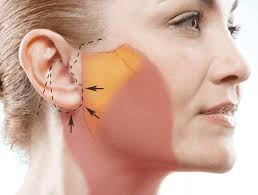
A facelift in Tunisia can address selected tissue descent in the cheeks and jawline, while a neck lift focuses on the tissues beneath the jaw and around the neck. The plan may involve different incisions and deeper tissue work depending on anatomy. These operations do not stop aging or erase every fine line. Ask the surgeon to distinguish skin excess, fat, muscle bands and lost volume before recommending a technique. A patient with a mild concern may choose a smaller intervention or none. The consultation should include scars, recovery and the possible need for complementary treatment.
Endoscopic and limited lift approaches
An endoscopic lift or a more limited temporal or malar procedure may be discussed when the concern is concentrated in a particular region. Names such as 'mini lift' can hide important differences in depth, incision and expected effect. Ask what tissue will be repositioned and whether the change addresses your concern in both profile and frontal views. A procedure with shorter incisions is not necessarily the correct answer to extensive laxity. Review the likely visible result, the scar location and the recovery of the specific method the surgeon proposes.
Eyelid surgery
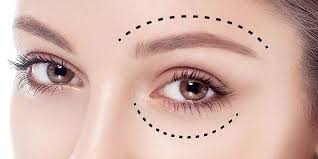
Blepharoplasty in Tunisia may address upper-eyelid skin, lower-eyelid bags or a combination. The surgeon should assess the eyes, brow, tear film and the actual cause of puffiness before proposing skin or fat removal. Removing too much tissue can change the eye's appearance or function. An upper eyelid that seems heavy because of a low brow may need a different discussion. Ask about incision placement, temporary bruising, eye care and any dryness or vision-related symptoms that warrant a prompt review. A good result should be judged with the eyes open and closed, not only in a still photograph.
Facelift with blepharoplasty
A combined facelift and eyelid operation may address both lower-face descent and an upper-face concern during one care episode. Each component still needs a distinct indication. Ask how the combined anesthesia and recovery compare with separate procedures and how swelling around the eyes may affect early assessment. A package name does not tell you whether both upper and lower eyelids are included. The surgeon should explain the limits of each operation and the total aftercare plan. A combined approach may be appropriate for one person and unnecessary for another.
Canthoplasty and eye shape
Canthoplasty changes selected support at the outer corner of the eyelids and may have functional as well as cosmetic implications. An online search for 'almond eyes' may actually describe a brow position, eyelid contour or makeup effect. A clinician must assess eyelid tone, eye closure and tear film before proposing surgery. The desire for an elongated look does not justify compromising eye protection. Ask what structure will be changed, what will remain and how asymmetry, dryness or an unnatural appearance would be addressed. Subtle eye surgery deserves careful informed consent.
Fox eyes and brow-tail procedures
The phrase 'fox eyes' may refer to a temporal brow lift, a thread procedure, a canthal operation or another technique. These methods are not interchangeable. Ask the clinician to translate the aesthetic description into an anatomical plan and to identify expected effects on brow height, eyelid shape and hairline. A strong upward pull in one photograph may not be sustainable or desirable in daily expression. Review scars, duration, symmetry and the difference between a temporary treatment and surgery. A trend is a starting description, not a medical indication.
Lip lift
A lip lift can shorten the space between nose and upper lip in selected anatomy and increase the visible upper-lip show without relying on filler volume. It leaves an incision that requires careful scar discussion. Ask whether the main concern is lip length, tooth show, lip shape or lack of volume; these lead to different options. A lip lift should be planned with the nose and smile, not from a cropped photograph of the mouth. Results depend on skin, scar healing and individual measurements. A temporary filler may address another goal but cannot duplicate the surgical movement.
Chin surgery
Chin surgery in Tunisia may include an implant, a sliding genioplasty using the patient's bone or a reduction. These operations have different possibilities for projection, height and symmetry. A weak-looking chin can coexist with a normal bite or be part of a broader jaw issue. An implant does not correct a malocclusion. Ask the surgeon to assess the teeth and jaw relationship before treating the profile. Discuss incision, sensation, implant or hardware information, and the desired appearance from the front as well as the side.
Ear surgery
Otoplasty can adjust protruding ears or selected aspects of their shape. The surgeon should examine cartilage, skin and side-to-side differences, then describe the technique and the location of scars. Perfect mirror symmetry is not realistic, and ears can look temporarily different while swelling settles. Ask about the bandage, sleeping position and the time before contact sports or headphones. For adults traveling from Canada, postoperative access matters even if the operation is commonly described as straightforward. A clear photograph helps begin the conversation, but cartilage is judged in person.
Buccal fat removal
Bichectomy removes a selected portion of deep cheek fat in a suitable candidate. It may accentuate a lower-cheek hollow, but it does not lift loose skin, enlarge cheekbones or treat every cause of a round face. Facial volume changes with age, and removed tissue cannot simply be put back in its original position. Ask whether your actual cheek anatomy supports a conservative reduction and what a leaner face might look like later. A person with an already narrow face may be advised against surgery. A responsible answer can be that the procedure is not worthwhile.
Facial fat transfer and nanofat
Facial lipofilling moves prepared fat from a donor site to selected facial areas to add volume. Some of the graft may be reabsorbed. Nanofat is a different, more finely processed preparation generally discussed for certain skin-quality concerns, with less certain cosmetic evidence and no dependable deep volumizing effect. Ask which material is proposed for each area, what the target is and how both the face and donor site will be cared for. Neither technique should be framed as guaranteed rejuvenation. Facial injections require anatomy-specific expertise and a response plan for urgent symptoms.
Combined facial planning
A facial plan may involve more than one technique, but every addition should solve a separate problem. Cheek fat transfer might complement a lift when both volume loss and descent exist; an eyelid operation might be unnecessary if the actual issue is a low brow. Ask the surgeon to show the likely result of the primary procedure alone before approving another. Combining interventions can increase swelling, anesthesia time and complexity of follow-up. Choose the smallest coherent plan that meets your goal, not the longest list of treatments available on one trip.
Breast plastic surgery in Tunisia
Breast augmentation with implants
Breast augmentation in Tunisia can add volume and change the breast profile with implants selected for a patient's chest measurements and goals. A consultation should cover implant size, shape, placement, incision, the existing skin envelope and what the surgeon expects the breast to look like from several angles. More volume is not automatically better; an implant that overwhelms the available tissue can create an unwanted look or future problems. Ask about implant records, surveillance, possible capsular contracture and the chance of another operation later in life. An implant is a medical device, not a promise of a permanent unchanged result.
Breast fat transfer
Fat transfer to the breasts uses tissue harvested from another area and can suit someone seeking a limited change without an implant, provided donor tissue and breast anatomy are appropriate. Not all transferred fat survives, so the eventual increase is uncertain and repeat treatment may be considered. The donor site has its own incisions and healing. Ask how the surgeon screens the breast, what imaging is recommended and how later breast assessments should record the graft. This technique is not identical to implant augmentation in size, predictability or recovery. A clear volume goal helps determine whether it is suitable.

Breast lift
A breast lift in Tunisia reshapes and elevates breast tissue when skin and support have changed after pregnancy, weight loss or aging. It may reposition the nipple and remove selected excess skin, leaving scars whose pattern depends on the plan. A lift alone does not always create the upper-breast fullness someone expects from an implant. Conversely, an implant alone may not correct substantial descent. Ask the surgeon to explain the difference on your measurements and to show where scars are likely. Breastfeeding, sensation, future pregnancy and weight change deserve discussion before a final technique is chosen.
Breast reduction
A breast reduction in Tunisia may be sought for heavy breasts, discomfort, clothing difficulties or a desired change in proportion. The surgeon removes selected tissue and reshapes the breast, but the degree of relief and final cup size cannot be promised exactly. Discuss shoulder or back symptoms with a clinician without assuming that surgery alone will resolve every cause of pain. Ask about scar pattern, nipple sensation, breastfeeding considerations, asymmetry and the period before strenuous activity. A practical goal might be a lighter breast that fits your frame, rather than an arbitrary letter on a bra label.
Correcting breast asymmetry
Most breasts differ somewhat. A marked difference in volume, shape, nipple position or chest-wall anatomy may call for a tailored combination of reduction, lift, implant or fat transfer. The surgeon should identify which difference matters most to you and whether both breasts need an operation. Exact symmetry cannot be guaranteed, especially when the starting anatomy differs substantially. Ask how scars and future aging may affect each side. A clear plan is more valuable than a blanket claim that one procedure can make two naturally different breasts identical.
Tuberous breast correction
A tuberous or constricted breast may have a narrow base, altered lower-pole shape and a raised fold or prominent areola. Treatment is individualized and may involve reshaping tissue, changing the fold, placing an implant or using fat transfer. The term describes a range of anatomy rather than a single severity grade. Ask the surgeon to explain your specific findings and show the stages of the proposed correction. Some patients need a staged approach or accept residual asymmetry. Photographs of ordinary augmentation may not illustrate the complexity of correcting a constricted shape.
Implant revision or removal
A patient may seek implant revision because of a change in preference, asymmetry, a device issue, capsular contracture or a change in breast tissue over time. Removal may be performed alone or considered with a lift or new implant, depending on the skin envelope and goal. Bring implant details and previous operative reports if available. Ask what the breast may look like immediately after removal and after settling. Terms such as 'en bloc' should be discussed in relation to actual medical indications rather than treated as an automatic step for every patient. Revision is more complex than a first procedure.
Breast reconstruction
Breast reconstruction after cancer or another major breast loss requires a different clinical pathway from cosmetic enlargement. Prior surgery, radiation, ongoing treatment, breast imaging, donor tissue and oncologic follow-up shape the options. An implant, autologous tissue or staged approach may be discussed by the appropriate specialists. A Canadian patient needs coordinated records and a plan for long-term follow-up at home. A travel package cannot substitute for collaboration with the clinicians managing cancer care. Ask whether reconstruction in Tunisia is appropriate for your medical situation and what information the multidisciplinary team needs before any decision.
Planning combined breast procedures
An augmentation with lift may be discussed when both volume and position need change; a reduction can involve lifting as part of reshaping. The names on a quote should match the actual surgical steps. Combined work can affect scars, blood supply, anesthesia time and healing. Ask why each component is necessary and whether staging would improve decision-making or safety. If you are also considering abdominal surgery, discuss the total operative burden rather than simply stacking procedures because you are already traveling. A plan should remain manageable during the stay and after the return flight.
Body contouring and weight change
Liposuction
Liposuction in Tunisia removes selected fat deposits through cannulas and can improve contour when weight is relatively stable and skin can adapt. It is not a weight-loss treatment or a reliable solution for extensive loose skin. The surgeon should assess the abdomen, flanks, thighs, arms or other areas in the context of the whole silhouette. Ask what can be removed safely, how symmetry will be judged and what garment or activity limits apply. If you search 'liposuction Tunisia price', compare the exact areas, anesthesia, facility, postoperative care and any additional technology rather than the number alone.
Abdominal liposuction
Abdominal fat can sit beneath the skin or deeper within the abdomen; liposuction addresses only selected subcutaneous deposits. Skin laxity and abdominal muscle separation may require a different discussion. A photograph of a flat stomach after liposuction may reflect a patient who started with good skin elasticity and a stable weight. Ask whether your particular abdomen is likely to retract smoothly. More suction is not always a better contour, and the surgeon may recommend a tummy tuck or no surgery if skin removal is the main need.
Liposuction 360
Liposuction 360 generally describes a plan around the torso, potentially including abdomen, waist, flanks and back. It is a marketing shorthand, not a precise surgical map. Confirm the named zones, how many will actually be treated, the expected fat removal and the recovery plan. Different people need different circumferential approaches. An additional area increases the scope of surgery and may change compression, discomfort and time away from work. A written contour goal is more useful than assuming every section around the waist must receive identical treatment.
VASER and assisted liposuction
VASER uses ultrasound energy as part of a liposuction technique in selected cases. Other assisted methods use different energy or mechanical approaches. The device name cannot guarantee tighter skin, a six-pack or an easier recovery. Ask why the surgeon recommends it for your tissue and how the result would differ from a conventional approach. Energy devices have their own risks and training requirements. The important comparison is the quality of the individualized plan, the surgeon's experience, the extent of fat removal and the care that follows.
High-definition liposuction
High-definition liposuction in Tunisia aims to emphasize selected anatomical contours through carefully planned fat removal, sometimes with grafting. It may suit a patient with suitable muscle development, fat distribution and skin quality. A dramatic etched appearance is not everyone's goal and may not remain the same after weight change. Ask how natural the proposed result will look when standing, sitting and moving. A clinician should assess whether your skin and anatomy support the technique. 'HD' is not a guarantee of visible muscles; it is an approach whose outcome depends on the starting body.
Abdominal etching and six-pack goals
Abdominal etching may accentuate existing muscular lines in a selected candidate. It does not build muscle, treat obesity or repair a weakened abdominal wall. If the skin is loose or fat is predominantly internal, etching may create unnatural grooves without the expected definition. Tell the surgeon whether you want a subtle athletic contour or pronounced lines. Review before-and-after images after swelling has resolved and at a stable weight. The most attractive plan for one patient may be a simpler contour rather than a graphic six-pack pattern.
Classic abdominoplasty
A tummy tuck in Tunisia, or abdominoplasty, removes selected loose abdominal skin and can address the abdominal wall according to the surgeon's findings. It leaves a lower abdominal scar, often a scar around the navel and a substantial recovery period. A patient after pregnancy or major weight loss may find this approach more relevant than liposuction alone. Ask whether muscle separation is present, what tissue will be removed and where the scar is likely to sit. Future pregnancy or weight changes can affect the result, so timing should fit your plans.
Abdominal liposuction with abdominoplasty
Some patients have both loose skin and fat deposits that can be addressed in a combined plan. Liposuction and skin excision have different effects and risks, so the surgeon should explain how the chosen technique maintains tissue blood supply and supports healing. The extent of suction may be limited by anatomy or safety. Ask whether both parts are necessary, how the waistline is expected to change and how the combined procedure affects recovery. A photograph labelled 'lipo tummy tuck' cannot explain your own operative details; an individualized plan can.
Drainless abdominoplasty
A drainless tummy tuck refers to a technique intended to manage the space under the abdominal skin without a conventional drain in selected cases. It is not a promise that fluid cannot collect or that a patient will never need further care. Ask how the surgeon closes the tissue, whether drains might still be used if findings change and how a seroma would be recognized. The priority is the safe operation and recovery, not avoiding one temporary device at any cost. A patient's anatomy and combined procedures can change what approach is sensible.
Body lift after major weight loss
A body lift may address a broad band of loose skin around the abdomen, hips and lower back after substantial weight loss. It involves long incisions and a more demanding recovery than limited liposuction. Stable weight, nutrition and medical history are particularly important. Ask which areas will be treated in one stage and whether arms, breasts or thighs are best handled later. Clothing fit and comfort may be important goals alongside appearance. The surgeon should show likely scar positions and discuss wound care, mobility and help during the first weeks.
Arm lift
An arm lift in Tunisia can remove selected loose skin between the underarm and elbow when skin retraction is unlikely after liposuction alone. The trade-off is a visible scar whose position and length depend on the amount of tissue removed. A person with mainly localized fat and resilient skin may have another option. Ask about arm motion, lifting restrictions, compression and scar care. If you work at a desk, drive frequently or care for children, these practical activities should be part of the recovery conversation.
Thigh lift
A thigh lift can reshape loose skin on the inner thigh or another selected region after weight change. Incisions and wound care vary by extent, and friction while walking makes the early recovery different from a procedure on the face. Ask about mobility, hygiene, scar location, compression and when normal exercise can resume. Liposuction may be combined or staged based on tissue blood supply and contour needs. A patient should know whether the principal goal is less skin rubbing, a smoother contour or both; each affects the technique.
Post-bariatric contouring
After bariatric surgery or major nonsurgical weight loss, the body may need a staged plan for the abdomen, breasts, arms, thighs or back. The surgeon should review weight stability, nutrition, anemia risk, previous operations and the capacity to heal. Combining every desired procedure in one trip can make recovery harder. Ask which area causes the greatest practical or emotional burden and whether treating it first will help you choose the next step. A realistic sequence, including time at home between operations, is more useful than a one-visit transformation promise.
Mommy makeover
A mommy makeover in Tunisia is an individualized combination often involving the abdomen and breasts, sometimes with another area. It is not a standard menu that every person needs after pregnancy. A mother may want only a breast lift, only abdominal repair or no operation. Discuss completed pregnancies, breastfeeding, child care, lifting restrictions and who will help during the first weeks back in Canada. More procedures mean more anesthesia and a larger recovery plan. Ask whether staging would make the experience safer and easier to manage.
Brazilian butt lift and fat transfer
A BBL in Tunisia moves fat harvested by liposuction to selected buttock areas. It is a separate operation from gluteal implants and involves serious safety considerations, including the injection plane. Ask the operating surgeon about current technique, training, facility and how risk is managed. The amount that survives is variable; a single volume promise is unreliable. Recovery may affect sitting, sleep, work and long-haul travel. A patient should not choose this procedure by an extreme photograph or a low package price. Appropriate candidacy and a clear safety plan are central to the decision.
Gluteal implants
Buttock implants may be discussed when an individual seeks projection and fat transfer is unsuitable or would not achieve the desired shape. The implant position, incision, infection risk and the possibility of later revision differ from a BBL. Ask whether the proposed size fits your tissues and how movement, sitting and exercise will be restricted during healing. A device remains in the body and should be documented for future clinicians. A comparison should consider the result from front, side and rear views, not simply an advertised volume figure.
Smart gluteal shaping
Some packages use terms such as 'smart gluteal' to describe tailored combinations of liposuction, fat transfer or an energy treatment. Ask for the exact operative components and their indications. A brand or package name does not describe injection depth, implant use, the treatment of donor areas or the follow-up plan. The surgeon should show where volume will be added and where fat may be removed. If the planned result depends on an additional technique, its risks and costs should appear in consent rather than being hidden inside a marketing label.
Calf implants
Calf implants alter lower-leg contour in selected patients, but they introduce a device near tissues used constantly in walking. The surgeon should assess natural asymmetry, skin and muscle anatomy, the desired degree of projection and whether one or both calves need treatment. Ask about incision, implant position, walking, exercise and the possibility of visibility or revision. A calf implant is not a general solution for every narrow lower leg. The decision should fit your lifestyle, footwear and ability to follow postoperative activity restrictions.
Rib contouring
Rib-contouring procedures are described in different ways, from changes to selected lower-rib shape to more extensive operations. The term alone gives too little information to assess risk, scarring or the likely waist change. Ask for the exact technique, indication and specialist experience, and compare it with options that address fat or skin rather than bone. A dramatic waist photograph can reflect posture, corsetry or liposuction. Because the chest protects organs and supports breathing, the proposed anatomical change deserves especially careful explanation and consent.
Special conditions and reconstructive pathways
Lipedema
Lipedema is a medical condition that can involve disproportionate, painful fat in the limbs and may need assessment by clinicians familiar with diagnosis, conservative care and surgical options. It is not the same as ordinary localized fat for cosmetic liposuction. Ask what evidence supports a diagnosis, what nonsurgical management has been tried and what a procedure is expected to improve. Multiple stages may be considered in some patients. A Canadian patient should coordinate follow-up and any compression or rehabilitation needs at home before arranging overseas treatment.
Lymphedema and lipo-lymphedema
Lymphedema involves impaired lymphatic drainage, and mixed presentations require careful diagnosis. Swelling can have other causes that need evaluation. A surgical option cannot be chosen by a photograph or a package label alone. Ask the treating specialists which tests are needed, whether conservative management remains essential and what improvement is realistic. Long-term compression or therapy may still be part of care. A travel plan should account for the need for local clinicians in Canada, especially when managing a chronic condition rather than an isolated cosmetic concern.
Breast reconstruction and scar care
Reconstruction and scar revision can be part of a long medical journey rather than a stand-alone aesthetic purchase. Prior radiation, infection, implants or major weight change may affect healing. Bring records and ask which clinician must coordinate with your Canadian team. A scar can be improved in color, thickness, tethering or contour, but rarely erased completely. Different techniques address different scar features. The meaningful outcome may be comfort, clothing fit or a more balanced silhouette as much as appearance. A carefully staged plan respects both the original diagnosis and present goals.
Non-surgical and technology-assisted treatments
Botox and expression lines
Botulinum toxin injections can soften selected lines caused by repeated muscle movement, such as forehead or crow's-feet lines, when performed by a qualified clinician. The effect is temporary and does not treat every deep line at rest. Ask which muscles will be treated, whether the intended result preserves natural expression and what side effects can occur. A person seeking a brow lift or eyelid surgery should not assume injections offer the same structural change. Timing a short-lived treatment around an international trip may be less convenient than arranging follow-up near home, so weigh the practical pathway as well as the desired effect.
Dermal fillers
Dermal fillers in Tunisia may add volume or shape in carefully selected areas. Product choice, injection technique and facial vascular anatomy affect both appearance and safety. Ask what material is being used, how much, where it will be placed and what the clinician would do if a vascular complication is suspected. Some hyaluronic acid fillers can be dissolved with an appropriate treatment, but a reversal should never be assumed to be instant or complete. If you already have filler, share the history before discussing surgery or further injections. A natural-looking outcome starts with treating a defined deficit.
PRP for the face
Platelet-rich plasma is prepared from a patient's blood and has been explored for selected skin or hair concerns. Protocols and evidence differ, so a generic promise of facial rejuvenation is not enough. Ask which problem is being targeted, whether another technique is combined, how outcomes are measured and how many sessions might be needed. A PRP session does not remove loose skin or restore the structural volume of a hollow cheek. Blood collection and injections still require appropriate handling and medical review. The most useful comparison is with other treatments for your specific concern, including simply continuing good skin care.

Morpheus8
Morpheus8 combines microneedling and radiofrequency energy in a device-based skin treatment. It may be considered for certain concerns about texture or mild laxity, depending on skin type and settings. It is not the same as a surgical facelift, and the need for repeated sessions may affect the total cost and travel practicality. Ask about discomfort, downtime, pigment changes and whether a single session during a short stay is likely to meet the goal. A clinician should discuss other resurfacing options and distinguish surface texture from deeper tissue descent.
Multipolar radiofrequency
Surface radiofrequency devices may be proposed for a mild skin concern or as part of a broader aesthetic plan. Their depth and expected effect differ from subdermal energy devices. Ask what change should be visible and when, how many sessions are proposed and whether the comparison photographs involve other treatments. A procedure described as 'tightening' may deliver a subtle improvement rather than the result of skin excision. Patients traveling from Canada should consider whether repeat appointments are practical. If a meaningful result requires several visits, include all of them in the decision.
FaceTite and QuantumRF
FaceTite and QuantumRF are distinct InMode radiofrequency technologies that may be discussed for selected soft-tissue concerns. A combined brand label does not establish that both are necessary or that they replicate a surgical lift. Ask the clinician to identify the handpiece, tissue plane, treatment zone and any associated liposuction. Energy procedures can involve burns, irregularity or limited improvement and require trained operators. A patient with substantial loose skin may need an assessment for surgery instead. Compare the likely contour with the recovery, cost and risks of each credible alternative.
BodyTite with QuantumRF
A body-contouring plan might use radiofrequency-assisted techniques in addition to liposuction or another procedure. The device may be proposed when some tissue contraction is desired, but it cannot reliably remove all excess skin after major weight loss. Ask whether the central goal is fat reduction, soft-tissue contraction or both, and which technology will be used in each area. A familiar device name does not specify the depth, incision pattern or postoperative garment. The surgeon should explain why its expected benefit justifies its extra procedure time and cost for your particular skin.
J Plasma and Argo Plasma
Terms such as J-Plasma and Argo Plasma refer to different energy-assisted approaches used in selected body-contouring settings. Their marketing names do not determine candidacy or guarantee a result comparable to skin excision. Ask which exact device and applicator will be used, what tissue it is intended to treat and how the clinician monitors energy delivery. Burns, fluid collections and irregular contour need a response plan. A patient with marked loose skin may still need a lift. Comparing techniques should begin with the degree of laxity and the intended anatomical change, not with a list of branded devices.
Cryolipolysis
Cryolipolysis is a non-surgical fat-reduction approach for selected localized bulges. It is not a weight-loss method, does not remove loose skin and may require time or further sessions before any change is judged. Ask whether your fat pocket fits the applicator and whether another cause of fullness should be evaluated. Side effects, including uncommon persistent enlargement of treated fat, belong in consent. A traveler should consider whether follow-up and possible repeat sessions are better organized close to home. The least invasive-sounding option is not automatically the most suitable one.
UrgoTouch and scar management
A scar-management device may be discussed with selected operations, but scar quality depends on incision placement, tissue tension, healing biology and aftercare. Ask exactly when and how a device is used and what evidence supports it for your planned incision. No technology makes every scar invisible. A patient's history of thick scars, skin tone and need for sun protection may matter more to the plan than a product name alone. Expect a practical program that includes wound checks and long-term scar assessment, not a guarantee based on one intraoperative step.
Choosing among a long list of technologies
The number of options on a website can make care appear confusing. You do not need to choose the machine before your first consultation. Say whether you want to reduce fat, tighten skin, restore volume, improve texture or change a specific structure. The clinician can then explain whether a device, an injection, surgery or no procedure fits that target. Ask how many sessions, what outcome range, which risks and what follow-up are involved. When two techniques promise similar results, request a clear reason for recommending one for your own anatomy.
The medical stay from first enquiry to return
Step one define a personal goal
- Start with what you notice and what improvement would be meaningful. You might want clothes to fit more comfortably, a lighter breast, a smoother abdominal contour or a nose that feels more balanced in profile.
- Bring a short history and any earlier operative records. This avoids a conversation shaped only by a fashionable procedure name. Aylan Clinic can help organize your request for a surgeon, but the professional performing the operation should confirm what is possible.
- A good enquiry leaves space for the surgeon to say that a different treatment or no treatment would be better.
Step two collect records and questions
- Depending on the procedure, the surgeon may ask about previous imaging, implant details, medicines, allergies, smoking, weight history, pregnancies, dental work or chronic conditions.
- Have copies you can share securely. List what you want to ask about technique, scars, anesthesia, facility, expected recovery and risks. A Canadian health professional can help you consider whether medical conditions or air travel complicate the plan.
- Getting these details together before a flight can reveal a need for additional tests or a specialist opinion and save an avoidable trip.
Step three understand the preliminary plan
A remote proposal can outline a possible intervention and likely length of stay, but photographs and a questionnaire have limits. Ask which parts are estimates and which findings could change them. For example, a tummy tuck might be recommended instead of liposuction if skin laxity is substantial; a breast lift may be needed where an implant alone would not correct descent. The written preliminary plan should identify the next clinical decision point. A conversation that welcomes a changed recommendation is more credible than a promise that every enquiry will result in the exact procedure requested.
Step four verify the surgeon and setting
- Before committing, learn the operating surgeon's name, relevant qualifications and experience with the procedure. Ask where surgery will be performed, who provides anesthesia and how complications are managed.
- If a facility accreditation or professional credential is cited, request the specific details so you can verify them. Ask to meet or speak with the surgeon rather than relying only on a coordinator.
- The team's ability to communicate clearly in a language you understand matters for consent, medication and urgent instructions. A service can help with logistics, while professional accountability stays with the treating clinicians.
Step five plan a realistic itinerary
An itinerary should include arrival, consultation, necessary testing, surgery if appropriate, initial recovery and a direct follow-up before departure. Avoid filling the days after an operation with tourist activities. Ask when you may walk, shower, sit, lift bags or travel, since these differ by procedure. Arrange a companion when anesthesia or recovery requires one. Leave flexibility if a wound needs an extra check or a flight should be postponed. The most economical ticket is not helpful if it forces travel before a clinician considers you ready.
Step six meet the surgeon in Tunisia
- The in-person visit is when photographs become a direct examination. The surgeon may measure, palpate, assess movement or request tests. This is the time to revisit your priorities and compare the likely result with alternatives.
- Ask for a diagram of incisions or treatment areas and an explanation of complications relevant to you. If the recommendation differs from the remote estimate, request a revised consent and price and take time to decide.
- Arriving in another country does not remove your right to decline surgery or ask for another opinion.
Step seven prepare for anesthesia and surgery
Follow the actual team's instructions about fasting, medicines, smoking, skin preparation and arrival time. Do not use an internet checklist to change prescribed medications. Confirm who will accompany you after discharge, how you will reach accommodation and whom to contact overnight. Keep a copy of the procedure name and facility. If several operations are planned, make sure consent identifies each one and the reason it is included. A clear day-of-surgery conversation should confirm the exact plan without introducing an unexpected add-on under time pressure.
Step eight protect recovery time
Early recovery can involve pain, swelling, fatigue, drains, dressings or a garment, depending on the operation. Give your body time and attend scheduled checks. Ask what normal progress looks like and which signs require immediate help. A package that includes accommodation is useful only if practical access to clinical care is also clear. Your companion may need instructions as well. Avoid comparing your day-three appearance with a photograph taken months after someone else's operation. Small improvements in comfort are encouraging, but they are not a substitute for clinical review.
Step nine return only after review
- An in-person postoperative examination should assess healing and the plan for travel. Air travel after surgery may add concerns about immobility or blood clots, and a wound issue is harder to manage from another continent.
- Ask the surgeon for personalized advice rather than treating a standard minimum stay as clearance. Bring medicines, wound supplies and written instructions for the journey.
- If a new symptom appears before departure, tell the team promptly. The return date is part of your medical plan and may need to change when healing does not follow the expected course.
Step ten continue care in Canada
A surgery does not finish when the flight lands. Arrange remote check-ins with the treating team and identify a Canadian clinician who can see you if an examination is needed. Keep the operative report, implant or device details, medicines, imaging and contact information. Tell any treating professional about your overseas procedure. New fever, spreading redness, unexpected shortness of breath or a sudden neurological or vision change needs timely local care. Routine photo reviews can help document healing, but they should not delay urgent in-person assessment.
A closer look at the stay in Tunisia
Recovery accommodation
The right accommodation supports sleep, hygiene, nutrition and access to reviews. Ask whether stairs, a bathtub or a long transfer would be difficult after your particular operation. A person after an arm lift has different practical needs from someone after facial injections; a patient after a body lift may need substantial help moving. Confirm how you will travel to appointments and who can be contacted if pain or a dressing problem arises at night. Comfort is meaningful when it supports the treatment plan, not when a hotel photograph simply makes a package look luxurious.
Airport transfers and local movement
A transfer can remove a logistical burden, but ask whether it is included at arrival and departure and whether someone can help with luggage. You may be advised to avoid heavy lifting even if walking is encouraged. A long seated trip soon after body surgery can be uncomfortable. Confirm transportation to the facility, the follow-up visit and any urgent review. The easiest itinerary is one that fits the medical schedule. If you travel alone, discuss whether discharge rules require a companion and how that will be arranged.
Food rest and communication
Healing requires practical routines: enough fluid, appropriate food, medicine taken correctly and rest. Ask for written instructions in a language you can use and a contact method that works at any hour for urgent concerns. After facial surgery, food texture may be restricted; after abdominal surgery, standing fully upright may initially be difficult. Do not assume one recovery guide fits every operation. A coordinator may help with everyday questions, but clinical symptoms should reach the treating team. Know the difference between a general service contact and an emergency clinical route.
Time for Tunisia without rushing recovery
Tunisia may appeal for its hospitality, Mediterranean setting and mix of Arabic and French-speaking environments. Enjoying the destination is possible when your clinician says an activity is appropriate, often more comfortably before surgery or after a sufficient recovery interval. Sun exposure, swimming, long sightseeing days and heavy bags may be unsuitable during early healing. A medical stay should be planned first around care. If you want an extended visit, ask the treating clinician how that affects scheduled checks, garments, medicines and departure advice.
Language and consent
Canadian visitors may be comfortable in English, French or both. Make sure the surgeon and clinical team can discuss anatomy, risks and unexpected symptoms in a language you understand. Translation help can be useful but should not replace an opportunity to ask the treating clinician your own questions. Request written discharge information you can use back in Canada. If documents are provided in another language, arrange a translation of key operative and medication details for any professional who may treat you at home. Clear communication is a component of safety and trust.
Traveling with a companion
A trusted companion may help with transport, meals, medication reminders and recognizing a change in symptoms. Some anesthesia plans require someone to accompany you after discharge. Discuss how long help is needed and whether a person who travels with you can remain during early recovery. A companion should know whom to call for a fever, new bleeding or breathing difficulty. If traveling alone, ask the clinic to describe realistically what support is available and what it does not cover. Independence on an ordinary holiday is different from support after surgery.
For patients across Canada
Montréal and Greater Montréal
If you live in Montréal, Laval, Longueuil, Brossard or the wider metropolitan area, you may search in French for 'chirurgie esthétique Tunisie' and in English for 'plastic surgery Tunisia'. Both routes should lead to the same essential questions: who is the surgeon, what will be done, how long is the stay and who checks you after you return to Québec? A bilingual Canadian patient should still receive consent and discharge instructions in a language they can understand. Plan around work, family and a possible local follow-up appointment rather than only the length of a flight itinerary.
Québec City and the Capitale-Nationale
From Québec City, Lévis and nearby communities, the decision may involve several travel legs and more time away from home. Ask whether an in-person visit can be coordinated efficiently without compressing the period needed for recovery. If you prefer French for medical discussion and English for written research, say so early. The surgeon should be able to explain the actual procedure and risks clearly, not merely have a translated sales message. A Canadian health professional at home can help you discuss chronic conditions, medication and the plan for follow-up after the trip.
Gatineau and Ottawa
Patients in Gatineau and Ottawa may move easily between French and English health information. The words 'liposuccion en Tunisie', 'tummy tuck Tunisia' and 'plastic surgery tunisie' may point to different pages, but they can describe the same underlying need for a clear anatomical assessment. Tell the surgeon whether your main goal is fat reduction, removal of loose skin or a functional improvement. If you have a Canadian clinician in either city, consider how operative records will be shared. Crossing an international border should not interrupt access to the facts needed for later care.
Sherbrooke Trois-Rivières and Saguenay
Residents of Sherbrooke, Trois-Rivières, Saguenay and surrounding areas may have to coordinate additional ground travel before an international flight. Factor that time into the return journey after surgery, especially if you will have limited mobility or cannot lift luggage. A treatment choice should not depend on the convenience of one departure date. Ask how many postoperative visits are planned in Tunisia and whether a later check can be done locally. If your work involves standing, driving or physical labor, give the surgeon that detail before accepting a proposed return-to-work timeline.
Toronto and the Greater Toronto Area
People in Toronto, Mississauga, Brampton, Vaughan, Markham and the surrounding region often compare a wide range of local and international options. Use the same questions for each: qualifications, facility, the procedure actually proposed, total costs, complications and continuity of care. A search for cosmetic surgery in Tunisia from Toronto should lead to a personal assessment, not a promise that flying abroad automatically produces a better result or a lower final bill. If you have previous procedures, carry records and arrange a way for a local clinician to assess concerns after your return.
Vancouver and the Lower Mainland
From Vancouver, Burnaby, Richmond, Surrey or North Vancouver, the travel time to Tunisia may be substantial and may involve connections. This makes a realistic recovery stay and flight clearance especially important after a larger operation. Ask how long you should remain near the treating team and whether your itinerary allows flexibility. A patient comparing plastic surgery in Tunisia from Vancouver should include flight comfort, companion needs, lost work time and possible additional accommodation in the budget. The consultation may also reveal that a less extensive or staged plan makes more sense than one long combined operation.
Calgary and Edmonton
Patients from Calgary, Edmonton, Red Deer and other Alberta communities may search for a specific operation, such as breast reduction or liposuction, before deciding whether travel is worthwhile. Compare the complete care pathway with any available option near home, including the time required for in-person checks. If winter travel or connecting flights complicate return, discuss the practical itinerary before selecting a date. A smooth online conversation can begin the process, but the surgeon's in-person examination must confirm the plan. Care after return should be part of the decision, not an afterthought.
Winnipeg Regina and Saskatoon
From Winnipeg, Regina, Saskatoon and nearby communities, the journey may include domestic connections before the international flight. Plan for help with luggage and enough flexibility if departure is delayed for medical reasons. A person recovering from breast, abdominal or body surgery should ask how sitting and movement during multiple flight legs will be managed. Do not choose a shorter postoperative stay merely to fit a convenient connection. Before traveling, identify where to obtain an assessment at home if a wound or other symptom develops after the first remote follow-up.
Halifax St John's Moncton and Fredericton
Patients in Halifax, St John's, Moncton, Fredericton and elsewhere in Atlantic Canada may need a multi-leg journey and may prefer English or French communication depending on the community and personal comfort. State your language preference and whether you will travel with someone who can help after surgery. An itinerary should leave room for the last in-person check in Tunisia and a manageable return. If you search for a medical stay abroad because you want a combined procedure, ask how a longer recovery and flight sequence affect the recommendation. Convenience should follow the clinical plan.
Pricing and value without a misleading headline
What a procedure price may cover
- The total may involve consultation, surgeon and anesthesia fees, operating facility, implants or specialized devices, tests, garments, medicines, postoperative checks, accommodation and transfers.
- Some items are included in a proposal and others are separate. Ask for the list in writing. 'Plastic surgery Tunisia cost' is a useful search, but the answer depends on the actual operation and your examination.
- A lower initial figure may omit a component that matters; a higher figure may include services you do not need. Compare like with like and ask which price changes if the clinical plan changes.
Budget for travel and time
- Airfare, domestic connections in Canada, accommodation before and after treatment, a companion, meals and time away from work all contribute to the real cost.
- A body procedure may demand a longer stay or more help than a small facial intervention. Flexible return arrangements may cost more initially but preserve room for medically advised delay.
- Consider the possibility of an extra review or treatment of a complication. The most useful budget is one that can absorb an imperfect but manageable recovery, not a schedule that works only if every step happens on the shortest possible day.
Ask about the scope of a package
- A package can be convenient when each element is spelled out. Confirm the surgeon, facility, anesthesia, procedure, nights of accommodation, number of check-ups, transfers and emergency contact.
- Find out whether a revision, extra hotel night, medicine after discharge or local care in Canada is included. Do not assume 'all inclusive' covers every event or that a coordinator can make medical decisions.
- Request written terms for deposits, cancellations and a changed operation after consultation. A clear scope helps you understand what you are buying and what remains your responsibility.
The price of a combined operation
Two procedures performed during one visit can share some logistics but also lengthen anesthesia and recovery. A discount for combining operations is not a reason to add one. Ask whether the surgeon recommends both for independent clinical reasons and whether staging might improve safety or the ability to judge results. Costs should show each component and any additional garment, implant or device. If you are considering breasts and abdomen together, plan for the practical limits on lifting, sleeping, dressing and travel. Value includes a recovery you can actually manage.
Long-term costs
Implants may require future imaging, monitoring or revision; grafted fat may need a second session if the desired volume does not remain; some injectables require repeat treatment. Scars can need ongoing care. Ask which future expenses are plausible, though no clinician can predict exactly when they will occur. A one-time quote should not create the impression of a lifetime fixed outcome. If the operation is elective, take time to assess the long-term commitment alongside the immediate price. A patient who values a small change may reasonably decide that the total burden is too high.
Insurance and Canadian care
Travel and provincial or territorial health coverage may have limits for planned treatment abroad and complications. Check your own policy and government guidance rather than relying on a generic statement from a clinic. Ask whether the procedure or an unexpected admission would be covered and how a claim is documented. If you need a Canadian clinician later, provide the operative record and be prepared for costs that may not be part of the overseas quote. A written plan for aftercare matters even when the first recovery days go smoothly.
How to compare surgeons and clinics
Look beyond a photograph gallery
A before-and-after portfolio can show style and technical possibilities, but it is a selected set of outcomes. Ask whether images are comparable in lighting, posture, timing and treatment type. Find out whether the pictured patient had another procedure. Discuss your own starting anatomy and what result range is reasonable for you. A gallery cannot establish the surgeon's qualifications, anesthesia arrangements or management of complications. The strongest consultation invites questions about ordinary results and limitations, not only the most dramatic image.
Confirm the professional team
- Ask for the operating surgeon's name, training, experience with your procedure and the qualifications of the anesthetist. Clarify which professional will see you before surgery and who will be reachable afterward.
- If a coordinator introduces the case, the clinician still needs to explain the indication and consent. For specialized reconstructive or lymphatic concerns, check whether the appropriate specialty team is involved.
- Professional titles and rules differ by country, so ask for details that can be verified rather than assuming a title means the same thing everywhere.
Confirm the facility
- Learn where the operation or injection will occur and whether that setting fits the anesthesia and procedure. Ask about infection prevention, monitoring, emergency equipment and how a patient would be transferred or admitted if needed.
- A consultation room is not the same as an operating facility. If accreditation is mentioned, request the current name of the accrediting body and the facility's status.
- A patient should be able to see the place where treatment is planned before proceeding. Reassuring décor is pleasant, but clinical capability is the more important question.
Ask about a complication plan
- Complications are uncommon for many procedures but can occur in any country. Ask what symptoms require a call, an immediate visit or emergency care, who pays for extra treatment and how records are shared.
- Find out whether the original surgeon can review you if you remain in Tunisia longer and how a Canadian doctor can contact the team after your return.
- The answer should be practical and specific. A claim that complications never happen is less reassuring than a clinician who explains how they are recognized and managed.
Understand the consent conversation
Consent is a discussion of the actual procedure, alternatives, expected benefit, scars, recovery and relevant risks in a language you understand. It is not simply a signature on an arrival day form. Ask what could change during surgery and which additional steps would require your prior agreement. If an in-person assessment leads to a new plan, you can take time to decide. A deposit or travel expense cannot make an unsuitable operation appropriate. Your goal deserves a clinician who can say no when the expected benefit does not justify the treatment.
Consider continuity as part of quality
A result may evolve for months. Reviews, documentation and access to advice matter as much as the day of surgery. Ask who will assess a late scar, asymmetry or implant concern and whether follow-up photographs are scheduled. Remote care can answer some routine questions, while infection, new functional trouble or other unexpected findings may require a Canadian examination. A service is stronger when it has thought through both situations. Take the operative report home, not just an invoice and a collection of after photos.
Find the treatment page that answers your question
If you are comparing facial changes
A search for 'nose job Tunisia' often begins with a desired profile, but the consultation must also assess breathing and the condition of cartilage and skin. 'Eyelid surgery Tunisia' may reflect upper-lid skin, a brow concern or bags beneath the eyes. 'Face lift Tunisia' may describe tissue descent, while 'face fat transfer Tunisia' points to volume loss. The best next step is the detailed page that matches the anatomical question, followed by a discussion with a surgeon. Use the pages to prepare questions about limits, scars, recovery and alternatives, not to diagnose yourself from photographs.
If you are comparing breast options
A person searching 'breast implants Tunisia' may actually want more fullness or a different position; a person searching 'breast lift Tunisia' may want less skin and a higher nipple. A reduction addresses weight and shape, while fat transfer offers a different and more limited volume strategy. Implant removal or revision needs records from the earlier operation. Read about the operation that appears relevant, then ask the surgeon to compare it with the closest alternative on your measurements. The procedure name should emerge from the goal and examination, not from the order in which search results appear.
If you are deciding between fat and skin removal
Searches for 'liposuction Tunisia', 'tummy tuck Tunisia' and 'body lift after weight loss' often overlap because a person sees the same area but not the tissue causing the contour. Liposuction reduces selected fat. Abdominoplasty and body lifting remove or reshape skin in different extents. Energy devices may be proposed for selected mild laxity, but they do not replace major excision. Ask the surgeon to show which tissue will change and where a scar might be placed. A realistic result depends on that distinction more than on the marketing name or the number of areas in a package.
If you have a chronic swelling condition
'Lipedema surgery Tunisia' and 'lymphedema surgery Tunisia' describe medical pathways that need diagnosis and longer-term management. Swelling, pain and limb size can have several causes, some of which require an assessment unrelated to cosmetic contouring. Ask which specialist will evaluate you, which tests are necessary and how treatment will connect with care in Canada. Surgery, when considered, may be one part of a broader plan involving compression or rehabilitation. Do not use an aesthetic liposuction price or a before-and-after gallery as a substitute for evaluating the condition.
If you seek a smaller intervention
A search for 'Botox Tunisia', 'Morpheus8 Tunisia', 'FaceTite Tunisia' or 'nanofat Tunisia' may reflect a wish for a shorter recovery. Ask whether the treatment targets expression, skin surface, mild tissue laxity or volume. Different layers of the face require different methods. A non-surgical label does not mean zero risk or a result equal to surgery. If several appointments are needed, travel from Canada may change the practical value. Compare the expected visible change at ordinary distance with downtime, follow-up, total cost and the possibility that a different treatment would fit better.
If you are looking for a medical stay
'Tunisia plastic surgery package' can mean assistance with bookings, transfers and accommodation, but it should always connect to a specific clinical plan. Ask which parts of the stay are coordinated, who provides medical care and what happens if you need extra days. There should be an in-person consultation, appropriate recovery time and a postoperative review before flying. The package is a service structure around an individualized treatment, not evidence that one operation fits everyone. A good stay makes it easier to focus on healing without blurring medical responsibility.
If you are searching for price first
A price query is legitimate. Ask for a written estimate and then compare what is included: surgeon, facility, anesthesia, implant or device, medicines, garment, accommodation, transfers and reviews. If two quotes use different procedures, the numbers do not describe the same product. Include flights from your Canadian city, work leave, a companion and contingency for extra care. Avoid a decision based on an attractive base price before the surgeon has seen you. Transparent cost information should make your choice more informed, not rush you into a deposit.
If you are ready to speak with someone
Tell Aylan Clinic which procedure interests you, what you want changed, where you will travel from and what dates are possible. Include relevant health and prior surgery details and ask which records or photographs a surgeon needs for preliminary review. Request a clear outline of the next step, not an instant promise of a result. If you prefer to discuss medical details in English or French, mention that preference. A focused enquiry helps the team organize a useful consultation and lets you decide whether the care pathway merits further consideration.
What a well-planned change can mean in everyday life
Dressing with more ease
For some patients, the most meaningful outcome is not a dramatic photograph. A breast reduction may make a preferred style of clothing easier to wear; an abdominal procedure after major weight loss may change how fabric sits around the waist. The surgeon should understand those practical goals and explain what the operation can reasonably change. Clothes fit also depends on the rest of the body and later weight variation, so no one can guarantee a specific size. Bring examples of the difficulties you encounter rather than a clothing label alone. This helps turn an aesthetic wish into a clearer treatment discussion.
Feeling more comfortable in a photograph
A patient may notice their nose, chin, ears or eyelids in every group picture. The clinical question is whether the feature can be changed safely in a way that feels proportionate to the rest of the face. Camera angle and lens distortion can make a concern seem larger than it does in person. Ask the surgeon to compare standardized views with your everyday reflection and to discuss a likely moderate result. A procedure should address a stable preference that belongs to you, not pressure to resemble a filtered image. The goal is a change you can live with beyond the first photograph.
Returning to movement
If loose skin, breast weight or thigh rubbing makes activity uncomfortable, tell the surgeon how it affects walking, exercise or ordinary tasks. A procedure may address some of these factors, but pain and mobility can have other causes that deserve medical evaluation. Discuss the recovery period as carefully as the hoped-for benefit: exercise may be restricted at first, and a patient must have enough time and help to heal. A return-to-activity plan should be individualized. Do not treat a cosmetic consultation as a substitute for assessment of persistent unexplained pain or swelling.
Choosing a subtle facial result
Some patients prefer a refreshed look that friends cannot immediately name. This preference should shape the discussion of cheek volume, eyelid skin, jawline contour or skin treatment. Show the surgeon what 'subtle' means to you and ask whether the proposed method can deliver it without adding fullness to an area you like. Minor changes can still require surgery or injections and have risks. A restrained approach may also mean accepting some natural asymmetry and lines. You are not obliged to pursue the most visible transformation simply because it photographs well online.
Respecting a body after pregnancy
Pregnancy can change the abdomen and breasts, but there is no required post-pregnancy appearance. A parent may want a lift, reduction, abdominal repair or nothing at all. If surgery is considered, discuss future pregnancy, breastfeeding goals, household duties and lifting children during recovery. A combined operation may create a difficult period when you cannot do the tasks you normally perform. Arrange help before deciding on a date. A body-focused plan should support your own priorities and practical life, not suggest that a mother needs to 'bounce back' to meet anyone else's expectation.
Respecting a body after weight loss
Major weight loss is an achievement, yet the remaining skin and contours may not match the effort already invested. You may be seeking comfort, better clothing fit or a specific silhouette. An assessment should consider nutrition, weight stability, skin distribution and scars from a proposed lift. Surgery cannot replace the health work you have done or guarantee that every area can be corrected at once. A staged approach can help prioritize the region that matters most. Talk about your daily experience as well as photographs so the surgeon can understand which trade-offs you would accept.
Making room for no procedure
An honest consultation may reveal that a change would be too small to justify the recovery, that an anatomy does not support the chosen technique or that the right time has not come. This remains a useful outcome of the enquiry. A patient may return later, seek an independent opinion or decide that a concern no longer warrants treatment. Ask what would happen if you postpone after an in-person visit and which costs would remain. A service that leaves room for no procedure supports a choice based on your goals rather than the need to fill an operating schedule.
Small decisions that improve the experience
Put questions in writing
- During a consultation, it is easy to remember the appealing parts of a proposal and forget to ask about recovery. Write down the top three changes you want, what you fear most and what you need to know before agreeing.
- Ask the surgeon to explain any term you do not understand, including whether a named device is essential. Request a copy of the plan and read it without pressure.
- If you later realize that a key question was not answered, ask again before the operation. Clear communication can make the difference between an attractive offer and an informed decision.
Decide who may receive updates
If a companion or family member will help while you recover, discuss what information you want the clinical team to share with them. They may need to know medication timing, mobility limits and warning signs. Keep your own contact details current and bring a way to communicate if you feel unwell after anesthesia. A person at home in Canada may also need to know the clinic, facility and emergency number, especially if your travel plans change. Practical support is strongest when everyone understands their role and your privacy preferences.
Keep a recovery calendar
Record consultation, operation, in-person checks, tentative flight, work leave and later remote follow-up. Leave the return flight adjustable when feasible. A calendar makes it easier to see when you will need help with groceries, childcare or lifting at home. It also reveals whether a proposed combined procedure conflicts with an important life event. Ask the treating team to identify the medical milestones rather than assume that one social-media recovery schedule fits you. You can then arrange the trip around those milestones instead of asking healing to fit a fixed ticket.
Review the plan one final time
Before consenting, compare the written proposal with the original concern you described. Can you point to the exact feature that the operation is expected to change? Do you understand the scar, the plausible range of improvement, the risks, the stay and who will review you after return? If the answer to a key question is missing, pause and ask. This check is particularly useful when a second procedure has been added during the sales conversation. Each intervention should still have its own rationale, even if it shares one anesthetic or a convenient package price.
Ask for documents before departure
- The operative report, implant card if relevant, medication list and discharge instructions make the transition to Canada easier. Ask the team to note the actual procedures and treatment areas, not just the package name.
- Confirm the date and method of the next follow-up and whether a Canadian clinician may contact the surgeon. If you need translations, arrange them early.
- A clear record supports routine care as well as the assessment of a delayed symptom. Receiving these documents is part of completing the medical journey, not an administrative favor to request only if a problem appears.
Compare what matters to you
One patient values a discreet scar; another accepts a longer incision for a larger shape change. One wants a short stay, while another would rather remain close to the surgeon until swelling has settled further. Rank these priorities before comparing quotes. Ask what each option offers and what it asks of you during recovery. This makes a decision more personal than choosing whichever procedure has the most searches or the most striking gallery. A good consultation helps you understand the trade-offs and leaves the final choice with you.
Begin without pressure
Your first message can be simple: the area you want to discuss, your preferred language, your city in Canada and a few dates when travel may be possible. Ask what information would help a surgeon assess the question and when an in-person visit would be needed. There is no need to reserve an operation before understanding the recommendation. Aylan Clinic can help organize a clear next step and explain the practical components of a stay. The decision to undergo treatment should follow a clinical conversation in which your questions have been answered.
Make the next step personal
A clear enquiry is the beginning of a useful discussion, not a commitment to surgery. Tell us what you want to change, what you hope will feel easier afterward and which concerns you have about recovery or travel. You may be researching a rhinoplasty from Montréal, a breast lift from Toronto, a tummy tuck from Québec City or a less invasive facial option from Vancouver. The meaningful next step is the same: understand your anatomy, compare realistic choices and speak with the appropriate clinician before you decide.
Ask Aylan Clinic for the information needed to plan responsibly: the proposed surgeon and facility, an outline of the medical stay, the current written quote, the review schedule and a contact route after returning to Canada. If the in-person assessment changes the plan, take the time you need. Your choice should fit your health, your goals and your life beyond the flight home. Start with a question, and let the clinical answer be specific to you. Every meaningful change deserves care, clarity, time, and a personal choice today.
Start with the complete body contouring and aesthetic surgery overview, compare plastic surgery prices in Tunisia, or request a free, personalized quote.
Explore our treatment categories





Your questions
What does plastic surgery tunisie mean for a Canadian patient?
The phrase is a common search variation combining the English term ’plastic surgery’ with the French spelling of Tunisia. For a patient it should lead to clear information about procedures, surgeons, medical travel, costs and follow-up. It does not identify one treatment or one level of risk. Begin with your own goal, compare credible options and ask for a written plan. A remote enquiry can help prepare the visit, but the surgeon must assess you directly before a final decision. The same approach applies whether you searched in English, French or both.
Is cosmetic surgery in Tunisia suitable for everyone?
No. Suitability depends on the desired change, anatomy, health, timing, ability to recover and the surgeon’s assessment. Some people need treatment of a medical condition first, a different procedure or a local specialist. Others decide that the likely benefit does not justify surgery and travel. A preliminary discussion should identify information still needed rather than promise approval to everyone who asks. You should be able to take time to consider alternatives after the in-person consultation, including doing nothing.
How do I choose the right procedure?
Start by describing the feature you want changed and what would make the result worthwhile. The surgeon should identify whether the cause is bone, fat, skin, tissue position, muscle or a combination. Ask what the recommended procedure changes, what it leaves untouched and what the closest alternative would achieve. A name such as ’mini lift’ or ’360 lipo’ is too broad without technique details. Photographs and online research help you ask better questions, but your anatomy and health determine the individual recommendation.
Can I consult a surgeon before traveling?
A remote conversation may review photographs, records and goals and help determine whether a journey seems reasonable. It cannot replace an in-person examination or guarantee that the preliminary procedure remains appropriate. Ask whether you can speak with the treating surgeon, what tests might be needed and which findings would alter the estimate. A change after examination should be explained without pressure. Travel planning works best when the initial proposal is clearly conditional and you retain the ability to decline.
Who performs the surgery?
The exact operating professional should be named in your individual proposal. Ask for the surgeon’s qualifications and experience with the procedure, the anesthesia team and the facility. Confirm who will meet you before surgery and who will be available afterward. A coordinator may help with logistics and communication but should not replace the surgeon’s examination or consent. If a particular credential or accreditation is described, request details to verify it. Do not infer a person’s qualifications from an attractive website or the clinic’s general reputation alone.
How much does plastic surgery in Tunisia cost?
There is no single responsible figure for every procedure. The price depends on the operation, surgeon, facility, anesthesia, implants or devices, tests, aftercare and stay components. A personal quotation should state what is included and what could change after examination. Add airfare, time away from work and a contingency for extra care when comparing the total with other options. Ask whether revision or a second session would have a separate cost. A low price cannot tell you whether the proposed treatment fits your anatomy.
Are flights included in a medical stay?
Do not assume so. A proposal may include certain transfers, accommodation or appointments while leaving international airfare and other costs separate. Ask for a line-by-line written list of included services, travel dates and what happens if the surgeon advises a later return flight. If you need a companion, clarify the extra accommodation and transport cost. A flexible itinerary can be more useful than a tightly fixed travel bundle. Clinical clearance to fly should depend on healing, not on a ticket purchased in advance.
How long should I stay in Tunisia?
That depends on the procedure, your health and the pace of recovery. An injection, eyelid operation, breast procedure and extensive body lift should not be assigned the same stay. Plan for direct postoperative review and allow room for an extra assessment if needed. Ask the surgeon when a return flight could be considered and which findings would delay it. Government and professional travel guidance underscores the importance of recovery and the risks of flying too soon, but your operating team must make an individualized recommendation.
Can I have several procedures at once?
Sometimes, when each procedure has a valid indication and the combined anesthesia and recovery are appropriate. A breast lift with abdominal surgery, or a facelift with eyelid surgery, may be discussed in selected patients. More procedures can also increase complexity, discomfort and the need for help. Ask what each adds, whether staging would be preferable and how the plan affects the flight home. Combining operations to save airfare should not override clinical judgment or your ability to recover well.
Will I have scars?
Most surgeries involve incisions and therefore some scarring. A surgeon can discuss placement, length and how the scar is likely to evolve, but cannot promise invisibility. An incision inside the mouth avoids an external skin scar yet still requires wound care. Liposuction access marks are small but can remain. Your skin, tension, infection history and aftercare influence healing. Ask to see the proposed scar map on your own body and to understand the trade-off between a more substantial shape change and a more extensive incision.
Are results guaranteed?
No operation can guarantee a specific photograph, exact cup size, perfectly symmetric face or a set percentage of fat retention. A useful consultation describes a realistic range and the main reasons your result could differ. Swelling, scar healing, skin quality, anatomy and later weight change all matter. Ask when the result can fairly be assessed and how dissatisfaction or a complication would be handled. A responsible service can make the process clearer and better coordinated, while the biological outcome remains individual.
What if the surgeon changes the recommendation?
An in-person assessment may reveal a different cause of the concern, a medical issue, insufficient tissue for a graft or skin excess that a proposed device cannot address. Ask for an explanation, revised consent and updated price. You can wait, seek another opinion or decline. Understand the cancellation terms before traveling so you know the financial implications of a clinically appropriate change. A willingness to reconsider the initial plan is a sign that the consultation is being taken seriously, not that the trip has failed.
Is a non-surgical treatment safer than surgery?
A treatment with smaller incisions may involve a different recovery burden, but injections and energy devices have their own risks and may not solve the problem you want addressed. A facial filler can have vascular complications; a subdermal energy device can cause a burn; cryolipolysis can produce an unwanted contour. Ask the clinician to compare both the expected benefit and the relevant risks for your anatomy. Choosing the least invasive sounding name is not necessarily the best decision when its likely result is too limited.
What does recovery feel like?
It varies widely. Bruising, swelling, fatigue, tenderness, dressings or a garment may be normal after different procedures, while a patient having a large body operation can need far more help than someone receiving a limited injection. Ask for a written timeline covering sleep, showering, walking, work, lifting, exercise and flying. The surgeon should also describe warning signs that do not fit routine healing. Recovery is not always linear, so maintain contact and attend reviews rather than measuring progress against a stranger’s social-media diary.
What if I have a complication after returning to Canada?
Seek a timely local clinical assessment for concerning symptoms and provide the operative report, procedure details and medication list. Contact the Tunisian treating team as well so information can be shared, but do not delay urgent care while awaiting an overseas reply. Fever, spreading redness, severe pain or breathing difficulty warrant appropriate evaluation; sudden vision or neurological symptoms are emergencies. Before traveling, ask who will answer follow-up questions and whether a Canadian clinician can be identified for examination if needed.
Can I travel alone?
That depends on the anesthesia, procedure and your support needs. Some facilities require a responsible adult after sedation or general anesthesia. Even when travel alone is possible, dressings, meals, luggage and transport can be difficult in the first days after a larger operation. Ask the care team what help is required and which services the stay includes. If someone accompanies you, make sure they understand the postoperative contact route and any warning signs. Plan for the actual recovery, not only the journey to the airport.
Is Tunisia a holiday destination during recovery?
Tunisia offers places to visit, but the early postoperative period should be organized around rest and clinical reviews. Depending on the operation, sun, swimming, long walks, alcohol or heavy luggage may be restricted. Ask whether any sightseeing is appropriate before surgery or after a sufficient recovery interval. A pleasant setting can make an extended stay more comfortable, but it should never be used to suggest that a major operation is a casual vacation activity. Your surgeon’s instructions should guide the daily plan.
What should I bring to the consultation?
Bring a concise list of goals and questions, medicines and allergies, relevant test results, previous operative reports, implant details and any records the team requested. You can bring reference photographs to explain a preference, but use them to discuss proportions rather than demand an identical result. Ask for a copy of the final plan and consent details in a language you understand. A companion can help remember answers, but you should have space to speak directly with the surgeon and make your own decision.
Can a Canadian patient request care in French?
You can state your preferred language when enquiring and confirm that the treating team can discuss the operation, risks and aftercare in a language you understand. Many Canadian patients use both English and French, but comfort with everyday conversation is different from understanding medical consent. Ask how instructions and operative records will be provided for use in Canada. Do not assume language support from a destination’s general reputation; confirm the actual clinicians and documents involved in your own care pathway.
How can I start with Aylan Clinic?
Send a short account of the change you want, any relevant prior procedures or health issues, your Canadian city and your preferred travel window. Ask what photographs or records a surgeon needs and request a preliminary outline of the procedure, stay and next consultation. Keep the first message focused on your goal rather than trying to choose every technique yourself. Aylan Clinic can help organize the conversation and logistics. The treating clinician will determine candidacy and the final plan after appropriate assessment.
Ready to plan your project?
Free teleconsultation and personalized quote, in English, no obligation.
Get my free quote →