
Dental implants in Tunisia involve placing artificial tooth roots in the jaw to support replacement teeth. The central decision is whether your bone, gum health and overall circumstances make implant treatment appropriate, and whether you can complete every stage of care across the distance from Canada. An implant is the foundation of a restoration; it is not the same thing as the visible crown, and placing it does not necessarily mean that your final tooth can be fitted immediately.
In this article, you will find an explanation of implant treatment, the main technical choices and alternatives, suitability, recovery, possible complications and long-term maintenance. You will also find practical questions about costs, Tunisian treatment locations, departure cities across English-speaking and French-speaking Canada, and the arrangements needed for care between visits. When contacting Aylan Clinic, first confirm whether your proposed dental treatment can be arranged, which dental clinician would provide it and where each stage would take place.
What dental implants are and how they work
The implant, abutment and replacement tooth
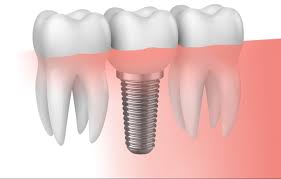
A dental implant usually sits within the jawbone where a tooth root once was. An abutment connects this foundation to the visible restoration, which may be a single crown, a bridge replacing several teeth, or a removable denture supported by implants. These parts have different roles and may be supplied at different appointments. Understanding the distinction helps you interpret a treatment proposal: a price labelled “implant” may cover the implant body without the abutment, laboratory work or final crown.
The shape of the replacement tooth must work with the implant position, surrounding teeth and opposing bite. A technically secure implant can still support a disappointing restoration if its position makes the tooth difficult to clean or compromises its appearance. Ask the clinician to explain the complete restorative design before surgery. For a Canadian patient, this conversation also establishes which components another dental practice may need to maintain later.
Bone healing and osseointegration
Osseointegration describes the biological connection that develops between living bone and the implant surface. It happens over time and cannot be confirmed simply because the gum looks closed or discomfort has stopped. The early mechanical stability achieved during placement and the later biological stability of healing are related but different. A temporary tooth can look convincing while the underlying implant still requires protection from excessive force.
This distinction matters when planning a stay abroad. Your return to work, your ability to board a flight and the readiness of the implant for a definitive restoration are separate decisions. Ask for a schedule that identifies what the team expects to assess at each visit, rather than one promised date for being “finished.” If healing takes longer than anticipated, the treatment timetable and travel arrangements may both need to change.
Chewing, speech and appearance
Implant treatment aims to replace missing teeth in a way that supports useful chewing and an acceptable appearance. Depending on the restoration, it can also improve denture stability and help with speech affected by missing teeth. However, an implant does not reproduce every feature of a natural tooth. The surrounding soft tissues, the space available and the relationship between the jaws all influence how the result feels and functions.
Explain your main difficulty in practical terms. You may avoid certain foods, cover your mouth when smiling, struggle with a moving denture or notice air escaping through a gap when speaking. These concerns require different restorative priorities. Someone replacing a front tooth needs a careful discussion of the gum line; someone with extensive tooth loss may need to understand lip support and how a larger prosthesis will be cleaned.
Why the surrounding mouth matters
The assessment must include the teeth and gums around the proposed implant, not only the empty space. Existing decay, unstable gum disease, tooth grinding and an uneven bite can change the plan. A missing tooth may also leave too little space for an appropriate crown, even where there appears to be enough bone for an implant. Treating these problems may require preparation before an implant appointment can be scheduled.
A remote photograph cannot reveal every relevant condition. Images may help the clinician understand the visible gap, but they do not replace examination, appropriate radiographs and assessment of the bite. If you are sending records from Quebec, Ontario or another province, include when they were taken and whether your mouth has changed since then. Recent extractions, infection or a broken neighbouring tooth can make an earlier proposal unsuitable.
Dental implant techniques and alternatives
Single implants, implant bridges and full-arch restorations
A single missing tooth may be replaced with one implant and one crown. Several missing teeth may be restored with a bridge supported by implants, so the number of artificial teeth does not necessarily equal the number of implants. For a jaw with no remaining teeth, options include a fixed full-arch prosthesis or an implant-retained removable denture. These solutions differ in bulk, cleaning access, repair requirements and daily use.
A full-arch proposal should explain why each remaining tooth can or cannot be preserved. Removing teeth is irreversible, and a package name does not establish that extraction is necessary. If several teeth are considered hopeless, ask for the findings supporting that assessment. A second opinion can be useful when a treatment proposal involves extensive extraction, especially if it differs substantially from advice already received in Canada.
Immediate placement and delayed placement
Immediate implant placement means inserting an implant at the same appointment as an extraction. Delayed placement allows a period of healing after tooth removal. Neither approach is automatically preferable. The condition of the extraction socket, available bone, soft tissues, infection assessment and planned tooth position influence whether immediate placement is reasonable.
Ask what would happen if the findings during extraction prevent immediate placement. A responsible plan includes an alternative temporary tooth and a revised schedule. For someone arriving from Canada, this contingency should be discussed before travel because a change can affect accommodation and future visits. The priority is a suitable foundation for the restoration, rather than completing a predetermined number of procedures within a prepaid stay.
Immediate loading and conventional healing
Immediate loading concerns when a restoration begins to function on an implant. It is different from immediate placement. An implant may be inserted immediately after extraction but left to heal without a functioning tooth; alternatively, implants placed in already healed bone may support an early temporary restoration in selected circumstances. The clinician must assess stability, the distribution of bite forces and the design of the provisional teeth.
Advertisements about teeth in a day can leave uncertainty about what is actually delivered. Ask whether the proposed teeth are provisional or definitive, what you may eat and when the bite will be reassessed. A temporary bridge attached soon after surgery does not eliminate biological healing. If early loading is unsuitable, the written plan should explain the alternative and any resulting changes to fees or travel.
Bone grafting and sinus-related preparation
Some patients need additional bone before or during implant placement. The amount and position of the deficiency determine whether grafting can be combined with surgery or requires a separate stage. In parts of the upper jaw, the relationship between the available bone and the maxillary sinus may also influence treatment. A sinus augmentation procedure is additional surgery, with its own consent, recovery instructions and possible complications.
If grafting is proposed, ask what material is intended, why it is needed and what alternatives have been considered. Personal, religious or other preferences concerning material origin should be raised before consent. For travel planning, establish whether the first visit is for grafting alone, whether another assessment is needed before implant placement and how the total sequence could expand if healing is incomplete.
Digital planning and surgical templates
Digital scans and three-dimensional planning can help a clinician relate a proposed implant position to the intended restoration and surrounding anatomy. A surgical template may transfer aspects of that plan to the mouth. These tools support decision-making but do not remove the need for clinical judgment, accurate records or an appropriate response to unexpected findings. Their availability should be confirmed with the treating practice.
Ask how the technology changes your particular treatment. Useful answers relate to implant position, restorative space or proximity to important structures. A list of equipment brands is less informative. If a clinic proposes a minimally invasive approach, ask how the clinician will assess the bone and soft tissues and whether the approach might change during surgery. Small incisions alone do not establish suitability or quality.
Implant materials and restoration materials
The material of the implant body is separate from the material of the visible tooth. Titanium-based systems are widely used; ceramic implant systems also exist for selected applications. A zirconia crown does not necessarily mean that the implant beneath it is ceramic. Ask for an explicit description of the implant system, abutment and restoration rather than relying on a broad label such as “premium ceramic teeth.”
Material selection should account for the clinical situation, component design and the team's experience. For international treatment, maintenance availability deserves particular attention. Before consenting, ask whether replacement screws, abutments and compatible instruments can be obtained by a clinician in Canada. Brand familiarity alone does not guarantee that every component is available locally, and a maintenance discussion should identify the exact system rather than only the manufacturer.
Preserving a tooth, bridges and removable dentures
An implant is an option for replacing a tooth, not an automatic reason to remove a tooth that may be treatable. Depending on the findings, restorative treatment, root canal treatment or periodontal care may preserve a natural tooth. Where a tooth is already missing, a conventional bridge or removable denture may offer a reasonable alternative. In selected circumstances, accepting a space can also be discussed.
Compare these choices against your actual priorities. You may place greater importance on avoiding surgery, limiting the number of trips or keeping future maintenance straightforward. A bridge can involve preparation of neighbouring teeth, while removable options have different comfort and stability considerations. Ask the clinician to explain the consequences of each realistic option, including no immediate treatment, rather than comparing implants only with an unacceptable outcome.
| Option | What it can offer | Main issue to discuss |
|---|---|---|
| Single implant and crown | Replacement of one missing tooth without using neighbouring teeth as bridge supports | Bone, gum contour and total restorative cost |
| Implant-supported bridge | Replacement of several teeth on selected implant supports | Cleaning access and the consequences if one support develops a problem |
| Fixed full-arch restoration | A non-removable set of replacement teeth attached to implants | Tooth preservation, maintenance, repair and space requirements |
| Implant-retained removable denture | Additional retention with removal for cleaning | Attachment wear, denture movement and regular servicing |
| Conventional tooth-supported bridge | Replacement without implant placement | Condition and preparation of supporting teeth |
| Conventional removable denture | Replacement without implant surgery | Comfort, stability and adaptation |
Real indications for dental implants
- One or more missing teeth affecting chewing, appearance or everyday comfort.
- A gap for which an implant-supported restoration is appropriate after assessment of neighbouring teeth and bone.
- An unstable removable denture where implant retention could provide a meaningful functional benefit.
- Extensive tooth loss requiring a planned restoration with adequate support and cleaning access.
- A tooth judged non-restorable after proper assessment, where implant replacement is one reasonable option.
The realistic goal is a maintainable replacement that fits your mouth and daily life. A clinician may advise against implant treatment if the biological risks, restorative limitations or inability to attend care outweigh the likely benefit. Wanting a whiter or more uniform smile is not, by itself, a reason to remove healthy teeth. Travel arrangements should follow a defensible dental diagnosis and a discussion of alternatives.
Indications and contraindications for dental implants
| Situation to assess | How it affects the decision |
|---|---|
| Healthy mouth with adequate bone and a suitable restorative space | May support candidacy, subject to a full examination and individual planning. |
| Active gum disease or untreated dental infection | Usually requires treatment and reassessment before elective implant placement. |
| Inadequate bone volume or unfavourable anatomy | May require additional surgery, a modified plan or an alternative restoration. |
| Poorly controlled diabetes or another unstable medical condition | May justify postponement and coordination with the treating physician. |
| Smoking | Adds healing and long-term risk; cessation support and individual risk assessment are important. |
| Anticoagulant or antiplatelet medication | Requires a bleeding-management plan; do not stop prescribed medication independently. |
| Antiresorptive medication or relevant cancer treatment | Requires specific assessment of jaw healing and medication-related risk; the indication and dose matter. |
| Previous radiotherapy involving the jaws | Needs specialist assessment and may substantially change suitability. |
| Jaw growth that is not complete | Implant treatment is generally deferred because growth can alter the relationship to neighbouring teeth. |
| Significant grinding or clenching | Requires bite assessment and discussion of protective measures and mechanical complications. |
| Limited ability to clean the proposed restoration | May require a different design, support with daily care or an alternative treatment. |
| Pregnancy or a new medical diagnosis | Elective timing and any imaging or medication need individual review. |
| Inability to attend essential reviews | Can make international implant treatment impractical even when surgery is technically possible. |
A contraindication is not the same as a reason to prepare more carefully or postpone treatment. A history of diabetes, for example, does not answer the question without information about current control and general health. Equally, the absence of pain does not establish that the gums are healthy. Your clinician should explain which issues can be improved, which require another professional's input and which make the proposed operation inappropriate.
How the procedure is performed, step by step
Before the procedure
The process begins with a dental and medical assessment. The clinician reviews your missing teeth, remaining dentition, gum health, bite, previous treatment and goals. Relevant imaging is selected to answer the clinical questions; three-dimensional imaging may be needed to assess bone and important anatomical structures. Existing images should be reviewed for usefulness rather than assuming that every patient needs the same tests or repeated scans.
Bring a complete medication list, including non-prescription products, and disclose allergies, previous problems with dental anaesthesia, smoking and significant medical history. If sedation is being considered, the assessment and arrangements must reflect the sedation method and your health. General anaesthesia is not a routine requirement for every implant. Ask who will administer any sedation or anaesthesia, what monitoring is used and what escort arrangements apply.
Before consent, the proposed plan should describe the implants and restoration, preparatory treatment, expected visits and alternatives. Ask to see the financial consequences of reasonable changes, such as deciding against immediate loading or adding a separate healing stage. You should have time to understand the plan in your preferred language. A coordinator can help organize communication, but clinical questions should be answered by the responsible dental professional.
During the procedure
Local anaesthesia is commonly used to numb the treatment area. Sedation may be considered when appropriate, but the exact approach depends on the planned surgery and individual assessment. The clinician gains access to the bone, prepares the implant site and places the implant in the intended position. Any extraction, grafting or soft-tissue work follows the individualized surgical plan and the findings at the appointment.
The implant may be covered during healing or fitted with a component that projects through the gum. Sutures may be used. If a provisional restoration is planned, the team assesses whether the conditions support using it as intended. Changes may be necessary when stability or tissue conditions differ from expectations. The treating clinician should explain what was actually performed and how it changes the next stage.
For multiple implants, the relationship between the supports and the planned teeth is especially important. Ask beforehand how provisional teeth will be provided if the preferred plan cannot be completed. A patient should not first discover after surgery that the expected temporary restoration is unavailable or unsuitable. The treatment record should identify the sites, implant system and relevant components for future care.
After the procedure
Before discharge, the team checks your immediate recovery, bleeding and ability to follow the care instructions. If sedation was used, appropriate recovery monitoring and discharge criteria also apply. You should receive written information about eating, cleaning, prescribed medication, activity restrictions and whom to contact if symptoms change. The instructions need to reflect your actual surgery, particularly when grafting or sinus-related work has been performed.

The first review should be scheduled before you leave the practice. Its purpose may include checking the wound, reviewing symptoms, assessing the temporary restoration and deciding whether sutures need attention. This review is not equivalent to confirming complete integration. Later appointments assess readiness for impressions or digital scans, abutment work and fitting of the final restoration.
Ask for copies of the treatment record and relevant images as the course progresses. The final handover should identify both completed treatment and outstanding steps. This distinction is essential if you return to Canada with a temporary tooth or a healing component. A local dentist needs to know what may be adjusted, what should remain undisturbed and who is responsible for the next planned intervention.
Recovery and time away from normal activities
Recovery has several layers: the immediate response to surgery, healing of the gum, integration within bone and adaptation to replacement teeth. These stages overlap but should not be treated as interchangeable. The following periods are illustrative planning points, not clearance to fly, chew normally or return to strenuous work. The treating clinician may recommend a different timetable because of the number of implants, grafting, medical history or an unexpected finding.
| Approximate period | Expected changes and practical decisions |
|---|---|
| Day of surgery and first day | Numbness wears off; rest, bleeding control and the prescribed eating and cleaning instructions take priority. |
| First few days | Soreness, swelling or bruising may affect meals, sleep and work; the direction of change matters. |
| Around the first one to two weeks | Wound review and possible suture management may be appropriate; timing depends on the procedure. |
| Following weeks | Surface healing may improve while the implant still needs protection from unsuitable loading. |
| Following months | Integration and any graft healing are reassessed before progression to the appropriate restorative stage. |
| After fitting the definitive teeth | Bite, comfort and cleaning are reviewed; adaptation and adjustments may require additional appointments. |
| Long term | Professional maintenance continues according to individual risk, with repair or replacement of components when needed. |
Swelling, discomfort and the direction of recovery
Some postoperative soreness and swelling can occur, especially after more extensive surgery. The useful question is whether symptoms follow the pattern explained by your clinician and then improve. Pain that becomes substantially worse, new swelling after improvement or persistent bleeding requires contact with the treating team. Do not assume a problem is harmless because another patient described similar symptoms online.
Plan meals that match the specific texture restrictions you are given. Being able to bite a food comfortably does not necessarily mean the healing implant should bear that force. If the temporary restoration feels different when you close your teeth, report it. A small change in the bite can be important, and repeatedly testing a sore or mobile area with your tongue or fingers is not a substitute for assessment.
Cleaning the area and protecting temporary teeth
Follow the team's instructions on when and how to clean the surgical site. Advice may differ around an incision, a graft, an exposed healing component or a temporary bridge. If a rinse is prescribed, confirm how it is to be used and for how long. Do not add products, vigorous rinsing or improvised tools on the assumption that more cleaning must be better during the earliest healing period.
Ask for a practical demonstration once appropriate. You should be able to explain how you will clean each part of the eventual restoration, including beneath a bridge. Dexterity, vision and access matter. If a design appears impossible for you to maintain, discuss it before the definitive teeth are completed. Someone who depends on a family member for daily care may need that person included in the instructions.
Work, exercise and everyday responsibilities
Time away from work depends on the operation and the demands of your job. A person having a single straightforward implant and doing desk work has different needs from someone undergoing multiple extractions and grafting before returning to physical labour. Speaking all day, public-facing work and frequent travel can also make a return harder even when pain is manageable.
Discuss lifting, vigorous exercise, contact sports and any activity with a risk of facial impact. The clinician should provide a progression based on your procedure. If sedating medication has been used or prescribed, follow the restrictions on driving and tasks requiring alertness. Arrange help with childcare, shopping or transport when needed. These practical arrangements should cover the first days after returning to Canada as well as the stay in Tunisia.
Flying after dental implant surgery
There is no single return-flight date suitable for every implant patient. The clinician must consider wound condition, bleeding, pain control, infection concerns and any sinus involvement, alongside the length and complexity of the journey. A long itinerary also separates you from the treating practice for many hours. Medical clearance should come from an assessment of recovery, not from an airline ticket or a standard package duration.
If sinus augmentation or another sinus-related procedure is involved, ask specifically about flying and pressure-related precautions. Show the clinician your full itinerary, including domestic connections and the final road journey. Keep prescribed medication and essential records accessible during travel, subject to applicable transport rules. A plan for a delayed flight or extended stay should exist before surgery, when changes are easier to organize.
Follow-up after returning to Canada
Arrange a Canadian dental contact before departure and ask what care that practice is willing and equipped to provide. Routine maintenance, assessment of postoperative symptoms and completion of the restoration are different commitments. A local dentist may need an examination and complete records before accepting an ongoing role. Do not assume that sending the clinic's name after your return creates an agreed handover.
The Tunisian and Canadian clinicians should have a clear way to exchange relevant information with your consent. If symptoms arise, a remote conversation can help direct you, but it cannot replace a necessary physical examination. Know where you can obtain urgent dental assessment near home. In more remote communities, the travel required for that assessment should be considered when deciding whether overseas treatment is workable.
Expected results and durability
Early appearance and the definitive result
The teeth you see immediately after surgery may be temporary. Their purpose can include filling a visible space or providing a controlled provisional function while tissues heal. Their colour, shape and contours may differ from the definitive restoration. Ask which features can still be changed and which are constrained by implant position, available space or the condition of the surrounding tissues.
Gum contours may also change during healing. This is particularly relevant near the front of the mouth, where small differences can be visible when smiling. Before-and-after photographs illustrate appearance at particular moments; they do not show every cleaning challenge, maintenance appointment or tissue change. Ask for an explanation of outcomes in situations comparable to yours, including the limitations that photographs cannot communicate.
Comfort, bite and adaptation
A successful restoration needs to feel acceptable during ordinary use, not simply look attractive in a photograph. The clinician checks contacts with adjacent and opposing teeth, and may need to make adjustments as you adapt. Speech can require particular attention with larger restorations. Describe any persistent difficulty clearly, including whether it occurs during chewing, speaking or closing your teeth.
Ask when you should expect a review after the definitive fitting and how adjustments will be handled if you are already in Canada. Finishing a restoration immediately before departure leaves little opportunity to address an unexpected pressure point or bite concern. Allowing time for an assessment after fitting is a practical part of evaluating a proposed schedule, even when the laboratory has delivered the work on time.
Long-term maintenance and component replacement
Implants and their attached teeth should not be presented as maintenance-free or guaranteed for life. The implant, connecting components and visible restoration can have different maintenance needs. A crown may chip, a screw may loosen or a denture attachment may wear even when the implant remains integrated. These issues require diagnosis because apparent movement does not reveal which part is affected.
Discuss the long-term service plan before treatment. It should cover professional review, home cleaning, component identification and the likely process for repairs. Written warranty terms, if offered, need to distinguish parts from clinical labour, travel and accommodation. A commercial promise does not ensure that another dentist can perform a particular repair or that an urgent problem can wait for a return trip abroad.
Risks and possible complications
All implant treatment involves uncertainty. The relevant discussion is your individual risk and what the team will do if a problem occurs. A clinician should explain both surgical complications and later problems affecting the gums, bone or restoration. The following risks are not a prediction that they will occur, and they do not replace a consent discussion tailored to your medical history and proposed operation.

- Bleeding and wound problems: bleeding that persists or a wound that opens may need professional attention, particularly when medication or grafting affects management.
- Infection: increasing swelling, worsening pain, pus, fever or feeling unwell can require prompt assessment and treatment.
- Failure to integrate: an implant may not establish or maintain adequate attachment to bone and may need removal or a revised plan.
- Nerve disturbance: altered sensation in the lip, chin, tongue or other areas may occur depending on the site; some disturbances can persist.
- Sinus complications: upper-jaw surgery can affect the sinus or create problems requiring additional assessment and treatment.
- Damage to nearby structures: adjacent teeth, roots, bone or soft tissues can be injured during treatment.
- Peri-implant mucositis and peri-implantitis: inflammation may affect the surrounding gum alone or include loss of supporting bone.
- Mechanical complications: screws can loosen, restorative materials can fracture and a prosthesis can develop an unsuitable bite.
- Aesthetic limitations: recession, visible components, spaces or an unfavourable gum contour may require further discussion or treatment.
- Medication or anaesthesia reactions: the risks depend on the drugs, the method used and your health history.
Symptoms that require urgent assessment
Difficulty breathing or swallowing, rapidly spreading facial or neck swelling, or bleeding that cannot be controlled requires emergency assessment. Do not wait for an overseas message response when emergency symptoms are present. Worsening pain, fever, discharge, new altered sensation after the expected anaesthetic period, or an implant or restoration that feels mobile also warrants prompt professional contact.
Provide a clear description of when the symptom began, how it is changing and what treatment you recently received. Photographs can be useful when requested, but they cannot establish the condition of the implant or exclude a deeper problem. Do not attempt to tighten a component yourself or continue biting on a loose restoration. The appropriate response depends on identifying the cause.
Complications during the stay and after the return
Before travel, establish who provides unplanned examinations in Tunisia, where they take place and what happens outside routine opening hours. Ask which additional costs are included and which require separate payment. A transfer service or accommodation contact is not a substitute for a clinical emergency arrangement. The responsible dental clinician and any backup service should be identifiable.
After returning to Canada, obtain local assessment when necessary rather than assuming a return flight is the first step. Ask the treating team how they will supply records promptly and communicate with the examining dentist. The financial arrangements for Canadian treatment should be discussed in advance, but uncertainty about reimbursement should not delay urgent care. A repair, implant replacement and treatment of infection may involve very different clinical pathways.
Why consider Tunisia for dental implants?
Evaluating a specific treatment proposal
A Canadian patient may consider Tunisia because of an individual treatment proposal, anticipated costs or the possibility of organizing several appointments within a planned stay. Those factors are meaningful only when the full clinical course is clear. An implant proposal should describe the surgery, provisional teeth, definitive restoration and reviews, including the possibility of more than one visit to Tunisia.
Care quality cannot be inferred from the country, city or presentation of a package. Assess the named clinician, the actual practice and the proposed treatment. When speaking with Aylan Clinic, ask whether the relevant dental care can be arranged and request the identity of the professional who would make the clinical decisions. Confirm the relationship between any coordinating service and the treating dental facility.
What must be checked before leaving Canada
An in-person assessment in Canada can help identify existing dental problems and provide useful records for preliminary discussions. The treating clinician in Tunisia may still need additional examination or imaging before confirming a plan. Ask which records are useful before paying for new tests. Duplicated investigations and incompatible file formats can add cost without improving decision-making.
The preliminary proposal should identify major uncertainties. For example, the need for grafting or the suitability of immediate loading may remain conditional. Discuss what happens if the in-person assessment changes the treatment substantially, including whether you can choose to postpone without proceeding to irreversible treatment. The ability to make a considered decision after arrival is part of responsible planning.
Language and continuity of care
Confirm the language of direct consultations with the treating dentist or dental specialist and, if relevant, the professional responsible for sedation or anaesthesia. English-speaking and French-speaking Canadians should both be able to understand consent, limitations and urgent-care instructions. Communication with a bilingual coordinator does not establish that every clinical professional can conduct a detailed discussion in the same language.
Once language arrangements are confirmed, ask for written records that will also be useful to the Canadian clinician providing follow-up. Where interpretation or translation is required, establish how it will be arranged. The objective is accurate understanding, particularly when discussing alternatives or a change to the plan. A comfortable conversation about booking is different from informed consent for extraction, grafting or implant placement.
Cost of dental implants in Tunisia
Comparing the complete treatment course
The cost of dental implants in Tunisia depends on what is being replaced, the condition of the mouth and the number of treatment stages. A headline amount cannot establish the cost of your finished restoration. Compare proposals for the same clinical scope and ask whether each amount includes the implant body, abutment, temporary teeth, definitive teeth and laboratory work.
For a Canadian patient, calculate the complete course in a currency you understand while retaining the original quoted currency. Exchange rates, payment charges and timing can change the final amount. Do not compare a price for implant placement alone with a Canadian proposal covering the complete restoration and reviews. If a treatment needs two international visits, both journeys belong in the initial comparison.
| Factor | Effect on total cost |
|---|---|
| Number and position of missing teeth | Changes the surgical and restorative work required. |
| Preparatory dental treatment | Extractions, gum treatment or treatment of other teeth may be separate. |
| Grafting or sinus-related surgery | Can add procedures, materials, healing time and visits. |
| Implant and abutment system | Affects component fees and possible future servicing. |
| Temporary and definitive restorations | Different materials and laboratory stages may be priced separately. |
| Anaesthesia or sedation | Additional assessment, personnel or facility charges may apply. |
| Imaging and reviews | Confirm which appointments and investigations are included. |
| Transatlantic travel and domestic connections | Include every planned treatment trip and travel to the departure airport. |
| Accommodation and local transport | Account for clinical reviews and a possible extended stay. |
| Time away from work and home responsibilities | Include unpaid leave, childcare and a companion when needed. |
| Complications and unplanned adjustments | May create additional treatment, travel or accommodation costs. |
| Insurance and Canadian follow-up | Verify actual cover and budget for local examinations and maintenance. |
What an itemized quotation should say
A useful quotation identifies the provider, treatment sites, proposed restoration, included appointments and payment stages. It should state whether clinical findings can change the amount and how you would approve those changes. Ask whether removal of a failed implant, replacement components, laboratory remakes or additional reviews are included, excluded or decided case by case.
Read cancellation, postponement and refund conditions before making a deposit. Ask how unused treatment is handled if the clinical plan changes after assessment. If accommodation or transport is included, request its exact scope rather than relying on the phrase “all-inclusive.” The financial agreement should distinguish arrangements made by the coordinator from services billed by the treating dental practice.
Insurance and a contingency budget
Seek written clarification from relevant insurers or benefit providers about planned overseas dental treatment and related complications. Do not assume ordinary travel insurance covers a trip whose purpose is treatment, or that provincial or private benefits will reimburse every element. Coverage questions should describe the actual procedures and itinerary rather than simply asking whether travel to Tunisia is insured.
Build a contingency for an extended stay, an extra clinical appointment and necessary care after return. The right amount depends on your circumstances, so a universal figure would be misleading. If the treatment is affordable only when every appointment and flight proceeds exactly as planned, discuss whether a different schedule or a local alternative would be more manageable.

Comparison: Tunisia and other medical tourism destinations
Compare individual providers and complete care arrangements. Tunisia, Canada, Mexico and Türkiye may appear in a Canadian patient's research, but country names do not determine the quality of an implant result. The relevant differences concern the specific route, communication with the clinical team, the number of visits and your access to treatment when something needs attention.
| Country | Communication | Journey | Access to consultations | Contents of the quote | Continuity of care |
|---|---|---|---|---|---|
| Tunisia | Verify English or French with each relevant clinician. | Assess the full transatlantic itinerary and any domestic or transit legs. | Combine preliminary review with an in-person examination before consent. | Separate surgery, components, final teeth and travel arrangements. | Establish responsibilities during healing in Canada and on later visits. |
| Canada | Confirm preferred language with the chosen practice. | Local care may reduce travel, although specialist access can still require a journey. | Ask about appointment availability and access between stages. | Compare the complete restorative scope and maintenance arrangements. | Care may be easier to coordinate when the same team is accessible throughout. |
| Mexico | Verify the actual clinician's language and interpretation arrangements. | Compare the route from your city rather than assuming every itinerary is short. | Check how assessment and treatment are separated. | Confirm all components, laboratory work and review appointments. | Ask who handles problems after crossing back into Canada. |
| Türkiye | Confirm direct clinical communication and written records. | Assess transatlantic travel, connections and the possibility of repeat visits. | Ensure remote offers remain conditional on examination. | Clarify provisional versus definitive teeth and package exclusions. | Agree how the overseas team and Canadian dentist will exchange information. |
A useful comparison puts the same clinical problem beside each proposal. If one recommends preserving teeth and another recommends full-arch extraction, the difference is more important than a hotel or transfer inclusion. Ask the clinicians to explain their reasoning. The option that appears least expensive initially may change once additional stages, travel and long-term maintenance are included.
Tunisian cities to consider for this procedure
Choosing the treatment location before the hotel
The available information does not establish a named dental team for your case in Tunis, Sousse or Monastir. Start by obtaining the treating clinician's identity and exact practice address from Aylan Clinic. Only then compare locations. A city's reputation is not evidence of the clinician's experience, and proximity to a resort does not tell you whether postoperative review is readily available.
If the proposed team is in Tunis, assess accommodation and transfers against the actual consultation and surgical addresses. If the confirmed team is in Sousse or Monastir, check how you would reach that practice from your arrival airport and return for each appointment. Do not assume that surgery, imaging, laboratory work and final fitting occur in one building. The relevant measure is reliable access to the people providing care.
Keeping all stages within practical reach
Ask whether the implant clinician and the professional fitting the teeth work at the same location. If they do not, establish how they share the plan and who resolves discrepancies. For an implant patient, several short appointments can be more important than one longer surgical visit. Accommodation should make it realistic to attend reviews and return if a provisional tooth needs attention.
Before selecting a city, also consider the second treatment visit. A convenient first itinerary is less helpful if later appointments require difficult connections or substantial overland travel. Ask what happens when the regular clinician is unavailable, and whether an urgent review would be at the same facility. These questions provide a stronger basis for choosing a location than general statements about a destination's popularity.
Which Canadian cities can patients travel from?
Canadians can plan a journey from many communities, but the practical starting point is the full route from home to the treating practice and back. Each treatment visit may involve different schedules. Check departure airports, seasonal services, baggage arrangements and transit requirements for the actual dates. The cities below are planning examples; their inclusion does not imply a direct service to Tunisia or a confirmed clinical partnership.
Montreal, Laval and Longueuil
Patients in Montreal, Laval and Longueuil can begin by comparing itineraries departing from Montréal–Trudeau with any other realistic option. Ground transport across the metropolitan area belongs in the schedule, particularly when leaving early or returning after a long journey. For someone accompanying you, factor in their availability for both the airport transfer and the first days after returning home.
Discuss whether you want consultations and written instructions in French, English or both. Neither your home address nor the language used for booking should determine that choice. Before leaving Quebec, ask your usual dental practice whether it can review healing or provide maintenance for the proposed implant system. If you do not already have a dentist, identify a contact before treatment rather than beginning that search with a postoperative problem.
Quebec City, Lévis, Trois-Rivières and Saguenay
For patients in Quebec City or Lévis, compare actual options from Québec City Jean Lesage airport with travel through another departure point. A connection may appear convenient on a booking page but create a long total journey after the road transfer is included. Patients in Trois-Rivières or Saguenay should similarly account for the journey to the chosen airport and any overnight stop before departure.
The trip home deserves equal attention. After a long flight, a further drive or domestic connection can make a demanding itinerary harder. Arrange a person who can help if needed and consider whether an overnight pause is practical. Your follow-up arrangements should be near where you live, not simply near the airport you used. Confirm the preferred language and availability of that local dental contact in advance.
Ottawa, Gatineau and Sherbrooke
Patients in Ottawa and Gatineau should compare departure options using the complete journey and the needs of each treatment stage. A route involving Montreal may be reasonable for some people, while another itinerary may suit others; neither should be assumed without checking current schedules. Allow for the return transfer across the region rather than treating arrival at the Canadian airport as the end of recovery planning.
For a patient from Sherbrooke, the overland portion can influence departure timing, parking, accommodation and the help needed on return. In all three communities, clarify where follow-up will occur and which language you prefer for medical discussions. Provincial location, language preference and the location of your usual dentist do not always align. Make the clinical handover specific to the professional who has agreed to see you.
Toronto, Hamilton, Kitchener–Waterloo and London, Ontario
Patients in Toronto can compare actual itineraries from Toronto Pearson, while those in Hamilton, Kitchener–Waterloo and London should also consider the cost and time of reaching the chosen departure airport. The closest airport is not necessarily the simplest route for a particular date. Conversely, a lower airfare from a more distant airport can lose its advantage after parking, accommodation and additional travel are included.
Plan time away from work around clinical stages rather than a single operation date. A second trip for definitive teeth may require several appointments, and a fitting adjustment can affect the return schedule. Identify a local dentist who can assess a problem after each visit. English or French documentation should be arranged according to your needs and those of the receiving practice, without assuming that either language is available everywhere.
Vancouver, Surrey, Victoria and Kelowna
For many patients in western Canada, travelling to Tunisia involves a substantial overall journey. Those in Vancouver and Surrey should consider connection length, arrival time and recovery from travel fatigue when scheduling the first consultation. Patients from Victoria or Kelowna may have an additional regional leg or ground journey. Compare the entire itinerary, including the possibility of a missed connection, before choosing a treatment start date.
Discuss whether you need time to rest after arrival before an examination or procedure. On the return journey, flexible bookings and manageable transfers are especially valuable if the clinician recommends a delay. The time difference can also complicate remote contact with Tunisia. Ask how urgent messages are handled and which Canadian service you should use when an assessment is needed outside the overseas team's working hours.
Calgary and Edmonton
Patients from Calgary and Edmonton should calculate the full travel burden for every proposed visit, including any domestic connection before the transatlantic portion. A plan involving grafting, implant placement and later restoration may require more travel than a preliminary advertisement suggests. Request a stage-by-stage schedule and ask which decisions remain uncertain before purchasing multiple sets of tickets.
Consider the nature of your work when selecting dates. Physically demanding employment, shift work or working away from home can complicate postoperative reviews and maintenance. Ask the clinician for restrictions relevant to your role, then allow an appropriate margin in your leave arrangements. Identify dental care near your actual home or work base, especially if you regularly spend extended periods away from Calgary or Edmonton.
Winnipeg, Saskatoon and Regina
For Winnipeg, Saskatoon and Regina, assess connection reliability and the total time spent travelling rather than comparing only the international flight segment. Your route may change between the surgical visit and the restorative visit. Check whether tickets are linked, what happens if a connection is missed and how a medical postponement would affect the booking. Travel flexibility is part of the treatment budget.
Follow-up planning should reflect where you can realistically obtain care. If you live outside the city, include the extra journey to the dentist and any limitations on appointment availability. Request your implant details before returning, so a local professional can assess compatibility and clinical needs. Do not assume that a remote video review removes the need to travel for a physical examination when symptoms or findings justify one.
Halifax, Charlottetown and St. John's
Atlantic Canadian patients should consider the interaction between regional flights, onward connections and the last journey home. For someone starting in Halifax, Charlottetown or St. John's, the simplest itinerary on the outbound date may differ from the best return option. Allow room for changes and confirm the practical consequences of an overnight transit stop, particularly when carrying medication or travelling with a companion.
Plan the early Canadian review around the actual arrival date and local dental availability. If you return near a weekend or holiday, know where urgent assessment can be obtained. Ask for instructions in the language you understand best and records that the receiving clinician can use. The time difference with Tunisia should be reflected in the contact plan, especially when you are managing a temporary restoration between treatment stages.
Moncton, Dieppe, Edmundston and Fredericton
Patients from Moncton and Dieppe may want to compare local departure options with other practical airports, taking the complete itinerary into account. For residents of Edmundston or Fredericton, ground travel and possible overnight accommodation can meaningfully change the overall cost. Avoid assuming that a route preferred by someone elsewhere in New Brunswick is equally convenient for your location or your treatment dates.
Acadian and other French-speaking patients should state their language preference explicitly, while English-speaking patients should do the same. Confirm direct communication with the treating clinician and the availability of understandable discharge instructions. Establish a local dental contact before leaving, particularly if you expect to return with provisional teeth. A useful plan identifies who can examine you, not merely a phone number for overseas coordination.
Smaller communities and the territories
Patients outside these urban areas may have additional travel needs within Canada before the international journey even begins. The same applies to residents of the territories whose access to dental assessment may involve regional travel. Discuss these circumstances with both the proposed treating team and the professional who would provide follow-up. An apparently routine review can become a significant logistical commitment when care is far from home.
The treatment design should fit your ability to attend maintenance and obtain repairs. If a system requires components or appointments that are difficult to access locally, ask whether another restoration would be more practical. Also consider how you would manage an unplanned problem while waiting for transport. These are concrete factors in suitability for care abroad, alongside bone condition and the surgical plan.
How to choose a surgeon or dental clinician for dental implants
The person placing the implants may be a suitably trained dentist, periodontist or oral and maxillofacial surgeon, depending on the case and local professional requirements. The person designing and fitting the restoration may be the same clinician or another professional. Ask who holds each responsibility. A medical tourism coordinator's experience does not establish the dental clinician's qualifications or authority to practise.
- Verify the clinician's full identity, professional registration, relevant specialty where claimed and right to practise.
- Ask about experience with your particular pattern of tooth loss, grafting needs and restorative complexity.
- Obtain a direct consultation and an explanation of reasonable alternatives.
- Confirm the treating facility, infection-control arrangements and any sedation or anaesthesia provision.
- Request a clear plan for complications, complete pricing and follow-up across both countries.
Matching experience to the proposed case
Replacing one posterior tooth is different from rebuilding a full arch or treating a demanding front-tooth defect. Ask the clinician to explain the features that make your case straightforward or complex. Useful evidence concerns comparable clinical work and a clear account of decision-making. Broad promotional claims and an impressive photograph collection do not answer how your specific risks will be handled.
If the plan involves several professionals, ask who leads it and approves changes. The surgical and restorative decisions should work together from the outset. You should know who to contact about the gum, the implant and the visible tooth, without being passed between providers who have not agreed on responsibilities. Request this structure before paying for an extensive course of treatment.
Verifying the system and the maintenance plan
Ask for the proposed implant manufacturer and system, then confirm the actual components used after surgery. Keep the implant record with your other dental documents. A description such as “European implant” is insufficient for identifying compatible parts. The clinician should also explain how a future dentist would access the restoration for maintenance and whether removal requires particular instruments or laboratory support.
Discuss the maintenance plan with a Canadian dental professional before committing where possible. That conversation may reveal practical questions about availability, records or the complexity of repairs. It does not mean the local dentist has agreed to complete or guarantee overseas treatment. Each clinician's role, fees and limitations should be clear enough that you can make an informed comparison.
Planning a medical stay in Tunisia
Planning dental implants in Tunisia starts with a sequence of clinical decisions, not a fixed travel package. Establish what can be assessed remotely, what requires examination and how many visits may be necessary. Your schedule should accommodate the initial operation, healing, any additional preparation and the final restoration. A short connection or a prepaid ticket must never determine whether you are clinically ready to fly.
Medical and dental preparation before departure
Provide the proposed clinician with a concise medical history, medication list and available dental records. Include previous implant treatment, gum disease, relevant surgery and any difficulties with anaesthesia. Ask which photographs or radiographs are useful rather than obtaining tests independently. Inform your Canadian dentist that you are considering care abroad and discuss both the proposed treatment and arrangements for review between stages.
Check current Canadian travel advice and Tunisian entry requirements, as well as transit rules for your actual nationality and route. Living in Canada does not mean every traveller holds a Canadian passport. If you have another nationality or particular immigration documents, confirm what applies to you. Review medication transport requirements and any insurer conditions before paying for travel, especially when the itinerary includes more than one transit country.
Assessment in Tunisia and confirmation of consent
Allow time for a consultation before surgery. The clinician needs to confirm the diagnosis, examine the mouth and review the restorative plan. Discuss any differences from the remote proposal, including changes to extractions, grafting, provisional teeth and the timetable. You should receive a clear explanation before consenting to a changed procedure or a revised price.
If the findings alter the balance of benefits and risks, postponement may be appropriate. Travel effort and money already spent should not force a decision to proceed. Ask beforehand how the team handles this situation so that you can assess it calmly if necessary. Consent should identify the treatment you have agreed to and the reasonable alternatives, in a language you understand.
Care during the first days
Choose accommodation that allows rest, appropriate meals and straightforward access to the treating practice. Ask whether anyone needs to stay with you after sedation or more extensive treatment. Plan transport for clinical reviews and confirm how you can contact the team outside appointment times. These arrangements should be practical even if you feel tired, sore or unable to explain a problem easily.
Keep the written instructions available and clarify uncertainties early. If a temporary denture or bridge is provided, understand when it may be worn and how it should be cleaned. Ask what symptoms should trigger an examination rather than a message. A comfortable hotel stay does not establish that recovery is progressing as intended; the planned clinical review still matters.
The examination before flying
The pre-departure assessment should address your actual wound, symptoms, temporary restoration and travel itinerary. Ask whether there are unresolved issues that justify staying longer and what precautions apply during the journey. If sinus-related work has been performed, ensure this is specifically considered. Obtain a written account of treatment and any remaining restrictions before leaving.
Eastern and central Canadian routes may still involve demanding transfers, while western routes can add substantial travel time and fatigue. Atlantic departures and returns may involve several separate legs. Present the complete journey to the clinician, including the final drive or regional flight. If the return needs to change, use the contingency arrangements prepared before treatment rather than attempting to compress the recovery period.
Healing in Canada and preparing for the next stage
Before returning home, agree how healing will be reviewed and who will decide that the next stage can proceed. If a Canadian examination or image is requested, confirm which professional will provide it and how the findings will be shared. Book the next trip only when the clinical plan is sufficiently clear, and understand that an anticipated date may still change after reassessment.
For the restorative visit, allow time for the appointments the clinician expects, including fitting and possible adjustment. Ask what happens if the laboratory work needs modification or the tissues are not ready. Once definitive treatment is complete, obtain updated records and an individualized maintenance schedule. Ongoing care should remain workable even if you never return to Tunisia for routine appointments.
Request a personalized opinion on dental implants in Tunisia
Contact Aylan Clinic to ask whether a dental implant assessment can be arranged for your situation. Describe your missing teeth, concerns about chewing or appearance, medical history, previous dental treatment and available records. State whether you prefer English or French for clinical discussions, where in Canada you will travel from and any limits on time away from home. These details help frame a useful preliminary enquiry.
Request the proposed dental clinician's identity and qualifications, the treatment location, a provisional medical schedule and an itemized quote covering all anticipated stages. Ask how temporary teeth, complications and follow-up in Canada would be managed. A remote preliminary review can help identify questions and possible options, but it is not a definitive decision to operate; that requires an appropriate examination, an individualized plan and informed consent.
You may also want to compare All-on-4 in Tunisia.
Continue exploring our dental care in Tunisia overview, the complete aesthetic surgery panorama, compare plastic surgery prices in Tunisia, or request a free, personalized quote.
Everything about Dental Implants in Tunisia
Technique, pricing, results and the full patient journey — every detailed answer in our complete guide.