Full mouth rehabilitation in Tunisia is a coordinated plan to restore teeth and oral function across much or all of the mouth; it is not one standardized operation or a fixed number of implants. The central decision for a Canadian patient is which teeth can be preserved, what must be treated first and who will complete and maintain each stage after the journey. A promise of a completely new smile on a single short trip cannot substitute for diagnosis, healing and a stable bite.
In this article, you will find how a full-mouth plan is assessed, the range of restorative routes, staged treatment and risks, realistic costs, and the practical arrangements for returning to Canada. English-speaking and French-speaking patients need an itemized, tooth-by-tooth plan and a named team that can communicate directly throughout care.
What full mouth rehabilitation means and how it works
A diagnosis across the entire mouth
A rehabilitation may address multiple decayed, cracked, worn or missing teeth, gum disease and an unstable bite. The dentist or prosthodontic clinician evaluates each tooth, supporting bone, gums, jaw function, existing restorations and the patient's priorities. Radiographs, photographs, scans and bite records may be indicated; these establish more than the visible smile. A plan should describe which teeth are maintainable and why, rather than assuming an entire arch must be extracted because a promotional package is easier to describe.
Function, hygiene and appearance together
The aim can include comfortable chewing, maintainable gum health, intelligible speech and a natural appearance. Restoring worn teeth may involve the relationship between upper and lower jaws and the amount of space available for new materials. The clinician checks how a proposed bite can be tested before final work. Restorations must permit cleaning; replacing visible teeth without controlling active disease or overload can create new problems even if an early photograph looks appealing.
A plan that changes at clinical milestones
Initial records support a provisional sequence, but extraction sites, periodontal treatment, graft healing or implant integration can change what is feasible. A temporary denture or provisional restoration may be necessary while tissues heal and the bite is evaluated. Every stage should have its own decision point and estimate. The patient needs to understand whether definitive teeth can actually be delivered during the proposed stay and who will make that determination.
Restorative paths and alternatives
Preserving teeth with fillings, onlays and crowns
Where sufficient tooth structure and gum support remain, a clinician may restore teeth with direct fillings, onlays or crowns. Root-canal or periodontal care may be needed first. Crowns are not automatically required on every tooth, and preparing healthy enamel for visual uniformity increases long-term maintenance. The plan should explain the prognosis and alternative for each tooth, including the possibility that a tooth judged restorable on a remote image is not suitable after direct examination.
Replacing missing teeth with bridges or dentures
A tooth-supported bridge may replace some missing teeth when neighbouring teeth and the bite permit it. Removable partial or full dentures can provide another route, often with a different budget and degree of maintenance. They are not simply temporary substitutes for implants; in some mouths they can be a reasonable definitive choice. If all teeth in one arch are missing, compare the cleaning, repair and retention requirements of removable and fixed options before choosing.
Implants, grafts and staged arches
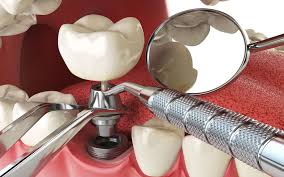
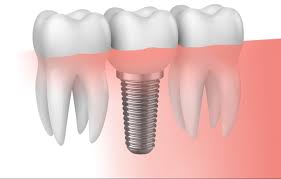
Implants can support individual crowns, bridges or removable overdentures. The number and position depend on imaging, bone volume, gum health and the final prosthetic design. A graft or sinus lift may be necessary in selected sites, adding healing time and another surgical decision. All-on-4 and All-on-6 are specific concepts that warrant separate assessment, not default names for every full-arch case. Provisional teeth placed near implant surgery are not necessarily final restorations or a promise of unrestricted chewing.
A limited or phased alternative
Some patients benefit from first controlling pain and infection, then restoring the teeth with the greatest functional value and reassessing whether wider reconstruction remains necessary. Orthodontics may improve tooth positions before definitive work in selected cases. A patient can also decline elective aesthetic changes while addressing disease. The clinician should show a conservative option and explain what postponing a particular stage means for the remaining teeth and bite.
Real indications for full mouth rehabilitation
- Multiple failing teeth or restorations requiring a coordinated rather than isolated plan.
- Severe tooth wear or bite problems for which function and restorative space must be assessed together.
- Numerous missing teeth where the replacement design affects both arches and chewing.
- A patient who can accommodate staged care and long-term maintenance after understanding alternatives.
Having many old fillings or wanting a brighter smile does not by itself justify full-mouth reconstruction. A clinician may treat active gum disease first, recommend selective restorations or delay surgery until medical conditions and follow-up capacity are addressed. The goal should be a healthy, maintainable mouth, with appearance and function evaluated together.
Indications and contraindications for full mouth rehabilitation
| Situation to assess | How it affects the decision |
|---|---|
| Extensive decay, fracture, wear or missing teeth | May support a coordinated plan after tooth-by-tooth evaluation. |
| Active gum disease or dental infection | Treat and establish control before definitive restoration or implants. |
| Uncontrolled grinding or uncertain bite | Test a proposed relationship and plan protection and monitoring. |
| Limited bone or sinus concerns | Imaging and graft alternatives may change implant feasibility. |
| Significant medical or healing concerns | Obtain individualized medical assessment and stage or defer elective surgery. |
| Unclear responsibility for later appointments | Establish a Canadian partner or consider local care. |
| Expectation of all definitive work in one visit | Reassess realistic stages and alternatives before irreversible treatment. |
How the treatment plan is performed step by step
Before treatment
The coordinating dentist reviews medical and dental history, diagnoses each tooth and records gum health, bite and imaging. Additional specialists may assess periodontal disease, root-canal needs, orthodontics or implants. The plan states what is urgent, what is salvageable, which operations are proposed, how provisional teeth will work and when definitive restorations can be considered. Ask for the identity and role of each clinician, an anesthesia assessment if surgery or sedation is planned, and written alternatives and itemized estimates.
During staged treatment
The actual sequence can include disease control, extractions where justified, gum treatment, provisional restorations, implant or graft surgery, and later final crowns, bridges or dentures. The team checks the proposed bite and how the patient cleans each stage. Local anesthesia is often used for dental treatment, while sedation or general anesthesia requires separate indication and monitoring. Surgery, implants and laboratory work cannot be treated as one uniform procedure with one recovery date. Consent should be specific to each irreversible step.
After each stage
The clinician checks pain, healing, bite contacts and the fit of temporary restorations. Written records should identify teeth treated, materials, implant or graft systems, medications and planned reviews. If the patient returns to Canada between stages, someone there must be responsible for evaluating an ulcer, loose provisional or implant-related issue. Later definitive work depends on examination of tissue healing and function; the schedule should allow the team to revise it if findings change.
Recovery and time away from normal activities
| Approximate period | Expected changes and practical decisions |
|---|---|
| Diagnostic phase | Tests and specialist opinions may change the plan and quotation. |
| After disease treatment or surgery | Healing and temporary restorations need clinical review. |
| During provisional function | Check bite, speech, hygiene and comfort before definitive work. |
| After final restorations | Adjust fit and establish a maintenance schedule in Canada. |
The stages are illustrative. Recovery from a filling, multiple extractions or a bone graft differs substantially; a calendar cannot replace individual travel clearance.

Pain, healing and temporary teeth
Provisional dentures, crowns or bridges can protect appearance and function during healing but may loosen, rub or need bite changes. Follow the specific instructions for cleaning, eating and protecting any surgical wounds. Swelling and activity restrictions depend on which surgery was performed, not on the broad label of rehabilitation. A patient should know whom to call for severe pain or a broken temporary and should not glue a restoration back with household products.
Flying between stages
A long flight may be reasonable after some non-surgical visits, but extractions, implants, sinus lifts or other operations require their own postoperative assessment. Schedule a review before departure and leave flexibility if infection, bleeding or sinus symptoms arise. A transatlantic connection with a loose provisional can be uncomfortable even when there is no surgical restriction. The operating clinician should decide whether travel is appropriate for the actual condition, not the date printed on a prepaid ticket.
Continuing treatment in Canada
Establish whether the Canadian dentist will only monitor interim healing or will also make final restorations. Some professionals may decline to take over a complex plan made elsewhere or may require new imaging and fees. Agree who can adjust the bite, replace a temporary, review implant stability and communicate findings to the original team. A remote photograph can show a fractured visible crown but not reliably establish bone integration or an accurate bite.
Expected results and durability
Improving function without promising perfection
A well-designed plan may improve chewing, comfort, tooth protection and appearance, but the change varies with disease burden, anatomy and the restorative choices made. A provisional can give information about speech and bite before final work, yet it is not a guarantee of the finished result. A before-and-after photograph does not reveal the amount of tooth preparation, hygiene access, surgical healing or ongoing maintenance costs.
Each component has a different lifespan
Fillings, crowns, bridges, dentures and implant components wear or need repairs at different times. Natural teeth remain susceptible to decay and gum disease. Implant restorations also require cleaning and professional review. A long-term plan should specify how to maintain each material and whether replacements can be sourced in Canada. No comprehensive reconstruction makes future dental visits unnecessary or assures that every component will remain unchanged.
Bite stability and revisions
A complex new bite may need adjustment as provisional and definitive components are fitted. Persistent pain, a high contact, jaw discomfort or repeated fracture should trigger reassessment, not a chain of repairs without diagnosing the underlying load. Some changes are minor, while others can require remaking a restoration or revising the overall design. The consent discussion should explain those possibilities before large numbers of teeth are prepared or extracted.
Risks and possible complications
- Overtreatment or irreversible tooth loss: Extraction or extensive preparation cannot be undone and must be justified tooth by tooth.
- Pain, sensitivity and bite problems: New restorations may require evaluation and adjustment.
- Infection or delayed surgical healing: Extractions, implants and grafts carry distinct risks.
- Broken or loose temporaries: Interruptions between stages can affect eating and travel.
- Gum disease, decay or implant problems: Without maintenance, the reconstruction can fail despite an attractive initial result.
- Cost and timetable changes: An unexpected finding can add procedures, appointments and further travel.
Know when to seek immediate help
Severe swelling, fever, uncontrolled bleeding, difficulty swallowing or breathing and a new severe pain require prompt local assessment. A high bite, fractured restoration or sore denture also needs a dentist, even when less urgent. Ask before treatment which complications are managed in Tunisia, how urgent care is arranged in Canada and whether a local remedy is covered or billed separately. Complex rehabilitation needs clinical continuity, not merely a remote service contact.
Why consider Tunisia for full mouth rehabilitation?
A Canadian patient may consider a Tunisian team when a named clinician can coordinate diagnosis, surgery, restorations and a clear handover across countries. The potential value must be assessed against travel for several visits and a realistic plan for maintaining work once home. Remote estimates are provisional: active gum disease, a tooth's true prognosis or graft needs can alter the proposed number of implants and restorations.
Test the coherence of the treatment plan
Ask the coordinating clinician to explain the final restorative design before any extraction or implant placement. Check whether provisional teeth are included, who designs the bite and which steps depend on months of healing. Seek a second opinion for removal of many teeth that might be preserved. A comprehensive quote should make the cost of each stage visible, including what happens if a graft or implant cannot proceed as originally planned.
Language and a named Canadian partner
Confirm the language used in direct consultations with the restorative dentist, surgeon and anesthesia clinician where applicable; do not assume it from a booking page. French-speaking and English-speaking Canadians need to understand consent and the written follow-up plan. Identify a local dentist who has actually reviewed the proposed treatment and agreed on a role. A coordinator cannot diagnose a painful provisional or guarantee that an unrelated practice will complete work started abroad.
Cost of full mouth rehabilitation in Tunisia
| Factor | Effect on total cost |
|---|---|
| Diagnosis and specialist opinions | Imaging, periodontal and bite assessments may change scope. |
| Tooth preservation | Root-canal care, fillings, onlays and crowns vary by tooth. |
| Extractions and grafts | Surgery, materials, anesthesia and healing add stages. |
| Implants and prosthetics | Posts, attachments, provisionals and final teeth are distinct items. |
| Flights and connections | Repeated journeys from Canada can be substantial. |
| Accommodation and time away | Laboratory work and complications may lengthen stays. |
| Insurance and unexpected care | Check exclusions, revision terms and Canadian emergency fees. |
| Long-term maintenance | Cleanings, repairs, relines and future replacements have costs. |
Request a phased, tooth-by-tooth itemized quote with the names and roles of clinicians, laboratory materials, imaging, temporaries, surgery, reviews and exclusions. Add currency exchange, travel for every proposed visit, time off work and care in Canada. Ask what price and sequence changes would follow a diagnosis that makes a tooth unsalvageable or an implant site unsuitable. A single package number obscures these decisions.
Comparison: Tunisia and other medical tourism destinations
| Decision point | Tunisia | Care in Canada | Another destination |
|---|---|---|---|
| Team and language | Confirm every clinician and direct consultation language. | Local team access differs by region. | Confirm the actual team and language. |
| Journey | Multiple international visits may be required. | Appointments may be closer to home. | Calculate repeated routes and transit. |
| Quotation | Demand stage and tooth-by-tooth inclusions. | Request equally itemized scope. | Request equally itemized scope. |
| Continuity | Agree on Canadian monitoring and repair. | Original team may remain accessible. | Establish a home-country handover. |
No destination can be rated by one advertised price or a finished-smile photograph. Compare the actual diagnosis, preservation of maintainable teeth, total sequence and the ability of the team to adjust treatment when biology does not follow the initial plan.
Tunisian cities to consider for this procedure
Tunis and coordination among clinicians
If an identified restorative and surgical team works in Tunis, confirm where examinations, imaging, laboratory stages and operations take place. Multiple sites can complicate communication and the timing of provisional teeth. Ask which clinician owns the overall design and who can see a broken temporary before a flight. Location alone does not prove that the proposed handover among specialists is workable.
Sousse, Monastir and repeated appointments
Sousse or Monastir may be practical if a specifically named team can deliver each required stage and manage early problems. Check the actual addresses, ground transfers and availability of laboratory corrections. A city's reputation is not evidence of the quality of an individual surgical or prosthetic design. Map the possible second or third trip before paying for a first visit if healing or implant restoration cannot be completed at once.
Which Canadian cities can patients travel from?
Montreal, Laval and Longueuil
Greater Montreal residents can compare departure logistics with access to Quebec restorative specialists for a second opinion and later maintenance. Confirm whether the Tunisian treating clinicians discuss the bite, surgical risks and consent directly in French or English as preferred. If the plan involves several stages, arrange a Quebec dentist who can review images and provisionals between trips and establish who will eventually repair the definitive restorations.
Quebec City, Lévis, Trois-Rivières and Saguenay
A ground or domestic connection adds time to every visit, not merely the first consultation. Ask how many separate Tunisian trips are proposed for disease treatment, surgery, provisional work and definitive teeth. Plan who can see an unstable temporary near home and receive detailed records. For a patient in Saguenay or Trois-Rivières, the distance to a specialist should be considered when deciding whether implant surgery abroad is practical.
Ottawa, Gatineau and Sherbrooke
Airport choice and cross-border ground travel may affect the total schedule. Confirm that the local dentist has agreed to monitor specific stages instead of assuming a routine practice can take over an external full-mouth case. Patients on either side of the Ottawa-Gatineau boundary may prefer different language and care arrangements. The Tunisian team should supply a clear tooth chart, staged dates and contact details that make a change of plan understandable to clinicians at home.
Toronto, Hamilton, Kitchener–Waterloo and London
Southern Ontario offers several departure choices, but a comprehensive reconstruction can require substantial time off work and more than one international journey. A local prosthodontic opinion may help distinguish tooth preservation from an extraction-based plan before an irreversible decision. Arrange access to interim repairs, especially if a provisional bridge or denture must function during months of healing. Include local fees and repeat flights in the cost comparison.
Vancouver, Surrey, Victoria and Kelowna
The longer journey from British Columbia magnifies the cost of an unplanned adjustment or an extra restoration fitting. Victoria and Kelowna may add domestic legs; Surrey residents should include ground transfers. Build connection buffers after surgical stages, secure flexible tickets and identify a local dentist to manage provisional work. A seemingly shorter treatment schedule in Tunisia may still require later implant and final prosthetic visits after bone has healed.
Calgary and Edmonton
Albertans should ask for the sequence of clinical milestones rather than a fixed departure and final-smile date. Evaluate which steps can safely occur on the same trip and which require healing or new imaging months later. Arrange a dentist who can examine the bite or repair a temporary at home and verify how implant components will be sourced if a part wears or loosens. Include travel and time off for each return visit.
Winnipeg, Saskatoon and Regina
From the Prairies, international routes may involve transit stops and extra nights. A phased plan can mean repeated such journeys, so compare the complete timetable with a Canadian plan for treatment nearer home. Confirm local access for gum review, pain, a loose provisional or broken denture. Written records of every treated tooth and implant system are essential when the next available specialist is not in the patient's own city.
Halifax, Charlottetown and St. John's
Atlantic travel may have multiple flight legs, and schedule changes can disrupt a carefully timed surgery or laboratory appointment. Clarify what happens if the patient must delay a return journey after extractions or grafting. Arrange a local dentist able to inspect healing and adjust temporary teeth; island patients may face an additional trip for specialist care. Compare the true travel burden of several stages before committing to an overseas reconstruction.
Moncton, Dieppe, Edmundston and Fredericton
Acadian and other bilingual patients should verify direct English or French discussion with the treating surgeon and restorative clinician, not only an interpreter at booking. Ground travel to an airport adds to each visit. Establish a New Brunswick clinician who will evaluate provisional function and urgent symptoms, and request a clear written plan that avoids relying on the patient to translate complex bite and implant information.
Smaller communities and the territories
Limited access to a restorative specialist or implant components can change the safest design. A patient with another domestic flight or long drive should identify an urgent-care path for a broken provisional or infection before leaving. Multiple repeat trips can outweigh an apparent procedure-price advantage. Check actual seasonal routes, transit requirements and appointment availability; a local phased approach may better support long-term maintenance.
How to choose a clinician for full mouth rehabilitation
Identify the coordinating professional
Request the full identity, right to practise and relevant restorative experience of the person who owns the overall plan. Identify the separate surgeon, periodontist, endodontist, orthodontist, anesthesia professional and laboratory roles as applicable, without assuming every discipline is necessary. The coordinating clinician should explain the prognosis of each tooth, the final bite design, why implants occupy specific positions and the least invasive reasonable alternative.
Demand clear stage gates and a handover
Ask for records, consent and an itemized quote for each phase, the criteria for proceeding to final teeth, and a plan for complications or altered findings. Verify the facility for any surgery and how anesthesia and emergencies are handled. The team should be willing to slow down, save viable teeth or revise the design when examination requires it. A Canadian clinician should receive the information needed for interim care and eventual maintenance before the patient returns home.
Planning a medical stay in Tunisia
Planning full mouth rehabilitation in Tunisia means organizing diagnosis, urgent care, possible surgery, provisional function, later restoration and long-term monitoring. A one-visit itinerary may cover only some of these stages. Distinguish departure from Quebec, Ontario, Atlantic Canada, the Prairies and western provinces when calculating repeat travel. An apparently efficient connection cannot determine whether an operation has healed or a new bite is ready for definitive work.
Before leaving Canada
Seek examination for pain or infection rather than postponing urgent care for travel. Gather recent radiographs, a list of current restorations and implants, medications and a summary of gum treatment. Ask for a provisional sequence and a Canadian clinician who will review it. Check current entry and transit rules for the actual nationality and itinerary. A remote smile photograph does not establish which teeth must be extracted.
Direct assessment and consent in Tunisia
Meet the coordinating clinician and any surgeon involved. Review the prognosis of each tooth, imaging, gum health and the proposed bite. Ask which costs and dates may change if a tooth cannot be saved or a graft is needed. Confirm the language of direct discussions and request distinct consent for irreversible preparation, extractions, implants and anesthesia. Obtain a revised plan before proceeding when the in-person findings differ from the remote estimate.
The first stage and examination before flying
Follow the specific wound and provisional-restoration instructions after treatment. Keep scheduled visits to check chewing, speech, ulcers and surgical healing. The operating clinician must assess fitness for the full return itinerary if surgery was performed. A broken temporary, uncontrolled pain or spreading infection needs care before a long flight. Leave flexibility for a changed laboratory date or necessary adjustment rather than using a prepaid ticket to force a final fitting.
Between trips and after completion
Transfer tooth charts, imaging, material and implant-system details, operative notes, shade and bite records to the Canadian professional. Agree who evaluates healing, orders new imaging and determines readiness for the next stage. After final restorations, attend hygiene and maintenance appointments and report soreness, looseness or changes in bite. A long-distance coordinator can help communicate but cannot perform an in-person examination of a failing restoration.
Request a personalized opinion on full mouth rehabilitation in Tunisia
Tell Aylan Clinic about missing or painful teeth, previous restorations, gum treatment, medical conditions, your preferred direct consultation language and the travel constraints of your Canadian departure city. Request the proposed coordinating clinician's identity, a tooth-by-tooth outline, a realistic schedule for provisional and final stages, and an itemized quote with clear exclusions and follow-up arrangements.
A remote preliminary review can indicate which records would help a consultation. Only an in-person examination and appropriate imaging can establish which teeth can be preserved, whether surgery or implants are justified, and how the treatment can be completed and maintained across Tunisia and Canada.
Continue exploring our dental care in Tunisia overview, the complete aesthetic surgery panorama, compare plastic surgery prices in Tunisia, or request a free, personalized quote.
Everything about Full Mouth Rehabilitation in Tunisia
Technique, pricing, results and the full patient journey — every detailed answer in our complete guide.