
Hair Transplant in Tunisia: The Complete Overview

Hair transplant treatment in Tunisia spans a genuinely wide range of techniques, from foundational FUE extraction and DHI direct implantation through specialized applications for men, women, and Afro-textured hair, and the non-surgical follicle support PRP and exosome treatments provide. Tunisia has become an increasingly recognized destination for this category among francophone patients specifically, supported by dermatologists and surgeons frequently trained in France, ongoing collaboration with European clinical teams, and a genuinely deep concentration of French-speaking clinical staff.
This content brings together the full range of hair restoration procedures already detailed separately across our dedicated resources, organized here into a single, coherent overview for anyone beginning to research this category, comparing treatment options, or trying to understand which specific approach genuinely corresponds to their particular hair loss pattern and goals.
Below you will find a complete map connecting each common hair loss situation to its corresponding treatment, the shared biological principles underlying this category, a detailed comparison of surgical and non-surgical approaches, and the practical details worth knowing before pursuing hair transplant treatment in Tunisia.
Why This Category Requires Genuinely Distinct Diagnostic Thinking
Unlike many other categories detailed throughout our broader content, hair transplant depends heavily on accurately diagnosing the underlying cause and specific pattern of hair loss before any treatment decision can be made responsibly. Male pattern baldness, female pattern hair loss, and hair loss affecting Afro-textured hair each involve genuinely distinct underlying patterns and considerations, meaning the same visible symptom, thinning or receding hair, can call for very different treatment approaches depending on its specific cause and pattern.
The Complete Map: Which Treatment for Which Situation
This table forms the practical core of this content, connecting each common hair loss situation to the specific treatment, already detailed in our dedicated content, that most directly addresses it.
| Situation or Concern | Corresponding Treatment |
|---|---|
| General scalp hair loss, standard extraction approach | FUE Hair Transplant |
| A desire for maximum graft survival through direct implantation | DHI Hair Transplant |
| Extensive hair loss requiring particularly dense coverage | High-Density Hair Transplant |
| A desire for more precise recipient site creation | Sapphire FUE |
| Male pattern hair loss specifically | Hair Transplant for Men |
| Female pattern hair loss specifically | Hair Transplant for Women |
| Hair loss affecting Afro-textured, curly hair | Afro Hair Transplant |
| Thinning or patchy beard or mustache growth | Beard and Mustache Transplant |
| Sparse or uneven eyebrows | Eyebrow Transplant |
| Early-stage hair loss or a desire to support existing hair | PRP Hair Treatment |
| A desire for advanced, complementary follicle support | Exosome Hair Treatment |
In summary, this table allows you to quickly identify which section of this content, and which dedicated resource, corresponds most directly to your particular situation, before exploring the deeper comparative content in the sections that follow.
Understanding the Shared Biological Principle Behind Hair Transplantation
Every surgical hair transplant technique detailed throughout this content relies on the same fundamental biological principle: individual hair follicles, typically extracted from a donor area genetically resistant to the hormonal process driving pattern hair loss, are relocated to areas experiencing thinning or baldness, where these relocated follicles continue growing according to their original donor-area genetic programming rather than adopting the growth pattern of their new location. This is precisely why donor area selection matters so significantly across every technique discussed in this content.
Understanding Why Extraction and Implantation Technique Genuinely Differ Between Approaches
While every technique shares this same underlying biological principle, the specific mechanics of extracting and implanting individual follicles vary meaningfully between approaches, directly affecting factors including procedure duration, graft survival rate, and the specific density achievable within a single session.
Comparison Table: FUE vs DHI vs Sapphire FUE
| Criterion | FUE | DHI | Sapphire FUE |
|---|---|---|---|
| Extraction method | Individual follicle extraction with a precision instrument | Individual follicle extraction, same foundational technique | Individual follicle extraction, same foundational technique |
| Implantation method | Follicles placed into pre-made recipient channels | Direct implantation using a specialized pen-shaped tool, no pre-made channels | Follicles placed into channels created with sapphire-tipped rather than steel blades |
| Best suited for | Most standard hair transplant cases | Cases prioritizing minimal handling time outside the body | Cases prioritizing particularly precise, dense recipient site creation |
Who Is a Genuine Candidate for Hair Transplant Treatment
- A confirmed, stable pattern of hair loss, typically following male or female pattern baldness, verified through clinical evaluation before proceeding with any surgical technique.
- Adequate donor area density to support the specific coverage goals discussed with your surgeon, since transplant volume depends entirely on available donor supply.
- Realistic expectations about the extended timeline this category’s results require, understanding that surgical hair transplant results take many months to become fully visible.
Indications and Contraindications for Hair Transplant Treatment
| Common Indications | Contraindications or Precautions |
|---|---|
| Confirmed pattern hair loss with adequate donor area density | Active scalp infection or inflammatory skin condition requiring treatment first |
| A specific desire to restore density in a defined area, such as the hairline or crown | Insufficient donor supply relative to the extent of coverage desired |
| Stable, non-progressing hair loss pattern, or a pattern managed with appropriate medical therapy | Certain autoimmune hair loss conditions requiring specialized evaluation before considering surgical treatment |
Step-by-Step: What the Process Generally Involves
Before the Procedure
Your surgeon evaluates your specific hair loss pattern, donor area density, and overall scalp health, determining which specific technique and graft count genuinely suits your particular situation and goals.
During the Procedure
Performed under local anesthesia, individual follicles are extracted from your donor area and, depending on the specific technique, either placed into pre-made recipient channels or directly implanted, with total procedure time varying depending on graft count and specific technique used.
After the Procedure
Recovery involves some redness and scabbing in both donor and recipient areas, specific washing instructions protecting the fragile grafts, and a gradual, months-long growth cycle before results become fully visible.
Recovery Timeline
| Period | Typically Reported Progress |
|---|---|
| Days 1 to 10 | Redness and scabbing in donor and recipient areas, generally minimal pain |
| Weeks 2 to 4 | Transplanted hair typically falls out, an entirely normal, expected phase before new growth begins |
| Months 3 to 4 | New hair growth becomes visibly noticeable |
| Months 9 to 12 | Final density and results become fully apparent |
Expected Results and Longevity
Since transplanted follicles retain their original donor-area genetic resistance to pattern hair loss, results are generally considered permanent once fully grown in, though continued monitoring of your remaining native hair, which can continue thinning according to its own pattern over time, remains relevant for your complete long-term hair picture.
Risks and Possible Complications
- Variable graft survival, meaning not every transplanted follicle successfully takes root, a consideration your surgeon factors into overall graft count planning.
- Temporary shock loss, a normal, expected shedding of transplanted hair within the first several weeks before genuine new growth begins.
- Scarring in the donor area, generally minimal and well-concealed with modern extraction techniques, though technique-specific differences exist.
- An unnatural-appearing result if technique or planning is poor, underscoring the importance of surgeon-specific artistic judgment regarding hairline design and density distribution.
A Closer Look Within Each Treatment: FUE Hair Transplant
This foundational technique extracts individual follicles using a precision instrument, avoiding the linear scar older strip-harvesting techniques produced, and represents the most widely performed standard approach underlying several of the other, more specialized techniques detailed throughout this content.

A Closer Look Within Each Treatment: DHI Hair Transplant
Direct Hair Implantation uses a specialized pen-shaped tool to implant extracted follicles directly into the scalp without first creating separate recipient channels, an approach some surgeons believe reduces the time follicles spend outside the body and therefore supports improved graft survival.
A Closer Look Within Each Treatment: High-Density Hair Transplant
This approach specifically targets particularly dense follicle placement within a single session, appropriate for patients seeking more pronounced coverage than a standard-density approach would achieve, requiring both adequate donor supply and particular surgical precision to avoid compromising blood supply to densely placed grafts.
A Closer Look Within Each Treatment: Sapphire FUE
This technique uses sapphire-tipped rather than steel blades to create recipient channels, offering surgeons particularly precise control over channel size, depth, and angle, factors that can meaningfully affect both graft survival and the natural appearance of the final result.
A Closer Look Within Each Treatment: Hair Transplant for Men
Male pattern hair loss typically follows a recognizable progression pattern along the hairline, temples, and crown, and treatment specifically for men often addresses this predictable pattern with particular attention to designing a hairline that ages naturally alongside any continued native hair loss the patient may experience over subsequent years.
A Closer Look Within Each Treatment: Hair Transplant for Women
Female pattern hair loss often follows a more diffuse thinning pattern across the crown and part line rather than the more localized recession typical of male pattern loss, requiring distinct graft distribution planning and, often, particular attention to preserving existing native hair during the extraction process given generally different donor area characteristics.
A Closer Look Within Each Treatment: Afro Hair Transplant
Afro-textured, curly hair follicles grow beneath the scalp at a distinctly curved angle rather than the straighter angle typical of other hair types, requiring specific extraction technique adaptation to avoid excessive follicle transection during harvesting, making surgeon-specific experience with this particular hair type a genuinely important verification point.
A Closer Look Within Each Treatment: Beard and Mustache Transplant
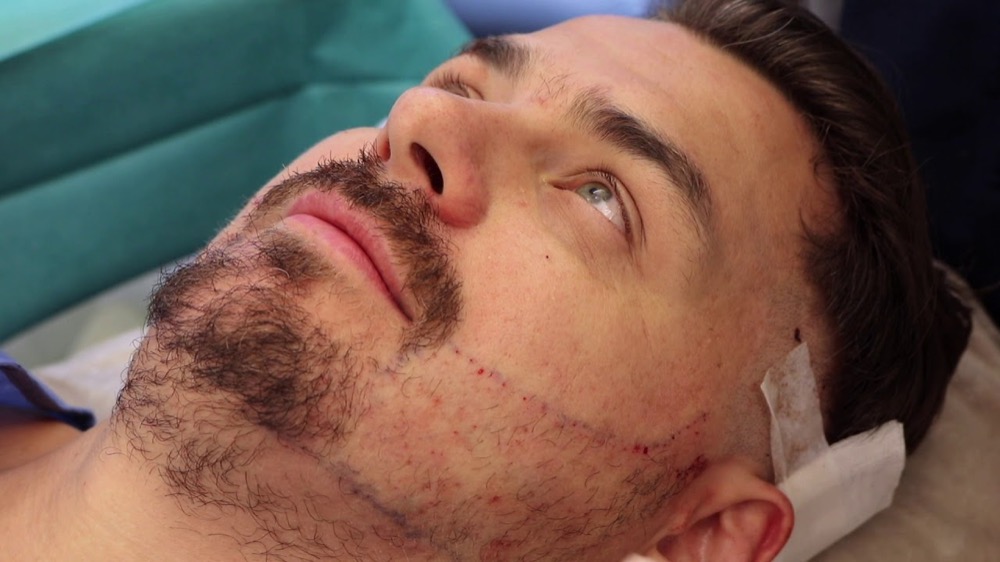
This procedure addresses patchy or thin facial hair growth using the same fundamental follicle extraction and implantation principles applied elsewhere in this category, typically harvesting from the scalp donor area given its generally more abundant supply compared to facial hair areas themselves.
A Closer Look Within Each Treatment: Eyebrow Transplant
Eyebrow restoration requires particular attention to natural growth direction and density variation across the brow’s different regions, a smaller-scale but technically demanding application of the same foundational extraction and implantation principles, given how visible and expressive this specific facial feature remains.
A Closer Look Within Each Treatment: PRP Hair Treatment
Platelet-rich plasma treatment uses a concentration of your own blood’s platelets, believed by many practitioners to support hair follicle health and potentially slow further thinning, often used either as a standalone treatment for early-stage hair loss or as a complement supporting healing following surgical transplant.
A Closer Look Within Each Treatment: Exosome Hair Treatment
This more recently developed treatment uses cell-derived signaling molecules believed to support follicle health through mechanisms distinct from PRP, representing an evolving area of non-surgical hair loss treatment that some practitioners now offer alongside or instead of PRP specifically.
A Decision Framework for Navigating This Hair Restoration Category
Step One: Confirm Your Specific Hair Loss Pattern and Cause
Since accurate diagnosis genuinely shapes appropriate treatment selection, confirming whether your specific situation follows male pattern, female pattern, or another underlying cause represents the essential first step before any further decision-making.
Step Two: Determine Whether Surgical or Non-Surgical Treatment Genuinely Suits Your Stage
Early-stage thinning sometimes responds well to non-surgical support such as PRP or exosome treatment, while more established baldness or significant density loss generally requires surgical transplant to achieve meaningful visible change.
Step Three: Identify Which Specific Zone Requires Treatment
Scalp, beard, mustache, and eyebrow hair loss each call for the specific zone-adapted treatment already detailed in this content’s opening cartography table.
Step Four: Consider Whether Your Specific Hair Type Requires Particular Technique Adaptation
Patients with Afro-textured or otherwise distinctly curved hair follicles should specifically confirm their surgeon’s documented experience with this particular hair type’s specific extraction challenges.
Step Five: Seek Thorough, Individualized Consultation Before Any Final Commitment
Given how significantly accurate diagnosis and technique selection affect your eventual outcome, a thorough, individualized consultation remains essential before committing to any specific treatment path.
Understanding the Medical Standard Behind Tunisia’s Hair Restoration Industry
Tunisia has developed, over recent decades, growing clinical infrastructure supporting this hair restoration category, supported by dermatologists and surgeons frequently trained in France and maintaining ongoing collaboration with European clinical teams. This direct clinical lineage helps explain why Tunisian hair restoration practice generally aligns closely with standards familiar to French, Belgian, and Swiss patients specifically.
Why Practitioner-Specific Experience Matters Across This Category
A surgeon’s general medical training does not automatically indicate equal proficiency across every technique detailed in this content, since FUE, DHI, and the specific hair-type adaptations this category requires each demand genuinely distinct technical training and artistic judgment regarding hairline design. Verifying your specific practitioner’s documented experience with your particular hair type and desired technique represents an essential step.
The Tunisian Cities Most Recognized for Hair Transplant Treatment
Tunis, the Primary Hub
Tunis concentrates the greatest density of clinics specializing in hair restoration, this capital city gathering the country’s most recognized expertise across the full range of techniques detailed throughout this content.
Sousse, a Well-Established Hub
This coastal city has developed substantial medical tourism infrastructure supporting hair restoration specifically, with several recognized clinics established there, offering the added advantage of a seaside setting well suited to the relatively brief recovery period this category generally involves.
Hammamet and Nabeul, Combining Treatment With a Seaside Stay
These tourist destinations allow patients to combine their hair transplant treatment with a genuinely pleasant recovery stay in a restful coastal setting, an appealing option given this category’s typically short, single-visit treatment structure.
Why So Many English-Speaking and French-Speaking Patients Choose Tunisia for Hair Transplant Treatment
English-Speaking Canadian Patients
Patients from Toronto, Montreal, Calgary, Ottawa, Edmonton, Winnipeg, Vancouver, Hamilton, Kitchener, London, Victoria, Halifax, Oshawa, Windsor, Saskatoon, Regina, Mississauga, Brampton, Barrie, Kelowna, Kingston, Surrey, Guelph, Moncton, Brantford, Saint John, Burnaby, Lethbridge, Nanaimo, Belleville, St. John’s, Sudbury, Wood Buffalo, and Fredericton research hair transplant treatment in Tunisia, drawn by well-documented expertise and pricing considerably below typical Canadian private clinic rates.
French-Speaking European Patients
Patients from Paris, Marseille, Lyon, Toulouse, Nice, Nantes, Strasbourg, Montpellier, Bordeaux, Lille, Rennes, Reims, Toulon, Grenoble, Dijon, and Angers in France, alongside Brussels, Liège, Charleroi, and Namur in Belgium, and Geneva, Lausanne, and Zurich in French-speaking Switzerland, similarly research hair transplant treatment in Tunisia, drawn by the particularly short flight distance this destination offers.
French-Speaking Canadian Patients
Patients from Montreal, Quebec City, Gatineau, Sherbrooke, Trois-Rivières, Laval, Longueuil, Saguenay, Lévis, Drummondville, and other French-speaking Canadian communities, alongside French-speaking communities in Moncton and Ottawa, also research hair transplant treatment in Tunisia, appreciating the same genuine linguistic and cultural alignment despite the greater travel distance compared to European patients.
A note on editorial balance: these three patient populations each receive genuinely equal consideration throughout Aylan Clinic Tunisia’s approach to hair restoration, with distinct but equally honest logistical considerations addressed for each.
Why Tunisia Has Become a Leading Destination for Hair Transplant Treatment
Tunisia Compared to Other Medical Tourism Destinations
| Criterion | Tunisia | Turkey | Costa Rica | Dominican Republic | Colombia | Mexico |
|---|---|---|---|---|---|---|
| Common clinic language | French and English widely spoken | English widely spoken, growing French support | Spanish, limited English | Spanish, variable English | Spanish, variable English | Spanish, variable English |
| Documented hair transplant expertise | Good and growing availability | Particularly well established, among the highest volume globally | Variable | Variable | Good availability | Good availability |
| Estimated pricing level | Accessible | Particularly accessible | Moderate to high | Moderate | Moderate | Moderate |
| Access from Europe | Direct flights or a short connection | Direct flights available | Variable, generally longer | Variable, generally longer | Variable, generally longer | Variable, generally longer |
| Access from Canada | Generally via a European stopover | Direct flights to Istanbul | Variable | Variable | Variable | Variable |
An honest note on this comparison: Turkey remains globally dominant specifically in hair transplant volume and case experience, and patients prioritizing this specific, highest possible concentration of technique-specific expertise should weigh this honestly. Tunisia’s genuine strength within this category lies more specifically in its particularly deep French-language clinical communication and cultural alignment, a different but equally legitimate value proposition worth considering alongside raw procedure volume alone.
Pricing Considerations Across This Hair Restoration Category
| Pricing Factor | Impact on Cost |
|---|---|
| Total graft count required for your specific coverage goals | The primary factor influencing overall cost |
| Specific technique selected, whether standard FUE, DHI, or Sapphire FUE | Influences overall total investment |
| Whether PRP or exosome treatment is added as a complementary component | Adds a modest additional cost to the base procedure |
How to Choose a Clinic for Hair Transplant Treatment in Tunisia
- Confirm the practitioner’s specific documented experience with your particular hair type and desired technique.
- Verify genuine fluency in your own language, English or French, throughout your treatment team.
- Ask specifically to review before-and-after results from patients whose starting hair loss pattern resembles your own.
Planning Your Hair Transplant Trip to Tunisia
For European patients: - Entry requirements: citizens of France, Belgium, and Switzerland generally do not require a visa for a short tourist stay, subject to prior verification. - Flights and transfers: several airlines offer direct or short-connection service from Paris, Brussels, Geneva, Lyon, or Marseille to Tunis-Carthage.
For Canadian patients: - Entry requirements: Canadian citizens generally do not require a visa for a short tourist stay, subject to prior verification. - Flights and transfers: most flights from Canada require a connection through Europe.
Length of stay: plan for four to five days for most standard hair transplant procedures, allowing time for the procedure and initial recovery before flying home.
Understanding Why Hairline Design Requires Genuine Artistic Judgment
Beyond the purely technical extraction and implantation mechanics already detailed throughout this content, designing a hairline that appears genuinely natural, accounting for your specific facial proportions, age, and how your hairline is realistically likely to continue changing over subsequent decades, requires genuine artistic judgment distinct from technical extraction skill alone, making a surgeon’s specific portfolio of hairline results a particularly important verification point.
Understanding Why Donor Area Preservation Matters for Your Long-Term Hair Picture
Since your donor area’s follicles represent a finite, non-renewable resource specifically because they cannot simply regenerate once extracted, thoughtful donor area management, avoiding excessive extraction that could leave this area visibly thinned itself, represents an important consideration particularly relevant for younger patients who may eventually seek additional transplant sessions as their native hair loss continues progressing over subsequent years.
Understanding Why Some Patients Require Multiple Sessions Over Time
Given that pattern hair loss often continues progressing even after a successful transplant addresses your current areas of concern, some patients eventually pursue a second or subsequent session years later to address newly developed thinning, a realistic long-term consideration worth discussing directly with your surgeon when planning your initial treatment and donor area management strategy.
Understanding the Value of Combining Surgical and Non-Surgical Approaches
Many patients achieve their best overall long-term result by combining surgical transplant addressing established baldness with ongoing PRP or exosome treatment supporting their remaining native hair, a complementary rather than either-or approach worth discussing directly with your treatment team.
Understanding Why Realistic Density Expectations Matter for Satisfaction
Given that transplanted hair density, even at its most successful, generally does not match the original, pre-balding density most patients once had, approaching this treatment with realistic expectations about achievable density, rather than expecting a complete return to your original youthful hair volume, supports greater eventual satisfaction with your genuinely improved, though not necessarily identical, result.
Understanding Why Smoking Represents a Recurring Risk Factor for This Category Specifically
Smoking’s negative effect on healing and blood supply appears as a particularly relevant consideration for hair transplant specifically, since transplanted follicles depend entirely on adequate blood supply to survive in their new location, making smoking cessation before and after this procedure a genuinely meaningful, modifiable factor supporting better graft survival.
Understanding the Psychological Dimension of Hair Loss and Restoration
Hair loss frequently carries genuine emotional significance beyond its purely physical dimension, often affecting confidence and self-perception in ways patients sometimes feel hesitant to fully articulate even to themselves. A thoughtful surgical team acknowledges this genuine emotional dimension directly, recognizing that this decision often represents considerably more than a purely cosmetic transaction for many patients pursuing treatment within this category.
Why a Second Opinion Matters for This Decision
Given how significantly individual surgeon artistic judgment and technique-specific experience affect your eventual outcome, comparing specific portfolios and proposed approaches between two experienced providers is genuinely worthwhile before committing to hair transplant treatment.
Quality Signals Worth Looking for in a Clinic
A genuinely experienced provider demonstrates a specific, substantial portfolio of results matching your particular hair type and loss pattern, discusses realistic graft count and density expectations honestly based on your specific donor supply, and provides clear guidance on post-procedure care supporting optimal graft survival.
Preparing for Your Consultation
Bring photos illustrating your hair loss progression over time if available, and discuss your family history of hair loss and any prior treatments attempted, since this information helps your surgeon assess your specific pattern’s likely progression and appropriate treatment planning.
Maintaining Continuity of Care Between Tunisia and Your Home Country
Request detailed documentation of your specific technique, graft count, and donor area management, since this information supports any future consultation regarding additional treatment or general hair health monitoring with a provider back home.
Patient Experiences Reported After Hair Transplant Treatment
Many patients describe significant satisfaction with hair transplant treatment restoring confidence they had gradually lost over years of progressive thinning, particularly appreciating results that appear genuinely natural rather than artificially dense or unnaturally positioned.
Combining This Treatment With Other Categories
Hair transplant is sometimes combined with facial surgery, already detailed in our dedicated content, when patients addressing comprehensive facial rejuvenation also wish to restore a receded hairline within the same broader aesthetic journey, a combination worth discussing directly if both concerns apply to your specific situation.
Understanding Why Age Considerations Genuinely Matter for This Specific Category
Unlike several other categories detailed throughout our broader content, hair transplant candidacy specifically benefits from confirmed pattern stability, meaning very young patients whose hair loss pattern has not yet fully stabilized sometimes benefit from waiting before pursuing surgical treatment, since operating before this stabilization risks a mismatch between your surgical plan and your hair loss’s eventual full extent.
Understanding Why Total Treatment Cost Comparison Requires Full Scope
Since hair transplant cost includes consultation, the extraction and implantation procedure itself, and any complementary treatments such as PRP or exosome therapy, comparing total comprehensive cost between providers offers a more accurate basis for decision-making than comparing isolated graft pricing alone.
Understanding the Value of Realistic Expectations About Healing Timeline
Patients sometimes underestimate how genuinely extended the full growth cycle proves before final results become visible, and approaching this recovery with realistic patience, understanding that meaningful visible growth typically does not appear until three to four months following the procedure, supports both reduced anxiety and appropriate expectations during this waiting period.
Understanding Why Post-Procedure Sun Protection Matters for Your Scalp
Given how vulnerable both the donor and recipient areas remain to sun exposure during initial healing, diligent sun protection, including appropriate head covering, for at least the first several weeks following your procedure supports optimal healing and helps protect the newly transplanted grafts during their most vulnerable early period.
Understanding Why Some Patients Specifically Value Tunisia’s Cultural Familiarity for This Treatment
Beyond the purely clinical and linguistic advantages already detailed throughout this content, many patients, particularly those from France, Belgium, or Switzerland, describe a genuine sense of cultural familiarity when receiving hair transplant treatment in Tunisia, an intangible but genuinely meaningful comfort factor for a treatment that often carries the personal, emotional significance already discussed earlier in this content.

Understanding Why Canadian Patients Sometimes Specifically Value This Same Cultural Bridge
For Canadian francophone patients specifically, Tunisia’s deep French-language and cultural alignment offers a somewhat different but related value: a genuine sense of being understood, both linguistically and culturally, throughout a treatment journey that often involves discussing a genuinely personal concern.
Understanding Why This Content Represents a Starting Point, Not a Final Answer
This comprehensive overview aims to orient you across this genuinely broad category of hair restoration treatments, connecting you to the specific dedicated content most relevant to your particular situation, though it remains, by its very nature, a general starting point rather than a substitute for the thorough, individualized evaluation any specific treatment genuinely requires.
In Summary: A Genuinely Distinct Category Requiring Careful Diagnosis
Hair transplant treatment in Tunisia spans a genuinely diverse range of surgical and non-surgical approaches, from foundational FUE and DHI techniques through specialized applications for different hair types and patterns, united by a shared reliance on accurate diagnosis and genuine artistic surgical judgment. Tunisia offers growing, well-documented expertise for this category, alongside particularly strong French-language clinical communication for francophone patients specifically.
Before making a decision, ensure your specific hair loss pattern and realistic achievable results have been thoroughly and honestly assessed. Patients interested in a personalized assessment, whether English-speaking or French-speaking, can contact the Aylan Clinic Tunisia team to receive information suited to their specific situation.
Understanding the Practical Value of This Cartography for Your Own Consultation Process
Returning to this content’s opening cartography table, it is worth recognizing its intended practical use as you move from this overview into deeper research on your specific area of interest, or into your actual consultation process. This table can serve as a quick reference point confirming you are exploring the resource genuinely matched to your particular situation.
Understanding Why Cross-Referencing Multiple Sections of This Content Adds Value
Even if your specific situation clearly points toward one particular technique detailed within this broader content, reviewing adjacent sections, including the decision framework and the surgical-versus-non-surgical comparison, provides valuable context that enriches your understanding of your own specific situation within this larger category.
Understanding Why Realistic Expectations Represent the Single Most Important Predictor of Satisfaction
Across virtually every technique and combination detailed throughout this extensive content, one theme recurs with genuine consistency: patient satisfaction correlates more strongly with how accurately their expectations were calibrated beforehand than with almost any other single factor. A patient who understood clearly, before proceeding, exactly what their specific procedure could and could not realistically achieve given their particular donor supply and hair type consistently reports higher satisfaction.
Understanding the Value of Photographic Documentation Throughout Your Journey
Across this entire category, maintaining consistent photographic documentation, ideally under similar lighting and from similar angles at regular intervals, provides considerably more reliable insight into your genuine progress than relying on memory or inconsistent, casual observation alone, particularly valuable given this category’s genuinely extended growth cycle timeline.
Understanding the Value of Approaching This Decision With Both Curiosity and Healthy Skepticism
Given how much marketing language surrounds this category, particularly regarding guaranteed density figures or heavily edited before-and-after images, approaching your research with genuine curiosity about the underlying biological and technical principles, paired with healthy skepticism toward claims that seem disconnected from realistic donor supply limitations, serves you considerably better than uncritical acceptance of every marketing claim.
Ensuring Continuity of Care Between Tunisia and Your Home Country
It is recommended to keep thorough documentation of your specific treatment, including graft count, technique, and any complementary treatments performed, since this information proves valuable for any future consultation with a provider back home, whether in Canada or in Europe, regarding additional treatment or general hair health monitoring.
Understanding Why Financial Planning Requires Particular Attention for This Category
Given how considerably total investment varies based on graft count and specific technique selected, approaching your specific treatment decision with realistic financial planning, including understanding the potential cost of any future additional session, supports more confident, less stressful decision-making.
Understanding Why Personal Values Shape the Right Choice Within This Category
It is worth recognizing that the right specific technique from across this content genuinely differs between individuals, not only based on hair type and donor supply but also based on personal values regarding recovery time tolerance, cost, and how aggressively a patient wishes to address early-stage thinning versus waiting for more established pattern development.
Understanding Why Some Patients Attract Genuinely Different Treatment Profiles Within This Category
While every treatment within this broad category serves a genuinely diverse patient population, certain general patterns worth understanding do emerge: younger patients with early-stage thinning often benefit most from non-surgical support combined with careful monitoring, while patients with more established, stable baldness generally represent the strongest candidates for surgical transplant specifically.
Understanding Why Weather and Seasonal Timing Sometimes Factor Into Planning
Tunisia’s Mediterranean climate offers genuinely pleasant conditions across much of the year, though patients specifically combining their treatment with a seaside recovery stay often find spring and fall particularly comfortable, avoiding both summer’s more intense sun exposure risk to healing grafts and winter’s cooler temperatures.
Understanding the Value of a Detailed Pre-Departure Checklist for Hair Transplant Treatment
Confirming your passport validity, any required visa documentation, your complete written treatment plan and quote, and your specific clinic’s contact information for any follow-up questions before departure represents a foundational preparation step applicable across this entire category.
Understanding Why This Category Rewards Patients Who Approach It Systematically
Given this category’s genuine breadth, patients who approach their research systematically, working through the decision framework already detailed earlier in this content rather than attempting to absorb every detail across every technique simultaneously, tend to reach more confident, well-grounded decisions than those who approach this broad category without this kind of structured navigation.
Understanding the Value of Recognizing This as a Genuinely Personal, Non-Comparative Journey
Despite the genuinely extensive comparative content this overview provides, it is worth emphasizing directly that your own specific journey through this category need not, and generally should not, be measured against any other individual patient’s specific results or timeline, since donor supply, hair type, and individual healing response all genuinely vary between patients.
Understanding Why Language Fluency Deserves Particular Attention in a Bilingual Destination
Given Tunisia’s genuine strength in serving both English-speaking and French-speaking patients, it is worth specifically confirming which language your particular treatment team will use throughout each stage of your journey, since assuming general bilingual capability at a clinic does not guarantee your specific surgeon and support staff all share genuine fluency in your preferred language.
Understanding Why European and Canadian Patients Sometimes Approach This Decision Differently
Given the genuinely different flight distances involved, European patients specifically sometimes approach this decision with a lower threshold for travel given the practical ease of a short flight, while Canadian patients often weigh this decision alongside the more significant travel investment involved, a difference worth acknowledging honestly.
Understanding the Value of Requesting Detailed Written Documentation in Your Preferred Language
Given this category’s genuinely international patient base, specifically requesting that your treatment plan and post-procedure care instructions be provided in writing in your own preferred language, English or French, rather than relying solely on verbal explanation during your visit, supports both genuine informed consent and easier reference once you have returned home.
Understanding Why Verifying Licensing Still Matters, Even Without a JCI-Style System
While Tunisia does not rely on the same density of large-scale international accreditation programs that some other destinations specifically market, confirming your specific practitioner’s medical license, their specific training credentials, and the specific clinic’s own operating license represents the equivalent due diligence appropriate to this particular destination’s clinical culture.

Understanding Why Some Patients Benefit From a Pre-Treatment Scalp Health Evaluation
Beyond simply confirming candidacy for the transplant procedure itself, a thorough evaluation of your broader scalp health, including any underlying dermatological conditions that might affect healing or graft survival, represents a valuable preparatory step some patients overlook in favor of focusing exclusively on graft count and technique selection alone.
Understanding Why This Overview’s Comprehensiveness Reflects the Genuine Complexity of Modern Hair Restoration
The considerable length and detail this overview has required to adequately orient readers across just the surface level of this hair restoration category reflects something genuinely important: modern hair restoration has grown into a considerably more sophisticated, technically diverse field than the simplified, often marketing-driven presentations many patients initially encounter might suggest.
Understanding the Value of Revisiting This Overview as Your Own Understanding Develops
As you move deeper into your specific technique’s dedicated resource and begin engaging with actual consultations, you may find value in revisiting this broader overview periodically, since concepts that felt abstract on an initial reading often become considerably more concrete once you have developed a deeper, more specific understanding of your own particular situation.
A Closing Reflection on the Genuine Diversity Within This Category
This overview has traced a genuinely wide arc, from foundational FUE and DHI extraction techniques, through specialized applications for men, women, and Afro-textured hair, targeted treatment for beard, mustache, and eyebrow restoration, and the non-surgical follicle support PRP and exosome treatments provide. What unites this entire diverse category, ultimately, is a shared reliance on accurate diagnosis, genuine artistic surgical judgment, and realistic patient expectations, principles that matter every bit as much as any single specific technique in determining whether your own experience with hair restoration in Tunisia proves genuinely satisfying.
Understanding Why Provider Communication Style Matters as Much as Technical Skill
Beyond pure clinical competency, how clearly and patiently a provider explains your specific hair loss pattern, proposed technique, and realistic expectations meaningfully affects both your decision-making confidence and your overall experience throughout this treatment, particularly given how emotionally significant this decision often proves for many patients.
Understanding Why This Category Continues Evolving as a Field
Hair restoration as a broader medical and technical field continues advancing steadily, with refined extraction and implantation tools, evolving PRP and exosome protocols, and a deepening collective understanding of what produces genuinely natural-appearing results all continuing to develop and refine over time.
Understanding Why Documentation Habits Serve You Well Across This Entire Category
Maintaining thorough documentation of your specific treatment, including graft count, technique, and any complementary treatments applied, provides considerably more reliable support for any future hair care decisions than relying on memory alone, particularly valuable for international patients specifically given the added complexity of coordinating care across two different countries.
Understanding Why Age Alone Should Not Determine Candidacy Across This Category
Candidacy for hair transplant treatment depends primarily on confirmed pattern stability and adequate donor supply rather than age alone, meaning patients across a genuinely wide age range remain appropriate candidates when properly evaluated, though very young patients whose pattern has not yet fully stabilized sometimes benefit from a period of monitoring first.
Understanding the Broader Context of Tunisia’s Position Within Francophone Hair Restoration
Tunisia’s growing recognition specifically for French-speaking hair transplant patients reflects a genuinely sustained historical relationship between Tunisian and French dermatological and surgical training, combined with substantial private healthcare investment over recent decades. Understanding this broader context helps explain why Tunisia’s specific advantages within this category, spanning language, training lineage, and pricing together, represent a genuinely structural strength.
Understanding Why English-Language Service Represents a Genuine, Growing Investment
While Tunisia’s historical strength lies particularly in French-language service, the growing presence of genuinely fluent English-language coordination reflects a deliberate, ongoing investment specifically aimed at serving English-speaking Canadian and other international patients with the same quality of communication already well established for francophone patients.
Understanding Why This Landscape’s Future Likely Continues Building on This Foundation
Given the sustained investment and accumulated expertise already discussed throughout this content, Tunisia’s position within this broader hair restoration category appears likely to continue strengthening rather than diminishing, as continued case volume further deepens practitioner-specific experience across this genuinely technique-dependent field.
Understanding Why Some Patients Specifically Combine Hair Treatment With Other Categories
Patients pursuing comprehensive facial rejuvenation sometimes recognize that hairline recession contributes meaningfully to their overall perceived age alongside more traditional facial aging concerns, making coordination between hair transplant and facial surgery, already detailed in our dedicated content, a genuinely valuable consideration for some patients within this broader landscape.
Understanding Why This Content Rewards Careful, Repeated Reading
Given the genuine density of practical and clinical information this overview compresses into a single resource, many readers find value in returning to specific sections more than once, particularly the decision framework and the treatment cartography, as their own specific situation and questions become clearer through subsequent research and consultation.
Understanding Why Currency and Payment Considerations Deserve Early Attention
International patients specifically benefit from confirming early in their planning process which currency their specific clinic prices in and what payment methods are accepted, since this practical detail affects both your overall budgeting accuracy and your ability to compare quotes meaningfully across different providers within this category.
Understanding Why Hospital Versus Independent Clinic Distinctions Apply to This Category Too
Given hair transplant’s typically lower-risk profile compared to more invasive surgical categories, many patients pursue this treatment at independent specialized clinics rather than full hospital facilities, though confirming your specific facility’s emergency preparedness for the local anesthesia used throughout this procedure remains a worthwhile verification step regardless of the specific setting chosen.
Understanding Why Patient Communities Sometimes Offer Valuable Additional Perspective
Beyond the clinical content detailed throughout this overview, some patients find genuine value in connecting with others who have previously pursued hair transplant treatment in Tunisia, whether through patient forums or direct conversation facilitated by their chosen clinic, since these shared experiences can offer practical insight into the emotional and daily logistics of this particular treatment journey.
A Final Practical Checklist Before Your First Consultation
As a concluding, practical synthesis of everything detailed throughout this extensive content, consider working through this checklist before your first consultation: confirm your specific hair loss pattern and its stability; gather any relevant family history or prior treatment information; photograph your current hair loss pattern from multiple angles; prepare specific questions regarding your prospective provider’s documented experience with your particular hair type; and approach your consultation with realistic expectations calibrated to your specific donor supply.
A Note on the Ongoing Relationship Between Research and Personal Judgment
Even the most thorough content, including this extensive overview, cannot fully substitute for the direct, personal judgment you bring to your own specific situation, informed by your particular history, priorities, and comfort with the various trade-offs this broad category genuinely involves.
Understanding Why This Category’s Breadth Reflects Genuine Patient Diversity
It is worth pausing to recognize just how varied the patients drawn to this category genuinely are: a young man addressing early hairline recession, a woman navigating diffuse thinning following a significant life event, a patient seeking beard restoration for the first time, and someone pursuing eyebrow restoration following years of over-plucking all belong within this same broad category, each deserving equally thorough, respectful, and individualized care.
Understanding Why Some Patients Approach This Category With Curiosity Alone
It is worth distinguishing, as you reflect on your own circumstances, between simple curiosity about this broader category you have recently learned more about and genuine personal readiness to pursue a specific treatment for yourself. Both starting points are entirely legitimate reasons to continue researching, though recognizing which describes your own current position can help calibrate how quickly, or how gradually, you choose to move through this category’s decision-making process.
Understanding Why Every Question You Have Represents a Valid One
Throughout your research and any eventual consultation, recognize that every question occurring to you deserves a thorough, respectful answer, regardless of how small, technical, or seemingly obvious that question might feel to you. Genuinely good providers welcome this thoroughness rather than viewing it as excessive or unnecessary, particularly given how personal this specific decision often proves.
Understanding the Value of Trusting Your Own Judgment Throughout This Process
You know your own hair, your own priorities, and your own life circumstances better than anyone else, and while thorough research and professional guidance genuinely matter, ultimately trusting your own judgment about what feels right for you, and at what pace, remains the most important compass throughout this deeply personal decision.
Understanding Why Verifying Device and Technology Claims Deserves Scrutiny
Given how frequently specific device names and technology brands are marketed within this category, sometimes representing genuine technical advancement and sometimes representing largely rebranded standard technique, approaching any specific technology claim with informed scrutiny, asking directly what genuine clinical advantage a specific named device or approach offers over standard technique, supports more genuinely informed decision-making.
Understanding Why Documentation of Your Complete Hair Restoration History Supports Long-Term Care
Keeping thorough records of your complete hair restoration history, including every procedure or treatment performed across potentially multiple visits over subsequent years, provides valuable reference information for any future hair care decisions, particularly relevant given how this category sometimes spans a genuinely extended relationship for individual patients managing progressive pattern hair loss over decades.
A Closing Note on Accessibility Across Both Language Communities
This content itself, published in English, exists specifically to extend the same depth of orientation historically available primarily to French-speaking patients researching Tunisia’s hair restoration expertise to English-speaking Canadian patients as well, part of Aylan Clinic Tunisia’s broader, ongoing commitment to serving both language communities with genuinely equal thoroughness.
For Readers Continuing Their Research Across Languages
For readers who began this journey in French and are now continuing their research in English, or vice versa, rest assured that the same underlying clinical standards, verification principles, and honest framing apply consistently across both language versions of this content, since the substance of good, individualized hair restoration care does not change depending on which language it happens to be described in.
A Genuine Invitation to Continue This Conversation Directly
Nothing in this extensive overview substitutes for the specific, direct conversation you will eventually have with a verified provider about your own particular hair loss pattern, donor supply, and goals. This content aims specifically to prepare you for that conversation, arming you with the framework, vocabulary, and honest expectations needed to engage in it as a genuinely informed participant.
Understanding Why Genuine Transparency About Limitations Builds Rather Than Undermines Trust
Throughout this content, moments of honest acknowledgment, that Tunisia’s specific hair transplant volume remains smaller than Turkey’s, that transplanted density generally does not match original pre-balding density, that no universal best technique exists across this category, might initially seem like they work against Tunisia’s or Aylan Clinic’s own interests in attracting patients. In genuine practice, the opposite tends to hold true: patients who encounter this kind of honest, nuanced framing generally develop considerably more durable trust in the source providing it.
Understanding Why This Kind of Overview Ultimately Serves Your Own Autonomy
Beyond its immediate practical navigation function, a resource of this depth ultimately aims to serve your own genuine autonomy as a patient, equipping you with the vocabulary, categorical understanding, and honest framing needed to engage as a genuine partner in your own care decisions rather than a passive recipient of whatever a single provider happens to present.
One Last Reflection on Approaching This Journey With Both Confidence and Humility
Confidence in your own capacity to research, question, and ultimately decide what serves your own goals best remains essential throughout this process, though this confidence sits well alongside a genuine humility about how much remains to be learned through your own subsequent, deeper research and direct consultation.
A Closing Word on the Value of This Dual-Language, Dual-Continent Approach
Few hair restoration destinations genuinely serve both European and North American francophone patients, alongside a growing English-speaking Canadian patient base, with the same depth and consistency Tunisia has built over recent decades. This is not a coincidental or superficial strength, but rather the product of a genuine, sustained historical relationship between Tunisian medical training and French clinical standards, combined with more recent, deliberate investment in serving English-speaking patients with equal care.
Understanding Why Small Practical Details Sometimes Matter as Much as Major Clinical Decisions
Beyond the significant decisions this content has emphasized throughout, smaller practical details, confirming exactly what post-procedure hair washing kit is provided, understanding what happens if minor touch-up work is needed after your main visit has concluded, or clarifying exactly what documentation you will receive to bring home, often meaningfully shape your overall experience alongside the larger clinical decisions this overview has focused on primarily.
A Note on Returning to This Content as Your Treatment Progresses
Many patients find it useful to revisit this overview not only during initial research but also partway through their growth cycle following treatment, since specific sections, particularly those addressing realistic timelines and the psychological dimension of this treatment, often resonate differently once you are actively navigating your own specific recovery compared to when you first encountered this content as a purely theoretical exercise.
A Genuine Word of Thanks for Your Thorough Engagement With This Material
Taking the time to engage with content of this depth and breadth, spanning the full range of techniques and considerations within hair restoration specifically, reflects precisely the kind of careful, thoughtful approach that tends to produce the most satisfying outcomes throughout this particular category. Whether your own particular path ultimately involves a single, focused surgical procedure or a more comprehensive combination of surgical and non-surgical treatment, we hope this overview has provided genuine clarity and a solid foundation for the more specific research and consultations that will follow.
Understanding Why Confidence and Humility Together Serve This Decision Best
Approaching your hair restoration decision with genuine confidence in your own capacity to research, question, and ultimately choose what serves your own specific goals best, while remaining genuinely open to learning more as your understanding deepens through subsequent consultations, represents the balanced mindset this entire overview has aimed to encourage throughout.
A Final Practical Note on Moving Forward From Here
If a specific technique caught your attention throughout this overview, whether FUE, DHI, or one of the specialized applications detailed here, each has its own dedicated resource covering the full clinical detail, recovery timeline, and treatment-specific considerations this overview has only touched on briefly. Bringing the framework detailed here directly into your consultation with Aylan Clinic Tunisia, alongside the clinical detail from those dedicated resources, positions you to have a genuinely thorough, well-informed conversation from your very first contact.
Where This Overview Leaves You, and Where Your Own Journey Begins
This overview has aimed throughout to serve as a genuine starting point rather than a final destination in your own research process, equipping you with the specific vocabulary, categorical understanding, and honest framing this broad hair restoration category requires while ultimately trusting your own informed judgment, developed through this research and your subsequent, deeper consultations, to steer your final decision toward whatever specific path genuinely serves your own particular circumstances and goals best.
Understanding Why This Content Serves as a Living Reference Point
As you progress through your own research, from this overview into your specific technique’s deeper resource, and eventually into direct consultation with a verified provider, consider returning periodically to this content’s opening cartography and decision framework, since these sections are specifically designed to remain useful reference points throughout your entire journey rather than material relevant only during your very first reading.
Understanding Why This Overview’s Structure Mirrors the Genuine Clinical Decision Process
The organization of this content, moving from broad category identification through detailed comparison and ultimately toward practical consultation preparation, deliberately mirrors the genuine clinical decision-making process a thoughtful provider would walk you through directly, meaning engaging seriously with this content’s structure itself offers useful preparation for how your actual consultation conversation is likely to unfold.
Understanding the Value of Approaching Your Provider as a Genuine Partner Rather Than a Vendor
The most successful treatment relationships within this category tend to involve genuine two-way dialogue, where you feel comfortable raising concerns, asking follow-up questions, and receiving honest, sometimes nuanced answers about your specific hair loss pattern and realistic achievable results, rather than a purely transactional exchange where information flows only in one direction. Approaching your provider relationship with this collaborative mindset from your very first consultation tends to produce both better communication throughout treatment and greater overall satisfaction with your eventual results.
Understanding Why Weight of Evidence Should Inform Your Final Decision
When weighing conflicting information, marketing claims, online reviews, and your own consultation experiences, giving appropriately greater weight to direct, verifiable evidence, such as documented credentials, specific before-and-after results genuinely matched to your own hair type and pattern, and transparent written treatment plans, over vaguer, harder-to-verify claims supports a more genuinely informed final decision within this particular category.
Understanding Why This Category’s Breadth Reflects the Genuine Diversity of Human Hair
Just as every patient’s underlying hair type, growth pattern, and donor supply differs, so too does every patient’s specific combination of concerns, goals, and priorities within this broad category, and recognizing this genuine individuality, rather than assuming a single standardized approach applies equally to everyone, represents the foundational principle this entire content has aimed to convey throughout.
A Final Summary of What This Overview Has Aimed to Achieve
This overview set out to accomplish several interconnected goals: providing a clear map connecting your specific hair loss concern to the appropriate technique among this category’s genuinely distinct areas of treatment; explaining honestly the shared biological principles and genuine technical differences between surgical approaches; establishing realistic expectations about timelines, verification standards, and the genuine trade-offs involved in pursuing hair restoration in Tunisia specifically; and equipping both English-speaking and French-speaking patients, whether traveling from Canada or from Europe, with equally thorough, equally respectful information throughout. We hope this comprehensive foundation serves you well as your own specific journey through this hair restoration category continues.
Understanding Why Realistic Patience Throughout Recovery Supports the Best Outcome
Given how genuinely important the extended growth cycle proves to this category’s eventual visible result, approaching your recovery with realistic patience, rather than rushing to judge your final outcome before your hair has genuinely completed its natural growth cycle, supports both better emotional wellbeing throughout recovery and a more accurate eventual assessment of your genuine result.
Understanding the Value of a Detailed Pre-Surgical Discussion About Realistic Outcomes
Before proceeding with any surgical treatment within this category, a thorough discussion with your surgeon about your specific donor supply’s realistic limits, the honest likelihood of achieving your particular density goal, and what approach they would recommend if your donor supply proves more limited than initially hoped provides valuable, honest grounding for your decision-making process.
Understanding Why This Category’s Treatment Relationships Sometimes Span Many Years
Unlike some other categories detailed throughout our broader content where treatment concludes with a single, discrete result, hair restoration sometimes involves a genuinely ongoing relationship spanning years or even decades, as patients monitor their continued native hair loss pattern, consider additional sessions, or pursue complementary non-surgical support alongside their initial surgical results. Approaching this category with this longer-term perspective from the outset, rather than viewing your initial procedure as a single, final transaction, supports more thoughtful long-term planning.
Understanding Why Patient Community Perspective Should Complement, Not Replace, Professional Evaluation
While connecting with other patients who have pursued similar treatment offers valuable emotional and practical perspective, as already noted earlier in this content, your own specific hair type, donor supply, and pattern remain unique to you, meaning another patient’s specific outcome, however encouraging or cautionary, should always be weighed alongside, rather than substituted for, your own direct professional evaluation.
Understanding Why This Category Genuinely Benefits From a Patient-Centered Philosophy
Ultimately, the providers who serve this category most successfully are those who approach each patient’s specific hair loss pattern, emotional concerns, and realistic goals with genuine individualized attention, rather than applying a standardized graft count and technique regardless of the person in front of them. This patient-centered philosophy, more than any single specific technique or technology, tends to distinguish the genuinely excellent providers within this category from those offering merely competent, standardized care.
Understanding Why This Overview Deliberately Avoids Oversimplifying Complex Trade-Offs
Throughout this content, you may have noticed a consistent pattern: genuine trade-offs are named directly rather than glossed over, whether this means acknowledging that Tunisia’s hair transplant volume remains smaller than Turkey’s, that donor supply genuinely limits what any technique can achieve, or that no single technique represents a universal best choice. This honest approach to complexity reflects a genuine respect for your own capacity to weigh nuanced information and reach your own well-informed conclusion.
Thank you again for the time and care you have brought to this research. We hope this overview serves you well as you move forward into the specific, deeper research and consultations that will ultimately shape your own individual path through this genuinely personal and rewarding category of care, and we remain genuinely available, whether by phone, video, or written message, in either English or French, to answer any further questions that arise as your own specific research continues from here.
A Closing Reflection on the Genuine Rewards of This Particular Category
Few treatment categories within this broader landscape offer the same kind of visible, often profoundly confidence-restoring transformation that successful hair restoration provides, and patients who approach this decision with the thorough, informed preparation this overview has aimed to support consistently describe their eventual results as genuinely life-changing, not merely in appearance but in how they subsequently move through their daily lives with renewed confidence. This genuine reward, more than any single technical detail this content has covered, represents perhaps the most important reason so many patients ultimately find their careful research and thoughtful provider selection genuinely worthwhile.
A Final Word of Appreciation
Whatever brought you to this content today, whether the early stages of noticing thinning hair, a longer-standing concern you have finally decided to address, or simply curiosity about this broad category of treatment, we are genuinely glad you took the time to read this overview thoroughly. Your careful attention to this material reflects exactly the thoughtful approach that tends to produce the most satisfying, well-considered outcomes across this entire hair restoration landscape, and we look forward to supporting whatever specific path your own research ultimately leads you toward within this genuinely rewarding category of care in Tunisia.
Understanding Why Your Own Specific Timeline Deserves Respect, Whatever It Looks Like
Some readers arrive at this content ready to book a consultation within days, while others are simply beginning a research process that may unfold over many months before any concrete decision is made, and both approaches represent entirely legitimate, personal timelines deserving equal respect. There is no external pressure this content intends to create toward either faster or slower decision-making, only a genuine hope that whatever pace you choose reflects your own authentic readiness rather than any artificial urgency imposed from outside.
A Concluding Thought on Genuine, Lasting Confidence
The most meaningful outcome this overview hopes to support is not simply a technically successful procedure, but genuine, lasting confidence in both your decision-making process and your eventual result, a confidence built through honest information, thorough personal reflection, and careful provider selection rather than through marketing promises alone. We believe this kind of genuinely earned confidence serves patients far better over the long term than any shortcut toward a faster, less considered decision could ever provide.
Take Care, and Best Wishes on This Particular Journey
Whatever specific path your own research ultimately leads you toward, whether a surgical transplant, a non-surgical support treatment, or simply continued observation and monitoring for now, we wish you genuine confidence and satisfaction in whatever decision you ultimately reach. Take care of yourself, both throughout this research process and beyond, and know that thoughtful, well-informed patients like yourself consistently report the most genuinely rewarding outcomes within this particular category of care.
Until we speak directly, we remain genuinely committed to supporting your continued research with the same honesty and thoroughness this entire overview has aimed to embody throughout.
Thank you once more for your trust and your time.
A Last Practical Word on Staying Organized Throughout This Process
As you continue moving through your own research, consider keeping a simple running document noting the specific clinics and surgeons you have researched, the questions you asked during any preliminary contact, and your own impressions from each interaction, since this small organizational habit often proves surprisingly valuable when the time comes to compare your options and make your final decision with genuine clarity and confidence.
This kind of simple, practical organization complements everything else this overview has covered, supporting a genuinely confident final decision whenever you feel ready to make it.
We wish you every success as you move forward from here.
This overview, and the entire Aylan Clinic Tunisia team, remain here to support you.
Warm regards, and take good care.
Until next time, be well.
Our team looks forward to hearing from you when you are ready.
Speak soon.
Continue with the complete aesthetic surgery panorama, compare plastic surgery prices in Tunisia, or request a free, personalized quote.
Choose your procedure
 Hair Transplant
FUE Hair Transplant
 DHI Hair Transplant
Sapphire FUE
High-Density Hair Transplant
Hair Transplant for Men
Hair Transplant for Women
Afro Hair Transplant
 Beard and Moustache Transplant
Eyebrow Transplant
 Hair PRP
Hair Transplant with Exosomes
Exosome Scalp Therapy
No-Shave Hair Transplant
Temporal Hairline Restoration
Hair Stem Cell Therapy
Suction-Assisted FUE
Your questions
How do I know which specific technique from this content applies to my situation?
This determination requires beginning with the cartography table provided earlier in this content, followed by a detailed consultation confirming your specific hair loss pattern and appropriate technique.
Why does it take so long to see my final results?
Transplanted hair follows a natural growth cycle involving initial shedding before genuine new growth begins, a biological process that genuinely requires several months regardless of surgical technique or skill.
Is Tunisia as well recognized as Turkey specifically for hair transplant?
Turkey remains globally dominant in raw hair transplant volume and case experience, though Tunisia offers genuine, growing expertise combined with particularly strong French-language clinical communication, a different but legitimate value proposition worth weighing based on your own specific priorities.
Will my results look natural, or obviously transplanted?
This depends considerably on your surgeon’s specific artistic skill in hairline design and density distribution planning, making a surgeon’s specific portfolio a particularly important verification point beyond technical extraction skill alone.
Can women get hair transplants too, or is this mainly for men?
Yes, female pattern hair loss represents a genuine, distinct category within this broader field, with treatment specifically adapted to the more diffuse thinning pattern typical of female hair loss.
Does hair transplant work for Afro-textured, curly hair?
Yes, though this hair type’s distinctly curved follicle angle requires specific technique adaptation, making a surgeon’s documented experience with this particular hair type especially important to verify.
Will I need more than one session over my lifetime?
Possibly, since pattern hair loss often continues progressing even after a successful initial transplant, meaning some patients eventually pursue additional sessions years later as their native hair loss continues.
Why is Tunisia specifically strong for French-speaking patients considering this treatment?
This reflects Tunisia’s decades-long history of French-aligned medical training combined with growing English-language investment, allowing genuine fluency for both language communities throughout what is often an emotionally significant treatment decision.
Ready to plan your project?
Free teleconsultation and personalized quote, in English, no obligation.
Get my free quote →