Dermal fillers in Tunisia can add or restore volume in selected facial areas, soften certain folds and refine proportions. A good result depends on the facial structure beneath the skin, the product chosen for a particular tissue and a restrained plan that still looks natural when you talk and smile. The familiar term “fillers” covers different substances and techniques; a quote should name the product and the exact area rather than promise a general facial makeover. Canadian patients also need a record of what was injected and a plan for follow-up after returning home.
This page focuses on facial filler injections and the choices behind them: lips, cheeks, lower face, perioral area, aesthetic goals, procedure, results, upkeep and overall travel cost. It does not assume that every face needs volume. The treating clinician should examine you in person, determine whether filling the area is appropriate and discuss alternative approaches when the main concern is muscle movement, skin texture or substantial tissue descent.
What a filler can and cannot change
Volume is not the same as skin tightening
A filler can supplement volume or provide localized support, depending on the material and placement. It does not contract loose skin in the way a surgical lift changes it. Adding more product to camouflage major sagging can alter proportions and create heaviness without resolving the underlying concern. Ask the clinician what tissue is missing, which structure is being supported and how the result will appear from the front and side. A small, well-placed amount can sometimes achieve the desired adjustment more effectively than a large volume distributed across the face.
Folds have different causes
A line beside the mouth may reflect fat-pad movement, skin change, muscle activity or volume loss in nearby areas. A fine surface crease and a deep fold therefore need different assessments. The practitioner should point out what happens when you smile and when the face rests. Filling directly under a visible line is not automatically the best response; in some cases a nearby structural change might alter its appearance more naturally. Discuss the concern in context rather than agreeing to inject whatever line is marked on a photograph.
Hyaluronic acid and other materials
Hyaluronic acid is a common class of temporary fillers, but products within it differ in properties and intended placement. Other filler categories have different characteristics and cannot be treated as interchangeable. Ask for the manufacturer's product name, origin, batch, expected behavior and the clinician's reason for selecting it. “One syringe” does not identify a material or a result. A person considering future treatment in Canada should retain the exact product record, because another practitioner cannot safely infer what was used merely from the appearance of the face.
Reversibility has limits
Some hyaluronic acid fillers may be addressed with hyaluronidase in an appropriate clinical context, but this should not be marketed as a universal reset button. Product type, location, time, anatomy and the reason for reversal all matter. Non-hyaluronic materials are different. Ask what product is planned, what happens if the aesthetic result does not suit you and what immediate clinical pathway the injector uses for a suspected complication. The best approach is careful selection and placement initially, rather than assuming that any amount can be effortlessly undone later.
Temporary change still deserves long-term planning
Fillers may persist for varying periods depending on product, site, movement and individual factors. A patient should not rely on one advertised duration as a personal guarantee. As the face changes over time, repeatedly adding product without reassessing remaining volume can change the original proportions. Ask how the clinician decides whether to wait, add a small amount or stop. Photographs at a consistent angle are helpful, but how the face feels and moves matters too. Maintenance is a choice to revisit, not a standing order.
Facial areas and design priorities
Lips and their natural proportions
Lip treatment may aim for subtle hydration-like fullness, more defined borders or a change in balance between upper and lower lips. These are different outcomes. Ask the clinician to examine the lip at rest, while speaking and when smiling, including how the teeth show. A large change in one session can make the profile or mouth movement feel unfamiliar. If the main concern is fine skin texture around the mouth, adding substantial volume to the lip itself may not address it. Bring a reference showing the degree of change you consider natural for your face.
The philtrum and perioral region
Lines above the upper lip may reflect sun exposure, skin quality and repeated movement as well as volume change. The contours around the philtrum, vermilion border and mouth corners need a cautious aesthetic map. Ask whether a skin-focused treatment, neuromodulator or limited filler would address the specific issue. Product placed simply to “erase” every crease can distort the delicate architecture of the mouth. A satisfactory result should remain comfortable and credible when drinking, speaking and smiling, not merely in a still close-up.
Midface and cheeks
Changes in cheek volume can alter how the lower eye and nasolabial area appear, but not every patient needs prominent high cheekbones. Ask whether the goal is restoration of former shape, softer hollows or a more sculpted profile. Bone structure, fat distribution and skin laxity determine what a filler can do. Compare both oblique and frontal views, because a cheek that looks balanced at one angle may appear overprojected at another. A clinician should explain the planned depth and product choice without promising a facelift from cheek filler alone.
Tear trough and lower-eye shadow
A dark or hollow under-eye area can arise from anatomy, pigmentation, skin thinness, puffiness or a combination. Filler may help a selected volume deficit but may be a poor choice when edema, bags or tissue quality dominate. This region requires specialized assessment. Ask whether the proposed treatment addresses the actual cause visible in your face and what other options exist. A heavily retouched before-and-after photograph is particularly misleading around the eye. An honest injector should be willing to advise against lower-eye filler when the tissue is unsuitable.
Nasolabial folds
A fold from the nose toward the mouth is a normal facial feature. Some patients want it gently softened, while others dislike a very smooth, inflated midface. Its prominence can depend on cheek support, skin and habitual expression. Ask the clinician to explain whether treatment would be placed in the fold, a supporting area or neither. Evaluate your face smiling as well as resting. Trying to eliminate every shadow can remove familiar facial character. The objective should be a proportionate improvement that suits your anatomy.
Marionette area and mouth corners
Downturned corners and lines toward the chin may reflect volume changes, muscle pull and tissue descent. Filling one crease without considering the rest of the lower face may add bulk. Discuss whether a small targeted correction would look natural or whether the concern is better addressed another way. Ask how the result would appear during speech and while the mouth is closed. The lower face moves constantly; a static photograph cannot convey whether a treatment supports expression comfortably. Sometimes the right answer is a restrained plan or no injection.
Chin and jawline
Filler can be used for modest changes in chin projection or lower-face contour in selected patients. The bone structure, bite and amount of soft-tissue laxity determine what it can achieve. Ask whether the desired shape is visible from the front, the profile or both and whether a volume-based approach would produce too much width. A sharp “snatched” jawline from a photograph may rely on lighting, posture and makeup. A clinician should compare a filler plan with other possibilities when the main concern is loose neck skin or a skeletal issue.
Temples and upper-face balance
Temple hollowing can change the transition between brow, cheek and hairline. Some patients ask for a smoother contour without realizing that treatment here requires a careful anatomical assessment and a particular product and technique. Ask why the temple matters to the overall goal and whether the amount proposed is proportional. Filling every visible hollow is not necessarily desirable. A clinician should explain expected changes from the front and side and document the material and site in detail for future providers.
Nose and other high-consequence areas
Some clinics advertise nonsurgical rhinoplasty with filler, but the nose is not a routine extension of a lip or cheek treatment. The local vascular anatomy makes patient selection and practitioner expertise particularly important. Ask whether a surgical consultation or no procedure is a better option for the issue you describe. Never interpret a small injection as automatically low impact. If a clinician proposes a high-consequence area, request a detailed explanation of product, technique, expected benefit and the plan for urgent in-person evaluation if needed.

Assessing whether filler suits the face
Look at facial volume at rest and in motion
The clinician should examine symmetry, skin quality, bone support and how tissues shift when you smile or speak. A hollow visible in one photograph may disappear in another expression. Baseline photographs from front, side and three-quarter angles allow a more honest review later. Identify one or two priorities rather than treating every perceived imperfection. Ask what will change in ordinary light and what will remain. A precise assessment protects natural variation and reduces the tendency to add product wherever a shadow appears.
Distinguish skin texture from volume loss
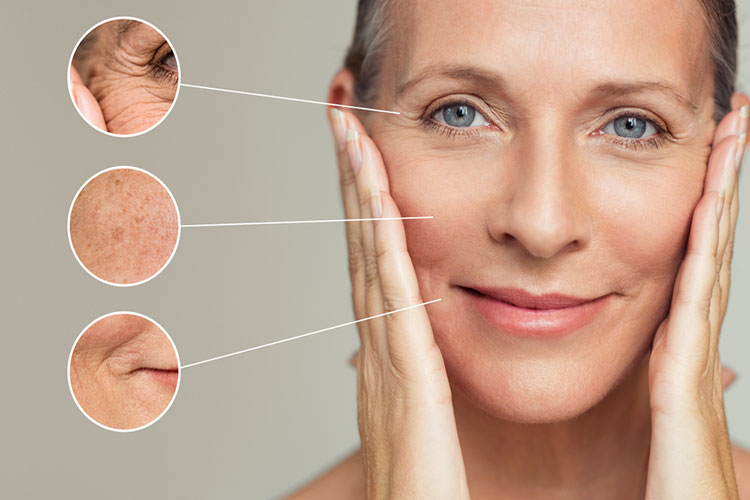
Fine lines, pores, acne marks and pigmentation are skin-surface concerns. Filler may alter a deeper contour but is not a general resurfacing treatment. Conversely, a skin device cannot replace volume where there is a genuine structural deficit. Ask which layer causes the feature you dislike. A clinician may suggest skincare, microneedling or another approach if the problem is texture. The choice should be made based on anatomy rather than on the availability of a particular syringe or device in a clinic package.
Ageing and weight change
Facial fat distribution and skin elasticity change with age and substantial weight shifts. A patient who recently lost a lot of weight may have both volume loss and loose skin. Adding enough filler to mimic a lift could make the face look heavier. Ask what amount would improve the contour without distorting it and whether a surgical opinion might be useful. If more weight change is expected, waiting may yield a clearer assessment. A filler plan should suit your likely appearance beyond a brief event or a single photograph.
Prior product and past injections
Tell the injector about every previous filler, including approximate dates, product names, dissolving procedures and any areas where the material still feels present. Bring a treatment record if possible. Old material can remain longer than expected, and new injections should not simply be layered over an unclear history. Ultrasound or another evaluation may be considered in selected cases when uncertainty matters, depending on clinician expertise and availability. A careful consultation may recommend reassessment rather than automatically adding another syringe.
Choosing a subtle or visible change
A patient may want a lip that looks fuller to friends or a contour only they notice. Neither preference should be inferred from age or gender. Show a photograph that expresses the degree of change you welcome and also one you would consider too much. Ask what one syringe would do in the proposed area on your face, not in an unrelated model. A small staged adjustment can be easier to evaluate than several simultaneous changes. The amount used should follow the agreed goal and tissue capacity.
Health and medication review
Discuss medical conditions, medicines, allergies, previous reactions, active skin problems and any relevant dental or facial procedure plans. The clinician should assess whether to defer treatment when the skin or general health is not suitable. Do not alter prescribed medication without guidance from the responsible prescriber. Explain the dates of travel and major events, because swelling and the final aesthetic review may not fit an unusually tight schedule. The suitability discussion belongs with the actual injector, not only a booking coordinator.
| Facial concern | Main question before filler |
|---|---|
| Lip shape | What degree of change looks natural in motion? |
| Cheek hollow | Is the deficit volume or loose skin? |
| Lower-eye shadow | Is filler suitable for this anatomy? |
| Mouth folds | Would direct filling add unwanted bulk? |
| Chin or jaw | Which view and proportion are being changed? |
| Previous injections | What product remains and where? |
Product selection and an injection plan
Match properties to the tissue
A filler selected for a mobile lip need not be the same as one chosen for a deeper cheek or chin contour. Product properties, placement depth and tissue thickness all influence how an injection behaves. Ask the clinician for the exact proposed product in each region and why it is suitable there. Avoid a generic claim that one premium brand works equally well everywhere. The dose is also part of the plan: more product is not a measure of quality if it produces an overly filled or unnatural result.
One area at a time or a combined appointment
Treating several areas on one day can be convenient for a traveller, but it can make subtle changes harder to judge. Discuss your top priority and what would happen if the clinician recommends less treatment after direct examination. A staged plan can allow swelling to settle and preferences to become clearer, though it may require another visit. If areas are combined, ask for a written map and separate product details for each. The decision should reflect anatomy and logistics, not a sales target of multiple syringes.
The meaning of a syringe quote
Syringes are packaging units, not outcomes. The final visual effect depends on product, placement, tissue response and how much is actually used in the intended location. Ask whether unused product is handled under clinic policy and whether a quote assumes a fixed number before examination. Clarify whether consultation, photographs and follow-up are included. A price per syringe without identifying the material and treatment map is a poor basis for comparing clinics in Tunisia, Canada or another destination.
Preparing for the procedure
Follow instructions about skin care and arrive with a clean face when requested. Review the intended outcome, product, amount and consent with the treating clinician before any injection. Standardized photographs document the baseline. Some products include anesthetic, and the clinic may use topical numbing or another comfort measure. Ask what to expect during treatment, how many areas will be treated and where you can obtain help afterward. A short cosmetic appointment still warrants time to review the plan without pressure.
Injection and immediate appearance
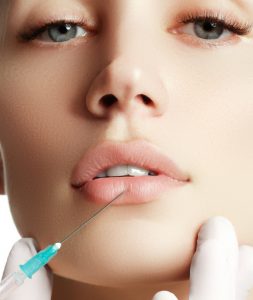
A trained clinician places the material according to the anatomical plan, often assessing shape during the appointment. Temporary swelling can make an area look fuller than the eventual result. Small entry marks or tenderness may also change the immediate appearance. Ask what is typical for your particular area and product, how to care for the skin and when a meaningful review should take place. An assessment in the treatment-room mirror is useful but cannot settle every question about final symmetry.
Urgent assessment pathway
A small section of informed consent deserves clear attention because a filler can affect blood vessels if injected inappropriately. The injector should be able to explain the symptoms that require immediate attention and how to obtain urgent in-person care, particularly when you are travelling. This includes serious changes in pain, skin colour or vision. Ask where the clinician can assess you promptly and what products and skills are available for the filler selected. These concrete questions support safe care without making the entire consultation a list of worst-case scenarios.
Evaluating and maintaining the result
Wait for early swelling to settle
The first hours or days can exaggerate lip volume or temporarily alter symmetry. Follow the review schedule given for the product and area rather than judging the treatment immediately. Compare consistent photos at rest, smiling and in profile. A small change may have a large effect on a familiar face; allow time to decide whether you enjoy it. Contact the treating clinic if an unexpected symptom appears, but avoid arranging further filler solely because early swelling looks different from a reference image.
Check the face from more than one angle
A full cheek from the front may be too projected in profile. Lips can look balanced while closed but unusual in a broad smile. A jawline that photographs sharply may look too wide in motion. Ask the clinician to evaluate the result in the views you originally identified as important. Consistent lighting matters because shadows can imitate both hollows and gains. The best outcome supports overall proportions, rather than maximizing one isolated feature in a social-media pose.
Review remaining product before topping up
Maintenance should begin with an assessment of what is still present. Do not assume all filler disappears on the advertised date or that another syringe is due on a fixed calendar. Bring previous product records and tell the clinician whether the area feels or looks overfilled. Sometimes waiting, changing the goal or addressing skin texture elsewhere is more useful than adding volume. A longer-term facial plan aims to keep the person recognizable as their features and preferences change.
When the aesthetic goal changes
A person who liked more prominent lips at one time may later prefer a softer shape. Discuss whether the current product will settle, whether an adjustment is feasible and how a future plan can avoid repeating an unwanted look. Do not presume that an injectable reversal has identical effects for every material or situation. The clinician should identify what is actually present and explain reasonable options. A thoughtful plan accepts that taste evolves and avoids turning maintenance into cumulative, unexamined filling.
Comparisons with nearby treatments
Botox or another neuromodulator
Botulinum toxin softens selected muscle contractions; a filler changes volume or local contour. A patient with a dynamic frown may benefit from a neuromodulator while a genuine cheek hollow requires a different assessment. Some mouth lines have mixed causes. Ask the clinician to describe which part of a concern is movement and which is tissue loss. Each procedure should be chosen on its own merits, with separate product, cost and follow-up details. Calling both a “liquid facelift” obscures those differences.
PRP or skin-quality treatment
Platelet-rich plasma is used in some facial rejuvenation plans but is not a substitute for immediate structural volume in a cheek or lip. Skin-focused procedures may be more relevant for diffuse fine texture and radiance. Ask whether a proposed treatment can produce the specific shape change you want. A patient who values skin quality more than new volume may prefer a different plan. Combining procedures should make sense anatomically and temporally, with independent expectations for each result.
Morpheus8 and radiofrequency
Radiofrequency microneedling and surface-based radiofrequency treatments address selected tissue or skin concerns through energy, not by adding a filler material. They may be discussed when mild laxity or texture dominates. If the clinic suggests combining an energy device with fillers, ask which treatment comes first, why, and how swelling will affect assessment. A device name does not turn a filler into a lifting operation. The best sequence depends on your anatomy and a clinician's examination, not a universal package schedule.
Surgical or no-treatment option
When substantial skin descent or structural imbalance is the main concern, filler may offer only a modest camouflage and could create excess volume. A surgical opinion may clarify the options, even if you ultimately choose no procedure. Conversely, a natural fold that bothers you only under harsh lighting may not warrant treatment. A skilled injector should explain when not to inject. The existence of a convenient appointment during a trip does not obligate you to alter a facial feature that works well in everyday life.
Pricing fillers in Tunisia
A dermal filler price in Tunisia should identify the material, quantity proposed, area, clinician, consultation and follow-up. Clarify whether several products are being used and whether a quoted package includes a neuromodulator or another facial procedure. Avoid comparing only the lowest syringe price. A qualified practitioner, appropriate product, documented placement and a clinical response plan have practical value, especially to a patient returning to another country. The total should be itemized after examination because the most suitable plan may be smaller than the initial online request.
| Quote element | Detail to obtain |
|---|---|
| Filler product | Manufacturer, product name, type and lot record. |
| Amount | Proposed quantity by facial area. |
| Clinician | Name, qualifications and direct consultation. |
| Procedure | Photography, comfort measures and injection. |
| Follow-up | Timing, in-person access and later review from Canada. |
| Other care | Separate Botox, device or skincare fees. |
| Trip | Flights, lodging, companion if needed and flexible dates. |
Canadian travellers should add airfare, local transport, accommodation and time away from work to the treatment price. Check the exchange rate and confirm the currency and payment terms on the written estimate. If the clinician advises against an initially requested area, ask how the price changes. Private insurance ordinarily requires checking its own conditions; do not assume elective aesthetic care abroad is covered. An itemized quote makes it possible to compare a restrained one-area plan with a more extensive facial proposal without confusing cost with quality.
Choosing an injector and a practical travel plan
Verify qualifications and product origin
Ask who will examine and inject you, what training they have in facial anatomy and whether the clinic can provide the exact product packaging and lot information. A polished gallery does not answer these questions. Request healed examples for the same anatomical concern and degree of change. The practitioner should explain how they handle assessment, documentation and urgent problems. An assistant may coordinate travel, but clinical decisions about a high-consequence injection belong to the qualified treating professional.
Arrange a direct consultation
Send photographs from several angles and describe the specific change you seek, such as a softer cheek hollow or slight lip shape adjustment. Remote images cannot confirm tissue depth, old filler or the suitability of an under-eye area. Set aside time for the actual practitioner to examine your face in Tunisia and revise the plan if needed. Ask what would lead them to recommend no filler. A carefully reasoned refusal can be evidence of good judgment when the requested result cannot be achieved naturally.
Tunis, Sousse and Monastir
Confirm the real location of consultation, procedure and follow-up before booking a hotel or connecting flight. Tunis, Sousse and Monastir can be convenient bases depending on the clinic, but city names do not verify the individual injector or clinical setting. Stay close enough to return for an in-person assessment when indicated. If your trip includes other treatments, ask how their schedules interact and where each is performed. Verify current transport independently; do not build aftercare around an unconfirmed assumption that all visits are in one location.
Timing the result around travel
A lip or cheek treatment can appear different during early swelling from its later appearance. If you have a wedding, professional photo or long-haul departure, discuss timing with the clinician before the appointment. A first-ever filler treatment immediately before a major event gives limited opportunity to learn how you respond. Ask for written aftercare and a clear review date. A patient leaving Tunisia before a routine review should know who will answer questions, what images to send and when an in-person examination is needed.
Travellers from Quebec and Ontario
Patients from Montreal, Quebec City, Laval, Longueuil, Ottawa, Gatineau, Toronto, Hamilton, Kitchener–Waterloo and London, Ontario, should carry the treatment record home in a form another clinician can understand. If a question arises, the exact material and location matter more than the marketing package name. Plan follow-up messaging across time zones and identify an appropriate local clinician before travel when receiving a complex treatment. The procedure itself may involve little disruption, but continuity still matters if you see different providers in different countries.
Travellers from western and Atlantic Canada
Patients from Vancouver, Victoria, Calgary, Edmonton, Winnipeg, Saskatoon, Regina, Halifax, Moncton, Fredericton, Charlottetown and St. John's may have multiple connections. Discuss the real return itinerary and avoid a treatment schedule that leaves no time to contact the injector before departure. Save clinic contact details, product information and instructions offline. If several facial areas or procedures are being combined, allow enough time for a meaningful clinical review. A remote photograph is useful for some aesthetic questions but cannot replace urgent direct evaluation when symptoms warrant it.
Making volume look like part of your face
A face is viewed from several distances
A close-up mirror can exaggerate a small crease that is hardly noticeable across a room. A filler plan should work in conversation, photographs and side profile, not merely on a magnified image of one area. Ask the clinician to step back with you and identify whether the feature changes the overall balance. If the concern is visible only under overhead bathroom lighting, the treatment may need to be very limited or unnecessary. A result that improves one crease while drawing attention to an overfilled cheek does not serve the wider aesthetic goal.
Keep familiar features recognizable
Many people want to look rested while retaining their family resemblance, smile and age-appropriate expression. Explain which features you regard as characteristic: a defined lip shape, gentle nasolabial fold or natural cheek softness. An injector should not treat every shadow as an age-related defect. The same amount placed in two faces can have very different visual effects. Ask what is being preserved in the design as well as what is being changed. This discussion can prevent a standard “full-face balancing” template from overriding the patient's actual preference.
Proportion before projection
A patient asking for more cheek or chin projection may really want a smoother transition between existing features. Bone structure and soft tissue set a range within which filler can look natural. Ask whether treatment makes a feature appear wider from the front or simply more forward from the side. These changes are not interchangeable. A slightly improved transition can sometimes serve the goal with less added volume. Mark the preferred view and ask the clinician to explain how the product's placement affects all other angles.
Movement is part of the design
Lips stretch in speech, cheeks lift during smiling and the chin moves with the lower lip. A filler that looks balanced at rest may look different during those actions. Request an examination in motion and, if appropriate, a review after swelling settles while you talk and smile naturally. Photographing only a closed-mouth front view can miss a problem that matters in daily life. A clinician should choose material and placement for mobile tissue with a clear understanding of the expression the patient wishes to keep.
Decisions around conservative treatment
A first appointment with one priority
If this is your first filler experience, identifying a single priority can be more informative than treating lips, cheeks and jaw at once. You learn how the product feels and how you like the change once early swelling resolves. The clinician can still assess the full face to avoid an isolated, unbalanced result. Ask what a restrained first step would achieve and when a second area might reasonably be reconsidered. A staged plan can be more expensive in visits but less likely to overshoot an uncertain aesthetic preference.

When the best choice is waiting
A recent filler, weight change, facial surgery or major life event can make the current contour temporary. Adding product before those changes settle may create an unnecessary layer. Ask the injector whether waiting several months would yield a clearer assessment. If old material is suspected but records are missing, further evaluation may be more useful than immediately topping up. A professional consultation should make delay a legitimate option, with a plan for what to observe and when to return, rather than equate no injection with a failed appointment.
When too much volume is the problem
A patient who feels puffy or unlike themselves after several years of injections may not benefit from another syringe. Ask the clinician to assess what material may remain and whether swelling, anatomy or natural facial fat contributes. A photograph from before any filler can help define the original proportions. Do not assume that adding product in a neighboring area will automatically rebalance an overfilled region. The plan may involve time, a specific reassessment or a carefully discussed correction rather than further augmentation.
The role of individual asymmetry
One cheek, lip side or jaw angle may naturally differ from the other. Treating both sides with identical volume does not necessarily improve balance. Ask the injector to point out baseline differences and agree on which are worth addressing. Some asymmetry becomes more noticeable in a posed selfie than in ordinary movement. A modest targeted adjustment may be enough, while trying to force perfectly matched features can look artificial. Review symmetry in the same head position and lighting rather than with different camera angles.
Follow-up across borders
Product records are portable care
A clear injection chart is useful long after the visible swelling has settled. It should state brand, product, batch, amount and location for each treatment, along with the date and clinician. If two products were used, the distinction matters. Request the record before leaving Tunisia, not months later when the details are harder to retrieve. A future Canadian clinician can make a better decision with exact information, particularly when evaluating an under-eye area or a patient who has received several different fillers over time.
The first days away from the clinic
Confirm which early changes are expected for the treated area and which require direct medical advice. Keep the clinic contact details available even if you are travelling between cities. A severe or unusual symptom should be assessed urgently rather than handled through a delayed online photo exchange. For routine aesthetic questions, standardized photographs can help when the agreed review date arrives. The follow-up plan should distinguish an emergency route from a normal discussion about shape after early swelling subsides.
Planning for a later adjustment
If you decide after settling that you would like a little more definition, the clinician should review the original product and volume rather than treat the next appointment as a brand-new sale. Clarify whether an additional visit can be done in Canada and what records a local injector would need. Returning to Tunisia for a small aesthetic adjustment may not be practical; total travel cost should influence whether a staged plan suits you. A good original design aims to look complete without depending on an immediate second journey.
Comparing providers fairly
A lower price per syringe can disguise differences in practitioner training, actual material, placement strategy and aftercare. Ask to compare the complete plan and healed results for similar faces. A clinician who recommends less filler may offer better value than one who sells a multi-syringe package at a discount. Consider what you would pay to maintain a natural appearance, obtain an accurate product record and receive accessible follow-up. These qualities cannot be reduced to the cost printed beside a product brand.
Questions worth answering before agreeing to volume
What would be lost by adding more?
Extra fullness can soften a hollow but may also obscure a cheek angle, change lip movement or make the lower face look wider. Ask the injector to explain the aesthetic trade-off of the proposed amount. A patient might prefer to keep a natural shadow that gives the face character rather than remove it at the cost of a heavier appearance. This is especially relevant when an online photograph shows only one flattering view. A careful facial filler plan protects recognizable proportions across several expressions and angles.
What is the simplest effective option?
The clinician may suggest a small amount in one region, a staged review, treatment of skin instead, or no filler at all. Ask which choice is likely to produce the most meaningful change for the least alteration to the rest of the face. A patient returning to Canada benefits from a result that looks complete without needing a hurried top-up abroad. Keeping the plan simple also makes it easier to identify what caused an improvement and maintain it appropriately. The number of syringes sold is not a reliable measure of clinical success.
Request a personal facial volume assessment
For fillers in Tunisia, describe which feature you would like changed and what would look too pronounced. Aylan Clinic can coordinate a preliminary discussion and practical travel information for Canadians. The actual injector should assess the face directly, identify any existing product, choose the material and explain how the result will be reviewed. A clear plan should make the chosen area and the expected improvement understandable before any syringe is opened.
Clinical and technical sources
- American Society of Plastic Surgeons, dermal fillers
- US FDA, dermal filler overview and appropriate uses
- CDC, medical tourism considerations
You may also want to compare Morpheus8 in Tunisia.
Continue exploring our aesthetic medicine in Tunisia overview, the complete aesthetic surgery panorama, compare plastic surgery prices in Tunisia, or request a free, personalized quote.
Everything about Dermal Fillers in Tunisia
Technique, pricing, results and the full patient journey — every detailed answer in our complete guide.