Sleeve gastrectomy in Tunisia is a metabolic and bariatric operation that removes a large part of the stomach and leaves a narrower stomach tube. It changes how much food can be eaten at one time and affects hunger and metabolic signals. The operation is a starting point for a long-term treatment plan, not a self-contained trip that ends when a patient leaves the hospital. For Canadians considering surgery abroad, the key questions are whether this procedure suits their medical situation, how nutrition will be managed and who will monitor their health after they return home.
This page explains the sleeve's anatomy, eligibility, preparation, operation, stages of eating, expected benefits, follow-up and total travel costs. It also compares the sleeve with Roux-en-Y gastric bypass when reflux or other medical factors make the choice less straightforward. Individual suitability and timing require an assessment by an experienced bariatric team. A written plan for nutrition, medications and local follow-up is as important as the name of the operation.
How the sleeve changes the stomach
The surgical shape
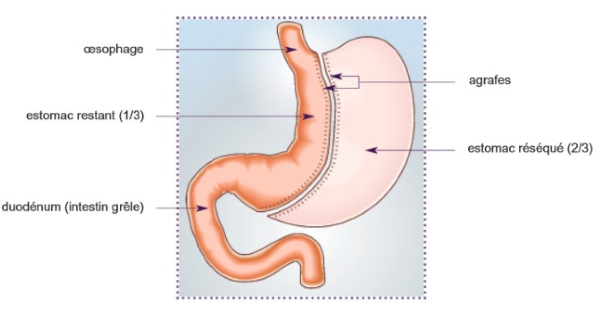
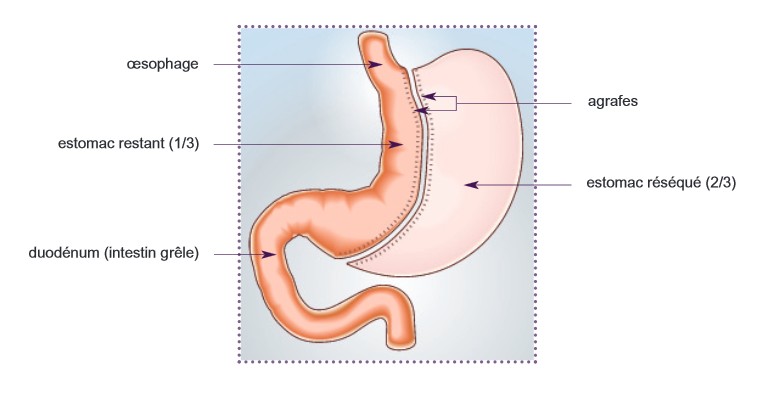
A surgeon divides and removes a substantial outer portion of the stomach, leaving a long, narrow stomach that remains connected to the usual path into the small intestine. The American Society for Metabolic and Bariatric Surgery describes removal of about four-fifths of the stomach, although the precise operative construction is determined by the surgeon. The removed part is not expected to grow back. Ask to see a simple drawing of the proposed anatomy and understand which tissue is removed, where the staple line lies and how food will travel afterward.
Smaller capacity and eating pace
A narrower stomach usually means smaller portions are comfortable, especially early in recovery. The goal is to support sustained nutritional change, not merely force an extreme restriction for a few weeks. Learning to eat slowly, choose protein and recognize fullness becomes central. The team should explain how progression from liquids to more textured foods works in its protocol. The capacity and tolerance evolve during healing, so a patient should not treat one early meal size as a lifelong fixed measurement. Dietitian guidance makes the anatomy usable in everyday life.
Metabolic effects beyond capacity
The sleeve also affects gastrointestinal signals involved in hunger and metabolism; its effects are more complex than simply reducing the stomach's volume. Some obesity-related conditions may improve as weight changes and metabolic responses develop. The effect differs across individuals and cannot be promised as a cure for type 2 diabetes, high blood pressure or sleep apnea. A clinician should explain which of your conditions will be measured after surgery and who will adjust related medication. Weight is one outcome among several relevant measures of health.
The intestine remains in its usual path
Unlike Roux-en-Y bypass, the sleeve does not reroute food around the first part of the small intestine. That anatomical distinction influences digestion, nutritional considerations and some possible late effects. It does not eliminate the need for vitamins, laboratory testing or careful dietary choices. Ask the team to explain what the sleeve does and does not change compared with bypass rather than assuming “simpler anatomy” means no long-term medical obligations. The right operation depends on medical goals and the patient's ability to maintain follow-up.
An operation that is not reversible
Removing part of the stomach is a lasting anatomical change. Other procedures may sometimes be considered later for reflux or insufficient response, but that is not the same as reversing the original sleeve. Ask what outcomes would lead the surgeon to consider revisional surgery, and what options would be available if you lived in Canada when the concern arose. A person should enter the first operation with an understanding of its permanent nature and a realistic plan for support through changes in weight, eating tolerance and health conditions.
Eligibility and choosing an operation
A medical evaluation rather than a package threshold
International professional guidance considers body mass index alongside health conditions, previous treatment and individual context. The 2022 ASMBS and IFSO statement recommends metabolic and bariatric surgery for people with BMI 35 or higher regardless of whether obesity-related conditions are present, and describes situations in which lower BMI may be considered. Actual eligibility and coverage rules can differ by jurisdiction and clinical team. A number on a booking form is not the whole assessment. Ask for a bariatric evaluation that addresses health, prior efforts and the operation's long-term demands.
Diabetes and metabolic health
If you have type 2 diabetes, describe medications, blood-sugar patterns and related complications to the bariatric team. Surgery can improve metabolic control in some people, but the degree and durability vary. A plan should specify who will monitor glucose and modify medication as eating and weight change. The comparison between sleeve and bypass may matter for individual metabolic goals, and a specialist may need to participate. Avoid a guarantee of medication discontinuation. A realistic success definition can include improved control even when ongoing care remains necessary.
Reflux needs specific attention
Heartburn and gastroesophageal reflux are important in procedure selection. The sleeve can worsen or newly cause reflux in some patients, while Roux-en-Y bypass may be considered when reflux is a major issue. Describe symptoms, medications, prior endoscopy and any known hiatal hernia. Ask whether additional investigations are indicated and how the surgeon weighs findings against other advantages of the sleeve. A patient should not select the operation only because a smaller stomach looks simpler on a diagram. Persistent reflux after surgery deserves a named follow-up pathway.
Sleep apnea and breathing assessment
Obstructive sleep apnea can affect anaesthesia and the immediate recovery plan. Tell the team about diagnosed or suspected apnea, the use of CPAP and any related cardiac or respiratory condition. A preoperative assessment may involve the physician who manages your breathing. Weight loss can improve apnea in some patients but does not justify stopping treatment without reassessment. Bring equipment if instructed and clarify whether the facility supports its use. A practical itinerary from Canada must account for the devices and assistance the patient actually needs.
Previous abdominal surgery
Prior surgery, hernia repair and abdominal scars can affect access and operation planning. Bring available operative records and describe any postoperative difficulties. The surgical team may adjust the technique after examining the abdomen and reviewing imaging or endoscopy if appropriate. Previous surgery does not automatically rule out sleeve gastrectomy, but an online quote based only on height and weight cannot account for these details. Ask what would change the plan, expected hospital stay or cost and whether the same surgeon will make the final decision after examination.
Pregnancy plans and life stage
Rapid weight change and nutritional demands make pregnancy timing an important discussion. A person planning pregnancy should ask the bariatric team and obstetric clinician about the recommended interval after surgery, nutritional monitoring and contraception. Do not assume a standard timeline applies to every health situation. Adolescents and older adults require additional individualized assessment; BMI alone does not answer whether surgery is appropriate. A long-term plan should fit work, family support and the ability to attend medical appointments after returning to Canada.
Mental health and eating patterns
A preoperative assessment should address eating behaviour, psychological support, expectations and any condition that could affect adherence or wellbeing. This is not a test of willpower or a reason to stigmatize a person living with obesity. It helps the team prepare support for emotional eating, changing portions and the transition to a different relationship with food. Ask whether psychological or behavioural services are available before and after the operation. Surgery changes physiology, while sustainable routines and support help translate that change into lasting health benefit.
| Assessment area | Question to put to the bariatric team |
|---|---|
| Reflux or heartburn | Would bypass suit these symptoms better? |
| Diabetes medication | Who adjusts treatment as intake changes? |
| Sleep apnea | How is CPAP handled during the stay? |
| Previous surgery | Does it change access or the procedure choice? |
| Nutrition history | Which deficiencies should be addressed first? |
| Canadian follow-up | Who orders and reviews later laboratory tests? |
Comparing sleeve with nearby options
Roux-en-Y gastric bypass
Bypass creates a small stomach pouch and reroutes part of the small intestine. It can be a better option for some patients with significant reflux or particular metabolic goals, but brings different nutritional and medication considerations. Compare both operations in your own medical context rather than using a generic ranking. Ask the surgeon to explain how reflux history, diabetes, prior surgery, eating patterns and lifelong supplements affect their recommendation. A page about bypass can provide more detail, but direct assessment must make the final choice.
Other bariatric procedures
Bariatric care includes other operations, each with different anatomical and follow-up implications. A team might discuss a duodenal switch variant, revisional approach or another procedure in selected cases. Ask why the sleeve is being recommended instead of merely accepting the operation offered most frequently by a travel package. The correct comparison includes likely benefit, nutritional burden, reflux implications and available support in Canada. A name that sounds newer or more powerful does not make a procedure automatically right for every patient.
Medication-based obesity care
Modern evidence-based obesity treatment also includes medication and structured medical support for some patients. Previous experience, response, side effects, access and personal preference can influence the discussion. Do not stop prescribed treatment solely because surgery is being considered. Ask a qualified clinician how nonoperative options compare for your health goals and whether medical treatment continues before or after surgery. Bariatric surgery should be part of a broader chronic-disease plan rather than framed as proof that earlier approaches were a personal failure.
Choosing no operation now
A person may need to improve a nutritional deficiency, obtain a cardiac assessment, stabilize another illness or build a follow-up team before surgery. Deciding to wait can be an appropriate clinical outcome. Ask what information is still missing, what can be addressed in Canada and how the recommendation will be revisited. The availability of a short travel window does not create medical eligibility. A high-quality consultation should allow a patient to defer surgery without losing access to a clear account of their options.
Preparation in Canada
Assemble a complete medical history
Bring a medication list, relevant specialist reports, previous endoscopy findings, diabetes records, sleep-apnea details and prior surgical reports. The receiving bariatric team should review what it needs before travel and what examinations must be repeated in Tunisia. A remote conversation can identify missing information but cannot replace the final in-person evaluation. Ask for a named medical contact who can explain the requested tests. Scheduling tests solely to fit an advertised package date may create avoidable pressure when results require further discussion.
Dietitian assessment before surgery
A bariatric dietitian can review your usual eating, protein sources, fluid habits and any known deficiencies. This preparation is not merely a short preoperative diet; it builds the skills needed for small meals and long-term nutritional sufficiency. Ask what education is available in a language you understand and whether written guidance can be used by a Canadian dietitian later. Different teams may use different preoperative diet protocols. Follow the actual surgeon and dietitian's instructions rather than an online template that may not match your health or medications.
Medication planning
Diabetes drugs, blood pressure medicines, anticoagulants and other treatments may need individualized review around surgery. Do not change or discontinue any prescription based on a website description. Ask who gives the final medication instructions, how they are documented and who will reassess doses when intake and weight change. For someone crossing borders, carry the generic medication names and a copy of the plan. Changes made during a Tunisian hospital stay should be communicated clearly to the regular clinician in Canada.
Physical activity and functional baseline
A preoperative team may assess walking capacity, joint pain and other functional limitations. Activity plans should start at a level the patient can sustain and change as health improves, rather than rely on an extreme exercise target. Note what daily tasks are difficult before surgery so later progress can be evaluated beyond the scale. If mobility is limited, discuss airport distances, luggage and support during the return trip. Preparation should make a real travel and recovery plan possible for this patient, not for an idealized person who has no other conditions.
Practical support at home
Identify who can assist with shopping, meals and transport during early recovery and who will help coordinate follow-up appointments. A family doctor or bariatric team in Canada should be aware that the operation is being considered abroad. If you do not yet have a professional willing to arrange nutritional surveillance, solve that gap before travel. Digital messages from the overseas clinic can support care, but a blood test, medication adjustment or examination requires a practical local pathway. Long-term support is part of the operation's value.
Operation and hospital pathway
Final assessment on arrival
The surgeon should review your history, examination and test results in person and confirm that sleeve gastrectomy remains appropriate. If reflux findings, a new illness or another factor change the recommendation, there should be time to discuss bypass, postponement or no operation. Ask for the final operative plan, the named surgeon and anaesthetist, facility, expected stay and response route for an unexpected issue. Consent should reflect the operation that is actually proposed after examination, not merely the surgery named in an online quote.
Laparoscopic technique and anaesthesia
Sleeve gastrectomy is commonly performed laparoscopically through several small incisions under general anaesthesia. The surgeon separates the stomach and removes a substantial portion while creating a narrow sleeve using surgical staplers. The exact details depend on anatomy and the surgeon's technique. Ask what the operation will involve in your case and whether prior surgery or a hernia changes the approach. Small incisions do not make this a minor treatment; the patient still needs professional monitoring, hydration and a clear recovery plan.
The initial hospital stay
Staff monitor pain, fluid intake, mobility, breathing and the transition to the first prescribed diet stage. Ask what milestones must be met before discharge and who explains medication, incision care and oral intake. A patient with sleep apnea or diabetes may have additional monitoring needs. An overnight stay mentioned in a package is not a personal guarantee of readiness to leave. You should know how to contact the clinical team from your accommodation and where an urgent in-person assessment would take place.
Early mobility and clot prevention
Gentle movement and the team's individual preventive measures are part of early care after abdominal surgery. A long return flight adds prolonged sitting to the recovery context. Ask the surgeon about the plan for your personal clot risk, mobility, flight timing and any prescribed measures; do not self-prescribe medication. The ability to walk to a hotel elevator is not the same as being ready for several flight segments. Clinical clearance before departure should consider the complete journey and any complication or change in intake.
Eating and drinking in the first days
The immediate diet is staged according to the team's instructions, often beginning with carefully measured liquids before texture advances. Learn the signs of comfortable intake and how to maintain hydration while capacity is limited. Ask whom to call if you cannot drink enough or if persistent symptoms prevent following the plan. Food and drink options at airports may not suit the current stage, so travel arrangements should include appropriate supplies. A printed diet plan is much more useful when the dietitian has explained how to apply it.
The long-term eating plan
Progression of textures
Diet stages are not a race to return to normal foods. The bariatric team should give written guidance on liquids, puréed or soft foods and later regular textures, with individual adjustments based on tolerance. Ask when each transition is reviewed and whom to contact if foods cause discomfort. Patients in Canada may need grocery choices and meal ideas that fit the plan rather than examples based only on food available near the Tunisian clinic. Ongoing dietitian access makes the early lessons practical at home.
Protein as a daily priority
Smaller portions make nutrient density important. The team should explain how to meet individualized protein needs through appropriate foods or supplements during each diet stage. Avoid assuming a universal number is right for every patient with different body size, kidney health or tolerance. A dietitian can help plan meals that are satisfying and realistic in your household. If a patient struggles with certain textures, the response should be a review of options rather than simply telling them to eat more of a food they cannot tolerate.
Fluids and meals
Learning how to sip enough fluid throughout the day while eating smaller meals is a core skill. The team's instructions may separate drinking and eating at particular times. Ask for concrete guidance that fits work shifts, travel and exercise. Dehydration can become a practical concern if nausea or restricted intake interferes with drinking, so have a clear contact route. A Canadian patient returning through multiple airports needs a plan for permitted drinks, carrying supplies and avoiding long intervals with no appropriate option.
Vitamins and minerals
The sleeve requires a prescribed supplementation and laboratory-monitoring plan even though food still follows the usual intestinal route. Bariatric products, doses and schedules should be chosen by the treating clinicians based on guidelines and blood results. Ask which vitamins and minerals must be taken, where to buy equivalent products in Canada and who will adjust them. Do not substitute an ordinary over-the-counter multivitamin without the team's approval. Long-term nutrition is a clinical treatment component, not an optional add-on after weight loss.

Hunger, cravings and patterns
Surgery may change hunger, but eating behaviour remains affected by stress, routine and available foods. A person may still graze, drink calorie-dense beverages or struggle with emotional eating. Support from a dietitian or behavioural professional can help without moral judgment. Ask how the team handles difficulties months after surgery, when the first excitement has faded. The goal is a sustainable relationship with food and improved health, not perfection. A plateau is a reason to review patterns and medical factors rather than assume the operation has failed.
Activity as health improves
Walking and later activity can support physical function, mood and weight maintenance. The clinician should provide a staged return to exercise according to healing and existing conditions. Joint pain, fatigue and work schedules make one universal activity prescription unrealistic. Ask how to build from your baseline and when resistance training is appropriate. Muscle preservation matters during weight loss, so discuss protein and activity together with the dietitian and medical team. A patient should not push through concerning symptoms simply to meet a target from an online success story.
Measuring benefit beyond one number
Weight trajectory is individual
Weight often changes rapidly at first and then more slowly, with plateaus. The magnitude and timing differ with starting weight, age, metabolic conditions, medicines and eating patterns. A clinic should not guarantee a precise loss in kilograms by a holiday or a fixed clothing size. Ask what range of outcomes is realistic and how response will be monitored over years. Compare weight under consistent conditions, but also discuss whether health conditions, mobility and quality of life are improving. Short-term scale changes are only part of the story.
Diabetes and medication review
Changes in food intake and weight can alter glucose control, sometimes soon after surgery. The team must give a plan for measuring glucose and adapting medication with an appropriate clinician. Never continue or stop a medication solely on the basis of a generic bariatric guide. A patient in Canada should know who can respond promptly to readings after returning home. A meaningful outcome might be better control or fewer medicines, but remission is not promised for every person and needs ongoing monitoring.
Blood pressure, sleep and mobility
Patients may notice changes in blood pressure, sleep-apnea symptoms or ability to move, but each should be reassessed formally before changing treatment. A CPAP device or blood pressure prescription may remain necessary even after substantial weight loss. Ask which clinicians will evaluate these conditions at the relevant times. Improvement in energy can make activity more enjoyable, while a slower change in one condition does not erase other health benefits. The operation is designed for broad metabolic care, not one cosmetic measurement.
Skin changes and later contour surgery
Significant weight loss can leave loose skin, the amount of which varies. A sleeve does not tighten skin or predetermine whether a future body-contouring operation will be useful. Discuss stability, nutrition and overall health before considering later surgery. A patient should avoid scheduling an abdominoplasty or body lift as an automatic next step during the initial bariatric trip. The priority is recovery, long-term eating and medical follow-up. Any later aesthetic decision deserves a fresh assessment at a more stable weight.
Plateaus and weight recurrence
An early plateau can be part of a variable trajectory; later weight recurrence has multiple possible contributors. Ask for access to dietetic and medical review rather than treating recurrence as a personal failing. The team may examine food tolerance, medication, health conditions, activity, sleep and the stomach anatomy when indicated. Additional treatment can be medical, behavioural or, in selected cases, surgical. A cross-border patient needs a provider who can evaluate these concerns years later. Lifelong care is more realistic than a one-time promise of permanent weight reduction.
Comparing the sleeve with gastric bypass in detail
Reflux as a decision pivot
If you already take medication for frequent heartburn, ask how each operation would affect the problem. The sleeve can worsen reflux; Roux-en-Y often helps selected patients with reflux, though no operation guarantees its complete disappearance. A history of esophagitis or other endoscopy findings may change the discussion. The surgeon should explain how those findings affect the recommendation and whether any associated hernia is part of the plan. Choosing based on a cheaper or shorter operation without investigating reflux can create avoidable long-term dissatisfaction.
Nutrition and intestinal anatomy
Food continues through the usual small-intestinal route after a sleeve, while bypass changes the route and typically creates more complex absorption and supplementation concerns. Both operations require nutritional surveillance. A patient who prefers sleeve because it does not reroute the intestine should still be ready for laboratory checks and vitamins. The relevant comparison is not “supplements versus none,” but the different monitoring and nutritional plans, balanced against metabolic goals and reflux. Ask which tests the Canadian follow-up clinician will need for either procedure.
Eating and medication patterns
The procedures differ in their interaction with foods and medicines. Bypass can produce dumping symptoms after certain meals and requires particular caution with NSAIDs and tobacco; sleeve has its own food-tolerance and reflux considerations. Tell the bariatric team what medicines you use, including over-the-counter pain relievers, and discuss whether an alternative will be needed. If your occupation or another condition requires a long-term medication, this may influence procedure selection. A named specialist should review the decision when a drug cannot simply be stopped.
A personal decision, not a popularity contest
A high volume of sleeve surgery worldwide does not establish that it is best for everyone, just as a more complex bypass does not automatically mean a better result. Ask for an explanation tailored to your reflux, metabolic health, dietary support and medical history. The bariatric team should describe the reasonable alternatives and why one is preferred. A patient who understands these trade-offs can plan a follow-up pathway with much greater confidence than someone who chooses only from a package title or a before-and-after weight photograph.
Long-term clinical follow-up
Laboratory surveillance
The treating team should provide a schedule of tests to monitor nutrition and health, with a professional assigned to review results and respond to abnormalities. Tests may include markers of blood count, iron status, vitamin levels and other measures selected for the operation and individual. Do not treat a list of tests as self-managed care: results need clinical interpretation. A Canadian patient should identify where samples will be taken and how both local and Tunisian clinicians will communicate. The plan extends beyond the first postoperative year.
Supplements may change over time
Doses can be adjusted when intake, blood work, pregnancy plans or health conditions change. Ask who prescribes supplements, whether the prescribed formulation is available in Canada and how substitutions will be evaluated. Bringing several months of products from Tunisia may help initially, but it does not replace a sustainable Canadian supply and monitoring plan. If a supplement causes discomfort, discuss an alternative with the dietitian or clinician rather than stopping it without review. The right plan is one that the patient can actually maintain.
Endoscopy and symptom review
Persistent reflux, pain, difficulty swallowing or other symptoms may need direct assessment rather than only a telephone reassurance. Ask what endoscopy or imaging pathway is available in Canada and how the original surgeon would receive findings. A current medication list and operation report help a local clinician interpret new concerns. The patient should know what symptoms merit prompt contact and where urgent care is available. This concise plan supports ordinary recovery without making a list of complications the main story.
Team roles across borders
The surgeon, dietitian, family doctor, endocrinologist and other specialists may each have a role. Clarify who is responsible for medications, lab orders, nutrition review and a possible surgical concern after you return. A distant clinic cannot draw blood or examine you in person in Canada, although it should remain available for records and discussion. A named local provider and clear handover can make a Tunisian operation part of continuous care. Without that arrangement, an attractive initial package price may conceal the hardest part of treatment.
Cost of sleeve gastrectomy in Tunisia
A sleeve gastrectomy price in Tunisia should identify the surgeon, anaesthetist, operating facility, preoperative tests, dietetic consultations, hospital stay, medicines, follow-up visits and what is billed if the plan changes. Ask whether endoscopy, sleep-apnea assessment or specialist review is included when clinically indicated. A quote should not promise the same operation before test results and direct evaluation. For Canadians, the budget also includes flights, lodging near the clinical team, time off, companion support and continued supplements and laboratory care at home.

| Budget category | What the written quote should specify |
|---|---|
| Medical assessment | Surgeon, dietitian, anaesthesia and required tests. |
| Operation | Procedure, named surgeon and facility. |
| Hospital | Expected observation and discharge criteria. |
| Early care | Medicines, diet teaching and follow-up appointments. |
| Travel | Flights, lodging, transport and date flexibility. |
| Canadian care | Laboratory tests, supplements and local providers. |
| Changes | Postponement, extra stay and revised procedure terms. |
Compare a Tunisian quote with a Canadian or other destination pathway only when the clinical scope and long-term support are clear. Currency changes and extra travel days can alter the full cost. Ask about deposits if a different operation is recommended or surgery is postponed after examination. Public or private coverage rules should be verified with the responsible Canadian payer; do not assume reimbursement for elective surgery abroad or its follow-up. A cheaper operation without sustainable nutritional surveillance may be poor value.
Travelling from Canada for a sleeve
Tunis, Sousse and Monastir
The physical address of the bariatric surgeon, hospital, dietitian and postoperative appointments matters more than a city name in a brochure. Confirm whether care is in Tunis, Sousse or Monastir and whether travel between locations is needed after surgery. Choose accommodation near the treating team and plan for appropriate food and fluids during early recovery. A long car journey before the surgeon has reviewed your intake may be uncomfortable. Verify transport and the actual emergency assessment pathway before purchasing an inflexible itinerary.
Quebec and Ontario departures
Patients from Montreal, Laval, Longueuil, Quebec City, Gatineau, Sherbrooke, Ottawa, Toronto, Hamilton, Kitchener–Waterloo or London, Ontario, should plan the whole door-to-door journey, including connections, walking and luggage. Ask the surgeon when an in-person check will determine flight readiness. Carry prescribed liquids or appropriate foods according to current airline and clinical instructions, and arrange baggage help if needed. A family member or companion can be useful during early recovery. Do not equate a package's scheduled flight with personal medical clearance.
Western and Atlantic Canadian journeys
Patients from Vancouver, Victoria, Calgary, Edmonton, Winnipeg, Saskatoon, Regina, Halifax, Moncton, Fredericton, Charlottetown or St. John's may have multiple flight segments and ground transfers. Discuss the total sitting time and ability to walk, drink and manage medicines with the clinical team. Keep return arrangements flexible until postoperative assessment. Travel length also affects the feasibility of returning to the original surgeon for a later concern, which increases the importance of local Canadian follow-up. A practical trip plan covers both early mobility and long-term medical continuity.
Before leaving Tunisia
Obtain the operative report, discharge summary, current medication and supplement list, diet-stage instructions, dates of follow-up and contact details for the surgeon. Ask how to report difficulty with intake or a symptom after arriving in Canada and where to seek an in-person assessment. The team should document any change in diabetes or blood pressure medication. Confirm a laboratory and dietitian schedule that a Canadian provider can use. The goal is a medically understandable handover, not just a certificate that you were discharged.
The first months at home
Arrange appointments to review diet progression, hydration, activity, medications and blood results. Tell the local clinician what you can actually eat and drink rather than simply reporting a weight. If a supplement is unavailable or a food stage is confusing, ask for an individualized alternative. Work and family routines can make following the plan harder than it seemed during a supervised stay. Continuing support helps translate a successful operation into sustainable treatment and gives you a place to discuss setbacks without shame.
A focused conversation about safety
Sleeve gastrectomy is a major operation, and informed consent should include the expected recovery, staple-line and anaesthesia issues, clot prevention, possible reflux and the symptoms that need prompt assessment. That discussion should be personal and clear, without letting a list of adverse events eclipse the reason for treatment. Ask what hospital resources are available and how the surgeon handles an unexpected problem after discharge. A patient travelling internationally needs the same honest clinical care and an explicit route to evaluation in Canada.
The benefit of surgery depends partly on being able to maintain nutrition and follow-up for years. A procedure described as “less complex” than bypass still changes anatomy permanently and requires lifelong attention to eating, supplements and medical conditions. A clinician should help you weigh the expected improvement in health against that durable responsibility. The strongest programme is one that can explain both the first week and the fifth year in terms that are concrete for your life.
Request a bariatric assessment
If you are considering sleeve surgery in Tunisia, begin with your health goals, relevant diagnoses, medication list, reflux history and previous treatment. Aylan Clinic can coordinate preliminary information for Canadian patients, but the named bariatric surgeon and team must confirm suitability and procedure choice after full clinical evaluation. Request a written plan for nutrition, medical monitoring and follow-up at home before deciding. The operation is most useful when its benefits and lifelong care requirements are understood together.
Clinical and technical sources
ASMBS, sleeve gastrectomy · ASMBS/IFSO, indications for metabolic and bariatric surgery · NIDDK, types of weight-loss surgery · ASMBS, nutritional guidelines · CDC, medical tourism
Continue exploring our bariatric surgery in Tunisia overview, the complete aesthetic surgery panorama, compare plastic surgery prices in Tunisia, or request a free, personalized quote.
Everything about Gastric Sleeve in Tunisia
Technique, pricing, results and the full patient journey — every detailed answer in our complete guide.