
Botox injections in Tunisia are used to soften selected expression lines by temporarily relaxing the muscles that create them. A useful treatment plan starts with the way your face moves, the lines you actually want to change and the expressions you want to keep. “Botox” is a familiar brand name for a botulinum toxin product, while other authorized formulations may have different units and indications. For patients travelling from Canada, product identification, practitioner qualifications and a sensible review schedule matter as much as the few minutes spent injecting.
This page explains facial botulinum toxin injections in practical terms: which concerns respond, how doses and placement are individualized, what results and maintenance involve, and how to organize a consultation abroad. The aim is a refreshed look suited to your face, not a promise of perfectly smooth or motionless skin. A qualified clinician must assess your anatomy and medical history before recommending a particular product, area or dose.
How a facial neuromodulator works
The connection between movement and lines
Repeated contraction of a facial muscle folds the overlying skin. When the muscle contracts less forcefully for a period, the dynamic line it creates may soften. The treatment does not replace lost volume or remove a skin fold. Lines visible only while frowning or smiling often respond differently from deeply etched lines that remain when the face is still. Ask the clinician to observe your face at rest and through ordinary expressions so the plan addresses the actual muscle pattern rather than a diagram of standard injection points.
Botox as a brand and botulinum toxin as a category
Botox is one product name; the broader treatment category is botulinum toxin type A. Products are not interchangeable unit for unit, and the clinician should identify exactly what will be administered. Ask to see the approved product, lot information and written record of the treatment. The expected onset and duration vary among people, formulations and areas. A quote expressed only in “units” cannot be compared across brands without knowing the product and intended plan. The practical comparison is the clinician, product, facial map and follow-up.
Softening versus freezing
A patient may want a less tense forehead or less pronounced frown without losing a natural range of expression. Another may prefer a stronger reduction in movement. Both are design choices that need discussion before treatment. Placement and dose should respect the relationship between forehead lift and brow position, rather than suppress one muscle in isolation. Ask how your face will appear when speaking, smiling and raising the brows. A conservative first session can help a new patient learn what degree of change feels right.
Temporary effect and repeat decisions
The effect wears off as muscle activity returns. This makes maintenance an optional recurring decision, not a permanent commitment. The calendar for review depends on the product, area, individual response and the goals you set. Avoid booking automatic repeat sessions merely because a package names an interval. At each visit, compare photographs under similar expression and lighting, discuss what you liked and adjust the plan if needed. A good record includes the formulation, sites, amounts and the patient's response at follow-up.
Facial areas and the expressions behind them
Frown lines between the eyebrows
The glabellar region includes muscles that pull the brows inward and down. Treating it can make a resting expression appear less strained while preserving purposeful facial communication. Strong asymmetry, a low brow or a habit of lifting one side changes the placement strategy. Ask what happens when you frown hard and whether the line persists at rest. If the fold is already deeply set, relaxation may improve its appearance without erasing the mark completely. The aim should suit the person's brow architecture rather than one identical pattern for everyone.
Horizontal forehead lines
Frontalis is an important brow elevator. Softening horizontal forehead lines without considering its lifting role may change how the upper face feels or looks. A person with naturally low brows or heavy upper eyelids can depend on frontalis activity to keep the eyes open comfortably. Ask the practitioner to observe the brows at rest, during elevation and when you stop consciously lifting them. A smaller amount, a different distribution or even declining forehead treatment can be appropriate when maintaining lift matters more than removing every line.
Crow's feet at the outer eyes
Lines around the lateral eyes appear when the orbicularis oculi muscle contracts during smiling. Some people enjoy these lines as part of a warm expression but want them less marked in photographs. Ask how much smiling movement you wish to retain and whether fine static texture also needs a skin-quality approach. Periorbital skin is delicate, and the clinician must assess eye health and eyelid function. A softened lateral crease can feel more natural than a completely motionless eye area next to an animated mouth.
Brow shape and subtle lift
A small change in muscle balance can influence the tail of the brow, but “Botox brow lift” is not equivalent to surgical lifting or the correction of heavy upper-eyelid skin. The response depends on brow position and which muscles currently elevate or depress it. Ask what the clinician can realistically change without over-treating the forehead. If the concern is excess skin resting on the lashes, a different assessment may be warranted. An injection plan should start with the desired shape, not a dramatic lift promised from a few points.
Bunny lines and nasal movement
Fine lines along the upper sides of the nose can become more visible during smiling or scrunching. They are not always bothersome and may appear more obvious after strong treatment elsewhere changes expression balance. Tell the clinician whether you notice them in everyday movement or only in close-up photographs. If treatment is proposed, ask how it integrates with nearby muscles and how much change is expected. A whole-face examination can prevent chasing one small line at the expense of natural animation.
Chin dimpling and lower-face tension
Some people notice a pebbled chin when the mentalis contracts or a downward pull at the corners of the mouth. These lower-face concerns require careful assessment of speaking, smiling and lip closure. The same amount used in the upper face is not a transferable recipe. Ask the clinician to explain which movement is being modified and whether a skin, dental or volume issue contributes. When the concern is mainly tissue descent, botulinum toxin may have a modest role at best. A restrained plan protects the expressions used constantly in conversation.
Jaw muscle and facial width
Masseter treatment may be discussed when jaw clenching or muscle bulk influences the lower-face outline. A broad lower face can also reflect bone, fat or a mixture, which muscle relaxation cannot change. Ask about your chewing function, dental history and whether a clinician should investigate significant jaw pain or grinding separately. Cosmetic slimming, when considered, evolves over time rather than immediately after injection. The practitioner should distinguish a facial-shape request from a therapeutic dental or pain concern and not imply that one injection plan addresses all of them.
Neck bands and the smile
Some clinicians treat particular neck muscle activity, but a prominent band, loose neck skin and submental fullness are different issues. A person focused on the jawline may need an assessment of tissue and posture before adding more injection sites. The platysma participates in lower-face expression, so broad promotional promises about a “liquid neck lift” should be interpreted cautiously. Ask for a realistic description of the small movement change expected, and consider whether another type of treatment better addresses the actual concern.
A consultation built around the whole face
Start with your own priority
Choose one or two changes that would matter most: a softer frown, a calmer forehead or smile lines that do not dominate photographs. Tell the clinician which expressions you especially want to preserve. Showing a flattering reference photo can help, but the underlying brow, muscle strength and skin are different in another person. A useful plan distinguishes goals from injection sites. You may want to look less tired without specifying that the forehead must be treated. The clinician should translate that wish into an anatomical assessment.
Examine the face at rest and moving
The practitioner should observe frowning, brow elevation, smiling, squinting and any relevant lower-face movement. Baseline asymmetry can become more noticeable after one muscle group relaxes. Photographs taken with consent should use consistent angles and lighting; comparing a raised-brow “before” with a resting “after” is misleading. Ask which lines are dynamic and which remain etched at rest. This distinction helps set expectations and decide whether skincare, resurfacing or volume assessment belongs in a separate discussion.
Review medical and treatment history
Disclose prior botulinum toxin treatments, exact brands if known, medicines, neuromuscular conditions, swallowing concerns and previous facial surgery. Mention pregnancy or breastfeeding when relevant and discuss timing with the clinician. Bring a list of other cosmetic procedures, including fillers, because those treatments change the appearance of nearby lines without acting on the same tissue. A precise history supports product selection, treatment timing and documentation. Do not assume an old dose is automatically right for a new formulation or a different stage of life.
Decide whether to treat several zones together
A forehead and frown often interact, but treating both should follow an examination rather than a fixed three-zone package. Conversely, treating only one area may be appropriate if the other expression is important to you. Ask how the proposed zones influence one another, what a restrained alternative would look like and whether a follow-up refinement is possible. A package with more sites is not necessarily a better aesthetic plan. The goal is balanced movement across the upper and lower face.
Consent, product identity and clinical record
Before an injection, verify the name of the practitioner, the exact toxin product, the treatment area and the information you will receive afterward. The product should come through appropriate supply channels and be used according to the clinician's professional assessment and local rules. Request a record of formulation, sites, amount and lot number. This is especially helpful for a patient who may have the next consultation back in Canada. Clear documentation lets a future practitioner understand the response without guessing from a photograph.
| Concern | Question for the clinician |
|---|---|
| Strong frown | Which muscles create my particular brow movement? |
| Low brow or heavy lids | How will forehead treatment affect brow support? |
| Crow's feet | How much smiling movement can remain? |
| Lower-face tension | Will speech and lip movement be affected? |
| Previous treatment | Which product and dose were used before? |
| Travel plans | When should I review the result before leaving? |
Treatment day and early changes
Preparation and photography
A clinician may ask for a clean face, standard photographs and a review of goals immediately before injection. Follow individualized instructions about skin products and medication; do not stop prescribed drugs without advice from the prescriber. The treatment map should be explained while you can still ask questions. Confirm which areas are being treated and whether the clinician expects to review the outcome after the effect develops. A brief procedure should still include an informed decision and a record suitable for later comparison.
Injection technique and comfort
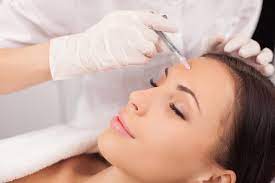
A fine needle delivers small amounts at planned points; the number of points depends on muscle pattern and the chosen product. You may feel brief pinches. The practitioner should account for asymmetry and neighbouring muscles rather than mechanically copy a chart. If several facial zones are treated, ask the clinician to narrate which are done and why. A treatment does not have to be painful or elaborate to require technical precision. The treatment setting, clean handling and ability to answer questions are part of the experience.
What appears immediately
The neuromodulator effect is not the same as the brief swelling or redness that can occur at an injection point. You may leave with your original expression largely unchanged and see the muscle response develop afterward. Follow the clinic's specific aftercare instructions, including what to do about makeup, exercise and rubbing the area. Avoid measuring success in the mirror a few minutes later. The useful check is when the product's action has developed enough for a fair comparison of facial movement.
Reviewing movement after the effect develops
At the agreed follow-up interval, evaluate both the lines and the expressions you wanted to keep. Ask yourself whether the brows still feel like yours and whether smiling looks balanced. A small asymmetry may have existed at baseline; compare recorded photographs before assuming it came from treatment. If an adjustment is considered, the original product, dose and site map help the clinician make a reasoned decision. A patient travelling to Canada before review should know who will assess a question and how records will be shared.
Maintenance on your terms
Some people repeat treatment because they value the softer expression; others pause or change zones as preferences evolve. There is no need to commit to a series before understanding your first response. Keep a dated record and discuss how long the effect felt useful, whether you wanted more or less movement and whether any other concern emerged. A future maintenance visit may require a different plan after changes in skin, brow position or prior fillers. The result should remain aligned with your priorities rather than a fixed sales schedule.
Natural-looking goals in different patients
First-time patient seeking subtle change
A first-time patient may be unsure how less frowning will feel in daily conversation. Starting with a conservative, carefully explained plan can provide a reference for future decisions. Ask what the clinician expects to improve and what will remain. The aim might be to make a tense resting expression gentler while preserving the ability to convey concentration and surprise. A follow-up photograph when the effect has developed can help decide whether the treatment was enough, rather than treating every line in one visit.
A patient who has used Botox for years
Prior treatment experience is useful but not a reason to repeat exactly the same map forever. Muscle activity, brow support, skin quality and aesthetic taste may change. Bring dates, products, doses and any photographs showing a result you liked or disliked. Tell the clinician if a previous forehead treatment made the brows feel heavy or if a lower-face treatment changed your smile. Reassessment can lead to fewer points, a different distribution or a pause. The goal remains a face that looks and feels familiar to you.
Men and a stronger forehead pattern
A more forceful brow movement may call for a different assessment, but dose should not be based on gender alone. Brow shape, muscle strength, asymmetry and desired expression vary widely. Some men want a smooth glabella but prefer visible forehead movement; others want a more comprehensive softening. The clinician should demonstrate the expected change in your own face. Avoid a universal “male dose” or a standard grid that ignores the individual's brow support and the result they actually want.
Mature skin with lines at rest
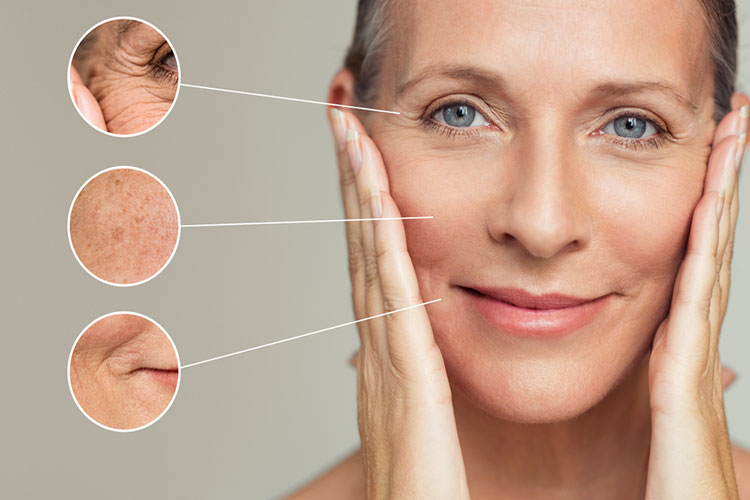
When lines remain visible without expression, relaxing the responsible muscle may soften repeated folding but cannot erase every established crease. Skin-quality treatments, sun protection and an assessment of volume may address other aspects of the concern. Ask which part of the line is dynamic and what improvement would count as worthwhile for you. More toxin is not automatically the answer to a static texture problem. A clinician should be comfortable describing the limit of injection alone and offering a proportionate plan.
A very expressive face
If facial animation is central to your work or identity, say so explicitly. Teachers, performers and anyone who relies on visible emphasis in conversation may prefer small changes rather than maximum relaxation. The clinician can ask which expressions matter most and which lines you would like less visible in still photos. This is not a trivial preference: the most satisfying result may keep enough movement for communication while reducing one persistent frown. Review function and appearance together rather than treating a smooth photograph as the only outcome.
Combining Botox with other facial care
Fillers address a different tissue problem
A filler adds volume or support in a selected tissue plane; botulinum toxin changes muscle contraction temporarily. These interventions can complement each other when the concerns are distinct, but one does not automatically require the other. A cheek volume concern should not be treated by adding forehead toxin, and a dynamic frown should not automatically receive filler. Ask for a separate reason, provider plan, cost and follow-up for each procedure. Combining appointments should be driven by anatomy and timing, not by a package discount.
Skin quality and resurfacing
Fine texture, sun damage and discoloration may remain after movement lines soften. Skin care, resurfacing or other procedures can be discussed after a proper skin assessment. The clinician should explain which concern each intervention addresses and whether spacing treatments helps evaluate results. Doing several things on one trip can make it harder to know which change produced the improvement. A simple botulinum toxin plan can be enough if the main concern is expression. More modalities are not a marker of better judgment.
Morpheus8 and radiofrequency
Radiofrequency microneedling and noninvasive radiofrequency aim at tissue texture or firmness through energy delivery; they are not substitutes for a neuromodulator's action on a moving muscle. If you are considering both, ask about scheduling, aftercare and how any swelling might affect evaluation of the injections. The device treatment requires its own suitability assessment. A comparison of costs should separate a toxin dose from a series of energy sessions. The treatment you need depends on whether the concern is motion, texture, laxity or a combination.
PRP and the wish for a refreshed appearance
Platelet-rich plasma uses a person's own blood preparation in some skin treatments and has a different evidence base from botulinum toxin for dynamic lines. A patient looking for an overall refreshed appearance may ask about both, but a clinician should not imply that PRP relaxes a frown muscle. Clarify the specific expected change, treatment schedule and photo comparison for each. Starting with the concern you can identify clearly helps keep the plan manageable and avoids paying for procedures whose benefit is unrelated to your priority.
Price and value of an individualized injection plan
A Botox price in Tunisia should identify the exact formulation, who injects, which areas are treated, whether the quoted amount is a complete plan and what review is included. Comparing prices by the number of injection points can be misleading: points do not describe the product amount or the placement strategy. Some clinics price by area, others by units or a consultation package. Ask what happens if the clinician advises a smaller plan after examining your brow and whether any follow-up refinement carries a separate fee.
| Quoted item | What to clarify |
|---|---|
| Product | Brand, authenticity, batch and dose unit. |
| Practitioner | Name, clinical qualifications and direct assessment. |
| Facial map | Actual zones and goal for expression. |
| Included visit | Consultation, photographs and procedure. |
| Follow-up | Timing, review method and possible adjustment fees. |
| Other treatments | Whether filler, energy or skincare are separate. |
| Travel | Flight, lodging and time needed to assess the response. |
For a Canadian patient, a low per-area price may become less meaningful after airfare and accommodation are included. A trip already planned for other reasons can still make a consultation convenient, provided timing allows an informed assessment. Check current currency conversion and the final written quote rather than relying on an old online promotion. Do not assume the same product name has the same price or dose calculation across countries. The most valuable plan gives you a result you can evaluate, a clear treatment record and a provider who can address questions after you leave.
Planning treatment while travelling from Canada
Before departure
Send recent neutral photographs at rest, frowning, smiling and raising the brows, together with a list of prior toxin products and dates if known. These images support an initial conversation but do not replace direct observation of facial movement. Share medical conditions, medicines and whether you also expect fillers or an energy procedure. Ask when the clinician can see you in person, when a useful post-treatment review is possible and what records will be supplied. Build an itinerary around care rather than assuming an injection can be fitted into the last airport morning.
A visit in Tunis, Sousse or Monastir
A city label does not tell you where the actual practitioner assesses and injects. Confirm the clinic address, the name of the clinician and how questions are handled after the appointment. Tunis, Sousse and Monastir can each be practical locations depending on the real service and travel plan. Avoid a long transfer immediately after scheduling a follow-up visit without checking its time and location. Lodging near the treating clinic may be simpler if you are receiving several facial procedures. Current airline and local transport details should be verified before booking.
A short trip and treatment timing
A quick injection appointment may be easy to schedule, but its result unfolds later. If you will be home in Canada when the effect develops, arrange the mechanism for questions and review beforehand. Document the formulation and dose in writing. If a photograph-based follow-up is proposed, ask how the clinic handles concerns that need an in-person examination. A patient attending a wedding or professional event should allow flexibility, rather than trying a new dose immediately before a major occasion. Experience from previous treatments may inform the plan but does not eliminate variation.
Returning from Quebec and Ontario
Travellers based in Montreal, Laval, Longueuil, Quebec City, Gatineau, Sherbrooke, Trois-Rivières, Ottawa, Toronto, Hamilton or London, Ontario, should consider the time-zone difference for follow-up messaging. Keep a concise treatment record accessible if you consult another clinician at home. For an isolated Botox appointment, travel decisions differ from those for surgery; what matters is the specific treatment, any additional procedures and the clinician's advice. If the trip also includes a more invasive intervention, follow the recovery guidance for the entire care plan.
Returning from western and Atlantic Canada
Patients from Vancouver, Victoria, Calgary, Edmonton, Winnipeg, Saskatoon, Regina, Halifax, Moncton, Fredericton or St. John's may spend longer in transit. Scheduling a first-ever injection on the final day gives little opportunity to discuss the initial experience with the treating clinician. Request written instructions and the product record before leaving. Make sure the clinic can communicate with you after return and say when a local assessment would be preferable. Your location should influence the follow-up pathway, even when the actual procedure involves very little downtime.
Continuity for future maintenance
Repeat treatment may take place in Tunisia or in Canada. An accurate record of product, sites, units, date and your assessment of the result makes either path easier. Ask the original clinician for a summary and note when the effect began to feel useful and when it faded for you. A new practitioner will still reassess facial anatomy rather than copy a prior chart mechanically. Patients who use different brands in different countries should never compare raw unit numbers as if all formulations were identical.
Designing the upper face without losing character
The brow as a moving frame
The brow is not a fixed line above the eye. It rises, draws together and changes shape as different muscles cooperate. A toxin plan affecting one muscle can alter the balance of others, especially in a face that already uses forehead movement to compensate for heavier lids. Ask the clinician to show where the brows sit when you are truly relaxed, not while you pose for a consultation photograph. A patient who wants a lighter-looking eye area may discover that smoothing every forehead line would work against that priority. The map should preserve a comfortable expression as well as appearance.
One side often works harder
Many faces raise one brow more or frown more strongly on one side. A perfectly symmetrical pattern of injection points may not create a balanced outcome. Ask whether the clinician sees a habitual asymmetry and how much of it should remain. At follow-up, compare photographs with the same expression and head angle; an asymmetry present before treatment should not be blamed automatically on the injection. A measured adjustment, when appropriate, should be based on the documented first map rather than adding product wherever a slight difference appears in a selfie.
Resting mood and social expression
A strong glabellar line can make someone appear serious at rest even when they feel relaxed. Reducing that movement may change how the face reads to other people, while still allowing concentration. Yet a patient may value visible emotional expression and not want an immaculate still image. Explain whether the issue is an unwanted resting mood, a crease in photos or tension while working. These are slightly different goals. The clinician should ask what outcome would make you feel like yourself rather than use a default definition of looking “younger.”
The relationship with eyelid skin
Upper eyelid skin, brow position and frontalis movement interact. If the eyelid feels heavy, treating forehead activity without examining the lid can change the amount of brow support you rely on. Conversely, a low-lying brow might be mistaken for excess eyelid skin in an online picture. Ask for a direct explanation of which structure contributes to the concern. A neuromodulator can affect motion but does not remove skin. The best plan may leave the forehead untreated and direct you toward a separate eyelid consultation if that is the dominant issue.
Making a travel visit clinically useful
Product availability across countries
Product names and authorized uses differ by jurisdiction. A Canadian patient may receive one brand in Tunisia and another at home. Keep the exact name, dosage record and date so your future injector can assess rather than convert blindly between units. If a clinic says “Botox” as a generic category, ask which actual licensed formulation will be used. Authentic supply and clear documentation matter more than whether the package uses the most familiar brand word. A treatment record is especially valuable if you later decide that you prefer a different degree of movement.
Do not schedule by the airport clock
An injection appointment may fit between sightseeing and a flight, but the movement change becomes clear after departure. If the first session is booked hours before leaving, the treating clinician cannot observe how the plan suits you. Discuss whether the dates allow an in-person review or whether an arranged remote review and access to local care are adequate for the proposed treatment. A more complex combined facial plan warrants more time. Convenience alone should not dictate the clinical sequence when you have no established response to that product or dose.

Photographs that help a remote follow-up
Ask which expressions to photograph and at what interval: forehead raised, brows drawn together, full smile and relaxed face are different views. Use similar lighting, camera distance and brow position each time. A single front-facing selfie with makeup may make it difficult to tell whether a particular muscle has relaxed evenly. A short note about how the brows feel and whether normal expression is comfortable adds context to the images. Send updates through the clinic's agreed channel rather than seeking an immediate extra injection from a provider who lacks the original map.
Timing with a special event
Patients sometimes plan treatment before a wedding, reunion or professional recording. A familiar product and dose still may respond differently as anatomy changes. A first-ever treatment deserves particular flexibility for onset and review. Ask the clinician whether it is better to treat well before the event or wait until afterward. The desired aesthetic outcome may be a natural, dependable expression in photos rather than a newly maximized smoothing effect. Event scheduling is part of the consultation, not a trivial afterthought to the price per area.
Fine decisions after the first treatment
When the effect seems too light
An early impression that nothing happened may reflect the normal onset period or an intentionally conservative plan. Wait for the agreed review time before judging. At that visit, specify which movement still bothers you and which improvements you already like. A clinician can compare the original map and decide whether a refinement would be appropriate. More units everywhere can sacrifice natural movement while failing to target the one remaining line. The goal is a controlled adjustment based on the actual response, not an automatic second syringe because a social-media image looks smoother.
When movement feels different
Some patients like that a habitual frown takes less effort; others notice unfamiliar brow behavior or feel that they cannot make a certain expression. Describe this in concrete terms and show the clinician photographs or a video if requested. A useful next visit reviews the distribution and whether the original dose suited your goals. Because the effect is temporary, preferences can inform a different future plan. Avoid framing every noticeable change as failure: the relevant question is whether the change matches what you agreed to and feels acceptable in ordinary life.
When to stop treating an area
Aesthetic choices can change. If you find that forehead movement matters more to you than smoother horizontal lines, you can leave that region out of future sessions. If crow's feet remain part of a smile you like, a clinician can reconsider whether treating them adds value. Maintenance does not require every previously treated site to return automatically. Keep records of what each area contributed and discuss a simpler plan at the next consultation. The option to stop is part of a truly individualized treatment schedule.
Combining different providers over time
A patient who receives Botox in Tunisia and later in Canada may meet clinicians with different aesthetic styles. Share the original treatment record and explain your subjective response, including any areas that felt too still or still too active. The new practitioner must examine your current movement rather than repeat the old dose exactly. Ask for a fresh baseline photograph if the product changes. This handover helps preserve continuity of expression without making you dependent on one clinic or forcing different products into a simplistic unit conversion.
Value beyond a smoother photograph
A good outcome may be a gentler resting frown, feeling more comfortable in unposed photos or spending less time thinking about a particular line. These experiences are legitimate but should be tied to the area that was treated. If the desired improvement is not meaningful to you after a full treatment cycle, consider whether another intervention or no further treatment is preferable. The total value includes clinician time, product authenticity, follow-up and how naturally the face communicates. A very low price cannot compensate for an outcome that does not suit your own expression.
Checking that the treatment still fits your priorities
Expressions you see on video
Short video clips can reveal movement that a still portrait cannot: one brow lifting higher during speech, a smile that reaches the eyes or a habitual frown while reading. Mention these patterns in consultation and ask which ones you want to keep. A plan that looks balanced in a posed photo can feel less natural during conversation. If appropriate, review ordinary movement after the effect develops, not only the depth of a crease. Facial communication is a practical outcome of neuromodulator treatment, and a patient should be able to express a preference about it.
When a new concern appears
A patient who first sought frown treatment may later notice cheek volume loss or sun-related texture. Adding toxin to more muscles simply because it worked once may not address these different problems. Ask for a fresh assessment of the newly noticed feature. A clinician can explain whether it is movement, volume, skin or another cause and whether any treatment is worthwhile. This keeps an initially successful Botox treatment plan from growing by habit into a list of unrelated injections. Each new area needs its own purpose and expected result.
Request a facial expression assessment
To explore Botox injections in Tunisia, describe the expression lines that bother you and the movements you want to preserve. Aylan Clinic can help coordinate an initial discussion and practical information for patients travelling from Canada. The treating clinician should identify the product, examine the face directly, recommend a personalized map and explain how the result will be reviewed. An informed choice begins with your actual expression, not with a predetermined number of injection points.
Clinical and technical sources
ASPS botulinum toxin procedure · ASPS Botox guide · US FDA product authenticity notice · CDC medical tourism
Continue exploring our aesthetic medicine in Tunisia overview, the complete aesthetic surgery panorama, compare plastic surgery prices in Tunisia, or request a free, personalized quote.
Everything about Botox Injections in Tunisia
Technique, pricing, results and the full patient journey — every detailed answer in our complete guide.


