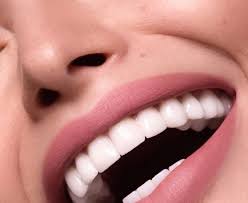
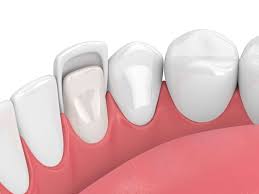
Ceramic dental veneers in Tunisia are thin, custom-made restorations bonded to the visible surfaces of selected teeth to change their colour, contour or apparent alignment. The important decision is whether the desired change justifies any irreversible removal of sound enamel and whether the teeth and gums can support a durable result. For a Canadian patient, the design, laboratory timetable and access to adjustments after returning home matter as much as the photograph taken on fitting day.
In this article, you will find how ceramic veneers work, which concerns they may address, the alternatives to preparation, the steps from assessment to bonding, possible complications and long-term care. You will also find ways to compare complete quotations, plan appointments in Tunisia from English-speaking or French-speaking Canada and arrange local dental follow-up. Confirm the treating dentist and proposed materials with Aylan Clinic before assuming a particular veneer service is available.
What ceramic dental veneers are and how they work
The tooth beneath the veneer
A veneer is a thin shell bonded mainly to the front of a tooth. Enamel is the outer protective layer; dentin lies beneath it, and the living pulp lies deeper. A porcelain or other dental ceramic shell can mask a discoloured surface and alter the visible shape of a tooth, but it does not replace a missing tooth or treat disease below the surface. The dentist must examine the entire tooth, its root, neighbouring teeth, gum and bite before proposing a cosmetic covering.
Bonding is usually more predictable when there is adequate sound enamel. Tooth position and the amount of space available determine whether the veneer can be added with little reduction or whether a carefully planned amount of enamel must be removed. Removed enamel does not grow back. A person whose teeth already show erosion, extensive fillings or cracks may need a different restoration or treatment of an underlying problem first.
Colour, shape and the surrounding smile
Ceramic can change the appearance of selected stains, chips, uneven edges and small spaces. The final effect also depends on underlying tooth colour, material thickness, translucency and lighting. A very thin veneer over a dark tooth may not conceal the colour as hoped; increasing opacity can change how natural it looks. Gum levels, lip movement and the neighbouring teeth determine where the veneer margins appear in ordinary conversation rather than only in a close-up smile image.
Ask to discuss the appearance in daylight and at conversational distance. A tooth shade chosen against dehydrated teeth can be misleading, and whitening the unveneered teeth later may create a mismatch because ceramic does not bleach in the same way. Make decisions about whitening, gum health and the number of teeth involved before approving a final shade.
Bite forces and functional limits
Veneers can make a small change in the visible contour of a tooth, but they do not move the tooth root or correct a significant bite problem. The dentist assesses how the upper and lower teeth meet during closing, chewing and side movements. A deep bite, edge-to-edge contact, grinding or a habit of chewing hard objects may increase the chance of chipping or debonding. The apparent size of a gap may also reflect tooth position that orthodontics could address without covering healthy enamel.
Describe any jaw pain, worn teeth, past fractures and night-time clenching. These details can change the proposed design or make a veneer unsuitable. An attractive wax-up or digital image is a planning aid; it cannot establish that the final ceramic will be comfortable or stable in your bite.
Ceramic veneer designs and alternatives
Preparation and minimally prepared veneers
Conventional ceramic veneers often need a controlled reduction of enamel to make room for the material and establish margins. The amount depends on tooth position, colour and the planned change. A minimally prepared veneer may need less reduction in a suitable case, but the term is not a universal promise of no drilling or reversibility. An additive design on a prominent tooth can make it appear too bulky and may interfere with cleaning at the gum line.
Ask the dentist to identify the surfaces to be prepared and show how the proposed shell will meet the gum and neighbouring teeth. The decision must be made tooth by tooth. If the preparation extends into dentin, bonding and sensitivity considerations differ from a predominantly enamel-based design. After irreversible preparation, the tooth generally needs ongoing coverage even if the original veneer later needs replacement.
Different ceramics and laboratory design
Dental ceramics include different materials and fabrication methods. Their optical properties, strength at a particular thickness, suitability for a given bite and repair options differ. A broad label such as “porcelain” or “zirconia” is not enough to judge the plan. Ask for the proposed material, laboratory process and how it was selected for the tooth colour, space and function. The named material cannot compensate for poor margins or an untreated dental condition.
Photographs, impressions or scans, bite records and a provisional mock-up may help communicate the intended shape. The laboratory makes a restoration based on those records, but the dentist must check it in the mouth before bonding. If a tooth is very dark, severely rotated or largely filled, a crown or other approach may be more appropriate than trying to hide the problem beneath a thin shell.
Composite bonding, whitening and orthodontics
Direct composite bonding can add tooth-coloured material in selected areas, sometimes with less enamel reduction. It may be easier to repair, but appearance and wear patterns differ from ceramic. Whitening may address colour without covering a tooth, although it cannot change tooth shape and must be planned around existing fillings or crowns. Orthodontic treatment may correct crowding and spacing at their source, but takes a different timetable and has its own requirements.
Compare these options against your actual goal, not a generic “smile makeover” package. A small edge chip may need a localized repair; a gap caused by tooth position may be better assessed for movement. If several approaches are possible, ask which preserves the most healthy tooth structure and what future maintenance each entails.
Crowns, restorative treatment and leaving teeth alone
A crown covers more of a tooth and may be indicated when there is extensive structural damage. It removes or replaces more tooth structure than a veneer and should not be chosen merely because the patient wants a whiter smile. Decay, gum disease, a failing filling or pain needs diagnosis before cosmetic work. Conversely, a healthy tooth with a minor appearance concern may reasonably be left unchanged after an informed discussion.
| Option | Main distinction | Decision to clarify |
|---|---|---|
| Ceramic veneer | Custom shell bonded mainly to the visible tooth surface | Enamel reduction, colour and maintenance |
| Direct composite bonding | Material shaped on the tooth | Repairability and wear over time |
| Whitening | Changes natural tooth colour | Existing restorations will not whiten identically |
| Orthodontics | Moves teeth to change alignment or spaces | Time, retention and bite goals |
| Crown | Covers more of a weakened tooth | Whether structural protection is needed |
| No treatment | Preserves present tooth structure | Whether the concern warrants intervention |
Real indications for ceramic dental veneers
- Selected discolouration that cannot be adequately addressed by a more conservative approach.
- A chipped or irregular visible surface where a veneer is proportionate to the defect.
- Small spaces or shape differences after the bite and alignment have been assessed.
- Sound teeth and healthy gums that can support the chosen bonding design.
- A patient who understands permanent preparation, maintenance and possible replacement.
These are reasons to discuss veneers, not evidence that every tooth should receive one. A dentist may advise against them when decay, gum inflammation, heavy grinding, inadequate enamel, severe crowding or a structurally weak tooth changes the balance. Your goal should be a cleanable, comfortable result as well as an appearance you like. Consider the consequences of treating a row of healthy teeth at once.
Indications and contraindications for ceramic dental veneers
| Situation to assess | How it affects the decision |
|---|---|
| Sound enamel with a limited aesthetic concern | Compare additive bonding, whitening or no treatment before preparation. |
| Untreated decay or active gum disease | Diagnose and treat before any definitive veneer decision. |
| Extensive old filling or weakened tooth | A veneer may lack a suitable foundation; assess other restorations. |
| Heavy grinding or unfavourable bite | Raises mechanical concerns; manage the cause and evaluate the design. |
| Severe crowding or a large positional discrepancy | Consider orthodontics rather than disguising alignment with thick shells. |
| Thin enamel, erosion or sensitivity | Reassess reduction and bonding; address the cause of tooth wear. |
| A single dark tooth | Discuss opacity, shade match and other causes or treatments. |
| High smile line or gum recession | Margin visibility and future changes need discussion. |
| Difficulty attending reviews in Canada | Agree how bite adjustments, chips and gum care will be handled. |
How the procedure is performed, step by step
Before the procedure
The dentist takes a medical and dental history and examines the teeth, gums, existing restorations and bite. Imaging is selected according to findings; it is not a substitute for direct examination. Discuss your concerns, prior whitening, grinding, sensitivity and any existing crowns or fillings that might affect colour matching. A proposed result may be explored with photographs, a mock-up or provisional material, but consent should cover what will actually be prepared.

Ask for a tooth-by-tooth plan showing the intended number of veneers, preparation depth, ceramic material and laboratory steps. Confirm whether whitening, gum treatment or bite correction should come first. If the tooth is painful or suspected of having disease, determine the diagnosis before committing to a cosmetic design. Review the full cost and the appointments needed if a try-in or remake changes the schedule.
During the procedure
If preparation is needed, the dentist removes an individualized amount of enamel and may use local anaesthesia where appropriate. Impressions or digital scans record the prepared surfaces and bite. Temporary veneers or provisional coverings may be provided depending on the amount of preparation and laboratory timetable. They are not the final result and can have different strength and appearance.
At the fitting visit, the dentist checks each ceramic shell for fit, edge, colour and relationship to adjacent teeth. The bonding process involves careful cleaning, conditioning of the relevant surfaces and placement with a dental adhesive system. Details differ with the selected ceramic and tooth substrate. After bonding, excess material is removed and the bite is checked in different movements. Do not agree to permanent bonding before raising a visible shape or colour concern that needs discussion.
After the procedure
The first review should establish comfort, cleanable margins and stable bite contacts. Some patients notice temporary sensitivity after preparation or bonding. Ask which symptoms should prompt an earlier examination and whether a protective appliance is needed for grinding. Keep a record of the treated teeth, material and any special maintenance advice before leaving Tunisia.
A newly fitted veneer does not eliminate the risk of decay at its margin or gum inflammation. Continue regular dental care and arrange a Canadian dentist willing to examine the restorations after you return. If a veneer feels high when biting, chips or loosens, a direct assessment is preferable to waiting for a remote reassurance.
Recovery and time away from normal activities
The appointment is usually less disruptive than implant surgery, but the practical timetable is set by examinations, preparation, laboratory work, bonding and any corrections. Avoid scheduling an international departure immediately after the final fitting. The following is a planning outline, not an individual clearance or a promise about completion.
| Approximate period | Expected changes and practical decisions |
|---|---|
| Consultation and planning | Assess oral health, discuss alternatives and approve the proposed design. |
| Preparation and records | Local tenderness or sensitivity may occur; clarify provisional care. |
| Laboratory interval | Protect temporary coverings if used and remain available for changes. |
| Try-in and bonding | Check colour, shape, margins and bite before accepting the final work. |
| First days after fitting | Report persistent sensitivity, gum irritation or a new bite interference. |
| Ongoing years | Clean margins, attend reviews and budget for possible repairs or replacement. |
Sensitivity and gum comfort
Mild tenderness can follow preparation, impressions or the bonding appointment. The extent depends on the tooth and procedure. Persistent or increasing pain, swelling, a bad taste or sensitivity that disrupts eating deserves examination rather than an assumption that it is normal. An untreated pulp or gum problem may not be visible in a photograph. Ask the dentist what signs are expected in your particular case and when to contact the practice.
Temporary veneers and eating
If you have provisional coverings, ask how to clean them and what foods could loosen or break them. A temporary restoration may not replicate the final contour. Avoid using it to test hard foods or bite nails. After bonding, follow the treating dentist's instructions on eating and avoid behaviours that put concentrated force on thin edges. A veneer is designed for an assessed bite, not for opening packages with the teeth.
Work, exercise and ordinary activities
Many patients can resume ordinary non-strenuous activities soon after a veneer appointment, but local anaesthesia, discomfort, travel fatigue and the number of visits may affect work plans. There is no surgical wound from a straightforward veneer fitting, yet prolonged appointments and possible adjustments can interfere with a tightly scheduled trip. Ask separately about sport with facial impact and whether a mouthguard should be assessed for fit.
Flying home and the first Canadian review
A transatlantic flight is generally a logistical rather than a wound-healing issue after uncomplicated veneer bonding. It still should not be booked as an inflexible deadline for laboratory delivery, a bite correction or unexpected dental pain. Have a review before departure and allow a practical route to care if a temporary or final veneer comes loose during the journey. A Canadian dentist should know what was done and whether any planned adjustment remains outstanding.
Expected results and durability
Appearance in real conditions
The aim is an appearance that suits the patient's teeth, face and preferences. Shape, surface texture, translucency and the position of the gum all influence the result. Photographs under studio lighting cannot show how a veneer looks in everyday conversations or feels when chewing. Discuss what you consider a successful change before preparation, including how much natural asymmetry you wish to retain.
Colour over time and surrounding teeth
Ceramic tends to retain its manufactured colour, but staining at margins, changes in neighbouring natural teeth and gum movement may affect the apparent match. Whitening natural teeth after veneers are made can create an inconsistent shade. A veneer can also chip, loosen or need replacement. No material guarantees a lifetime result. Record the original design so a future Canadian dentist can assess a repair or remake intelligently.
Oral health and maintenance
The tooth remains living tissue beneath most veneers. Brush with fluoride toothpaste, clean between teeth and attend examinations as advised. Gum inflammation or recession may expose an edge that was less visible at fitting. If grinding is present, ask whether a fitted protective appliance is appropriate and how it should be checked against the new contours. Maintenance is a clinical plan rather than a warranty promise.
Risks and possible complications
- Irreversible enamel loss: preparation cannot be undone; future restoration may remain necessary.
- Sensitivity or pulp symptoms: prepared teeth may become sensitive and occasionally need further assessment or treatment.
- Chipping, fracture or debonding: ceramic or adhesive can fail, especially under concentrated forces.
- Decay at a margin: a veneer does not prevent new cavities in exposed tooth structure.
- Gum irritation or recession: contours or plaque retention can affect the appearance and health of the margin.
- Bite or speech changes: added length or thickness may need adjustment, and some plans are unsuitable.
- Colour or shape dissatisfaction: decisions about shade and contour may be hard to reverse after bonding.
- Damage to a temporary covering: an interim restoration may loosen while waiting for final ceramics.
Problems that need an examination
A sharp fractured edge, loose veneer, persistent pain, swollen gum or bite that suddenly changes deserves professional assessment. Do not attempt household glue or keep chewing on a loose shell. If swelling spreads, fever develops or swallowing becomes difficult, seek urgent local care. A photograph can help describe the issue but cannot determine whether decay, a crack or a pulp problem lies underneath.
Managing a problem across two countries
Before treatment, identify who would see you if a provisional veneer breaks in Tunisia and who can assess the final work in Canada. Request the dentist's identity, the material and treatment records, and a written description of any commercial warranty and its exclusions. A promise about laboratory replacement is separate from the cost of a Canadian examination or another transatlantic trip. Do not delay necessary local care while waiting for a distant reply.
Why consider Tunisia for ceramic dental veneers?
Assess the complete aesthetic plan
A patient may consider Tunisia for a planned set of appointments or a potentially different total cost. These potential advantages have meaning only when a qualified dentist has assessed the individual teeth and the quote covers the complete result, including possible preliminary care. A proposed row of veneers is not evidence that every tooth needs irreversible work. Compare specific clinicians, designs and aftercare arrangements rather than country labels.
Laboratory timing and direct communication
The laboratory needs accurate records and time for fabrication, and the dentist needs a realistic opportunity for try-in and adjustment. Ask whether the work is made locally or elsewhere and what happens if a veneer must be remade. Confirm that the actual treating dentist can discuss choices, consent and aftercare directly in your preferred language. An English or French booking conversation alone does not establish the language available in the dental chair.
Long-distance continuity
The distance from Canada matters if a veneer chips or the bite remains uncomfortable after return. Agree on records that can be shared with a local clinician, the cost of local care and how technical questions will be answered. Availability of a Canadian dentist cannot be assumed simply because a city has dental practices. Arrange a real appointment or at least confirm willingness to assess overseas work before travel.

Cost of ceramic dental veneers in Tunisia
What the written quotation should include
The cost of ceramic dental veneers in Tunisia depends on the number of teeth, oral-health work required first, material, laboratory work and any temporary restorations. Request the fee for each tooth or stage and ask whether assessment, imaging where needed, whitening, gum treatment, provisional shells, remakes and review visits are included. A low per-tooth headline cannot represent the complete cost of a multi-tooth case.
| Factor | Effect on total cost |
|---|---|
| Number of teeth and surfaces | Changes preparation, laboratory work and fitting time. |
| Prior dental or gum treatment | May require separate appointments before cosmetic work. |
| Mock-up, scans and photographs | Clarify which planning services are included. |
| Ceramic material and laboratory | Affect fabrication, shade work and potential remakes. |
| Provisional veneers | Ask whether they are needed, included and repairable. |
| Adjustments and review | Establish what happens after bonding and before departure. |
| Flights and Canadian connections | Count the full route for each visit, if more than one is needed. |
| Accommodation and extended stay | Allow for delayed delivery or a clinical change. |
| Time away from work | Consider unpaid leave and a companion if helpful. |
| Insurance and Canadian follow-up | Verify coverage and budget for local examination or repairs. |
Comparing complete proposals
Compare the same teeth, material and laboratory stages across offers. Ask how a change after examination affects the quote and payment schedule. Check insurance exclusions, currency conversion and responsibility for adjustments after you return home. An initial fee rarely describes the whole maintenance commitment.
Comparison: Tunisia and other medical tourism destinations
Compare the same tooth-by-tooth treatment goal, not simply the price of “a smile.” Canada and other destinations such as Mexico or Türkiye may offer very different providers and logistics. No country name proves quality or safety. The decisive questions are the treating dentist's assessment, the amount of enamel removed, the planned material and the feasibility of later service.
| Country | Communication | Journey | Consultations | Quotation | Continuity of care |
|---|---|---|---|---|---|
| Tunisia | Confirm direct English or French discussion with the actual dentist. | Plan transatlantic travel and room for laboratory changes. | Require examination before irreversible preparation. | Separate per-tooth work, provisional and remakes. | Identify a Canadian dentist for reviews and repairs. |
| Canada | Confirm language with the chosen practice. | Local or regional journeys may be needed. | Repeat visits may be easier to arrange. | Compare the same material and tooth count. | Original practice may be accessible for adjustments. |
| Mexico | Verify clinician and written instructions. | Assess the actual route from your Canadian city. | Allow time for preparation and try-in. | Check the scope beyond a headline package. | Agree on local service after return. |
| Türkiye | Confirm language of consent and dental visits. | Include connections and possible repeat travel. | Establish how remakes affect departure. | Identify material, laboratory and exclusions. | Obtain transferable records and a Canadian contact. |
Tunisian cities to consider for this procedure
Confirm where the treatment actually occurs
Ask Aylan Clinic for the named practice and the dentist who would assess and bond the veneers. Tunis, Sousse and Monastir may be relevant to a travel itinerary, but a city alone says nothing about professional competence or the specific service. Check the distance between the arrival airport, practice, laboratory appointments and accommodation. Choose a location only after the clinical plan and responsible team are identified.
Leave room for the final fitting
A case involving several ceramic shells may need records, laboratory fabrication, try-in, bonding and review at separate times. Confirm whether all stages can realistically be completed during one stay and whether a change in shade or fit would require extra days or another trip. Stay close enough for a short-notice adjustment, and keep departure bookings flexible until the dentist has examined the finished work.
Which Canadian cities can patients travel from?
The route begins at home, not at the international departure gate. Check current schedules, transit rules and the whole return itinerary for your actual dates and nationality. None of the cities below implies a guaranteed direct service to Tunisia. Arrange access to a dentist near home who can evaluate a chip, gum problem or bite concern after bonding.
Montreal, Laval and Longueuil
Residents can compare practical departures through Montréal–Trudeau and other viable routes, accounting for ground transport and possible overnight stops. Decide whether the dental consultation and written instructions should be in English or French, then confirm the treating dentist can provide that directly. If several veneers are planned, arrange a Quebec dentist willing to examine the margins and bite after return, particularly if the Tunisian visit ends soon after bonding.
Quebec City, Lévis, Trois-Rivières and Saguenay
Include road or regional travel to the departure airport, not only the transatlantic fare. The full itinerary may change if the laboratory needs another fitting date. Plan the last leg home so fatigue does not force a difficult drive immediately after travel. Ask a local practice whether it can assess a veneer that feels high or loosens; proximity to an airport does not by itself make care accessible from a smaller community.
Ottawa, Gatineau and Sherbrooke
Compare airport options and overland connections against the appointments actually proposed. Living near a provincial border does not guarantee convenient dental follow-up in either province. For Sherbrooke, include the journey to the chosen airport and possible overnight lodging. Confirm who can see a provisional restoration if the trip is unexpectedly prolonged, and make sure English or French records can be used by the receiving clinician.
Toronto, Hamilton, Kitchener–Waterloo and London
Toronto-area travellers can compare departures through Pearson with other feasible routes from their actual starting point. Parking, transfer time and an overnight stop may outweigh a cheaper flight. If a case involves preparation and later bonding, calculate time off work for both stages. Identify a dentist near home who can assess a persistent bite interference; ask whether the quoted overseas warranty covers any local repair costs.
Vancouver, Surrey, Victoria and Kelowna
A journey from British Columbia can include long connections and, for Victoria or Kelowna, another leg. Leave adequate buffers and allow time to rest before a detailed consent discussion. A return ticket immediately after final bonding leaves little room for a remake or a sore tooth that requires examination. Know where the material and preparation records will be sent if a Canadian dentist needs to correct or replace a veneer.
Calgary and Edmonton
Compare the total travel time, connection points and the possibility that the laboratory schedule changes. The clinical visit may be brief compared with surgery, but the route can still be tiring. Allow room for a follow-up examination before the return journey, especially if several teeth were prepared. Organize a local dental contact for sensitivity or a chip rather than assuming a distant practice can diagnose the issue from photographs.
Winnipeg, Saskatoon and Regina
Regional connections and overnight transit can change the effective length of the trip. Keep a realistic buffer if a try-in reveals that the colour or contour needs revision. If work and family duties limit the time away, tell the dentist before preparation, since a fixed departure should not force acceptance of an unsatisfactory shell. Ask what records a local dentist would need for later shade matching or repair.
Halifax, Charlottetown and St. John's
Atlantic routes may require more than one travel leg and an overnight stop. Compare outbound and return itineraries independently, because a convenient arrival does not ensure an equally convenient journey home. Leave space for a final bite review and decide whom to contact if a temporary veneer loosens on the journey. Dental availability after a holiday or weekend return should be checked in advance.
Moncton, Dieppe, Edmundston and Fredericton
Acadian and other French-speaking patients should state their preference for clinical discussion and written instructions; English-speaking patients should do the same. Consider road travel and airport choice from the actual home address. A practice able to clean teeth may not agree to repair an overseas ceramic veneer, so ask directly about its role. Arrange the handover before leaving if the Tunisian plan includes multiple teeth or unfinished work.
Smaller communities and the territories
Patients outside the listed centres may need a substantial domestic journey for both international departure and later dental review. Consider the availability of urgent examinations where you live and whether an elected cosmetic procedure remains practical if repair requires travel. A restoration's suitability includes your ability to maintain it over the years, not merely the feasibility of fitting it abroad.

How to choose a dentist for ceramic veneers
Verify the dentist's identity, right to practise, relevant experience, clinical setting and the laboratory arrangement. Ask for a direct consultation that examines decay, gums, alignment, tooth vitality and bite. The dentist should explain why each tooth is included, which surfaces will be reduced, the selected material and what happens if the result needs adjustment. Confirm who handles complications and what record will travel with you to Canada.
Assess the reasoning behind the plan
A thoughtful proposal discusses conservative options and the cost of future maintenance. Request a diagram or mock-up if appearance is difficult to describe, but also ask which parts cannot be predicted by an image. If the proposed number of veneers expands after the initial quote, require a clinical explanation. No credentials or claims attributed to Aylan Clinic should stand in for the identity of the dentist actually treating you.
Confirm consent and aftercare
Ask whether the same dentist will plan, prepare, try in and bond the ceramics, and how the practice manages laboratory remakes. Obtain written instructions for temporaries, cleaning, food and warning signs. Agree on the first follow-up visit in Tunisia and the intended Canadian review. If these arrangements are unclear, postpone irreversible preparation until you understand who will take responsibility for each stage.
Planning a medical stay in Tunisia
Planning ceramic dental veneers in Tunisia involves diagnosis, consent, possible tooth preparation, laboratory fabrication, fitting and a review before travelling home. The number of visits depends on the actual teeth and chosen technique. Establish the clinical timetable before booking a restrictive return journey. Check current entry and transit requirements for your passport and route rather than relying on another traveller's experience.
Before leaving Canada
Gather dental records, details of old restorations, recent photographs if requested and a description of your concerns. Do not assume a remote quote decides whether your enamel and gums are suitable. If whitening or gum treatment is planned, establish when it should occur relative to shade selection. Ask a Canadian dentist about the current health of the teeth and about possible follow-up after the overseas work.
Examination and consent in Tunisia
Allow time for the dentist to examine every proposed tooth and compare the final plan with the remote estimate. Ask how much enamel would be removed and whether any finding changes the options. Review the appearance you want under realistic lighting and discuss the bite, colour and gum line. A prepaid flight is not a reason to accept a larger preparation or additional veneers that you have not had time to evaluate.
Between preparation and bonding
Know whether you will wear provisional coverings and how to contact the clinic if one breaks. Clarify when the laboratory will deliver the ceramics, when you can inspect them before bonding and what a remake would entail. Remain available for appointments, not only for a single final collection. If the proposed result differs from the agreed design, raise it before permanent placement.
Review before departure and care in Canada
Have the treating dentist check margins, gums, bite and comfort after bonding. Collect the material and tooth-by-tooth records and ask whom to contact for a technical question. On return, a Canadian dentist can assess sensitivity, gum health or a damaged shell, but must agree to the role and may charge separately. Keep routine examinations and cleaning even if the veneers look stable.
Request a personalized opinion on ceramic dental veneers in Tunisia
Contact Aylan Clinic to ask whether an assessment for ceramic veneers can be arranged. Describe which teeth concern you, prior dental work, sensitivity, grinding and the appearance you hope to achieve. Mention your Canadian departure city, preferred language for direct dental consultations and limits on your time abroad. Share dental records when the proposed team requests them.
Request the treating dentist's identity, practice location, a tooth-by-tooth proposal, the intended ceramic and a provisional medical timetable. Ask for an itemized quotation that distinguishes preparation, laboratory work, temporaries, bonding and reviews, as well as a plan for adjustments after you return to Canada. A remote preliminary opinion helps organize questions; the definitive decision requires an appropriate examination, an individualized plan and informed consent.
You may also want to compare Lumineers in Tunisia.
Continue exploring our dental care in Tunisia overview, the complete aesthetic surgery panorama, compare plastic surgery prices in Tunisia, or request a free, personalized quote.
Everything about Ceramic Veneers in Tunisia
Technique, pricing, results and the full patient journey — every detailed answer in our complete guide.