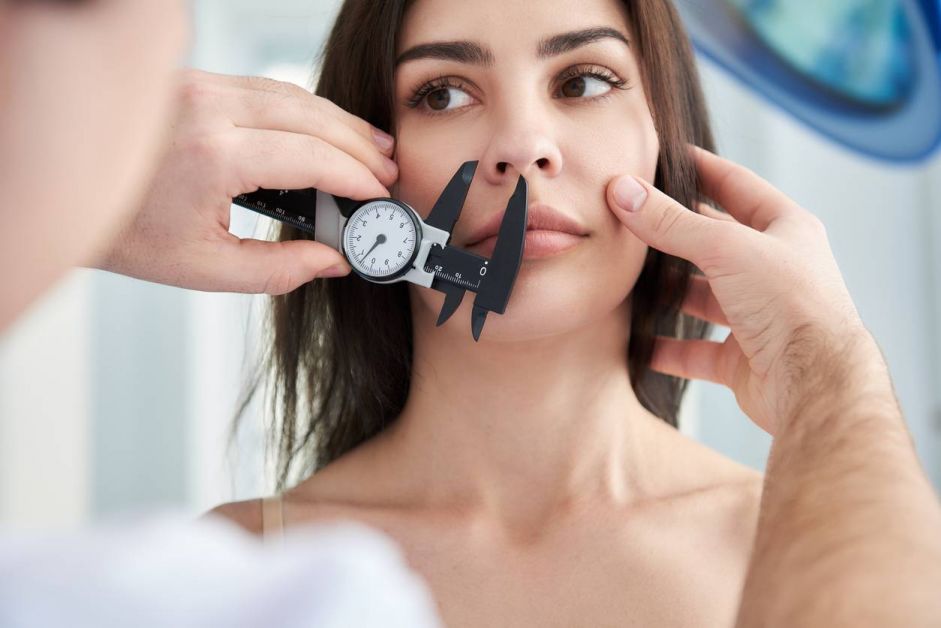
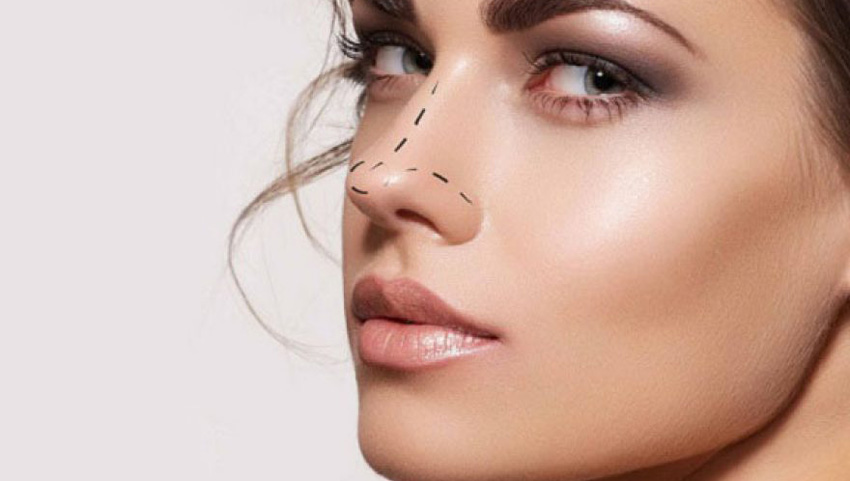
Ultrasonic rhinoplasty refers to the use of a piezoelectric surgical instrument to cut or reshape selected nasal bone during an operation. The instrument is one part of a rhinoplasty plan, not a separate answer to every nasal concern. Cartilage, skin, breathing and facial proportions still need individual evaluation. Studies comparing piezoelectric and conventional bone work suggest some early differences in swelling and bruising in selected patients, but they do not guarantee a particular result or recovery for you. This English-language guide is for Canadian patients exploring surgery in Tunisia with Aylan Clinic; a surgeon must determine which techniques suit your anatomy.
What the term means
Piezoelectric bone work
A piezoelectric handpiece uses rapid mechanical vibration to act on mineralized tissue. In rhinoplasty it can be used for certain bone cuts, often called osteotomies, and bone contouring. Surgeons also use other instruments and techniques according to the task. The important discussion is which part of your nasal bones needs changing and why a particular tool is appropriate. A label such as “ultrasonic” does not tell you whether the proposed surgery includes tip work, septoplasty or another procedure.
Bone is only one part of the nose
The upper bridge is bony, while much of the middle and lower nose relies on cartilage and the tissues covering it. A person who wants only a change in tip definition may gain little from a tool designed for bone. A broad or crooked bony bridge is a different situation. Ask the surgeon to locate the concern on your own photographs and explain whether it arises from bone, cartilage, skin or a combination. The planned structural change matters more than the device's name.
A technique within rhinoplasty
Ultrasonic instruments may be used during open or another suitable surgical approach; access is selected according to the planned work and surgeon's judgment. Traditional instruments may still be used for other steps. The operation may include cartilage reshaping, grafts or functional procedures when indicated. This is why a quotation for “ultrasonic rhinoplasty” should specify the actual surgical tasks. The term describes a method for selected bone work, not a universal package or a promise of scarless surgery.
What evidence can and cannot tell you
Randomized studies and systematic reviews have examined early swelling, bruising, pain and other outcomes after piezoelectric versus conventional osteotomy. A recent systematic review reported favorable average results on several early postoperative days, though effects varied by day and study. These findings concern groups undergoing particular operations. They do not mean every patient will avoid bruising or that the final shape will be better because of the instrument. Discuss the relevance of this evidence to the bone work your surgeon actually proposes.
Reasons someone might consider it
Bridge width or shape
A patient may want to narrow a bony upper bridge, straighten a deviation or refine a contour. Controlled bone reshaping can be part of these plans, whether the surgeon uses a piezoelectric device or another method. The surgeon should identify exactly where width or asymmetry originates. Narrowing the bones alone may not address a broad middle vault or tip. Front, side and oblique photographs help show which change would make a meaningful difference.
A hump and its surrounding structures
A bridge hump may involve both bone and cartilage. After changing it, the surgeon considers the resulting contour, the position of the nasal bones and the support of the middle vault. Bone work can be performed with an ultrasonic instrument when suitable, but the cartilage plan and airway remain important. Ask whether the bridge will be reduced, preserved, augmented or supported in another way. A smooth profile should also look coherent from the front.
A crooked nose
Crooked appearance may come from old injury, uneven bones, cartilage, a deviated septum or natural facial asymmetry. An ultrasonic device can assist with selected bony adjustments; it cannot by itself straighten an untreated septum or guarantee perfect symmetry. The consultation should map each component and assess breathing. If the concern follows a recent injury, urgent or earlier management may differ from elective rhinoplasty for an established deformity.
Preferences about early recovery
Some people ask about ultrasound because they hope for less bruising or swelling. Comparative evidence supports discussing this as a possible group-level early benefit of piezoelectric osteotomy. Your own recovery still depends on the amount of surgery, tissue response, grafts, anaesthesia and aftercare. You should plan for swelling, splint care and gradual refinement even when ultrasound is used. A small average advantage in early days should not dictate the overall surgical plan if the proposed tool is unsuited to your anatomy.
Anatomy and candidacy
Bone and cartilage examination
The surgeon evaluates the upper bony vault, middle cartilaginous vault, tip and septum separately. A prominent profile can sometimes be influenced by chin proportions, while apparent width may originate lower than the bones. Skin thickness affects how underlying changes appear. Ask to see which structure corresponds to each desired change. If the bony part requires little or no adjustment, a piezoelectric device may not be relevant even though rhinoplasty could still be considered.
Skin, scars and prior surgery
Skin and soft tissue cover the reshaped framework. Thick tissue may soften fine contours, while thin tissue can reveal minor irregularities. Prior surgery or trauma can change bone, cartilage and scar tissue. A revision case needs assessment of earlier operations and available graft material regardless of which instrument is used on bone. An ultrasonic method is not a shortcut around the anatomical limits created by a previous operation.
Functional assessment
The septum, nasal valves, turbinates and inflammatory conditions can affect breathing. If you have nasal obstruction, tell the surgeon when it occurs and what treatment you have already tried. A functional plan may involve septoplasty or structural support in selected cases. Piezoelectric bone work does not treat allergies or automatically correct an internal blockage. Breathing must be evaluated on its own terms and protected during any cosmetic adjustment.
Medical suitability and expectations
A consultation includes overall health, medication, previous anaesthesia, smoking or nicotine use, nasal injury and your priorities. The surgeon can assess whether you are a candidate for surgery, whether bone work is needed and whether the anticipated change is worthwhile. If your requested improvement concerns only the tip, ask why an ultrasonic component is proposed at all. Digital simulations are aids to communication, not guarantees of the final contour or recovery.
Surgical choices in context
Conventional osteotomy and piezoelectric osteotomy
Both are ways of making controlled changes to nasal bones. The piezoelectric device has a different physical action from conventional cutting instruments. Research compares postoperative outcomes in particular patient groups, but the surgeon's planning, access and experience remain central. Ask what bone cuts are expected, which method the surgeon recommends and what trade-offs matter in your case. It is reasonable for a surgeon to use more than one instrument during an operation.
Access and visibility
An open approach has a small incision across the columella in addition to internal incisions; a closed approach uses incisions within the nostrils. The chosen route reflects the work needed and the surgeon's technique. Do not assume that the use of ultrasound determines incision placement. Ask for a diagram of the planned access, whether any extra incisions are anticipated and how they will be cared for. The relationship between visibility, precise bone work and cartilage reconstruction is individual.
Tip and cartilage techniques
Tip position, rotation and definition depend mainly on cartilage support and the overlying skin. A piezoelectric instrument used on bone does not replace tip sutures, grafts or other cartilage techniques when they are required. A patient can be offered ultrasonic bone work together with a conventional tip refinement, or tip work alone without ultrasound. The surgeon should explain which parts of the operation use which methods so expectations follow the anatomy.
Septoplasty, valves and turbinates
When an examination finds a deviated septum, weak valve or enlarged turbinate contributing to obstruction, targeted functional care may be discussed. That work has its own indication and should not be inferred from an aesthetic package name. Allergy and inflammation may still require medical treatment. Ask which symptoms the surgeon expects to improve through surgery, what structural finding supports that expectation and when postoperative breathing will be reassessed after swelling.

Grafts and support
A bridge or tip may need cartilage to maintain or restore support. Septal cartilage is commonly considered when available; ear or rib cartilage may be discussed for selected cases, especially revisions. Donor sites carry separate recovery needs. A graft decision depends on the structural plan rather than the use of piezoelectric bone work. If a quotation includes a graft, ask why it is needed and whether that changes expected activity or travel timing.
| Question in consultation | Why it matters | What to ask the surgeon |
|---|---|---|
| Is bony reshaping needed? | Ultrasound is used for selected bone work | Which bone and what change? |
| Is the concern mainly the tip? | Tip shape depends largely on cartilage and skin | Which non-bone steps are planned? |
| Is breathing affected? | Airway problems need separate assessment | What finding explains symptoms? |
| What does the evidence support? | Early group outcomes vary | What should I expect personally? |
| Is earlier surgery involved? | Scars and graft availability change the plan | How will prior records be used? |
Discussing the research honestly
Early swelling and bruising
Published comparisons have reported less early swelling or bruising on some postoperative days for piezoelectric osteotomy groups. The precise advantage varies across studies and time points, and an individual may still develop conspicuous bruising. The surgical plan can also include non-bony steps that affect recovery. Ask your surgeon how much bone work is planned and what early recovery usually looks like for a similar operation in their practice. Treat published averages as information for a conversation, not a guarantee in an advertisement.
Pain and operating time
Some trials have evaluated pain and time spent on osteotomy, but results depend on study design and surgical methods. A recent meta-analysis found an early pain difference at one assessed day while operative-time findings remained uncertain. Total time in the operating room includes anaesthesia, access, cartilage work and closure, not just bone cuts. Your clinician should estimate the overall procedure and recovery based on the full plan. The presence of an ultrasonic device should not be interpreted as proof that surgery is shorter, painless or free from a need for medication.
Final appearance and function
Early bruising is not the same outcome as final shape. The contour depends on the design, bone positioning, cartilage support, skin and healing. Airway comfort depends on structural and inflammatory factors. The evidence on early postoperative effects does not justify a promise that ultrasound alone produces a more attractive nose or a superior long-term breathing result. Ask the surgeon to connect their instrument choice to your anatomy and to define how they will assess shape and breathing over the following months.
Marketing language to question
Terms such as bloodless, painless or no downtime oversimplify surgery. Bone work can still be followed by swelling, a splint and activity limits. An exact degree of bruising cannot be predicted before the operation. A useful description tells you what ultrasound is used for and what remains unchanged in the recovery plan. If a clinic emphasizes the device more than the surgeon's proposed structural work or follow-up, ask for a detailed surgical explanation before deciding.
Planning care in Tunisia
Identify the surgeon and facility
Confirm who performs the operation, their qualifications, their experience with the proposed bone and cartilage techniques and the facility's arrangements for anaesthesia and recovery. Ask who sees you after surgery and who handles an urgent question after hours. Aylan Clinic can help coordinate consultation and travel information, while clinical decisions belong to the operating team. The surgeon should be able to explain why ultrasound is useful in your case rather than simply naming the technology.
Allow an in-person examination
Photographs and a remote discussion can help establish priorities, but the bony bridge, internal passages and tissue quality need appropriate examination before a final plan. If the surgeon's assessment changes the proposed procedure after you arrive, you should have time to consider it. Plan a stay that includes preoperative consultation and scheduled postoperative checks. Ask what clinical circumstances could delay surgery or the return flight.
Compare an itemized quotation
Request a written breakdown of surgery, anaesthesia, facility, any functional or graft work, medicines, postoperative visits and accommodation or transport if offered. Clarify whether the ultrasound technique changes the fee and what happens if the in-person examination leads to a different plan. Costs of extra care and follow-up after returning to Canada deserve separate discussion. Compare the quality and completeness of the clinical proposal, not just the device label or package price.
Arrange continuity after return
Identify a Canadian clinician who can assess a concern that needs examination. Before departure, obtain an operative summary describing the technique and other procedures performed, along with prescriptions and contact details. Agree on scheduled remote reviews and how to send photographs securely. A lengthy international journey and a time-zone difference make an explicit follow-up pathway useful. The CDC recommends planning continuity of care before travelling for medical treatment.
Preparing for surgery
Share your history
List all medications and supplements, allergies, operations, nasal injuries, breathing symptoms, chronic illnesses and any issues with anaesthesia. Tell the team about nicotine or smoking. Do not stop prescribed medication on your own. Follow instructions about testing and preparation tailored to your health and the extent of surgery. If you are ill or unusually congested close to the procedure, contact the clinical team so they can assess timing.
Define the result in your own terms
Explain whether you want a smoother profile, a narrower bony bridge, a straighter front view or something else. Bring consistent photographs and identify features to retain. Ask which changes use piezoelectric bone work, which use cartilage surgery and which concerns will remain outside the operation. This breakdown prevents a technology-focused conversation from replacing informed consent. A simulation can illustrate a direction, but healing and asymmetry limit precision.
Consent and practical planning
Review the intended incisions, bone cuts, tip or septal work, possible grafts, expected recovery and alternatives. Discuss material risks such as bleeding, infection, contour differences, changes in breathing or need for later treatment in proportion to your case. Arrange help with transport, a comfortable place to rest and flexibility for postoperative review. Written instructions should clarify splint care, medicines and when to contact the team.
Operation and recovery
During the operation
The team administers anaesthesia and accesses the nasal framework through the planned incisions. When appropriate, the surgeon uses the piezoelectric instrument to reshape or cut selected bone, then completes any cartilage, septal or graft work needed for the agreed plan. The incision is closed and external or internal support may be placed. The exact sequence varies. Afterward, the team explains what was actually done and when the next examination will take place.
First days
Swelling, bruising, congestion and a little blood-tinged drainage may occur even when ultrasonic bone work was used. Follow instructions for protecting the splint, cleaning, resting and taking medication. Avoid knocks and do not adjust internal or external supports yourself. Ask before blowing your nose, wearing glasses or restarting strenuous activity. An early blocked feeling usually reflects healing and cannot establish the eventual breathing result. Report symptoms that differ from the written plan.
The following weeks
Visible bruising may improve while swelling persists. The surgeon advises when you can return to desk work, exercise, sun exposure and travel. These dates reflect the whole operation rather than the bone instrument alone. Be careful with activities that could put pressure on the nose. If septoplasty, grafting or revision was included, recovery may differ from that of a simpler bone adjustment. Keep scheduled reviews and ask when the team expects to remove the splint or check the internal passages.
The mature contour
The bridge and tip can settle at different rates. The American Society of Plastic Surgeons notes that the nasal contour may take up to a year to fully refine after rhinoplasty. Changes can fluctuate during that period. Taking consistent photographs at spaced intervals is more useful than deciding on a final result immediately after splint removal. Ask the surgeon how the tissue envelope and extent of surgery might affect your timeline. An early improvement in bruising does not compress the months needed for structural and soft-tissue healing.
How the instrument fits an individual surgical plan
Mapping the upper bridge
The surgeon first determines whether the bony upper bridge is actually the source of the feature you want changed. A frontal photograph, a profile and examination may point to different structures. A bridge can look broad because of its bones, its middle cartilages or the overlying tissue. If a bony adjustment is appropriate, the surgeon can explain the intended cuts or contouring and whether a piezoelectric tool helps perform them. Ask how the upper bridge will meet the middle part after surgery. A smooth transition and adequate support are more meaningful than merely knowing that the latest device was used.

Bone cuts and bone contouring
An osteotomy is a controlled bone cut that allows repositioning; contouring changes a surface. These are related but distinct tasks. Your surgeon may plan one or both, depending on bridge width, asymmetry and the shape left after any hump reduction. Ask which step is proposed and what result it is expected to create. The term ultrasonic rhinoplasty does not establish that every patient needs bone cuts. In some noses an operation can focus on cartilage, and in others conventional instruments may suit the bony task. The method should follow the plan for anatomy, symmetry and breathing.
Hump reduction involves more than bone
A hump can extend through bone and cartilage. The relative contributions are assessed by examination and photographs. Bone contouring with a piezoelectric device may be one part of treatment, while support of the cartilaginous middle vault remains a separate concern. A surgeon should explain how the frontal bridge lines will look after lowering a profile hump and whether the bones must be repositioned. If a patient wants only a very small change, preserving natural contours may be more appropriate than pursuing maximum reduction. A careful discussion keeps the final facial balance and airway in view.
Straightening after trauma
Old trauma may displace bone and leave cartilage or septum crooked. Precise bony work can be useful, but the overall plan needs to address every structure responsible for the deviation. A surgeon should also explain that facial asymmetry can limit the appearance of perfect straightness. Describe whether breathing became difficult after injury and provide any earlier treatment records. The choice of an ultrasonic instrument does not solve an unexamined septal deviation. A realistic goal is an improvement in the specific visible and functional concerns identified during consultation.
Why cartilage still matters
The nasal tip and much of the midsection are supported by cartilage. A smaller or smoother bony bridge may look unbalanced if tip projection or middle-vault support is ignored. Ask how cartilage will be preserved, repositioned or grafted, and whether these steps affect the quotation and recovery. A surgeon may use an ultrasonic device for bone, then conventional techniques for tip and septum. This combination is ordinary: a procedure is designed around different tissue types. Be wary of language suggesting that one instrument is responsible for every part of the result.
When the tip is the only concern
If you want a more defined or differently positioned tip and are satisfied with the bony bridge, ask whether any bone work is necessary. Tip refinement can involve cartilage sutures, repositioning or grafts according to anatomy. The skin envelope influences how clearly that structural work will appear. An ultrasonic label should not lead to an unnecessary bony procedure merely to fit a marketed package. Request a plan that states which structures change and why. You can then assess the proposed operation by its actual goals rather than by the technology used elsewhere in the operating room.
Midvault support and airflow
The middle third lies between the bony upper nose and the cartilage of the lower nose. Its support contributes to the visible bridge and to airflow through the nasal valves. Narrowing the upper bridge or reducing a hump can affect how the sections meet. Ask how the surgeon will preserve or restore this transition, especially if you already report obstruction. A separate functional assessment may identify septal or valve changes requiring treatment. The instrument used on bone does not determine whether that work is necessary. Appearance and breathing should be addressed in the same anatomical plan.
Comparing early recovery claims
A research result describing less bruising on average after piezoelectric osteotomy is useful, but “less” does not mean “none.” Studies may use different surgical access, grading systems and postoperative days. Your own degree of swelling will also reflect bone repositioning, tip work, grafts and tissue response. Ask the surgeon what an ordinary recovery looks like for the exact plan proposed. Book leave from work and travel with room for expected swelling and postoperative checks. Choosing a method solely to look presentable on a fixed early date can create an expectation that no surgeon can guarantee.
Understanding the study population
A comparison of two osteotomy methods generally applies to people who actually require osteotomy and meet the study's other criteria. It may say little about a tip-only operation, a complex revision or someone with a different combination of functional procedures. A 2026 review pooled randomized trials and reported early postoperative differences at some time points, while the effect was not significant at every assessed day. This supports a careful discussion of possible short-term benefits. It does not establish a universal advantage for final appearance, breathing or long-term patient satisfaction. Ask how closely your intended operation resembles the cases studied.
Surgeon experience with the chosen method
Skill in planning a rhinoplasty and performing the selected bone work remains important. Ask how the surgeon uses the device, what they do when the bony anatomy requires a different instrument and how they protect the airway. Experience should be discussed through the procedures the surgeon performs and the reasoning behind your own plan, not through an unsupported number of advertised cases. Clarify who is operating and who will see you afterward. A well-equipped facility is valuable, but the device alone cannot make a decision about contour, support or symmetry.
Open access and the small columellar incision
An open approach provides direct exposure of nasal structures but includes a small incision between the nostrils. A closed approach uses internal incisions. Depending on the surgical plan, piezoelectric bone work can be considered with access appropriate to the technique, and other cartilage work may influence the choice. Ask why your surgeon prefers one route, where scars are expected and what postoperative care is needed. The term ultrasonic should not be presented as a guarantee of invisible incisions. Incision choice must be part of informed consent for the entire operation.
Revision and the limits of a device
A patient seeking to correct an earlier result may have scar tissue, altered cartilage and less septal graft material available. The piezoelectric tool can address selected bony issues if indicated, but it does not restore missing tip support or replace a revision graft. Provide operative reports and older photographs. Ask what caused the current concern and which steps will address it. A surgeon may recommend reconstruction that goes well beyond bone work, or advise waiting until earlier healing is stable. Revision candidacy should be evaluated separately from enthusiasm for a particular tool.
Functional work with an aesthetic change
A patient may want a straighter bridge and more comfortable breathing. The surgeon needs to examine the septum, valves, turbinates and signs of inflammation to determine why breathing is difficult. If functional steps are included, list them individually in the plan and discuss how outcomes will be reviewed. Septoplasty is not implied by the use of ultrasonic bone work, and medical management may remain necessary for allergy. An early feeling of congestion after surgery is expected to be interpreted in the context of healing. The longer-term result should reflect both appearance and the specific baseline breathing concern.
The role of grafts in a bridge plan
Reducing a hump or reshaping bones may require attention to support elsewhere on the bridge. A surgeon can discuss whether a cartilage graft is needed and, if so, where tissue may be taken from. Septal, ear and rib cartilage have different applications and donor-site implications. These decisions depend on the patient's structure, previous procedures and desired degree of change. Ask for an explanation of any graft in the quote and consent. A precise bone instrument does not eliminate the need for structural support when support is part of the problem.
Nasal base and nostril preferences
Changes at the nasal base concern tissue other than the upper nasal bone. If you want narrower nostrils or wish to keep their present shape, say so explicitly. Ask whether any separate base procedure is proposed, where its incision would be and how it might affect airflow. Bone work higher up can also change the visual proportions of the base, even without directly operating on it. Review front and lower views in the consultation. A comprehensive aesthetic plan should explain the relationship without implying that the ultrasonic instrument is used to reshape every part of the nose.
A realistic schedule for the first week
Expect a postoperative examination, care of any splint and attention to swelling and congestion. The exact dates depend on the surgeon's instructions and the other procedures performed. Arrange accommodation near care, suitable transport and a way to contact the team. Avoid booking the flight home before discussing the required in-person checks. If you want to return to work remotely, consider whether you will be comfortable with visible swelling or a splint. The potential average early bruising benefit reported in studies does not replace a practical recovery plan.
Travel with a long return flight
A Canada-bound itinerary may involve several hours of sitting, transfers and luggage handling. Ask for a specific recommendation about when to fly after examination, and discuss movement, hydration and protection from pressure on the nose. If functional surgery or a donor-site graft is included, travel comfort and follow-up may differ. Keep medications and your operative summary accessible. Identify local care before departure for any symptom that requires an examination. A package length advertised online cannot determine the right travel date for your own recovery.

Reviewing a result over time
Early photographs show a changing nose. Compare the bridge, tip and breathing at intervals agreed with the surgeon rather than making a final judgment when the splint comes off. Use consistent lighting and angles; a wide-angle phone photo can distort proportions. Ask which changes are expected as swelling settles and how to report a concern. If an irregularity remains after appropriate healing, the team can assess whether it reflects bone, cartilage, skin or scar. The choice of piezoelectric bone work is one item in the operative record, while the result is assessed against the whole plan.
A question about costs and value
If a clinic charges more for ultrasonic rhinoplasty, ask which additional resources or steps that price covers and whether the instrument is actually planned for your case. Compare quotations that include the same clinical scope, facility care, anaesthesia and follow-up. A lower or higher fee does not establish whether the surgeon's proposed change is right for you. Request an itemized estimate that identifies functional procedures, grafts and services excluded from the package. Leave room in your budget for travel changes or care after returning to Canada. Cost clarity helps prevent a device label from standing in for a meaningful comparison.
When observation is the sound choice
After examination, the surgeon may conclude that the feature you dislike is slight, that bone work offers little benefit or that a breathing problem needs medical assessment first. You can also decide that the likely improvement is not worth an operation. This is a valid result of consultation, even when you originally asked about ultrasonic surgery. Ask for a plain explanation of the alternatives and what each would address. Your informed choice should follow your anatomy and priorities, rather than an expectation that every person enquiring about a device should use it.
Precision and the appearance you actually want
The word precise is meaningful only when it relates to a specified bone cut or contour. Ask what difference the surgeon intends to make in the upper bridge and how the other steps of surgery will complement it. Precision of an instrument cannot choose a flattering profile or decide how narrow the nose should be. These are planning decisions based on your face, preference and breathing. Compare the predicted change in front and profile views, and identify features you want untouched. A conservative plan with a clear objective can be more appropriate than a technically elaborate operation with an unclear benefit.
Understanding variability in published findings
Research studies vary in the number of participants, surgical technique, how bruising is scored and which postoperative day is assessed. An average reduction on one day does not mean the same effect at every point in recovery. A meta-analysis combines studies but remains limited by differences among them. Ask the surgeon what findings are relevant to the specific bony work you need and what they cannot predict. This is a reasonable way to use evidence without dismissing it or turning it into a guarantee. You still need a plan for ordinary swelling, splint care and gradual refinement.
Protecting the tissues around bone
One rationale for piezoelectric instruments is their action on mineralized tissue during planned bone work. How well surrounding structures are protected in an actual operation also depends on exposure, the surgeon's technique and the complete procedure. Do not interpret a general claim of selectivity as a promise of no bruising, no mucosal injury or no bleeding. Ask the surgeon how they approach the area and which tissues require attention in your case. The wider operation may involve cartilage, soft tissue or septal work with different methods. The appropriate comparison is between complete surgical plans for your anatomy.
Surgery on a previously operated nose
If you have had rhinoplasty before, send your operative records and old photographs. A prior hump reduction or osteotomy may have changed bone position, cartilage support and scars. Piezoelectric reshaping can be considered if the remaining bony anatomy calls for it, but it cannot replace an assessment of the middle vault, tip and graft needs. Timing also matters if the earlier result is still maturing. Ask which part of the present concern arises from bone and which part requires another technique. The revision surgeon may advise a different instrument or no further bone work at all.
The difference between comfort and healing
A patient may feel ready to resume desk work before swelling has settled, while another may have little bruising but still need to protect the bone and cartilage framework. The surgeon's advice about glasses, exercise, contact sports and sun exposure applies to tissue healing, not just visible marks. Plan social activities separately from medical activity limits. Ask what can be done when the splint is removed and what remains restricted afterward. A possible advantage in early appearance should not be confused with immediate structural healing or a fully mature final contour.
Recording the actual method used
The postoperative report should state the bone work performed and any septal, tip or graft procedures. This record is useful if you later have an injury, a breathing concern or another facial treatment. Take a copy back to Canada with the medication list and follow-up schedule. If the preoperative plan changed during surgery, ask the team to explain what changed and why. A clear record helps your local clinician understand the operation without relying on the broad label “ultrasonic rhinoplasty,” which by itself gives little detail about the completed work.
Discuss the technique with Aylan Clinic
Tell Aylan Clinic what you want to change about your nose and whether breathing is a concern. Ask for a consultation in which the surgeon explains whether piezoelectric bone work is relevant, what other steps would be necessary and how recovery and follow-up will be arranged. Request a written, itemized plan before committing to travel. The best use of a tool begins with the anatomy and result you want, followed by a frank discussion of what the operation can achieve.
Medical and travel references
- American Society of Plastic Surgeons, Rhinoplasty
- American Society of Plastic Surgeons, Rhinoplasty recovery
- Aesthetic Surgery Journal, Piezoelectric versus conventional rhinoplasty systematic review 2026
- American Academy of Otolaryngology Head and Neck Surgery, Improving Nasal Form and Function after Rhinoplasty
- CDC, Medical Tourism
You may also want to compare Revision Rhinoplasty in Tunisia.
Continue exploring our facial surgery in Tunisia overview, the complete aesthetic surgery panorama, compare plastic surgery prices in Tunisia, or request a free, personalized quote.
Everything about Ultrasonic Rhinoplasty in Tunisia
Technique, pricing, results and the full patient journey — every detailed answer in our complete guide.