
SADI-S surgery in Tunisia combines a sleeve-shaped stomach with a bypass of part of the small intestine. Its full name is single-anastomosis duodeno-ileal bypass with sleeve gastrectomy. The operation can be performed as one procedure or considered after a prior sleeve in selected patients. It changes food capacity and the route of digestion, and it calls for especially careful protein, vitamin and mineral planning over the long term. One intestinal connection makes its construction different from a traditional duodenal switch, but it does not make the nutritional follow-up optional.
This guide explains the anatomy, selection, alternatives, preparation, hospital pathway, staged diet and follow-up for a Canadian patient considering treatment in Tunisia. It is a discussion aid rather than an individual recommendation. A bariatric surgeon, dietitian and relevant medical clinicians must decide whether the benefits justify the operation for your medical history. Before travel, establish where postoperative bloodwork, supplements and clinical assessments will be managed in Canada.
What the name SADI-S means
Sleeve gastrectomy component
The stomach is shaped into a narrower sleeve, with a substantial outer portion removed. This changes comfortable portion size and contributes to appetite-related effects. The sleeve component is a permanent anatomical change; the removed tissue is not expected to return. If you already have a sleeve, the team may consider whether it can be used as part of a staged approach. Ask for an explanation of your current stomach shape, any prior operative records and whether revision of the sleeve itself is being proposed.
Duodeno-ileal connection
The first part of the small intestine, the duodenum, is divided beyond the stomach outlet. A downstream segment of the small intestine is brought up and joined to the duodenum at a single intestinal connection. Food then travels through the sleeve and into a later portion of the intestine. Digestive juices follow a different route and meet food downstream. Ask the surgeon to show the connection and the length of bowel involved on a drawing, since these details influence nutrition and future medical care.
The role of the pylorus
The SADI-S arrangement retains the pylorus, the valve at the stomach outlet. This distinguishes it from bypasses that connect a newly made pouch directly to jejunum. Keeping the pylorus influences how food leaves the stomach, but does not eliminate possible digestive symptoms or nutritional deficiencies. An explanation that simply says “one join” misses the roles of the sleeve, duodenum and intestinal route. Understanding each component helps you compare SADI-S with other bariatric operations and communicate your anatomy to Canadian clinicians.
One intestinal join, substantial follow-up
The single anastomosis refers to the duodenum-to-ileum connection. The SADI-S is often described as technically simpler than the traditional two-connection biliopancreatic diversion with duodenal switch, but nutritional requirements can still be significant. Ask whether the surgeon is discussing one-stage surgery or a conversion after an existing sleeve. Request the precise operative plan and later nutrition schedule in writing. The number of intestinal joins is not a measure of how little aftercare you will need.
Changes in digestion and metabolism
The operation combines reduced food capacity with a different length of intestine available for food to mix with digestive fluids. This can support considerable weight and metabolic change in selected patients. Results depend on individual physiology, the precise operation, eating, health conditions and follow-up. Do not treat an advertised percentage as an individual prediction. The team should explain what changes it expects in your diabetes or other conditions and who will monitor medicines during the early postoperative period.
Deciding whether SADI-S fits
Eligibility beyond a single number
Professional metabolic and bariatric guidance assesses BMI together with obesity-related illness, prior treatment and individual circumstances. The 2022 ASMBS and IFSO statement recommends surgery at BMI 35 or above regardless of coexisting disease and describes circumstances for consideration at lower BMI. That general guidance does not decide which particular procedure fits a person. SADI-S requires a separate evaluation of nutrition, reflux, bowel health, prior surgery and capacity for long-term follow-up. A booking form cannot make that decision.
Higher metabolic treatment needs
A clinician may discuss SADI-S when durable weight and metabolic effects are particularly important. The comparison must still be individualized and balanced with the operation's nutritional demands. Ask how your diabetes duration, medicines, complications, sleep apnea and other health goals influence the recommendation. No procedure guarantees that medication can be stopped or a condition permanently disappears. Set goals that include function, laboratory measures and wellbeing as well as weight.
After a previous sleeve
SADI-S may be considered after sleeve gastrectomy if the treatment response is insufficient or weight has returned. A second-stage procedure requires detailed review of the old operation, current anatomy, reflux symptoms, eating pattern and nutritional status. Ask why an intestinal bypass is proposed and what other revisional approaches were considered. The plan should specify whether the sleeve remains unchanged or will be revised. Bring the first operative report and any subsequent endoscopy or imaging to the consultation.
Reflux must be evaluated
Because SADI-S includes a sleeve, new or worsening reflux is possible. Someone who already has significant heartburn after a sleeve should not assume that adding the intestinal bypass will resolve it. Describe symptoms, prior endoscopy, hiatal hernia and medicine use. Ask the surgeon whether further testing is needed and why SADI-S is recommended instead of an operation with a different reflux profile. The American Society for Metabolic and Bariatric Surgery identifies reflux as a possible disadvantage, which makes an individualized conversation essential.
Existing nutritional difficulties
Low protein intake, anaemia, low vitamin levels or restricted diets need attention before an operation with substantial nutrition requirements. Inform the team about previous supplements, bowel symptoms, food intolerance and any prior difficulty maintaining follow-up. The surgeon and dietitian may recommend treating deficiencies first or choosing another approach. A realistic plan includes affordable, available supplements and a Canadian clinician who can interpret tests and adjust care. Good nutrition before surgery provides a stronger starting point afterward.
Bowel and liver health
Tell the team about chronic diarrhoea, inflammatory bowel disease, previous intestinal surgery, liver disease or unexplained digestive symptoms. The altered intestinal route may make these details relevant to procedure choice and later assessment. The team may need additional records or specialist advice. An online BMI assessment cannot capture the practical effect of frequent bowel movements or a complex medical history on daily life. Ask what findings would lead to a different recommendation.
Psychological and social support
A major digestive operation affects meals, family routines, body image and access to support. A multidisciplinary assessment can identify resources for eating patterns, mental health, alcohol use or adherence challenges without blaming the patient. Discuss how you will obtain dietitian appointments and laboratory tests after returning home. If transport, work or caregiving makes follow-up difficult, raise that before surgery. The safest operation for an individual is one that can be supported in the circumstances of their life.
Pregnancy planning
Pregnancy following bariatric surgery requires coordination because nutritional needs change and the early weight-change period calls for special consideration. Ask bariatric and obstetric clinicians about timing, contraception and laboratory monitoring for your circumstances. Do not generalize a social media timeline to a more nutritionally demanding procedure. If pregnancy becomes possible after surgery, review your supplement regimen promptly with clinicians familiar with SADI-S and prenatal care.
| Clinical question | Why it deserves attention |
|---|---|
| Previous sleeve | Defines whether this is a staged or primary operation |
| Reflux history | A sleeve component may worsen symptoms |
| Protein and vitamin status | Deficiencies should be identified and addressed |
| Bowel pattern | Helps judge daily tolerance and investigate symptoms |
| Canadian care access | Determines whether lifelong testing is workable |
Comparing SADI-S with other operations
Sleeve gastrectomy alone
A sleeve changes stomach size without intentionally rerouting the small intestine. SADI-S includes that stomach change and adds a duodeno-ileal bypass. This can alter metabolic effects and increases the importance of nutritional monitoring. A person who has already undergone a sleeve should not view the second step as merely finishing an incomplete procedure. It is a new clinical decision. Ask what problem the added bypass is intended to address and what new obligations it creates.
Traditional duodenal switch
A biliopancreatic diversion with duodenal switch also combines a sleeve with intestinal rerouting, but its conventional reconstruction involves two intestinal connections. SADI-S uses one. Both require a serious commitment to dietary and vitamin follow-up. Ask the surgeon to distinguish the exact anatomy proposed and explain why it suits you. Terms like “modified switch” may obscure information that a future clinician needs. Keep a copy of the operative diagram and report.
Roux-en-Y gastric bypass
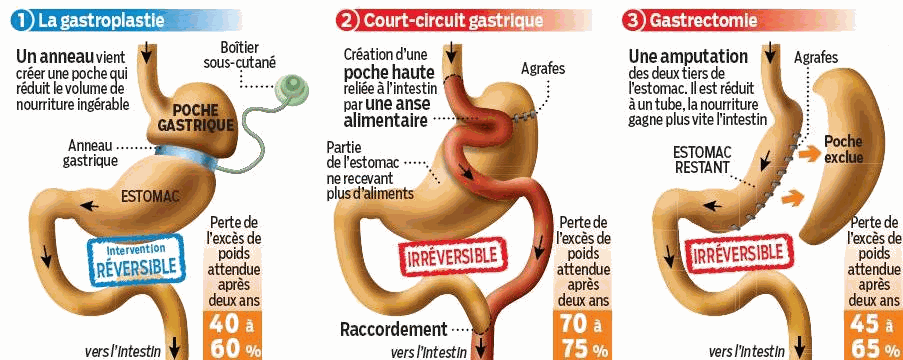
Roux-en-Y creates a small gastric pouch and two intestinal connections in a Y configuration. It has a different stomach and reflux profile from SADI-S. Someone with prominent reflux may need that distinction explored carefully, while diabetes and weight goals also matter. Do not choose purely on the number of joins or a generic comparison of weight-loss averages. The team should present the advantages and demands of each operation for your medical history and long-term follow-up access.
One-anastomosis gastric bypass
One-anastomosis or mini gastric bypass also has a single intestinal join, but the anatomy differs: a long stomach pouch is connected to jejunum, while SADI-S uses a sleeve, retains the pylorus and joins the duodenum to ileum. A price list may make the names look similar; clinically they are distinct operations. Ask which is actually proposed, where digestive juices meet food and how the nutritional plan differs. A precise name helps prevent confusion in later treatment.
Nonsurgical treatment
Nutrition care, physical activity adapted to health, behavioural support and obesity medication may be relevant alternatives or complementary treatment. A qualified clinician can explain how earlier approaches and current health affect the choice. Do not stop prescribed treatment merely because you are considering surgery abroad. Correcting a nutritional deficiency or stabilizing another illness before booking may be the best immediate decision. The consultation should provide room to defer, compare and obtain another opinion.
Preparing for SADI-S in Canada
Collect complete medical records
Gather previous operative notes, relevant imaging or endoscopy, specialist reports, a medicine and supplement list, allergies, and records for diabetes, sleep apnea or other conditions. If you already have a sleeve, an accurate operative report is especially useful. Ask which documents should be translated for the Tunisian team. Preliminary remote review can highlight missing information, but the final operation plan should follow in-person evaluation and any required tests. Make sure important records reach clinical staff rather than only a booking coordinator.
Baseline bloodwork and diet review
The bariatric team may assess blood count, iron indices, B12, folate, vitamin D, calcium-related measures and other nutrients according to your circumstances. Protein intake and existing deficiencies deserve particular attention. Ask a dietitian to review ordinary meals, food restrictions and supplement use. A baseline record allows Canadian clinicians to compare later tests. If a result is low, establish a correction plan and determine whether surgery should wait; the postoperative regimen is not a substitute for addressing an existing problem.
Review medicines and metabolic markers
Provide the names and doses of all medicines, including diabetes drugs, painkillers and nonprescription products. Changes in food intake and metabolic health may require clinical adjustment soon after surgery. Agree who will check glucose or blood pressure and who will modify prescriptions. Ask whether altered digestion affects a particular formulation. Never make changes based solely on a generic web article. Keep written perioperative instructions and a current list to share with Canadian prescribers.
Discuss bowel habits beforehand
Describe your usual bowel frequency and any persistent diarrhoea, constipation, abdominal pain or food intolerance. This helps the team identify symptoms that precede surgery and judge later changes accurately. It also gives the dietitian a better foundation for food advice. If an investigation is recommended, allow enough time for results before confirming the operation. A procedure with altered intestinal digestion merits more than an assumption that every pre-existing symptom will improve with weight loss.
Build a food and supplement supply plan
Ask for the preoperative eating instructions and the postoperative stages in advance. Identify how to obtain appropriate protein foods, recommended supplements and permitted fluids in Tunisia and Canada. Check prices and availability before booking. A dietitian can translate abstract protein goals into meals that fit your culture, allergies, finances and workday. Avoid buying large quantities of an unapproved product: the exact regimen may change with the team’s protocol and your blood tests.
Support, work and home recovery
Discuss likely time away from work in light of the surgery, travel and your role's physical demands. Plan help with meals, household tasks and airport luggage. Identify a Canadian clinician and, if possible, a bariatric dietitian before leaving. Arrange time for early appointments and blood tests. A flexible schedule matters because final evaluation or recovery can alter flight plans. Practical support makes it more likely that food and supplements will receive attention during the busy first months.
The surgical pathway in Tunisia
Final consultation and consent
The surgeon should examine you, review records and explain the exact anatomical plan. Ask whether the sleeve and intestinal bypass are both being done now or whether a previous sleeve will be used. Discuss why the operation fits your goals, what alternatives exist and what would change the plan. If a new test reveals an issue, a revised schedule may be clinically appropriate. Give yourself enough time to understand the consent rather than treating a travel date as the final medical decision.
Anaesthesia and the facility
SADI-S generally requires general anaesthesia, with operative technique and hospital resources planned according to the patient. Tell the anaesthesia team about sleep apnea, CPAP, heart or lung conditions and previous anaesthetic problems. Ask who is available after surgery and how the facility handles an unexpected need for further care. A named anaesthetist and surgeon should answer clinical questions directly. The coordinator's role is to support the pathway and communication.
Forming the sleeve
For a one-stage procedure, the surgeon creates the sleeve stomach as part of the operation. When a sleeve already exists, its anatomy is reviewed and may or may not need additional work. Technique depends on the patient's records and findings. Ask whether another procedure, such as hernia repair, is planned and how it affects the consent and quotation. A postoperative report should say what was actually done, not only the broad marketing name.
Creating the intestinal bypass
The surgeon divides the duodenum beyond the stomach outlet and connects it to a later part of the small intestine, creating the single intestinal join. The planned intestinal measurements and technique are specialized decisions. Ask the surgeon how the chosen configuration informs nutrition and monitoring. Preserve the operative report with these details. A Canadian doctor evaluating later abdominal symptoms or a nutritional concern may need more than the label “SADI-S” to understand the anatomy.
Early recovery in hospital
The team monitors comfort, walking, hydration and progression to permitted liquids according to its protocol. The hospital stay depends on the individual's recovery and any further assessments needed. Ask which milestones are required before leaving the facility and who responds if problems arise at night. Early days are for healing, learning the eating plan and preparing for follow-up. A travel package should allow clinical judgment about the timing of discharge.
Records and discharge teaching
Before discharge, request a written operative summary, medication list, staged diet, supplement plan, future bloodwork schedule and dates of review. Ask who will check results that are still pending. Have someone repeat important instructions if fatigue makes them difficult to retain. Confirm a contact number and the local route to emergency assessment. Send the documents to your Canadian clinician; the most useful handover identifies both the sleeve and the duodeno-ileal connection.
Eating after SADI-S
Follow the staged diet
The dietitian and surgeon typically specify stages from liquids to softer textures and a later long-term eating pattern. Exact timing depends on the team and on tolerance. Do not speed through stages to fit a flight or compare yourself with another patient's recovery. Ask for written examples of foods you can obtain in Canada. The aims are hydration, healing and sufficient nourishment, which require attention even when early appetite is small.
Hydration throughout the day
Small, regular drinks may be easier than large volumes after a sleeve-shaped stomach. Ask the team for its hydration goal, drink choices and instructions about timing with meals. Keep permitted fluids accessible during airport transfers and at home. Report repeated difficulty meeting the plan; a phone call is preferable to guessing that inadequate intake is normal. Hydration can affect energy and recovery, especially during long-distance travel.
Protein needs deserve attention
Because SADI-S changes both intake and intestinal digestion, adequate protein is a central part of long-term care. A dietitian should set the individual target and explain how to meet it during each eating stage. Familiar foods, supplements if recommended and regular review can help. If protein intake is repeatedly too low, seek advice early. A generic packet of shakes is not a complete plan; the team should consider portion tolerance, bowel habits, food preferences and laboratory results.

Smaller meals and eating pace
Eat in the pattern recommended by the team, with small bites, thorough chewing and pauses to recognize fullness. Rapid eating or pushing past discomfort can make food harder to tolerate. Long-term meals should be nutritionally useful, not simply small. A dietitian can help fit them into work, family gatherings and travel. Keep track of foods that remain difficult, and raise persistent intolerance rather than removing more and more foods without guidance.
Bowel changes and food tolerance
Looser or more frequent stools may occur after SADI-S and can be influenced by food choices. Discuss what is typical for your team's patients and what should be assessed. A symptom diary can record meal content, timing, stool pattern and associated pain. Persistent or severe changes require medical review, especially if they limit eating or hydration. A clinician can help distinguish ordinary adaptation from a problem that deserves investigation.
Eating with others
It can help to explain your early food stages to a companion and plan suitable choices before a restaurant or family gathering. People around you may not understand why portions and textures differ. Decide what you want to share and ask for practical help without turning every meal into a discussion of weight. The dietitian should offer examples based on foods you actually eat. Sustainable routines make treatment more compatible with ordinary life.
When oral intake becomes difficult
Repeated vomiting, inability to maintain fluids, new severe pain or marked food intolerance should be reported promptly. If you are in Canada, seek appropriate local assessment and show the operative report. Do not treat persistent symptoms only by skipping protein or avoiding all supplements. The reason may need a clinical examination. Keep the surgeon's contact and urgent-care instructions close at hand rather than waiting for the next planned video call.
Vitamins, minerals and protein monitoring
Why follow-up is especially important
The changed intestinal route can reduce the absorption of nutrients and alter how much protein and fat is effectively used. A SADI-S patient needs an operation-specific regimen and ongoing clinical monitoring. The exact supplement products, doses and laboratory schedule depend on the surgical configuration and personal results. A standard over-the-counter multivitamin should not be assumed sufficient. Before travelling, identify a Canadian clinician able to order tests, interpret trends and coordinate treatment.
Protein and nutritional status
A dietitian should monitor intake, tolerance and weight changes, while the clinical team considers laboratory and physical signs of nutritional problems. Unintentional severe weakness, persistent swelling or ongoing inability to eat warrants assessment. Protein targets should be individualized and adjusted when circumstances change. Ask for concrete meal examples and a route to support if you cannot meet the plan. Adequate protein is a sustained practice, not a goal limited to the first postoperative weeks.
Fat-soluble vitamins
Vitamins A, D, E and K may require specific attention after procedures with intestinal bypass. The team should decide which are included in your supplement products and which measurements to monitor. Do not take high doses independently: both too little and too much can matter. Ask how the plan will change if a test is low or if pregnancy is being considered. Record the exact brands and doses so clinicians in Canada can understand what you are actually receiving.
Iron, B12 and folate
Iron status, vitamin B12 and folate need review according to the prescribed programme, especially when there was a preoperative deficiency or restricted eating. Fatigue or anaemia should be investigated instead of automatically attributed to weight loss. Supplement forms and intervals vary. A clinician should determine treatment from your blood tests and symptoms, then check whether it is effective. Keep results accessible when moving between healthcare systems.
Calcium, vitamin D and bone health
The long-term plan should address calcium and vitamin D and consider bone health in the context of your history. Ask the dietitian how to fit these supplements around other products and meals. The exact regimen belongs to the team, which can interpret laboratory findings and decide whether additional assessment is needed. A supplement schedule is most useful when it can be repeated every day for years, not only while the operation still feels new.
Other micronutrients
The team may monitor trace elements and additional vitamins according to the operation, symptoms and laboratory findings. Ask for the panel and timing in writing, including which results need prompt attention. Do not rely on the absence of symptoms to rule out deficiency. Changes in bowel habits, diet and medication can affect nutritional status over time. A Canadian clinician familiar with bariatric follow-up can coordinate investigation and consult the operating team when an anatomical detail matters.
A schedule beyond the first year
Tests tend to be more frequent during early recovery and continue at intervals thereafter, according to clinical guidance. Ask who orders them, who reviews the results and who adjusts supplements. A routine date on paper is not enough if no clinician has accepted responsibility. Keep a personal record of laboratory values, products and doses. If you relocate within Canada, transfer this information together with the operative report and ensure the new provider understands the particular nutritional demands of SADI-S.
Recovery and lasting outcomes
Returning to movement
Early walking is often encouraged as part of recovery, but the surgeon should tailor advice on lifting, driving and exercise. Long journeys require planning for rest and movement based on your medical circumstances. Later activity should suit your mobility and aims. Avoid setting an intense schedule before knowing how recovery unfolds. A gradual routine that can continue alongside work and family life contributes to health beyond the surgical period.
Changes in diabetes treatment
Blood sugar may change as food intake and metabolism change. A clinician should specify how often to check it and when medicines need review. The operation does not authorize a patient to stop insulin or other drugs independently. If you return to Canada quickly, arrange a local prescriber before surgery so adjustments are not delayed. Improvement can be substantial for some people, but continued monitoring remains important even when measurements initially look better.
Measuring benefit broadly
Weight is one measure among glucose, blood pressure, sleep, mobility, quality of life and nutritional wellbeing. Ask the team to define which outcomes matter for you and at what intervals they will be reviewed. Results vary and may evolve over years. Avoid comparing your response with a single promotional photograph. A successful care pathway also includes stable nutrition and the ability to maintain ordinary daily activity.
When progress slows
A plateau or some regain should prompt a constructive review of meals, medicines, sleep, activity, mental health and possible medical factors. It does not justify an unsupervised severe diet that sacrifices protein or micronutrients. A dietitian can help adjust the routine, and a physician may review other treatments. Ask what follow-up is available from the Tunisian team and Canadian clinicians if results differ from expectations. Long-term obesity care can adapt after surgery.
Pregnancy, ageing and changing needs
Nutritional needs change with pregnancy, ageing, illness or a new restricted diet. Tell clinicians about SADI-S whenever a major life or medical change occurs. A previously adequate supplement routine may need reassessment. If you become pregnant, coordinate obstetric and bariatric expertise promptly. Longer-term care should be flexible enough to respond to the person you are years later, rather than freezing the plan at the day of discharge.
From Tunisia back to Canada
Travel timing should be clinical
Allow time for the in-person evaluation, operation, hospital recovery and postoperative review. The surgeon should decide when you are ready for a flight based on hydration, mobility and overall course. No standard package length guarantees suitability for every traveller. A route through multiple airports can be demanding. Make flexible arrangements and ask who can examine you while you remain in Tunisia if recovery takes longer than expected.
Flights and practical help
Discuss movement, fluid access, medicines and any individualized advice about clot prevention with the surgical team. A companion may help with luggage and communication. Keep permitted drinks and the written diet plan available during connections, subject to travel rules. Someone leaving from Montreal may have a very different journey from a traveller in western or Atlantic Canada. Plan for the entire route, including getting home from the Canadian airport.
A Canadian clinician before departure
Identify a family physician, nurse practitioner or bariatric clinic prepared to receive the operative report and manage blood tests. Access varies by province and by practice. Ask the Tunisian team to specify early and later follow-up dates, laboratory panels and contact routes. Video calls can help review progress but cannot replace local tests or examinations when required. Agree who acts on an abnormal result rather than assuming either country automatically takes responsibility.
Dietitian access after homecoming
A dietitian with bariatric experience can help with protein, fat-soluble vitamins, bowel tolerance and everyday meal planning. Find out whether the operating team offers remote nutrition visits and what local services exist in Canada. Clarify costs and frequency. If you cannot maintain the prescribed diet, obtain advice promptly rather than waiting for a yearly check. Long-term dietary support can make a technically successful operation workable in daily life.

Itemized cost and continuing expenses
Request a written quotation covering surgeon, anaesthesia, facility, tests, hospital care, dietitian and postoperative visits. Clarify how a staged operation, changed plan or longer stay affects the price. Add flights, accommodation, companion help, supplements and Canadian bloodwork to the total. The operation may have continuing costs for nutrition products and medical review. Compare complete pathways rather than only an advertised price for the surgical act.
Insurance and changes of plan
Ask an insurer directly whether a travel policy covers care related to planned surgery abroad or a delayed return; standard coverage should not be assumed. Obtain written terms. Keep some financial flexibility for additional accommodation or a different flight if clinicians advise it. A well-planned budget makes it easier to prioritize assessment and recovery when the original itinerary changes. Confirm rescheduling, refund and currency terms with the clinic and travel providers.
Safety in the right proportion
Informed discussion with the surgeon
Every major abdominal operation has possible complications, and SADI-S also raises questions about the intestinal join, reflux, bowel habits and nutrition. Ask the surgeon which issues are most relevant to your individual history, how they are monitored and what alternatives exist. The conversation should include expected benefits, limitations and the practical response if a concern develops. Understanding these points supports a reasoned decision without letting a generic list of risks replace the broader treatment plan.
Know when to seek help
Before leaving hospital, request written instructions and contacts for concerning symptoms. New severe abdominal pain, repeated vomiting, inability to drink, fainting or marked ongoing bowel problems deserve prompt clinical assessment. Use local urgent care in Canada when appropriate and show the SADI-S operative report. Do not wait for a routine remote appointment if a problem needs examination. Keep both the operating surgeon's details and the Canadian follow-up route readily available.
Making long-term care practical
A supplement timetable that fits real life
If several products are prescribed, ask the dietitian to arrange them around meals, work and other medicines. Some supplements may need to be taken at different times. Record brand, dose and any substitution when a product is unavailable. Keep enough supply for travel and know where to reorder in Canada. Consistency becomes easier when the routine is short and understandable. If nausea or bowel symptoms interfere, discuss the regimen rather than quietly stopping it.
Reviewing results with a clinician
A laboratory printout is not the same as clinical follow-up. Agree who checks results, compares them with baseline and decides whether to change food, supplements or further testing. Some measurements need interpretation in the context of symptoms or the precise operation. Store copies to show a new provider and ask how urgently an abnormal value must be addressed. The handover between Tunisia and Canada should name this responsibility explicitly.
Work schedules and meals
Shift work, driving jobs and long meetings can complicate the regular protein and fluid intake recommended after surgery. Tell the dietitian what a typical working day looks like. Together you can identify portable foods, break times and a place for supplements. If you also have diabetes, coordinate medication and glucose checks with the appropriate prescriber. A plan is sustainable when it survives your actual schedule rather than assuming you have unlimited time to prepare meals.
Food access across seasons
Canadian food availability and preferences may change by season and region. Ask for protein alternatives you can find locally, including options that match cultural or religious choices. A dietitian can help build variety while respecting the prescribed stage of recovery. Keeping several reliable meal ideas can prevent a narrow diet from becoming a nutritional problem. If an allergy or intolerance emerges, request a tailored replacement rather than simply removing an entire food group.
Visiting a new doctor
When a new clinician joins your care, provide the operative note, current supplements, recent blood tests and the name of your bariatric team. Explain that SADI-S includes both a sleeve and an intestinal bypass. This is relevant to nutritional assessments, abdominal symptoms and medicine review. A one-page summary can save time in an appointment, but retain the complete report. If you move provinces, identify the replacement follow-up provider before scheduled monitoring is due.
Planning additional surgery
Some patients later ask about hernia repair or body contouring after weight change. Any new surgeon needs to understand the prior bariatric anatomy and current nutritional status. A separate assessment should consider the stability of health and the demands of recovery. Do not assume that an abdominoplasty is a routine add-on to SADI-S or that all procedures should occur during one trip. The first priority is a sustainable result from the metabolic operation.
What to record between visits
It may help to note meals, supplement adherence, bowel patterns, fluid tolerance, energy and relevant glucose or blood-pressure readings. Keep the record brief enough to maintain. Bring it to planned appointments, especially when symptoms recur. These notes can show what has changed without making every daily fluctuation feel alarming. Ask your clinician which measures are genuinely useful for decisions and which can be left to periodic review.
Revisiting the decision
If test results or the consultation raise uncertainty, request a written explanation of why SADI-S remains the recommendation. Compare the likely metabolic benefit, reflux considerations and lifelong nutrition needs with other options. A second opinion can help when a prior sleeve or complex medical history makes the choice difficult. Postponing travel while arranging Canadian follow-up or correcting a deficiency is a reasonable clinical step. The final decision should be intelligible to you without a sales timetable.
Request a SADI-S assessment
If you are considering SADI-S surgery in Tunisia, share your medical history, prior bariatric records, reflux symptoms, bowel habits and current supplements with Aylan Clinic for preliminary coordination. The named surgeon and dietitian should explain the proposed anatomy and why it fits your goals. Request a written plan for protein, vitamins, laboratory testing and follow-up in Canada before deciding. A well-supported long-term pathway gives the surgical decision its clinical meaning.
Clinical and technical sources
ASMBS, SADI-S procedure · ASMBS, updated statement on single-anastomosis duodenal switch · ASMBS/IFSO, indications for metabolic and bariatric surgery · ASMBS, nutritional guidelines · CDC, medical tourism
Continue exploring our bariatric surgery in Tunisia overview, the complete aesthetic surgery panorama, compare plastic surgery prices in Tunisia, or request a free, personalized quote.
Everything about SADI-S in Tunisia
Technique, pricing, results and the full patient journey — every detailed answer in our complete guide.