
A beard and moustache transplant in Tunisia moves hair follicles from a suitable donor area into selected parts of the cheeks, jaw, chin or upper lip. It can fill a stable patch, address some scars or create a planned facial-hair outline, but the most visible result depends on graft direction, skin condition and a realistic donor supply. For a Canadian patient, the decision also includes healing on an exposed face and access to care after a long return journey.
In this article, you will find how facial-hair transplantation works, the choices between donor sites and harvesting methods, reasons to treat the skin first, procedural steps, recovery, risks, lasting appearance, costs and travel planning from English-speaking and French-speaking communities across Canada.
What a beard and moustache transplant is and how it works
Facial zones and hair direction
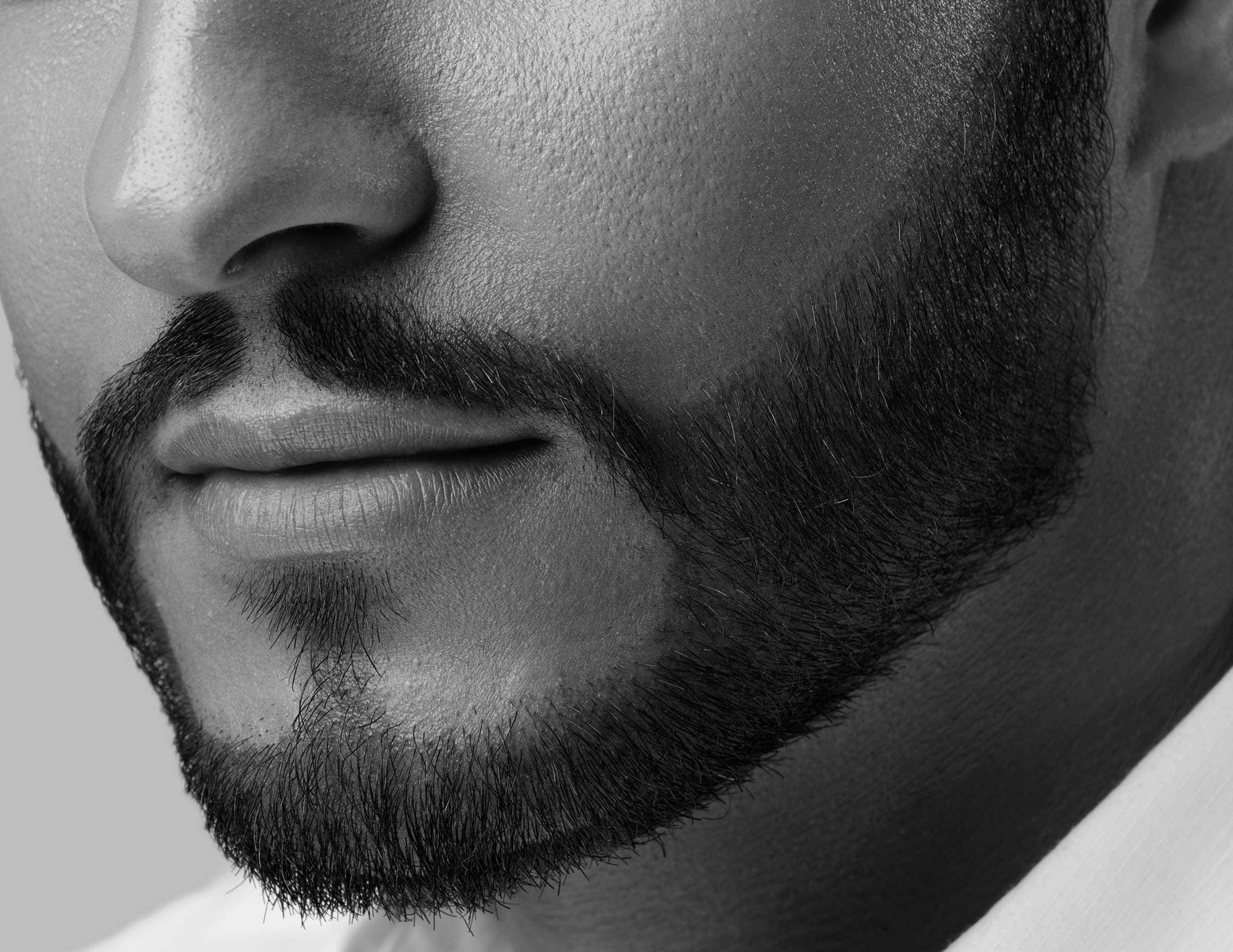
Facial hair changes direction across the upper lip, cheeks, sideburns, jaw and chin. To look natural, a graft should emerge close to the angle and direction of neighbouring hairs and suit the patient's face and usual shaving style. The moustache and chin are especially conspicuous at close range. The physician maps the boundaries, existing hair and desired density before making small recipient sites. A rigid, sharply drawn outline may not suit a person who later prefers a clean shave.
Why an area lacks facial hair
Sparse growth can reflect genetics, a stable scar, acne damage or previous injury. A new patch or inflamed area may require a medical diagnosis before transplantation. Active acne, infection, folliculitis or an inflammatory skin disorder can interfere with wound healing and should be assessed and treated. People seeking facial hair as part of gender-affirming care may have distinct goals and a different hormonal or medical history; the same individualized examination and informed surgical planning apply.
Donor supply and texture match
The scalp is a common donor source, usually from a suitable area at the back or sides. Selected hair below the jaw may be considered for limited graft needs when its characteristics and donor appearance make it appropriate. Scalp hair may differ from existing beard hair in calibre, curl and growth length, so trimming can remain necessary. Any harvested follicles are a finite resource also relevant to potential future scalp restoration. A physician should examine both the donor and recipient areas before promising a graft count.
Technical choices and alternatives for facial hair
FUE and FUT harvesting
Follicular unit excision (FUE) removes individual units with small punches and creates dispersed tiny scars; it may involve shaving part of the donor region. Follicular unit transplantation (FUT) takes a strip from the scalp for dissection and leaves a linear scar. Either can supply facial grafts, depending on donor density, scars, hairstyle, scalp laxity and the number and type of hairs required. Neither is scarless. Ask why a method serves the facial design and how much donor hair will remain.
Single hairs, spacing and implanters
Single-hair units may help a fine visible edge, while other areas can need a different balance of units. The surgeon may create recipient sites first and place grafts with forceps, or use an implanter in an appropriate plan. A branded tool does not determine success by itself. Depth, exit angle, graft integrity and the receiving skin's condition matter. Overpacking facial skin or placing units too upright can produce an artificial appearance, bumps or poor growth.
Nonsurgical and medical alternatives
If sparse growth is natural and not caused by disease, keeping a shorter beard or choosing a different outline may achieve the desired look without donor extraction. A scar may require dermatologic or scar-specific treatment before or instead of transplantation. Active acne, folliculitis or another skin condition should be managed directly. Hair-growth products have limitations and possible side effects; any medication should be discussed with a clinician rather than used on a healing face without advice.
Real indications for a beard and moustache transplant
- A stable patch or facial-hair pattern with a realistic area and shape to restore.
- Healthy facial skin and a suitable donor source with acceptable texture and remaining reserve.
- A stable scar that a surgeon judges capable of supporting graft placement.
- A patient who understands visible healing, grooming demands and possible future change in style.
An uneven beard does not always require a whole-face operation. The physician may advise a small localized procedure, treatment of active skin disease, revision of the design or no surgery. A proposed count should reflect the size of the actual cheek, chin or upper-lip area and the finite supply of scalp or submandibular follicles, not an advertised standard package.
Indications and contraindications for beard and moustache transplant
| Situation to assess | How it affects the decision |
|---|---|
| Stable sparse cheek, chin or moustache area | May support a conservative mapped design. |
| Stable, well-healed facial scar | Requires assessment of scar thickness and blood supply. |
| Active acne, folliculitis, infection or inflamed skin | Treat and reassess before elective facial implantation. |
| New unexplained facial-hair patch | Diagnose the cause before moving grafts. |
| Limited scalp donor hair or future scalp-balding concern | Conserve follicles and consider a smaller target. |
| Scar or pigment-change history | Review individual healing risk and visible effects. |
| Uncontrolled illness or medicines affecting healing | Obtain clinical assessment and defer when necessary. |
How the procedure is performed step by step
Before the procedure
The physician examines the face, donor scalp and, where relevant, hair below the jaw. Discuss the cause of sparse growth, active skin problems, scar history, existing hair calibre and future scalp-hair needs. The proposed beard and moustache borders should be drawn and reviewed from the front, side and three-quarter views, including how they would look clean-shaven. Ask for a provisional graft range by facial zone, harvesting method, anesthesia, the operating physician's identity and surgical roles. Photographs help planning but cannot replace examination.
During the procedure
Under local anesthesia, with sedation only when individually assessed, the team harvests units by the agreed method and handles them to limit damage. Recipient sites are made with attention to facial contours and shallow exit angles; grafts are then placed to blend with existing hairs. The amount of time depends on the planned surface area and donor yield. Ask who makes the sites and who places grafts. If a scar or donor area behaves differently than anticipated, the surgeon should revise the plan rather than force a fixed graft count.
After the procedure
The team checks bleeding and the condition of both donor and facial sites, gives written washing and shaving instructions and schedules early review. Ask for the actual graft count by zone, donor map, operative summary, medication list and contact numbers. Tiny crusts, redness and swelling can be visible on the face. Some grafted shafts may later shed before new growth. Avoid rubbing the upper lip, covering it with tight material or shaving across fresh grafts until the clinician says the skin can tolerate it.
Recovery and time away from normal activities
| Approximate period | Expected changes and practical decisions |
|---|---|
| First days | Facial redness, small crusts and possible swelling; avoid contact or scratching. |
| Early postoperative review | Check face and donor sites before a long journey. |
| Following weeks | Crusts settle and some transplanted shafts may shed; report infection signs. |
| Following months | Hair grows gradually; mature density and grooming pattern take time. |
This sequence illustrates common phases, not guaranteed dates for shaving, returning to work or flying.
Washing, meals, shaving and public visibility
Follow the surgeon's instructions for cleansing the facial skin and donor site. Movement of the lips, eating, toothbrushing and sleeping can bring hands or fabric close to upper-lip grafts, so ask how to avoid friction without neglecting hygiene. Plan visible time away if work involves public-facing meetings. Do not use razors, electric trimmers, fragrances, exfoliants or new topical products on healing facial skin until the team gives specific instructions.
Skin warning signs and flying
Increasing pain, spreading redness, pus, fever, persistent bleeding or a dark poorly healing area requires examination. Small bumps or folliculitis can also occur later and should be assessed if painful or persistent. Ask the surgeon to inspect the face and donor wounds before departure. A long flight may expose healing sites to accidental rubbing by masks, pillows or hands; a fixed checkout date cannot establish medical readiness. Seek prompt local care in Canada if concerning symptoms begin after arrival.
Canadian follow-up
Before travel, identify a clinician near home who can inspect facial infection or donor-site healing. Transfer the operative record, location and count of grafts, donor map and medications. Standardized photographs can document progress, but the face should be examined in person for persistent inflammation, unusual bumps or pigment change. Agree when the Tunisian team will assess growth and who handles any scar care or ongoing skin condition in Canada.
Expected results and durability
Growth and hair texture
The placed shafts are visible initially, then many can shed before later growth. A mature facial-hair result develops over months, and some grafts may fail to grow. Transferred scalp hair can retain its original texture and growth characteristics; regular trimming may be needed to match nearby facial hair. Hair colour, calibre and curl affect the impression of fullness. Ask what the proposed areas should look like at usual beard length and after a close shave rather than relying on styled photographs.
The importance of angle and a lasting outline
Incorrect direction can make facial hairs stick out, especially at the upper lip or upper cheek border. A very sharp or high cheek line may reflect a current fashion but remain visible years later if the patient changes grooming habits. Examine the design from several angles and consider asymmetry that is natural for the face. A sound plan may use fewer grafts to create a believable transition instead of uniformly filling every cheek.
Scars and revision limits
FUE donor dots or a FUT line can remain visible, and facial sites can show small bumps, pigment changes or scars in some patients. Implantation into an old scar may be less predictable than placement into healthy skin. Revision to correct sparse growth or an unnatural border may require additional finite donor units and may not fully undo a poor angle. Wait for the initial result to mature and have the face and donor region reassessed before planning another procedure.
Risks and possible complications
- Infection, folliculitis or delayed healing: Worsening redness, pain, pus or fever needs assessment.
- Wrong hair angle or unnatural design: Visible hairs may project away from the facial surface.
- Small bumps and uneven texture: Recipient skin can look irregular around grafts.
- Pigment changes or visible scars: Healing can differ by skin type and individual history.
- Uneven growth or graft failure: Some areas may remain patchy despite placement.
- Donor depletion and scarring: Harvesting facial hair uses follicles that could serve other needs.
Managing a facial complication across borders
The exposed face can make even a limited wound concern difficult to ignore. Ask who can examine a complication during the Tunisian stay and how the surgeon can communicate with a Canadian clinician afterward. A photo alone cannot establish whether a painful swollen area is infected or whether a raised bump needs treatment. Obtain a zone-by-zone graft record and know who pays for further consultations or procedures if the cosmetic result is unsatisfactory.
Why consider Tunisia for a beard and moustache transplant?
A patient may consider Tunisia when a named physician can examine donor hair and facial skin, design a natural outline and provide timely early review. A clinic's claim of a large number of grafts says little about angle and skin texture on the upper lip. Compare the actual surgeon's experience with facial transplantation and the capacity to manage complications after travel. The geographic distance makes a flexible stay and a Canadian handover essential.
Verify clinical language and surgical roles
Confirm direct communication with the proposed surgeon and relevant team in English or French, according to preference. A coordinator's fluency is not evidence that the physician can discuss upper-lip design, acne, scars, anesthesia and consent in that language. Request the operator's identity and right to practice, the facility and a written explanation of who harvests, makes sites and places grafts. Ask for a clear contact route before returning to Canada.
Assessment of scars and skin before booking
A photograph may show a patch but cannot establish whether a scar has adequate tissue quality or whether active folliculitis must first be treated. The surgeon may reduce the target area or defer the operation after examination. Clarify how such a change affects the quote and travel arrangements. Allow time for an early facial and donor check; a transatlantic itinerary should not force a departure before the physician has examined a concerning wound.
Cost of a beard and moustache transplant in Tunisia
| Factor | Effect on total cost |
|---|---|
| Facial diagnosis and design | Scar or skin disease may change scope or require treatment first. |
| Donor and graft plan | FUE, FUT, scalp or selected jawline sources vary by case. |
| Surgeon, facility and anesthesia | Confirm who performs the operation and what medical care is included. |
| International and domestic transport | Include all flights, connections and ground transfers. |
| Accommodation and work absence | Visible healing and early review can affect length of stay. |
| Medicines, complication care and insurance | Clarify what is included and excluded across countries. |
| Revision or later scalp needs | Reserve donor hair and budget separately for another assessment. |
Ask for an itemized quote identifying the surgeon, target facial zones, provisional graft range, donor source, harvesting method, anesthesia, facility, early checks, medicines and exclusions. Ask how the final number is documented and what happens if fewer units can safely be taken. Include accommodation, flexible travel, time away from work and Canadian assessment for any later skin issue. A price per graft cannot measure the naturalness of a moustache edge.
Comparison: Tunisia and other medical tourism destinations
| Decision point | Tunisia | Care in Canada | Another destination |
|---|---|---|---|
| Facial consultation | Confirm in-person skin and donor examination. | Local review may be easier to repeat. | Ask who diagnoses and designs. |
| Surgical roles | Verify named physician and graft placement plan. | Verify comparable clinical roles. | Check operator and facility directly. |
| Travel | Allow a long return trip with visible healing. | Travel burden may be smaller. | Compare actual route and access. |
| Quote and aftercare | Obtain zone map and Canadian handover. | Ask for an equivalent written scope. | Check exclusions and home care. |
Compare individual teams and how they plan angles, donor reserves and complication care. No country guarantees a natural beard, and a quote without a facial map does not show the same scope as a detailed surgical proposal.
Tunisian cities to consider for this procedure
Tunis and access to early facial review
If the identified surgeon practises in Tunis, arrange consultation, surgery and examination of the upper lip, cheeks and donor site around the actual facility. Confirm where a painful pustule or persistent bleeding can be assessed outside routine appointments. Convenient airport access is useful only alongside clear physician responsibility and sufficient time before departure.
Sousse and Monastir as practical alternatives
Sousse or Monastir can also be considered when a specific operator, facility and early review are available. Include ground-transfer time in the itinerary and ask whether the same physician can examine facial bumps or donor concerns before a flight. A destination's reputation cannot establish precision of graft direction or availability of urgent aftercare.
Which Canadian cities can patients travel from?
Montreal, Laval and Longueuil
Greater Montreal patients can compare departure options and confirm direct discussion of the facial design in English or French as preferred. Visible moustache crusts or cheek redness may affect work and ground travel after the return flight. Arrange a Quebec clinician to assess infection or persistent skin bumps, and send the surgeon's donor and recipient maps. Check actual transit rules and connection options rather than assuming a direct flight for a chosen date.
Quebec City, Lévis, Trois-Rivières, Saguenay and Sherbrooke
Travellers from Quebec City and Lévis, Trois-Rivières, Saguenay or Sherbrooke should account for the route to the airport and back home while the face is healing. Plan early review in Tunisia before the journey and a local point of care if redness spreads later. Ask for aftercare instructions in the patient's preferred language and clarify facial washing and shaving restrictions before reserving public-facing work soon after return.
Ottawa, Gatineau, Toronto and nearby Ontario cities
Ottawa and Gatineau residents may compare airport choices but need follow-up near their actual home. Toronto, Hamilton, Kitchener–Waterloo and London patients should include commutes and time away from work in the budget. A beard transplant may be difficult to conceal in the first days; request realistic advice for video meetings or public-facing duties. Identify who can assess an inflamed chin or upper lip locally, rather than relying solely on overseas messages.
Vancouver, Victoria, Surrey and Kelowna
Western Canadians may have a long series of flight legs. Vancouver and Surrey patients can plan ground transfers, while Victoria or Kelowna may add a further connection. Build buffers and flexibility for a facial wound check before the international flight. Avoid rubbing fresh grafts during sleep, mask use or transit. A nearby Canadian clinician should have the operative summary if a facial infection or persistent bump develops after the long return journey.
Calgary, Edmonton, Winnipeg, Saskatoon and Regina
From Calgary, Edmonton, Winnipeg, Saskatoon or Regina, check the actual schedule and total travel time rather than one flight segment. Seasonal conditions may influence comfort and the need for face coverings, which can rub fresh recipient sites. Plan leave from work for visible healing and keep enough time for a Tunisian postoperative review. Arrange local medical access for a donor wound or facial folliculitis, and clarify how the surgical team will assess later growth.
Halifax, Moncton, Dieppe, Edmundston, Fredericton, Charlottetown and St. John's
Atlantic and Acadian patients may combine several flights with a long drive. Halifax, Moncton, Dieppe, Edmundston, Fredericton, Charlottetown and St. John's each present different airport and onward-care logistics. Confirm direct medical communication in English or French as desired and identify a nearby clinician for prompt facial examination. Build room in the return itinerary so an extra check in Tunisia does not collide with an inflexible domestic connection or work shift.
How to choose a surgeon for a beard and moustache transplant
- Verify the named surgeon's right to practice and experience with facial-hair design.
- Ask who examines skin, selects donor hair, sets the outline and makes recipient sites.
- Review zone-specific graft estimates, angle, donor conservation and scar risks.
- Confirm facility, anesthesia, early review, urgent care and Canadian handover.
Review the outline with your usual grooming habits
A facial design should fit the patient's existing hair, face shape and willingness to trim or shave in the future. Ask to see drawn borders from several views and compare the planned cheek transition, moustache and chin density. If a scar is the target, ask how its tissue quality affects growth. Before-and-after images of other patients may show design choices, but lighting and styling vary and cannot predict your personal graft survival.
Clarify who performs delicate facial work
Ask directly which physician diagnoses the skin, selects follicles, makes sites and oversees placement, and what staff do. Facial direction can change over short distances, especially around the upper lip. Verify the facility, local anesthetic and any sedation arrangements. Request written aftercare and a route to prompt examination in Tunisia and Canada. A high graft count does not compensate for grafts that project at the wrong angle.
Planning a medical stay in Tunisia
For a beard and moustache transplant in Tunisia, allow time for skin assessment, a face-to-face review of the planned outline, surgery only if donor and recipient areas are suitable, and an early facial and donor check. Build a flexible return itinerary and arrange Canadian access for an urgent skin concern. Check current entry and transit requirements for the actual nationality, route and travel dates.
Preparation before departure
Share photographs of the face both shaved and with usual growth, prior acne or scar history, scalp-hair concerns and any medicines or allergies. Explain whether the target is a small moustache gap, a beard border or scar coverage. Ask whether active skin treatment is needed before booking. If future scalp hair loss is possible, discuss how much donor supply can be reserved. Make a plan for time away from work while crusting remains visible.
In-person design and early care
Review the face from several angles, donor hair texture, graft targets by zone and how the proposed outline would look after shaving. If skin inflammation or a scar changes the plan, obtain a revised medical and financial proposal before proceeding. After surgery, follow precise cleansing, sleep, shaving and medication instructions and attend the early check. Know where to seek assessment if the upper lip or chin becomes increasingly painful or swollen.
Before the flight and back in Canada
Ask the surgeon to examine healing facial and donor sites before departure. Avoid facial rubbing during the long journey and keep records and contact numbers available. After return, send routine progress photographs when requested, but seek prompt Canadian clinical assessment for fever, discharge or spreading redness. Review later hair texture and growth only after sufficient maturation, and assess any proposed revision against remaining donor reserves.
Request a personalized opinion on beard and moustache transplant in Tunisia
Tell Aylan Clinic which facial areas you want to improve, how long any patches or scars have existed, your skin and scalp history, usual shaving style, medical conditions, preferred language for direct consultation and Canadian departure city. Request the proposed surgeon's identity, facial map, donor plan, medical schedule and itemized quote.
A remote review can identify useful photographs and questions. The decision to operate and the safe graft range require direct examination of skin and donor hair; the physician may recommend treating a skin condition, reducing the design or postponing transplantation before committing finite follicles.
You may also want to compare Eyebrow Transplant and Afro Hair Transplant in Tunisia.
Continue exploring our hair transplant in Tunisia overview, the complete aesthetic surgery panorama, compare plastic surgery prices in Tunisia, or request a free, personalized quote.
Everything about Beard and Moustache Transplant in Tunisia
Technique, pricing, results and the full patient journey — every detailed answer in our complete guide.