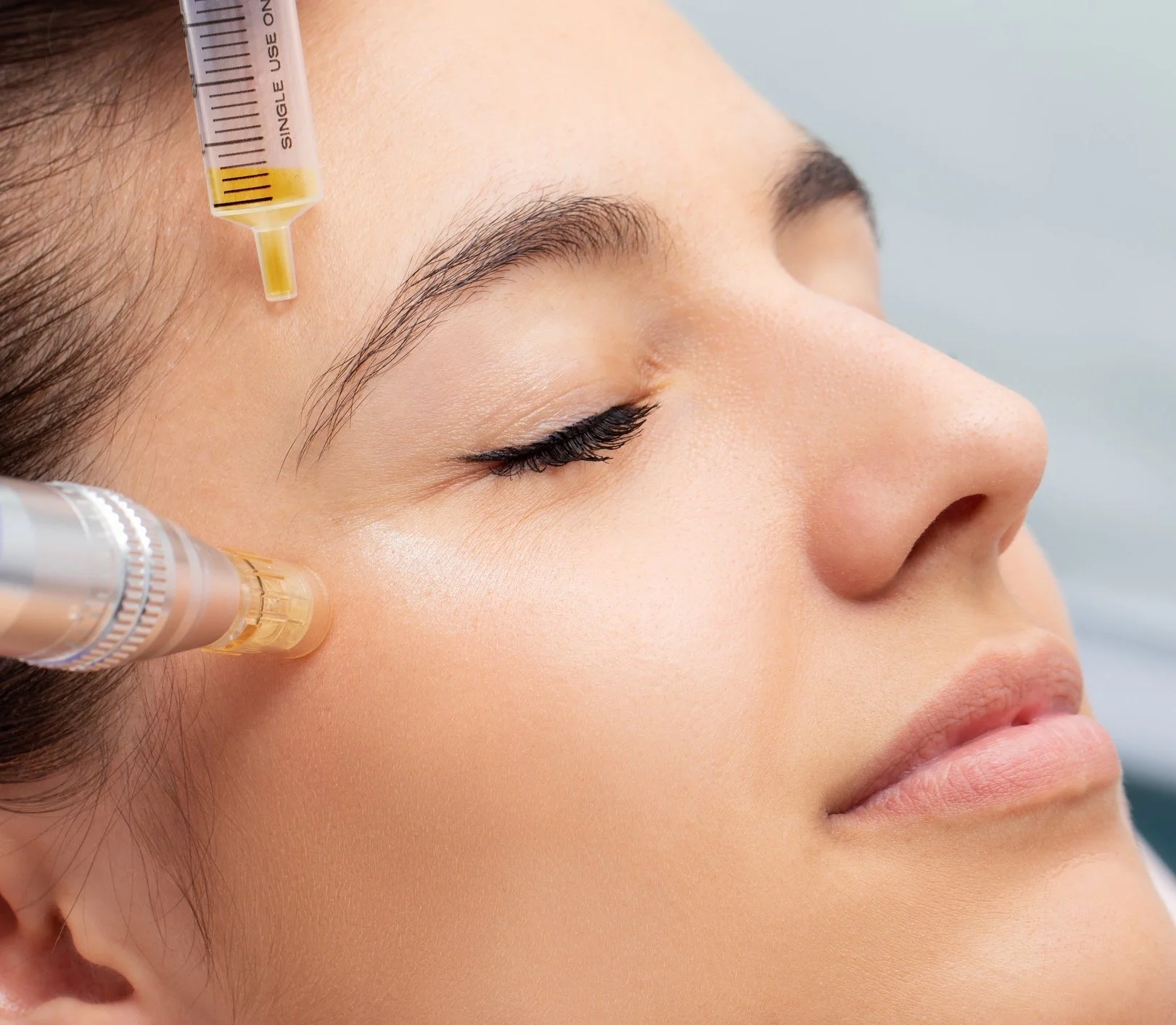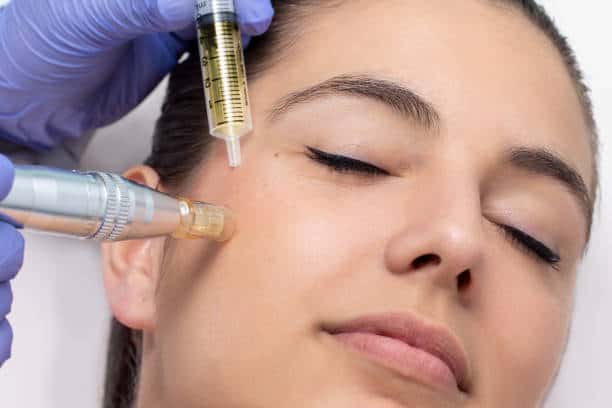
Hair PRP in Tunisia uses platelet-rich plasma prepared from a person's own blood and injected into selected areas of scalp hair thinning. Some studies suggest a benefit for certain patients with pattern hair loss, but preparation methods, treatment schedules and outcomes vary, and an individual response cannot be promised. For a Canadian patient, the decision is whether the diagnosis supports PRP and how a course of repeated treatment and assessment will work after returning home.
In this article, you will find how PRP is prepared, what evidence can and cannot show, indications and alternatives, the appointment and recovery, risks, cumulative costs, travel planning from Canadian communities and questions to ask about care in Tunisia and follow-up in Canada.
What scalp PRP is and how it works
Drawing and processing the patient's blood
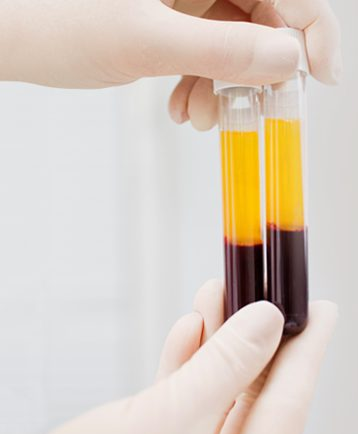
Platelet-rich plasma (PRP) is prepared by taking a blood sample and using a centrifuge to separate a platelet-enriched portion of plasma from other components. The clinician injects prepared material into mapped areas of the scalp. Platelets contain signaling factors involved in tissue responses, but the precise way a given PRP protocol affects hair follicles is not settled. PRP does not create new donor follicles, move hairs from one part of the scalp or restore fully absent follicles reliably.
Diagnosing the kind of hair loss
Men and women may develop androgenetic or pattern hair loss, but diffuse shedding, medication effects, nutritional problems, thyroid disease, alopecia areata and inflammatory or scarring scalp conditions call for different assessments. The physician should review history and medicines, examine the scalp, and consider trichoscopy or selected tests where indicated. PRP should not delay treatment of an active inflammatory condition or a correctable cause of shedding. A series of injections is not a diagnostic test.
Why preparation and schedules differ
Clinics use different blood volumes, centrifugation steps, platelet concentrations, injection spacing and approaches to additives or activation. There is no universally accepted hair-PRP protocol or guaranteed best concentration. Some regimens involve several initial visits and later maintenance, while others differ. Ask what exactly will be prepared and injected, how many sessions are proposed, how progress will be measured and why this regimen suits your diagnosis. A branded kit by itself does not establish effectiveness.
Evidence, technical choices and alternatives
What the evidence suggests
Research on PRP for pattern hair loss includes small studies and reviews that report possible improvement in hair density or shaft thickness, but study quality, follow-up and protocols differ. Some patients see no meaningful benefit. Results for other types of alopecia cannot simply be inferred from pattern-loss studies. A clinic should describe the evidence for the specific condition it intends to treat and avoid numerical promises about growth or the length of benefit. Repeat injections may be needed to maintain any response.
Injections versus combination treatments
PRP may be offered alone or alongside a clinician-selected hair-loss treatment, and some clinics combine it with microneedling. Combining interventions makes it harder to tell which produced a change and can alter discomfort and aftercare. Microneedling is an additional procedure with its own skin risks, not an automatic part of PRP. Ask whether the quote is for PRP alone, whether local anesthesia is included and which drugs or scalp treatments should be continued under the prescribing clinician's advice.
Medicines, transplant and camouflage
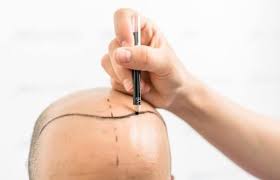
Diagnosis-specific options such as topical minoxidil or prescription treatments may be appropriate for some patients after discussion of benefits, risks, monitoring and pregnancy considerations where relevant. A hair transplant relocates finite follicles and addresses selected areas differently from an injection course. Styling, fibres and hairpieces can change perceived coverage without injections. If another approach is more suitable or less burdensome, the clinician should explain it before selling a travel package for repeated PRP visits.
Real indications for scalp PRP
- A confirmed condition, often pattern thinning, for which the clinician can explain a plausible expected benefit and the uncertainty.
- Remaining hair follicles in the area, rather than a long-standing completely bare region.
- A scalp and general medical history suitable for blood drawing and injections.
- Willingness to complete the agreed course, monitor progress and consider care near home.
PRP may be discussed as one option after a careful diagnosis, not as a universal cure for hair loss. The physician may advise another treatment first, investigate sudden shedding, manage inflammation or avoid injections altogether. Patients travelling from Canada should ask whether the total schedule makes sense when sessions and follow-up could be available locally. A single tourist visit cannot reasonably stand in for a planned treatment course.
Indications and contraindications for hair PRP
| Situation to assess | How it affects the decision |
|---|---|
| Diagnosed pattern thinning with remaining hair | May support a discussion of PRP with realistic expectations. |
| Unexplained sudden shedding | Investigate cause and natural course before elective injections. |
| Active scalp infection or inflammatory disease | Treat the condition and defer injections until appropriate. |
| Bleeding disorder, low platelets or blood-thinning medication | Obtain a clinician's individualized review; do not stop medication yourself. |
| Serious illness or contraindication to blood draw | Assess medical suitability before any planned course. |
| Completely bald longstanding area | PRP is unlikely to replace absent follicles; consider alternatives. |
| Expectation that one session permanently cures hair loss | Explain variable evidence and possible need for repeat care. |
How a PRP appointment is performed step by step
Before the procedure
A clinician should confirm the diagnosis and medical history, review bleeding or infection risks, medicines and prior hair-loss treatment, and document baseline photographs under consistent conditions. Discuss the specific preparation method, number and spacing of visits, expected discomfort, who performs blood draw and injections and the plan if no change is seen. Follow individualized instructions about scalp products and medicines. Do not stop prescribed antiplatelet or anticoagulant treatment without advice from the responsible prescriber.
During the procedure
A blood sample is drawn and processed in the clinic's system; the platelet-enriched component is then administered by multiple small injections to mapped scalp areas. Local anesthetic or another comfort measure may be offered depending on the protocol and assessment. Ask whether other substances or microneedling are included, and how equipment, skin preparation and sterile technique are managed. PRP is prepared from the patient's blood, but an injection still breaks the skin and requires careful handling.
After the procedure
The clinician checks for bleeding, dizziness or an unexpected scalp reaction and provides written instructions on washing, styling, exercise, medicines and whom to contact. Temporary tenderness, small injection marks or swelling can occur. Obtain a treatment record showing preparation method, treated zones, other interventions and the date proposed for review. Do not judge effectiveness from the immediate appearance of the scalp. Hair changes, if any, need serial assessments over time and cannot be established from one photograph taken the next day.
Recovery and time away from normal activities
| Approximate period | Expected changes and practical decisions |
|---|---|
| Treatment day | Mild tenderness, pinpoint bleeding or swelling may occur; follow scalp-care advice. |
| Following days | Monitor for worsening pain, redness, fever or discharge. |
| Following months | Compare standardized photographs or clinical measurements after the planned course. |
| Maintenance review | Reassess whether further sessions have enough benefit to justify cost and travel. |
These are general phases, not a guaranteed return-to-work schedule or a promise of visible hair growth.
Washing, exercise and scalp products
Ask the treating clinician when to wash hair, use topical medicines, apply concealers, dye hair or return to strenuous exercise. Instructions may differ if PRP was combined with microneedling or another procedure. Avoid unnecessarily irritating injection sites. A person with textured hair, a hair system or scalp coverings should discuss how routine care can be maintained without friction during early healing. Do not change prescribed ongoing therapy simply because an injection appointment has occurred.
Warning signs and travel home
Increasing pain, spreading redness, discharge, fever or significant swelling needs medical assessment. Persistent bleeding or unusual bruising is particularly relevant when a blood-thinning medicine is involved. A long flight shortly after an injection may be possible for some patients, but the treating clinician must assess the actual reaction and any other health concerns. An advertised short appointment does not prove readiness for transatlantic travel, especially when an additional domestic connection follows.
Follow-up in Canada
A Canadian dermatologist or primary clinician can help establish diagnosis, record baseline and assess whether the treatment adds meaningful benefit to existing care. Ask whether a planned multi-session course will continue in Tunisia or be delivered near home, and whether protocols can be compared when different providers are involved. Transfer the injection record and photographs. A scalp infection requires local examination. Agree on a stopping point if serial assessments show no worthwhile improvement.
Expected results and durability
What an improvement may look like
A response, if it occurs, may mean reduced shedding or modest changes in the look of thinning hair rather than regrowth of a completely bare hairline. Hair grows in cycles, so early impressions can be misleading. Standardized photographs should match lighting, hair length, part line and styling, ideally alongside a clinician's scalp assessment. Seasonal shedding, new medicines or a change in hairstyle can also affect appearance. No reliable individual forecast can be made from a general advertisement.
Maintenance and progressive loss
Underlying pattern loss can continue, and any benefit from PRP may depend on further sessions. Evidence does not establish a single maintenance schedule appropriate for everyone. Ask what measurable change would justify more injections, how long the effect might last in your case and how costs compare with alternatives near home. If a clinician recommends PRP indefinitely without a defined review of benefit and harms, request the basis for that plan.
Failure to respond
A person can complete an appropriate course and still see no meaningful change. Recheck the diagnosis, whether the original photographs were comparable and whether another condition emerged. More injections are not automatically the answer. A dermatologist may recommend a different treatment or investigation. Ask in advance whether unused sessions can be cancelled and when a decision will be made to stop, so travel and financial commitments do not continue without evidence of personal benefit.
Risks and possible complications
- Pain, bruising or swelling: Multiple injections can produce temporary scalp discomfort.
- Bleeding or faintness: Blood draw and injections can affect susceptible patients.
- Infection: Sterile technique reduces but cannot eliminate injection-site risk.
- Skin irritation or inflammation: Additional microneedling or additives may change the risk.
- No meaningful hair response: Benefit is variable and repeat sessions add costs.
- Delayed diagnosis: Treating unexplained loss as cosmetic thinning can miss another condition.
A complication or unclear result after returning home
Ask who will assess symptoms in Tunisia and what Canadian clinician can examine an infected or unusually painful scalp. Keep the actual preparation and treatment record, especially if multiple products or microneedling were used. If the main concern is lack of growth rather than an urgent reaction, compare the original diagnosis, serial photographs and treatments at a planned review rather than buying an automatic repeat session. PRP is prepared from the patient's blood but is not risk-free.
Why consider Tunisia for hair PRP?
A Canadian might consider treatment in Tunisia when visiting for another reason or consulting a specific clinician who can assess the scalp and explain a complete plan. Because PRP often involves more than one session, travel from Canada can dominate the practical cost. Ask whether the proposed schedule requires repeat transatlantic journeys and whether a comparable evidence-based option can be followed nearer home. Do not infer that the same protocol is available at every location.
Direct medical discussion in English or French
Confirm that the diagnosing and treating clinician can discuss the type of loss, uncertain benefit, alternatives, injection technique and adverse effects directly in the patient's preferred language. A coordinator's language ability does not establish the provider's own fluency. Request the clinician's identity, right to practice, specific protocol and who prepares and administers the plasma. These details matter more than a generic claim that PRP is natural or regenerative.
A plan that spans the whole course
Before booking, ask how many appointments are anticipated, which can occur during one stay, when results will be reviewed and where maintenance would happen. If a change in diagnosis or poor response makes PRP unsuitable, confirm how future sessions are cancelled. A preliminary video call cannot replace a scalp examination, and a short vacation does not automatically contain a complete treatment course. Include access to a Canadian clinician if the scalp becomes inflamed after return.
Cost of hair PRP in Tunisia
| Factor | Effect on total cost |
|---|---|
| Diagnosis and baseline assessment | Examination or tests may change whether PRP is appropriate. |
| Blood processing and injection protocol | The method and any additional treatment affect scope. |
| Number of initial and maintenance visits | Repeat appointments can drive the cumulative cost. |
| Clinician, facility and aftercare | Confirm who performs injections and handles reactions. |
| Flights, connections and accommodation | Multiple overseas trips may outweigh a session quote. |
| Work absence and insurance | Count time away and exclusions for elective care. |
| Canadian review or alternative therapy | Local diagnosis and monitoring can add expense. |
Request an itemized quote per session and for the proposed whole course, identifying the PRP preparation, clinician, treated areas, any additives or microneedling, anesthetic, reviews and exclusions. Include flights from home, ground transfers, lodging, leave from work and potential maintenance in Canada. Ask how the plan changes if there is no response. Do not compare a single Tunisian session price with a complete local treatment course or assume that repeated travel is medically justified.
Comparison: Tunisia and other medical tourism destinations
| Decision point | Tunisia | Care in Canada | Another destination |
|---|---|---|---|
| Diagnosis | Confirm a physician assesses the cause first. | Local serial reviews may be easier. | Ask who establishes the diagnosis. |
| Protocol | Request preparation, sessions and outcome measures. | Compare a stated local protocol. | Request the same technical detail. |
| Journey | Repeated trips may be needed. | Travel burden may be lower. | Calculate every repeat journey. |
| Cost and continuity | Quote a full course and Canadian handover. | Compare total course and follow-up. | Clarify maintenance and exclusions. |
Compare a treatment plan, not a country label or one appointment price. PRP evidence and protocols vary, so access to diagnosis, repeat care and a clear decision to continue or stop should weigh heavily in any comparison.
Tunisian cities to consider for this procedure
Tunis and access to the treating clinician
If a named clinician offers PRP in Tunis, check where the scalp assessment, blood preparation, injection and follow-up review occur. Confirm whether the proposed protocol can be continued during the stay or requires future visits. Airport proximity does not make an injection effective or replace access to examination for redness, swelling or infection before departure.
Sousse and Monastir as logistical alternatives
Sousse or Monastir might be practical when a specific licensed clinician, suitable facility and repeat-session schedule are identified. Calculate transfers for each visit rather than only the first appointment. Ask how the treatment record can be shared with a Canadian provider and whether a reaction can be assessed promptly. A city name does not demonstrate that a PRP protocol has been standardized or proven for the individual's diagnosis.
Which Canadian cities can patients travel from?
Montreal, Laval and Longueuil
Greater Montreal residents can compare the full cost of a proposed overseas series with local dermatology or PRP options, and confirm direct medical discussion in English or French as preferred. A Quebec clinician may help establish baseline photographs and distinguish pattern loss from another cause. If repeat sessions are proposed, decide whether they can realistically be completed after returning to Laval or Longueuil. Flight options and transit rules must be verified for the actual dates.
Quebec City, Lévis, Trois-Rivières, Saguenay and Sherbrooke
From Quebec City and Lévis, Trois-Rivières, Saguenay or Sherbrooke, include the journey to an airport for each proposed visit. A schedule requiring frequent trips may be impractical even if the first session fits a holiday. Arrange local assessment for unexplained shedding and a clinician who can examine injection-site infection. Ask for a written PRP protocol so Canadian follow-up can interpret what was administered rather than rely on the treatment's name alone.
Ottawa, Gatineau, Toronto and nearby Ontario cities
Ottawa and Gatineau patients can compare departure routes while planning diagnosis and continued hair-loss care near home. Toronto, Hamilton, Kitchener–Waterloo and London patients should include connections, work leave and the interval between proposed injections in their calculation. If sessions cannot be completed during one stay, ask whether transfer to a Canadian provider is feasible. An overseas offer should identify who reviews growth and when further spending should stop if the response is absent.
Vancouver, Victoria, Surrey and Kelowna
For Vancouver and Surrey, the return journey can be long; Victoria or Kelowna may add another travel leg. Repeating such trips for a series of injections is a substantial commitment. Compare the entire cost and time with diagnosis-specific treatment and follow-up near home. Build flexible travel arrangements for any unexpected scalp reaction and identify a clinician in British Columbia who can assess pain or infection after arrival.
Calgary, Edmonton, Winnipeg, Saskatoon and Regina
Patients in Calgary, Edmonton, Winnipeg, Saskatoon and Regina should check actual connections and seasonal schedules for each proposed appointment, not just a first flight. Confirm whether the scalp needs serial photographs under consistent conditions and who will take them locally. If PRP is offered as an adjunct to medication, arrange a Canadian prescriber and a coordinated plan. A single injection during travel should not be presented as a full course or a permanent solution.
Halifax, Moncton, Dieppe, Edmundston, Fredericton, Charlottetown and St. John's
Atlantic and Acadian travellers may have multiple domestic, international and ground legs. Halifax, Moncton, Dieppe, Edmundston, Fredericton, Charlottetown and St. John's differ in airport access and local follow-up options. Ask for direct explanation in English or French as desired and calculate how repeated visits affect work and family time. Identify a nearby clinician for unexpected injection-site symptoms and a realistic place to monitor thinning between overseas appointments.
How to choose a clinician for hair PRP
- Verify the provider's identity, right to practice and experience diagnosing hair loss.
- Ask what blood-processing protocol and additional interventions are actually used.
- Request a complete session plan, measurable review point and stopping rule.
- Confirm sterile technique, management of reactions, full-course cost and Canadian handover.
Test the diagnosis, not a promotional photograph
A provider should explain what type of hair loss is present and why PRP may be useful for that diagnosis. Ask whether relevant tests, scalp examination or treatment of an underlying condition should come first. Review existing medicines and what would count as a meaningful personal response. Photos taken in different lighting or with different part placement cannot establish benefit. A clinic offering injections without a baseline assessment gives little basis for later decisions.
Understand the full protocol and clinical roles
Ask how the blood is handled, who prepares the product, who performs injections, whether additives or microneedling are included and how scalp reactions are managed. Clarify session intervals and whether a proposed maintenance course is based on your progress or a fixed sales package. Obtain written details to share with a Canadian clinician. The phrase “platelet rich” does not by itself tell you the concentration, technique or likelihood of benefit.
Planning a medical stay in Tunisia
For hair PRP in Tunisia, plan around a proper diagnosis and a complete course proposal, not just the length of one injection appointment. Confirm whether review and repeat sessions will occur in Tunisia or near home, and what happens if the clinician recommends a different treatment after examining the scalp. Check entry and transit requirements for the actual nationality, route and dates, and arrange Canadian access for complications and longer-term assessment.
Before leaving Canada
Collect the timeline of thinning, previous diagnoses, medicines, relevant medical conditions and consistent baseline photographs. If loss is sudden, painful or inflamed, seek a diagnosis before making PRP the reason for international travel. Discuss bleeding risks and any anticoagulant or antiplatelet medicines with the responsible clinician; do not discontinue them on your own. Ask for the proposed protocol and costs for every visit, including later maintenance.
Consultation, injection and early review
The treating clinician should examine the scalp, explain the expected limits of evidence and confirm that injections are suitable. After blood draw and injection, follow written scalp-care advice and report significant pain or swelling. Ask how soon the clinic can assess a problem before departure and obtain the detailed treatment record. If microneedling or another procedure is added, request separate consent and aftercare information rather than treating it as an invisible extra.
After the flight and between sessions
The clinician should consider any immediate reaction before the long return journey. Once in Canada, seek local examination for fever, spreading redness or discharge. Maintain comparable photographs and any agreed outcome measures. Confirm the date and place of the next assessment and whether further injections are justified by a visible or measurable change. Continuity may be easier if a Canadian clinician coordinates repeat treatment and management of the underlying cause.
Request a personalized opinion on hair PRP in Tunisia
Tell Aylan Clinic when thinning began, prior diagnosis and treatments, scalp symptoms, relevant health and medicines, preferred language for direct clinical discussion and Canadian departure city. Request the treating clinician's identity, assessment plan, full proposed injection schedule, preparation details and itemized course quote including follow-up.
A remote preliminary discussion can help organize records and options, but diagnosis and treatment suitability require direct clinical assessment. Ask how the plan will change if another cause of hair loss is found or the first course produces no worthwhile measurable benefit.
You may also want to compare Hair Transplant with Exosomes and Eyebrow Transplant in Tunisia.
Continue exploring our hair transplant in Tunisia overview, the complete aesthetic surgery panorama, compare plastic surgery prices in Tunisia, or request a free, personalized quote.
Everything about PRP for Hair Loss in Tunisia
Technique, pricing, results and the full patient journey — every detailed answer in our complete guide.