Dental bone grafting in Tunisia may be proposed when the jaw has insufficient bone for a planned implant or when an extraction site would benefit from preservation. A graft creates a framework for healing; it does not guarantee that an implant can be placed on a particular date. The key decision is whether grafting is necessary, what defect it addresses, and how healing and complications will be checked after a Canadian patient returns home.
In this article, you will find the different grafting situations, materials and alternatives, the examination and surgical steps, expected healing, warning signs and possible failure. You will also find how to compare full quotations, plan a stay in Tunisia from English-speaking or French-speaking Canada and arrange continuity with a Canadian clinician. Confirm the actual procedure, surgeon and follow-up arrangements with Aylan Clinic before committing to travel.
What dental bone grafting is and how it works
Jawbone and the implant site
The alveolar bone supports teeth and changes after tooth loss, infection or trauma. Bone volume and shape matter when an implant is planned: the implant needs adequate support in an appropriate three-dimensional position, while nearby roots, nerves and the maxillary sinus must be respected. A graft may add or preserve bone where the surgeon judges the available anatomy inadequate. The dentist or oral surgeon examines the mouth and uses imaging appropriate to the case; a cone-beam scan may be needed for detailed implant planning but is not a substitute for clinical assessment.
Bone grafting is not simply filling a gap with a permanent block of new bone. The graft material acts as a scaffold or contributes to healing while the body forms and remodels tissue. Results vary with the size and type of defect, blood supply, tissue closure, smoking, medical factors and infection control. Ask what bone is present now, what the intended implant position requires and how graft success will be measured before a later implant decision.
Bone and soft tissue must work together
A graft also depends on the gums or other soft tissue closing over and protecting the site. If the covering opens or becomes infected, material may be exposed and the plan may change. A membrane can sometimes be used to separate and protect a graft, but it has its own exposure risks. The final amount of usable bone cannot be guaranteed by the volume placed on surgery day. Evaluation after healing determines whether a proposed implant remains appropriate.
Discuss periodontal disease, previous infections, any history of radiation, smoking or vaping, diabetes and medicines affecting bone or healing with the treating clinician. These factors can change timing, treatment selection or whether surgery is advisable. A distant quotation based on a panoramic image alone may need revision after direct examination and further imaging.
A graft is not an implant
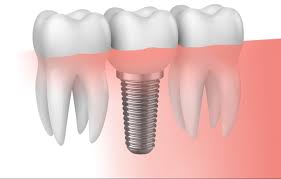
The graft and the implant are different treatments. A graft may occur at extraction, before an implant, at the same operation as an implant, or occasionally around an existing implant for a specific indication. Whether stages can be combined depends on available native bone and the stability that the planned implant can achieve. A graft without an eventual implant can also be considered for selected reasons, such as preserving a ridge after extraction. Ask for an explicit sequence rather than assuming that one surgical visit completes the tooth replacement.
Types of graft and alternatives
Socket preservation after extraction
After a tooth is removed, a socket can change shape as it heals. The surgeon may place graft material in the socket, sometimes with a covering, to help preserve the ridge for a possible future implant or prosthesis. This does not recreate every contour or guarantee a later implant will need no further grafting. The decision depends on the tooth, infection, socket walls and future restorative plan. A tooth that can reasonably be saved should not be extracted solely to fit a preset graft-and-implant package.
The immediate postoperative instructions concern both the extraction and the graft. Protect the clot, avoid disturbing the wound and follow specific advice on food, cleaning and medication. A fragment of graft material may occasionally be noticed; persistent opening, worsening pain or discharge needs direct assessment.
Ridge augmentation and membrane-assisted bone regeneration
A narrow or deficient ridge may need added bone on the outer side, upper surface or another specific area. Membrane-assisted bone regeneration commonly uses particulate graft material and a membrane; some defects may need a block graft or another approach. The amount of native bone, location of a nerve or sinus and intended implant position determine the technique. Some grafts heal before implant placement, while selected cases permit simultaneous work if adequate stability and closure can be obtained.
The surgeon should explain why the proposed graft width or height is needed and how it will be protected from pressure by a temporary denture. Removing more bone from a donor site can add another wound, pain and potential complication. An anatomical drawing or scan review helps distinguish a real defect from a generic statement that every implant requires grafting.
Sinus floor elevation
For upper back teeth, the floor of the maxillary sinus may lie close to the available bone. A sinus lift raises the sinus lining and places graft material to create more bone height for a possible implant. Approaches differ according to anatomy and the amount of native bone. The lining can tear and sinus problems can affect healing; a clinician may postpone or modify surgery if active sinus disease requires assessment. The timing of implant placement is case-dependent.
Ask about previous sinus surgery, chronic sinusitis, nasal symptoms and current infections. Follow the surgeon's specific advice on nose blowing, sneezing, pressure changes and follow-up. A generic dental graft instruction sheet does not cover every sinus lift concern. Do not assume that a return flight is harmless or prohibited merely because the procedure is called a sinus lift; discuss your actual anatomy, symptoms and timing with the responsible surgeon.
Graft materials and donor sites
Material may come from the patient's own bone, a human donor, an animal source or a synthetic material, sometimes in combination. These choices differ in how they are processed, handled and incorporated, as well as in cultural or personal acceptability. Ask for the exact material, origin, manufacturer and reasons for its use, and whether a donor site is planned. Informed consent should address the material placed and relevant alternatives before surgery.
An autograft from another site in the mouth, or less commonly another body site, may introduce additional operative discomfort or risk. A material labelled “bone substitute” is not identical to the patient's own living bone. No specific product alone guarantees implant success. The surgical plan must also consider stable tissue closure and the ability to keep the site clean during healing.
Alternatives when grafting is not the best plan
A smaller or differently positioned implant, orthodontic movement, a bridge, a removable prosthesis, treatment to retain a tooth or no replacement may be relevant in selected cases. These are not interchangeable answers; each has anatomical and functional trade-offs. Avoiding a graft by placing an implant at a poor angle is not a sound alternative. Ask the surgeon and restorative dentist to compare the final tooth design, not only the surgical step.
| Option | Main distinction | Decision to clarify |
|---|---|---|
| Socket preservation | Graft at extraction site | Future restorative goal and socket condition |
| Ridge augmentation | Rebuilds deficient width or height | Need for staged surgery and membrane protection |
| Sinus floor elevation | Adds bone beneath the upper sinus | Sinus health, technique and timing |
| Implant without graft | Uses existing native bone | Whether implant position and support are adequate |
| Bridge or removable prosthesis | Replaces a tooth without implant surgery | Effect on other teeth, fit and maintenance |
| Retain the tooth or defer treatment | Avoids immediate extraction or graft | Whether the tooth can be treated predictably |
Real indications for dental bone grafting
- A documented shortage of bone for a proposed implant at a clinically appropriate position.
- A fresh extraction socket where preservation serves a considered future plan.
- A deficient ridge that needs support for a planned restoration.
- Limited upper-jaw bone height near the sinus in a suitable patient.
- A patient able to attend postoperative reviews and accept a possible staged course.
These situations call for individualized assessment rather than an automatic graft. The surgeon may treat infection or gum disease first, alter the implant plan or recommend another restorative option. A patient must understand that graft healing is uncertain and that a second procedure or different tooth replacement may still be needed.

Indications and contraindications for dental bone grafting
| Situation to assess | How it affects the decision |
|---|---|
| Documented ridge deficiency | Match graft method to the defect and intended implant site. |
| Tooth that may be saved | Compare retaining it with extraction and later replacement. |
| Active dental or gum infection | Diagnose and manage before or as part of a staged plan. |
| Uncontrolled medical condition | Medical optimization or postponement may be necessary. |
| Smoking or vaping | Discuss wound and implant-healing concerns and cessation support. |
| Medicines affecting bone healing | Review history with the surgeon and prescribing clinician. |
| Chronic sinus problems | Assess before an upper-jaw sinus procedure. |
| Need for a donor site | Explain separate wound and related complications. |
| Limited access to follow-up | Ensure a realistic plan for checks and urgent care in Canada. |
How the procedure is performed, step by step
Before the procedure
The surgeon takes a medical history, examines teeth, gums and bite, and reviews imaging suitable for the site. Discuss previous extractions, infections, sinus symptoms, medication, smoking and any earlier graft or implant failure. The proposed restorative dentist should help define where the final tooth needs to be, since the graft is intended to support a restoration rather than simply fill a radiographic void. Ask for the specific defect, technique, material origin, donor site if any and whether an implant is planned now or later.
Anaesthesia may be local, sometimes with additional sedation depending on the procedure and patient; a separate assessment is needed for any sedation or general anaesthesia. Confirm which clinician performs surgery and who monitors recovery. Review alternatives, possible failure, fees, travel timing and where complications will be assessed after you return to Canada.
During the procedure
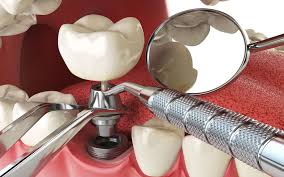
The surgeon may remove an unsalvageable tooth, clean an extraction socket, open the gum over a ridge or access the area under the sinus lining, depending on the chosen technique. The site is prepared, graft material is placed where needed, a membrane or other protective covering may be used and the soft tissue is closed. If an implant is placed simultaneously, its position and initial stability must be appropriate. These steps vary substantially between socket preservation, ridge augmentation and sinus elevation.
The patient should know whether the membrane is intended to stay in place, whether sutures need removal and what would happen if graft material becomes exposed. If unexpected anatomy or infection changes the plan, the surgeon should explain the revised decision. A surgical photograph or scan after placement is not proof that mature supporting bone has formed.
After the procedure
The team observes immediate recovery, gives written wound-care and medication instructions, and schedules the first review. Expect the surgeon to explain which degree of bleeding, swelling and discomfort is anticipated in your case and whom to contact if symptoms worsen. A pressure-sensitive removable appliance may need adjustment to protect the graft. For a sinus lift, additional precautions may apply to nasal pressure and sinus symptoms.
Obtain the operation summary, material record, any imaging and the planned dates for wound review and later assessment of bone. A Canadian clinician should be told exactly what was done, especially if sutures, a membrane or an exposed area needs attention after your return. The surgeon must assess healing before confirming a later implant date.
Recovery and time away from normal activities
Graft healing has an early soft-tissue stage and a longer period of bone formation and remodelling. Exact timing depends on technique, defect size, health and subsequent imaging; do not treat any illustrative interval as personal clearance to fly or as a guaranteed implant date. A staged graft may mean another journey to Tunisia, and this has a major effect on total travel cost.
| Approximate period | Expected changes and practical decisions |
|---|---|
| Consultation and imaging | Confirm defect, material, implant position and staging. |
| First day after surgery | Follow bleeding, anaesthesia and wound-care instructions. |
| Early days | Monitor pain and swelling; protect the site and contact the surgeon if worsening. |
| Early review | Check tissue closure, sutures and any exposed material. |
| Later healing | Assess bone formation before planning implant placement. |
| Long-term care | Maintain gum health and review any later implant restoration. |
Swelling, pain and wound care
Swelling and discomfort may occur after oral surgery and can vary with the extent of grafting and any donor site. Follow the prescribed instructions for medicines, gentle oral cleaning and eating without pressure on the wound. Do not smoke or disturb a clot or membrane. Increasing pain after initial improvement, bad taste with discharge, a wound opening or persistent bleeding should prompt direct contact with the treating team or a local dentist.
Sinus symptoms and other warning signs
After upper-jaw sinus elevation, report new or worsening facial pain, nasal discharge, fever or a suspected communication between the mouth and nose. Follow individual precautions about nose blowing and pressure. Spreading swelling, difficulty swallowing or breathing and uncontrolled bleeding require urgent local care. A photograph cannot establish whether a deep graft or sinus problem is present. Arrange a route to in-person assessment rather than relying only on messaging across time zones.
Work, exercise and the return flight
Time away from work depends on the operation, anaesthesia, pain and physical demands of the job. Ask when strenuous activity and heavy lifting can resume; do not assume the advice for a small socket graft applies to a larger donor-site or sinus operation. Discuss flight timing with the surgeon, particularly if swelling, infection, sinus symptoms or sedation are involved. Build in a postoperative examination before a transatlantic trip and account for long connections from your Canadian city.
Reviews and implant timing in Canada
The first wound check may take place in Tunisia, while later assessment of bone can occur after you have returned home if a willing Canadian clinician receives the records. Agree who will assess imaging, interpret healing and decide whether the implant plan can proceed. If the intention is to travel back to Tunisia for an implant, obtain a realistic stage-by-stage schedule with alternatives if healing is inadequate. Fees for Canadian reviews or imaging may be separate.
Expected results and durability
What healing can and cannot show
Soft tissue may look closed before the deeper site is ready to support an implant. The surgeon evaluates healing over time and may use imaging where indicated. Some graft material can remain visible on a scan while new bone forms; the image needs clinical interpretation. The useful endpoint is adequate support for the intended implant or prosthetic design, not merely the appearance of a filled defect on the day of surgery.
A possible change in the plan
The graft may integrate incompletely, lose volume or become infected, and additional surgery or another restorative choice may be necessary. Implant placement might need to be postponed, modified or abandoned. A successful graft also does not guarantee the long-term performance of an implant or crown. Ask how the team defines a successful result and what the next option would be if the planned amount of bone does not develop.
Maintenance around the future restoration
If an implant is eventually placed, gum health, cleaning, bite design and regular examinations continue to matter. If the original tooth is preserved or a bridge is chosen instead, that restorative plan needs its own follow-up. Keep records of the graft material and site so later clinicians understand the anatomy. A before-and-after scan is informative but cannot predict the future behaviour of every patient's tissue.
Risks and possible complications
- Bleeding, swelling or pain: symptoms may exceed what was expected and require assessment.
- Infection or poor wound healing: the graft can become exposed or fail to incorporate.
- Loss of graft material or membrane exposure: the site may need observation or additional treatment.
- Insufficient new bone: a later implant may need another procedure or a different plan.
- Injury to adjacent structures: nearby teeth, nerves or the sinus can be affected depending on location.
- Sinus lining tear or sinusitis: these concerns are specific to upper-jaw sinus procedures.
- Donor-site complications: taking the patient's own bone creates a second wound.
- Anaesthesia-related problems: risks depend on the drugs and level of sedation used.
Problems needing prompt assessment
Contact a clinician for worsening pain, fever, foul discharge, persistent bleeding, growing swelling, exposed graft material or an opening of the wound. Numbness that persists unexpectedly or new sinus symptoms after an upper-jaw procedure deserve assessment. Seek urgent local care for spreading swelling, difficulty swallowing or breathing, or bleeding that cannot be controlled using the instructions provided. Do not attempt to push exposed graft material back under the gum.
Continuity across Tunisia and Canada
Before surgery, identify who would examine an unscheduled problem in Tunisia and which Canadian dentist or surgeon can assess a complication after return. Request the operation note, material identification and imaging. A written commercial guarantee on material or treatment may exclude emergency care, Canadian fees, extra travel or a second graft. Do not delay necessary treatment while seeking an overseas warranty decision.
Why consider Tunisia for dental bone grafting?
Compare the complete reconstruction
Some patients consider Tunisia for a coordinated extraction, graft, implant and crown plan or a potential difference in total cost. The key comparison is the whole sequence and the final tooth position, not the fee for a packet of graft material. Ask whether a graft is actually necessary, whether it can be combined with implant surgery and what happens if healing requires another visit. A local Canadian plan may have different travel and follow-up advantages for an individual patient.
Check the surgical team and direct language access
Confirm the operating clinician's identity, qualifications, actual practice and access to imaging and complication care. English or French communication is helpful only when the surgeon who obtains consent and gives postoperative advice can speak directly with you in the chosen language. A booking coordinator's translation is not the same thing. Ask exactly where the procedure and first review occur and who will interpret later imaging.
Plan the distance during healing
A graft can create a long interval between trips. If a membrane is exposed or an infection develops after you return to Canada, an in-person local examination may be necessary. Agree who will provide it and how the treating surgeon will receive findings. The financial and practical value of the Tunisian plan depends on this continuity, not on a claim that a brief initial stay completes treatment.
Cost of dental bone grafting in Tunisia
The cost of dental bone grafting in Tunisia depends on the defect, graft technique, material, membrane, donor site, anaesthesia, imaging and whether extraction or implant work occurs at the same visit. An itemized quotation should separate these stages and identify review visits, a possible second graft, later implant placement, abutment and crown. Ask how fees change if an unexpected infection or anatomy requires another approach.
| Factor | Effect on total cost |
|---|---|
| Defect and surgical method | Socket, ridge and sinus procedures involve different work. |
| Graft and membrane material | Confirm exact product, source and inclusion in the fee. |
| Extraction or donor site | Adds procedures, appointments and recovery needs. |
| Imaging and anaesthesia | Ask which scans, sedation and monitoring are included. |
| Implant and final tooth | Clarify whether these later stages are quoted separately. |
| Flights and Canadian connections | Include the full journey for each possible visit. |
| Accommodation and extended stay | Allow for postoperative review or a clinical change. |
| Time away from work | Consider surgical recovery and repeated journeys. |
| Insurance and Canadian follow-up | Verify exclusions, local imaging and urgent-care costs. |
Compare complete proposals
Compare the same anatomical problem, intended implant position, graft material and number of stages across offers. Clarify currency conversion, payment schedule, refund terms and how complications or inadequate healing affect cost. A low surgical headline cannot represent a later implant and crown or a Canadian review. Insurance coverage for dental implants and related grafts varies; check your actual plan in writing.
Comparison: Tunisia and other medical tourism destinations
No country name establishes surgical skill or healing outcomes. Compare the individual surgeon and restorative team, quality of the diagnosis, material record, staged timetable and practical follow-up. Canada, Mexico and Türkiye can each have very different providers and routes from your actual Canadian home city.
| Country | Communication | Journey | Consultations | Quotation | Continuity of care |
|---|---|---|---|---|---|
| Tunisia | Confirm direct consent and aftercare in English or French. | Allow transatlantic travel and possible second trip. | Examine defect and plan final restoration. | Separate graft, implant, crown and further procedures. | Arrange Canadian wound and bone review. |
| Canada | Confirm preferred language with the practice. | Local or regional travel may be needed. | Repeat imaging and visits may be easier. | Compare identical surgical and restorative stages. | The original surgeon may be more accessible. |
| Mexico | Verify surgeon and clinical instructions. | Check actual route from the home city. | Leave time for postoperative examination. | Identify material and exclusions. | Agree who assesses healing at home. |
| Türkiye | Confirm consent language and records. | Include connections and repeat travel. | Clarify staged implant timing. | Separate surgery, membrane and restoration. | Obtain a local contact for complications. |
Tunisian cities to consider for this procedure
Confirm where surgery and reviews occur
Ask Aylan Clinic which surgeon and facility would perform the graft and where the early wound review is planned. Tunis, Sousse and Monastir may affect transfer times and accommodation, but a city's reputation does not establish a particular clinician's competence. Consider travel between the arrival airport, surgical facility and lodging when you may be swollen or uncomfortable. Confirm who would see you if a wound opens outside a planned appointment.
Allow for postoperative changes
The surgical plan can change if imaging or direct examination reveals infection, an unsuitable sinus or a different ridge defect. A graft may also require review before departure and a later trip for the implant. Stay near the responsible team long enough for the agreed early examination, and avoid booking a restrictive return flight before discussing procedure-specific travel advice with the surgeon.
Which Canadian cities can patients travel from?
Check current schedules, transit requirements and the whole return route for your own dates and nationality. None of these cities implies a direct flight to Tunisia. Because this is surgery with a healing interval, identify a Canadian clinician who will evaluate a wound, sinus symptom or imaging after you return.
Montreal, Laval and Longueuil
Compare viable departures through Montréal–Trudeau with ground travel from your home. Tell the surgical team whether you want consent and postoperative instructions in English or French; confirm the actual surgeon can discuss complications directly in that language. A Quebec dentist or oral surgeon who agrees to assess healing and later imaging can reduce uncertainty between Tunisian visits. Allow time for an early wound check before flying back rather than booking the tightest possible connection.
Quebec City, Lévis, Trois-Rivières and Saguenay
Include regional transport and possible overnight lodging before or after the international route. If a graft requires another journey for an implant, repeat the full calculation. Ask about access to urgent assessment for swelling, membrane exposure or pain in your community. The treating team should provide a precise operative note and material record in a form a local dentist can use; airport access alone does not solve postoperative care.
Ottawa, Gatineau and Sherbrooke
Compare airport choices and road connections against the planned surgical and review dates. Patients near provincial borders should establish which clinician will take responsibility after return rather than assuming nearby practices will accept overseas work. Confirm the language used for diagnosis, material consent and aftercare with the operating surgeon. If the graft is staged, obtain a schedule that explains how healing will be evaluated between trips.
Toronto, Hamilton, Kitchener–Waterloo and London
Count travel to the departure airport, international connections and time off work after surgery. A low fare does not necessarily allow a safe recovery window or a convenient return for an implant. Identify a dentist or oral surgeon near home who can examine a painful or open graft site and obtain imaging when clinically indicated. Ask whether local consultation costs are separate from any quoted Tunisian guarantee.
Vancouver, Surrey, Victoria and Kelowna
The longer itinerary from British Columbia can include several connections and another domestic leg for Victoria or Kelowna. Plan rest and sufficient time after a postoperative examination before a long return journey. If a sinus lift is proposed, discuss your own symptoms and flight timing directly with the surgeon. Consider the cumulative travel needed for a staged graft, implant and crown rather than pricing only the first visit.
Calgary and Edmonton
Compare total flight and connection time, not just the transatlantic segment. Swelling, postoperative medication and travel fatigue may complicate a tightly scheduled journey. Arrange a local point of contact for wound problems and clarify when the later implant decision will be made. If bone healing is slower than expected, the team may defer a second trip; discuss flexibility in advance.

Winnipeg, Saskatoon and Regina
Regional connections can add overnight transit and make a change in the surgery or review date costly. Plan leave from work for early recovery, and tell the surgeon about a physically demanding job. Confirm who can examine increasing pain or exposed membrane near home and receive the surgical record. A remote photograph may support communication but cannot replace a clinical assessment of deeper infection.
Halifax, Charlottetown and St. John's
Atlantic routes may involve more than one leg, and the return itinerary can differ from the outbound journey. Leave room for a wound review before departure and consider access to urgent dental care after arriving home, particularly around weekends. If the graft involves an upper-jaw sinus procedure, keep the specific surgeon's postoperative instructions available throughout travel. A delayed connection should not become a reason to miss necessary assessment.
Moncton, Dieppe, Edmundston and Fredericton
Acadian and other French-speaking patients should state their preferred language for surgical consent, written instructions and later imaging explanations; English-speaking patients should do the same. Include road travel from the actual home address and locate a practice that will evaluate an overseas graft if needed. An ordinary dental cleaning service is not proof that urgent surgical follow-up is available. Arrange that handover before departing for Tunisia.
Smaller communities and the territories
Patients farther from major centres may need domestic travel for both the international departure and specialist review at home. Ask whether urgent oral surgery assessment and suitable imaging can be obtained where you live. The feasibility of the graft depends partly on managing its months-long healing process, not simply reaching the operation in Tunisia.
How to choose a surgeon for dental bone grafting
Verify the surgeon's identity, right to practise, training and experience with the particular defect. Ask who plans the final implant-supported tooth, which clinician interprets imaging and where surgery and anaesthesia are provided. A useful proposal explains the available native bone, the exact graft technique and material, why a staged or combined approach is chosen and how complications would be handled.
Review the reasoning behind the graft
Request a clear explanation of why bone is inadequate for the proposed implant position and what alternatives were considered. The surgeon should discuss the chances of needing a further procedure without inventing a personal success percentage. Ask whether the site has active infection or gum disease and whether medical factors change the plan. A scan and a brand name are not substitutes for a diagnostic explanation.
Confirm consent and the handover
Obtain written instructions specific to socket, ridge or sinus surgery as appropriate. Confirm whom to call after hours in Tunisia, the timing of the first review, what records will go to Canada and who decides readiness for implant placement. A Canadian clinician must be willing to accept the follow-up role, and fees should be clear. Delay surgery if the material, surgeon or route to complication care remains uncertain.
Planning a medical stay in Tunisia
Planning dental bone grafting in Tunisia requires a diagnosis of the defect, agreement on implant or prosthetic goals, surgical consent, early wound review and a later assessment of bone. Some patients need separate visits for extraction, grafting, implant placement and final restoration. Check current entry and transit requirements for your passport and route, then allow the medical timetable to shape the itinerary.
Before leaving Canada
Collect dental records, recent imaging if available, a medicine list and details of infections, sinus problems, diabetes or earlier surgery. Ask a Canadian dentist or oral surgeon whether local postoperative assessment can be arranged. A remote estimate may help plan questions but cannot establish exact graft volume or whether a tooth should be extracted. Share your preferred language for direct discussion with the surgeon.
Examination and consent in Tunisia
Review imaging and the final prosthetic position together with the operating team. Ask which defect is being treated, the source of material, whether a donor site is needed, anaesthesia arrangements and whether an implant is planned at the same operation. If the findings differ from the remote plan, ask for a revised estimate and time to consider alternatives. Travel already purchased does not oblige you to accept a larger intervention.
The first days after surgery
Stay close enough for the scheduled wound check and know whom to reach for persistent bleeding, worsening pain or sinus symptoms. Follow procedure-specific eating, oral hygiene and activity instructions, and do not apply pressure from a denture to an unprotected graft. Ask when any sutures require review and what signs indicate that the site is not healing as expected. A remote exchange can supplement, but cannot always replace, an examination.
Before flying and after returning home
Have the surgeon assess early healing and discuss travel in view of the actual operation, anaesthesia and symptoms. Collect the operative and material records for the Canadian clinician. Arrange later imaging or examination to decide whether an implant is feasible and when it should occur. If a problem develops after return, seek local care promptly and let the Tunisian team know what was found.
Request a personalized opinion on dental bone grafting in Tunisia
Tell Aylan Clinic about your missing or damaged tooth, previous extractions or implants, medical history, preferred language for direct surgical discussion and travel constraints from your Canadian city. Request the proposed surgeon's identity, the reason grafting is suggested, the material and staged medical schedule, and an itemized quote for both surgery and any later implant restoration.
A preliminary review of records can identify useful questions and likely travel stages. The definitive choice of graft technique, material and implant timing must follow examination by the responsible clinicians and informed consent.
Continue exploring our dental care in Tunisia overview, the complete aesthetic surgery panorama, compare plastic surgery prices in Tunisia, or request a free, personalized quote.
Everything about Dental Bone Grafting in Tunisia
Technique, pricing, results and the full patient journey — every detailed answer in our complete guide.