
Gingivoplasty in Tunisia reshapes the visible contour of gum tissue. For a Canadian patient, the central question is whether excess or uneven soft tissue truly explains the appearance of the smile, or whether tooth position, inflammation or underlying bone calls for another treatment. Reshaping healthy tissue can improve proportions, but it cannot make every short-looking tooth longer safely.
In this article, you will find an explanation of assessment, techniques, candidacy, recovery, possible complications, costs and the practical arrangements for returning to Canada. The information is intended for both English-speaking and French-speaking Canadians considering an individual consultation, not as a substitute for examination.
What gingivoplasty is and how it works
The visible gum line and the tissues beneath it
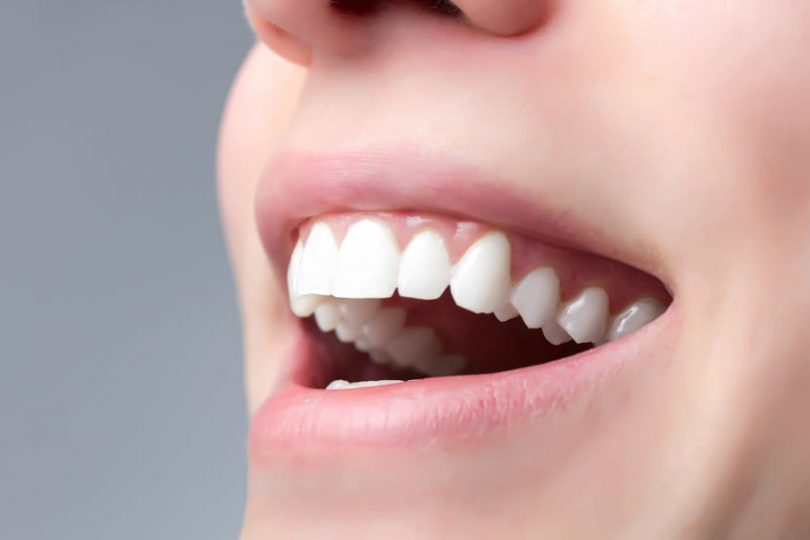
The gingiva forms a collar around each tooth and covers the supporting bone. A gingivoplasty changes the shape of that soft-tissue edge, for example to smooth an irregular scallop or improve the balance between adjacent teeth. It may be performed alone when sufficient healthy tissue can remain, or as part of a broader periodontal or restorative plan. The dentist checks gum health, tooth shape, probing depths, the location of the bone and how much tooth is visible at rest and when smiling.
Why teeth can look unusually short
The cause matters more than the amount of gum visible in a photograph. Tooth wear, a naturally short crown, altered passive eruption, gingival swelling, a low lip position and the position of the teeth can create different appearances. If inflammation causes swelling, periodontal treatment and improved cleaning come first; removing tissue before inflammation settles risks an unstable line. If the bone lies close to the proposed new margin, simple trimming may regrow or expose an unhealthy attachment. Assessment may include periodontal measurements and appropriate imaging.
Cosmetic and functional boundaries
An even gum line can make the visible crowns look more proportionate and can sometimes improve access for cleaning. It does not correct crooked teeth, replace lost gums or rebuild damaged enamel. Removing too much tissue may expose sensitive roots and create dark spaces between teeth. The final contour must allow a maintainable seal around the teeth, especially if veneers or crowns are being considered later.
Gingivoplasty techniques and alternatives
Soft-tissue reshaping and gingivectomy
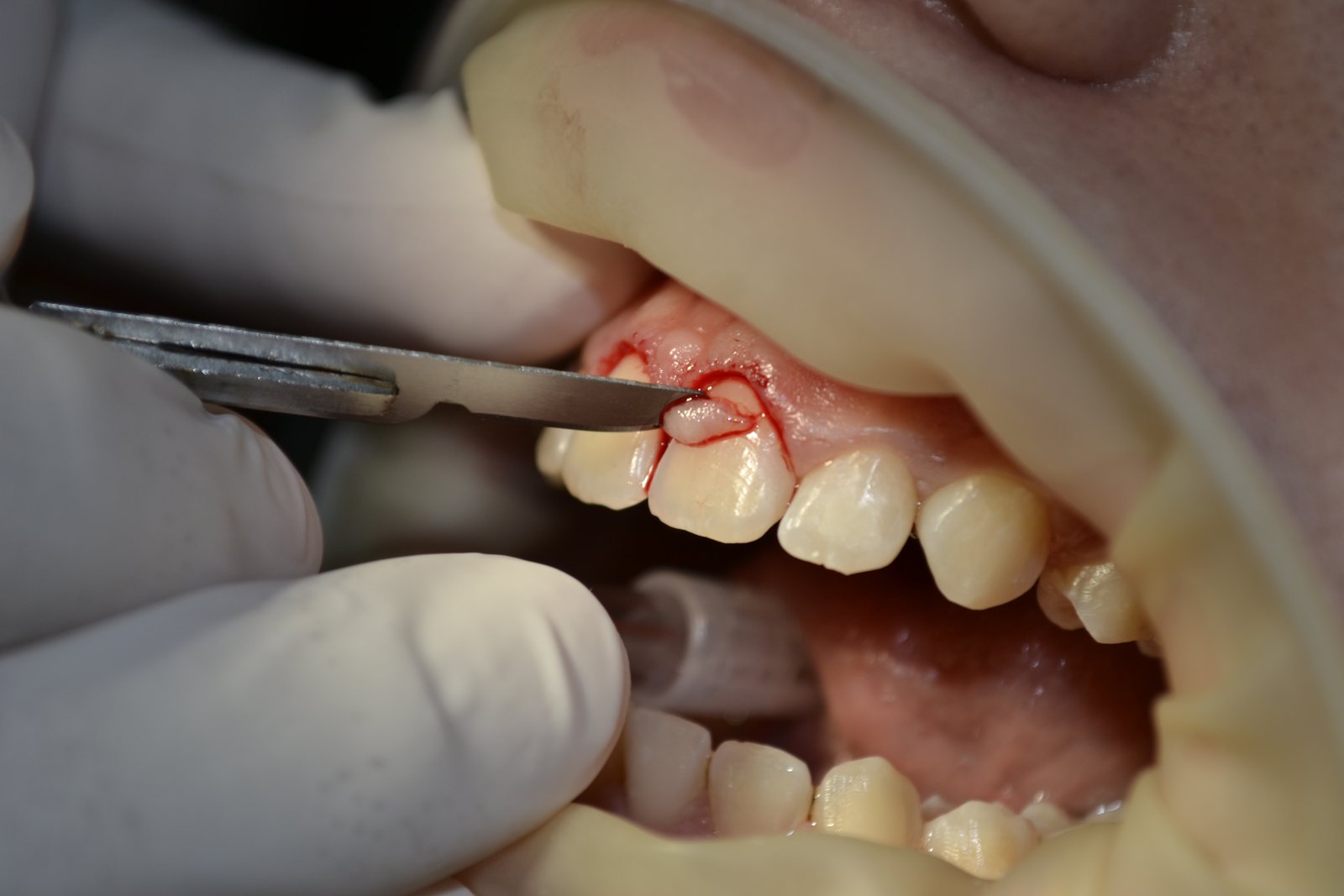
Gingivoplasty describes reshaping the contour; gingivectomy refers to removing gum tissue. The two may occur together, but the amount removed is a clinical decision. A scalpel, electrosurgery or a dental laser may be used when appropriate. No instrument is universally gentler or more durable: bleeding control, tissue thickness, healing and the operator's technique all matter. Ask which method is proposed, how much tissue will be removed and why.
When crown lengthening involves bone
Some short-looking teeth need surgical crown lengthening that changes both the gum and the supporting bone to create a stable margin or expose sound tooth for a restoration. This is more extensive than a soft-tissue gingivoplasty and may have different healing and cost implications. If a proposed veneer or crown margin requires space for healthy attachment, trimming gum alone may be inadequate. A periodontist or restorative dentist should explain the measurements and the likely effect on nearby teeth before treatment.
When another treatment addresses the real cause
Inflammation may respond to periodontal care; tooth crowding or uneven levels may call for orthodontic assessment; recession may require a different periodontal procedure. A restoration can alter tooth shape but must not hide a problem at the gum margin. Sometimes observation is the safest choice. A mock-up or photographs can clarify the desired appearance, but only examination can establish whether that appearance is compatible with healthy tissue.
Real indications for gingivoplasty
- Uneven gum margins where assessment confirms that safe soft-tissue reshaping is possible.
- Excess gum coverage of otherwise suitable tooth crowns, after the position of supporting bone is checked.
- A localized contour that makes cleaning or a planned restoration difficult.
- Refinement after periodontal treatment once inflammation has resolved and the tissue has stabilized.
An aesthetic preference is a legitimate reason to ask for an opinion, but it does not automatically justify removal. A clinician may advise treatment of gum disease first, propose bone work or orthodontics, or decline a contour that would expose roots or weaken the attachment. The patient and clinician should agree on the likely change in a natural smile, not an idealized photograph.
Indications and contraindications for gingivoplasty
| Situation to assess | How it affects the decision |
|---|---|
| Healthy gums with excess soft tissue | Reshaping may be reasonable if bone position and tissue thickness permit. |
| Bleeding, swelling or periodontal disease | Diagnose and treat the cause first; reassess the contour after healing. |
| Bone close to the desired margin | Consider crown lengthening with bone adjustment or a different goal. |
| Existing recession or thin gums | Tissue removal may worsen sensitivity and the appearance of exposed roots. |
| Uncontrolled health condition or medication affecting bleeding or healing | Obtain individualized medical assessment; postpone elective surgery when necessary. |
| Planned veneers, crowns or orthodontics | Coordinate the sequence and allow the gum margin to stabilize before definitive work. |
| Pregnancy or a temporary oral infection | Discuss timing and necessary care individually rather than assuming an absolute prohibition. |
How the procedure is performed, step by step
Before the procedure
The dentist asks about medical conditions, medication, smoking, previous gum treatment and the appearance you want to change. Examination includes periodontal health, probing measurements and a review of teeth and bone where indicated. The clinician marks or demonstrates a proposed margin and explains whether the plan is limited to soft tissue. Ask who will perform the procedure, what type of local anesthetic is planned and what happens if deeper work is needed. Written consent should identify uncertainties, alternatives and aftercare.
During the procedure
Local anesthesia is commonly used for localized gingival reshaping. The clinician reshapes the planned gum edge with the selected instrument, checks symmetry and preserves enough tissue around each tooth. The exact steps change if the plan also includes removal of inflamed tissue, flap surgery or bone recontouring; these should be discussed beforehand, not treated as interchangeable versions of a cosmetic trim. The team checks bleeding control and provides wound-care instructions.
After the procedure
Expect a period of tenderness and a changing appearance as the margin heals. Some patients receive a periodontal dressing; this depends on technique and the area treated. The team explains brushing around the site, any prescribed rinse or medication, food choices and when to call. A first review checks wound healing and the contour. Restorative work should be timed according to the clinician's assessment of margin stability rather than a fixed travel package.
Recovery and time away from normal activities
| Approximate period | Expected changes and practical decisions |
|---|---|
| Procedure day | Local numbness, mild bleeding or tenderness; follow written eating and cleaning instructions. |
| First days | Variable swelling and soreness; avoid disturbing the wound and attend any planned review. |
| Following weeks | Gum colour and shape continue to change; review persistent pain, bleeding or an uneven margin. |
| Later review | Confirm the stable contour before choosing final veneer or crown margins, if relevant. |
These periods are illustrative and do not provide individual clearance for flying, work or restorative treatment.
Wound care and ordinary activities
Follow the treating dentist's specific instructions for cleaning near the site. Gentle hygiene elsewhere remains important, and smoking can impair healing. A soft diet may make the first days easier. Work and exercise depend on the extent of surgery, discomfort and bleeding; strenuous activity may need to wait until the clinician considers the wound stable. Bone surgery or treatment of several teeth can change the recovery plan substantially.
Warning signs and a flight home
Bleeding that does not settle with the measures provided, worsening swelling, fever, pus, severe pain or difficulty swallowing warrants prompt clinical advice. Arrange an examination before a long journey if any such concern develops. Cabin travel can be uncomfortable when the wound is tender, and a connection can make access to the operating team difficult. Book a flexible return and ask the treating clinician to examine the site before departure; a prepaid ticket is not medical clearance.
Review after returning to Canada
Arrange a local dentist or periodontist who agrees to review the area if healing becomes uncertain. Bring the operative summary, the exact teeth treated, any imaging, prescriptions and clear aftercare instructions. The Tunisian and Canadian clinicians should identify who handles routine checks and who is contacted for urgent concerns. A photograph sent from home can assist communication, but it cannot replace an examination when there is bleeding, infection or recession.
Expected results and durability
Early contour and settled tissue
The gum line may look different immediately, but swelling and surface healing can obscure the eventual shape. A meaningful assessment usually requires a later review; the interval varies with the amount and type of surgery. Good oral hygiene and control of inflammation support stability. Tissue can change over time, and additional work is sometimes needed if the margin heals unevenly or the initial diagnosis did not fully account for bone position.
Tooth display and restorative plans
Visible tooth length may increase if the gum safely moves to a more suitable position. That does not make the enamel longer or repair a tooth's structure. If veneers or crowns are planned, their final contours and margins need coordination with healing gingiva. A dentist may delay definitive impressions or bonding until the tissue has stabilized, especially after more extensive crown lengthening. Ask how the proposed gum line will relate to the lip and neighboring teeth in ordinary conversation.
What photographs cannot promise
Before-and-after photographs may illustrate a change in contour, but lighting, lip position and tooth restorations can influence the comparison. They cannot predict your bone level, tissue thickness or long-term response. The treatment discussion should include the possibility of residual asymmetry, root exposure and a smaller visible difference than expected.
Risks and possible complications
- Bleeding and infection: Some oozing is possible; persistent bleeding, fever, discharge or increasing swelling needs assessment.
- Sensitivity and recession: Exposed root surfaces can feel sensitive and may change the appearance of teeth.
- Asymmetry or unwanted spaces: Healing can leave uneven margins or visible spaces between teeth, particularly if tissue between teeth changes.
- Regrowth or rebound: A margin may move if inflammation returns or underlying bone limits the soft-tissue change.
- Delayed healing and dissatisfaction: Smoking, disease, a larger surgical area or unrealistic expectations can complicate recovery.
When to seek urgent help
Call the treating team for bleeding that fails to respond to written first-aid instructions, severe or increasing pain, spreading swelling, fever or trouble swallowing. If the problem arises in Canada, contact a local dentist or urgent medical service as appropriate rather than waiting for a reply across time zones. Clarify before travel whether management of a complication is included in the Tunisian quote and what support is available once home.
Why consider Tunisia for gingivoplasty?
For some Canadians, combining an in-person periodontal assessment and elective gum treatment in Tunisia may be worth exploring when they can accommodate the journey and follow-up. The decision should turn on the proposed diagnosis, operator and continuity of care, not on an attractive package. Send recent dental records in advance if available, but treat any remote opinion as provisional until the gums and supporting structures are examined.
Ask for a procedure-specific plan
Confirm whether the proposal is soft-tissue contouring, crown lengthening involving bone, or treatment for periodontal disease. Ask which teeth are included and whether planned restorations will require a later visit. A short surgical appointment does not mean a short overall treatment course if tissues must heal before veneers or crowns. Obtain the name and role of the clinician who will do the surgery and ask how wound checks are scheduled.
Communication and distance
English or French communication may be particularly important during consent and when explaining pain or bleeding. Confirm the language of direct consultations with the dentist and the team who will provide aftercare; do not assume availability from a brochure. The return distance matters if a margin heals unevenly or if a restoration needs adjustment. Agree on access to local review before paying for travel.
Cost of gingivoplasty in Tunisia
| Factor | Effect on total cost |
|---|---|
| Assessment and imaging | Diagnostic records may be separately billed or may change the plan. |
| Number of teeth and technique | A localized soft-tissue procedure differs from multi-tooth or bone surgery. |
| Other dental work | Periodontal treatment, veneers and crowns need separate scopes and timing. |
| Transport and connections | Travel from Canada can involve multiple tickets, baggage and ground transfers. |
| Accommodation and time off | Budget for reviews, recovery and possible additional nights. |
| Complications and revision | Ask what is included locally and who pays for treatment after return. |
| Insurance and Canadian follow-up | Check exclusions, coverage and the fee for local assessment. |
Request a dated, itemized written quote stating the clinician, teeth, technique, diagnostic work, medication, reviews, any bone procedure and exclusions. Compare totals after currency conversion, travel and time away from work; a quoted treatment fee alone does not represent the complete cost. Verify current insurance terms, including what happens if a trip is extended for medical reasons.
Comparison: Tunisia and other medical tourism destinations
| Decision point | Tunisia | Care in Canada | Another destination |
|---|---|---|---|
| Direct consultation | Confirm treating clinician and language before booking. | Local appointments may be easier to arrange. | Confirm clinician and language individually. |
| Journey | Transatlantic travel and possible connections. | Travel varies by province and community. | Route and transit rules vary by destination. |
| Quote | Request teeth, technique, reviews and exclusions. | Request the same itemized scope. | Request the same itemized scope. |
| Aftercare | Plan wound review before flying and a Canadian handover. | Local access may simplify reviews. | Establish a return-home handover. |
No country-wide label can establish the quality of a particular dentist or facility. Compare the actual clinical plan, credentials, emergency arrangements and ability to obtain follow-up, including the possibility that treating gum disease first may remove the need for cosmetic surgery.
Tunisian cities to consider for this procedure
Tunis and the complete treatment itinerary
If a named treating team practices in Tunis, map the consultation, procedure and postoperative examination around that specific address. Airport arrival alone says little about access to reviews. Confirm whether imaging, a periodontal assessment or a specialist opinion happens at the same location and whether the proposed dates leave enough time for the margin to be checked before departure.
Sousse, Monastir and access to the team
Sousse or Monastir may be practical only if a specific clinician and facility can provide the indicated work and prompt assessment of an early complication. Ask for the exact treatment site and realistic ground-transfer times. A city's reputation is not evidence of a practitioner's qualifications; do not reserve a hotel or onward ticket before the dental schedule is confirmed.
Which Canadian cities can patients travel from?
Montreal, Laval and Longueuil
Patients in Greater Montreal can compare access to the departure airport with the time required for an initial dental assessment and a later local review. French-speaking patients, bilingual patients and English-speaking patients should each confirm the language used by the treating Tunisian clinician, not assume it from the destination. Identify a Quebec dentist or periodontist willing to examine the margin after return, particularly if a veneer or crown will be completed later.
Quebec City, Lévis, Trois-Rivières and Saguenay
An overland leg to a larger departure airport may add fatigue and a hotel night to the international itinerary. Build the journey from home to the treatment address and back rather than comparing flight times only. If the gum line needs a second check, the effect of an extra night abroad can be substantial. Plan a local review near home and confirm whether that clinician can receive photographs and surgical notes in a usable language.
Ottawa, Gatineau and Sherbrooke
Crossing a provincial boundary to reach an airport or to arrange dental follow-up can change costs and appointment logistics. Ottawa and Gatineau patients may have different coverage and language preferences; Sherbrooke patients may add a longer ground connection. Before committing, establish who can examine unexpected bleeding or recession after the trip and whether communication with the Tunisian operator can be maintained in the patient's preferred language.
Toronto, Hamilton, Kitchener–Waterloo and London
An Ontario departure should be judged by total journey, airport transfers and time away from work, not the apparent convenience of one flight segment. For localized gum reshaping, allow an examination in Tunisia before flying and keep room to extend the stay if wound healing changes the plan. Ask an Ontario dental professional about postoperative access in advance; do not assume an unrelated practice will automatically take over revisions.
Vancouver, Surrey, Victoria and Kelowna
Travel from British Columbia may involve a longer itinerary, jet lag and more than one connection. Victoria and Kelowna can add a domestic leg, while Surrey patients need to account for ground travel as well. Allow connection buffers and flexible tickets so an unexpected review does not force a rushed departure. If several restorative stages are contemplated, calculate whether repeat long-distance visits are realistic before beginning cosmetic gum work.
Calgary and Edmonton
Compare airport access, the transit route and the practical time needed for a postoperative check, especially if travel dates change. A person returning with gum tenderness should have a simple route to a local assessment rather than depending on an overseas call alone. If crown lengthening involving bone is proposed, clarify whether a separate visit for final restorations will be necessary and how that affects Alberta work and travel schedules.
Winnipeg, Saskatoon and Regina
The itinerary from the Prairies may involve transit stops that increase time away and complicate a last-minute change after surgery. Factor the full journey into the treatment decision. Confirm who will inspect the healing tissue in Manitoba or Saskatchewan, how records will be sent and what additional expense would arise if tissue does not stabilize before a planned restorative appointment.
Halifax, Charlottetown and St. John's
Atlantic travel can involve a domestic connection and variable schedules, so check actual dates, transit requirements and total travel time. An early wound review in Tunisia is useful only if it can happen before the flight sequence begins. Plan a nearby dentist who can see postoperative bleeding or pain, particularly if returning to an island or a community where specialist appointments require additional travel.
Moncton, Dieppe, Edmundston and Fredericton
Acadian and other bilingual patients may prefer French or English for detailed consent; confirm the language used by the surgeon and aftercare team individually. Ground travel to an airport and a later trip home can be as relevant as the international connection. Establish follow-up in New Brunswick and request clear written notes that a local dentist can use without relying on the patient to translate clinical details.
Smaller communities and the territories
Patients outside major centres may face another domestic flight, a long drive and limited access to a periodontist after return. Identify the nearest clinician able to assess the wound and arrange an emergency option before departure. Depending on the planned amount of gum or bone surgery, the distance to follow-up may make local care preferable. Check actual seasonal routes and fares rather than assuming a standard connection to Tunisia.
How to choose a surgeon for gingivoplasty
Verify diagnosis and clinical responsibility
Ask for the clinician's full identity, relevant training, right to practise, experience with similar periodontal cases and the facility where the work will occur. A dentist should be able to explain why the current gum line exists, whether bone work is needed and how recession risk was assessed. Seek a direct consultation, not just an interpretation by a travel coordinator. If another clinician handles sedation or an associated procedure, identify that person and their role.
Confirm consent, complications and handover
Request a proposed tooth-by-tooth plan, alternatives, the equipment choice where relevant, an itemized quote and written instructions for bleeding and pain. Ask who reviews the wound, how quickly a concern can be assessed in Tunisia and what records will be supplied for Canada. A reliable plan accommodates the possibility that the in-person examination changes or cancels the cosmetic operation.
Planning a medical stay in Tunisia
Planning gingivoplasty in Tunisia means arranging enough time for a clinical diagnosis, the procedure, a wound review and a safe return itinerary. The length of stay is individual: soft-tissue reshaping of a small area and crown lengthening involving bone cannot share an automatic schedule. Confirm the route and local aftercare before committing to nonrefundable transport.
Before leaving Canada
Obtain a recent dental examination when possible, record any gum bleeding or periodontal treatment, and list medical conditions and medications. Send clear photographs for preliminary discussion but do not expect them to show bone height or tissue attachment. Ask a local dentist whether a postoperative review can be arranged. Check entry and transit requirements for your actual citizenship and route near the travel date; the departure city alone does not determine those rules.
Examination and consent in Tunisia
Allow for probing, assessment of inflammation and imaging if clinically needed. Confirm whether the desired contour is achievable with soft tissue alone, whether adjacent teeth would be affected and when any restorations could safely follow. Meet the treating clinician directly in a language you both understand. If the plan expands to bone surgery or significant restorative work, request an updated explanation, timetable and quote before consenting.
The first days and departure examination
Follow the written cleaning and medication instructions and keep the planned review. Contact the treating team promptly if bleeding persists, swelling increases or the pain pattern worsens. Before flying, ask for an examination of the wound and confirmation of what to do during the journey. A prepaid ticket or seemingly small procedure must not decide medical fitness to fly. Build time into connections, especially when the final leg is a long drive or domestic flight.
Follow-up at home
Provide the Canadian clinician with the surgical report, treated teeth, findings, medication list and expected healing plan. Confirm whether the Tunisian operator will review photographs at agreed intervals and who makes decisions about further treatment. If veneers or crowns are part of the plan, do not assume an immediate final margin: let the local treating dentist assess tissue stability first. A fresh infection or troublesome recession needs in-person care.
Request a personalized opinion on gingivoplasty in Tunisia
Tell Aylan Clinic which teeth or gum margins concern you, what you hope to change, your medical and dental history, and whether you prefer direct discussion in English or French. Include the Canadian city you would leave from, the time you can spend abroad and any planned veneers or crowns. Request the proposed clinician's identity, an individual clinical schedule and an itemized quote identifying exclusions and follow-up.
A remote preliminary review can help decide which records to bring and which questions to ask. Only an in-person examination can establish whether soft-tissue gingivoplasty is suitable, whether bone or periodontal treatment is required, and whether proceeding in Tunisia makes practical sense for your follow-up in Canada.
You may also want to compare Invisalign in Tunisia.
Continue exploring our dental care in Tunisia overview, the complete aesthetic surgery panorama, compare plastic surgery prices in Tunisia, or request a free, personalized quote.
Everything about Gum Contouring and Gummy Smile Correction in Tunisia
Technique, pricing, results and the full patient journey — every detailed answer in our complete guide.