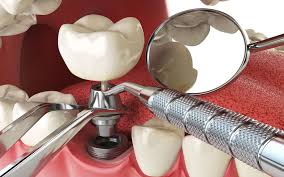
Removable dentures in Tunisia are custom-made appliances that replace some or all missing teeth and can be taken out for cleaning. For a Canadian patient, the key decision is which teeth can be preserved, how the appliance will be supported and who will adjust it once the mouth changes after returning home. A denture can improve appearance and some eating or speaking functions, but the first fitting is rarely the end of care.
In this article, you will find the differences between partial, full and immediate dentures, how fittings work, normal adaptation and warning signs, costs that include travel and repairs, and a practical Canadian follow-up plan. It is intended for English-speaking and French-speaking patients considering Tunisia without assuming that a fixed package fits every mouth.
What removable dentures are and how they work
Replacing missing teeth without a fixed restoration
A removable denture holds artificial teeth on a base that rests against the gums and, for a partial denture, may also connect to remaining teeth. The shape of the ridge, saliva, muscles and bite affect retention and stability. An upper full denture may cover much of the palate; a lower one has less resting surface and can feel less secure. The dentist evaluates oral tissues, remaining teeth and how the jaws meet before deciding what appliance design is feasible.
Support from gums and remaining teeth
A partial denture may use clasps, rests or precision attachments to share forces with suitable natural teeth. Those teeth must be examined for decay, gum support and a maintainable cleaning plan. A complete denture replaces an entire arch of teeth and depends on fit and the health of its supporting tissues. Adhesives may sometimes help an otherwise appropriately fitted denture, but they should not disguise a painful, unstable or badly worn appliance.
An appliance and a changing mouth
Bone and gum ridges can change after tooth removal and over time. A well-fitted denture today may loosen later and need adjustment, a reline, repair or replacement. The dentist should distinguish a new permanent-style appliance from a temporary or immediate denture provided around the time of extractions. Neither design restores the sensation of natural teeth exactly, and bite forces, speech and food choices may require adaptation.
Types of removable dentures and alternatives
Partial, complete and immediate dentures
A partial denture fills selected gaps while natural teeth remain; framework and clasp design depend on the tooth positions and condition. A complete denture replaces all teeth in an arch. An immediate denture can be made before extractions and inserted soon afterward so the patient is not left without teeth, but the tissues shrink during healing and require follow-up adjustments and often a later reline or replacement. Ask whether the quoted appliance is interim or intended for longer-term use.
Conventional retention and implant-retained options
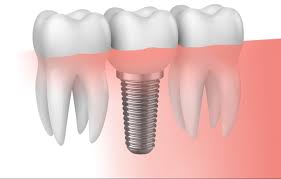
Some removable dentures attach to dental implants through connectors and can offer different stability, especially when a conventional lower denture is difficult to retain. Implant surgery adds separate candidacy, imaging, healing, maintenance and cost considerations. An implant-retained overdenture is still removable and requires cleaning and replacement of attachment parts over time. It should not be confused with a fixed full-arch bridge such as an All-on-4 or All-on-6 plan. Ask who maintains the connectors in Canada.
Bridges, fixed implants and keeping a gap
A fixed bridge or implant-supported restoration may be possible for some patients, but these require suitable neighbouring teeth or bone, and they carry different treatment burdens. In some cases, maintaining a small gap is acceptable. The point is to match the appliance to function, health and access to care, rather than treating a removable denture as automatically inferior or assuming implants are always indicated. The dentist should explain the impact of each alternative on natural teeth and the full timetable.
Real indications for removable dentures
- Several missing teeth where a removable partial appliance offers an appropriate way to restore function or appearance.
- A fully edentulous arch for which a complete denture is suitable after examination of the supporting tissues.
- A temporary replacement needed while extractions, grafting or other treatment heals.
- A patient who prefers a removable option after comparing maintenance, costs and alternatives.
The dentist may advise treating decay or gum disease first, changing the design to protect weak teeth, or postponing a definitive denture until extraction sites settle. Expectations should include practice with chewing and speech plus appointments for sore spots. A rapid first fitting cannot guarantee comfort or long-term stability, especially after recent extractions.
Indications and contraindications for removable dentures
| Situation to assess | How it affects the decision |
|---|---|
| Healthy remaining teeth and stable gums | A partial denture may be designed around maintainable support. |
| Active decay, gum disease or oral lesions | Treat and reassess before taking final impressions or loading teeth. |
| Recent extractions | An immediate appliance needs a healing and reline plan. |
| Dry mouth or unstable jaw ridge | Retention and comfort may be more challenging; explore options. |
| Implant-supported design proposed | Assess surgery separately and arrange attachment maintenance. |
| Difficulty removing and cleaning an appliance | Adapt the design or consider other help and options. |
| Limited access to follow-up in Canada | Establish who will adjust sore spots, relines and broken parts before travel. |
How the procedure is performed step by step
Before the procedure
The clinician takes a medical and dental history, examines the gums and remaining teeth, reviews existing dentures and takes imaging when indicated. Discuss which teeth can be kept, the need for extractions, a temporary versus a definitive appliance, framework materials and the approximate number of visits. Impressions or digital records capture the mouth; a bite record and discussion of tooth shape and shade are also needed. Ask who designs and fits the denture and which laboratory stages and reviews are included.
During the procedure
Denture treatment is usually a sequence of appointments rather than a single operation. The dentist takes detailed impressions, records how the jaws meet, tries a proposed arrangement where applicable, and delivers the finished appliance after checking fit, edges, bite and appearance. A partial may need clasp or attachment adjustments. If extractions or implants are part of the plan, they are separate procedures with their own anesthesia, consent and healing; no routine general anesthesia is required just to fit a conventional denture.
After the procedure
The patient receives instructions on insertion, removal, daily cleaning, overnight storage and what to do if sore spots develop. A scheduled review allows the clinician to adjust pressure areas and the bite. An immediate denture can require multiple visits as extraction sites heal. Never force a partial into place by biting on it, and avoid trying to grind or glue a broken appliance at home. Obtain written details of materials and the plan for relining or repair once in Canada.
Recovery and time away from normal activities
| Approximate period | Expected changes and practical decisions |
|---|---|
| Delivery and first days | Bulkiness, more saliva or difficulty pronouncing words; identify painful spots. |
| Early adjustment visits | Fit and bite can be refined; avoid travelling with unresolved ulcers. |
| Weeks after extractions | Gums and bone change; an immediate denture may loosen and need relining. |
| Ongoing use | Regular assessment, cleaning and eventual reline or remake remain necessary. |
The periods are illustrative. If extractions or implant surgery are performed, follow their separate recovery and travel advice.
Learning to chew and speak
Start with softer foods, small pieces and balanced chewing, following the clinician's recommendations. Practice speaking aloud to adjust to the new shape in the mouth. The appliance should be stable enough for ordinary function, but it will not necessarily handle every sticky or hard food like natural teeth. If a lower denture tips repeatedly, ask for an examination of the fit and bite rather than relying on ever more adhesive.

Sore spots, cleaning and warning signs
A new denture can rub a small area; a dentist can locate and relieve the pressure. Persistent ulcers, swelling, bleeding, a white or red lesion, a broken clasp or a painful tooth under a partial need evaluation. Follow instructions for taking the denture out at night, cleaning the appliance and brushing remaining teeth and gums. Clean over water or a soft towel to limit damage if it slips. Do not use abrasive household products or boiling water that can harm materials.
Work, flying and reviews at home
The appliance itself does not generally impose surgical flight restrictions, but a denture delivered immediately after extractions comes with wound care and possible pain. Allow enough time in Tunisia for an adjustment visit before flying; a sharp edge or ulcer can be difficult during a long journey. Most people can return to ordinary work while adapting, although speech-heavy work may take practice. Arrange a Canadian clinician who will adjust the appliance, manage sore spots and plan any reline.
Expected results and durability
Appearance and daily function
A denture can restore visible teeth, provide some lip support and improve the ability to chew and speak compared with an untreated gap. The result depends on anatomy, fit and practice. Very white or oversized artificial teeth may look unnatural and affect speech or lip posture; a trial stage helps discuss shape and shade. A photograph of the smile does not show how the lower appliance moves while eating or whether pressure is damaging the gums.
Fit changes and routine maintenance
Ridges often shrink after extraction, particularly when the first denture is immediate. An appliance may loosen despite being made correctly. Relining reshapes the tissue-facing surface, while rebasing or remaking may be needed when teeth, bite or the base have deteriorated. Attachments on implant-retained dentures have their own replacement needs. Ask for an expected review schedule and the cost of alterations rather than a promise that a finished denture will fit forever.
Health of remaining teeth and gums
A partial denture is supported partly by the teeth it uses. Cleaning around clasps and under the base helps reduce decay and inflammation. Complete denture wearers still need oral examinations to check mucosa, bone ridges and lesions. A poorly fitting appliance can cause sores or infections; ongoing pain is not a necessary adaptation step. The long-term result includes the health of the mouth, not only the appearance of the plastic teeth.
Risks and possible complications
- Pressure sores and irritation: Excessive rubbing can ulcerate the gums and require adjustment.
- Poor retention or unstable bite: An appliance may move while speaking or eating, especially as the ridge changes.
- Damage to support teeth: Clasps and plaque can contribute to decay or gum problems if cleaning and design are inadequate.
- Breakage or worn parts: A denture, clasp or implant attachment can fracture or loosen.
- Oral infection or overlooked lesions: Pain, persistent redness or a new patch requires examination rather than more adhesive.
When a local examination is needed
Seek dental care for an ulcer that persists, swelling, bleeding, a painful remaining tooth, a broken framework or an appliance that cannot be worn. If recent extractions are involved, follow the surgical team's warning signs for infection or uncontrolled bleeding. Before travelling, ask whether adjustments in Tunisia are included and how to obtain repairs in Canada; shipping the denture overseas may leave the patient without a functional appliance.
Why consider Tunisia for removable dentures?
Some Canadian patients consider a Tunisian dental team for an appliance alongside a broader treatment plan or because they can spend enough time for a proper impression, try-in and adjustments. The clinical value of the trip depends on an identifiable dentist, suitable laboratory work and the capacity to adjust a sore spot after delivery. If the mouth is still healing from extractions, a short stay may be insufficient for a stable definitive fit.
Confirm what is actually provided
Ask whether the quote is for a partial, complete, immediate or implant-retained denture and which arch it covers. Identify the materials, number of visits and whether relines, repairs or replacement after healing are separate. If extractions or implants are planned, they need individualized assessments rather than being hidden in a denture package. A remote photograph cannot establish ridge shape, bite or which teeth should be preserved.
Direct discussion and Canadian maintenance
Confirm that the dentist who designs and fits the appliance can consult directly in English or French according to your preference; booking assistance is not a substitute for clinical communication. Identify a Canadian dentist or denturist whose role and local scope of practice allow the needed adjustments. Ask how laboratory specifications and impressions will be shared. The quality of work depends on the actual clinician and follow-up, not on the country as a whole.
Cost of removable dentures in Tunisia
| Factor | Effect on total cost |
|---|---|
| Assessment and records | Examinations, radiographs and impressions may be separate. |
| Type and materials | Full, partial, framework and attachments differ in cost. |
| Preparatory treatment | Extractions, fillings or periodontal care add stages. |
| Laboratory and try-ins | More complex designs may require several visits. |
| Flights and connections | Transatlantic and domestic transport can exceed appliance fees. |
| Accommodation and lost work | Allow time for delivery, sore-spot review and a possible longer stay. |
| Complications and insurance | Clarify exclusions for surgery, breakage and travel changes. |
| Canadian follow-up | Adjustments, relines and remakes have separate local costs. |
Obtain a written, itemized quote identifying the clinician, arch, design, materials, teeth to be treated, laboratory stages, first adjustments and exclusions. Ask whether an immediate denture later requires another appliance and who pays for it. Compare the entire travel and maintenance cost, including currency conversion, rather than only the price of the initial acrylic or metal framework.
Comparison: Tunisia and other medical tourism destinations
| Decision point | Tunisia | Care in Canada | Another destination |
|---|---|---|---|
| Direct consultation | Confirm fitter and actual consultation language. | Local access depends on community and provider. | Confirm clinician and language individually. |
| Journey | Plan a flight after fitting and any surgical step. | Adjustments may be easier to access locally. | Review the actual route and connections. |
| Quote | Identify design, visits, relines and exclusions. | Request the same detailed scope. | Request the same detailed scope. |
| Continuity | Arrange a Canadian adjustment provider. | Local provider may handle ongoing fit. | Arrange a home-country handover. |
No country-wide ranking tells a patient whether a particular denture will fit. Compare the individual diagnosis, clinical and laboratory process, ability to return for sore-spot adjustment and long-term care after the ridge changes.
Tunisian cities to consider for this procedure
Tunis and the fitting sequence
If an identified clinician practises in Tunis, ask where impressions, try-in, delivery and early adjustments take place. Laboratory turnaround needs to leave enough time to test the denture in ordinary speech and eating before departure. If extractions are planned, establish whether the delivered appliance is immediate and when tissue changes will require a reline. Airport convenience cannot replace access to a clinician who can relieve an ulcer.
Sousse, Monastir and access for adjustments
Sousse or Monastir may suit an individual itinerary only when the treating dentist and laboratory process are identified. Confirm whether the same person will see the patient for a sore-spot adjustment and whether a broken clasp can be repaired during the stay. Account for transfers among accommodation, clinic and departure airport. A city's general reputation does not prove the fit of a specific prosthesis.
Which Canadian cities can patients travel from?
Montreal, Laval and Longueuil
Greater Montreal patients should compare travel with the local availability of dentists or denturists for fitting and adjustments, confirming each professional's actual role. French-speaking and English-speaking patients should ask which language the Tunisian treating dentist uses during direct try-in and consent. If an immediate denture follows extractions, arrange Quebec follow-up for healing and a future reline; a remote photograph will not reveal a pressure area reliably.
Quebec City, Lévis, Trois-Rivières and Saguenay
The drive or additional flight to an international airport can be burdensome if a new denture already causes rubbing. Schedule enough time in Tunisia for a first adjustment, and identify someone nearer home who can refine fit after arrival. Ask for the design and material record, particularly for a metal partial or implant attachments. A denture made before extractions may change fit rapidly during healing, increasing the importance of local follow-up.
Ottawa, Gatineau and Sherbrooke
Compare the whole trip from home to the fitting clinic, not just the transatlantic segment. Patients near provincial borders may choose different routes and local practitioners. Confirm in advance whether a Canadian professional will adjust a denture made elsewhere and what that costs. Language preferences should be discussed directly with the Tunisian fitter; an interpreter or coordinator may help travel logistics but cannot replace a detailed explanation of the bite and insertion technique.
Toronto, Hamilton, Kitchener–Waterloo and London
Southern Ontario offers airport choices but a denture still needs staged impressions, a try-in and review after delivery. Build time off work for all visits and allow an adjustment if speech or chewing remains difficult. Establish a local dentist who can assess any supporting natural teeth and repair a broken clasp. If several teeth are extracted, ask why a definitive appliance is proposed so soon and whether a reline is already included in the budget.
Vancouver, Surrey, Victoria and Kelowna
From British Columbia, long flight times and connections make an unresolved sore spot especially inconvenient. Victoria and Kelowna may add a domestic leg; Surrey patients should include ground travel. Test the denture sufficiently before leaving Tunisia and carry its storage case during the flight. Calculate the cost of an extra visit abroad if the laboratory needs to remake an appliance, and secure a local clinician who can adjust it later.
Calgary and Edmonton
Albertans should compare the full itinerary with the number of visits needed for a partial or complete denture. A quick delivery appointment may not capture problems that arise when eating. Request an early review and the records a local clinician needs to handle a loose appliance or attachment. If implant retention is proposed, separate the surgical timeline from denture fitting and decide who in Alberta will maintain the connectors.
Winnipeg, Saskatoon and Regina
Prairie patients may face long connections and significant time away for what often requires several short fitting appointments. Ask the proposed clinic to identify each stage and what happens if a try-in reveals a poor bite. At home, arrange access to adjustment or reline services in Manitoba or Saskatchewan. Keep the laboratory design and material details so a clinician can evaluate a fracture rather than attempting a home repair.
Halifax, Charlottetown and St. John's
Atlantic routes can include more than one flight and variable schedules. A denture with a sharp edge can make that journey uncomfortable; leave enough time for a Tunisian review. On arrival, a local professional should be available to assess sores and fit, particularly after recent extractions. Confirm whether follow-up on an island or in a smaller community involves travel to another centre, and include that expense in the decision.
Moncton, Dieppe, Edmundston and Fredericton
Acadian and bilingual patients should verify that the treating clinician can discuss retention, care and limitations directly in the preferred language. The ground leg to an airport adds to travel and may complicate a rushed return. Arrange a New Brunswick practitioner to handle pressure sores and a later reline. Ask for written material instructions so the patient does not need to translate the technical design when a repair is required.
Smaller communities and the territories
Access to a technician or prosthetic clinician may be limited, making a broken denture or severe pressure sore disruptive. Establish a service route before the trip and consider whether local fabrication would make revisions easier. If surgery is combined with an immediate appliance, the practical need for several later relines may favor care closer to home. Check actual seasonal flights and transit requirements rather than assuming an easy direct route to Tunisia.
How to choose a clinician for removable dentures
Verify the diagnosis and design
Ask for the responsible clinician's full identity, right to practise and experience with similar partial or full denture cases. A suitable plan should document remaining teeth, periodontal health, ridge form, bite and whether an immediate appliance is planned. Find out who makes the appliance and who checks its fit. If implants, extractions or anesthesia are involved, identify the operating clinician, facility and distinct consent for each procedure.
Make adjustment responsibilities explicit
Request a written schedule for impressions, try-in, delivery and sore-spot checks plus the cost of relines, repairs or a later definitive appliance. Ask whether a Canadian clinician has agreed to accept the design for maintenance. A responsible team should be prepared to change the plan when in-person findings show a weak support tooth, active disease or an unstable bite that cannot be solved by trimming the denture.
Planning a medical stay in Tunisia
Planning removable dentures in Tunisia means reserving enough appointments for examination, design, try-in, delivery and the first fit review. If extractions or implants are included, their separate healing and travel requirements determine the itinerary. An appliance delivered on the last day of a short trip leaves little opportunity to identify sore areas, and a patient from western or Atlantic Canada may face a long journey while adapting.
Before leaving Canada
Obtain a recent dental check if possible and list missing teeth, loose teeth, existing dentures, allergies and medical conditions. Ask the Tunisian team to outline the proposed design and which choices remain provisional until examination. Contact a Canadian dentist or denturist who can provide local adjustments. Check current entry and transit requirements for your actual citizenship and route rather than assuming a standard Canadian itinerary.
Examination and try-in in Tunisia
Discuss which teeth will support a partial and what cleaning access its framework allows. Review wax or digital try-in where appropriate to assess tooth size, shade, speech and bite. If the plan changes from a conventional to an immediate or implant-retained appliance, obtain new consent, schedule and pricing. Confirm that the treating clinician can explain insertion and removal directly in a language you understand.
Delivery and assessment before flying
Practice inserting, removing, speaking and eating with the finished denture and attend the planned adjustment. Report any ulcer or high bite rather than assuming you must endure it. Carry a storage case and cleaning instructions on the flight. If recent surgery occurred, obtain separate clearance from the operating clinician; a prepaid ticket is not permission to travel with uncontrolled bleeding or infection.
Maintenance after returning home
Share the design, material, teeth replaced, any implant attachment details and the date of delivery with a local clinician. Arrange an early review for persistent soreness, and plan periodic checks for tooth decay, mucosal health and looseness. If the appliance was immediate, agree who evaluates ridge shrinkage and when to reline or remake it. Do not repair a broken base or clasp with household glue.
Request a personalized opinion on removable dentures in Tunisia
Tell Aylan Clinic which teeth are missing, which remain, whether you have an existing denture and any pain or loose teeth. Include medical history, preferences for English or French direct consultations and travel constraints from your Canadian city. Request the treating clinician's identity, a design and fitting schedule, and an itemized quote identifying immediate, definitive and follow-up costs.
A remote preliminary discussion can identify useful records and possible options. Only an in-person examination can establish whether a partial, full or implant-retained removable denture is appropriate, which teeth need treatment and how adjustments will be arranged after you return to Canada.
Continue exploring our dental care in Tunisia overview, the complete aesthetic surgery panorama, compare plastic surgery prices in Tunisia, or request a free, personalized quote.
Everything about Removable Dentures in Tunisia
Technique, pricing, results and the full patient journey — every detailed answer in our complete guide.