
Removable dentures at Aylan Clinic Tunisia — complete, partial, or retained by implants — are made with multiple try-in stages in an on-site laboratory, for up to 60% less than Canadian private prices. This guide is also honest about something most denture pages avoid: a lower complete denture resting on the gum alone is the least satisfactory prosthesis in dentistry, and two implants change it more than any other single intervention. Tunisia is a French-speaking country, not simply a clinic with French-speaking staff, and on this treatment that matters at the try-in, where you look at teeth in wax and say what you want changed.
This guide is organised around your journey: deciding, preparing, the trip, and living with them. When you are ready to look at the treatment itself — how it is carried out, the length of stay and the aftercare — see our procedure page on Removable Dental Prostheses in Tunisia. For the wider dental offer, see dental care in Tunisia, and for an order of magnitude on cost, our overview of plastic surgery prices in Tunisia.
Part one — Deciding
1. The types of denture
Complete denture. Replaces all the teeth in an arch, resting on the gum and underlying bone. Upper complete dentures work well, for the reasons set out below. Lower complete dentures are the difficulty.
Partial denture. Replaces some teeth, with the remaining natural teeth providing support and retention. It is considerably more stable than a complete denture, because the natural teeth anchor it. There are two main types. An acrylic partial is a plastic base with clasps — cheaper, simpler, and generally used as a transitional or interim prosthesis. It rests on the gum, which over years accelerates bone loss underneath. A cobalt-chrome partial is a cast metal framework, thinner and stronger, designed so that the load is carried by the teeth rather than the gum. It is more comfortable, better for the tissues, and the better long-term option where the remaining teeth allow it. A flexible partial is a third option — nylon-based, with no visible metal clasps, comfortable and aesthetic. It rests entirely on the gum, and it is not adjustable or relinable in the same way, so it is best suited to a transitional role or a small span.
Immediate denture. Made in advance and fitted the same day teeth are extracted. You are never without teeth — which for most patients is the deciding factor. The trade-off: the gum and bone change shape substantially as they heal, so it will need relining and eventually replacing.
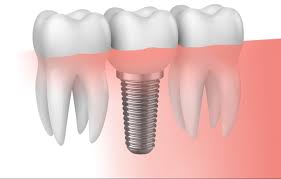
Implant-retained overdenture. A removable denture that clips onto implants. It still comes out for cleaning — that is the point — but it does not move while you eat or speak. This is the single most impactful option on this page.
2. Why upper dentures work and lower ones frequently do not
This is worth understanding before anything else, because it shapes every recommendation here.
The upper denture has a large surface area — the whole palate — which creates suction. A well-made upper denture with a good seal stays in place. It is stable during eating, and most patients adapt to it well. The compromise is the palate coverage, which affects taste and the sensation of hot and cold, and it is the thing upper denture patients most commonly dislike. An implant-retained upper overdenture can be made without palatal coverage, which is a substantial improvement in eating enjoyment. Worth knowing.
The lower denture has a much smaller surface area — a narrow horseshoe of ridge — and no palate to create suction. The tongue sits directly on it and dislodges it. The cheek and lip muscles push against it. And the ridge resorbs over the years, becoming flatter and offering less to hold onto. The result: a lower complete denture that rests on the gum alone floats, rocks and lifts — and no amount of skill in making it fully overcomes the anatomy.
Why this matters. Because a patient who is told “you will get used to it” about a lower denture frequently does not. And because there is a solution. We would rather tell you this at the planning stage than have you discover it over the following year.
3. Two implants: the single most useful thing on this page
What it involves. Two implants placed in the front of the lower jaw, where bone is best preserved even after long-term tooth loss. Attachments are fitted to them, and the denture clips on. It still comes out for cleaning, exactly as a conventional denture does.
What changes. Everything, practically speaking. The denture does not lift when you eat. It does not rock when you chew on one side. It does not need adhesive. You can eat foods that were impossible. And you stop thinking about it, which patients describe as the change that matters most.
Why the front of the lower jaw. Because that region retains bone well even in patients who have worn dentures for decades. A patient who has been told she has “no bone left” for upper implants frequently has ample bone in the lower front region — and that is where these two go. It is one of the most reliably available implant sites in the mouth.
Why two, and not four. Two is the established minimum that transforms retention, and it is well documented. Four gives more stability still, and it is appropriate where the ridge is very flat or where a patient wants maximum security. But two is where the difference from a conventional denture is largest. The step from nothing to two is far bigger than the step from two to four.
Why we raise it with every lower denture patient. Because it is the difference between a prosthesis that works and one that is endured. And because a number of patients have never been told the option exists, or assumed implants meant a fixed bridge and a much larger cost. An overdenture on two implants is substantially less expensive than a fixed full-arch bridge, and for many patients it delivers most of the practical benefit. Ask directly: « Deux implants pour stabiliser ma prothèse inférieure seraient-ils possibles dans mon cas ? »
If it is not for you, that is entirely reasonable. Some patients do not want surgery. Some cannot have it. Some have well-formed lower ridges and manage a conventional denture comfortably — it does happen. We will make you the best conventional lower denture we can. What we will not do is let you commit to one without knowing the alternative existed.
4. Denture, bridge, or fixed implants?
Worth setting out, because the choice is frequently presented as simpler than it is.
| Conventional denture | Implant overdenture | Fixed full-arch | |
|---|---|---|---|
| Removable | Yes | Yes, by you | No |
| Stability | Upper good, lower poor | Very good | Excellent |
| Implants needed | None | Two to four | Four to six |
| Cost | Lowest | Middle | Highest |
| Cleaning | Easiest — comes out | Easy — comes out | Requires technique |
| Bone preservation | No | Partial | Better |
| Surgery | None | Minor | Moderate |
Where a conventional denture is the right answer: where surgery is not possible or not wanted; where cost is the deciding factor, and it is a legitimate one; as an immediate or transitional prosthesis while healing occurs before implants; and for an upper arch with a good ridge, where retention is genuinely adequate.
Where an overdenture is the right answer: the lower arch, almost always; where you want stability but prefer a removable prosthesis you can clean easily; and where cost rules out a fixed bridge but implants are possible.
Where a fixed bridge is the right answer: where you do not want anything removable at all. Our All-on-4 and All-on-6 guides cover it.
One honest point about cleaning. A removable prosthesis is easier to clean than a fixed one, and this is genuinely an argument in its favour rather than a consolation. A fixed full-arch bridge requires daily superfloss and a water flosser to clean underneath it — a technique some patients never master. An overdenture comes out, you brush it, you brush the attachments, and it goes back. For a patient with limited dexterity, or who simply prefers simplicity, that is a real advantage.
5. Bone loss: the thing nobody mentions until it is advanced
What happens under a denture. The ridge resorbs. A tooth root stimulates the bone around it. A denture resting on the gum does not — and it applies pressure to the surface, which accelerates the loss.

What it means over years. The ridge becomes flatter and narrower. The denture becomes progressively looser, because the shape it was made to fit no longer exists. The lower face shortens, which produces the collapsed appearance associated with long-term denture wear. And over enough years, the ridge can become so flat that a conventional denture has almost nothing to sit on — and implants become more difficult to place.
Why this matters for your decision. Because it is progressive, and it is why the timing of implants matters. A patient who places two implants early preserves bone in that region — implants stimulate bone as roots do. A patient who waits fifteen years may find the ridge has resorbed enough to complicate placement, sometimes requiring bone grafting. If implants are something you might want eventually, sooner is easier than later. That is not a sales point. It is what the bone does.
Relining. As the ridge changes, the fitting surface of the denture no longer matches it. Relining — adding material to the fitting surface to restore the fit — is normal maintenance, typically needed every few years. It is a straightforward procedure your Canadian dentist can do.
6. Immediate dentures: understanding the trade-off
What they are. Made in advance, fitted the same day the teeth are extracted. You are never without teeth, which for most patients is decisive.
The trade-off. The gum and bone change shape substantially during healing — most rapidly in the first six months. So an immediate denture will need relining, typically once or more in the first year; will eventually need replacing with a definitive denture made to the healed ridge; and cannot be tried in beforehand in the same way, because the teeth are still present, which means the aesthetic result is planned rather than previewed.
How we manage it. Photographs of your existing teeth before extraction, and where possible a model of them, so the new teeth can reproduce what you had — or improve on it, if that is what you want. Bring old photographs of yourself smiling, which are genuinely useful. A tissue conditioner placed at intervals during healing, which cushions the denture and adapts to the changing ridge. A reline at around three to six months. And a definitive denture at twelve months or later where the change has been substantial.
Planning for a Canadian patient. This is where the timing needs thought. Your immediate denture is fitted here. The relines happen over the following year — and for most patients, those are best done by a Canadian dentist rather than requiring a flight. We provide your Canadian dentist with everything needed. Where you plan to return for a definitive denture, that is a second trip and we say so at the planning stage.
7. Why Canadian patients choose Tunisia
| Canada (private) | Tunisia — Aylan Clinic | |
|---|---|---|
| Cost | High, particularly with implants | Up to 60% less |
| Insurance | Annual maximum, frequently with replacement clauses | Same limitation, far lower total |
| Appointments | Four to six visits over weeks | One trip |
| Language | English or French | French throughout the country |
| Dentist training | Canadian | Frequently French-trained |
| Laboratory | External | In-house, technician on site |
| Try-in | Standard | Standard, with adjustment on the spot |
| Accommodation | Not applicable | Included, full board |
| Companion | Not applicable | Free, accommodated and fed |
Where the in-house laboratory matters most. Denture making is a sequence of stages, each depending on the last — impressions, bite registration, wax try-in, finishing. In Canada each stage means an appointment, with the work posted to a laboratory in between, typically four to six visits over several weeks. Here the technician is in the building. Stages happen daily, adjustments are made immediately, and the whole sequence is compressed into one trip. And at the try-in, the technician can see you wearing the wax denture and adjust it while you are there — rather than working from written notes.
Where the language matters on this treatment. At the try-in. You are looking at a full set of teeth in wax, on your own face, and saying what you want changed — the length, the shade, whether they look too even, how much shows when you smile, whether the lip looks right. That is a conversation about your appearance in vocabulary most people do not use daily. Patients consistently tell us they said more, and more precisely, in their own language — and on a denture, the try-in is where the result is decided.
Dentist training. A substantial proportion of Tunisian dentists and prosthodontists trained in France. Ask where yours qualified. We answer directly.
Part two — Preparing
8. From first contact to confirmed dates
The online consultation. Send photographs and a radiograph. What to send: a recent panoramic X-ray; photographs of your smile, of your teeth together, and of any remaining teeth; a photograph of your existing denture if you have one; and photographs of yourself smiling from before you lost your teeth if you have them. Plus which teeth are missing and how long they have been missing, whether you currently wear a denture and for how long, what specifically bothers you about it, whether any teeth still need extracting, your medical history and medications, and whether you smoke. In French or in English, whichever you prefer.
What you receive. A plan naming the type of denture, whether implants would substantially improve it, the number of try-in stages, the length of stay, and whether relines or a definitive denture will be needed later — with an itemised quote, within 24 to 48 hours. And for any lower denture, an honest assessment of what a conventional one will and will not do for you. You can start with a free personalised quote.
Questions worth asking before you commit
- « Deux implants amélioreraient-ils vraiment ma prothèse inférieure ? » — the most useful question on this page.
- « Combien d’essayages sont prévus ? » — at least one wax try-in should be standard.
- « Puis-je voir et modifier les dents avant la finalisation ? »
- « Une prothèse immédiate nécessitera-t-elle des rebasages, et où ? »
- « Un châssis métallique serait-il préférable à une résine pour ma partielle ? »
- « Que se passe-t-il quand ma crête se résorbe ? »
- « Où votre praticien a-t-il été formé ? »
What to arrange at home before you travel. Bring your existing denture, even if you dislike it — it tells us a great deal about what has and has not worked for you. Bring old photographs of yourself smiling; genuinely the most useful thing you can bring, and patients who do consistently get a more natural result. Have any remaining teeth assessed, and tell us which are being kept and which extracted. Arrange your Canadian dentist for relines and adjustments — it is a short conversation. Stop smoking if you can, particularly where implants are planned.
9. The try-in: where the result is decided
The most important appointment, and the one to take seriously.
What it is. Your denture teeth set in wax, on a base, placed in your mouth before anything is finalised. Everything is still changeable — the teeth can be moved, replaced, lengthened, shortened, or set differently.
What to assess.
- Length. How much tooth shows at rest and when smiling. Too much reads as artificial; too little ages the face.
- Shade. Choose one step less bright than your instinct — the most common regret in denture work as in all dentistry. And look at it in daylight, not clinic light.
- Uniformity. Natural teeth are not identical. A slight irregularity, a canine a touch more prominent, edges that are not perfectly level — this is what makes a denture read as teeth.
- Lip support. How full your upper lip looks. Too little and it falls inward; too much and it looks pushed out. Assess this in profile, not just from the front.
- The midline. It should relate to your face, not to your ridge, and a midline slightly off is visible.
- Speech. Talk. Read something aloud. Count from sixty to seventy — the “s” sounds reveal whether the teeth are positioned correctly.
What to do. Take your time. Look in a mirror, and then look at photographs of yourself — we see ourselves differently in images. Go outside if you can and look in daylight. Say everything you want changed. It is all adjustable now and none of it is adjustable later.
Bring someone. If your companion is with you, bring them in. A second opinion from someone who knows your face is genuinely useful, and patients frequently find it helps them decide.
Ask for a second try-in if you want one. Where substantial changes are made, we will do another — and you should ask for one if you are uncertain. There is no advantage to approving something you are not sure about.
10. Choosing the teeth
Shade. One step less bright than your instinct. Assess in daylight. And consider your age. A patient of seventy with brilliant white uniform teeth looks like a patient of seventy wearing a denture — whereas a slightly warmer, less uniform shade reads as natural. This is the single most common regret, and it is entirely avoidable at the try-in.
Shape. Related to your face shape, and to what your own teeth looked like. This is where old photographs earn their place. Reproducing the shape and slight irregularity of your own teeth is what makes family members say you look like yourself.
Arrangement. Ask for slight irregularity if you want a natural result. Perfectly aligned, identical teeth are what people recognise as a denture. A very slight rotation, a canine marginally more prominent, incisal edges that are not perfectly level — these details are what a good technician builds in, and they are worth asking for explicitly.
Material. Acrylic teeth are the standard, and entirely adequate. They wear over years, which is one reason dentures are eventually replaced. Composite or porcelain teeth are more wear-resistant, at greater cost, and worth considering where you have natural teeth opposing.
Part three — The trip
11. Your trip, day by day
Seven to ten days for a complete denture. Twelve to fourteen where implants are placed.
Day 1 — Arrival. Your driver meets you at the airport and takes you to your hotel with your companion. Nothing clinical today.
Day 2 — Assessment. Clinical examination, radiographs, assessment of your ridges, and examination of any existing denture. Assessment of any remaining teeth — which are worth keeping and which are not. Where implants are being considered, a CBCT to confirm bone availability in the lower front region. Then your consultation: the type of denture, whether implants would substantially improve it, and the plan.
Day 3 — Preliminary impressions. First impressions taken, from which custom trays are made. A two-stage impression technique is standard for a good denture — a preliminary impression, then a precise one in a custom tray made to your own ridge. A single impression in a stock tray produces a less accurate fit, and it is one of the things that distinguishes a well-made denture.
Day 4 — Definitive impressions and bite registration. The precise impression, capturing the full extent of the denture-bearing area. Bite registration records how your jaws relate to each other, which determines the height of your lower face and how the teeth meet. This is more consequential than patients realise. An incorrect bite height produces a face that looks too long or too collapsed, and it causes discomfort.
Day 5 — The wax try-in. The appointment that decides your result. Take your time. Ask for changes.
Day 6 — Second try-in where changes were substantial. We will do another where the changes warrant it, and you should ask if you are uncertain.
Days 7 to 8 — Finishing and fitting. Your denture is processed and finished in the on-site laboratory, then fitted, with the bite checked and any pressure points relieved.
Day 9 — Adjustment. A follow-up appointment after a day of wearing it. This matters. Sore spots only appear once you have worn and eaten with the denture, and adjusting them is quick.
Day 10 — Final check and departure. A second adjustment if needed, care instruction, and your documentation: treatment report naming the type and materials; written care guidance in French or English; guidance for your Canadian dentist, including reline timing; and your denture care kit. Then your transfer to the airport.
Where implants are placed, the stay extends to twelve to fourteen days, and depending on the plan the attachments may be fitted at the same visit or at a second trip after integration. Your plan states which.
12. Implant overdentures: the practical detail
The attachment types. Locator-style attachments are individual attachments on each implant, with nylon inserts in the denture that clip on. They are the most widely used. The inserts wear and are replaced periodically, which is normal maintenance and inexpensive. A bar attachment connects the implants, with the denture clipping onto it. It is more retentive and better where the ridge is very flat, at greater cost and requiring more space.
What maintenance involves. The nylon inserts wear out, typically every one to two years depending on how often you remove the denture. They are replaced in minutes by any dentist, and they are inexpensive. Your treatment report names the attachment system, so your Canadian dentist can obtain the right inserts — and this matters, because systems are not interchangeable. Ask: « Quel système d’attachement, et mon dentiste canadien pourra-t-il obtenir les inserts ? »
Cleaning. The denture comes out and is brushed, as any denture is. And the attachments on the implants are brushed — this is the part patients forget, and it is where peri-implantitis would begin. A soft brush around each attachment, twice daily, plus your normal denture cleaning. Ask for a demonstration before you leave. If you are weighing the surgical side, our guide to dental implants in Tunisia covers placement and healing in detail.
Part four — Living with them
13. The first weeks: honestly
What to expect. Increased saliva for the first days, which settles. A feeling of bulk, which fades as you adapt. Speech changes — some words will sound different for a week or two, and reading aloud accelerates the adaptation considerably; it is the most useful thing you can do. Sore spots, almost universal, and the reason adjustment appointments exist: do not endure them, they are relieved in minutes. Difficulty eating at first, which is normal and improves.
Learning to eat again is a genuine process, and worth approaching methodically. Start with soft food cut small. Chew on both sides simultaneously — this is counterintuitive and it is the key to stability, because chewing on one side tips the denture. Take small bites and use your back teeth, not your front ones; biting into an apple with a complete denture will dislodge it, so cut it into pieces instead. Progress gradually over several weeks. Most patients manage most foods within one to two months.
What a lower denture will and will not do. It bears repeating here. A conventional lower denture will move. You will adapt to it to a degree, and it will never be like teeth. If you find after some months that you cannot get on with it, two implants remain an option — and a number of patients take that route after trying a conventional denture first. That is entirely reasonable, and it is better than persisting unhappily for years.
Adhesive. Some patients use it and some do not. A small amount to improve confidence is reasonable. But adhesive should not be compensating for a badly fitting denture — if you need substantial amounts to keep it in, the denture needs relining or the retention needs addressing. Using more and more adhesive over the years is a sign that the ridge has resorbed, and it is worth acting on.
14. Caring for your denture
Daily. Remove and brush after meals where you can, and certainly twice a day. Use a denture brush and soap or a denture cleaner — not toothpaste, which is abrasive and scratches the acrylic, creating surfaces where stain and bacteria accumulate. Brush over a basin of water or a folded towel; dropping a denture on a hard surface is the most common way they break. Clean your mouth too — your gums, your tongue, and any remaining teeth. A denture-wearing mouth still needs cleaning.
Overnight. Take it out. The tissues need a rest from pressure, and leaving a denture in overnight is associated with fungal infection of the palate and accelerated bone loss. Store it in water or a denture solution — never in hot water, which distorts acrylic permanently.
Weekly. Soak in a denture cleaning solution as directed. Do not use bleach on a denture with a metal framework — it corrodes the metal.
What to avoid. Toothpaste, which is abrasive. Hot water, which distorts. Attempting your own repairs, particularly with household glue: a broken denture is repaired properly in a laboratory, and a home repair frequently makes it unrepairable.
Denture stomatitis is a fungal inflammation of the palate under an upper denture, appearing as redness. It is common, and largely preventable by removing the denture overnight and cleaning both the denture and the palate. Where it occurs, it is treated straightforwardly — tell your dentist.
15. Your Canadian follow-up
What is required. An annual check-up, even with no natural teeth remaining. This surprises patients, and it matters: your dentist checks the fit, examines your ridges, and — importantly — screens the soft tissues for anything abnormal. Oral cancer screening does not become irrelevant when the teeth are gone.
Relines. Every few years as the ridge changes, and more frequently in the first year after extractions. Your Canadian dentist does this, and it is routine. Tell them at the outset.
Adjustments. Sore spots can appear at any time, particularly after a reline or as the ridge changes. Any dentist can adjust a denture in minutes, and there is no reason to endure discomfort.

If you have implant attachments. The nylon inserts are replaced every one to two years — routine and inexpensive. Your treatment report names the system, which is what allows your dentist to order the right ones. And the implants need the same six-monthly maintenance as any implant: check-up, cleaning, and periodic radiographs.
The conversation before you travel. « J’aurai une prothèse faite à l’étranger. Je reviendrai avec un compte rendu précisant le type et les matériaux. Pourriez-vous assurer les ajustements et les rebasages habituels ? » Most dentists say yes without hesitation — this is among the most routine work in dentistry. Where implant attachments are involved, add: « Elle sera stabilisée par deux implants avec des attachements. Pourriez-vous remplacer les inserts quand ils s’useront ? »
Keep your documentation. Your treatment report, naming the denture type, the materials, the tooth shade and mould, and the attachment system where implants are involved. This is what allows a replacement or a repair to match, and what allows the right inserts to be ordered.
Canadian insurance. Dentures are frequently covered in part, subject to your annual maximum. And most plans have replacement frequency clauses — typically covering a denture only once every five years or so. Ask what yours says, particularly if this is a replacement. Ask your insurer in writing whether treatment abroad is reimbursable and at what rate, and request pre-determination. We provide itemised invoicing separating the denture from any implant work, in French or English.
Part five — Practical matters
16. Canadian patients: travelling to Tunisia from your region
Aylan Clinic works with patients from every province and territory in Canada. Wherever you live, the process begins the same way: a free consultation from your photographs and radiograph, in French or English. And one thing applies everywhere — arrange a Canadian dentist for adjustments and relines before you travel.
Montreal and the surrounding region. Montreal is our largest Canadian source for Tunisia. Connections from Trudeau to Tunis typically route through Paris, Frankfurt or Istanbul. Patients from Laval, Longueuil and Brossard are all within easy reach of the airport. Where implants mean two trips, Montreal patients find the second straightforward to arrange.
Quebec City and across the province. From Quebec City and the Capitale-Nationale region including Lévis, most patients connect through Montreal — as do patients from Trois-Rivières, Sherbrooke, Drummondville and Saint-Jérôme, all within driving distance of Trudeau. Gatineau patients depart from Ottawa or drive to Montreal. From Saguenay, a domestic connection through Montreal is the norm. On this treatment the francophone advantage is at the try-in: you are looking at a full set of teeth in wax on your own face, saying what you want changed — the length, the shade, whether they look too even, how your lip sits. Those are precise requests about your own appearance, and patients consistently tell us they made them more fully in their own language.
Acadia and New Brunswick. We work with patients from Moncton, Fredericton and Saint John. Moncton and the surrounding Acadian communities are served in French throughout. Most connect through Montreal.
Francophone Ontario. Sudbury, Thunder Bay and Sault Ste. Marie all have substantial francophone populations, served in French from first contact onward. Ottawa patients typically connect through Montreal.
Greater Toronto Area and southern Ontario. Toronto patients connect through European hubs, with Paris and Frankfurt the most common routes to Tunis. Across the wider Greater Toronto Area we work with patients from Mississauga, Brampton, Markham, Vaughan, Richmond Hill and Oshawa. Along the lake: Hamilton, Burlington, Oakville, St. Catharines and Niagara Falls. In southwestern Ontario: London, the Waterloo region — Kitchener, Waterloo and Cambridge — plus Guelph, Windsor and Barrie. Kingston patients generally drive to Toronto or Montreal.
Vancouver and British Columbia. Vancouver patients face the longest journey, typically two connections. For denture patients specifically, the follow-up arrangement matters more than the journey — because adjustments and relines will happen in Canada, not here. Arrange that before you travel, and the distance becomes largely irrelevant. Across the Lower Mainland: Surrey, Burnaby and Richmond. From Victoria and Nanaimo, patients cross by ferry or short flight. Kelowna, Abbotsford and Kamloops patients connect through Vancouver or Calgary. Where implants are planned, we aim to complete everything in one trip where the bone allows immediate loading of the attachments — which we assess from your CBCT.
Alberta. Calgary and Edmonton both offer European connections onward to Tunis. Red Deer and Lethbridge patients generally drive to Calgary.
Manitoba and Saskatchewan. Winnipeg patients connect through Toronto or Montreal. The francophone community of Saint-Boniface is served in French. From Saskatoon and Regina, journeys involve a domestic connection followed by two further flights.
Atlantic Canada. Halifax patients typically route through Montreal or Toronto. From Charlottetown and St. John’s, journeys involve two or three connections.
Northern Canada. We work with patients from Whitehorse in Yukon, and from communities across the Northwest Territories and Nunavut. For northern patients, two considerations matter most. First, access to adjustments and relines: a denture needs adjusting, and sore spots do not wait. Where regular dental access is limited, we discuss this honestly at the planning stage — and it is a reason we take particular care over the fit and the adjustment appointments before you leave. Second, the implant question: for a patient with limited access to dental care, an overdenture that stays in place is a substantially better proposition than a conventional lower denture requiring frequent adjustment, which is worth weighing.
How we handle the logistics. Whichever city you are travelling from, your coordinator arranges airport transfers at both ends in Tunisia, confirms your hotel before you depart, and builds your schedule around your arrival time.
Five recommendations. Ask about two implants for any lower denture. Bring your existing denture and old photographs. Take your time at the try-in. Arrange your Canadian dentist for relines before you travel. And do not accept a plan without at least one wax try-in.
17. What your package includes
- Free consultation in French or English, with an honest assessment of what a conventional lower denture will and will not do
- Full on-site assessment: clinical examination, radiographs, ridge assessment, examination of your existing denture
- CBCT where implants are being considered
- Extractions where needed
- Two-stage impressions — preliminary, then definitive in a custom tray
- Bite registration
- A wax try-in you can see, assess and change — with a second try-in where changes are substantial
- The technician available at your try-in
- Tooth shade and mould selection, with your old photographs as reference if you bring them
- Your denture made in our on-site laboratory
- Implants and attachments where they form part of your plan
- Fitting, bite check and pressure relief
- An adjustment appointment after a day of wearing it, and a second where needed
- Denture care kit
- Care instruction, including attachment cleaning where implants are involved
- Written care guidance in French or English
- Treatment report naming the type, materials, tooth shade and mould, and the attachment system where applicable
- Guidance for your Canadian dentist, including reline timing and insert replacement
- Itemised invoicing separating the denture from implant work
- Hotel accommodation, full board
- A companion at no extra cost, accommodated and fed in the same room
- Airport–clinic–hotel transfers
- A personal coordinator from arrival to departure
- French-speaking care throughout, with English available on request
The clinical team. A prosthodontist handles denture design, bite and try-in, and is frequently French-trained. An oral surgeon or implantologist places implants where planned. A dental technician, on site, handles fabrication, try-in attendance and same-visit adjustments.
18. Results by patient profile
A lower denture transformed by two implants. A patient who had worn a lower complete denture for eleven years and had never been able to eat comfortably with it. Two implants in the lower front region, with Locator-style attachments. She describes eating in a restaurant without thinking about it as what she had missed most. This is the single largest improvement available on this page, and it is why we raise it with every lower denture patient.
An upper denture without palatal coverage. A patient who disliked her upper denture chiefly because she could not taste food properly. Four implants and an overdenture made without palatal coverage. She described tasting food again as the change that mattered — ahead of the stability. Worth knowing, and rarely mentioned.
A cobalt-chrome partial rather than acrylic. A patient who had been wearing an acrylic partial that rested on her gum. A cast cobalt-chrome framework instead, designed so the load is carried by her remaining teeth. Thinner, more comfortable, and better for the tissues underneath — and it protects the bone her acrylic partial had been pressing on.

An immediate denture, planned properly. A patient having her remaining upper teeth extracted. Photographs and a model of her existing teeth taken beforehand, so the new teeth reproduced what she had. She was never without teeth. Tissue conditioner at intervals, a reline at four months with her Canadian dentist, and a definitive denture at eighteen months. The relines were arranged before she travelled — which is what made the plan work.
Where old photographs made the difference. A patient who brought a photograph of herself smiling from twenty years earlier. The technician set the teeth to match the shape and slight irregularity in the photograph. Her family said she looked like herself again — which is the objective, and which a mould chart alone cannot achieve.
A patient who chose a conventional lower denture knowingly. A patient who did not want implant surgery, with a reasonably well-formed lower ridge. We explained honestly what a conventional lower denture would and would not do. She chose it, understanding the limitation, and she manages well. Knowing the alternative existed is what makes that an informed choice rather than a disappointment.
A patient from Baie-Comeau. A patient who chose Tunisia so the try-in could happen in French. Her comment was about that appointment. She asked for the front teeth slightly shorter, one incisor very slightly rotated, and the whole set two shades less bright. « J’ai pu dire exactement ce que je voulais, et ils l’ont fait devant moi. »
19. Practical points to know
What to expect. Two-stage impressions, bite registration, and a wax try-in you can change. Sore spots in the first days, relieved in minutes at your adjustment appointment. Increased saliva and speech changes for one to two weeks, with reading aloud accelerating adaptation. A genuine learning process with eating, improving over one to two months. Relines needed periodically as the ridge changes.
Recognised points. Dentures are among the oldest and most established prostheses in dentistry. Your dentist will discuss the considerations relevant to you. The main ones: poor lower retention with a conventional complete denture, inherent to the anatomy rather than a fault of manufacture; sore spots, almost universal initially and easily relieved; progressive ridge resorption, requiring relines and eventual replacement; denture stomatitis, a fungal inflammation of the palate, largely preventable by removing the denture overnight; speech adaptation, temporary; difficulty with certain foods, improving with practice but never fully equivalent to natural teeth; fracture, most commonly from dropping it; and wear of acrylic teeth over years. Where implants are involved, the considerations in our implants guide apply, plus wear of the nylon inserts, which is routine maintenance.
Three things within your control. Removing it overnight, for your tissues and against fungal infection. Not using toothpaste on it, because abrasion creates surfaces that harbour stain and bacteria. And attending for relines rather than compensating with more adhesive.
Who this suits. Adults missing some or all teeth in an arch, who want a removable prosthesis — and for lower arches, ideally with two implants to retain it.
An annual check-up still matters, even with no natural teeth: fit assessment, ridge examination, and soft tissue screening, which does not become irrelevant when the teeth are gone.
20. Price: how it is built and how to compare it
Why we quote per case. Because complete, partial, immediate and implant-retained dentures are very different prostheses, and whether implants are involved changes the plan substantially. Your quote is built from your photographs and radiograph, itemised, and fixed once you approve it.
What determines your price. Six factors: complete or partial, and one arch or both; the framework material for a partial — acrylic, cobalt-chrome or flexible; whether implants are placed, and how many; the attachment system where implants are involved; the tooth material — acrylic, composite or porcelain; and the length of your stay.
What is included in your quote. Everything listed in the package above, including the assessment and CBCT where implants are considered, extractions, two-stage impressions, bite registration, the wax try-in with the technician present, a second try-in where changes are substantial, the denture from our on-site laboratory, implants and attachments where planned, fitting and pressure relief, an adjustment appointment after a day of wear, the care kit, treatment report naming the shade, mould and attachment system, guidance for your Canadian dentist, itemised invoicing, hotel with full board, transfers, and your coordinator. A companion is accommodated and fed at no additional cost.
What sits outside it. Flights, travel insurance, relines and adjustments in Canada, replacement inserts for implant attachments, and eventual replacement of the denture after some years.
How to compare quotes properly. Five checks. How many try-in stages? At least one wax try-in should be standard, and a denture made without one is made without your input. Two-stage impressions, or a single impression in a stock tray? The former produces a materially better fit. For a partial — acrylic or cobalt-chrome? Materially different in comfort, longevity and effect on the tissues. Is the attachment system named, where implants are involved? Your Canadian dentist needs to order the right inserts. And are adjustment appointments included after fitting?
Why the lowest quote is rarely the best value. On dentures, what you are paying for is the stages. A denture made from one impression, with no try-in, fitted and handed over, will be cheaper — and it will fit less well, look less like you, and require more adjustment. The two-stage impression determines the fit. The try-in determines the appearance. The adjustment appointment determines the comfort. Those are the steps most easily omitted, and they are the ones that make the difference between a denture you wear and one that sits in a drawer.
Canadian insurance. Frequently covered in part, subject to your annual maximum — and most plans have replacement frequency clauses. Ask your insurer in writing about treatment abroad, the reimbursement rate, and how frequently a denture is covered, and request pre-determination. Our itemised invoicing separates the denture from implant work, in French or English.
Payment. A deposit confirms your dates. The balance is settled on site, under terms set out in full when you approve your plan. There are no additional charges once accepted.
Getting your figure. Send a recent panoramic X-ray, photographs of your smile and any remaining teeth, a photograph of your existing denture, and old photographs of yourself smiling if you have them. Plus which teeth are missing and for how long, whether you wear a denture and for how long, what specifically bothers you about it, your medical history and medications, and whether you smoke. You will receive a plan and quote within 24 to 48 hours, in French or English — including an honest assessment of whether two implants would substantially improve a lower denture.
21. Glossary
| Term | Meaning |
|---|---|
| Complete denture | Replaces all teeth in an arch |
| Partial denture | Replaces some teeth, supported by the remaining ones |
| Cobalt-chrome framework | A cast metal partial; load carried by the teeth rather than the gum |
| Immediate denture | Fitted the same day teeth are extracted; needs relining |
| Overdenture | A removable denture retained by implants |
| Locator attachment | The most common overdenture attachment; nylon inserts are replaced periodically |
| Reline | Adding material to the fitting surface as the ridge resorbs |
| Bite registration | Recording how the jaws relate; determines lower face height |
| Wax try-in | Seeing and adjusting the teeth before finalising |
| Denture stomatitis | Fungal inflammation of the palate; preventable by removing overnight |
| Ridge resorption | Progressive bone loss under a denture |
22. How Canadians search for this
- “Dentures Tunisia cost” — the most common search. Ask how many try-in stages are included.
- “Prothèse dentaire Tunisie” — how most Quebec patients search, and the reason this page exists in both languages.
- “Lower denture won’t stay in” — inherent to the anatomy, not a fault of manufacture. Two implants are the answer.
- “Implant retained denture cost” — substantially less than a fixed full-arch bridge, and it delivers most of the practical benefit.
- “How many implants for a lower denture” — two transforms retention. Four gives more stability. The step from none to two is the largest.
- “Snap in dentures” — the common term for an implant overdenture.
- “Immediate denture” — fitted the day teeth are extracted. You are never without teeth, and it needs relining as the ridge heals.
- “Denture reline” — normal maintenance every few years as the ridge resorbs. Your Canadian dentist does this.
- “Can I sleep with my dentures in” — no. The tissues need a rest, and leaving them in is associated with fungal infection and accelerated bone loss.
- “Denture adhesive too much” — a sign the denture needs relining, rather than more adhesive.
- “Partial denture metal or acrylic” — cobalt-chrome is thinner, more comfortable, and better for the tissues where the remaining teeth allow it.
- “Learning to eat with dentures” — chew on both sides simultaneously, small bites, back teeth. It improves over one to two months.
- “French speaking dentist abroad” — Tunisia’s distinguishing feature.
In summary
Dentures at Aylan Clinic Tunisia are made with two-stage impressions, proper bite registration, and a wax try-in you can see, assess and change — with the technician on site and an adjustment appointment after you have worn and eaten with it. And for any lower denture, we will tell you honestly what a conventional one will and will not do, because two implants change a lower denture more than any other single intervention in dentistry. It takes place in a French-speaking country, which matters at the try-in, where you say precisely what you want changed about your own appearance. With accommodation, full board and a companion at no extra cost, for up to 60% less than Canadian private prices.
Five things worth holding onto. Ask about two implants for any lower denture — it is the largest improvement available, the denture clips on, needs no adhesive, and you stop thinking about it. Do not accept a plan without a wax try-in; it is where the result is decided, and a denture made without one is made without your input. Bring old photographs of yourself smiling — the most useful thing you can bring, and what makes family say you look like yourself. Choose one shade less bright than your instinct, and assess in daylight, because brilliant uniform white is the most common regret. And arrange your Canadian dentist for relines and adjustments before you travel: it is routine work, most say yes immediately, and it is what makes the years afterwards straightforward.
Send your radiograph and photographs and you will have a plan within 24 to 48 hours — in French or in English. To read how the treatment itself is carried out, see Removable Dental Prostheses in Tunisia. You can also compare plastic surgery prices in Tunisia, explore the full range of dental care in Tunisia, consider full mouth rehabilitation, or request a free, personalised quote.