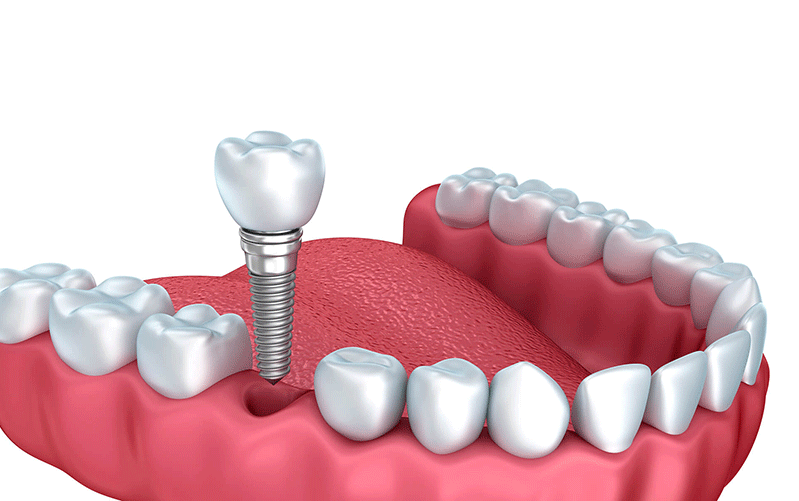
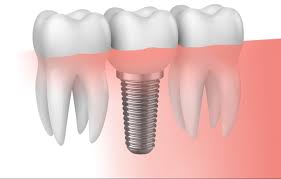
Dental implants replace a missing tooth at its most fundamental level, the root, using a titanium or zirconia post surgically placed into the jawbone, where it fuses with living bone tissue through a biological process called osseointegration before a crown is attached to complete the visible tooth. This approach distinguishes implants fundamentally from bridges or dentures, since only implants replace the root structure itself rather than relying on adjacent teeth or removable support for stability.
This page belongs to our dental care in Turkey hub, within our broader aesthetic surgery in Turkey section. Below you will find the biological process behind why implants integrate permanently, who is a genuine candidate, the complete surgical process, realistic timelines, risks worth understanding, and the practical details for pursuing this in Turkey. At any moment, you can request a free quote, with no obligation.
Understanding osseointegration and why it makes this solution permanent
Osseointegration refers to the specific biological process where bone cells grow directly onto and around the implant’s textured titanium or zirconia surface, effectively fusing the implant to the jawbone at a cellular level, a process that typically takes between three and six months depending on bone quality and the specific jaw involved. Titanium in particular has a unique property called biocompatibility that allows bone to bond directly with it without the scar tissue or rejection response that would occur with many other materials, and this genuine bone fusion is precisely why a well-integrated implant can function for decades, unlike bridges or dentures that rest on or beside natural structures without this same direct bone connection.
Why bone fusion changes the entire long-term equation
Once osseointegration completes, the implant behaves biomechanically much like a natural tooth root, transmitting chewing forces directly into the jawbone in a way that helps maintain that bone’s density and volume over time. This matters considerably because the jawbone beneath a missing tooth, if left unaddressed, gradually resorbs due to lack of the stimulation a tooth root normally provides, a process bridges and removable dentures do not prevent since neither replaces the root structure driving this stimulation.
Comparison table: dental implants vs. bridges vs. dentures
| Criterion | Dental Implants | Dental Bridges | Dentures |
|---|---|---|---|
| Replaces the root | Yes | No | No |
| Prevents jawbone resorption | Yes, through direct stimulation | No | No |
| Requires adjacent healthy teeth for support | No | Yes, typically | No |
| Removable | No | No | Yes |
| Typical longevity | Decades, often permanent with proper care | Ten to fifteen years typically | Five to eight years typically |
Alternatives such as dental bridges and dentures remain valid solutions in specific situations, but only implants restore the root itself.
Who is a genuine candidate for dental implants
- Sufficient jawbone volume and density to support osseointegration, or a willingness to pursue bone grafting when this volume is insufficient.
- Good general health, particularly regarding conditions affecting healing, such as uncontrolled diabetes, since these can meaningfully affect osseointegration success.
- Realistic commitment to the multi-month treatment timeline and appropriate long-term oral hygiene, since implants, while permanent in their bone fusion, still require diligent care to avoid a specific complication called peri-implantitis.
Indications and contraindications for dental implants
| Common Indications | Contraindications or Precautions |
|---|---|
| One or more missing teeth with adequate or graftable jawbone | Uncontrolled diabetes or other conditions significantly impairing bone healing |
| A desire for a permanent, non-removable solution | Active periodontal disease requiring treatment first |
| Willingness to commit to the full multi-month integration timeline | Heavy smoking, which measurably reduces osseointegration success rates |
Step-by-step: what the procedure involves
Before the procedure
Your dental team conducts thorough imaging, typically including a 3D cone beam CT scan, to assess your specific jawbone volume, density, and the precise anatomical structures surrounding your planned implant site, such as nerve pathways and sinus cavities.
During the procedure
Performed under local anesthesia, the implant post is surgically placed into the jawbone through a precisely planned site, after which a healing period allowing osseointegration to occur begins before the final crown is attached.
After the procedure
Initial healing involves some swelling and discomfort managed with standard pain relief, followed by the multi-month osseointegration period during which a temporary restoration is often worn before your final crown is placed.
Recovery timeline
| Period | Typically Reported Progress |
|---|---|
| Days 1 to 7 | Swelling and mild discomfort at the surgical site, managed with standard pain relief |
| Weeks 2 to 4 | Initial healing largely complete, temporary restoration often in place |
| Months 3 to 6 | Osseointegration completes, confirmed through imaging before final crown placement |
| Ongoing | Permanent function once the final crown is placed, with routine dental care |
Expected results and longevity
Once osseointegration is confirmed and a final crown placed, implants typically function for decades, with many well-maintained implants lasting a patient’s lifetime, though the crown itself may eventually need replacement due to normal wear, distinct from the implant post’s own long-term stability.
Risks and possible complications
- Peri-implantitis, an inflammatory condition affecting tissue around the implant, generally preventable through diligent oral hygiene and regular professional maintenance.
- Osseointegration failure, occurring in a small percentage of cases, more common in smokers or patients with uncontrolled systemic conditions affecting healing.
- Nerve or sinus proximity complications, minimized through careful pre-surgical imaging and planning specific to your individual anatomy.
- The need for bone grafting when existing jawbone volume is insufficient, adding time and cost to your overall treatment plan.
The rigorous medical oversight behind Turkey’s dental industry
Turkey’s Ministry of Health framework for international patients, combined with Joint Commission International accreditation held by many leading dental facilities, establishes licensed practitioner oversight and facility standards applicable to implant surgery specifically.
Why surgeon experience with implant placement specifically matters
Implant placement requires genuine three-dimensional surgical judgment, positioning each implant at the precise angle, depth, and location that will both integrate successfully and support a natural-looking, functional final crown. A dentist’s general restorative experience does not automatically indicate equal proficiency with this specific surgical skill, making documented implant-specific case volume a meaningful verification point.
Understanding why immediate versus delayed loading represents a real decision
Some cases allow immediate loading, where a temporary crown is attached the same day as implant placement, while others require the traditional delayed approach, waiting for full osseointegration before any crown attachment. This decision depends on your specific bone quality and the exact implant location, and a thoughtful surgeon explains directly which approach suits your particular case rather than defaulting to one method regardless of individual circumstances.
The value of understanding bone quality classifications
Bone density and quality vary considerably between individuals and even between different areas of the same jaw, generally classified into categories ranging from dense, cortical bone to softer, more porous bone, and this classification directly affects both surgical technique and expected integration timeline, making thorough pre-surgical imaging genuinely essential rather than optional.
Quality signals worth looking for in a clinic
A genuinely experienced provider demonstrates specific documented implant case volume, uses thorough 3D imaging for surgical planning, and discusses your specific bone quality and any grafting needs honestly rather than minimizing this consideration.
Understanding why post-operative instructions deserve careful attention
Following surgical placement, specific post-operative instructions regarding diet, oral hygiene technique, and activity restrictions during the initial healing period genuinely affect your surgical site’s healing quality, and patients who follow this specific guidance carefully tend to experience smoother initial healing than those who resume normal habits prematurely before adequate tissue closure has occurred.
Understanding the difference between single-stage and two-stage surgical protocols
Some implant placements use a two-stage surgical protocol, where the implant is initially covered by gum tissue during the healing phase and later uncovered through a small second procedure before crown attachment, while single-stage protocols leave a healing cap visible above the gum line throughout integration, avoiding this second minor procedure. Your specific bone quality and implant location typically determine which protocol your surgeon recommends for your particular case.
Preparing for your consultation
Bring any existing dental records or imaging, and disclose your complete medical history, particularly regarding diabetes, smoking, and any medications affecting bone healing, since these factors directly influence your treatment plan.
Maintaining continuity of care between Turkey and Canada
Request detailed documentation of your specific implant brand, size, and placement, since this information is essential for any future maintenance or consultation with a dentist in Canada.
Patient experiences reported after implant placement
Many patients describe implants as feeling genuinely like their own natural teeth once fully integrated, particularly appreciating the absence of the removability and adjacent-tooth dependence that bridges and dentures involve.
Combining this procedure with other treatments
Implants are frequently combined with bone grafting or sinus lift procedures when insufficient jawbone volume exists, and often serve as the foundation for All-on-4 or All-on-6 full-arch restoration.
Why a second opinion matters for this decision
Given how significantly surgical planning and technique affect long-term success, comparing proposed implant placement plans and specific surgeon experience between two consultations is genuinely worthwhile.
Questions worth asking during your consultation
Ask specifically about your surgeon’s documented implant case volume, whether your bone quality supports immediate or delayed loading, and what specific implant brand and warranty terms apply to your treatment.
Understanding the difference between titanium and zirconia implants
While titanium remains the most widely used and longest-studied implant material, some patients specifically request zirconia implants, a ceramic alternative offering a white rather than metallic color beneath the gum line and appealing to patients with metal sensitivities or specific aesthetic preferences regarding gum translucency. Zirconia implants generally carry a somewhat shorter track record of long-term clinical data compared to titanium’s decades of established use, a distinction worth discussing directly with your surgeon if this specific material choice interests you.
Understanding why implant surface texture affects integration speed
Modern implants feature a deliberately roughened or textured surface, created through specific manufacturing processes, since this texture increases the surface area available for bone cells to attach to during osseointegration, generally supporting faster and more reliable integration than the smoother-surfaced implants used in earlier decades of this technology’s development. Different manufacturers use somewhat different specific surface treatment technologies, and asking your provider about their specific implant brand and its documented surface technology represents a reasonable, informed question.
Understanding the genuine distinction between implant brands
Not all dental implants are manufactured to the same standard, and several internationally recognized implant manufacturers have accumulated decades of published clinical research supporting their specific products, while numerous lesser-known brands exist with considerably less independent verification of their long-term performance. Asking your clinic directly which specific implant brand they use, and confirming this brand carries genuine international recognition and documented research support, represents an important verification step distinct from simply confirming that “an implant” will be placed.
Understanding why gum health assessment precedes any implant planning
Healthy gum tissue free from active periodontal disease represents an essential prerequisite for successful implant placement, since untreated gum disease involves an active bacterial and inflammatory process that can compromise both the surgical site and long-term implant stability. A thorough provider addresses any existing periodontal disease through appropriate treatment before proceeding with implant surgery, rather than placing implants into an unstable oral environment likely to compromise the eventual result.
Understanding the role of digital planning software in modern implant placement
Many leading clinics now use specialized digital planning software that overlays your 3D imaging with virtual implant models, allowing your surgeon to precisely plan implant position, angle, and depth before ever making an incision, and in some cases guiding the actual surgery through custom surgical guides created from this digital plan. This technology meaningfully reduces the margin for error compared to purely freehand placement based on imaging review alone, representing a genuine quality marker worth asking about during your consultation.
Understanding why full mouth cases require particularly careful sequencing
For patients requiring multiple implants across their mouth, whether replacing several individual teeth or supporting a full-arch restoration such as All-on-4 and All-on-6, careful sequencing and planning across the entire treatment becomes considerably more complex than single-tooth replacement, often requiring coordination between multiple specific treatment phases and, sometimes, multiple visits spaced months apart to allow appropriate healing between stages.
Dental implants pricing in Turkey
| Pricing Factor | Cost Impact |
|---|---|
| Number of implants required and any bone grafting needed | A primary factor influencing overall cost |
| Specific implant brand and crown material selected | Influences overall total investment |
For a broader view of costs across treatments, see our pricing in Turkey overview, or request a free quote tailored to your specific case.
Why Turkey has become a leading destination for dental implants
Turkey compared to other medical tourism destinations
| Criterion | Turkey | Tunisia | Costa Rica | Dominican Republic | Colombia | Mexico |
|---|---|---|---|---|---|---|
| Common clinic language | English widely spoken, growing French support | French and English widely spoken | Spanish, limited English | Spanish, variable English | Spanish, variable English | Spanish, variable English |
| Documented expertise with implant placement | Particularly well established | Good availability | Variable | Variable | Good availability | Good availability |
| Estimated pricing level | Particularly accessible | Accessible | Moderate to high | Moderate | Moderate | Moderate |
| Direct flight access from Canada | Direct flights to Istanbul | Generally via a European stopover | Variable | Variable | Variable | Variable |
The Turkish cities most recognized for this procedure
Istanbul concentrates a particularly high density of clinics specializing in implant dentistry, supported by extensive case volume across the broader industry. Antalya, Izmir, and Ankara also host recognized clinics offering this procedure.
Why so many Canadians choose Turkey for dental implants
Patients from Toronto, Montreal, Calgary, Ottawa, Edmonton, Winnipeg, Quebec City, Hamilton, Kitchener, London, Victoria, Halifax, Oshawa, Windsor, Saskatoon, Regina, Sherbrooke, St. Catharines, Barrie, Kelowna, Abbotsford, Kingston, Trois-Rivières, Guelph, Moncton, Brantford, Saint John, Peterborough, Thunder Bay, Saguenay, Lethbridge, Nanaimo, Kamloops, Belleville, Chilliwack, Drummondville, Sudbury, Sarnia, Wood Buffalo, and Fredericton travel to Turkey for this procedure, drawn by well-documented expertise and pricing considerably below typical Canadian private clinic rates.
How to choose a clinic for dental implants
- Confirm the facility holds recognized accreditation and operates under licensed dental surgeon supervision.
- Ask specifically about documented implant case volume and their specific approach to bone quality assessment.
- Request to review before-and-after results specifically for implant cases similar to your own.
Understanding why follow-up imaging confirms integration before final restoration
Rather than relying on the calendar alone, thorough providers confirm osseointegration has genuinely completed through follow-up imaging before proceeding to final crown attachment, since healing timelines vary between individuals and jaw locations. This verification step, rather than an assumed fixed timeline, represents a meaningful quality marker distinguishing careful, individualized care from a more rushed, standardized approach.

Understanding the value of a warranty or guarantee policy from your provider
Many reputable clinics offer some form of warranty or guarantee covering implant failure within a specific timeframe, and understanding these terms clearly before proceeding, including what specifically is covered and for how long, provides valuable protection and peace of mind, particularly relevant for international patients who may face additional logistical complexity if a revision becomes necessary after returning home.
Planning your medical trip to Turkey
- Entry requirements: Canadian citizens generally need an electronic visa before departure.
- Flights and transfers: several airlines offer direct service from major Canadian cities to Istanbul.
- Length of stay: plan for an initial visit of about a week for placement, with a second visit several months later for final crown attachment.
In summary: a permanent, root-level solution for missing teeth
Dental implants replace missing teeth at the root level through genuine bone fusion, offering a permanent solution distinct from bridges or dentures. Turkey offers well-established expertise for this procedure.
Before making a decision, ensure your specific bone quality and overall candidacy have been thoroughly evaluated. Patients interested in a personalized assessment can request a free quote from the Aylan Clinic team. To go further, explore all dental care in Turkey or our full aesthetic surgery in Turkey section.
Everything about Dental Implants in Turkey
Technique, pricing, results and the full patient journey — every detailed answer in our complete guide.