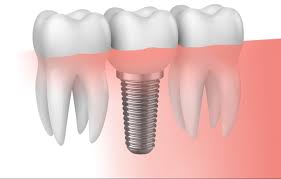
Sinus lift, sometimes called sinus augmentation, addresses a specific anatomical challenge unique to the upper jaw’s back molar region, where the maxillary sinus cavities sit directly above the bone where implants would normally be placed, gently raising the sinus membrane and placing bone graft material beneath it to create the additional vertical bone height dental implants require for successful placement in this particular location.
This page belongs to our dental care in Turkey hub, within the broader aesthetic surgery in Turkey section. Below you will find the specific anatomical challenge this procedure addresses, who is a genuine candidate, the complete surgical process, realistic timelines, risks worth understanding, and the practical details for pursuing this in Turkey. At any point, you can request a free quote, with no obligation.
Understanding the Specific Anatomical Challenge This Procedure Solves
The maxillary sinuses, air-filled cavities located within the cheekbones on either side of the nose, extend downward toward the back upper jaw, and following tooth loss in this specific region, the sinus floor can gradually expand further downward over time in a process called pneumatization, in addition to the standard bone resorption already detailed in our dental implants content. This combination often leaves insufficient vertical bone height in this specific back upper jaw region for standard implant placement without first addressing this particular anatomical constraint directly.
Understanding the Specific Surgical Technique This Procedure Uses
The procedure involves carefully creating a small opening in the bone wall separating your mouth from the sinus cavity, then gently lifting the thin sinus membrane upward without perforating it, creating a space beneath this lifted membrane where bone graft material is placed. Once this graft integrates with your existing bone, following a similar biological process already detailed in our dedicated bone grafting content, this newly created bone height supports implant placement in a location that would otherwise lack sufficient vertical space.
Comparison Table: Direct (Lateral Window) vs. Indirect (Crestal) Sinus Lift Approaches
| Criterion | Direct/Lateral Window Approach | Indirect/Crestal Approach |
|---|---|---|
| Access point | Through the side of the jawbone | Through the same site where the implant will eventually be placed |
| Best suited for | More significant height deficiency requiring greater bone addition | More modest height deficiency requiring smaller correction |
| Procedure complexity | Somewhat more involved surgical access | Generally less invasive |
| Implant placement timing | Often staged as a separate, later procedure | Sometimes combined with implant placement in the same session |
Who Is a Genuine Candidate for Sinus Lift
- Insufficient vertical bone height specifically in the back upper jaw region, identified through 3D imaging showing inadequate space between the jaw ridge and sinus floor.
- A desire to proceed with implant placement in this specific location despite this particular anatomical constraint.
- Good general health supporting surgical healing, following similar candidacy principles already detailed in our foundational implant and bone grafting content.
Indications and Contraindications for Sinus Lift
| Common Indications | Contraindications or Precautions |
|---|---|
| Insufficient bone height in the upper back jaw specifically due to sinus proximity | Active sinus infection or significant sinus pathology requiring resolution first |
| A desire to place implants in this specific region despite natural anatomical limitations | Certain chronic sinus conditions requiring careful evaluation and coordination |
| Confirmed adequate bone width, even if height is insufficient | Uncontrolled diabetes or other conditions significantly impairing bone healing |
Step-by-Step: What the Procedure Involves
Before the Procedure
Your surgical team conducts thorough 3D imaging specifically assessing your sinus anatomy and available bone height, determining whether a direct or indirect approach genuinely suits your particular case.
During the Procedure
Performed under local anesthesia or sedation, your surgeon carefully accesses the sinus area using the appropriate technique for your specific case, gently lifts the sinus membrane, and places graft material to create the necessary additional bone height.
After the Procedure
Recovery involves swelling and some sinus-related discomfort, generally managed with standard pain relief, followed by a months-long integration period before implant placement can proceed in this newly augmented area.
Recovery Timeline
| Period | Typically Reported Progress |
|---|---|
| Days 1 to 10 | Swelling and sinus-related discomfort, managed with standard pain relief and specific care instructions |
| Weeks 2 to 6 | Initial healing largely complete |
| Months 4 to 9 | Graft integration completes, confirmed through follow-up imaging before implant placement |
| Following integration | Implant placement proceeds in this newly augmented area |
Expected Results and Longevity
Once successfully integrated, this newly created bone height provides a stable, reliable foundation for implant placement, functioning with the same long-term durability already detailed in our foundational implant content once the implant itself has been placed and integrated.
Risks and Possible Complications
- Sinus membrane perforation during the procedure, a recognized technical risk requiring careful surgical technique to manage appropriately if it occurs.
- Sinus infection or inflammation, minimized through careful technique and appropriate post-operative care specific to this anatomical location.
- Graft failure or incomplete integration, following similar risk factors already detailed in our foundational bone grafting content.
- Temporary sinus congestion or pressure sensation, generally resolving as initial healing progresses.
The Rigorous Medical Oversight Behind Turkey’s Dental Industry
Turkey’s Ministry of Health framework for international patients and Joint Commission International accreditation held by many leading facilities apply to sinus lift procedures under the same licensed practitioner oversight standards governing implant-related surgical procedures generally.
Why This Specific Anatomical Location Demands Particular Surgical Precision
Given the sinus membrane’s delicate nature and its proximity to structures requiring careful navigation, this procedure demands particular surgical precision and specific experience beyond general bone grafting competency alone, since perforating this membrane, while manageable when it occurs, represents a complication specifically associated with this anatomical location that a surgeon experienced with this exact procedure is better equipped to both avoid and address should it arise.
Understanding Why Choosing Between Approaches Requires Genuine Clinical Judgment
The decision between the direct, lateral window approach and the less invasive indirect, crestal approach depends specifically on how much additional bone height your particular case requires, and a thoughtful surgeon explains this reasoning directly based on your specific imaging findings rather than defaulting to a single approach regardless of your individual anatomical needs.
The Value of Understanding This as Part of a Longer, Staged Treatment Journey
Similar to bone grafting more generally already detailed in our dedicated content, sinus lift represents a preparatory step within a longer implant treatment journey specifically for this upper back jaw region, requiring patience through the integration period before your ultimate implant restoration can be completed.
Quality Signals Worth Looking for in a Clinic
A genuinely experienced provider demonstrates specific documented case volume with this particular procedure, uses thorough 3D imaging to plan the appropriate specific approach, and discusses the membrane perforation risk honestly rather than presenting this procedure as entirely without technical challenge.
Preparing for Your Consultation
Bring any existing dental records or imaging, and disclose any history of sinus conditions or chronic sinus issues, since this history is specifically relevant to this particular procedure’s planning and risk assessment.

Maintaining Continuity of Care Between Turkey and Canada
Request detailed documentation of the specific approach and graft material used, since this information is relevant for any future implant consultation with a dentist in Canada.
Patient Experiences Reported After Sinus Lift
Many patients describe this procedure as more manageable than anticipated once properly explained, particularly appreciating understanding why this specific anatomical consideration required this additional preparatory step before their implant placement could proceed.
Combining This Procedure With Other Treatments
Sinus lift frequently precedes or, in some indirect approach cases, accompanies dental implant placement specifically in the upper back jaw region, and is sometimes combined with broader bone grafting already detailed in our dedicated content when additional considerations beyond sinus proximity alone are also present.
Why a Second Opinion Matters for This Decision
Given this procedure’s specific technical demands and the genuine judgment required in selecting the appropriate approach, comparing proposed treatment plans between two experienced providers is genuinely worthwhile before committing.
Questions Worth Asking During Your Consultation
Ask specifically about your surgeon’s documented experience with this particular procedure, which specific approach they recommend for your case and why, and how they would manage a membrane perforation should this occur during your procedure.
Understanding Why Pre-Existing Sinus Health Requires Careful Evaluation
Given this procedure’s direct interaction with the sinus cavity, thoroughly evaluating your existing sinus health before proceeding matters considerably, since underlying chronic sinus conditions, undiagnosed sinus pathology, or active infection can complicate both the procedure itself and your subsequent healing. Some surgeons specifically coordinate with an ear, nose, and throat specialist for patients with any notable sinus history, ensuring this broader medical context is appropriately considered alongside the dental planning itself.
Understanding the Membrane Thickness Consideration in Surgical Planning
Sinus membrane thickness varies between individuals, and imaging assessment of your specific membrane characteristics helps your surgeon anticipate how this tissue will likely respond during the lifting process, since unusually thin membranes may carry somewhat elevated perforation risk requiring particularly careful, gentle surgical technique, while thicker membranes may present their own distinct handling considerations.
Understanding Why Graft Material Choice Follows Similar Principles to General Bone Grafting
The same graft material categories already detailed in our dedicated bone grafting content, including autograft, allograft, and synthetic options, apply to this procedure as well, with your surgeon’s specific recommendation depending on your particular defect size and personal preferences regarding avoiding an additional surgical site for autograft harvesting.
Understanding the Value of Realistic Recovery Expectations Specific to This Location
Because this procedure interacts directly with your sinus cavity, some patients experience temporary symptoms somewhat different from standard bone grafting recovery, including mild nasal congestion or a sensation of pressure in the treated area, and understanding that these specific symptoms represent a normal part of healing in this particular location, rather than a sign of complication, helps manage appropriate expectations during your recovery period.
Understanding Why Specific Post-Operative Precautions Apply to This Procedure
Given the sinus cavity’s direct connection to your nasal passages, specific post-operative precautions often apply following this particular procedure, including avoiding vigorous nose-blowing, certain air travel timing considerations, and avoiding activities that create significant pressure changes during your initial healing period, distinct from the general precautions relevant to bone grafting in other jaw locations.
Sinus Lift Pricing in Turkey
| Pricing Factor | Cost Impact |
|---|---|
| Direct versus indirect approach, based on your specific bone height deficiency | A primary factor influencing overall cost |
| Whether combined with implant placement in the same session or staged separately | Influences overall total investment and treatment timeline |
For a broader view of dental treatment costs, see our pricing in Turkey overview, or request a free quote tailored to your specific situation.
Understanding Why Air Travel Timing Deserves Specific Discussion
Given the sinus cavity’s sensitivity to pressure changes during initial healing, discussing appropriate timing for your return flight home directly with your surgeon represents a particularly important consideration for international patients specifically, since air travel too soon following this procedure may need to be avoided or approached with specific precautions depending on your individual healing progress.
Understanding the Value of Total Treatment Cost Comparison
Since sinus lift treatment cost includes imaging, the procedure itself, and eventual implant placement in your subsequent treatment phase, comparing total comprehensive cost across your complete treatment journey offers a more accurate basis for decision-making than evaluating this preparatory procedure’s cost in isolation.
Understanding Why This Procedure’s Name Sometimes Causes Unnecessary Concern
Some patients initially feel apprehensive upon hearing this procedure involves their sinus cavity, given general associations between sinuses and unrelated conditions such as sinusitis or chronic congestion, though this procedure represents a well-established, routine component of implant dentistry rather than creating any lasting sinus dysfunction when performed by an experienced surgeon following appropriate technique.
Understanding Why Documentation of Your Specific Anatomy Supports Future Care
Keeping thorough records of your specific sinus anatomy findings and the particular approach used for your procedure provides valuable reference information for any future dental care, particularly relevant given this procedure’s direct connection to your subsequent implant treatment planning.
A Final Word on Approaching This Specialized Procedure With Confidence
Given this procedure’s well-established track record within implant dentistry despite its specific technical demands, patients can approach this preparatory step with genuine confidence when working with an experienced, appropriately qualified surgical team, understanding this represents a routine, valuable component of achieving successful long-term implant placement in this particular anatomical region.
Understanding Why Age Alone Should Not Determine Candidacy for This Procedure
Similar to bone grafting more broadly, candidacy for sinus lift depends primarily on your specific anatomical situation and overall health status rather than chronological age alone, meaning patients across a range of ages remain appropriate candidates when properly evaluated through thorough imaging and health assessment. Approaching your consultation with these considerations in mind supports a well-informed, confident decision.
Why Turkey Has Become a Leading Destination for Sinus Lift
Turkey Compared to Other Medical Tourism Destinations
| Criterion | Turkey | Tunisia | Costa Rica | Dominican Republic | Colombia | Mexico |
|---|---|---|---|---|---|---|
| Common clinic language | English widely spoken, growing French support | French and English widely spoken | Spanish, limited English | Spanish, variable English | Spanish, variable English | Spanish, variable English |
| Documented expertise with this specific procedure | Particularly well established | Good availability | Variable | Variable | Good availability | Good availability |
| Estimated pricing level | Particularly accessible | Accessible | Moderate to high | Moderate | Moderate | Moderate |
| Direct flight access from Canada | Direct flights to Istanbul | Generally via a European stopover | Variable | Variable | Variable | Variable |
The Turkish Cities Most Recognized for This Procedure
Istanbul concentrates a particularly high density of clinics with dedicated oral surgery expertise specifically supporting sinus lift procedures alongside their broader implant dentistry services. Antalya, Izmir, and Ankara also host recognized clinics offering this procedure.
Why So Many Canadians Choose Turkey for Sinus Lift
Patients from Toronto, Montreal, Calgary, Ottawa, Edmonton, Winnipeg, Quebec City, Hamilton, Kitchener, London, Victoria, Halifax, Oshawa, Windsor, Saskatoon, Regina, Sherbrooke, St. Catharines, Barrie, Kelowna, Abbotsford, Kingston, Trois-Rivières, Guelph, Moncton, Brantford, Saint John, Peterborough, Thunder Bay, Saguenay, Lethbridge, Nanaimo, Kamloops, Belleville, Chilliwack, Drummondville, Sudbury, Sarnia, Wood Buffalo, and Fredericton travel to Turkey for this procedure, often as part of a broader upper jaw implant treatment plan, drawn by well-documented oral surgery expertise and pricing considerably below typical Canadian private clinic rates.
How to Choose a Clinic for Sinus Lift
- Confirm the facility holds recognized accreditation and operates under licensed oral surgeon supervision.
- Ask specifically about documented case volume with this exact procedure, distinct from general bone grafting experience alone.
- Request to review their approach to selecting between direct and indirect technique based on individual patient anatomy.
Planning Your Medical Trip to Turkey
- Entry requirements: Canadian citizens generally need an electronic visa before departure.
- Flights and transfers: several airlines offer direct service from major Canadian cities to Istanbul.
- Length of stay: plan for an initial visit for the procedure itself, with a subsequent visit several months later once integration has completed for implant placement.
In Summary: Addressing a Specific Anatomical Challenge for Upper Jaw Implants
Sinus lift creates additional vertical bone height in the back upper jaw by carefully lifting the sinus membrane and placing graft material beneath it, addressing a specific anatomical constraint unique to this location. Turkey offers well-established, dedicated expertise for this precise surgical procedure.
Before making a decision, ensure your specific bone height deficiency and appropriate surgical approach have been thoroughly evaluated. Patients interested in a personalized assessment can request a free quote from the Aylan Clinic team. To go further, explore our full dental care in Turkey hub or the wider aesthetic surgery in Turkey section.
Everything about Sinus Lift in Turkey
Technique, pricing, results and the full patient journey — every detailed answer in our complete guide.