
A sinus lift is the procedure that makes implant treatment possible where the upper molars and premolars have been missing for some time. It creates the bone height needed for implants in the upper back jaw, is planned from 3D imaging, is carried out routinely by our maxillofacial surgeons, and in many cases the implants can be placed at the same appointment — for up to 60% less than Canadian private prices. One point is specific to this procedure: a sinus lift is the one dental treatment with a genuine flying restriction, and this guide covers exactly what that means for your travel planning.
This guide complements our Sinus Lift in Turkey intervention page, which sets out how the procedure itself is performed, the stay and the aftercare. It sits within our dental care in Turkey section. Below you will find the anatomy behind the procedure, the two techniques, how the plan is built from your CBCT, your trip day by day, recovery, the aftercare that is specific to a sinus lift, flying, smoking, pricing and a full set of questions. For a personalised figure you can request an itemised plan, and you can review our pricing in Turkey at any time.
1. Understanding the sinus lift
Where is the maxillary sinus?
The maxillary sinuses are two air-filled cavities within the cheekbones, sitting directly above the upper back teeth. In many people the floor of the sinus lies very close to the roots of the upper molars — sometimes with the roots projecting into it. This proximity is normal anatomy. It becomes relevant when a tooth in that area is lost.
Why does bone height reduce there?
Two things happen simultaneously, and together they explain why this region loses more height than anywhere else in the mouth. The ridge resorbs from below: as with any lost tooth, the bone that supported it begins to disappear once the stimulation of chewing stops. The sinus expands from above: the sinus cavity tends to grow downward into the space vacated by the tooth root — a process called pneumatisation. The bone available for an implant sits between these two, and it is squeezed from both directions. This is why the upper back jaw is the most common site in the mouth requiring bone augmentation before implants.
What does the procedure actually do?
The membrane lining the floor of the sinus is carefully lifted upward, and graft material is placed in the space created beneath it. Over the following months your own bone grows into that material, producing the height an implant needs.
Is the sinus itself opened?
No, and this reassures most patients considerably. The sinus cavity is never entered. The membrane lining its floor is gently elevated and the graft goes beneath it, between the membrane and the existing bone. The membrane remains intact and the sinus continues to function normally. You are not having sinus surgery in the sense of anything being done inside the cavity.
How much height can be gained?
Substantially — enough to accommodate implants of standard length in sites that previously had only a few millimetres. The exact gain is planned from your CBCT and depends on the technique used and the anatomy of your sinus.
2. The two techniques
Internal sinus lift (crestal or closed approach)
Access is gained through the implant site itself. The bone at the base of the sinus is carefully pushed upward along with the membrane, and graft material is introduced through the same small opening. It is used where you already have a moderate amount of bone — generally around five to eight millimetres — and where a modest gain in height is all that is needed. The advantages are considerable: no separate surgical opening, less swelling, quicker recovery, and the implant is almost always placed at the same appointment. For patients who qualify, this is the easier route by a clear margin.
Lateral window sinus lift (open approach)
A small window is made in the bone on the outer side of the upper jaw, through which the surgeon can see the membrane directly and lift it under vision. Graft material is then placed through this window. It is used where bone height is more substantially reduced — generally below five millimetres — or where a larger gain is required. It is more involved than the internal approach, with more swelling and a longer healing period. Whether the implant can be placed at the same time depends on how much bone remains to stabilise it.
Which will I need?
This is determined entirely by your CBCT, which measures the existing bone height precisely. It is not a matter of preference or technique fashion — the numbers decide it. Your plan states which approach applies, why, and whether simultaneous implant placement is possible.
The question worth asking first: can the sinus lift be avoided altogether?
Where six millimetres or more of bone height remains, shorter implants placed into existing bone are a viable alternative, with outcomes reported as comparable to standard implants after grafting in several studies. Angled implants can also engage bone in front of the sinus rather than beneath it. For a patient facing a lateral window lift and a nine-month wait, this question is worth several thousand dollars and several months. We assess it from your scan as a matter of routine, and if a graft can be avoided we will say so.
3. Assessment: what the CBCT establishes
Why 3D imaging is non-negotiable here
A sinus lift is planned around anatomy that a two-dimensional radiograph cannot show adequately. CBCT establishes the exact bone height at each intended implant site, the shape and extent of the sinus, the presence of internal walls within the sinus — bony partitions called septa that divide the cavity and which significantly affect how the membrane can be lifted — the thickness of the membrane itself, and any existing sinus disease. Each of these changes the plan. Septa in particular are common, and encountering one unexpectedly during surgery is a considerably worse experience than planning around it. A sinus lift planned from a panoramic radiograph alone is planned without knowing what is inside the sinus. CBCT is part of your assessment here.
Sinus health matters
This is a genuine and often overlooked part of the assessment. Active sinus infection or significant chronic sinus disease should be addressed before a sinus lift. Grafting beneath an inflamed membrane increases the risk of complications, and the membrane is more fragile. Where the CBCT shows sinus disease, the appropriate sequence is treatment first — sometimes with an ENT opinion — and grafting afterwards. Tell us about recurrent sinusitis, nasal polyps, chronic congestion, previous sinus surgery or seasonal allergies at planning. It is relevant, and it is better known beforehand.
What else is assessed
The condition of the adjacent teeth, your general periodontal health, your medical history and medications, and whether you smoke. Bisphosphonates and similar bone medications must be disclosed, particularly intravenous forms. They affect bone healing directly.
Can I have the CBCT done in Canada?
Yes. Ask for the raw DICOM data rather than printed images — that is what allows the sinus anatomy to be assessed properly.
4. Timelines: how the plan is structured
Internal lift with simultaneous implant placement
The most common and most convenient scenario. Timeline: one surgical trip, then three to six months of healing, then a second trip for the crown. The same pattern as a straightforward implant — the sinus lift adds no additional trip.
Lateral lift with simultaneous implant placement
Possible where enough bone remains for the implant to be stable at placement. Timeline: one surgical trip, then six to nine months of healing, then a second trip for the crown. Longer healing than an ungrafted implant, but still two trips.
Lateral lift staged before implant placement
Where bone height is minimal, the graft must mature before an implant can be positioned reliably. Timeline: graft trip, then six to nine months, then implant placement, then a further four to six months, then the crown. This can mean three trips.
What determines which applies to me
The bone height on your CBCT, primarily. Above a certain threshold the implant can be stabilised at the time of grafting; below it, staging is safer. Your plan states which applies and why, along with the number of trips and approximate intervals, from the outset.
Planning around it
For Canadian patients, the number of trips is the most consequential planning information. We establish it from the scan and state it clearly, so you can budget flights and time off from the beginning rather than discovering a third trip in month seven.
5. Why Canadians consider Turkey for sinus lift surgery
| Factor | Canada (private) | Turkey — Aylan Clinic |
|---|---|---|
| Cost | High, and rarely covered | Up to 60% less, all-inclusive |
| CBCT imaging | Often an additional charge | Included in assessment |
| Sedation | Frequently a significant extra | Available and included where indicated |
| Simultaneous implant placement | Standard where possible | Standard where possible |
| Accommodation | Not applicable | 5-star hotel, full board included |
| Companion | Not applicable | Free, accommodated and fed |
Why this procedure specifically
A sinus lift is frequently the element that makes an upper implant plan unaffordable in Canada. A patient is quoted for two implants, then told a sinus lift is needed on both sides, and the total moves out of reach. This is one of the most common reasons patients contact us — not because they set out to travel, but because the graft component made the Canadian quote impossible.

Combining with other treatment
A sinus lift is almost always part of an implant plan, so it sits within a wider treatment sequence rather than standing alone. Many patients combine it with work needed elsewhere in the mouth on the same trip, which for anyone travelling a long distance is worth planning deliberately.
Insurance
Sinus lift surgery associated with implant treatment is generally treated by Canadian dental plans in the same category as the implant — which for most plans means limited coverage and an annual maximum reached quickly. Some plans treat surgical procedures under a separate category from restorative work, occasionally with a different limit. It is worth asking specifically, and using your itemised invoice, which separates the graft from the implant work.
6. Your trip, day by day
Five to eight days is typical, and the upper end applies to lateral window cases.
Day 1 — Arrival
Airport transfer to your hotel. Nothing clinical today — Canadian flights generally arrive after an overnight leg, and there is no advantage to starting tired.
Day 2 — Assessment
Two to three hours. Clinical examination, CBCT imaging, and measurement of bone height at each intended site along with assessment of the sinus itself. Your plan is confirmed: internal or lateral approach, whether implants can be placed simultaneously, and the timeline to the crown. If the scan shows that shorter implants could avoid the lift, this is where we tell you.
Day 3 — Surgery
Under local anaesthesia, with sedation available if you prefer. Duration depends on the approach: forty-five minutes to an hour for an internal lift, longer for a lateral window, and longer again if both sides are being treated. Where implants are being placed at the same appointment, they go in during the same procedure.
Day 4 — Review
A short appointment to check the site, confirm the swelling is behaving as expected, and review your medication — which for a sinus lift usually includes a decongestant and sometimes a nasal spray alongside antibiotics.
Days 5 to 7 — Recovery and second review
Swelling peaks around day two to three, so these days are typically when you feel the improvement. A further check before you fly. Free time in Istanbul as you feel able. Most patients are comfortable walking and eating out by day four or five, with the caveat that you should avoid anything strenuous.
Day 8 — Final check and departure
Stitches removed if they are not dissolving, a final review, and — importantly for this procedure — confirmation that you are cleared to fly, with written guidance on managing the flight. You receive your documentation: treatment report describing the technique and material used, your CBCT, and post-operative guidance.
The healing period at home
Three to nine months depending on your case, during which you need very little beyond adherence to the aftercare guidance and a review with your Canadian dentist at some point.
Your subsequent trip
Set out in your plan from the beginning. Where implants were placed simultaneously, your next trip is for the crown.
7. Recovery, day by day
The day of surgery
Local anaesthesia wears off over two to four hours. Take your prescribed pain relief before the numbness fades. Ice on the outside of the cheek in twenty-minute cycles. Some oozing is normal, and you may notice a small amount of blood-tinged discharge from the nose on the treated side. This is expected after a sinus lift and is not a cause for concern. Cool liquids and soft food only. No straws. Sleep with your head elevated.
Day 1
Swelling develops, typically more noticeable than pain, and often extending across the cheek toward the eye on the treated side. This is normal for this procedure and looks worse than it feels. Continue ice, medication on schedule, and soft cool food. Begin gentle salt water rinsing after twenty-four hours.
Days 2 to 3
Swelling peaks. Bruising sometimes appears on the cheek. For a bilateral lateral window case the swelling can be substantial. You may feel a sensation of pressure or fullness in the cheek and around the nose, which is the graft material and the swelling in a confined space. It settles. This is the window in which a problem would declare itself. Increasing pain, fever, purulent discharge from the nose, or air escaping from the site are all worth reporting.
Days 4 to 7
Steady improvement. Swelling recedes, discomfort becomes intermittent, and most patients move to over-the-counter pain relief. Diet progresses to soft foods.
Weeks 2 to 4
The gum closes over. You may notice occasional blood-tinged nasal discharge for a week or two, which is normal. Continue avoiding the specific activities listed in the aftercare section — this is the period in which the graft is most vulnerable to pressure changes.
Months 1 to 9
The graft matures silently. Maturity is confirmed radiographically before implants are placed or loaded, rather than assumed from the calendar.
8. Aftercare: the instructions specific to a sinus lift
These differ from any other dental procedure, and they matter. The graft sits beneath a lifted membrane in a cavity connected to your nose, which means pressure changes can displace it.
Do not blow your nose
For two to three weeks. This is the single most important instruction. Blowing your nose creates pressure in the sinus that can push the membrane and displace graft material. If you need to clear your nose, dab gently with a tissue.
Sneeze with your mouth open
Deliberately, every time. Sneezing with the mouth closed forces pressure into the sinus; with the mouth open, the pressure escapes forward instead. It feels unnatural for the first few days and then becomes automatic. Patients who are given this instruction clearly rarely have difficulty with it.
No straws, no smoking
Suction and negative pressure both act on the site. No straws for at least a week; no smoking for considerably longer, for the reasons in the smoking section.
Avoid anything that raises pressure
No heavy lifting, no straining, no bending forward with your head below your heart, no vigorous exercise, no swimming or diving, no playing wind instruments. For two to three weeks, or as your specific guidance states.
Sleep propped up
For the first several nights. It reduces both swelling and pressure in the sinus.
Take the decongestant
It is prescribed for a reason: keeping the sinus draining freely reduces pressure on the graft from above. Take it as directed rather than only when you feel congested.
Manage a cold carefully
If you develop a cold during the healing weeks, contact us. The instinct to blow your nose is exactly what needs managing, and there are practical measures.
What is normal
A small amount of blood-tinged nasal discharge on the treated side for a week or two. Pressure or fullness in the cheek. Mild nasal congestion.
What to report
Purulent or foul-smelling nasal discharge. Fever. Increasing rather than decreasing pain. Air or liquid passing between your mouth and nose — for example, feeling air escape into your mouth when you blow your nose gently, or liquid coming through your nose when drinking. Graft material appearing in the mouth or nose in more than trace amounts. These are worth a message and a photograph. Most turn out to be nothing; the point of asking is that they are the specific things worth checking.
9. Flying after a sinus lift
This is the section that most affects your travel booking, and it is the reason we ask patients not to book return flights before their plan is confirmed.
Why flying is different after this procedure
Cabin pressure changes during ascent and descent affect air-filled cavities, and the sinus is one. Where a graft has recently been placed beneath a lifted membrane, those pressure changes can theoretically displace it before it has stabilised. The additional factor is that pressure changes make you want to clear your ears and nose — which is precisely the action you have been told to avoid.
How long before I can fly?
Seven to ten days as a general guide, and confirmed individually before you travel. For a straightforward internal lift the interval is at the shorter end. For a lateral window lift, or where the membrane was thin or perforated during surgery, it may be longer. Your surgeon confirms this at your final appointment, and it is part of why the last review before departure matters. Please do not book a non-changeable return flight before your plan is confirmed. We would rather advise you on dates before you commit than ask you to change a booking afterwards.
How to manage the flight itself
- Use your decongestant before departure as directed, and a nasal spray if one has been prescribed. This keeps the sinus draining and equalising freely.
- Do not hold your nose and blow to equalise your ears. Swallow, yawn, or use the jaw movement instead.
- Stay hydrated, since cabin air is drying and dry mucosa equalises less easily.
- Take your pain relief before boarding rather than mid-flight.
- Avoid alcohol, which dehydrates and interacts with medication.
Domestic connections
Do not book a same-day domestic connection. Two sets of ascent and descent in one day is twice the pressure cycling, and it comes at the end of a long journey. Build in an overnight stay near your Canadian arrival airport. For patients from the Prairies, Atlantic Canada and the North, this is worth planning from the outset.
Diving and altitude
No diving for at least three months, and preferably until your graft is confirmed mature. Diving involves pressure changes far greater than a flight. If you live at significant altitude or plan mountain travel, mention it — it is rarely an issue but it is worth knowing about.
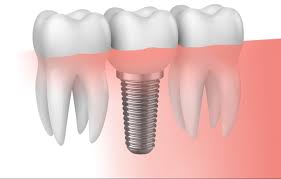
10. Smoking and the sinus lift
Why it matters more here than for most procedures
A sinus graft depends on blood vessels growing into it from the surrounding bone to bring the cells that build new bone. Nicotine constricts precisely those vessels. There is a second factor specific to this site: smoking irritates the sinus lining and impairs its normal clearance function, which increases the risk of sinus inflammation during the healing period. Published outcomes for sinus grafts in smokers are consistently worse on both counts.
For how long should I stop?
From two weeks before surgery through the healing period — three to nine months depending on your case. We recognise that is a long time. It is also the single thing most within your control that determines whether the graft becomes usable bone.
Practical support
Canadian provincial quitlines are free and effective. Your pharmacist can advise on nicotine replacement and prescription options, and combining behavioural with pharmacological support roughly doubles success rates. Vaping raises the same nicotine-related concern regarding blood vessels. Discuss it rather than assuming it is neutral. Be honest with us about where you are. A plan can be adjusted for a patient who still smokes — sometimes toward shorter implants avoiding the graft entirely, which for a smoker may genuinely be the better option. A plan cannot be adjusted for information withheld.
11. Aylan Clinic across Canada: 50 cities we serve
Aylan Clinic works with patients from every province and territory in Canada. Wherever you live, the process begins the same way: a free online consultation, with your radiograph sent from home and no need to travel before your treatment dates are confirmed. Below are the fifty Canadian cities from which we most frequently receive enquiries, with practical notes on travelling to Istanbul from each region — including, for this procedure specifically, notes on the return journey.
Greater Toronto Area and southern Ontario
Toronto is our single largest source of Canadian patients, and Pearson offers the most direct connections to Istanbul of any Canadian airport. For a sinus lift this matters more than usual: a direct return flight means one set of pressure cycles rather than two. Across the wider Greater Toronto Area we regularly work with patients from Mississauga, Brampton, Markham, Vaughan, Richmond Hill and Oshawa, all within straightforward reach of Pearson. Along the western end of Lake Ontario, patients travel to us from Hamilton, Burlington and Oakville, and from the Niagara region including St. Catharines and Niagara Falls. In southwestern Ontario we see patients from London, from the Waterloo region — Kitchener, Waterloo and Cambridge — and from Guelph, Windsor and Barrie. Driving to Pearson rather than connecting domestically is particularly advisable after this procedure, since it avoids an additional flight.
Eastern and northern Ontario
Ottawa patients typically connect through Toronto or Montreal, with many choosing Montreal for its frequency of European departures. Kingston patients generally drive to either. In northern Ontario we work with patients from Sudbury, Thunder Bay and Sault Ste. Marie. Journeys from the north involve a domestic connection, which after a sinus lift means a second set of pressure changes — so an overnight stay near your arrival airport is strongly recommended rather than connecting the same day. Sudbury and Thunder Bay both have substantial francophone populations, and those patients are served in French from first contact onward.
Montreal and the surrounding region
Montreal is our second-largest Canadian source, with excellent direct and one-stop connections to Istanbul from Trudeau. Patients from Laval, Longueuil and Brossard are all within easy reach of the airport. The frequency of Montreal departures makes it easier to adjust your return date if your surgeon advises a slightly longer interval before flying — worth bearing in mind when you book.
Quebec City and across the province
From Quebec City and the Capitale-Nationale region, including Lévis, most patients connect through Montreal. The same applies to Trois-Rivières, Sherbrooke, Drummondville and Saint-Jérôme — all within driving distance of Trudeau, which after this procedure is preferable to a domestic flight. Gatineau patients usually depart from Ottawa or drive to Montreal. From Saguenay, a domestic connection through Montreal is the norm, with an overnight buffer particularly recommended here. All Quebec patients are served in French throughout: consultation, surgery, the detailed aftercare guidance, and the written report you take home.
Vancouver and British Columbia
Vancouver patients connect through European hubs, typically one connection and a full day of travel. We schedule assessment for the day after arrival, with surgery the following day. Across the Lower Mainland we work with patients from Surrey, Burnaby and Richmond. From Victoria and Nanaimo, patients cross to Vancouver by ferry or short flight — the ferry is preferable to a flight on the return leg after this procedure. Kelowna, Abbotsford and Kamloops patients typically connect through Vancouver or Calgary. Because the journey involves a connection anyway, we plan British Columbia itineraries with a slightly longer stay so that the flying interval is comfortably met, and we aim for simultaneous implant placement wherever the CBCT allows it — keeping the plan to two trips rather than three.
Alberta
Calgary and Edmonton both offer good European connections, and Alberta is consistently among our strongest sources of Canadian dental patients. Patients from Red Deer and Lethbridge generally drive to Calgary rather than adding a domestic flight, which after this procedure is the better option. We schedule Alberta patients with the same rest-day approach as British Columbia.
Manitoba and Saskatchewan
Winnipeg patients connect through Toronto or Montreal. The francophone community of Saint-Boniface is served in French, as are Franco-Manitoban patients from the surrounding region. From Saskatoon and Regina, journeys involve a domestic connection followed by a transatlantic flight. An overnight stay near your arrival airport on the return is particularly worthwhile after a sinus lift, since it separates the two sets of pressure changes into different days.
Atlantic Canada
Halifax offers seasonal and connecting European service, and Nova Scotia patients typically route through Toronto or Montreal. In New Brunswick we work with patients from Moncton, Fredericton and Saint John. Moncton and the surrounding Acadian communities are served in French, as are Acadian patients across the province. Most connect through Montreal, which for francophone patients has the added convenience of French-language service throughout the journey. From Charlottetown in Prince Edward Island and St. John’s in Newfoundland and Labrador, journeys involve one or two connections. St. John’s patients benefit from the shortest transatlantic leg in Canada, though the onward connection adds a second set of pressure changes — an overnight stay in between is advisable.
Northern Canada
We work with patients from Whitehorse in Yukon, and from communities across the Northwest Territories and Nunavut. For northern patients, implant treatment in the upper back jaw already means travelling to a southern centre, frequently more than once. Several of our patients from the territories have found the journey to Istanbul comparable in effort, with the advantage that each trip accomplishes more. For these patients we work particularly hard to keep the plan to two trips — placing implants simultaneously with the sinus lift wherever the CBCT allows — and we plan the return journey with the flying interval and the multiple connections in mind, with buffer days at both ends.
How we handle the logistics
Whichever city you are travelling from, your coordinator arranges airport transfers at both ends in Istanbul, confirms your hotel before you depart, and builds your clinical schedule around your arrival time. Three recommendations specific to this procedure: schedule your assessment for the day after you land, with surgery the following day; book a changeable return fare where you can, since your flying date is confirmed after surgery rather than before; and avoid a same-day domestic connection on your return — this matters more here than for any other dental treatment. If you are unsure how to structure your travel from your city, ask before booking. We have arranged sinus lift trips from most of the cities on this list.
12. What the package includes
- Free online consultation and detailed treatment plan
- CBCT 3D imaging with measurement of bone height and assessment of sinus anatomy
- Assessment of whether shorter implants could avoid the lift
- Internal or lateral approach as indicated, with the reasoning explained
- Graft material, membrane and any fixation
- Simultaneous implant placement where the site allows it
- Local anaesthesia, with sedation available where indicated
- Antibiotic, decongestant, nasal spray and analgesic prescriptions as required
- Stitches and their removal before you fly
- Review appointments during your stay
- Written aftercare guidance specific to sinus lift surgery, in English or French
- Confirmation of your flying date at your final appointment
- Treatment report specifying the technique, material and any fixation used, with your CBCT, for your Canadian dentist
- A stated timeline with the number of trips and approximate intervals
- 5-star hotel accommodation, full board with soft food options
- A companion at no extra cost, accommodated and fed in the same room
- Airport–clinic–hotel transfers
- A personal coordinator throughout your stay
- English and French-speaking Canadian patient liaison available on request
The clinical team
- Senior oral and maxillofacial surgeon — sinus lift surgery and implant placement
- Dental radiologist — CBCT interpretation, sinus anatomy and septa identification
- ENT liaison — where the scan or history indicates sinus assessment is warranted
- Anaesthetist — sedation where it forms part of your plan
- Dedicated nurse — post-operative care and review appointments
13. Results by patient profile
Internal lift with simultaneous implants
A patient with six millimetres of bone height beneath the sinus at an upper molar site. An internal lift through the implant site itself, with the implant placed at the same appointment. Modest swelling, comfortable by day four, flying home on day seven. Two trips in total, and the sinus lift added nothing to the trip count.

A case where the lift was avoided
A patient told in Canada that she needed bilateral sinus lifts and a nine-month wait. Her CBCT showed seven millimetres of height on both sides. Shorter implants were placed into the existing bone. No graft, no extended wait, two trips, and a total cost substantially below the plan she had been quoted. This is why the assessment asks whether the lift is necessary before asking which technique to use.
Lateral window with simultaneous implants
A patient with four millimetres of height, but with bone dense enough at the crest to stabilise implants at placement. A lateral window lift with implants placed at the same appointment, healing together over seven months. More swelling than an internal lift, and still two trips.
Staged lateral lift
A patient who had worn an upper partial denture for many years, with two millimetres of bone height and substantial pneumatisation. Staged treatment: lift first, seven months of maturation, then implants, then the crowns. Three trips over about fifteen months, set out clearly at the outset so she could plan.
A septum identified on the scan
A patient whose CBCT showed a bony partition dividing the sinus at exactly the site requiring grafting. The approach was planned around it — two separate access points rather than one, lifting the membrane on either side of the septum. Encountering this unexpectedly during surgery is a considerably different experience from planning for it. This is what the imaging is for.
Sinus disease treated first
A patient with a history of recurrent sinusitis whose CBCT showed a thickened membrane and evidence of chronic inflammation. An ENT opinion was obtained and the sinus condition treated before grafting was undertaken. The delay was several months, and it was the correct sequence — grafting beneath an inflamed membrane carries a meaningfully higher risk of complication.
14. Questions worth asking any clinic
- “Will I have a CBCT, and what is my actual bone height in millimetres?” — a specific figure indicates it has been measured rather than estimated.
- “Could shorter implants avoid the sinus lift in my case?” — the most valuable question on this page, and worth asking before any discussion of technique.
- “Internal or lateral approach, and why?” — the answer should reference your measured bone height.
- “Does my scan show any septa in the sinus?” — a question that reveals whether the anatomy has actually been examined.
- “Is my sinus healthy, and does anything need treating first?” — particularly relevant if you have a history of sinusitis.
- “Can the implant be placed at the same time?” — this determines two trips versus three.
- “How long before I can fly, and when will that be confirmed?” — it should be confirmed after surgery, at your final appointment.
- “What are the specific aftercare instructions for this procedure?” — you should be told about nose blowing, sneezing and pressure before you travel, not on discharge.
- “How many trips will my plan require?” — stated at the outset.
15. Practical points to know
What to expect
Swelling peaking around forty-eight hours, often extending across the cheek toward the eye on the treated side. A sensation of pressure or fullness in the cheek and nose. A small amount of blood-tinged nasal discharge for a week or two. Mild nasal congestion. Discomfort that responds well to prescribed medication and eases from day four.
Recognised points
As with any surgical procedure there are recognised considerations, and CBCT planning is the principal means of minimising them.
- Membrane perforation during surgery is the most frequently discussed. Small perforations are common and are managed at the time — repaired with a membrane patch — and generally do not affect the outcome. A larger perforation may lead the surgeon to place less graft material, or to stage the procedure and return later, which is a judgement made during surgery in your interest.
- Sinus inflammation or infection following surgery, which is why antibiotics and a decongestant are prescribed and why existing sinus disease is treated first.
- Partial graft loss, most associated with smoking, with nose blowing, and with pressure changes during the vulnerable weeks.
- Displacement of graft material into the sinus, uncommon and usually managed conservatively.
- Bleeding from the nose on the treated side in the first days, which is expected rather than a complication.
- A longer timeline than anticipated, where maturation takes more time than expected. Maturity is confirmed radiographically rather than assumed.
Your assessment notes anything specific to your case, and the scan allows this to be discussed beforehand rather than afterwards.
Who this suits
Adults with reduced bone height beneath the sinus, healthy sinuses, and no active periodontal infection. Existing sinus disease or gum disease is treated first.
Smoking
The most significant factor in outcome, for the reasons in the smoking section.
Medications to disclose
Bisphosphonates and similar bone medications. Blood thinners. Anything affecting healing or immunity. And any medication you take for sinus or allergic conditions.
Pregnancy
Elective sinus lift surgery is postponed until after pregnancy.
16. Follow-up and your Canadian dentist
During the healing period
You need very little: adherence to the aftercare guidance, particularly during the first three weeks, and a review at some point with a Canadian dentist. We are available throughout, and a message with a photograph is often enough to answer a question.
What to arrange before you travel
A Canadian dentist willing to look at the site once or twice during the healing months. You are asking for a check rather than for them to take over the case, which makes the conversation straightforward. If you wear a partial denture over the area, it will need adjusting so that it does not press on the site — arrange this locally if it is not managed before you leave.
What you take home
Your treatment report specifying the technique, graft material and any fixation used. Your CBCT. Detailed written aftercare guidance. Your confirmed flying date. And your timeline with the interval to your next trip. Give the report to your Canadian dentist. Years later, a radiograph showing graft material in the sinus floor is easier to interpret with the record of what was placed and when.
If something concerns you after you get home
Contact us. For the specific things listed in the aftercare section — purulent nasal discharge, fever, air or liquid passing between mouth and nose — see a dentist or doctor locally and contact us in parallel.
17. Price: how it is built and how to compare it
Why we quote per case rather than publishing a price list
Because sinus lift cases vary considerably. An internal lift at a single site with simultaneous implant placement is a different undertaking from bilateral lateral window lifts staged before implants. Your quote is built from your CBCT measurements, itemised by procedure and by site, and it is fixed once you approve it.
What determines your price
Six factors: the approach — an internal lift is a modest addition to implant placement, while a lateral window lift is a more involved procedure with its own surgical fee; whether one side or both, since bilateral treatment is two procedures; the volume of graft material required, which follows from the height deficiency measured on your scan; whether implants are placed simultaneously, which affects the surgical fee and — more significantly — the total cost of your treatment, because it can save an entire trip and set of flights; whether sedation is used; and the length of your stay, since accommodation and full board are included.
What is included in your quote
Assessment, CBCT imaging and sinus assessment, the sinus lift procedure, graft material and membrane, simultaneous implant placement where planned, anaesthesia and sedation where indicated, all medication including decongestant and nasal spray, stitches and removal, review appointments during your stay, detailed aftercare guidance, confirmation of your flying date, your treatment report and CBCT, your 5-star hotel with full board, airport transfers, and your coordinator throughout. A companion is accommodated and fed at no additional cost.
What sits outside it
Flights for each trip your plan requires, travel insurance, interim reviews in Canada, and any denture adjustment needed locally during healing.
The comparison that matters most
Before comparing clinics, compare treatment approaches. The largest cost variable is not the fee for a sinus lift — it is whether you need one at all, and whether implants can be placed at the same time. A plan using shorter implants with no graft, against a plan using staged bilateral lateral lifts and three trips, differ by a great deal more than any two clinics’ fees for the same procedure. Ask both questions before comparing prices: could the lift be avoided, and can the implants go in at the same time?
How to compare quotes properly
- Is CBCT included? It is frequently a separate charge, and here it is the basis of the entire plan.
- Which approach does the quote assume? An internal lift and a lateral window lift are different procedures at different prices, and a quote issued from a panoramic radiograph may change once the scan is done.
- How many trips does the quote assume? A cheaper-looking quote may assume staging, requiring an additional trip and set of flights.
- Is simultaneous implant placement included or separate?
- Are all medications included? Decongestants and nasal sprays are minor costs but they are part of proper aftercare for this procedure.
Why the lowest quote is rarely the best value
On this procedure, the price of the lift itself is a minor part of the picture. What matters is whether the plan is right: the correct approach for your measured anatomy, planned around any septa, with implants placed simultaneously where possible, and no graft at all where shorter implants would serve. A well-planned case is usually the cheaper case, because it involves fewer procedures and fewer trips.
Insurance
Sinus lift surgery associated with implant treatment is generally treated by Canadian plans in the same category as the implant — typically limited coverage, with an annual maximum reached quickly. Some plans classify surgical procedures separately from restorative work, occasionally with a different limit. Ask your insurer specifically, and use your itemised invoice, which separates the surgical procedure from the implant work — that separation is what allows a partial claim where one is possible.
Payment
A deposit confirms your treatment dates. The balance is settled on site, under terms set out in full when you approve your plan. If the surgical findings differ from the scan — occasionally the membrane is thinner than it appeared, or a septum is more complex — we discuss the implications with you rather than adding to the invoice.
Getting your figure
Send a recent panoramic radiograph if you have one, or your CBCT DICOM data if you have had a scan. Add photographs of the area, a note of when the teeth were lost, whether you wear a denture, any history of sinus problems, your medications, and whether you smoke. You will receive an itemised plan within 24 to 48 hours, stating the approach, the timeline, and the number of trips required. If your scan shows that shorter implants could avoid the lift, the plan will say so. Full figures are set out on our pricing in Turkey page.
18. Glossary
- Maxillary sinus — the air-filled cavity above the upper back teeth
- Pneumatisation — downward expansion of the sinus into the space left by a lost tooth
- Sinus membrane — the lining of the sinus floor, lifted during the procedure
- Internal (crestal) lift — access through the implant site; used where moderate bone remains
- Lateral window lift — access through a window in the outer bone; used for greater deficiencies
- Septum — a bony partition within the sinus; common, and it affects the surgical approach
- Membrane perforation — a tear in the sinus lining; usually managed at the time
- Simultaneous placement — implant placed at the same appointment as the lift
- Staged approach — graft first, implant after maturation
- CBCT — cone beam CT; the imaging that measures height and shows sinus anatomy
- Decongestant — medication keeping the sinus draining freely during healing
19. How Canadians search for this
- “Sinus lift Turkey cost” — the most common search. Our quotes are itemised from your CBCT measurements.
- “Not enough bone upper jaw implant” — the situation a sinus lift addresses, and one that shorter implants can sometimes solve instead.
- “Can I avoid a sinus lift” — often yes, where six millimetres or more of height remains. The question worth asking first.
- “Sinus lift recovery time” — swelling peaks at forty-eight hours and eases from day four. Graft maturation takes three to nine months.
- “Flying after sinus lift” — seven to ten days as a general guide, confirmed individually. This is the one dental procedure with a genuine flying restriction.
- “Sinus lift and implant same time” — possible where enough bone remains to stabilise the implant, and it can save an entire trip.
- “Internal vs lateral sinus lift” — determined by your measured bone height, not by preference.
- “Sinus lift blowing nose” — avoid for two to three weeks. The single most important aftercare instruction.
- “Sneeze after sinus lift” — with your mouth open, deliberately, every time.
- “Sinus membrane perforation” — small perforations are common and managed at the time; they generally do not affect the outcome.
- “Sinus lift healing time before implant” — three to nine months depending on approach, confirmed radiographically.
- “Sinus lift with sinusitis” — existing sinus disease is treated first, sometimes with an ENT opinion.
- “Sinus lift smoking” — the most significant factor in outcome, affecting both blood vessel ingrowth and sinus lining function.
- “Is sinus lift covered by insurance Canada” — usually treated with the implant, so limited. Some plans classify surgical procedures separately.
In summary
Sinus lift surgery at Aylan Clinic combines maxillofacial surgeons who perform this routinely, CBCT imaging that measures your bone height and shows the sinus anatomy including any septa, simultaneous implant placement wherever the site allows it, and aftercare guidance written specifically for this procedure — with 5-star accommodation, a companion at no extra cost, and your flying date confirmed before you travel, for up to 60% less than Canadian private prices.
Four things make the difference. Ask whether the lift can be avoided — shorter implants work in more cases than patients expect, and it can save months and a substantial cost. Ask whether the implants can go in at the same time, which determines two trips versus three. Follow the pressure instructions: no nose blowing for two to three weeks, sneeze with your mouth open, no straws, nothing strenuous — this is what protects the graft. And do not book a fixed return flight before your plan is confirmed, since your flying date is set after surgery and a changeable fare saves difficulty.
To go further, see how the treatment itself is delivered on our Sinus Lift in Turkey page, review the wider range of dental care in Turkey, or consult our pricing in Turkey. Send your radiograph and you will have an itemised plan — including the approach and the number of trips — within 24 to 48 hours.