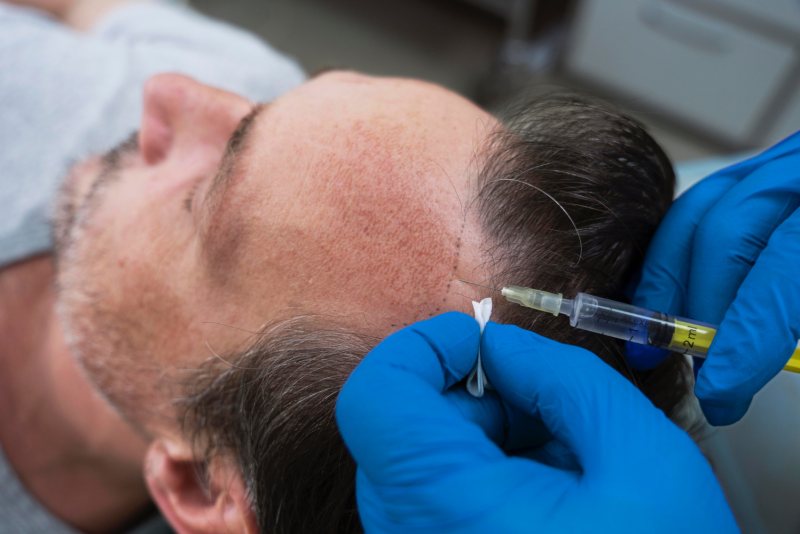
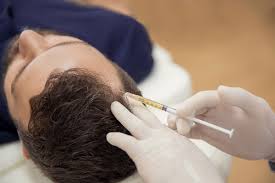
Hair restoration is the broader umbrella term covering every path back to fuller hair: surgical transplantation through FUE or DHI, and non-surgical support through PRP, exosomes, low-level laser therapy, and DHT-blocking medication, often combined for the strongest possible result. The most experienced clinics do not treat surgery as a standalone fix but build a comprehensive plan protecting your native hair alongside any transplanted grafts, delivered at up to roughly 60% below equivalent Canadian private pricing.
This guide complements our hair transplant in Turkey hub, where you will find the procedure itself explained step by step, along with the stay and aftercare. Below, we walk through every restoration path available, what genuinely separates a holistic clinic from one offering surgery alone, and what patients specifically should know before booking. Aylan Clinic built this resource to help you compare your options honestly. At any time you can review our pricing in Turkey or request a free consultation, with no obligation.
Understanding What Hair Restoration Actually Covers
Hair restoration is the broader umbrella term, encompassing surgical transplantation alongside non-surgical approaches like PRP, exosomes, low-level laser therapy, and DHT-blocking medication, while a hair transplant refers specifically to the surgical relocation of follicles. Thinking in terms of restoration rather than transplant alone genuinely matters because a transplant alone does not protect your existing native hair from continuing to thin. A genuinely comprehensive restoration plan often combines surgery with supportive treatments to preserve results across your entire scalp, not just the transplanted area.
Surgical vs Non-Surgical Restoration: Understanding the Difference
Non-surgical options suit early to moderate thinning where enough native hair remains to support and stimulate, while surgery becomes the only path once an area has gone genuinely bald with no viable follicles left to preserve. Non-surgical treatments work best for maintaining and strengthening existing hair rather than regrowing completely bald areas, meaning effectiveness genuinely depends on your specific starting pattern and goals. Non-surgical treatments alone can meaningfully slow further thinning and sometimes modestly improve existing hair density, though patients hoping for dramatic regrowth in genuinely bald areas will find surgery remains the only realistic path forward.
Who Makes a Good Candidate for a Combined Approach
Not everyone considering hair restoration needs surgery specifically. Many candidates benefit most from a combination plan: surgery addressing genuinely bald areas while non-surgical support protects and strengthens surrounding native hair. Most candidates do qualify for a combined plan, though donor supply, overall hair health, and specific goals all factor into whether surgery, non-surgical support, or a genuine combination best suits an individual case, making a thorough consultation examining your specific pattern essential.
Hair Restoration Turkey Cost
Package pricing depends heavily on whether your plan combines surgery with supportive non-surgical treatments, though patients consistently find comprehensive hair restoration packages in Turkey run up to roughly 60% cheaper than equivalent private domestic care. A comprehensive package bundling surgery with supportive non-surgical treatments generally costs somewhat more than surgery alone, though clinics often price the combination attractively compared to sourcing each treatment separately. For a fuller overview, see our pricing in Turkey page.
Hair Restoration: Turkey vs Canada
| Factor | Turkey | Canada |
|---|---|---|
| Package cost comparison | Up to roughly 60% cheaper | Full domestic pricing |
| Combined surgical/non-surgical planning | Widely available | Often fragmented across providers |
| All-inclusive travel packages | Standard offering | Rarely bundled |
Choosing the Best Clinic for Hair Restoration in Turkey
What separates a genuinely comprehensive hair restoration clinic from a surgery-only clinic is straightforward to check: ask directly whether the clinic offers non-surgical support alongside surgical planning. A genuinely holistic approach protecting your entire scalp's health signals considerably more thoughtful, long-term care than a clinic focused purely on graft count. The cheapest package is rarely a good sign, since genuinely comprehensive restoration planning demands real clinical judgment and follow-up, so an unusually cheap quote often signals corners cut on exactly the ongoing care this holistic approach requires.
Genuinely specialized clinics typically demonstrate deeper expertise across the full range of restoration options, since hair-specific specialization allows more focused investment in relevant equipment, training, and treatment protocols than a general cosmetic practice can usually match. Rather than assuming specialization from marketing language alone, verify a clinic's actual documented case volume and specific hair restoration credentials directly. A general cosmetic clinic can occasionally be the right choice, particularly if it happens to employ a genuinely exceptional hair specialist, though this remains the exception rather than the rule.
Searching "Hair Restoration Near Me": Why Turkey Still Wins
Checking local options is worth doing for comparison purposes, though most patients searching "hair restoration near me" quickly find domestic pricing runs considerably higher, and clinics offering genuinely combined surgical and non-surgical planning remain relatively limited locally compared to Turkey's concentrated expertise. Searching "hair restoration clinic near me reviews" or "comprehensive hair restoration specialist close to me cost" tends to surface more useful comparison information than a bare "near me" search alone.
Searching "hair restoration close to me" is a completely natural first instinct, and most people who follow through on that search discover something notable: genuinely comprehensive, combined-treatment specialists remain relatively limited locally, making a dedicated Turkish specialist frequently the stronger option once travel costs are weighed against local scarcity and higher domestic pricing.
Verified Reviews and Before-and-After Photos
In reviews from other patients, look for mentions of both surgical results and ongoing non-surgical maintenance experience, since a genuinely comprehensive review captures more than just the transplant day itself, alongside photos taken well past twelve months and posted recently rather than years ago. For before-and-after photos, consistent lighting, hairstyle, and genuine density documentation between the before and after shots, plus a visible timestamp past the twelve-month mark, are what to look for, since these details are considerably harder to fake than a single polished photo.
As with any before-and-after gallery, selective curation remains a genuine possibility, making cross-referencing against independent review platforms and asking for a broader, unfiltered sample worthwhile before drawing conclusions. A confident clinic should have no hesitation showing a broader, more representative sample of outcomes, including cases with more modest or average results alongside their most striking successes. Video testimonials can offer additional confidence through visible tone and body language, though they remain just as susceptible to selective curation as written reviews; a testimonial recorded a year or more after the procedure reflects the genuinely mature outcome a comprehensive plan is specifically designed to achieve.
Aylan Clinic and Our Canadian Patients
Aylan Clinic works with Canadian patients seeking genuinely comprehensive restoration planning, and we prioritize protecting your entire scalp's long-term health as much as any single surgical result. Our process stays exactly the same no matter where you are calling from: honest assessment, genuine coordination, clear pricing, and support that continues long after you have landed back home. On your first call, expect a genuine conversation about your specific goals and case first, photo review second, and only then a realistic treatment combination recommendation and cost breakdown, never a rushed sales pitch.
| Region | Cities We Serve |
|---|---|
| Ontario & GTA | Toronto, Ottawa, Hamilton, London, Kitchener, Waterloo, Windsor, Mississauga, Brampton, Barrie, Kingston, Sudbury |
| BC & the Prairies | Vancouver, Victoria, Surrey, Burnaby, Kelowna, Calgary, Edmonton, Winnipeg, Regina, Saskatoon |
| Atlantic Canada | Halifax, Saint John, Fredericton, Charlottetown, St. John's |
| Northern Canada | Whitehorse, Yellowknife, Iqaluit |
Turkish Cities and Regions Offering Hair Restoration
The main Turkish cities offering hair restoration services, listed alphabetically, are: Adana, Afyonkarahisar, Alanya, Ankara, Antalya, Bodrum, Bursa, Canakkale, Denizli, Edirne, Eskisehir, Fethiye, Gaziantep, Istanbul, Izmir, Kayseri, Kocaeli, Konya, Kusadasi, Marmaris, Mersin, Sakarya, Samsun, Tekirdag, Trabzon, and Yalova. Istanbul, anchored by its international airports, hosts the deepest bench of comprehensive restoration specialists in the country, while several regions each offer a distinct profile.

| Turkish Region | Cities | Best Suited For |
|---|---|---|
| Marmara | Istanbul, Bursa, Kocaeli, Sakarya, Tekirdag, Yalova, Edirne, Canakkale | Widest comprehensive restoration selection |
| Aegean | Izmir, Kusadasi, Denizli, Afyonkarahisar | Lower regional pricing, holistic reputation |
| Mediterranean | Antalya, Alanya, Mersin, Fethiye, Marmaris | Resort-style, private recovery |
| Central & Eastern Anatolia | Ankara, Konya, Kayseri, Eskisehir, Gaziantep | Domestic-focused, verify capability |
| Black Sea | Samsun, Trabzon | Travellers already in the region |
How Turkey Compares to Other Medical Tourism Destinations
Mexico's medical tourism sector runs solid generally, though genuinely integrated surgical and non-surgical restoration planning remains considerably less developed than what Turkish clinics have built through sheer procedure volume over the past decade. Thailand and India both offer growing medical tourism infrastructure, though genuinely comprehensive restoration programs combining multiple treatment types remain considerably harder to find outside Turkey's concentrated ecosystem. Hungary, Poland, and the Czech Republic excel in dental and general cosmetic tourism, but their hair restoration sectors remain considerably smaller in scale than Turkey's dedicated infrastructure. South Korea carries respected cosmetic credentials though its pricing sits meaningfully higher, while Costa Rica, Colombia, and Malaysia together maintain considerably smaller, less specialized sectors overall.
International Accreditation and Facility Standards
Confirm Ministry of Health licensing directly, and ask specifically about the clinic's documented experience combining surgical and non-surgical treatment types, since general accreditation does not necessarily confirm genuinely comprehensive restoration expertise. Hospital-grade accreditation standards hold steady no matter the specific treatment combination used, since sterilization and safety protocols do not shift between different restoration approaches, and those standards should apply equally to non-surgical treatment rooms, not just the surgical suite. Aylan Clinic operates under full Turkish Ministry of Health licensing, with sterile surgical environments meeting international hospital-grade standards, and our team's credentials remain available for direct review.
Red Flags Specific to Hair Restoration Bookings
- A clinic unable to clearly explain how surgical and non-surgical treatments work together in their plan.
- No dedicated before-and-after portfolio showing combined-treatment results.
- Pressure to book surgery alone without discussing supportive non-surgical options.
- Vague answers about long-term maintenance planning beyond the initial procedure.
- Inability to explain why they would recommend one specific treatment combination over another for your case.
By contrast, a trustworthy consultation includes honest discussion of which combination genuinely suits your case and why, rather than a generic sales pitch pushing every available add-on treatment regardless of actual need.
The Full Recovery Timeline, Month by Month
Expect initial scabbing to clear within about ten days if surgery was involved, non-surgical treatments like PRP typically requiring several sessions spaced weeks apart, and full combined results usually reaching maturity somewhere between month twelve and month eighteen. A comprehensive plan combining surgery with ongoing non-surgical support can span twelve to eighteen months from initial procedure through full maturity and stabilized maintenance. Progress is not linear: visible improvement followed by plateaus is completely normal regardless of how many treatment components are involved. Marking specific check-in points, like the six-month and twelve-month stages, rather than checking progress constantly, can make gradual combined improvement feel more noticeable and less discouraging over time.
Aftercare Once You Are Back Home
Aftercare differs meaningfully for a combined restoration plan compared to surgery alone: ongoing non-surgical maintenance, whether medication, periodic PRP touch-ups, or laser therapy sessions, typically continues well beyond the initial surgical recovery window, making a genuinely long-term aftercare plan essential. Remote follow-up works the same way once home, with messaging and video check-ins with your coordinator continuing for months following your trip, particularly valuable for tracking how ongoing non-surgical treatments are progressing over time. Most clinics maintain WhatsApp or email access to a dedicated coordinator for months or even years following treatment.
Practical Recovery Guidance
The following guidance applies to the surgical component of a combined plan; non-surgical additions like PRP typically involve minimal downtime, sometimes just mild scalp tenderness for a day or two.
- Sleeping position: most surgeons recommend sleeping with the head elevated at roughly a forty-five degree angle for the first few nights, using extra pillows or a travel pillow, to minimize swelling and protect the freshly grafted area from pressure.
- Itching: a genuinely normal part of healing as scabs form, though patients should resist scratching directly and instead use surgeon-approved gentle patting or a mild moisturizing spray, since even a small amount of scratching pressure can dislodge a graft that has not yet fully anchored.
- Exercise: the same two-to-four-week wait before heavier exercise applies regardless of the specific combination chosen.
- Contact sports and flying: any direct impact to the scalp poses an immediate risk to freshly implanted grafts, making extended caution particularly important; most surgeons clear patients to fly home three to five days post-procedure.
- Washing: the core gentle-washing principle stays the same for any surgical component, with non-surgical treatments involving their own separate, simpler aftercare.
- Sun exposure: avoid direct sun exposure to the scalp for at least the first month, using a hat once cleared for wear, since fresh grafts and healing skin remain more vulnerable to UV damage.
- Swimming: wait at least three to four weeks before swimming in pools or the ocean, given the chlorine, saltwater, and general water exposure risks to still-healing grafts.
Combining Hair Restoration with PRP and Other Therapies
Several surgeons report improved graft survival and stronger surrounding native hair when PRP is layered into a comprehensive restoration plan, particularly valuable for cases involving broader thinning beyond just the surgical area. PRP can support graft survival and stimulate surrounding native hair, addressing both the transplanted area and the broader thinning pattern simultaneously. Several studies suggest PRP specifically can modestly improve graft survival when incorporated thoughtfully into the surgical plan, though surgeon skill remains the dominant factor determining overall outcomes. Clinics sometimes combine PRP, exosomes, and laser therapy together within one comprehensive plan, particularly for patients wanting maximum support for existing native hair, though a genuinely thoughtful clinic sequences these therapies appropriately rather than layering everything simultaneously without clear reasoning.
How DHT Blockers Complement Surgical Results
DHT blockers reduce the hormone specifically responsible for miniaturizing native follicles over time, meaning their role is protecting the hair surrounding a transplant rather than affecting the transplanted grafts, which remain genetically resistant regardless. DHT-blocking medication often needs to continue indefinitely, since discontinuing it can allow the underlying hormonal pattern to resume progressing, making long-term commitment part of a realistic restoration plan. Individual response to DHT-blocking medication varies meaningfully, making ongoing monitoring and adjustment part of a genuinely responsible long-term plan.
Why Sequencing Matters in a Combined Plan
Most clinics recommend allowing the surgical component to heal for several weeks before introducing intensive non-surgical therapy like laser treatment, though gentler options like oral medication often begin immediately, making proper sequencing genuinely case-specific. Introducing intensive non-surgical stimulation too early risks irritating still-healing grafts, exactly the reason experienced clinics build deliberate timing into their comprehensive plans. PRP is often applied at the end of a surgical session specifically to support graft survival, while more intensive non-surgical therapies typically wait until initial healing has progressed further.
Donor Supply, Density, and Realistic Expectations
Even the most comprehensive combined plan remains ultimately bound by what a patient's donor area can safely provide, meaning realistic expectations grounded in individual donor supply matter more than any specific treatment combination alone. Non-surgical treatments can help maximize the appearance of existing native hair, though they cannot manufacture additional donor supply. Donor density typically peaks in the mid-occipital region and tapers somewhat toward the edges, so experienced surgeons strategically allocate extraction from the densest zones first to preserve the overall donor appearance. Calibre, density, and placement angle all combine with graft count to create the visual impression of fullness, meaning no single factor alone determines how thick a final combined result ultimately looks. Most experienced clinics cap single-session placement somewhere around four thousand to five thousand grafts given the careful pace precision technique demands, with anything claiming substantially more in one day worth questioning closely.
Donor Zone Care and FUE Scarring
A natural, undetectable appearance in the donor zone even after significant graft removal comes from distributing extraction evenly across the donor area, rather than concentrating it in one visible patch. FUE leaves behind a series of tiny, dot-like scars typically undetectable once hair grows back over them, a meaningful advantage over older strip harvesting methods that left a single linear scar. Where scalp donor supply has genuinely run low, beard hair is sometimes considered as a secondary donor source, though its different texture profile requires careful, strategic placement to blend convincingly.
Rare Complications and Graft Survival
Complications specifically associated with combining multiple restoration treatments are genuinely rare when treatments are properly sequenced and monitored, though combining surgery with intensive non-surgical therapy too soon after the procedure can occasionally irritate healing grafts, making proper timing coordination important. Adding non-surgical support such as PRP can modestly improve overall graft survival when incorporated thoughtfully, though surgeon skill remains the dominant factor determining outcomes regardless of supportive treatments added. No amount of excellent non-surgical support can compensate for poor surgical execution, making surgeon skill and technique choice every bit as important within a comprehensive plan.
Candidacy Considerations: Health History and Individual Factors
- Autoimmune conditions: certain autoimmune patterns can affect both transplanted and non-surgically stimulated hair, so the same careful evaluation applies regardless of treatment combination.
- Blood thinners: disclosing every medication remains just as important no matter the combination, since blood thinners influence bleeding and healing independent of the specific therapies involved.
- Pre-procedure bloodwork: the same standard blood count, clotting function, and infectious disease screening apply, since these panels address general safety.
- Keloid scarring: keloid risk relates primarily to individual skin healing tendency, making pre-procedure discussion of this risk factor worthwhile.
- Age: younger patients still actively losing hair sometimes benefit from prioritizing non-surgical stabilization before committing donor supply to a surgical plan, while older patients typically have more stable, predictable patterns.
- Smoking, alcohol, and nutrition: restricted blood flow from smoking threatens both graft survival and the effectiveness of non-surgical stimulation, so the same pre-procedure guidance around quitting or cutting back applies throughout.
Women's Hair Restoration
Women's restoration plans often differ from men's: female pattern hair loss frequently presents as diffuse thinning across the scalp rather than clearly defined balding zones, making non-surgical support genuinely central to many women's plans rather than purely supplementary to surgery. Surgery alone struggles to meaningfully address diffuse thinning without concentrated bald zones to work with, which is exactly why non-surgical stimulation across the entire affected area often plays a central role. A broader hormonal evaluation before starting treatment is frequently a sensible step, since hormonal factors often contribute to female pattern hair loss.
Scalp Health, Supplements, and Lifestyle
Genuinely comprehensive clinics address overall scalp health as part of restoration planning, since factors like scalp inflammation, oil balance, and general skin condition can meaningfully affect both surgical healing and non-surgical treatment effectiveness. Some clinics suggest general biotin, vitamin D, or iron supplementation based on individual bloodwork results, though any recommendation should be grounded in actual testing rather than a generic approach. Chronic stress and poor sleep can meaningfully undermine hair health independent of any treatment, making lifestyle adjustment a genuinely relevant part of a truly comprehensive strategy.
Emerging Technologies
Research into stem cell therapy and cloning-based follicle regeneration continues advancing, though these approaches remain largely experimental, meaning established options like surgical transplantation, PRP, exosomes, and medication remain the genuinely proven foundation of comprehensive restoration today. Waiting indefinitely for hypothetical future breakthroughs means continuing to lose hair in the meantime, making proceeding with established, effective treatments a more realistic path than pinning hopes on unproven future technology.
Boutique vs High-Volume Clinics and Team-Based Care
Clinic size matters more for comprehensive restoration planning than for surgery alone, since the careful, ongoing coordination genuinely comprehensive restoration demands benefits substantially from a boutique clinic's typically lower daily volume and more focused, personalized attention across an extended timeline. A genuinely comprehensive plan sometimes involves more than one type of specialist, a surgeon handling the transplant alongside a dermatologist or trichologist managing non-surgical elements. Whether one clinician or several are involved, what genuinely matters is how well their efforts get coordinated into one coherent plan, under unified clinical oversight and with consistent team involvement from initial consultation through years of maintenance.
Verifying Every Component of Your Care Team
Administering PRP, exosomes, or laser therapy still requires proper training and licensing, meaning the same credential-verification diligence applied to surgeons should extend to whoever delivers non-surgical components. Improperly administered non-surgical treatments carry their own risks, from infection to poor technique undermining effectiveness, so the assumption that these components are automatically low-stakes is a mistaken one. A genuinely thorough patient verifies credentials across every component of their care team, not just the most visible surgical element.
The Consultation and Second Opinions
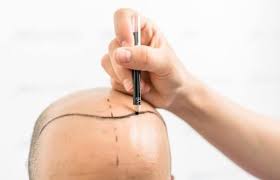
A video consultation is genuinely useful for planning a combined approach, since a surgeon can often assess your specific pattern and discuss which combination of treatments suits your case well before you commit to travel. It is worth getting a second opinion specifically on which restoration combination suits your case, since different clinics sometimes propose meaningfully different treatment combinations for the same case. Arriving at your first consultation with photos showing your progression over several months or years, family hair loss history, and a clear list of questions genuinely maximizes the value of that conversation. Most reputable clinics draw the proposed hairline directly on the skin for patient approval before starting the surgical component, and tweaking that drawn hairline before the procedure begins is a completely normal, encouraged part of the process.
Financing, Taxes, and Insurance
Genuine insurance coverage for cosmetic hair restoration simply does not exist, though some financing companies offer medical procedure loans designed for elective treatments like this one. A deposit-plus-balance model is how most clinics operate, and several also partner with third-party financing providers. Generally speaking, cosmetic procedures do not qualify for medical expense tax credits, though a tax professional remains the most reliable source to confirm this for your specific situation. Budget realistically for the full trip, not just the procedure: flights, accommodation, meals, incidentals, and importantly, ongoing non-surgical maintenance beyond the initial visit, which is genuinely easy to underestimate upfront.
Planning Your Trip
Canadian citizens receive identical visa-free entry for short tourist stays regardless of which specific procedure brought them to Turkey. Stay close to the clinic, use the included airport transfer service, and arrive a day early to adjust for jet lag. Turkey generally runs seven to ten hours ahead of most Canadian time zones, a credit card without foreign transaction fees simplifies currency handling, and Istanbul offers wide-ranging dietary options throughout the stay. Spring and fall generally offer more comfortable temperatures for the initial recovery period, though clinics operate year-round, so your own schedule typically matters more than seasonal considerations alone.
Warranties, Check-Ins, and Lifetime Results
Some clinics extend guarantees covering surgical graft survival below a certain threshold, though non-surgical treatment outcomes are typically discussed as realistic expectations rather than formal guarantees given natural biological variability. Periodic check-ins help track how well both surgical and non-surgical components continue developing, particularly valuable given the longer maturation window comprehensive restoration involves. Surgically transplanted follicles carry the same donor-area genetic resistance regardless of any additional non-surgical support, meaning results remain permanent once fully established, while non-surgical benefits typically require ongoing maintenance to sustain.
The Emotional Dimension of Hair Loss
Hair loss carries real emotional weight tied to age perception and self-image for many patients, and acknowledging that openly, rather than dismissing it as purely superficial, tends to ease the entire decision-making process. Patients who choose a genuinely comprehensive plan, rather than a single quick fix, often describe feeling more confident about the durability of their results, knowing their entire scalp's health is being addressed rather than just one bald patch. Beyond the purely physical result, many patients describe gaining genuine confidence, an outcome worth acknowledging explicitly even though it rarely shows up in a clinic's marketing material.

Beyond the Scalp: Eyebrows and Beard
The term hair restoration occasionally applies to eyebrows or beard areas too, with some clinics using the broader terminology to describe comprehensive facial hair treatment plans, though scalp restoration remains the far more common application for the overwhelming majority of patient inquiries. This guide focuses specifically on scalp-based restoration, though the same combined surgical and non-surgical philosophy applies broadly across facial hair restoration too.
A Written Treatment Plan and Honest Comparison
A written plan specifying exactly which treatments are included, in what sequence, at what cost, and over what timeline protects both parties and gives you something concrete to reference throughout your entire journey. Most clinics itemize surgical and non-surgical components separately within one bundled quote, giving patients clarity on exactly what each element costs even when purchased together. Genuine transparency in itemized pricing helps patients understand exactly what they are paying for at each stage, rather than a single opaque total. Be genuinely wary of standardized comprehensive packages advertised identically to every patient, since hair loss patterns vary enormously between individuals and a truly appropriate plan should reflect meaningful customization.
Glossary of Hair Restoration Terms
| Term | What It Means |
|---|---|
| PRP | Platelet-rich plasma injections used to stimulate hair follicles |
| Exosomes | Cell-derived particles used to support scalp and follicle health |
| Low-level laser therapy | Light-based treatment believed to stimulate hair growth |
| DHT blocker | Medication reducing the hormone linked to pattern hair loss |
| Combination therapy | Using multiple treatment types together within one plan |
| Miniaturization | The gradual shrinking of follicles that precedes visible hair loss |
| Trichologist | A specialist focused on hair and scalp health specifically |
| Maintenance phase | The ongoing period after initial treatment requiring continued care |
Common Hair Restoration Myths, Debunked
- Myth: non-surgical treatments alone can regrow completely bald areas. False. PRP, exosomes, and laser therapy work by stimulating and strengthening existing follicles, so they cannot regrow hair in areas with no viable follicles left, which is exactly where surgery becomes necessary.
- Myth: combining surgery with non-surgical treatment always costs significantly more. Not necessarily. Many clinics bundle supportive treatments into comprehensive packages at a modest premium over surgery alone.
- Myth: hair restoration medication works the same for everyone. False. Individual response to DHT-blocking medication varies meaningfully, making ongoing monitoring part of a responsible plan.
- Myth: combining more treatments always produces better results. False. Layering treatments without genuine clinical justification can waste money without improving outcomes; thoughtful, case-specific selection matters more than treatment count.
Final Verification Checklist
- Confirmed in writing how the clinic coordinates surgical and non-surgical treatments.
- Discussed which specific combination genuinely suits your case and why.
- Received an itemized cost breakdown with no hidden add-ons.
- Cross-checked reviews on at least two independent platforms with recent posting dates.
- Examined timestamped before-and-after photos matching your own case.
- Set realistic personal expectations for a twelve-to-eighteen-month timeline.
- Compared at least two or three separate consultations before making any final decision.
In Summary: A Comprehensive, Whole-Scalp Approach
Hair restoration is the broader umbrella covering surgical transplantation alongside non-surgical support through PRP, exosomes, laser therapy, and DHT-blocking medication, and the most satisfying results come from a genuinely comprehensive plan protecting your entire scalp's health rather than surgery treated as a standalone fix. Turkish clinics deliver this comprehensive approach at up to roughly 60% below Canadian private pricing, but the real differentiator between a satisfying and disappointing result always comes down to whether your specific clinic genuinely coordinates surgical and non-surgical treatments thoughtfully, not the price tag alone.
Verify that coordination directly, confirm which specific combination suits your case, check fresh independent reviews, examine timestamped before-and-after photos, and give the twelve-to-eighteen-month timeline the patience it genuinely requires. To go further, explore our hair transplant in Turkey hub for the procedure itself, and review our pricing in Turkey page. The single most valuable next step after absorbing this much research is a real conversation with a specialist examining your specific pattern, donor supply, and goals.