A dental crown is the restoration that saves a tooth. Where a tooth has lost too much structure to hold a filling reliably, a crown covers and binds what remains, restoring both function and appearance. At Aylan Clinic, an in-house laboratory means your crowns are designed, made and fitted during one trip of five to eight days rather than across several appointments spread over weeks — for up to 60% less than Canadian private prices, with material selected tooth by tooth.
This guide complements our Dental Crowns in Turkey intervention page, which sets out how the procedure itself works, your stay and your aftercare. It sits within our wider dental care in Turkey section. Below you will find how crowns work, how the materials differ, how your plan is built, what your trip looks like day by day, how appearance is managed on visible teeth, and how a quote is put together. At any time you can request a free quote, itemised by tooth, with no obligation.
The short answer is yes. Dental crowns at Aylan Clinic allow patients from Toronto, Montreal, Vancouver, Calgary, Ottawa and across Canada to restore damaged, heavily filled or root-treated teeth — in appearance and in strength — in a single trip, for up to 60% less than Canadian private prices. A crown is one of the most useful procedures in dentistry, and it is also one of the most commonly needed.
1. Understanding Dental Crowns
What is a crown?
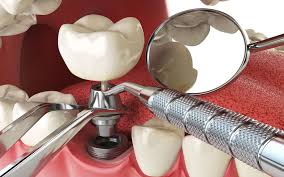
A custom-made cap that covers the entire visible portion of a tooth. The tooth is reduced on all sides to make room for it, and the crown is then cemented or bonded into place, becoming the new outer surface of the tooth.
Unlike a filling, which replaces a portion of a tooth, a crown encircles what remains. That encircling effect is what makes it structurally protective: it holds the tooth together and distributes chewing forces around it rather than through a weak point.
When is a crown the right treatment?
- After root canal treatment. A root-treated tooth has lost its internal blood supply and a good deal of structure, and it becomes brittle. Crowning it is standard practice, particularly on back teeth, because the alternative is a significant risk of fracture.
- Where a filling has become too large. Once a filling occupies most of the tooth, the remaining walls are thin and prone to cracking. A crown replaces the cycle of ever-larger fillings.
- After a fracture. A cracked or broken tooth that still has a sound root can usually be saved with a crown.
- Severe wear. Teeth shortened by grinding or acid erosion can be restored to their original height.
- Significant internal discolouration. Where whitening cannot help and a veneer would not mask the colour adequately.
- On an implant. The visible tooth on a dental implant is a crown.
- As part of a bridge. Crowns on the teeth either side support a replacement tooth in between.
What a crown does that a veneer cannot
A veneer changes the front surface of a tooth. A crown wraps around the whole tooth and holds it together. For a tooth that is structurally compromised — heavily filled, root-treated, cracked — that encircling strength is the point. On such a tooth, a veneer would not address the underlying weakness, and it would have less sound enamel to bond to. This is why the two restorations are not competing options but different answers to different situations, decided tooth by tooth.
How long do crowns last?
Typically ten to twenty years, and frequently longer. Longevity depends on the material, the bite forces the tooth takes, and oral hygiene at the margin where crown meets tooth. Modern all-ceramic crowns are considerably more durable than materials used a generation ago, and monolithic zirconia in particular has changed expectations for posterior crowns.
2. Crown Materials and What Each Does Best
Material choice is the most consequential technical decision in crown treatment, and it should be made per tooth rather than applied uniformly.
Monolithic zirconia
Milled from a solid block of zirconia. The strongest option available, and remarkably resistant to fracture and wear. Its strength allows thinner walls, which means less tooth reduction than older materials required — a genuine advantage. Aesthetics are good and have improved substantially in recent years, though it is less translucent than layered ceramics.
Best for: molars, premolars, patients with heavy bite forces, patients who grind, and full-arch work. For a back tooth taking real chewing load, this is usually the right answer.
Layered zirconia
A zirconia core for strength, with ceramic layered over the visible surfaces for better optical properties. Combines much of zirconia’s durability with noticeably better translucency.
Best for: visible teeth where strength is also a consideration — upper premolars, canines, and front teeth in patients with strong bites.
Lithium disilicate (E-max)
Pressed ceramic with excellent translucency and strength that is more than adequate for anterior and premolar use. Well documented over many years. Its optical behaviour is closer to natural enamel than zirconia’s: light enters the material and scatters rather than reflecting off the surface. For a front tooth next to natural teeth, this matters.
Best for: front teeth, premolars, and any visible crown where appearance is the priority.
Feldspathic porcelain
Hand-built layer by layer by a ceramist. The most lifelike material available, and the choice for the most demanding anterior cases — particularly a single crown that must match natural neighbours exactly. Less strong than pressed or milled options, so it is used selectively.
Best for: single anterior crowns where the match must be undetectable.
Metal-ceramic
A metal substructure with ceramic fired over it. Long-established and durable, with decades of clinical data. Its limitation is optical: the metal core blocks light, so the crown can look slightly flat, and a dark line can become visible at the gum margin over years as the gum recedes. All-ceramic options have largely replaced it for visible teeth.
Best for: specific situations where its particular properties are advantageous, discussed if relevant to your case.
Gold
Exceptionally kind to opposing teeth, very durable, and requires minimal reduction. Its only drawback is appearance. Some patients specifically request gold for a molar that does not show, and it remains a genuinely excellent material for that purpose.
Which will be used for me?
Frequently more than one material across a case: E-max or layered zirconia on visible teeth, monolithic zirconia further back. Your plan specifies the material per tooth with the reasoning. If a single material is proposed for every tooth, it is reasonable to ask why — sometimes there is a good answer, and it is worth hearing it.
3. Why Canadians Choose Turkey for Crowns
| Factor | Canada (private) | Turkey — Aylan Clinic |
|---|---|---|
| Cost | High per crown | Up to 60% less, all-inclusive |
| Timeline | Two or three appointments over weeks | One trip of 5–8 days |
| Laboratory | External, adding a week or two per stage | In-house, same-day adjustments |
| Multiple crowns | Often staged over months | Completed together in one visit |
| Accommodation | Your responsibility | 5-star hotel, full board included |
| Companion | Additional cost | Free, accommodated and fed |
Where the difference is most noticeable
For a single crown, the practical difference is modest — you would have two appointments in Canada a fortnight apart, which is manageable. For multiple crowns, the difference becomes substantial. A patient needing six or eight crowns in Canada is frequently looking at a treatment plan spread across several months, partly for clinical sequencing and partly because insurance annual maximums make it sensible to stage the work across benefit years.
At Aylan Clinic those crowns are made together, in one visit, by one ceramist working to one plan. The result is more consistent — matching six crowns made simultaneously is considerably easier than matching six made months apart — and it is finished.
The in-house laboratory
Your crowns are designed and made on site. That means a technician can see your face, check the shade in natural light, and adjust or remake the same day. For posterior crowns this matters less. For anything visible, it is the difference between a crown that matches and one that nearly matches.

4. Assessment: Building Your Plan
What happens at assessment
A full examination of the tooth or teeth in question and of the whole mouth, radiographs, photographs, and an assessment of how your teeth meet. For each tooth being crowned we establish: how much sound structure remains, whether the tooth has been root-treated and whether that treatment is sound, whether there is any decay to remove first, the health of the surrounding gum, and how much force that tooth takes when you bite.
Why the existing root treatment is checked
If a tooth has had root canal treatment previously and that treatment shows signs of failure on radiograph, crowning over it means building on an unsound foundation. Retreatment first, crown after, is the correct sequence. This is one of the more common findings at assessment on teeth that have been filled and refilled over the years, and identifying it beforehand saves considerable trouble later.
Does the tooth need a post?
Where a root-treated tooth has very little structure above the gum, a post cemented into the root canal provides an anchor for the crown to build on. Whether one is needed is decided from the radiograph and the clinical examination.
Why your bite is assessed
A crown that sits even slightly high receives excessive force every time you close your teeth. Over months that causes discomfort, and over years it contributes to fracture or loosening. Assessing your bite beforehand — and adjusting the crown carefully at fitting — is what prevents that. If you grind your teeth, tell us. It changes the material recommendation toward monolithic zirconia and it means a night guard forms part of the plan.
Gum health first
Crown margins sit at or just below the gum line. Healthy gum tissue gives a clean margin, a good seal and a natural appearance. Any inflammation is treated before the crown is made, which is usually a matter of a cleaning appointment.
5. Your Trip, Day by Day
For a straightforward crown case, five to eight days is comfortable. Larger cases run toward the upper end.
Day 1 — Arrival
Airport transfer to your hotel. Nothing clinical today — Canadian flights generally arrive after an overnight leg, and there is no advantage to starting tired.
Day 2 — Assessment
Two to three hours. Examination, radiographs, photographs, bite analysis, and a discussion of materials and shade. By the end of the day you have an itemised plan: which teeth, which material for each, and anything that needs doing first.
Day 3 — Preparation and temporaries
Under local anaesthesia. Any decay is removed, the tooth is shaped to receive the crown, and impressions or a digital scan are taken. Where a post is needed it is placed at this stage. Temporary crowns are fitted before you leave. They look reasonable and function adequately, though they are noticeably less refined than the finished crowns. For anterior cases, shade is taken now — early in the appointment, before the teeth dehydrate, since dry teeth appear lighter and this is a common source of shade error.
Days 4 to 5 — Fabrication
Your crowns are made in the on-site laboratory. For anterior work you may be asked in briefly for a shade check in natural light. Otherwise this time is yours. Patients visit the historic quarter, the Bosphorus, the bazaars. Eating with temporary crowns is straightforward — nothing very hard or sticky, but restaurants present no difficulty.
Day 6 — Try-in and fitting
Your crowns are tried in first, before permanent cementation, so that fit, shade and contour can be assessed with you looking at them. For visible crowns this is assessed in natural light with mirrors and photographs. Refinements are possible at this stage, and if a crown needs remaking it is remade. Once approved, the crowns are cemented or bonded and the bite is carefully adjusted.
Day 7 — Review and departure
A short appointment: bite recheck after twenty-four hours of normal use, final polish, and cleaning instruction specific to your restorations. You receive your documentation — the itemised report of what was placed on each tooth with materials, your radiographs, and the cementation details your Canadian dentist may want.
If your case needs two trips
Where a tooth requires root canal treatment that needs a period of healing before crowning, or where a crown sits on an implant that has yet to integrate, treatment is staged. Your plan will say so from the outset.
6. What to Expect During and After
The preparation appointment
Comfortable under local anaesthesia. For a single crown it takes under an hour; for several, a couple of hours with breaks.
Your temporary crowns
Acrylic, adequate in appearance, and functional. They are held with temporary cement so they can be removed easily at your fitting appointment, which means they are less firmly attached than the final crowns. Two practical points: avoid sticky foods, which can pull a temporary off, and avoid flossing forcefully around it — slide the floss out sideways rather than pulling it up. If a temporary does come off, it is not an emergency. Keep it, and the clinic will recement it.
Sensitivity
Some sensitivity to cold or to pressure is common between preparation and fitting, particularly on a tooth that has not been root-treated and still has a live nerve. It settles once the definitive crown is cemented and the tooth is properly sealed.
After fitting
Most patients eat normally the same day. The tooth may feel slightly different for a few days as your tongue and bite adapt to the new contour. If anything feels high when you bite, or if you catch the crown when chewing, mention it — that is exactly what the day-seven appointment is for, and a small adjustment makes a substantial difference.
Gum tenderness
Where the crown margin sits at the gum line, mild tenderness for a few days is normal. It resolves as the tissue settles around the new contour.
7. Getting the Appearance Right on Visible Crowns
Shade
For a crown next to natural teeth, shade matching is the whole game. A crown that is a fraction too light or too grey is noticeable in a way that a slightly imperfect shape is not. Shade is taken early in the appointment, before the teeth dry out, in natural daylight where possible, and cross-checked against photographs.
Why a single anterior crown is the hardest case in dentistry
This is worth understanding, because it explains where the skill lies. Matching a full arch is comparatively straightforward: you set the shade you want and everything follows it. Matching one crown to the natural tooth beside it means reproducing that specific tooth’s colour, translucency, internal characteristics and surface texture precisely enough that the eye cannot separate them. It is the most demanding work a ceramist does, and it is where direct access to the ceramist genuinely changes the result. A technician who can look at your natural tooth in daylight, rather than working from a shade code written on a form, is working with far better information.
Translucency at the edge
Natural front teeth are more translucent at the biting edge, where light passes through. A crown that is uniformly opaque reads as artificial even when the colour is right. This is why material choice matters for visible crowns: E-max and layered ceramics reproduce this; monolithic zirconia does so less well, which is why it is generally reserved for teeth further back.
Surface texture
Natural enamel carries fine horizontal lines and subtle ridges. A glass-smooth crown reflects light differently from the teeth around it, which shows particularly in photographs. Texture is added by hand at the finishing stage and matched to your own teeth.
The gum margin
For a front crown, where the margin sits relative to the gum determines whether it is invisible. Slightly below the gum line, with healthy tissue, gives the best result. This is also why gum health is treated first — a margin placed against inflamed tissue will not sit correctly once the inflammation resolves.
If you plan to whiten
Whiten your natural teeth before the crown is made. Ceramic does not respond to whitening agents, so whitening afterwards leaves your crown darker than everything around it, and the only remedy is remaking it.
8. Crowns on Implants
How is an implant crown different?
The crown itself is similar. What differs is what it attaches to: an abutment on an implant rather than a prepared natural tooth. Two practical consequences follow.
No sensation. An implant has no nerve and no cushioning ligament, so you will not feel pressure through it as you would through a natural tooth. This is harmless but it means you cannot rely on sensation to warn you that a crown is too high — which is why the bite adjustment is done carefully and rechecked.
Screw-retained or cemented. An implant crown can be screwed directly onto the implant or cemented onto an abutment. Screw-retained crowns can be removed and refitted, which makes future maintenance straightforward, and the small access hole is filled invisibly. For most posterior implant crowns, screw retention is the more serviceable choice.
The implant passport
If your treatment involves an implant, you should leave with a record of the brand, model, dimensions and lot number. This is what allows a Canadian dentist to obtain matching components years later if a screw needs replacing or a crown needs refitting. Keep it, photograph it, and give a copy to your dentist at home.
9. Crowns as Part of a Bridge
Where a tooth is missing and implants are not being used, crowns on the adjacent teeth can support a replacement tooth between them. This works well where those adjacent teeth already need crowns — heavily filled, previously root-treated, or damaged. In that situation a bridge achieves two things at once.

Where the adjacent teeth are healthy and unrestored, an implant is usually the better option, since it replaces the missing tooth without involving its neighbours. We will tell you which applies in your case, and the bridge guide covers this in more detail.
10. Aylan Clinic Across Canada: 50 Cities We Serve
Aylan Clinic works with patients from every province and territory in Canada. Wherever you live, the process begins the same way: a free online consultation, with photographs and radiographs sent from home and no need to travel before your treatment dates are confirmed. Below are the fifty Canadian cities from which we most frequently receive enquiries, with practical notes on travelling to Istanbul from each region.
Greater Toronto Area and southern Ontario
Toronto is our single largest source of Canadian patients, and Pearson offers the most direct connections to Istanbul of any Canadian airport — which makes it the simplest journey in the country for this treatment. Across the wider Greater Toronto Area we regularly work with patients from Mississauga, Brampton, Markham, Vaughan, Richmond Hill and Oshawa, all within straightforward reach of Pearson. Along the western end of Lake Ontario, patients travel to us from Hamilton, Burlington and Oakville, and from the Niagara region including St. Catharines and Niagara Falls. In southwestern Ontario we see patients from London, from the Waterloo region — Kitchener, Waterloo and Cambridge — and from Guelph, Windsor and Barrie. Most drive to Pearson rather than connecting domestically, which for a short crown trip is usually the easier option.
Eastern and northern Ontario
Ottawa patients typically connect through Toronto or Montreal, with many choosing Montreal for its frequency of European departures. Kingston patients generally drive to either. In northern Ontario we work with patients from Sudbury, Thunder Bay and Sault Ste. Marie. Journeys from the north involve a domestic connection, so we recommend an overnight stay near your departure airport before your outbound flight, and again on your return rather than connecting the same day. Sudbury and Thunder Bay both have substantial francophone populations, and those patients are served in French from first contact onward.
Montreal and the surrounding region
Montreal is our second-largest Canadian source, with excellent direct and one-stop connections to Istanbul from Trudeau. Patients from Laval, Longueuil and Brossard are all within easy reach of the airport. Because a crown case can be completed in under a week, many Montreal patients treat it as a short trip rather than a major undertaking.
Quebec City and across the province
From Quebec City and the Capitale-Nationale region, including Lévis, most patients connect through Montreal. The same applies to Trois-Rivières, Sherbrooke, Drummondville and Saint-Jérôme — all within driving distance of Trudeau, which many patients prefer to a domestic connection. Gatineau patients usually depart from Ottawa or drive to Montreal. From Saguenay, a domestic connection through Montreal is the norm, with an overnight buffer recommended on the return. All Quebec patients are served in French throughout: consultation, planning, treatment, and the written report you take home.
Vancouver and British Columbia
Vancouver patients connect through European hubs, and the journey is longer than from central Canada — typically one connection and a full day of travel. We schedule assessment for the day after arrival so that you are rested. Across the Lower Mainland we work with patients from Surrey, Burnaby and Richmond. From Victoria and Nanaimo, patients cross to Vancouver by ferry or short flight. Kelowna, Abbotsford and Kamloops patients typically connect through Vancouver or Calgary. Given the travel time from British Columbia, patients from this region often choose to have several crowns done together rather than making the journey twice.
Alberta
Calgary and Edmonton both offer good European connections, and Alberta is consistently among our strongest sources of Canadian dental patients. Patients from Red Deer and Lethbridge generally drive to Calgary rather than adding a domestic flight. We schedule Alberta patients with the same rest-day approach as British Columbia.
Manitoba and Saskatchewan
Winnipeg patients connect through Toronto or Montreal. The francophone community of Saint-Boniface is served in French, as are Franco-Manitoban patients from the surrounding region. From Saskatoon and Regina, journeys involve a domestic connection followed by a transatlantic flight. For prairie patients we particularly recommend an overnight stay near your arrival airport on the return rather than a same-day domestic leg.
Atlantic Canada
Halifax offers seasonal and connecting European service, and Nova Scotia patients typically route through Toronto or Montreal. In New Brunswick we work with patients from Moncton, Fredericton and Saint John. Moncton and the surrounding Acadian communities are served in French, as are Acadian patients across the province. Most connect through Montreal, which for francophone patients has the added convenience of French-language service throughout the journey. From Charlottetown in Prince Edward Island and St. John’s in Newfoundland and Labrador, journeys involve one or two connections. St. John’s patients benefit from the shortest transatlantic leg in Canada, though onward connection adds time.
Northern Canada
We work with patients from Whitehorse in Yukon, and from communities across the Northwest Territories and Nunavut. For northern patients, travel to any specialist dental centre already involves considerable distance, and several of our patients from the territories have noted that a trip to Istanbul is not dramatically longer than a trip to Toronto or Edmonton for the same treatment — with the difference that everything is completed in one visit. Northern patients frequently combine several needed crowns into a single trip for exactly this reason. We plan these itineraries with particular care, building in buffer days at both ends.
How we handle the logistics
Whichever city you are travelling from, your coordinator arranges airport transfers at both ends in Istanbul, confirms your hotel before you depart, and builds your clinical schedule around your arrival time rather than a standard template. Two recommendations for every Canadian patient. Schedule your assessment for the day after you land. And avoid a same-day domestic connection on your return, particularly in winter when weather delays on the domestic leg are common. If you are unsure how to structure your travel from your city, ask. We have arranged trips from most of the cities on this list and can tell you what has worked well.
11. What the Package Includes
- Free online consultation and detailed, itemised treatment plan
- Radiographs, photographs and bite analysis on site
- Removal of decay and placement of a post where needed
- Preparation, temporary crowns, try-in and definitive crowns as planned
- Material selected per tooth, with the reasoning explained
- In-house laboratory with same-day adjustments
- Ceramist involvement for anterior crowns
- Gum treatment where needed before crown fabrication
- 5-star hotel accommodation, full board
- A companion at no extra cost, accommodated and fed in the same room
- Airport–clinic–hotel transfers
- A personal coordinator throughout your stay
- Itemised treatment report specifying material and cementation per tooth
- Radiographs and documentation for your Canadian dentist
- English and French-speaking Canadian patient liaison available on request
The clinical team
- Prosthodontist — planning, preparation and fitting
- Endodontist — root canal treatment where required
- Periodontist — gum treatment before crown work
- Master ceramist — anterior crowns and single-tooth matching
- In-house laboratory technicians — fabrication, try-ins and same-visit refinements
12. Caring for Your Crowns
Daily
Brush twice daily and clean between the teeth every day. The margin where the crown meets the tooth is the one place that needs attention — the crown cannot decay, but the tooth beneath it can, and decay at the margin is the most common reason a crown eventually needs replacing. Interdental brushes or floss, used consistently at that margin, are what prevent it.
Professional
Cleaning appointments twice yearly, with the hygienist aware that you have ceramic crowns so appropriate instruments and polishing pastes are used.
If you grind
Wear your night guard. Grinding is the main mechanical cause of crown fracture, and a guard costs a fraction of a replacement crown.
Habits worth changing
Chewing ice, opening packaging with your teeth, and biting hard nuts or fruit stones. Ceramic is hard but brittle: it handles chewing well and point impact poorly.
What to report
A crown that feels high, catches when you chew, or has become sensitive. Also any bleeding from the gum around it, which usually indicates plaque at the margin rather than a problem with the crown.
Longevity
Ten to twenty years typically, often longer with a night guard and good margin hygiene. Replacement, when it comes, is a straightforward procedure.
13. Results by Patient Profile
After root canal treatment
A patient whose lower molar had been root-treated in Canada and temporarily filled, with the crown deferred because of cost. Monolithic zirconia, one trip, and the tooth is properly protected rather than waiting to fracture. This is among the most common cases we see from Canadian patients: the root treatment was done at home, and the crown that should have followed it was postponed.

A cracked molar
A patient who cracked a heavily filled upper molar on a nut. The tooth was sound at the root, so a crown saved it. Monolithic zirconia for strength, and the tooth functions normally.
Several crowns done together
A patient needing five crowns across both arches, quoted a multi-year plan in Canada because of annual insurance maximums. All five made together by one ceramist to one plan, in a single week. The shade consistency across the five is noticeably better than it would have been made months apart.
A single front crown
A patient whose upper central incisor had been root-treated and darkened. A feldspathic crown, made with the ceramist looking at the natural tooth beside it in daylight. This is the case where direct ceramist access earns its keep — the match is the entire objective.
Worn teeth restored
A patient in his sixties whose lower back teeth had worn substantially over decades. Crowns restoring the original height, a carefully designed bite, and a night guard because the wear pattern indicated grinding.
Crowns replacing old metal-ceramic work
A patient with crowns placed twenty-five years earlier, now showing dark margins at the gum line as the gum had receded. Replaced with all-ceramic crowns, which have no metal core and therefore no dark line to appear later.
14. Questions Worth Asking Any Clinic
- “Which material for each tooth, and why that one?” — a per-tooth answer with reasoning indicates individualised planning rather than a uniform template.
- “Is the existing root treatment sound?” — crowning over a failing root treatment builds on an unsound foundation, and the radiograph shows it.
- “Will there be a try-in before permanent cementation?” — the last opportunity to check shade and fit on a visible crown.
- “Is the laboratory on site, and will the ceramist see me?” — for anterior crowns this genuinely affects the match.
- “Would a veneer or a large filling be sufficient for this tooth?” — a clinic willing to consider a more conservative option is thinking about your interests.
- “Has my bite been assessed, and do I grind?” — this determines material choice and whether you need a guard.
- “Screw-retained or cemented, for an implant crown?” — screw retention is generally more serviceable.
- “Can I see anterior cases at one year or later, in natural light?” — one-year photographs are the informative ones.
- “What will my treatment report say for each tooth?” — useful for your Canadian dentist and for any insurance claim.
15. Practical Points to Know
Risks
Crowns are among the most established procedures in dentistry. As with any dental treatment, there are recognised points worth being aware of. Sensitivity between preparation and fitting is common on a tooth with a live nerve, and settles once the crown is cemented. In a small proportion of cases a tooth that has not previously been root-treated may need root canal treatment after crowning, which is why the state of the nerve is assessed beforehand. Gum tenderness around a new margin is normal for a few days. A crown feeling high is easily adjusted and should be reported. Fracture or debonding is uncommon and more likely in patients who grind without a guard. Decay at the margin over years is the most common reason for eventual replacement, and it is prevented by cleaning that margin properly. Your treatment plan notes anything specific to your case.
Who this suits
Adults with a tooth that has adequate root structure and healthy surrounding gum. Existing gum disease, decay or a failing root treatment is addressed first.
Grinding
Not a barrier. It shifts the material recommendation toward monolithic zirconia and means a night guard forms part of the plan.
Pregnancy
Elective crown work is usually postponed. Where a tooth needs urgent protection, treatment is discussed with your obstetrician.
16. Warranty and Aftercare
What is covered
Aylan Clinic guarantees crowns for a defined period against fracture or debonding not caused by trauma or by grinding without a night guard. The exact terms are set out in writing with your treatment plan.
What we recommend arranging at home
A regular Canadian dentist for twice-yearly cleaning and check-ups — most patients already have one. Give them your itemised treatment report so they know the material and cementation used on each tooth. If a crown ever needs recementing, a Canadian dentist can generally do it in a single appointment. We provide the cementation details in your documentation so this is straightforward, and our team is available if your dentist wants to confirm anything.
If a crown comes off
Keep it. Do not attempt to glue it back yourself — household adhesives are not appropriate and can make proper recementation difficult. Keep the crown clean, avoid chewing on that side, and see a dentist within a few days. An intact crown can almost always be recemented.
Staying in touch
Send us a photograph at six months and a year, particularly for anterior crowns. It keeps your file active if you ever have a question.
17. Price: How It Is Built and How to Compare It
Why we quote per case rather than publishing a price list
Because crown treatment varies considerably. One patient needs a single posterior crown. Another needs six crowns, a post, and gum treatment beforehand. A published per-crown figure tells you little about your own total. Your quote is built from your radiographs and photographs, itemised by tooth, and it is fixed once you approve it.
What determines your price
Six factors, in roughly descending order of impact.
- The number of crowns. The largest variable, and the reason multiple crowns done together represent better value than the same work spread across separate trips.
- The material per tooth. Hand-layered feldspathic porcelain involves considerably more technician time than a milled monolithic crown. Both are appropriate in their place; they are not priced the same.
- Preparatory treatment. Removal of extensive decay, a post where the tooth needs one, root canal treatment or retreatment, or gum treatment before fabrication.
- Whether the crown sits on a tooth or an implant. An implant crown involves an abutment, which is a separate component.
- Ceramist involvement. A single anterior crown matched to natural neighbours requires direct ceramist work. That is time, and it is reflected in the price — and in whether the match is convincing.
- The length of your stay, since accommodation and full board are included.
What is included in your quote
Assessment, radiographs, photographs and bite analysis. Removal of decay. A post where needed. Preparation and temporary crowns. Laboratory fabrication. The try-in. Cementation and bite adjustment. Your 5-star hotel with full board. Airport transfers. Your coordinator throughout. And your itemised treatment report with radiographs and cementation details for your Canadian dentist. A companion is accommodated and fed at no additional cost.
What sits outside it
Flights, travel insurance, a night guard if you grind, your routine cleaning appointments in Canada, and eventual replacement of the crowns after ten to twenty years.
How to compare quotes properly
Five checks make crown quotes genuinely comparable.
- Compare the material. A quote for monolithic zirconia and a quote for hand-layered feldspathic porcelain are not the same product. Establish which material each clinic is proposing, per tooth.
- Check what preparatory work is included. Decay removal, posts and root canal treatment are frequently quoted separately, and they can change a total substantially.
- Check whether a try-in is included. For visible crowns this is where your control over the shade lives.
- Check whether the laboratory is on site. External laboratory work either lengthens your stay or removes same-day refinement.
- Check what is bundled. Hotel, meals, transfers and a companion add up if they are extra.
Why the lowest quote is rarely the best value
On crowns, price differences trace to identifiable things: the material, whether preparatory treatment is included, whether a try-in is scheduled, whether a ceramist is involved for visible teeth, and whether the laboratory is on site. Material in particular is worth attention, because it is the thing you cannot inspect and the thing that most determines how long the crown lasts. Your itemised report records what was actually used, which is one reason we provide it.
Insurance and claiming
Crowns placed for genuine clinical reasons — a root-treated tooth, a fracture, extensive decay — are the kind of restorative work Canadian dental plans typically do cover, subject to your annual maximum. The constraint is usually the maximum rather than eligibility. Many Canadian plans cap benefits at a level that a few crowns will exhaust. Practical steps: ask your insurer in writing whether they reimburse treatment received outside Canada and at what rate; request pre-determination if available; and use your itemised invoice, which lists each procedure by tooth with the material. That is what insurers need to process a claim, and it is far more useful than a package figure. If your treatment could reasonably span two calendar years, ask your insurer how they date a claim — you may be able to use two annual maximums.

Payment
A deposit confirms your treatment dates. The balance is settled on site, under terms set out in full when you approve your plan. There are no additional charges once the plan is accepted — if something changes clinically, we discuss it with you before proceeding.
Getting your figure
Send a recent panoramic radiograph if you have one, photographs of the teeth concerned, and a note of any treatment already done on them. You will receive an itemised plan and a fixed quote within 24 to 48 hours, with the material per tooth and everything included set out line by line. You can request a free quote at any time.
18. Glossary
| Term | Meaning |
|---|---|
| Crown | A cap covering the whole visible portion of a tooth |
| Monolithic zirconia | Milled single-material crown; the strongest option |
| Layered zirconia | Zirconia core with ceramic layered over for better translucency |
| Lithium disilicate (E-max) | Pressed ceramic; strong with excellent optical properties |
| Feldspathic porcelain | Hand-built layer by layer; the most lifelike material |
| Metal-ceramic | Ceramic fired over a metal substructure |
| Post | An anchor cemented into a root canal to support a crown |
| Margin | Where the crown meets the tooth, at the gum line |
| Try-in | Assessment of the finished crown before permanent cementation |
| Abutment | The connector between an implant and its crown |
| Screw-retained | An implant crown fixed with a screw, removable for maintenance |
| Occlusion | How the teeth meet when you bite |
19. How Canadians Search for This
- “Dental crown Turkey cost” — the most common search. Our quotes are itemised by tooth and material.
- “Zirconia vs E-max crown” — zirconia for strength and back teeth, E-max for translucency on visible teeth.
- “Crown after root canal” — standard practice, particularly on molars, because a root-treated tooth becomes brittle.
- “How long do dental crowns last” — ten to twenty years typically, often longer with good margin hygiene.
- “Crown vs veneer” — a crown wraps the tooth and strengthens it; a veneer changes the front surface. Decided by how much structure remains.
- “Dental crowns in one week” — achievable with an in-house laboratory, which is how Aylan Clinic works.
- “Crown fell off what do I do” — keep it, do not glue it, see a dentist within days. It can almost always be recemented.
- “Crown feels high” — easily adjusted, and worth reporting rather than living with.
- “Best crown for back teeth” — monolithic zirconia in most cases.
- “Best crown for front teeth” — E-max or layered ceramic, for edge translucency.
- “Are crowns covered by insurance Canada” — clinically necessary crowns typically are, subject to your annual maximum.
- “Dark line at gum with crown” — characteristic of older metal-ceramic crowns as the gum recedes; all-ceramic crowns have no metal core.
- “Crown and grinding teeth” — shifts the material choice toward monolithic zirconia and means a night guard.
- “Single front crown matching” — the most demanding case in restorative dentistry, and where direct ceramist access matters most.
In Summary: Crowns Made Tooth by Tooth, in One Trip
Dental crowns at Aylan Clinic combine material selection made tooth by tooth, an in-house laboratory that makes single-trip treatment possible, a try-in before permanent cementation, and ceramist involvement where a visible crown must match natural teeth — with 5-star accommodation and a companion at no extra cost, for up to 60% less than Canadian private prices.
Four things that make the difference: match the material to the tooth (monolithic zirconia where strength matters, E-max or layered ceramic where translucency does); deal with what is underneath first (a sound root treatment and healthy gum are what make a crown last); have multiple crowns made together (one ceramist, one plan, better consistency, one trip); and clean the margin (the crown cannot decay; the tooth beneath it can — that is the one place daily attention counts).
To go further, read our Dental Crowns in Turkey intervention page for the procedure, stay and aftercare in detail, explore the wider dental care in Turkey section, or request a free quote. Send your radiograph and photographs and you will have an itemised plan within 24 to 48 hours.