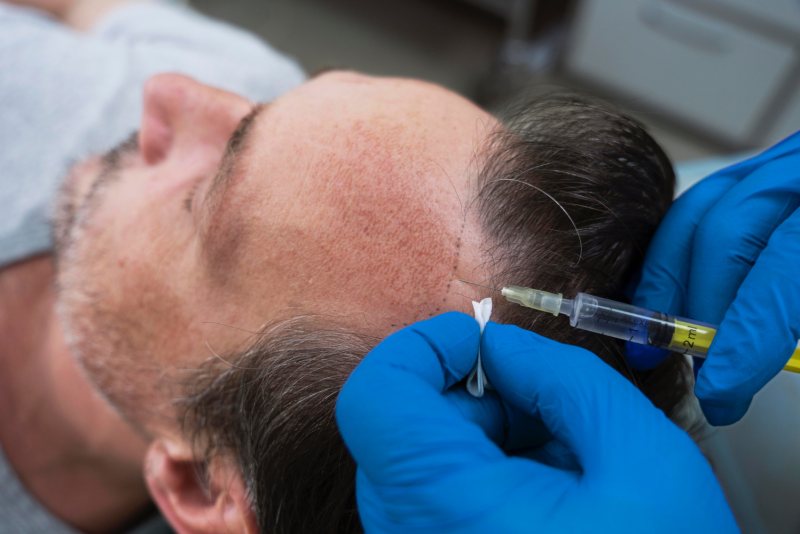
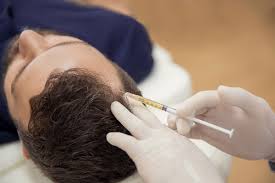
Hair implantation refers specifically to the final phase of hair restoration, placing extracted follicles into the scalp using either pre-opened channels or direct implanter pens, and the precision of this specific phase genuinely determines your final density, angle, and natural appearance just as much as the extraction method itself. Patients researching hair implantation in Turkey increasingly find that dedicated specialists offer meticulous implantation technique using Choi pens, sapphire-tipped instruments, or careful manual placement depending on the specific case.
This guide complements our hair transplant in Turkey hub: it walks through exactly how hair implantation works, what genuinely separates implantation quality between clinics, and what patients should know before booking, including how to search "hair implantation near me" or "close to me" effectively before deciding Turkey is the stronger option. At any time you can review pricing in Turkey or request a free quote, with no obligation. Aylan Clinic built this resource to help you compare your options honestly.
Understanding What Hair Implantation Actually Means
Is hair implantation the same thing as a hair transplant, or something genuinely different? Hair implantation specifically refers to the placement phase of the overall hair transplant process, the moment extracted follicles get inserted into the recipient area, while the broader term hair transplant encompasses the entire procedure from extraction through implantation and beyond.
Why does the implantation phase specifically matter so much for the final result? The angle, depth, and direction each individual follicle gets implanted at directly determines whether your final result grows in naturally or looks artificially placed, making this specific phase every bit as technically demanding as the extraction that precedes it.
Choi Pen vs Sapphire-Tipped Instruments: Understanding the Difference
What genuinely distinguishes a Choi implanter pen from sapphire-tipped implantation tools? Both mechanisms function similarly by inserting follicles directly without pre-made incisions, though the Choi pen typically uses a hollow metal tip while sapphire instruments use a hard gemstone tip prized for its smooth, bacteria-resistant surface that some surgeons believe supports faster healing.
Does the specific brand or manufacturer of implanter pen matter for final results? Brand matters considerably less than the surgeon's genuine skill using whatever quality instrument they have trained extensively with, though clinics investing in well-maintained, purpose-built equipment generally signal a broader commitment to doing precision implantation properly throughout every stage.
Manual vs Motorized Implantation Technique
Does manual implantation genuinely offer better control than motorized implanter pens? Manual technique offers surgeons more direct tactile feedback throughout the placement process, a genuine advantage some specialists specifically favour for the most delicate hairline work, while motorized pens can offer speed advantages for broader coverage areas where slight variation matters less visually.
Neither approach is universally superior. Skilled surgeons achieve excellent results with either manual or motorized technique, meaning the underlying question genuinely worth asking is not which tool is objectively better, but rather how much documented experience your specific surgeon has with whichever tool they plan to use on your case. Experienced surgeons often switch between manual and motorized technique within the same session, using manual precision for the delicate hairline zone specifically while employing motorized efficiency for broader mid-scalp and crown coverage, combining the genuine strengths of each approach.
Who Actually Makes a Good Candidate for This Approach
Does hair implantation technique suit every type of hair loss pattern equally well? Direct implantation methods particularly suit patients wanting maximum density control or those hoping to avoid a full shave, though a thorough consultation examining your specific pattern and donor supply remains essential before confirming candidacy.
Does everyone considering a transplant automatically qualify for direct implantation technique specifically? Most candidates do, though donor supply, scalp elasticity, and specific density goals all factor into whether direct implantation or channel-based technique better suits an individual case, making a thorough consultation essential.
Hair Implantation Turkey Cost
What should patients actually expect to pay for hair implantation in Turkey? Package pricing depends on graft count, technique choice, and specific implantation tool used, though patients consistently find hair implantation packages in Turkey run up to roughly 60% cheaper than equivalent private care back home.
What exactly are patients paying for with the artistic precision hair implantation demands? Primarily surgeon time and specialized equipment, since meticulous implantation simply takes longer per graft than a rushed approach, meaning the cost reflects genuine additional skill and labour. More extensive coverage or higher density goals require more time-intensive implantation work, naturally pushing total cost higher than a milder case involving simpler, more contained placement. For a fuller overview, see our pricing in Turkey page.
Hair Implantation Turkey vs Canada
| Factor | Turkey | Canada |
|---|---|---|
| Package cost comparison | Up to roughly 60% cheaper | Full domestic pricing |
| Direct implantation specialization | Widely available | Often limited, fewer specialists |
| All-inclusive travel packages | Standard offering | Rarely bundled |
Best Clinic for Hair Implantation in Turkey
What separates a genuinely skilled implantation specialist from a standard clinic? Ask directly whether the surgeon personally handles the implantation phase or delegates it entirely to technicians, since this specific hands-on involvement genuinely determines the precision of angle, depth, and density your final result will show.
Is the cheapest hair implantation package ever actually the best value? Rarely a good sign. Meticulous implantation technique demands genuine skill and patience, so an unusually cheap quote often signals corners cut on exactly the precision this specific phase requires.
"Hair Implantation Near Me": Why Turkey Still Wins
Should patients still check local "hair implantation near me" options before booking in Turkey? Worth checking for comparison purposes, though most patients searching "hair implantation near me" quickly find domestic per-graft pricing runs considerably higher, and clinics offering genuinely hands-on surgeon-led implantation remain relatively limited locally compared to Turkey's concentrated expertise.
What should patients type instead of just "near me" for better results? Searching "hair implantation clinic near me reviews" or "direct hair implantation specialist close to me cost" tends to surface more useful comparison information than a bare "near me" search alone. Canadians searching from Toronto, Vancouver, Calgary, Ottawa, or Montreal typically find a genuinely limited number of local specialists with documented surgeon-led implantation experience, making a dedicated Turkish specialist frequently the more accessible option despite the distance.
Why do so many patients type "hair implantation close to me" before eventually booking in Turkey? Searching "close to me" is a completely natural first instinct, and most patients who follow through on that search discover something notable: genuinely surgeon-led implantation specialists remain relatively limited locally, making a dedicated Turkish specialist frequently the stronger option once travel costs are weighed against local scarcity and higher per-graft pricing.
Verified Reviews and Before-and-After Photos
What should patients specifically look for in reviews from other hair implantation patients? Look for reviews mentioning implantation precision and natural growth angle specifically, since these are the procedure's core success markers, alongside photos taken well past twelve months and posted recently rather than years ago.
What makes a before-and-after photo trustworthy for hair implantation results? Look for consistent lighting, hairstyle, and genuine density documentation between the before and after shots, along with a visible timestamp past the twelve-month mark, since these details are considerably harder to fake than a single polished photo. Genuinely realistic hair implantation results usually show some natural variation in density across zones, while an unbroken string of flawless photos across dozens of patients can sometimes indicate selective curation rather than typical outcomes. Seeing implantation results specifically from patients sharing your own hair characteristics genuinely helps set expectations, since hair texture, density, and typical growth patterns vary meaningfully across individuals.

Aylan Clinic and Our Canadian Hair Implantation Patients
Aylan Clinic works with patients seeking genuinely meticulous, surgeon-led implantation, and we prioritize precision in angle, depth, and density planning as much as the extraction phase itself. Aylan Clinic built its implantation process around genuine surgeon involvement: transparent tool selection, honest density planning discussion, and hairline design specific to your actual face shape rather than a generic template.
| Region | Cities We Serve |
|---|---|
| Ontario & GTA | Toronto, Ottawa, Hamilton, London, Kitchener, Waterloo, Windsor, Mississauga, Brampton, Barrie, Kingston, Sudbury |
| BC & the Prairies | Vancouver, Victoria, Surrey, Burnaby, Kelowna, Calgary, Edmonton, Winnipeg, Regina, Saskatoon |
| Atlantic Canada | Halifax, Saint John, Fredericton, Charlottetown, St. John's |
| Northern Canada | Whitehorse, Yellowknife, Iqaluit |
Remote consultation makes the added distance a non-issue, and our process stays the same no matter where you are calling from: honest assessment, surgeon involvement, clear pricing, and support that continues long after you have landed back home.
Turkish Cities Offering Hair Implantation
The main Turkish cities offering hair implantation services, listed alphabetically: Adana, Afyonkarahisar, Alanya, Ankara, Antalya, Bodrum, Bursa, Çanakkale, Denizli, Edirne, Eskişehir, Fethiye, Gaziantep, Istanbul, Izmir, Kayseri, Kocaeli, Konya, Kuşadası, Marmaris, Mersin, Sakarya, Samsun, Tekirdağ, Trabzon, and Yalova.
| Turkish Region | Cities | Best Suited For |
|---|---|---|
| Marmara | Istanbul, Bursa, Kocaeli, Sakarya, Tekirdağ, Yalova, Edirne, Çanakkale | Widest surgeon-led implantation selection |
| Aegean | Izmir, Kuşadası, Denizli, Afyonkarahisar | Lower regional pricing |
| Mediterranean | Antalya, Alanya, Mersin, Fethiye, Marmaris | Resort-style, private recovery |
| Central & Eastern Anatolia | Ankara, Konya, Kayseri, Eskişehir, Gaziantep | Domestic-focused, verify experience |
| Black Sea | Samsun, Trabzon | Travellers already in the region |
The Marmara region hosts the deepest bench of surgeon-led implantation specialists in the country, anchored by Istanbul's international airports and largest concentration of clinics. Izmir has built a genuine reputation for meticulous implantation technique, often at somewhat lower regional pricing than Istanbul's most prominent practices. Antalya's resort-recovery model appeals to many patients given the relaxed, private setting. Fewer clinics in Central and Eastern Anatolia maintain dedicated hands-on implantation specialization, so patients considering these cities should confirm specific surgeon involvement directly, and the Black Sea region is generally better suited to patients already travelling through the area.
Turkey Compared to Other Destinations
Does Mexico offer comparable implantation specialization to Turkey? Mexico's medical tourism sector runs solid generally, though genuine surgeon-led implantation specialization remains considerably less developed than what Turkish clinics have built through sheer procedure volume over the past decade. Both Thailand and India offer growing medical tourism infrastructure, though dedicated implantation specialists remain considerably harder to find outside Turkey's concentrated hair transplant ecosystem.
Hungary, Poland, and the Czech Republic excel in dental and general cosmetic tourism, but their hair implantation sectors remain considerably smaller in scale than Turkey's dedicated infrastructure. South Korea brings respected cosmetic credentials to the table, though its pricing sits meaningfully higher, and Costa Rica, Colombia, and Malaysia together maintain considerably smaller, less specialized sectors overall. The combination of dedicated implantation-focused surgeon experience, competitive pricing, and well-established international patient infrastructure simply is not matched elsewhere at the same scale.
The Full Recovery Timeline, Month by Month
What should patients actually expect week by week after their procedure? Expect scabbing to clear within about ten days, some shock loss around week three or four as newly implanted grafts settle, and full maturity typically arriving between month ten and month twelve as implanted follicles reach their genetic growth potential. Some initial shedding of implanted hair shafts within the first few weeks is completely normal and does not affect the follicle itself, which remains intact beneath the surface and will regrow permanently.
The implantation phase itself typically takes longer than extraction for the same graft count, often three to five hours depending on total graft volume and the density pattern being created. Recovery is not linear either: the same pattern of visible progress followed by plateaus applies to implanted results, which is completely normal regardless of which specific tool placed the grafts. Rather than checking progress every single day, marking specific check-in points, like the four-month and eight-month stages, can make gradual density change feel more noticeable and less discouraging over time.
Immediate Post-Procedure Care and the First Nights
What happens immediately after the implantation phase concludes, before patients leave the clinic? Most clinics provide a thorough review of aftercare instructions, apply any protective dressing or spray recommended, and confirm the patient feels stable and comfortable before arranging transport back to the hotel.
Is there a specific recommended sleeping position for the very first night? Most surgeons recommend sleeping with the head elevated at roughly a forty-five degree angle for the first few nights, using extra pillows or a travel pillow, specifically to minimize swelling and protect the freshly implanted area from unnecessary pressure. The first forty-eight hours after implantation represent a particularly delicate window where grafts are still establishing their initial blood supply connection, making careful adherence to positioning and protection guidance genuinely important during this specific period.
Some surgeons recommend a gentle, non-restrictive headband to help manage swelling during the first few days, though this practice varies by clinic and case. Swelling occasionally migrates downward toward the forehead and eyes a few days after the procedure, a completely normal pattern related to gravity and fluid movement that tends to resolve within about a week. Cold compresses applied carefully to the forehead, avoiding the actual implanted area directly, can genuinely help minimize swelling during the first couple of days, though following your surgeon's specific guidance on timing and placement matters more than general internet advice.
Aftercare Once You Are Back Home
Does aftercare differ specifically for hair implantation compared to standard transplant care? The core washing and protection principles stay the same regardless of which specific implantation tool was used, with the same gentle handling and sun protection guidance applying throughout early recovery.
Is itching normal during recovery, and how should patients manage it safely? Itching is a genuinely normal part of healing as scabs form and skin regenerates, though patients should resist scratching directly and instead use surgeon-approved gentle patting or a mild moisturizing spray. Even a small amount of scratching pressure can dislodge a graft that has not yet fully anchored, making patient self-control around itching, however uncomfortable, a genuinely important part of protecting your overall results.
Most surgeons recommend avoiding direct sun exposure to the scalp for at least the first month, using a hat once cleared for wear, since fresh grafts and healing skin remain more vulnerable to UV damage during this window. Ongoing sun protection remains a sensible long-term habit even once initial healing completes. Once your surgeon confirms adequate healing, a gentle, fragrance-free sunscreen for sensitive skin can generally be applied. Most surgeons also recommend waiting at least three to four weeks before swimming in pools or the ocean, given chlorine, saltwater, and general water exposure risks to still-healing grafts.
Sleeping Position, Exercise, Sports and Flying
Avoiding direct pressure on the scalp during the first several nights helps protect freshly implanted grafts, and the same two-to-four-week wait before heavier exercise applies regardless of technique. Contact sports demand extended caution: any direct impact to the scalp poses an immediate risk to freshly implanted grafts. Most surgeons clear patients to fly within three to five days post-procedure, though bringing a travel pillow, staying well-hydrated during the flight, and avoiding direct pressure on the treated area throughout the journey all remain sensible precautions.
Candidacy, Accreditation and Safety
What accreditation should patients verify before booking hair implantation? Confirm Ministry of Health licensing directly, and ask specifically about the surgical team's documented implantation case volume, since general accreditation does not necessarily confirm hands-on precision-placement expertise. Hospital-grade accreditation standards hold steady no matter the specific technique used, since sterilization and safety protocols do not shift between different implantation approaches.
Do visa requirements differ for patients booking hair implantation? Nothing changes here. Canadian citizens receive the same visa-free entry for short tourist stays no matter which specific procedure brought them to Turkey.
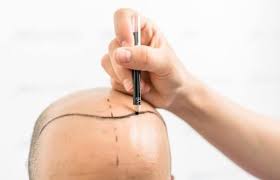
Red Flags and Green Flags Specific to Hair Implantation
- A clinic unable to clearly explain their specific implantation tool and technique.
- No dedicated before-and-after portfolio showing implantation-specific results.
- Pressure to book without discussing who personally handles the implantation phase.
- Vague answers about density planning and implantation angle strategy.
- A clinic unable to explain why they chose one specific implantation tool over another for your case.
A trustworthy consultation, by contrast, includes honest discussion of implantation angle strategy, density distribution planning, and which specific tool suits your case, rather than a generic sales pitch avoiding technical specifics entirely.
Glossary of Hair Implantation Terms
| Term | What It Means |
|---|---|
| Implanter pen | A hollow needle tool that extracts and implants a graft in one motion |
| Channel opening | Creating small incisions with a blade before manually placing grafts |
| Implantation angle | The direction a graft is inserted, matching natural growth direction |
| Graft density | The number of grafts placed per square centimetre of scalp |
| Follicle | The biological structure that grows a single hair |
| Graft | The small tissue unit extracted and then implanted |
Common Hair Implantation Myths, Debunked
Myth: direct implantation is always superior to channel-based methods. False as a blanket statement. Both approaches can deliver excellent results in skilled hands, with the right choice depending on specific case factors like density goals and scalp characteristics rather than one method being universally superior.
Myth: implantation pens guarantee a faster overall procedure. Not necessarily. While direct implantation eliminates the separate channel-opening step, the actual pace still depends heavily on surgeon skill and the specific density pattern being created.
Myth: hair implanted with a sapphire tool grows in noticeably faster than other methods. False. The underlying biological growth timeline stays governed by follicle biology regardless of which specific tool was used, typically requiring up to twelve months for full maturity.
Complications and Graft Survival Rates
Are there complications more specifically associated with the implantation phase than extraction? Improper angle or depth during implantation can occasionally lead to ingrown hairs or slightly reduced graft survival, making meticulous technique during this specific phase genuinely important regardless of which tool is used. Keloid risk relates primarily to individual skin healing tendency rather than implantation technique alone, making pre-procedure discussion of this specific risk factor worthwhile.
Do implantation method choices meaningfully affect overall graft survival rates? When performed by genuinely skilled surgeons, both direct and channel-based implantation achieve comparable survival rates, typically in the 85 to 95% range, with surgeon skill mattering considerably more than tool choice alone.
Video Consultations and Second Opinions
Is a video consultation especially useful for planning implantation approach? Genuinely useful. A surgeon can often assess your specific density goals and donor supply well before you commit to travel, giving you a realistic implantation plan early. Is it worth getting a second opinion specifically on which implantation method suits your case? Absolutely worthwhile: different surgeons sometimes propose meaningfully different implantation approaches for the same case, and hearing more than one perspective helps clarify your genuine options.
A formal second opinion typically goes beyond a simple price comparison, involving a more detailed independent assessment of your specific candidacy and plan, genuinely evaluating whether the proposed approach makes clinical sense. An independent surgeon reviewing your case without financial stake in your booking decision can offer genuinely unbiased perspective. Some patients also consult a local dermatologist or hair specialist first, primarily seeking independent diagnosis confirmation, even though the surgical booking still happens directly with the Turkish clinic.
Combining Hair Implantation With PRP Therapy
Does adding PRP alongside hair implantation offer any additional benefit? Several surgeons report improved graft survival when PRP is layered into implantation-heavy procedures specifically, particularly valuable for cases involving higher density goals. Periodic PRP sessions are also recommended by some surgeons as ongoing maintenance supporting both implanted and native hair health, though this remains an optional enhancement rather than a required part of the core procedure.
Smoking, Alcohol and Nutrition Before Surgery
Does smoking affect graft survival specifically during the implantation phase? Identically to any other phase: restricted blood flow from smoking threatens graft survival regardless of which specific stage is being performed, so the same pre-procedure guidance around quitting or cutting back applies equally throughout. Healing across any surgical procedure gets support from a generally balanced diet rich in protein and vitamins, though no specific miracle food meaningfully accelerates the underlying biological timeline. Staying genuinely well-hydrated in the days surrounding your procedure benefits overall healing and can help minimize swelling. Some surgeons recommend general biotin or multivitamin supplementation, though it is worth discussing any supplement plan directly with your surgical team rather than self-prescribing.
Boutique Clinics vs High-Volume Clinics
Does clinic size matter more for meticulous implantation work than for extraction alone? Considerably, yes. The careful, patient pace genuinely precise implantation demands benefits substantially from a boutique clinic's typically lower daily volume and more focused surgeon attention. Should patients prefer hospital-affiliated clinics over standalone hair implantation clinics? Both models can deliver excellent care, though hospital-affiliated clinics sometimes offer additional reassurance around emergency backup and broader medical resources, worth weighing against the more focused, personalized experience standalone dedicated clinics provide. Your own comfort level and priorities, rather than either model being objectively superior, ultimately determine the right choice.
Deposits, Cancellation, Payment and Financing
Is the deposit process any different for implantation-specific bookings? Nothing about this process changes based on technique choice: the same credit card payment recommendation and standard deposit structure apply. Cancellation policies tend to be consistent across procedure types, though confirming exact conditions before booking is always sensible. A deposit-plus-balance model is how most clinics operate, and several also partner with third-party financing providers, so asking directly about payment flexibility beats assuming everything is due upfront.
Cosmetic hair restoration does not carry genuine insurance coverage, though some financing companies offer medical procedure loans for elective treatments. Health spending accounts through employer plans generally exclude cosmetic procedures, and medical expense tax credits generally do not extend to cosmetic procedures either, though a tax professional remains the most reliable source to confirm this for your specific situation.
WhatsApp Communication and Telemedicine Follow-Up
Do clinics use the same WhatsApp-based communication for implantation patients? Across nearly all Turkish clinics, WhatsApp continues serving as the standard communication channel regardless of procedure specifics. Remote follow-up works the same way once you are home: messaging and video check-ins with your coordinator continue for months following your trip, no matter which specific implantation method was used.
Inside the Procedure: Team, Order and Workflow
Does the order in which grafts get implanted across the recipient area actually matter? Genuinely, yes. Many surgeons implant the hairline first while precision and focus remain highest, then work backward toward the crown, a sequencing strategy that prioritizes the zone with the most visual impact. Implantation demands sustained fine motor precision for hours at a stretch, meaning surgeon fatigue late in an extended session can genuinely affect placement consistency, another reason experienced clinics build deliberate pacing into their planning.
Do multiple team members sometimes handle implantation together during a single session? Often yes, particularly for larger graft counts, with the lead surgeon typically handling the most visible, technically demanding zones like the hairline while trained assistants work on less visually critical areas under direct supervision. A larger team is not automatically better or worse than a smaller one; what genuinely matters is whether the lead surgeon maintains direct, hands-on involvement in the technically demanding zones specifically. Some clinics let patients observe their own implantation process through mirrors or video, though most patients ultimately find resting comfortably preferable to watching hours of detailed surgical work.
Most experienced clinics cap single-session implantation somewhere around four thousand to five thousand grafts given the slower, more careful pace precision technique demands, with anything claiming substantially more in one day worth questioning closely. Pushing volume beyond what careful technique can genuinely sustain in a single day risks fatigue-related errors that directly threaten placement quality.

Graft Storage and Out-of-Body Time
What happens to grafts during the time between extraction and implantation? Extracted grafts are kept in a specialized cooled holding solution throughout the process, minimizing the time each individual follicle spends outside the body before implantation to preserve its viability. The longer a graft sits outside the body, the more its survival odds can decline, making efficient workflow genuinely important to overall graft survival rates. Many efficient clinics extract a batch, implant it, then extract the next batch, specifically to minimize how long any individual graft spends waiting outside the body. Behind-the-scenes workflow decisions like staggered extraction genuinely serve patient outcomes directly, even though patients rarely see this logistics happening during their procedure. Confirming single-use, properly sterilized implanter tips for each patient matters regardless of specific brand, and a reputable clinic should answer this directly and confidently.
Magnification, Lighting and Recipient Site Preparation
Do surgeons use magnification tools during the implantation phase specifically? Many experienced surgeons use magnifying loupes throughout implantation, allowing for genuinely precise angle and depth judgment that is harder to achieve reliably with the naked eye alone across hundreds or thousands of individual grafts. Bright, shadow-free surgical lighting genuinely matters for implantation precision, since accurately judging each follicle's natural angle beneath the skin becomes considerably harder under poor lighting. The recipient area typically requires careful cleaning and sometimes a local numbing agent applied to the recipient zone specifically, ensuring both hygiene and patient comfort throughout. Magnification, lighting, recipient site preparation, graft handling, and implantation angle each represent a relatively small individual detail, yet together they compound into the difference between an average result and a genuinely exceptional one.
Anesthesia Management for Extended Sessions
Does anesthesia management differ for longer, high-density implantation sessions? Extended procedure times mean anesthesia needs careful, ongoing management throughout, which is exactly why having a dedicated anesthesia specialist on staff matters for these genuinely longer sessions. Surgeons carefully sequence anesthetic application to ensure complete numbness throughout the entire implantation window, sometimes requiring additional touch-up injections during particularly long sessions to maintain patient comfort from start to finish. Most clinics also build in short breaks for meals, bathroom needs, and general comfort during extended sessions, and many offer music, audiobooks, or television access during the implantation phase since patients remain awake and alert throughout.
Density Planning, Zones and Donor Management
The visual impression of density comes from calibre, curl pattern, and placement angle combining with graft count, meaning no single factor alone determines how full a final result ultimately looks. The natural density gradient that makes results appear genuinely undetectable comes from using appropriately sized grafts throughout different zones, finer single-hair grafts along the hairline and denser multi-hair grafts further back. A hairline that looks perfect from directly in front but ignores natural head curvature can look noticeably off from side angles, making three-dimensional planning essential, and accounting for natural facial asymmetry, which nearly everyone has to some degree, is part of proper planning.
Natural crown hair grows in a distinctive spiral pattern that is remarkably difficult to replicate convincingly, making surgeon experience specifically with crown implantation worth confirming during consultation. Both crown and frontal hairline implantation can often happen in a single comprehensive session given adequate donor supply, though surgeons typically prioritize allocation between these zones based on which area shows more advanced thinning and carries more visual impact.
Does donor density remain consistent across the entire back and sides of the scalp? Not entirely. Density typically peaks in the mid-occipital region and tapers somewhat toward the edges, meaning experienced surgeons strategically allocate extraction from the densest zones first to preserve the overall donor appearance. A skilled surgeon distributes extraction evenly rather than concentrating it in one visible patch. FUE leaves tiny, dot-like scars typically undetectable once hair grows back over them, a meaningful advantage over older strip harvesting methods. The donor zone deserves equally careful attention, since it too must remain healthy and natural-looking for the rest of your life.
Is There a Realistic Density Ceiling Per Session?
Yes, ultimately bound by donor supply and safe extraction limits, meaning a surgeon promising unlimited density regardless of your specific donor characteristics deserves genuine skepticism. Extremely advanced cases may require multiple sessions to achieve meaningful density, since a single session's implantation capacity is ultimately bound by what the donor area can safely provide. Grounding your density expectations in your own specific donor supply, rather than a generic marketing promise, protects you from disappointment and sets the foundation for a genuinely satisfying result. Digital simulation tools can show anticipated density patterns as a rough visual preview, though these remain approximations rather than exact guarantees, and nothing replaces an actual surgeon examining your specific scalp and donor supply directly.
Combining Channel-Based and Direct Implantation
Do surgeons sometimes use both channel-based and direct implantation within a single procedure? Occasionally yes, particularly using precise direct implantation for the delicate hairline zone while employing efficient channel-based technique for broader coverage areas, combining the strengths of each approach. For many patients requiring both precise hairline work and broader crown coverage, combining precision channels for the delicate frontal zone with efficient implantation elsewhere genuinely captures the strengths of a comprehensive approach.
Medication History: Finasteride and Minoxidil
Should patients bring up their current finasteride or minoxidil use during their consultation? Yes, absolutely. Disclosing any current or past medical treatments for hair loss helps your surgeon understand your specific pattern's history and plan implantation density more accurately around what medication has already achieved or failed to achieve. A patient who has maintained stable density through years of finasteride use presents a genuinely different planning scenario than one whose pattern has progressed rapidly without any medical intervention. Many surgeons offer general guidance on continuing medication long-term, though the final call belongs to the patient and their prescribing physician. The most satisfied patients often describe their hair restoration as a combination of surgical and medical strategies working together, rather than treating the implantation as a standalone solution.
Repair Cases vs a Straightforward Second Session
Is repairing a previously botched implantation different from simply getting more grafts implanted? Genuinely different. Repair specifically addresses correcting problems from a disappointing first attempt, requiring careful work around scar tissue and existing poor placement, while a straightforward second session typically adds density to an already successful result. If your primary concern involves an unnatural angle, visible clustering, or pluggy appearance rather than simply wanting additional coverage, your case genuinely falls into repair territory requiring correction-specific expertise. Being specific and honest about exactly what disappointed you, rather than simply saying "I want it fixed," helps your surgeon plan the right approach. Before considering a second session, the same twelve-month minimum recovery window applies, letting the donor area recover and the first result fully mature.
Beard Hair as a Secondary Donor Source
When does a surgeon actually recommend beard hair as a secondary donor source for implantation? Typically only when scalp donor supply has been genuinely exhausted or significantly limited, since beard hair carries a different texture profile requiring careful, strategic placement to blend convincingly with existing scalp hair. Surgeons must carefully blend these grafts rather than placing them in highly visible frontal zones where texture differences would be most noticeable. Quite a few patients choose to combine both scalp and beard implantation in one visit, particularly when travelling a long distance, though this requires more donor supply and a longer total procedure day.
Warranties and Long-Term Follow-Up
Do implantation-specific guarantees genuinely mean anything given how much variability exists in results? A genuine warranty should account for the inherent complexity involved, offering realistic terms tied to graft survival thresholds rather than an unrealistic promise of perfect density regardless of your specific donor supply. Reading any warranty's specific terms carefully, rather than assuming broad coverage from a general marketing claim, protects you from disappointment. Periodic check-ins help track how well the implanted area continues developing over time, particularly valuable during the extended maturation window this phase requires. Implanted follicles carry the same donor-area genetic resistance regardless of which specific tool placed them, meaning results remain equally permanent once fully established.

Booking, Wait Times and Backup Options
How far in advance do popular implantation specialists typically book up? The most sought-after surgeons sometimes book several weeks to a few months in advance, particularly during peak summer travel season, making early inquiry worthwhile if you are targeting a specific specialist. A less immediately available specialist is not necessarily better than a genuinely skilled colleague with more open scheduling, so booking availability is just one factor among several. Having a genuine second choice researched thoroughly, not just a name jotted down, gives you useful peace of mind should scheduling conflicts arise, and building reasonable flexibility into your timeline tends to ease overall stress considerably.
Practical Checklists for Your Trip
What to pack for your hair implantation trip:
- Passport and printed travel confirmation documents.
- Comfortable, front-opening clothing for easy dressing post-procedure.
- Prescription medications and a list of current medications.
- A loose-fitting cap or hat for later coverage during recovery.
- Sunglasses for comfort during initial recovery days.
What to confirm with your clinic before travelling:
- Exact pickup time and location for airport transfer.
- Hotel confirmation and address.
- Consultation appointment time and location.
- Procedure day schedule and expected duration.
- Follow-up appointment timing before departure.
A few days before departure, confirming these logistical details directly with your coordinator, rather than assuming everything is set, prevents the kind of last-minute stress that can otherwise overshadow a well-planned trip.
Language, Weather and Local Customs
Do Turkish clinics catering to international patients typically accommodate French-speaking patients too? Some larger clinics specifically staff French-speaking coordinators given Canada's bilingual population, though confirming this directly before booking remains worthwhile if French communication genuinely matters to your comfort. Given how much density planning depends on precise communication about your specific goals, clear, comfortable communication with your surgical team is the foundation everything else builds upon, from initial consultation through final follow-up.
Does Turkish weather during a typical trip affect recovery? Not usually in any significant way, though extreme heat during peak summer months can increase general swelling sensitivity, making early morning scheduling and good hydration sensible precautions. Climate-controlled environments are the norm at most quality hotels and clinics. A smooth, comfortable trip also benefits from modest dress in certain public areas, respectful behaviour in religious sites, and general awareness of local customs, and many patients specifically mention the warmth of Turkish hospitality as an aspect that genuinely shapes overall satisfaction.
Combining Your Trip With Recovery and Tourism
The same practical advice applies regardless of technique: stay close to the clinic, use the included airport transfer service, and arrive a day early to adjust for jet lag. Most time zones sit several hours behind Turkey, a credit card without foreign transaction fees simplifies currency handling, and Istanbul offers wide-ranging dietary options. Many patients build cultural sightseeing into their trip given Istanbul's rich historical sites, though balancing sightseeing enthusiasm with the practical need to rest and protect fresh grafts takes genuine discipline, making a realistic itinerary that accounts for recovery limitations worth planning in advance.
Most surgeons recommend keeping a first-time procedure trip focused rather than combining multiple significant procedures, since doing so can complicate recovery and make it harder to isolate which intervention is responsible for specific results. Dedicating full attention to your hair implantation specifically is exactly what a focused approach allows your surgical team to do.
Quick Answers
Is hair implantation permanent? Implanted grafts grow permanently once fully established, following the same genetic resistance to balding as their original donor location, with results typically continuing to fill in and mature over the full ten to twelve month timeline. Does hair implantation hurt more than standard FUE extraction? Discomfort levels are generally comparable, with local anesthetic managing both phases similarly, though some patients report the implantation phase feeling less uncomfortable than extraction. How long does the implantation phase take? Often three to five hours depending on total graft volume and the density pattern being created. Can implanted hair fall out after the procedure? Some initial shedding of implanted hair shafts within the first few weeks is completely normal and does not affect the follicle itself, which remains intact and will regrow permanently.
Why This Guide Goes Further Than Generic Articles
Most generic articles treat implantation as a brief afterthought to extraction, missing the angle-precision nuances, density planning strategy, and tool-comparison considerations this guide addresses directly. Covering details as granular as hydration and nutrition alongside major decisions like implantation tool choice reflects this guide's overall philosophy: genuine thoroughness serves patients better than surface-level coverage. Newer proprietary implanter variations lacking substantial track record deserve extra scrutiny, while established Choi pen and sapphire-tip technology now has enough years of documented results to evaluate with real confidence. Honest surgeon involvement, careful donor management, and realistic expectations matter more than any specific branded implantation tool name.
What Makes a Result Age Well Over Many Years
Thoughtful density planning that accounts for future changes, careful donor management, and a surgeon who resisted overharvesting all combine to produce a result that continues looking natural alongside your aging features. A skilled surgeon typically favours a conservative, sustainable density design given donor supply considerations, since native hair surrounding the implanted area may continue thinning naturally over the following years. Many satisfied patients describe treating their implantation as the beginning of an ongoing, more attentive relationship with their overall hair and scalp health, rather than a single isolated event.
In Summary: Making a Confident, Well-Informed Decision
Hair implantation refers to the specific placement phase of the overall transplant process, whether through direct implanter pens or channel-based technique, and the precision of angle, depth, and density this phase demands genuinely determines your final natural-looking result just as much as extraction does. Turkish clinics deliver this specialized work at up to roughly 60% below domestic private pricing, but the real differentiator between a satisfying and disappointing result always comes down to whether your specific surgeon personally handles the implantation phase, not the price tag alone. Verify that involvement directly, confirm which specific tool and technique your case calls for, check fresh independent reviews, examine timestamped before-and-after photos, and give the twelve-month timeline the patience it genuinely requires.
Before making a decision, have your specific case, donor density, and goals evaluated by an experienced, surgeon-led team. To go further, explore the full range of options on our hair transplant in Turkey hub, review pricing in Turkey, or request a free quote tailored to your situation.