
Lipedema is a chronic, hormonal and hereditary disease in which diseased fat builds up symmetrically, most often in the legs from the hips to the ankles, sparing the feet, and it responds to specialized, lymph-sparing liposuction rather than to diets. The surgery removes this diseased, painful fat while protecting the fragile lymphatic vessels, which brings lasting relief from pain, heaviness and volume without curing a chronic disease. Safety rests on a qualified surgeon experienced in lipedema and an accredited facility, far more than on the country where you are treated.
This guide is part of our body contouring in Turkey hub, within the wider aesthetic surgery section, and it complements our dedicated lipedema surgery procedure page, which sets out how the operation works, the stay and the aftercare. Here you will find honest, plain answers about what the surgery can and cannot do, how to judge a clinic on safety, how the cost compares, and how to decide with confidence at your own pace. At any time you can also review our pricing in Turkey or request a free quote, with no obligation.
What Lipedema Really Is
Lipedema is a chronic disease in which diseased fat accumulates abnormally under the skin, most often symmetrically in both legs, from the hips down to the ankles, while sparing the feet, and sometimes affecting the arms. It is not simply excess weight, and it is not a lack of willpower, which is the single most important thing to understand from the outset.
Lipedema is now recognized as both a hormonal and a hereditary disease: it typically appears or worsens during the great hormonal shifts of a woman’s life, puberty, pregnancy and menopause, and it often runs in families, passing from mother to daughter, which points to a genuine genetic predisposition. This particular fat is frequently tender and painful, bruises easily, and stands in sharp contrast with a slimmer upper body or unaffected feet.
Recognizing lipedema early, and naming it correctly, often brings a quiet relief of its own: many women describe the moment they learned it was a real, named disease as the moment they stopped blaming themselves. That shift in understanding, from personal failing to medical condition, is itself part of the path toward the right care.
Why Lipedema Is Not the Same as Being Overweight
A crucial distinction to grasp is that lipedema is not the same as being overweight, even though the two are constantly confused. The diseased fat of lipedema is symmetrical, tender and resistant to diets, building up in a disproportionate way in the legs while the upper body and feet stay comparatively slim, which is not how ordinary weight gain behaves. A woman can lose weight everywhere else and still see no change in her affected legs.
This confusion is harmful, because it leads many women to blame themselves, or to be dismissed by others, for a disease that no amount of dieting will resolve. It can be freeing to realize that the scale was never the right measure of this condition: a woman may be at what charts call a healthy weight and still have significant lipedema, or carry extra weight elsewhere that is entirely separate from the diseased fat in her legs. Separating these two things, ordinary weight and the disease, is often the first clear-headed step toward the right plan.
Lipedema Versus Ordinary Weight Gain
| Feature | Lipedema | Ordinary weight gain |
|---|---|---|
| Distribution | Symmetrical, legs/arms | Variable, all over |
| Pain | Tender, painful | Usually painless |
| Diet response | Resists diets | Responds to diets |
| Feet | Spared | Can be involved |
As the table shows, lipedema behaves quite differently from ordinary weight gain, which is why it should not be dismissed as simply a matter of eating less.
The Symptoms That Set Lipedema Apart
Certain symptoms set lipedema apart from ordinary fat or general swelling, and recognizing them helps point toward the right diagnosis. The affected areas are typically symmetrical, tender or painful to the touch, prone to easy bruising, and disproportionate compared with the rest of the body, and they resist diets and exercise that would slim any other area. The feet are usually spared, which creates a characteristic contrast at the ankle.
Tenderness alone, or heaviness alone, might be explained away, but the combination of symmetry, pain, easy bruising and resistance to diets forms a pattern that points strongly toward lipedema. Only a qualified professional can confirm the diagnosis, but knowing the typical signs helps you ask the right questions.
Signs That Suggest Lipedema
| Sign | What it suggests |
|---|---|
| Symmetrical heavy legs | Typical of lipedema |
| Pain and tenderness | Distinguishes from fat |
| Easy bruising | Common in lipedema |
| Resists diets | Points away from obesity |
Lipedema Versus Lymphedema
Lipedema is also frequently confused with lymphedema, yet the two are distinct conditions, managed differently, even though they can coexist as lipo-lymphedema in advanced cases.
| Feature | Lipedema | Lymphedema |
|---|---|---|
| Nature | Diseased fat | Lymph fluid buildup |
| Symmetry | Usually bilateral | Often one-sided |
| Feet | Spared | Often swollen |
| Main treatment | Lymph-sparing lipo | Drainage, compression |
Lymph-Sparing Liposuction and Why It Matters
The surgical treatment of lipedema relies on lymph-sparing liposuction, and understanding why this matters is central to the whole subject. In women with lipedema, the lymphatic vessels are more fragile, and a poorly adapted liposuction could damage them, worsening swelling rather than relieving it. Gentle, specialized techniques are therefore used precisely to protect these vessels while removing the diseased fat.
This is why lipedema surgery is not the same as ordinary cosmetic liposuction: the goal is to remove diseased, painful fat while keeping the lymphatic system safe, which demands both specialized techniques and a surgeon experienced in the disease. It is not the name of a technology that protects you, but the skilled way it is used.
Water-Assisted (WAL) and VASER Techniques
Water-assisted liposuction, sometimes called WAL, uses a fine, pressurized jet of water to gently loosen the diseased fat before it is suctioned, which spares the surrounding tissue and the lymphatic vessels, particularly fragile in affected patients. VASER, or ultrasound-assisted liposuction, uses ultrasound energy to gently liquefy the fat before removal, which can help in denser or more fibrous areas, again while aiming to protect the tissues.
Tumescent and Other Gentle Methods
Alongside water-assisted and VASER techniques, tumescent liposuction is another gentle method used in lipedema. It involves infiltrating the area with a special fluid that numbs it, reduces bleeding and gently separates the fat from the delicate lymphatic vessels before removal, giving the surgeon excellent control. It is often combined with other approaches to refine the overall result while protecting the tissues.
The Main Lymph-Sparing Techniques
| Technique | How it works | Often used for |
|---|---|---|
| Water-assisted (WAL) | Water jet loosens fat | Gentle, tissue-sparing |
| VASER (ultrasound) | Ultrasound liquefies fat | Denser, fibrous fat |
| Tumescent | Fluid numbs and separates | Combined approaches |
The choice of technique depends on the stage of the disease, the nature and location of the diseased fat, the quality of your tissues and the surgeon’s experience with each method, rather than a one-size-fits-all rule. There is no single best technique for everyone, which is why trusting an experienced surgeon’s assessment is better than insisting on a specific method heard elsewhere.
Why Diet and Exercise Cannot Remove Lipedema Fat
Exercise strengthens and tones the muscles, and healthy eating supports your general health, but neither makes the diseased lipedema fat disappear, since it resists these efforts, especially in the legs where it accumulates. Where the diseased fat persists, diet and exercise reach their limit, which is precisely where surgery comes in.
Realizing that neither diet nor exercise can strip away lipedema fat helps you shed guilt too, hold activity in its rightful place as a support, and calmly consider the surgery for the one result it alone delivers.
The Stages of Lipedema
Lipedema is often described in stages, from an early stage, where the skin is still relatively smooth over the diseased fat, to more advanced stages, where the skin surface becomes more uneven and larger fatty nodules develop, sometimes affecting mobility. The stage helps guide the treatment plan, including how many rounds of surgery might be needed.
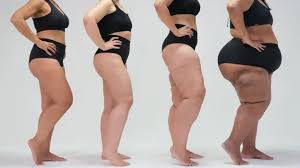
| Stage | Typical picture |
|---|---|
| Stage 1 | Smooth skin, diseased fat beneath |
| Stage 2 | Uneven skin surface, nodules |
| Stage 3 | Larger fatty lobes, mobility affected |
| Lipo-lymphedema | Lipedema plus lymphatic swelling |
The stage describes the disease’s progression, not your worth or your effort, and even advanced stages can be meaningfully helped. Knowing roughly where you stand simply lets you and your surgeon plan sensibly, including how many rounds may be wise.
When Lipedema Also Affects the Arms
While lipedema most often affects the legs, it can also involve the arms. When the arms are affected, the same diseased, symmetrical and tender fat appears there, and it can be treated with the same lymph-sparing principles, often in a separate round from the legs. The surgeon evaluates all affected areas when planning your treatment.
Areas That Lipedema Can Affect
| Area | Notes |
|---|---|
| Legs (hips to ankles) | Most common, symmetrical |
| Feet | Usually spared |
| Arms | Sometimes affected |
| Hips and buttocks | Often involved |
Understanding the affected areas helps you mention every troubling zone at your consultation for a complete plan.
Who Is a Good Candidate for Lipedema Surgery
A good candidate for lipedema surgery is typically a woman with a confirmed diagnosis of lipedema, whose diseased fat is causing pain, heaviness or reduced mobility, and who has realistic expectations and stable general health suitable for surgery and anaesthesia. Being at a stable weight helps the surgeon plan the result, though lipedema fat itself does not respond to weight loss.
Being a good candidate is less about age or size than about having a genuine diagnosis, a real need for relief and a sound understanding of what the surgery can and cannot do. A surgeon experienced in lipedema assesses all of this at the consultation.
A Hormonal and Hereditary Disease
On the hormonal side, lipedema almost always appears or worsens at the great hormonal turning points of a woman’s life, puberty, pregnancy or menopause, which is why so many women first become aware of it at these stages. On the hereditary side, it often runs in families, from mother to daughter or between sisters, which reveals a genuine genetic predisposition.
Understanding this dual origin, hormonal and genetic, helps you avoid blaming yourself for the appearance or worsening of the disease: you are born predisposed, and hormones do the rest. Weight gain can accentuate the disease, but the lipedema fat was already there and already resisted diets. That clarity often eases difficult conversations with those close to you, and it can prompt relatives who recognize the same symptoms in themselves to seek their own answers.
Lipedema After Pregnancy or Weight Change
Because lipedema is hormonal, it often reveals itself or worsens after a pregnancy or a significant weight change. Pregnancy, a time of major hormonal upheaval, frequently marks the point at which a woman notices her legs becoming heavier and more painful, while a weight change can accentuate a disease that was already present and resisting diets.
Understanding this link helps you avoid blaming yourself for the appearance or worsening of the disease at these moments, and it helps you consider surgery once your weight is stable and your pregnancies are behind you, for the best result.
Lipedema and the Impact on Daily Life
Beyond appearance, lipedema often has a real impact on daily life. The pain, heaviness and tenderness can make walking, standing or exercising uncomfortable, affect the choice of clothing, and weigh on both mobility and morale over time. For many women, the functional burden matters as much as the change in shape.
Many women describe a gradual narrowing of their world before treatment, avoiding certain clothes, activities or social situations because of discomfort or self-consciousness, and it is precisely this narrowing that relief can reverse. Seen this way, addressing lipedema is less about a cosmetic ideal than about reclaiming ease in ordinary life.
Lipedema and Its Emotional Weight
Living for years with painful, disproportionate legs that resist every effort, and often being wrongly told it is simply a matter of weight, can take a real toll on confidence and morale. Recognizing this emotional burden is part of understanding the disease honestly, and it helps you see that seeking treatment is not vanity, but a legitimate response to a genuine burden.
It can help simply to name this emotional dimension out loud, whether with a trusted friend, a support community or a professional, since carrying it silently often makes it heavier. Acknowledging that a physical disease can weigh on the mind, and that this is entirely normal, is part of approaching the whole journey with the honesty and self-compassion it deserves.
Why a Stable Weight Matters Before Surgery
Being at a stable weight before surgery lets the surgeon plan the result on a silhouette that will not change dramatically, while a stable weight afterward protects the harmony of the result, since a significant change can alter how the tissues look, even though the diseased fat that was removed does not return. It is not about perfection, but about reasonable stability.
Setting Realistic Expectations
The realistic result is lasting relief from pain, heaviness and volume, improved mobility and lighter legs, without perfect symmetry and without curing a chronic disease. Expecting exactly this, neither more nor less, is what leads to satisfaction, while expecting perfection leads to disappointment. A clinic that is honest about the limits serves you better than one promising perfection.
What Surgery Can and Cannot Do
| Surgery can | Surgery cannot |
|---|---|
| Remove diseased fat | Cure a chronic disease |
| Relieve pain and heaviness | Guarantee perfect symmetry |
| Improve mobility | Stop the disease elsewhere |
| Last if weight is stable | Replace healthy habits |
Lipedema Is a Medical, Not a Cosmetic, Concern
Even though it uses a technique related to liposuction, lipedema surgery is a medical concern. Its primary aim is to relieve pain, heaviness and reduced mobility caused by a diseased fat, using lymph-sparing techniques, which sets it apart from purely aesthetic body contouring. The improvement in shape is real, but it follows from treating a disease.
This medical framing is not merely a technicality: it shapes how you talk to your own doctor, how you understand any coverage question, and how you weigh the surgery against purely cosmetic procedures it might superficially resemble. It also explains why lipedema calls for a surgeon experienced in the disease itself, not only in cosmetic liposuction.
Understanding How Many Rounds You May Need
Depending on the stage of the disease and the volume of diseased fat to treat, an early stage may be addressed in a single round, while more advanced stages often need several rounds spaced over time, to protect the lymphatics and allow good recovery between each. Staged treatment is not a sign of failure, but a mark of caution suited to the disease. The surgeon assesses your case and explains what is planned.
When Compression and Conservative Care Come First
Before or alongside surgery, conservative care often plays a role in lipedema. Compression garments, manual lymphatic drainage and gentle activity can relieve symptoms and support the lymphatic system, and they are frequently recommended both before surgery and afterward to help manage a chronic disease. Surgery fits within this broader care rather than replacing it entirely.
Surgery Versus Conservative Care
| Aspect | Surgery | Conservative care |
|---|---|---|
| Removes diseased fat | Yes | No |
| Relieves symptoms | Lasting | Temporary support |
| Role | Treats the fat | Manages the disease |
| Best use | When indicated | Ongoing, alongside |
Surgery and conservative care are complementary rather than interchangeable: surgery removes the diseased fat, while conservative care supports the chronic disease over time.
Why a Proper Diagnosis Comes First
Because lipedema is often confused with ordinary weight gain, lymphedema or simple swelling, a proper diagnosis by a qualified professional is what confirms the disease and guides the right treatment, including whether surgery is appropriate for your case. Without it, treatment risks addressing the wrong problem, and the absence of a proper assessment is a warning sign.
If you suspect you have lipedema but have struggled to be taken seriously, it is worth seeking a professional familiar with the disease, since awareness varies and a knowledgeable clinician makes all the difference. Persisting until you find one is not being difficult; it is advocating for your own health, and it is often the step that finally unlocks the right care.
How Safety Is Built Into Lipedema Surgery
Safety in lipedema surgery is built from several elements working together: a qualified surgeon experienced in lipedema, an accredited facility with a full team, careful anaesthesia and monitoring, and organized follow-up. Together these create a safe setting, far more than the country where you are treated. The risk comes from a poor choice of clinic, here or anywhere, not from crossing a border.
What Accreditation Means
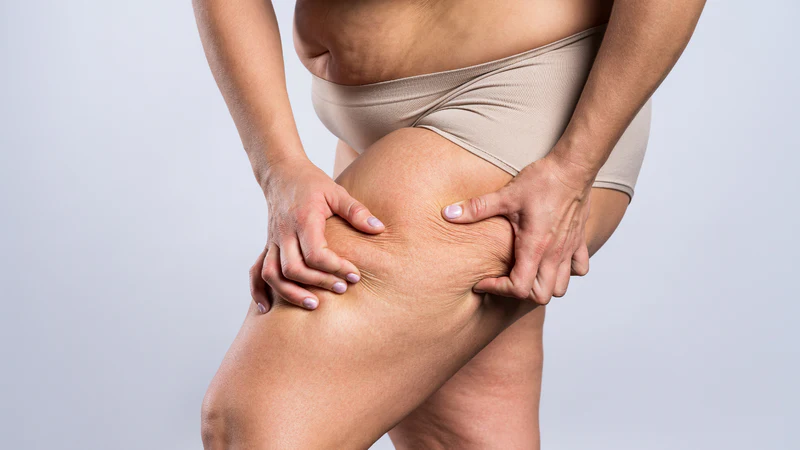
Accreditation tells you the operating theatre meets recognized standards for sterility, monitoring and emergency response. For a disease like lipedema, where surgery often clears large, painful fat deposits from both legs across more than one session, that verified environment is what lets the team work safely on extensive areas. A clinic proud of its facility will name the accredited hospital or surgical centre without hesitation; reluctance to do so is itself telling. Accreditation sits alongside, never replaces, a surgeon who genuinely understands lipedema and lymph protection.
Verifying Your Surgeon’s Credentials
You can ask to confirm the surgeon’s qualifications, their genuine experience with lipedema and lymph-sparing techniques, and expect these to be shown rather than merely stated. A serious clinic welcomes this verification without difficulty, and a clinic resisting these questions is itself a warning sign. Verification is your best protection.
The Role of Anaesthesia and Monitoring
Depending on the extent of the procedure, it takes place under general anaesthesia or, sometimes, enhanced local anaesthesia, always with monitoring by a qualified team in an accredited facility. The anaesthetist assesses your case in advance and watches over you throughout, which is why your medication and history list carries such weight. Well-supervised modern anaesthesia is remarkably safe.
Understanding the Possible Risks
As with any surgery, possible complications include infection, changes in skin sensation, scarring, and risks related to anaesthesia, all reduced by a qualified surgeon in an accredited facility. Honesty about risk is a sign of seriousness, and a clinic that hides or dismisses the risks is a warning sign.
Protecting the Lymphatic Vessels
Because these vessels are more fragile in lipedema, lymph-sparing techniques and an experienced surgeon are used precisely to remove the diseased fat while keeping them safe, since damaging them could worsen swelling. What safeguards you is not the label on a machine but the care with which it is handled, which is why a surgeon’s track record with the disease weighs as heavily as any device in the room.
Why a Limited Volume per Round Is Safer
Removing too much at once would raise the risks, so the surgeon plans a reasonable volume per round, arranging several rounds for advanced stages, out of concern for safety and good recovery. Staged treatment is not a lack of efficiency, but a prudent approach that protects your health and spares the lymphatics. Safety sets the rhythm.
The Medical Assessment Before Surgery
Beforehand, a preoperative assessment suited to your case checks that you are fit for surgery and anaesthesia, based on your health, history and medications. This step is part of serious care and protects your safety, which is why sharing all your medical information honestly is essential, and why a clinic that skips this assessment is a warning sign.
Why a Rock-Bottom Price Is a Warning Sign
Because a qualified surgeon, an accredited facility, a full team and lymph-sparing techniques all have a real cost, a price far below all others often means a compromise on one of them, precisely what protects your safety. An affordable, complete package is a good thing, while an abnormally low price is a warning sign, since a package below a certain threshold may mean cutting corners on essentials. The lowest price can hide the highest risk.
Why the Clinic Matters More Than the Country
Lipedema surgery is not safe or risky by country, but by operator and facility. A surgeon who masters lymph-sparing liposuction and limits the volume per round, in an accredited setting with a dedicated anaesthetist, offers the same safety wherever they work. Istanbul concentrates a high volume of contouring and facilities used to international patients, a favourable setting provided you choose the clinic on verifiable criteria, including real lipedema experience. Judge the surgeon and the theatre, never the country.
Questions to Ask Before Choosing a Clinic
| Ask about | Why it matters |
|---|---|
| Surgeon’s lipedema experience | Core of safety |
| Accreditation | Recognized standards |
| Techniques used | Lymph-sparing approach |
| Follow-up after return | Continuity of care |
Warning Signs of a Clinic to Avoid
| Warning sign | What it may mean |
|---|---|
| Vague on credentials | Lack of transparency |
| Rock-bottom price | Compromise on essentials |
| Promises a full cure | Dishonest expectations |
| Pressure to book fast | Sales tactics |
A single one of these is reason enough to slow down, ask more, or look elsewhere. A serious clinic clears them all easily and talks openly about the disease staying with you for life, which is exactly the honesty you want before committing.
The Cost of Lipedema Surgery: Home Country Versus Turkey
Set the two side by side and the picture changes. In many countries, private care itemizes the surgeon, the theatre and the anaesthetist for each session, and because lipedema is so often labelled cosmetic, the whole bill lands on the patient, repeated for every round she needs. A Turkish clinic tends to fold surgeon, theatre, stay, transfers and aftercare into one figure.
So the fair question is not which single line is cheaper, but which complete plan, treatment rounds and travel included, delivers lymph-sparing care and reliable follow-up for less. A Turkish all-inclusive total frequently lands up to around 60 percent below private care at home, yet the number of rounds you truly need is what a personalized quote should settle.
Does Public or Private Insurance Cover Lipedema Surgery?
Public plans generally cover surgery deemed medically necessary, but not procedures classified as cosmetic, and how lipedema surgery is classified can vary case by case, so a local professional can advise on your situation. Private insurance may help in some cases, depending on your policy, but this is never guaranteed. Public plans generally do not reimburse elective surgery abroad, so travelling to Turkey is typically self-pay, which is why comparing the total value matters.
What an All-Inclusive Package May Include
| Element | Typically included |
|---|---|
| Surgery and anaesthesia | Yes |
| Hospital and hotel stay | Usually |
| Airport transfers | Usually |
| Follow-up | Organized, including remote |
A serious all-inclusive package covers far more than the surgery alone, though the detailed quote confirms exactly what is included. This helps you compare offers on their real content rather than a single figure.
Why a Turkish Package Is More Affordable
The lower Turkish figure comes down to a cheaper cost base, wages and overheads, and a high procedure volume, not thinner quality. When the lymph-sparing technique and the rounds are properly included, the total still tends to sit up to around 60 percent under private care at home. Treat a suspiciously low quote with care, though: it can mask a surgeon unfamiliar with lipedema, an aggressive technique that endangers the lymphatics, or a package quietly missing the follow-up.
Comparing Destinations Honestly
Some patients weigh Poland, Germany or Spain alongside Turkey, and each has capable surgeons. The distinction to look for is not the flag but the depth of lipedema-specific practice: how routinely the team performs lymph-sparing liposuction on staged legs, and how they support compression and drainage afterward. Istanbul stands out for volume and clinics built around international patients, but the same test applies everywhere: weigh what each package actually contains and how many rounds it funds, rather than ranking countries against one another.
A Note for Patients Travelling From Canada
Patients across Canada, from Toronto and the GTA to Vancouver and British Columbia, Calgary and Edmonton, Ottawa and Eastern Ontario, the Prairies, Atlantic Canada, and cities such as Mississauga, Brampton, Surrey, Victoria, Saskatoon, Regina and St. John’s, carry some of the heaviest private bills for lipedema, since OHIP, MSP, AHCIP and comparable plans seldom recognize the surgery despite the daily pain and swelling that define the disease. With several rounds often required, those costs stack quickly, and a single Turkish package that groups everything can land far below the running local total. From any of these cities, the coordination arranges the journey from the nearest airport and the transfers on arrival, so distance becomes a matter of logistics rather than an obstacle. The deciding factors remain the qualified surgeon, their lipedema experience and the accredited facility, never the postal code.
The Value of a Personalized Free Quote
With lipedema, a headline price means little until it is fitted to you, because the cost turns on your stage, whether the legs alone or the arms as well are treated, and how many rounds the plan requires. A quote built from your photos and history is where a real figure begins. Asking for it commits you to nothing and turns vague ranges into a number tied to your treatment plan. A serious clinic lays out what it covers and how many rounds it anticipates, and it does so without any pressure to decide.
How Long the Procedure Takes
The duration varies with the extent of the areas treated and the volume of diseased fat to remove, ranging from a few hours for one area to longer for a wider treatment, sometimes split across several rounds. The surgeon gives you an estimate suited to your case during planning. Treatment across several rounds may lengthen the overall path while keeping each round reasonable, because safety takes priority over speed.

The Compression Garment and Lymphatic Drainage
Kept on for several weeks afterward, the compression garment braces the tissues, tames swelling, coaxes the skin to redrape and lifts comfort as you heal. The surgeon spells out which garment, for how long and on what rhythm, to fit your case. It ought to sit well, neither pinching nor rubbing, and stay clean.
Manual lymphatic drainage, a gentle, specialized massage, is sometimes recommended after surgery to help reduce swelling and support lymphatic circulation during recovery. It accompanies compression and other measures to promote good healing. Each case differs, and drainage is not always necessary.
A Compression Garment Care Checklist
| Good habit | Done? |
|---|---|
| Worn as instructed | [ ] |
| Continuous at first, then easier | [ ] |
| Neither too tight nor chafing | [ ] |
| Kept clean | [ ] |
| Worn consistently | [ ] |
Practical Checklists for Your Trip
Travel Documents
Gather early: a valid passport, the quote and package detail (number of rounds included), any pre-op tests, any existing lipedema diagnosis or report, a list of medications and insurance information. Keep digital copies on your phone, which removes a layer of stress before departure and lets the clinic finalize your file.
Health and Habits
In the weeks before surgery, reach a stable weight (lipedema fat does not melt with dieting, but a stable weight helps), keep up recommended compression and drainage, stop smoking, and flag any treatment to the team. Daily basics help too: hydration, good sleep, gentle mobility, which together give your body the best footing for an often-extensive procedure.
What to Bring
Bring the practical: loose clothing easy to pull on over treated legs, comfortable shoes, your usual compression garments if you have them, medications and documents. The clinic usually provides the new fitted compression garments. Pack something to elevate the legs at rest, and plan a recovery where you walk gently but spare the treated areas.
Coordination and Logistics
A few questions to the coordinator smooth the trip: who meets me at the airport, where do I stay and how far is the facility, how are drainage and compression managed on site, how many rounds are planned during the stay, and how do I reach someone at any hour? Confirm what the package covers, the liposuction technique used, and how remote follow-up works.
Signs of Normal Recovery
Several things are normal and reassuring: swelling and bruising of treated areas easing over weeks, fluid-tinged leakage from the entry points in the first days (from the tumescent technique), and tenderness and firmness under the compression garment. Knowing what to expect helps tell a normal course from warning signs like spreading warm redness or fever. When in doubt, a message to the clinic or a local check settles it.
Budget, Item by Item
A realistic budget goes item by item: the all-inclusive package (stating how many rounds it covers), the flight, any nights beyond the package, compression garments, meals and extras, and a small buffer for the unexpected. Comparing this full total against a private quote at home, round for round, is the honest way to weigh value.
Support Network
Ideally line up a companion for the early days when you move carefully and the legs are tender, or a clinic that handles transfers, drainage and on-site care, plus someone at home aware of your dates. Arranging this in advance means you can focus on resting and recovery rather than logistics.
A Final Preparation Checklist
A final readiness check brings the essentials together: a stable weight, a clear diagnosis, realistic expectations (durable relief but not a cure), a verified surgeon mastering lymph-sparing technique, an accredited facility, a package clear on rounds, and a follow-up and compression plan for home. If each sits in place and the decision feels like yours, made without pressure, you are ready. The concrete next step remains the free personalized quote.
Common Myths About Lipedema
Myth: lipedema is just being overweight. In reality, lipedema is a chronic disease with diseased fat that is painful, symmetrical and diet-resistant; a woman can be slim on top with disproportionate, painful legs, which is not how excess weight behaves.
Myth: dieting harder will fix it. The diseased fat resists diets by its very nature, so a woman can lose weight everywhere else and see no change in her affected legs, however disciplined she is. Dieting supports general health but does not remove this particular fat.
Myth: surgery cures lipedema forever. Surgery brings lasting relief by removing the diseased fat present, but it does not cure a chronic disease, which continues to be managed over time with healthy habits and sometimes conservative measures.
Myth: lipedema surgery is just cosmetic liposuction. It uses specialized, lymph-sparing techniques to remove a diseased, painful fat while protecting fragile lymphatic vessels, with the primary aim of relieving symptoms, unlike ordinary cosmetic liposuction of healthy fat.
Myth: a low price abroad means poor quality. A Turkish package can be more affordable because of the country’s economy and high volume of procedures, not lower quality, in a serious clinic. That said, an abnormally low price, far below all others, is a genuine warning sign, since safety has a real cost.
Myth: surgery abroad means no follow-up. A serious clinic runs organized remote follow-up once you are home, fielding questions, keeping an eye on your recovery and pointing you to a nearby professional where needed, sometimes in your own language.
Myth: only appearance improves. By removing the diseased fat, surgery often relieves pain, heaviness and tenderness and improves mobility, benefits that are functional as much as aesthetic and that, for many patients, matter most.
Myth: nothing can be done about lipedema. While lipedema is chronic and has no permanent cure, much can be done: conservative care manages symptoms, and lymph-sparing surgery removes the diseased fat, bringing lasting relief. Living with untreated lipedema is not the only option.
Istanbul, a Hub for International Patients
Istanbul, where the surgery usually takes place, is a major hub for international patients. The city has extensive experience welcoming patients from around the world, with clinics organized for international care, direct or well-connected flights, and an infrastructure built around the medical traveller’s needs. Travelling to Istanbul for lipedema surgery is a well-trodden path rather than an improvised journey.
Other cities in Turkey, such as Ankara, Izmir and Antalya, also host clinics and contribute to the country’s medical tourism, but Istanbul stands out for its concentration of experienced clinics, its international connections and its infrastructure, which is why it is most often the practical choice. The same criteria apply wherever you go: a qualified surgeon and an accredited facility.
In Summary: An Informed Decision
Lipedema is a chronic, painful disease of the fatty tissue, hereditary and distinct from being overweight and from lymphedema. Lymph-sparing liposuction does not cure the disease but durably reduces volume, pain and discomfort, often across several rounds, alongside conservative care such as compression and drainage. What protects your safety and your result is not the country but the choice of a qualified surgeon experienced in lipedema, in an accredited facility, using a lymph-sparing technique.
When you are ready to go further, our lipedema surgery procedure page explains how the operation works, the stay and the aftercare, and you can review our pricing in Turkey or request a free quote built from your own stage and the number of rounds envisaged, with no obligation. An all-inclusive package in Turkey often comes to up to around 60 percent below private pricing at home, though no figure can be promised in advance. To explore related options, see the full range of body contouring in Turkey.