
Lymphedema is not simple water retention: it is a chronic build-up of protein-rich lymph fluid in the tissues when the lymphatic system is damaged, most often in an arm or a leg after breast cancer treatment. Care rests first on manual lymphatic drainage and compression, but in selected cases surgery, whether lymphatic microsurgery or reduction liposuction, can lower the volume and ease daily life, without ever being a magic cure. Your safety and wellbeing come before everything else.
This guide complements our Lymphedema Surgery in Turkey procedure page, within our wider body contouring in Turkey section. You will find here what lymphedema really is, how it differs from lipedema, how surgery unfolds, who it suits, how to recognize a serious clinic, how the cost compares, and above all how to make a free, informed decision either way. At any time you can see pricing in Turkey or request a free quote, with no obligation.
What Lymphedema Really Is
Lymphedema, sometimes spelled lymphoedema, is a chronic swelling of a limb, most often an arm or a leg, that appears when the lymphatic system can no longer drain lymph properly. This protein-rich fluid then collects in the tissues, causing a rise in volume, a feeling of heaviness and, over time, a hardening of the skin. It is a disorder of lymph circulation, not a simple excess of fat or of water.
There are two forms. Primary lymphedema, rarer, stems from an abnormal development of the lymphatic vessels, present from birth or appearing later. Secondary lymphedema, by far the most common, follows an injury to the lymphatic network, usually after lymph node removal, radiotherapy or cancer surgery. Knowing this origin is the first step toward managing the condition well.
Lymphedema Is Not Simple Water Retention
A frequent mistake is to take lymphedema for ordinary water retention that would settle with rest or by raising the limb. In truth it is a blockage in the drainage of lymph: the pooling fluid is loaded with protein, which over time thickens and hardens the tissues. An established lymphedema does not resolve on its own and needs specific care.
This distinction matters, because a simple diuretic will not fix it and may be pointless. Treatment aims to move the lymph along another route and to contain the swelling, through drainage and compression, not to flush out water. Understanding this helps you seek proper care rather than solutions that never reach the cause.
The Stages and Forms of Lymphedema
Lymphedema moves through stages. In the latent stage, the lymphatic network is already impaired but the limb does not visibly swell. Next the swelling appears and eases when the limb is raised, pitting under finger pressure. Then it becomes permanent, the skin thickens and hardens and no longer pits, up to the advanced stages where the limb is clearly deformed, a picture sometimes called elephantiasis.
Knowing the stage is essential, since it steers the treatment: early stages, where fluid dominates, suit lymphatic microsurgery, while advanced stages, where fat and fibrosis have built up, call for reduction liposuction. Every situation is unique, and only a qualified professional can grade your case precisely.
Why Surgery Is Considered
The foundation of lymphedema care remains decongestive therapy, with manual lymphatic drainage and compression, which controls the disease well in many patients. But when swelling persists despite well-run therapy, or when volume and heaviness limit daily life, surgery becomes an option worth weighing to lower the limb lastingly and space out infections.
Lymphedema surgery is not a comfort or cosmetic gesture: it answers a disease that hampers mobility, invites repeated skin infections and weighs heavily on quality of life. Depending on the stage, it aims to restore better drainage or to remove excess tissue, always alongside conservative care, never in its place.
The Surgical Techniques for Lymphedema
There are two broad families of lymphedema surgery. The physiologic or reconstructive techniques, by microsurgery, seek to restore lymph flow: lymphovenous anastomosis connects tiny lymphatic vessels to veins to bypass the blocked zone, and vascularized lymph node transfer brings healthy nodes into the affected region.
The second family, called reduction, suits more advanced stages where the stagnant lymph has given way to fat and fibrosis: reduction liposuction, or suction-assisted lipectomy, removes this excess tissue to lighten the limb. The surgeon chooses by stage, by the nature of the swelling and by your assessment, sometimes combining approaches.
Physiologic and Reduction Approaches
Physiologic approaches, such as lymphovenous anastomosis and lymph node transfer, mainly suit earlier lymphedema, when the swelling is still fluid and the lymphatic vessels remain usable. They aim to improve natural drainage, and can sometimes reduce, though not always end, the need for compression.
Reduction approaches, such as specialized lymphedema liposuction, suit limbs already reshaped by fat and fibrosis, where restoring drainage alone would no longer bring the swelling down. They lower the volume effectively, but compression then almost always remains lifelong to hold the result. Understanding this logic helps you keep fair expectations.
Why Drainage and Compression Remain the Foundation
Whatever surgical option is weighed, manual lymphatic drainage and compression stay the bedrock of lymphedema care. Complex decongestive therapy runs in two phases: an intensive phase, with drainage and low-stretch bandaging to bring the volume down, then a maintenance phase, wearing a compression sleeve or stocking to hold the reduction gained.
Surgery does not replace this care: it adds to it. Even after an operation, most patients keep up compression and regular maintenance, because lymphedema is a chronic disease. An honest clinic tells you this plainly, rather than promising the end of compression for good.
The Expected Benefits of Surgery
Well indicated, lymphedema surgery can clearly lower the limb's volume, ease the sense of heaviness, improve mobility and make clothing and compression easier to wear. In many patients it also spaces out the bouts of skin infection, such as cellulitis and erysipelas, that so often complicate this disease.
These benefits show up above all as a better daily life: an arm that is smaller and lighter, a leg that fits into shoes again, less functional strain. It is a real and lasting relief when well carried out, not a return to a perfectly normal limb.
The Limits and Chronic Nature of the Disease
It must be said plainly: lymphedema surgery does not cure the disease. The lymphatic system stays impaired, and the operation aims to lower volume and symptoms, not to restore perfect drainage. That is why compression and follow-up remain necessary in most cases, even after a successful surgery.
Grasping this chronic nature is essential to approach surgery with realistic expectations. The right goal is not the disappearance of lymphedema, but a lighter limb, less prone to infection and easier to live with day to day. A serious clinic sets this limit from the start, with no false promise.
Who Is a Candidate for Lymphedema Surgery
Lymphedema surgery suits patients whose swelling persists despite well-run decongestive therapy, or whose volume and heaviness clearly limit daily life. Good candidates are in reasonable general health, already follow their conservative care, understand that compression will often stay necessary, and hold realistic expectations.
The choice of technique depends on the stage: lymphovenous microsurgery or lymph node transfer for earlier, fluid-dominant forms, reduction liposuction for advanced, fat-dominant forms. A full assessment, often including imaging of the lymphatic network, is essential to say whether, and how, to operate.
A Lymphatic System Injury (Primary or Secondary)
Secondary lymphedema, the most common, follows an acquired injury to the lymphatic network: most often after axillary lymph node dissection or radiotherapy for breast cancer, but also after other cancers, an infection or trauma. The well-known swollen arm after breast cancer is its most familiar example.
Primary lymphedema, rarer, comes from an abnormal development of the lymphatic vessels, sometimes present at birth, sometimes revealed in adolescence or adulthood. Knowing the origin, primary or secondary, helps you understand how it may evolve and choose the care best suited to each situation.
Lymphedema Confused With Other Conditions
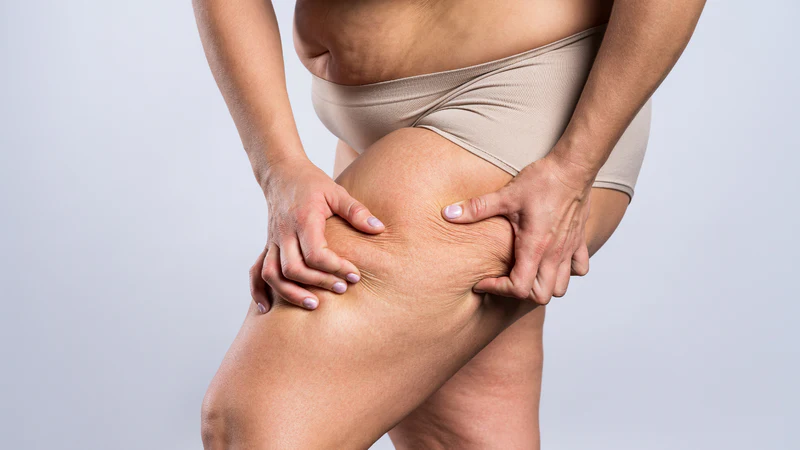
Lymphedema is often mistaken for other causes of swelling: plain water retention, venous insufficiency, or lipedema, a fat-tissue disorder. This confusion sometimes delays diagnosis and therefore care, when early treatment limits progression toward the advanced stages.
A few markers help identify lymphedema: it is often one-sided, affecting a single limb, comes with a positive Stemmer sign (you cannot pinch a fold of skin at the base of the toes or fingers), and pits at first before hardening. Only a qualified professional can confirm the diagnosis.
The Importance of Decongestive Therapy Before Surgery
Before weighing lymphedema surgery, it is essential to have followed well-run complex decongestive therapy. It is the first-line treatment, and many patients respond to it enough to need no operation. Surgery only truly comes up when this care fails or falls short.
Keeping up manual lymphatic drainage and compression before surgery also prepares the limb and improves the surgical result. A serious surgeon makes sure you have had this care and works with the therapists who follow you, rather than proposing surgery straight away.
Setting Realistic Expectations
Realistic expectations make all the difference in how satisfied you feel after lymphedema surgery. The aim is a lighter, smaller limb, less prone to infection, not a limb made exactly like the other. A real improvement, sometimes marked, is expected, but the disease stays present in the background.
You should also know the result settles over several months, as post-operative swelling fades and the limb stabilizes, and that compression usually stays necessary. Seeing surgery as a lasting relief, not a cure, is the fairest and most peaceful way to approach it.
When Several Procedures or Stages Are Needed
Surgical treatment of lymphedema is sometimes staged. A very large limb may need several sessions of reduction liposuction to be treated safely, and some strategies combine lymphatic microsurgery first, then reduction later, according to how things evolve.
The number of procedures depends on stage, volume and the limb's response. An honest surgeon sets a personalized plan and tells you upfront whether one or several stages are likely, rather than implying a single gesture will settle everything. The detailed quote spells out that plan and what it covers.
Lymphedema of the Arm and the Leg
Arm lymphedema, the well-known swollen arm, frequently affects women treated for breast cancer, on the side of the axillary dissection or radiotherapy. It hampers dressing, gripping and daily life, and exposes the upper limb to repeated skin infections.
Leg lymphedema, primary or secondary (after pelvic cancers, surgery, radiotherapy or infection), makes walking heavier, complicates shoes and clothing, and weighs on mobility. The care principles, drainage, compression and, if needed, surgery, are similar, but each site has its own features the surgeon assesses.
Living With the Heaviness and Infections
Beyond the visible volume, lymphedema weighs through the limb's heaviness and tightness, the fatigue it brings, and the struggle to find clothing that fits. These daily strains, often invisible to those around you, wear you down over time and justify seeking effective care.
Repeated skin infections, such as cellulitis or erysipelas, are among the most feared complications: they can worsen the lymphedema and call for antibiotics, sometimes urgently. Lowering the volume and caring for the skin help space out these bouts, which is a major benefit of good care.
The Emotional Impact of Lymphedema
Lymphedema does not weigh on the body alone. Living with a swollen, misshapen limb, often a visible after-effect of an already gruelling cancer, can affect self-image, mood and social life. Many patients describe a sense of unfairness at having to manage this lasting complication after the illness itself.
Acknowledging this emotional impact is part of honest care. When surgery lightens the limb, it often brings emotional relief as much as physical. It still matters to lean on others, seek support and not face the disease alone, the care journey counting as much as the technical gesture.
Getting a Proper Diagnosis
A sound diagnosis is the starting point of all lymphedema care. It rests on the clinical exam, the history (cancer, node dissection, radiotherapy), the search for the Stemmer sign and the measurement of volume. Imaging of the lymphatic network, such as lymphoscintigraphy, refines the picture and helps choose the strategy.
This work-up also tells lymphedema apart from other causes of swelling and pins down the stage, two facts decisive for choosing between conservative care, microsurgery or reduction. A serious clinic does not propose surgery without this precise diagnosis, done or checked by qualified professionals.
When Surgery Is Not the Right Option
Surgery is not always the right answer to lymphedema. For a patient whose swelling is well controlled by decongestive therapy, or whose general health rules out an operation, continuing and refining conservative care is preferable. Likewise, unrealistic expectations must be cleared up before any gesture.
An honest surgeon knows when not to operate, or when to wait. Recognizing that surgery is not indicated is not a refusal, but the condition of safe, coherent care. This candour is precisely one of the marks of a serious clinic you can trust.
Lymphedema Versus Water Retention
Ordinary water retention, tied for instance to heat, standing or certain medications, often affects both legs, varies through the day and eases with rest and elevation. Lymphedema, by contrast, is most often one-sided, settles lastingly and does not simply vanish when the limb is raised.
Another difference lies in the skin: in established lymphedema it thickens, hardens and loses its pitting, and the Stemmer sign is positive. These distinctions are not made alone: a qualified professional makes the diagnosis, since managing plain water retention has nothing to do with managing lymphedema.
Lymphedema Versus Lipedema
Lymphedema and lipedema are often confused, yet they are distinct diseases. Lipedema is a fat-tissue disorder, nearly always two-sided and symmetrical, painful to the touch, sparing the feet and giving no Stemmer sign. Lymphedema is a build-up of lymph, often one-sided, with a limb that swells to the extremity and a positive Stemmer sign.
This distinction matters because treatment differs: lipedema calls for lymph-sparing liposuction to remove the diseased fat, while lymphedema calls first for drainage and compression, then, as the case may be, microsurgery or reduction liposuction. The two can also coexist, which makes the diagnosis all the more important.
The Surgical Techniques in Detail
Lymphovenous Anastomosis in Detail
Lymphovenous anastomosis is a microsurgical technique that connects, under high magnification, very fine lymphatic vessels to small nearby veins. The blocked lymph thus finds a new route into the venous circulation, which can reduce swelling, especially in early, fluid-dominant stages.
The gesture, seemingly minor but technically exacting, is done through small incisions and calls for a surgeon versed in microsurgery. Its result depends on the state of the remaining lymphatic vessels, which is why imaging and careful patient selection are essential.
Vascularized Lymph Node Transfer in Detail
Vascularized lymph node transfer harvests, with its blood supply, a small group of healthy nodes elsewhere on the body, then re-implants them in the region depleted by node dissection or radiotherapy. These transplanted nodes can restart drainage and encourage new lymphatic channels to form.
This microsurgery, also highly specialized, suits selected cases, often at earlier stages. The surgeon carefully assesses the donor area to limit the risk of causing lymphedema there. Like all lymphatic microsurgery, its success rests on experience and rigorous selection.
Reduction Liposuction in Detail
Reduction liposuction for lymphedema suits advanced limbs where the stagnant lymph has given way to fat and fibrosis. With cannulas and under a tourniquet then strict compression, the surgeon removes this excess tissue to clearly lighten the limb, a gesture different from ordinary cosmetic liposuction. In rare, very advanced cases, tissue excision may be discussed.
This technique lowers the volume effectively, but compression then almost always stays lifelong to hold the result, since it does not restore drainage. It calls for specific lymphedema experience, both for safety and to spare the lymphatic structures still of use.
Choosing the Technique for Your Case
The choice between physiologic microsurgery and reduction liposuction depends mainly on the stage and the nature of the swelling. Early lymphedema, made of fluid, with lymphatic vessels still usable, points to lymphovenous anastomosis or lymph node transfer; advanced lymphedema, laden with fat and fibrosis, points to reduction.
Sometimes the approaches combine or follow one another. This choice is not made alone: it flows from the work-up, the imaging and the surgeon's experience. A serious clinic explains why a given technique suits your situation, rather than applying one solution to every case.
The Symptoms and Progression of Lymphedema
Lymphedema symptoms often begin quietly: a sense of heaviness or tightness in the limb, a ring or a sleeve that grips, a slight swelling by day's end. Then the rise in volume becomes clearer and more permanent, at times with tugging and reduced mobility.
Over time the skin may thicken, the Stemmer sign turn positive and the limb grow more prone to skin infection. Spotting these signs early and seeking care allows earlier treatment, which limits progression. Faced with a limb that swells after cancer or without clear cause, do not wait to speak to a professional.
Decongestive Therapy and Surgery Work Together
Complex decongestive therapy and surgery do not oppose one another: they work together. Manual lymphatic drainage, bandaging and the compression sleeve stay the base, first-line and as long-term maintenance. Surgery steps in when this care, well run, no longer keeps volume or symptoms in check.
After an operation, decongestive therapy takes its role again to consolidate and hold the result. Grasping this complementarity avoids two common errors: believing surgery will make compression pointless, or thinking conservative care rules out any surgery. Well combined, both approaches offer the best control of the disease.
The Signs of a Serious Clinic
A serious lymphedema clinic brings together a surgeon experienced in this precise condition (lymphatic microsurgery and reduction liposuction), an accredited facility, a full diagnostic work-up, a link to decongestive therapy, and honest information about the chronic nature of the disease and the compression to continue.
It gives a detailed quote, clearly explains the chosen technique and its limits, and never promises a cure. These elements protect your safety and your result. A clinic that welcomes your questions plainly, rather than rushing the decision, shows the transparency that marks care you can trust.
The Warning Signs of a Clinic to Avoid
Some warning signs should alert you when weighing lymphedema surgery: a promise of a permanent cure or the end of all compression, a surgeon unfamiliar with lymphatic microsurgery, no diagnostic work-up, a refusal to name the accredited facility, or a quote vague on technique and number of stages.
Pressure to pay a deposit quickly is another red flag. A single one of these is reason to slow down, ask more, or look elsewhere. Conversely, a clinic that speaks honestly about the limits of surgery and the lasting role of compression inspires more trust.
Questions to Ask the Clinic
A few questions reveal how serious a lymphedema clinic is: in which accredited facility will I be operated on, what is the surgeon's experience in lymphatic microsurgery and reduction liposuction, which technique do you propose for my stage, how many stages do you foresee, and how are compression and follow-up organized afterwards?
Ask the logistics too: exactly what the package covers, how the link with my therapy at home works, and whom to reach in case of doubt once home. Clear, written, straightforward answers are a good sign of a well-run and honest operation.
Safety First
Lymphedema surgery, whether delicate microsurgery or reduction liposuction over large volumes, carries real risks mastered above all by the surgeon's experience, an accredited facility and a full team, far more than by price or a city's reputation. Making it the base of the decision is the best protection.
In practice, that means asking three questions before any deposit: how many such procedures the surgeon does a year, in which facility, and how the team handles a complication such as an infection or a healing problem. A serious clinic answers plainly and without pressure.
The Importance of an Accredited Facility
On a lymphedematous limb already prone to cellulitis, an accredited theatre is no paperwork detail: its verified monitoring, its enforced hygiene and its sterile standards are what stand between a smooth recovery and a serious infection after microsurgery or reduction liposuction.
So insist on the exact name of the accredited hospital or surgical clinic that will host you, never a vague office. A centre that owns its theatre states it at once; evasiveness speaks volumes. This framework completes the surgeon's lymphatic expertise, it does not stand in for it.
The Surgeon's Qualifications and Experience
Lymphedema surgery is a sub-specialty: lymphovenous anastomosis and lymph node transfer demand a genuine command of microsurgery, and reduction liposuction for lymphedema calls for specific experience, different from ordinary cosmetic liposuction. Checking this precise experience is therefore vital.
Ask the surgeon how many years and how often they treat lymphedema, which techniques they master, and for examples of care. Listen too to how they speak of limits: a practitioner who promises a cure tells you more by their promises than their titles. Candour about the chronic nature is a good marker.
The Role of Anaesthesia
Lymphedema surgery is done under general anaesthesia, or sometimes sedation depending on the technique and extent, decided with the anaesthetist according to your health. Microsurgery, long and painstaking, like large-volume liposuction, calls for close anaesthetic monitoring, which makes a dedicated anaesthetist a marker of safety.
A preoperative work-up, a review of your history and treatments, and observed fasting bring the anaesthetic risk to a very low level. Disclose everything, especially your cancer-related treatments and any allergies, as it shapes the anaesthesia and the overall care.
The Preoperative Assessment
Before lymphedema surgery, a preoperative work-up checks that the operation can go ahead safely: blood tests, a cardiac review if needed, a look at your history and treatments. To this is often added imaging of the lymphatic network, such as lymphoscintigraphy, to map the impairment and guide the choice of technique.
This assessment also confirms the stage and rules out other causes of swelling. A serious clinic sets no operating date without these checks. Reporting everything, especially your oncology history, lets the team tailor the care and operate in the best conditions.
The Risks to Know
An informed decision means knowing the risks honestly. In lymphatic microsurgery, the anastomosis may not stay open and the drainage result is not guaranteed. In reduction liposuction, the risks of large-volume surgery add up: bleeding, healing problems, and above all infection, on a limb already prone to cellulitis.
These risks stay uncommon in experienced hands and in an accredited facility, but no honest surgeon hides them. Following instructions strictly, especially compression and skin care, markedly lowers the infection risk and improves the result. Knowing these points lets you decide with full clarity.
Protecting the Lymphatic System
Protecting the remaining lymphatic network is a constant concern of lymphedema surgery. In microsurgery, the whole gesture aims precisely to improve or bypass drainage without harming it further. In reduction liposuction, the surgeon uses techniques and cannulas designed to limit trauma to the lymphatic structures still working.
This caution explains why the surgeon's specific experience matters so much: ordinary cosmetic liposuction does not follow the same rules. Asking the clinic how it protects the lymphatic system is a relevant question, and a clear answer is a good sign of competence.
Is Lymphedema Surgery Abroad Safe?
Having lymphedema surgery abroad is not dangerous in itself: the risk lies in the surgeon, the facility and the organization, not the country. An operation by a qualified surgeon experienced in lymphatic disease, in an accredited theatre in Istanbul with a dedicated anaesthetist, is no riskier than anywhere else.
What counts is checking qualifications, accreditation, the work-up and follow-up, and arranging a link back home for therapy and compression after your return. Well prepared, a journey abroad is safe. The key is to judge the specific clinic on verifiable criteria, not the country.
Being Wary of Rock-Bottom Prices
An unusually low price for lymphedema surgery deserves caution, not because a low price always means poor work, but because the saving may come from somewhere: a surgeon unfamiliar with lymphatic disease, a skipped work-up, a package stripped of follow-up, or a non-accredited facility.
Ask what the price includes, what the real lymphedema experience is, and what happens if a complication arises. A legitimate low price holds up to these questions; a suspect one turns vague, which is the real warning sign. For so specific a disease, expertise always trumps apparent savings.
How the Cost Compares
Comparing lymphedema surgery on price alone would be short-sighted. In many high-cost health systems, lymphatic microsurgery is scarce, waits are long, and privately each item, surgeon, theatre, anaesthesia, is billed separately; in Turkey an all-inclusive package often gathers surgeon, hospital, stay, transfers and follow-up.
An honest comparison sets these full bundles side by side, flight and accommodation counted for Turkey, and above all the surgeon's real experience in lymphatic disease on both sides. The Turkish total often lands up to around 60 percent below private care elsewhere, but overall value, and access to scarce expertise, should decide.
Why the Private Cost Is Higher at Home
A high private price for surgical lymphedema care reflects a high-cost health economy and the scarcity of surgeons trained in lymphatic microsurgery, which stretches waits and lifts private fees, each item moreover billed on its own.
Nothing there means better quality, only a narrow supply and a different cost structure. That very gap is what a Turkish all-inclusive package closes, often by up to around 60 percent, the free quote pricing your real case and the plan, microsurgery or reduction, in view.
Comparing Destinations Honestly
Turkey is not the only destination patients weigh for lymphedema surgery; some also look to Mexico, the Dominican Republic, Colombia, Costa Rica or Thailand, by habit and cost. What sets Istanbul apart is the volume of microsurgery and body contouring, and accredited facilities used to international patients.
Comparing destinations honestly means looking past the advertised figure: the surgeon's experience in lymphovenous anastomosis and reduction liposuction, the theatre's accreditation, what the package truly covers, the planned link to decongestive therapy and the quality of follow-up. At equal price, two offers can differ greatly.

| Value criterion | Turkey / Istanbul (Aylan) | Mexico | Dominican Rep. / Colombia | Costa Rica / Thailand |
|---|---|---|---|---|
| Lymphatic microsurgery experience | High volume | Variable | Variable | Variable |
| Accredited facility | Yes, to confirm on file | Variable | Variable | Variable |
| All-inclusive package | Common and complete | Common | Common | Common |
| English-speaking support | Yes, coordinator | Variable | Variable | Often |
| Cost vs private care at home | Often up to around 60 percent less | Often lower | Often lower | Often lower |
The table helps you reason in value, not in flags. The honest conclusion stays the same: it is not the destination but the clinic, a qualified surgeon and an accredited facility, that makes safety and result, and on that front Turkey often offers the best overall value for lymphedema care.
Lymphedema Surgery for Patients Across Canada
Toronto and the GTA
The GTA gives the widest access to private lymphedema care in Ontario, but lymphatic microsurgery stays scarce there and privately billed high. Many in Toronto therefore weigh a Turkish all-inclusive package, often up to around 60 percent more affordable, flight included, since OHIP rarely covers this care. From Toronto Pearson (YYZ), links to Istanbul are convenient. Because an operated limb needs continuous compression and a return to drainage, plan enough rest before flying home and set up the therapy link in advance.
Vancouver and BC
Across Vancouver and BC, lymphatic microsurgery is thin on the ground and rarely covered by MSP, leaving patients to self-pay at steep West Coast rates. That gap is why many weigh a Turkish all-inclusive package, often well under local private care once the flight is folded in. The honest coast caveat is distance: the journey from YVR is long, so extra rest counts on a limb that needs compression and elevation.
Calgary and Edmonton
In Calgary and Edmonton, lymphedema surgery falls outside AHCIP, so Alberta patients self-pay privately, and lymphatic microsurgery is hard to reach locally. Many set it against a Turkish package and find the all-inclusive total markedly lower, once the lymphatic expertise holds up. YYC and YEG both connect onward to Istanbul through Europe. The call should turn on total value, genuine lymphedema experience, drainage and compression support, and follow-up.
Ottawa
In Ottawa and Eastern Ontario, lymphedema surgery is self-funded and lymphatic microsurgery scarce. Setting it against a Turkish all-inclusive package is worth the effort, the whole often emerging as the best value once every line is tallied. Ottawa International (YOW) links onward to Istanbul. For a patient who wants care in plain English and dependable help to line up compression and drainage on return, that is worth pinning down at the free-quote stage.
Winnipeg and the Prairies
Through Winnipeg and the Prairies, specialists in lymphedema microsurgery or reduction liposuction are few, so patients frequently head to a larger centre already. Since travel is baked into the equation either way, a Turkish all-inclusive package makes sense, its total often sitting below Prairie private care. From YWG or Regina, Istanbul means one connection, and the weight falls on how the swollen limb is looked after from afar.
Halifax and Atlantic Canada
In Halifax and across Atlantic Canada, the handful of surgeons treating lymphedema means many travel to a larger centre already. A Turkish all-inclusive package often compares well once the flight is counted, above all for a disease that may call for staged care. From YHZ the route to Istanbul carries a connection. What tips the balance is the lymph-sparing technique chosen for your limb, the staged plan and the aftercare tie-in with a local therapist.
Cities Compared for Access to Istanbul
This table sums up, for the main anglophone cities and regions of Canada, access to Istanbul and the cost logic for lymphedema surgery. These are not prices, but a starting point: everywhere, local private care runs high and lymphatic microsurgery is scarce, while a Turkish all-inclusive package often comes to up to around 60 percent less.
| City / region | Airport | Access to Istanbul | Local private cost vs Turkish package |
|---|---|---|---|
| Toronto / GTA | YYZ | Convenient links | High; package often up to around 60 percent less |
| Vancouver / BC | YVR | With a connection | High; long trip, plan extra rest |
| Calgary / Edmonton | YYC / YEG | Via Europe | High; total value in favour of the package |
| Ottawa | YOW | With a connection | High; package often more affordable |
| Winnipeg / Prairies | YWG | With a connection | Travel already needed; compare total value |
| Halifax / Atlantic | YHZ | With a connection | Travel already needed; package often favourable |
The reading is the same everywhere: travel is already part of the equation, and the real comparison is on total value, expertise, package, follow-up and continuity of care, which a free quote sets out for your precise case.
The Length of Surgery and the Stay
The length varies with the technique: lymphatic microsurgery, painstaking, can be long, while reduction liposuction depends on the volume to treat. The hospital stay and time on site in Turkey adjust accordingly, often a few days, for the first care and a check before flying home.
The clinic plans this stay to allow time for monitoring, fitting the compression and resuming drainage. A well-organized departure, with enough rest before travelling, is part of serious care, especially to spare a freshly operated limb.
Recovery and Aftercare
The Compression Garment in Detail
After lymphedema surgery, the compression garment, a sleeve for the arm, a stocking for the leg, plays a central role. It holds the reduction gained, helps contain swelling and supports the tissues during healing. Wearing it as instructed, often continuously at first, largely shapes the result.
This device is for the long term: most patients keep it as maintenance, because the disease stays chronic. It must fit well and be renewed when it stretches. Understanding that compression accompanies the benefit of surgery over time helps you take it up calmly.
Manual Lymphatic Drainage After Surgery
Resuming manual lymphatic drainage after lymphedema surgery consolidates the result. Performed by a trained therapist, it stimulates lymph circulation and complements compression, within decongestive therapy. The timing of resumption is set by the surgeon according to the technique and the after-effects.
Arranging this link with your therapist at home before you even leave is essential: continuity of care is part of success. A serious clinic coordinates this and gives you clear instructions, rather than stopping at the surgical act without thinking of the sequel.
The Healing of the Entry Points
Scars from lymphedema surgery are generally discreet: small microsurgery incisions, or cannula entry points after reduction liposuction. On a limb with impaired drainage, healing nonetheless needs particular attention and rigorous skin care to prevent infection.
Keep the scars clean, follow the clinic's instructions, and watch for any redness or warmth. Good skin hygiene, essential in patients prone to cellulitis, favours calm healing. Patience remains key, the skin evolving over several months.
Practical Checklists Before You Travel
Travel Documents
A lymphedema-surgery trip runs smoother with papers gathered early: a valid passport, the quote and package detail, preoperative tests and lymphatic imaging already in hand, reports tied to your cancer and treatments, a medication list and insurance details. Scan the lot onto your phone. This ready file lifts a layer of stress and lets the clinic close out your care, a genuine asset for a disease where the history steers every decision.
Health and Habits
In the weeks before lymphedema surgery, a few habits improve safety and recovery: keep up the prescribed drainage and compression, care for the limb's skin to prevent infection, aim for a stable weight, stop smoking and report every treatment to the team. The daily basics help too: hydration, good sleep, gentle movement. Together they put your body in the best shape before a long, painstaking procedure.
What to Bring
For a lymphedema-surgery stay, bring the practical: loose clothing easy to pull on over the treated limb, your usual compression sleeves or stockings, comfortable shoes, medications and documents. The new fitted compression devices are usually supplied after the operation. Add something to raise the limb at rest and to keep you occupied during a recovery where you move gently, sparing the operated area.
Coordination and Logistics
Put the smoothing questions to the coordinator: who greets me at the airport, where do I stay and how far is the facility, how are drainage and compression run on site, how many stages are planned, and how do I reach someone round the clock? Have them spell out what the package covers, the chosen technique, and above all how the tie-in with your therapy at home works for the sequel.
Signs of Normal Recovery
After the operation, several things are expected and reassuring: swelling and bruising of the treated area receding over weeks, some leakage from the entry points in the first days after liposuction, tenderness and tightness under the compression device. Knowing this normal arc helps you spot what is not, spreading warm redness or a fever, worth close watch on a limb already prone to cellulitis. At the least doubt, a message to the clinic or a local check settles it.

Compression Garment Care
The compression garment, a sleeve for the arm or a stocking for the leg, is central after lymphedema surgery. Wear it as instructed, often day and night at first, then as maintenance, since it is what holds the reduction gained. Care for it as directed so it keeps its compression, and have it reassessed regularly, as a stretched sleeve loses its effect.
Budget, Item by Item
Build a realistic lymphedema budget line by line: the all-inclusive package, the flight, any nights beyond it, the compression devices, meals and extras, and a small buffer for the unexpected, staged procedures included. Set out this way, it heads off surprises.
A Support Network
Some help eases the lymphedema trip: ideally a companion while the operated limb is tender and movement cautious, or short of that a clinic handling transfers and on-site drainage, with one person back home holding your dates and your therapy plan.
Common Myths, Honestly Addressed
Myth: Lymphedema Is Just Passing Water Retention
It is not: it is a chronic blockage in the drainage of lymph, a protein-rich fluid that, by pooling, thickens and hardens the tissues. An established lymphedema does not clear on its own and needs specific care. The earlier it is managed, by drainage and compression, the less it progresses toward advanced stages.
Myth: Surgery Cures Lymphedema for Good
That is misleading: surgery lowers volume and symptoms, improves quality of life, but does not restore a normal lymphatic system. The disease stays chronic and compression usually remains necessary, even after a successful operation. Promising a cure or the definitive end of compression is itself a warning sign.
Myth: A Diet Can Make Lymphedema Disappear
A stable, healthy weight helps control it and limit its worsening, but a diet does not restore lymphatic drainage and will not bring down an already affected limb. Weight control is part of care, alongside drainage, compression and, if needed, surgery, but it does not replace them.
Myth: The Lowest Price Is the Best Deal
This surgery is a sub-specialty: a rock-bottom quote sometimes hides a surgeon unfamiliar with lymphatic microsurgery, a skipped work-up or a non-accredited facility, which undermines safety and result. The right question is not who is cheapest but who offers the best value: real expertise, an accredited facility, a clear package and follow-up.
Myth: Lymphedema Surgery Is a Minor Procedure
In reality it is demanding: connecting millimetre-wide vessels under a microscope, or suctioning large volumes on a fragile, infection-prone limb, is exacting, specialized surgery, far from a trivial routine. Taking it seriously means giving the choice of clinic all the weight it deserves.
Myth: The Result Can Be Judged Right Away
Judging too early breeds needless worry. The honest picture is a result that matures step by step, which is why patience, compression and follow-up count as much as the surgical gesture in the success of lymphedema surgery.
Myth: Surgery Abroad Is Necessarily Riskier
For lymphedema, danger lives in the operator's microsurgical skill, the theatre's sterility and the aftercare chain, not in a map: a vetted surgeon in an accredited Istanbul unit is as safe as one anywhere.
Myth: Compression Alone Can Replace Surgery
Compression and drainage are the base of care, and enough for many patients. But believing they can, on their own, bring down a limb already reshaped by fat and fibrosis is a myth: at that stage, only reduction liposuction removes this excess tissue. Conversely, thinking surgery makes compression pointless is just as false. The two complement each other: compression contains, surgery reduces when it no longer suffices.
Choosing Well in Turkey
Istanbul, a Hub for International Patients
Istanbul brings together accredited facilities, access to lymphatic imaging, teams fluent with international patients and convenient flights. None of it excuses skipping a check of the clinic and the surgeon's concrete lymphedema experience, but it explains Istanbul's pull.
Other Cities and the Real Criterion
The sound criterion is never the city, but the surgeon, their real lymphedema experience and the accredited facility around them. For an international patient, Istanbul stays the most practical and best-equipped gateway for this delicate care.
Finding the Right Surgeon and Clinic
The Best Lymphedema Surgeon
Searching for the best lymphedema surgeon is fair, but no name stands out in the abstract: the right surgeon treats this condition regularly, masters lymphatic microsurgery and reduction liposuction, works with decongestive therapy, and speaks honestly about limits and the chronic nature of the disease. Rely on verifiable criteria: real lymphedema experience, techniques mastered, an accredited facility, examples of care. At Aylan Clinic, the surgeons are the only ones in Turkey certified in body contouring, one concrete marker, to weigh against your work-up and precise needs.
The Best Clinic and Hospital
The best clinic for lymphedema brings together an accredited theatre, a sub-specialized surgeon, a full work-up, a link to therapy and organized follow-up of compression through your return home. A simple test: ask about the chosen technique, how an infection is managed, the number of stages and the follow-up. A serious clinic answers plainly and without pressure, and owns the lasting role of compression.
Lymphedema Surgery Near You
The real task is to stitch together a coherent path, work-up and assessment at a distance, surgery at a specialized centre, then local follow-up for therapy and compression. A clinic used to international patients coordinates this chain, wherever you live.
Cheap or Affordable Lymphedema Surgery
Wanting cheap lymphedema surgery is understandable, yet the truer word is affordable: the target is not the price floor, so often shorthand for absent expertise or a gutted package, but the best balance of safety, skill and cost, for a disease that demands a real sub-specialty.
The Thread of Safety, From Start to Finish
One thread runs through this guide: safety, wielded as a concrete filter. Weigh every clinic and every offer by what shields you, a surgeon seasoned in lymphedema, an accredited facility, a full team, a serious work-up, organized follow-up, ahead of price or convenience. In that order, everything clears: a tempting price bolted to hazy expertise loses its shine, and a clinic that welcomes your safety questions stands apart.
Value, in lymphedema surgery, is not the lowest price. It brings together access to scarce expertise, an accredited facility, a clear package, English-speaking support and follow-up that prepares the sequel, drainage and compression included. It is this whole that protects your investment, in every sense.
In Summary: Deciding With Confidence
What secures your safety and your result is not the country but the choice of a qualified surgeon seasoned in lymphedema, in an accredited facility. Surgery relieves without curing: it lowers volume, heaviness and the frequency of infections and improves quality of life, while compression usually remains necessary. A Turkish all-inclusive package often lands up to around 60 percent below private care elsewhere, though no figure can be pledged in advance.
At Aylan Clinic, whose surgeons are the only ones in Turkey certified in body contouring, this path is supported in English from the first exchange through follow-up. To go further, read our Lymphedema Surgery in Turkey procedure page for how the operation works, the stay and the care, see our pricing in Turkey, or request a free quote tailored to your case. The one concrete, no-strings move that follows is the free personalized quote.