
A mommy makeover in Turkey is a personalized combination of procedures that restores the body after one or more pregnancies — most often a tummy tuck with muscle repair, a breast procedure (lift or augmentation) and waist liposuction — performed in a single surgery and a single recovery, at a price commonly up to 60% lower than in Canada, all-inclusive. At Aylan Clinic the approach is built on honest information, a clear quote and full English-speaking support from start to finish, and its surgeons are the only ones in Turkey certified in body contouring — the art of reshaping the whole silhouette.
This guide is the pedagogical companion to our mommy makeover in Turkey procedure page: read this to understand the whole picture, then use the procedure page for how the operation itself works, the stay and the care. It sits within our body contouring in Turkey hub, part of the wider aesthetic surgery in Turkey section. It covers what the package contains, the real cost, the combined procedures, how to spot a trustworthy clinic, reviews and before-and-after results, safety, recovery, the trip and honest answers to the questions patients actually ask. To see how all-inclusive pricing works you can consult our pricing in Turkey page, or request a free quote at any time, with no obligation.
It is written above all for Canadian women, from Toronto and Vancouver to Calgary, Ottawa and Halifax, who want complete, neutral and verifiable information. It does not simply promote a destination: it explains how pricing works, the limits of each technique, the objective safety criteria and the warning signs, so that every reader can decide with full knowledge. Aylan Clinic's philosophy fits in one line: you get the honest version, not the sales version.
The Aylan Clinic Difference: The Only Surgeons Certified in Body Contouring
One point is worth making up front. Aylan Clinic's surgeons are certified in body contouring — that is, in reshaping the entire silhouette: liposuction, fat transfer, skin removal and tightening. This is a rare distinction: Aylan Clinic is the only clinic in Turkey whose surgeons hold this specific certification. It is not a label; it is a recognized mastery of every technique that redraws the body, exactly the ones a mommy makeover combines, and it underpins the clinic's standing as a leading private clinic and hospital in Turkey for the mommy makeover.
Being the best clinic is not something you claim with a slogan; it is something you demonstrate with verifiable facts: the surgeons' body-contouring certification, the facility's accreditation, device traceability, transparent quotes and a year of English-speaking follow-up. A clinic confident in its expertise does not need to oversell; it informs and lets the patient judge — and it offers this to Canadians at a price up to 60% below what they would pay at home.
What Exactly Is a Mommy Makeover?
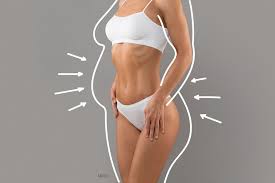
A mommy makeover — post-pregnancy or post-baby surgery — is a personalized combination of procedures that restores the body after one or more pregnancies and breastfeeding. Pregnancy often leaves changes that neither exercise nor diet can fix: a loose abdomen with separated muscles (diastasis), stretched skin, breasts that have lost volume or firmness, and stubborn fat at the waist and hips. Rather than tackling these areas one at a time, a mommy makeover treats them together, in a single surgery and a single recovery.
There is no single mommy makeover, but as many combinations as there are patients. The plan is built from an honest assessment of what your body actually needs: for some, a breast lift with liposuction is enough; for others, a full tummy tuck with augmentation and 360 liposuction gives the best result. The goal is never to do everything, but to do what restores balanced proportions, safely. It is this tailored approach, guided by surgeons certified in body contouring, that separates a good mommy makeover from a simple stack of operations.
The Procedures That Make Up a Mommy Makeover
The Tummy Tuck (Abdominoplasty)
This is often the heart of the mommy makeover. The tummy tuck removes excess lower-abdominal skin and repairs the diastasis — the separation of the abdominal muscles common after pregnancy. It is the only real solution to a loose abdomen with separated muscles, which neither exercise nor liposuction can fix. The scar, horizontal and low, hides below the underwear line, and the navel is repositioned. When looseness is moderate and limited to the lower abdomen, a lighter mini tummy tuck may be enough.
The Breast Procedure: Lift, Augmentation or Both
After pregnancy and breastfeeding, the breasts often lose volume and firmness. Depending on the case, options include a breast lift (mastopexy) to raise and reshape sagging breasts, an augmentation with implants or fat transfer to restore volume, or a combination of the two (a lift with an implant). The choice depends on what has changed: volume loss alone, sagging alone, or both together.
Waist and Hip Liposuction
Liposuction targets localized fat that resists diet and exercise, especially at the waist, flanks, hips and back. By slimming these areas it redefines the waist and showcases the tummy tuck result. It is also called 360 liposuction when it treats the entire circumference of the trunk. Techniques such as VASER (ultrasound-assisted) allow precise work with less bruising.
The Options: BBL, Arm or Thigh Lift
Some patients add a BBL (Brazilian butt lift), which re-injects their own fat to shape the buttocks and refine an hourglass waist, or, after major weight loss, an arm or thigh lift. These options fit into the plan when they make sense and the operating time stays safe. A responsible surgeon keeps combinations reasonable rather than stacking everything.
A Comparison of the Main Procedures
| Procedure | Main goal | Muscle repair | Skin removal | Recovery |
|---|---|---|---|---|
| Tummy tuck | Flatten abdomen | Yes (diastasis) | Yes | Longer |
| Mini tummy tuck | Lower belly only | Limited | Small | Moderate |
| Liposuction | Remove local fat | No | No | Gentle |
| 360 liposuction | Reshape whole trunk | No | No | Moderate |
| Breast lift | Raise sagging | No | Yes (breast) | Moderate |
| Breast augmentation | Restore volume | No | No | Moderate |
| BBL | Shape buttocks | No | No | Moderate (no sitting) |
| Arm / thigh lift | Remove loose skin | No | Yes | Longer |
No procedure is universally best: the right one depends on whether your issue is fat, loose skin, separated muscles, or a mix. Most mommy makeovers combine several of these, which is why a personalized plan matters.
The Variations: Mini, Classic, Extended and Staged
The mommy makeover comes in several formats, depending on the extent of the changes to correct. The mini format suits moderate looseness. The classic format, the most common, combines a tummy tuck, a breast procedure and waist liposuction. The extended format adds further procedures — BBL, arm or thigh lift — for more complete transformations, often after major weight loss, and is sometimes staged for safety.
| Format | Typically includes | Best suited to |
|---|---|---|
| Mini | Breast lift or augmentation + liposuction | Moderate looseness, no full tummy tuck needed |
| Classic | Tummy tuck + breast procedure + waist liposuction | The typical post-pregnancy body |
| Extended | Classic + 360 liposuction / BBL / arm or thigh lift | Fuller transformation, often post weight loss |
| Staged | Extended plan split across two sittings | Very extensive cases, for safety |
These formats are starting points, not rigid boxes. Your surgeon tailors the exact combination — and whether to do it in one sitting or stage it — to your anatomy, your goals and a safe operating time.
Why Turkey Has Become the World's Leading Destination
Turkey has risen to the top for a combination of reasons that reinforce one another. First, price: the cost of living, the wage structure and the strategy of Turkish facilities make it possible to offer procedures equivalent to those in Canada for a fraction of the price, often up to 60% less. Second, volume: Turkish surgeons perform a remarkable number of cases each year, building an expertise and consistency of results that are hard to match. Add modern facilities, often accredited to international JCI or ISO standards, a welcome designed for international patients (English-speaking coordinators, VIP transfers, partner hotels, all-inclusive packages) and an accessible location.
It is worth staying balanced: Turkey is not in itself a guarantee of quality. As everywhere, there are excellent surgeons and facilities to avoid, and low prices attract opportunistic operators alongside serious clinics. That is precisely why this guide focuses less on selling a destination than on giving you a method to tell a trustworthy clinic from a risky one. The savings are real, and so is the expertise, but they only benefit the patient who chooses well.
What Appeals to Canadians in Particular
In Canada, cosmetic surgery is paid entirely out of pocket, at high prices, and billing often separates the surgeon's fee, the anaesthesia and the facility charges, which inflates the total. Provincial health plans such as OHIP in Ontario, MSP in British Columbia or AHCIP in Alberta do not cover purely cosmetic procedures. Turkish clinics, by contrast, bundle everything into one all-inclusive price. For a patient in Toronto, Vancouver, Calgary or Halifax, the difference is obvious once local quotes arrive: an equivalent procedure is commonly up to 60% cheaper in Turkey, all-inclusive. A flight of roughly ten to twelve hours from major Canadian cities makes Istanbul accessible.
Canadians are also, rightly, attentive to credentials and follow-up. In Canada, plastic surgeons are certified by the Royal College of Physicians and Surgeons of Canada; in Turkey and Europe, the relevant titles include national certification and, for many, European qualifications. What matters is not the country on the diploma but the surgeon's actual training, volume and results in your specific procedure — which you can verify from home. Aylan Clinic supports Canadians entirely in English, from the first email to the year of follow-up, and helps arrange any care once back home.
How Pricing Really Works (And Why This Guide Names No Figures)
This guide deliberately avoids fixed amounts, for a simple reason: the cost depends on the surgeon, the combined procedures, the volume to treat, the clinic and the timing. Publishing a precise figure would be misleading. The right approach is to request a personalized, free quote after an assessment of your case, then compare detailed all-inclusive quotes on a like-for-like basis. What this guide states with confidence is the order of magnitude of the saving: for an equivalent mommy makeover, a Canadian commonly pays up to 60% less than at home, all-inclusive.
Beware of two opposite traps. A quote far below all the others often hides a compromise on the surgeon's experience, the implants or the follow-up; an abnormally low price is a warning sign, not a bargain. At the other extreme, a high price does not automatically buy a better result. The goal is the best balance of price and safety, not the lowest figure. A serious quote clearly states what is included and what is not, so you can compare honestly.
What an All-Inclusive Package Contains
The all-inclusive package is one of Turkey's great strengths: a single, clear price with no meter running. It is especially valued by Canadians arranging everything remotely. Alongside, some costs remain yours and deserve budgeting, so the right approach is to ask in writing what is included and excluded, then add up the extra costs to know the real total.
| Typically included | Budget separately |
|---|---|
| The surgery itself, surgeon's and anaesthetist's fees | The international flight |
| Hospital stay and pre-operative tests | Personal spending on site |
| Partner hotel for the length of the stay | Any extra hotel nights |
| VIP transfers between airport, hotel and clinic | A companion's flight and accommodation |
| Compression garments | Any local care on return |
| Lymphatic drainage sessions (often) | Travel insurance suited to medical travel |
| Remote post-operative follow-up |
Are You a Good Candidate, and When Is the Right Time?
A mommy makeover is for women bothered by the changes pregnancy leaves behind and who wish to restore their silhouette. Two conditions matter most. First: having completed your family, since a later pregnancy undoes part of the abdominal result. Second: being at a stable weight, since major fluctuations alter the result. Being in good general health, having realistic expectations and not smoking (or quitting well before and after) are also essential. The good candidate is not chasing perfection or someone else's body: she is seeking a harmonious improvement, for herself.
Timing is part of success. A mommy makeover is generally planned once the family is complete, after breastfeeding has ended (often several months), and at a stable weight. Operating too early, on a body still changing, would compromise the durability of the result. A later pregnancy remains possible and carries no particular danger from the surgery, but it does affect the abdominal result.
Your general weight range, sometimes discussed as BMI, also matters. Body contouring gives its best and safest results at or near a stable, healthy weight, because operating at a much higher weight can raise surgical risks and because the procedure reshapes rather than reduces overall weight. This is not a judgment; it is about safety and results. A patient well above her stable range may be advised to reach a steadier weight first.
The Tummy Tuck in Detail
Through a low, horizontal incision hidden below the underwear line, the surgeon lifts the abdominal skin, repairs the diastasis by tightening the separated muscles, then removes the excess skin and repositions the navel. Liposuction of the flanks is often added to refine the waist, and temporary drains may be placed to prevent fluid build-up. The result — a flatter, firmer abdomen — is what neither exercise nor liposuction alone can achieve, because only a tummy tuck treats both loose skin and separated muscles. Recovery calls for a slightly bent posture in the first days to protect the repair.
The tummy tuck comes in several forms. The mini treats only the lower abdomen, below the navel, with a shorter scar and faster recovery, but it does not correct the upper abdomen or a full-height diastasis. The full tummy tuck treats the whole abdomen and repairs the muscles along their full length. After major weight loss, an extended or fleur-de-lis version (with an added vertical incision) also removes horizontal excess. During a full tummy tuck the belly button is carefully repositioned to sit naturally on the new contour, with a small, generally discreet scar around it; in a mini tummy tuck the navel is often left untouched.
The Breast Procedure in Detail
The breast procedure adapts precisely to what pregnancy has changed. A breast lift (mastopexy) raises and reshapes sagging breasts without necessarily adding volume; the scar varies with the degree of sagging. An augmentation restores lost volume, with implants (round or anatomical, placed in front of or behind the muscle) or with fat transfer, for a natural result without an implant. Often a lift and augmentation are combined when both raising and filling are needed. Implant size is chosen with the surgeon, taking into account chest width and skin quality: a volume too large for a narrow chest looks artificial and tires the tissues.
For an augmentation, several implant characteristics matter. Round implants add volume and cleavage, while anatomical (teardrop) implants mimic the natural slope of the breast; the profile (low, moderate, high) determines projection; the filling is generally a cohesive silicone gel valued for its natural feel. Placement can be over the muscle (subglandular, often an easier initial recovery) or under it (submuscular, a more natural upper-breast slope and easier imaging, at the cost of a slightly more tender early recovery), with a dual-plane approach blending the two. The best clinics use implants from recognized, certified and traceable brands, with a traceability card provided.
Liposuction and the BBL in Detail
Liposuction removes localized fat deposits that resist diet and exercise through fine cannulas. It is a reshaping, not a weight-loss method: it refines a silhouette close to its target weight. At the waist, flanks and back it redefines the line and showcases the tummy tuck. VASER (ultrasound-assisted) suits fibrous areas and high-definition sculpting, with less bruising. When shapelier buttocks are wanted, the BBL re-injects the patient's own fat harvested from the waist: the absolute safety rule is subcutaneous injection, never into the muscle, ideally under real-time ultrasound guidance.
A decade ago the BBL was recognized as the riskiest cosmetic procedure, because of a fat-embolism risk when fat was injected deep, into or beneath the gluteal muscle. In response, professional societies set a clear standard: inject fat only into the subcutaneous layer, above the muscle. Reported mortality has since fallen sharply, bringing the risk to a level comparable to a tummy tuck. The lesson is simple: the BBL is safe done the right way, and risky done otherwise. Ask any clinic whether it injects subcutaneously only and uses ultrasound guidance.
Body-Contouring Technologies Explained
Several technologies support modern body contouring, though the surgeon's skill matters more than any single device. Traditional (tumescent) liposuction infiltrates fluid first to reduce bleeding; it is a proven, versatile method. VASER (ultrasound-assisted) liposuction emulsifies fat before removal, suiting fibrous areas and high-definition sculpting. Power-assisted liposuction uses a vibrating cannula, and water-assisted liposuction (WAL) uses a gentle water jet, to ease fat removal. Radiofrequency-assisted skin tightening, such as BodyTite, aims to firm mild skin laxity alongside fat removal. Fat grafting re-injects your own fat to add natural volume, as in a BBL or a fat-transfer breast augmentation. No technology is universally superior; the right choice depends on the area, your anatomy and your goal.

Safety First: How to Choose a Clinic
The safety of a mommy makeover depends above all on the choice of clinic, and a few pillars guide that choice. First, the facility: an accredited hospital (JCI or ISO), a real operating theatre and a qualified anaesthetist are non-negotiable. Next, the surgeon: an experienced, high-volume plastic surgeon in the procedures you are combining. Next, moderation in combinations: stacking an unreasonable number of heavy procedures lengthens the anaesthesia and multiplies the risks, so a responsible surgeon sets clear limits. Finally, clot prevention (early walking, hydration, compression) and quitting smoking, decisive for healing. A serious clinic answers all your questions clearly; evasion or pressure are warning signs.
What Accreditation Actually Means
An accreditation such as JCI (Joint Commission International) or an equivalent ISO standard means an independent body has audited the facility against international benchmarks for safety, hygiene, equipment, staffing and emergency readiness. It is not a badge a clinic gives itself; it is earned and periodically re-checked. Auditors examine the safety and sterility of operating theatres, the qualifications and staffing of surgical and anaesthesia teams, infection control, patient monitoring, medication management, emergency readiness and record-keeping. This matters especially for a combined procedure like a mommy makeover, where operating time is longer.
Hospital Surgery Versus Office-Based Surgery
A mommy makeover is a significant combined procedure under general anaesthesia, and it belongs in a properly equipped, accredited operating theatre with a qualified anaesthesia team and full emergency capability — not in a lightly equipped office setting. Ask, specifically, where your surgery will be performed and whether that facility is accredited. A serious clinic operates in an appropriate setting and says so plainly. Beyond the surgeon, recovery-room and ward nurses monitor your vital signs, manage your pain and help you take your first steps in the hours after surgery, when observation matters most.
Red Flags and Green Flags
Be wary of pressure to book quickly with a "today only" discount; of a price far below all the others; of vague answers about who will actually operate or about safety; of a refusal to name the surgeon's qualifications; of identical, uniformly perfect reviews; and of promises of a flawless, risk-free, guaranteed result. Green flags, by contrast, include a clear answer about who will perform your surgery and their qualifications — including body-contouring certification for the body; verifiable accreditation; a detailed written quote with clear inclusions and exclusions; honest before-and-afters of comparable patients; a surgeon willing to advise against a procedure that is not right for you; implant traceability; a fair, stated revision policy; and organized follow-up with support in your language.
The Patient Journey, Step by Step
The journey is mapped from first contact to follow-up at home. It begins with a remote photo assessment and an all-inclusive quote. Then come the checks: the surgeon's credentials, the facility's accreditation, balanced reviews, clear answers on safety. Once you decide, you prepare (quitting smoking, tests, time off, help for the first days) and travel, with transfers and hotel arranged. Surgery is followed by a period of rest and a check-up before the return flight, then the journey home and the months of gradual healing, supported by remote follow-up and local care. The result settles over three to six months.
Nailing Your Remote Photo Consultation
Everything begins with a remote photo assessment. Good photos are taken in even, natural light, against a plain background, showing the areas of concern from several angles — front, sides and back as relevant — in close-fitting clothing or as advised. Adding a few details — height, weight history, pregnancies, previous surgery, goals — helps the surgeon assess accurately. This remote assessment does not replace the in-person examination on arrival, but it lets the surgeon judge feasibility and plan realistically.
The Consultation and Examination Day
Before surgery, an in-person consultation and examination confirm and refine the plan made remotely. The surgeon examines the areas to treat, assesses skin quality and anatomy, discusses your goals and finalizes the surgical plan and markings. The anaesthetist reviews your history and pre-operative tests. This is your moment to ask any remaining questions, and informed consent is part of this step: you should understand the plan, the benefits and the risks before proceeding.
The Trip, the Stay and the Return
For a Canadian, the trip comes down to a simple triangle — hotel, clinic, airport — linked by VIP transfers included in serious packages. Istanbul is served by major international airports connected to Canadian cities by a flight of roughly ten to twelve hours, direct or with one connection. On arrival, a driver takes you to the partner hotel, chosen for a calm recovery, and an English-speaking coordinator handles the logistics. Before the return flight, a check-up confirms your healing and fitness to travel. The length of stay — often eight to ten days — is calculated to include this check-up and a safe interval before the plane.
The Hospital Experience
For a mommy makeover you are generally admitted the day of surgery and stay one to two nights, sometimes more for extensive cases. In an accredited facility you have a private or semi-private room, nursing care, monitoring of your vital signs and a call button. Pain is managed proactively, and the team encourages you to get up and take short walks the day after surgery to support circulation. An English-speaking coordinator or interpreter helps with communication.
Practical Travel Details
Make sure your passport is valid for several months beyond your return date, and check the entry requirements in force for Canadian citizens before you travel, as they can change. Keep digital copies of your important documents, an internationally accepted payment card and a working phone. The local currency is the Turkish lira, though clinics dealing with international patients are used to other arrangements; confirm accepted payment methods in advance, and consider an eSIM or local SIM for affordable data. For recovery, pack loose, front-opening tops, soft elastic-waist bottoms that sit below any abdominal incision, and slip-on shoes.
Recovery, Week by Week
Every mommy makeover has its own pace, but a general timeline helps you plan. The first week is one of rest and close care, with short walks from the day after and a slightly bent posture after a tummy tuck. From the second to the third week, swelling and bruising fade, and desk work becomes possible for many. The compression garment is worn for several weeks, the medical bra for four to six weeks. Patience is part of the treatment: judging the result too early leads to needless worry.
| Phase | What to expect | Typical activity |
|---|---|---|
| First week | Rest, swelling peaks, short walks | Pre-return check-up abroad |
| Weeks 2-3 | Swelling and bruising fade | Desk work for many |
| Weeks 4-6 | Steady improvement, garment worn | Light exercise resumes |
| Weeks 6-8 | Most limits lift | Fuller training, core work |
| Months 3-6 | Silhouette settles | Result takes shape |
| One year | Scars fade, final result | Long-term maintenance |
Driving resumes once strong painkillers are stopped and movement is easy, often one to two weeks. Light exercise resumes around four to six weeks, more intense training and core work around six to eight weeks. Swimming, baths, pools, hot tubs and sauna wait for complete healing, as submerging a healing wound raises the infection risk. Sleeping semi-reclined after a tummy tuck, and on your back after breast surgery, takes tension off the operated areas.
Compression, Lymphatic Drainage and Scars
Two tools do the quiet work of a good recovery. The compression garment, worn for four to six weeks (day and night at first), helps the skin retract over the new contours, limits swelling and improves comfort. Lymphatic drainage, a gentle rhythmic massage, helps the body clear the fluid that collects after surgery, speeds the disappearance of swelling and prevents firm areas. This is why serious Turkish packages often include several drainage sessions.
Every incision leaves a scar, but its final appearance depends on its location, the closure technique, your genetics and your care. A scar is red and sometimes firm at first, then fades and softens over twelve to eighteen months. What improves it: strict sun protection (the sun darkens a young scar for a long time), hydration, gentle massage once fully healed, and sometimes silicone sheets or gel. Liposuction leaves only tiny marks; the tummy tuck and breast procedures leave real but discreet scars, hidden below the underwear line or in natural folds. If a scar remains raised, wide or uneven after it has matured, a minor scar revision, laser or steroid injections can improve it.
Temporary changes in skin sensation are also normal. After a tummy tuck, the lower-abdominal skin may feel numb or altered for weeks to months as small nerves recover; after breast surgery, nipple and skin sensation may change temporarily. Most sensation returns gradually. Regarding stretch marks: a tummy tuck removes those on the skin it excises (mainly below the navel), but marks elsewhere may remain, improved rather than erased.

Understanding and Preventing Complications
Speaking frankly about risks reassures more than hiding them. The vast majority of patients experience only normal, temporary after-effects: swelling, bruising, an achy feeling, fatigue and passing changes in sensation, which improve over weeks to months. Longer but manageable issues, such as a seroma (a fluid collection to be drained in the office) or a minor healing delay, are less frequent and treat well. True complications — infection needing antibiotics, a hematoma to drain, an incision that opens — remain infrequent in an accredited facility with an experienced surgeon.
Two terms come up often. A seroma is a build-up of clear fluid under the skin, more of a nuisance than a danger, which clears on its own or is easily drained; the compression garment and drains are there precisely to prevent it. A hematoma is a build-up of blood under the skin; if large, it may need a small evacuation. Surgical drains — thin, soft tubes placed during some procedures, often a tummy tuck — let fluid escape and are usually removed within the first days.
Warning Signs: When to Contact the Clinic
Contact the clinic promptly for a fever, spreading redness or warmth around an incision, pain that increases rather than eases, foul-smelling drainage, or an incision that opens. Swelling or pain in one leg, chest pain or shortness of breath are more urgent and need immediate local care, as they can signal a clot. Most other sensations — aches, bruising, numbness, tightness — are a normal part of healing. This is why organized remote follow-up and a family doctor at home are part of a safe plan.
Reading Reviews and Before-and-After Photos Well
Reviews are useful if read critically. Favour dated, detailed, balanced reviews from patients with a profile similar to yours, a year out from surgery, across several independent platforms. Be wary of a series of identical, uniformly glowing reviews. For before-and-afters, real photos are taken in the same conditions, at a meaningful interval, on comparable patients; look for natural, consistent results rather than impossible transformations. A dramatic before-and-after says nothing about what is realistic for your body: only a personalized assessment can.
Canada and Turkey: The Honest Comparison
It helps to compare the two options on the factors that truly matter, rather than on price alone. This table shows no figures, because the only reliable number comes from a personalized quote; what stays constant is a saving of up to 60% in Turkey, all-inclusive.
| Criterion | In Canada | In Turkey with Aylan Clinic |
|---|---|---|
| Out-of-pocket cost | High; fees often billed separately | Up to 60% less, all-inclusive |
| Billing | Surgeon, anaesthesia, facility separate | One clear, bundled quote |
| Wait times | Often long | Generally a few weeks |
| Surgeon volume | Lower per surgeon | High-volume specialists |
| Accreditation | Provincial oversight | JCI / ISO standards |
| Certification | Certified (Royal College) | Certified + certified in body contouring |
| Follow-up | Local, in person | One year remote + local care at home |
| Language | English | Full English-speaking support |
No column is simply better: Canada offers proximity and in-person follow-up, Turkey offers value, volume and the comfort of all-inclusive care in English. For a mommy makeover and a well-prepared patient, the balance often tips toward Turkey.
Turkey Compared With Other Destinations
Turkey is not the only country Canadians consider. Here is an honest comparison of the most common destinations, with no figures, alongside Turkey's constant saving against Canada.
| Country | Main draw for Canadians | Trade-off | Versus Turkey |
|---|---|---|---|
| Turkey | Volume, full range, value | Longer flight than the Americas | Up to 60% less than Canada; full English (Aylan) |
| United States | Proximity, English | Much higher cost | Turkey far cheaper, same range |
| Mexico | Short flight | Variable English support | Turkey: higher volume, full English |
| Dominican Rep. | Short flight, BBL | Facility choice critical | Turkey: complete reshaping ecosystem |
| Colombia | BBL expertise | Limited English | Turkey: full range + English support |
| Brazil | BBL origin, volume | Very long flight | Turkey: ~10-12 h, English support |
| South Korea | Aesthetic expertise | Very long flight, costly | Turkey: value + body focus |
| Thailand | Established tourism | Very long flight | Turkey: closer, English support |
| Spain | European standards | Higher cost | Turkey: bigger saving |
| Poland / Czechia | European, cheaper | Moderate English | Turkey: built for distant patients |
| Tunisia | French-speaking, cheap | Less English support | Turkey: higher volume, English |
Proximity is the advantage of Mexico and the Caribbean; South Korea and Brazil offer very high volume but a very long flight; the USA offers proximity and English at a much higher cost. What no single one matches is Turkey's full stack at once — exceptional volume, every procedure under one roof, tightly organized all-inclusive packages, savings up to 60%, JCI-accredited facilities and, with Aylan Clinic, full English-speaking support and surgeons certified in body contouring.
Turkish Cities for a Mommy Makeover
Istanbul is the world capital of aesthetic medical tourism and concentrates most of the high-volume surgeons and accredited hospitals; it is the go-to destination for a mommy makeover. Other cities also welcome international patients, each with its strengths.
| City | Main airport(s) | Medical-tourism infrastructure | Best for |
|---|---|---|---|
| Istanbul | IST / SAW | Highest; most accredited hospitals | The reference for a mommy makeover |
| Ankara | ESB | Strong university hospitals | Academic surgical centres |
| Izmir | ADB | Good aesthetic offering | Quality care in a coastal city |
| Antalya | AYT | Tourist and medical hub | Care combined with rest |
| Bursa | YEI | Growing, modern clinics | Modern but less specialized |
For a combined procedure like a mommy makeover, Istanbul remains the safest choice thanks to its concentration of high-volume surgeons and accredited hospitals, its two major international airports and its infrastructure built for international patients. It is where Aylan Clinic supports Canadians in English, from the first email to a year of follow-up.
The Canadian Cities Patients Come From
Canadian patients who choose Turkey come from across the country, and almost always begin with a local search before comparing with abroad. Wherever you are — from the GTA to the Prairies to the Atlantic — the pattern is the same: cosmetic surgery is paid out of pocket, options can be limited, and Turkey offers up to 60% savings with full English-speaking support.
| City (province) | Provincial plan | Nearest hub airport | Why patients look to Turkey |
|---|---|---|---|
| Toronto (ON) | OHIP (no cosmetic) | Toronto Pearson | High private cost; up to 60% less, all-inclusive |
| Mississauga (ON) | OHIP | Toronto Pearson | GTA prices; all-inclusive value |
| Ottawa (ON) | OHIP | Ottawa (YOW) | Costly privately; free quote |
| Hamilton (ON) | OHIP | Toronto / Hamilton | High cost; English support |
| Vancouver (BC) | MSP | Vancouver (YVR) | High prices; full English package |
| Victoria (BC) | MSP | Victoria (YYJ) | Island options limited; value abroad |
| Calgary (AB) | AHCIP | Calgary (YYC) | Limited options; high-volume expertise |
| Edmonton (AB) | AHCIP | Edmonton (YEG) | Out-of-pocket; up to 60% less |
| Winnipeg (MB) | Manitoba Health | Winnipeg (YWG) | Few specialists; accredited hospitals |
| Saskatoon (SK) | Sask. Health | Saskatoon (YXE) | Few options; organized care |
| Halifax (NS) | MSI | Halifax (YHZ) | Limited choice; full logistics handled |
| St. John's (NL) | MCP | St. John's (YYT) | Remote; everything arranged in English |
Patients also come from smaller cities and the territories — Kelowna, Kamloops, Nanaimo, Red Deer, Lethbridge, Guelph, Charlottetown, Fredericton, and from Whitehorse to Yellowknife to Iqaluit. If anything, patients used to travelling for specialized care find a trip abroad fits a familiar pattern when the logistics are handled in English.
Flights to Istanbul From Canada
Geography is practical information: your nearest international airport and the typical route to Istanbul shape the journey. Flight times are approximate and depend on the route and connection.
| City | Province / region | Departure airport | To Istanbul |
|---|---|---|---|
| Toronto | Ontario / GTA | Toronto Pearson (YYZ) | ~10 h direct |
| Mississauga | Ontario / GTA | Toronto Pearson (YYZ) | ~10 h direct |
| Ottawa | Ontario / NCR | Ottawa (YOW) | ~11 h, 1 stop |
| Hamilton | Ontario | Toronto Pearson (YYZ) | ~10 h direct |
| Vancouver | British Columbia | Vancouver (YVR) | ~12 h, 1 stop |
| Victoria | British Columbia | Victoria (YYJ) | ~13 h, 1 stop |
| Calgary | Alberta | Calgary (YYC) | ~12 h, 1 stop |
| Edmonton | Alberta | Edmonton (YEG) | ~12 h, 1 stop |
| Winnipeg | Manitoba | Winnipeg (YWG) | ~12 h, 1 stop |
| Saskatoon | Saskatchewan | Saskatoon (YXE) | ~13 h, 1 stop |
| Halifax | Nova Scotia | Halifax (YHZ) | ~9 h, 1 stop |
| St. John's | Newfoundland | St. John's (YYT) | ~8 h, 1 stop |
Atlantic-Canada patients often have the shortest journey, while Western-Canada patients usually connect through a European or Canadian hub. Whatever your city, Aylan Clinic's coordinator helps plan the route, and the stay is timed to include a safe interval before the return flight.

The Most Common Combinations
Certain combinations recur because they address the typical changes of the post-pregnancy body. The most common brings together a tummy tuck and a breast procedure with waist liposuction. Another frequent combination adds 360 liposuction and a BBL, to redefine the whole waist and shape the buttocks in one sitting. For a patient with predominant breast sagging, a lift with an implant accompanies the tummy tuck. After major weight loss, an arm or thigh lift is sometimes added, often in stages. The advantage of combining is real: one anaesthesia, one stay, one recovery, at a total cost lower than separate procedures. Because a mommy makeover follows the most involved component — usually the tummy tuck — the overall recovery is close to that of a tummy tuck, not the sum of every procedure.
Beyond the core trio, some patients ask about smaller complementary procedures, included only when they make sense and the operating time stays safe: submental (under-chin) liposuction, an intimate rejuvenation such as a labiaplasty, or, after major weight loss, more extensive work like a panniculectomy, a lower body lift (belt lipectomy) or a circumferential body lift. The guiding principle is moderation: a reasonable plan, sometimes staged across two sittings, is better than an unsafe pile-up of procedures.
Weight Loss, GLP-1 and the Mommy Makeover
More and more mothers come to a mommy makeover after significant weight loss, sometimes helped by GLP-1 weight-loss medications. Marked weight loss often leaves loose skin at the abdomen, breasts, arms or thighs that neither exercise nor diet can fix — exactly what body reshaping treats. The golden rule remains stability: it is better to operate once weight has stabilized, ideally for several months, rather than mid-loss. For these patients, a mommy makeover may take an extended form — a larger tummy tuck, a breast procedure, sometimes an arm or thigh lift — occasionally staged for safety.
Long-Term Results and Maintenance
A successful mommy makeover deserves to be preserved. The most important factor is weight stability: the fat cells removed do not return, and a stable weight preserves the silhouette for years, while significant weight gain can enlarge the remaining fat cells and blur the contour. A healthy lifestyle — balanced eating, regular activity, good hydration, sleep — maintains skin quality and shape. Implants call for occasional monitoring rather than replacement on a fixed schedule, and are replaced only if there is a concern such as a change in shape or feel. The core corrections — removed skin, repaired muscles, reduced fat — do not undo themselves with age, though the skin continues to age gently and hormonal changes around menopause can shift where the body stores fat.
When fat transfer is used, for the breasts or a BBL, not all of it survives: a portion is naturally reabsorbed in the first months, which is why surgeons slightly over-fill and why the final volume settles over time. The fat that survives behaves like the rest of your body's fat, so a stable weight preserves the result. Occasionally a patient wants a revision — to refine a minor asymmetry, improve a scar, or address a change related to implants or ageing; the key is to wait until the result has fully settled, generally a year, before judging whether anything needs refining.
Preparing for Your Surgery
Good preparation improves both safety and the result. Several weeks before, the priority is to stop smoking — the single most important step, because tobacco significantly impairs healing, especially after a tummy tuck — and to moderate alcohol. Disclose every medication and supplement you take, since some (blood thinners, certain herbal products) may need to be paused on medical advice, and complete the requested pre-operative tests. In the final weeks, eat well to give your body the resources to heal, stay hydrated, and organize the practical side: time off, help for the first days, comfortable clothing.
What you eat in the weeks before surgery genuinely affects how you heal: enough protein to give tissues the building blocks for repair, plenty of vegetables and fruit for vitamins, and good hydration. Avoid crash dieting right before surgery. A little home preparation also helps: set up a comfortable recovery spot where you can rest semi-reclined, keep essentials within arm's reach, stock easy meals, choose loose front-opening clothing, and arrange help for lifting and carrying if you have young children.
Verifying a Surgeon From Canada
A well-informed patient can verify a great deal remotely, before committing. Ask the name of the surgeon who will operate on you and their exact specialty, their experience and volume in the procedures that concern you, and ask to see before-and-afters of patients with a comparable profile. Read balanced reviews across several independent platforms, verify the clinic's accreditation, and ask precise questions about safety, implant traceability and the policy on revisions. In Canada, plastic surgeons are certified by the Royal College; internationally, comparable systems exist, such as national board certification and, in Europe, EBOPRAS. For a major combined operation you want a board-certified plastic surgeon — not a doctor from an unrelated field offering cosmetic work on the side — and, for the body, body-contouring certification. This work, doable by email, is your best protection.
Questions Worth Asking
- Who will perform my surgery, and what are their qualifications and experience with my procedures?
- What combination of procedures do you recommend for my case, and why — and should any be staged?
- Where exactly will my scars be, and how will they evolve?
- What does the quote include, and what is excluded?
- In which facility does the surgery take place, and what is its accreditation?
- Which implants do you use, and are they traceable?
- How does follow-up work after I return to Canada, and what is your revision policy?
Representative Patient Journeys
These representative profiles, with no real names, show how a mommy makeover adapts to each woman. After two or three pregnancies, a patient with a loose abdomen and diastasis, deflated breasts and stubborn flank fat, whose family is complete and weight stable, may have a classic combination: tummy tuck with muscle repair, a breast procedure and waist liposuction. After major weight loss, a patient with marked excess skin may need an extended format, sometimes staged for safety. An athletic patient frustrated that training no longer flattens her abdomen — because the issue is a diastasis and loose skin, not fat — is often a strong candidate for a tummy tuck with muscle repair, since surgery, not more crunches, is what repairs separated muscles. A busy professional can organize everything remotely, book a slot around planned time off, and return to desk work from home after two to three weeks.
A Glossary of Mommy Makeover Terms
Mommy makeover: a combination of post-pregnancy procedures. Tummy tuck (abdominoplasty): removes excess skin and repairs the muscles. Diastasis: separation of the abdominal muscles after pregnancy. Mini tummy tuck: a lighter version limited to the lower abdomen. Fleur-de-lis tummy tuck: a tummy tuck with an added vertical incision after major weight loss. Breast lift (mastopexy): raises sagging breasts. Breast augmentation: restores volume with implants or fat transfer. Liposuction / liposculpture: suction of localized fat deposits. 360 liposuction: treats the full circumference of the trunk. VASER: ultrasound-assisted liposuction. BBL: Brazilian butt lift by fat transfer. Fat transfer (lipofilling): moving your own fat to add volume. Subcutaneous: the layer just under the skin, where fat is injected in a safe BBL. Seroma: a fluid collection that can form after surgery, reduced by compression and drainage. Compression garment: a medical garment worn after surgery. Lymphatic drainage: gentle massage that clears swelling. Capsular contracture: a firm capsule that can form around an implant. Revision: a secondary procedure to refine a result. Quote: a detailed all-inclusive estimate.
In Summary: Deciding With Confidence
A mommy makeover is a personalized combination of procedures that restores the post-pregnancy body, planned once the family is complete and the weight is stable, and done for yourself with realistic goals. Its safety and result depend far more on the clinic and surgeon than on the country or price, which is why verifying, comparing and asking questions is your best protection. Turkey offers a rare combination of expertise, range and value — up to 60% below Canadian prices, all-inclusive — and Aylan Clinic, whose surgeons are the only ones in Turkey certified in body contouring, offers it with honesty and full English-speaking support, from the first email to a year of follow-up.
The natural next step, whenever you feel ready and with no pressure, is to turn these generalities into specifics for your own body. To understand the operation itself, see our mommy makeover in Turkey procedure page; to understand how the all-inclusive package is built, see our pricing in Turkey page; and to receive information suited to your situation, request a free quote — a free photo assessment and a detailed all-inclusive quote, with no commitment. To go further, explore the full range of body contouring in Turkey.