Afro-textured hair follicles grow beneath the skin in a distinctive curved, C-shaped or helical path, making extraction genuinely more technically demanding than straight or wavy hair and requiring specialized curved punches, adapted extraction angles, and considerable surgeon experience to avoid follicle transection. Dedicated specialists in Turkey increasingly offer curl-safe extraction and implantation that preserves natural texture and growth direction, at package pricing that runs meaningfully below equivalent private care in North America and Europe. This guide walks through exactly how Afro hair transplantation works, what it costs to consider, and what patients should know before booking.
This guide complements our Afro Hair Transplant in Turkey procedure page, which sets out how the intervention itself is performed, the stay, and the aftercare. It sits within our wider hair transplant in Turkey hub, part of our aesthetic surgery in Turkey section. Below you will find the technique behind curl-safe extraction, who is a genuine candidate, realistic costs, the full recovery timeline, and how to evaluate a clinic honestly. At any point you can review our pricing in Turkey or request a free quote, with no obligation.
Understanding Why Afro-Textured Hair Requires Specialized Technique
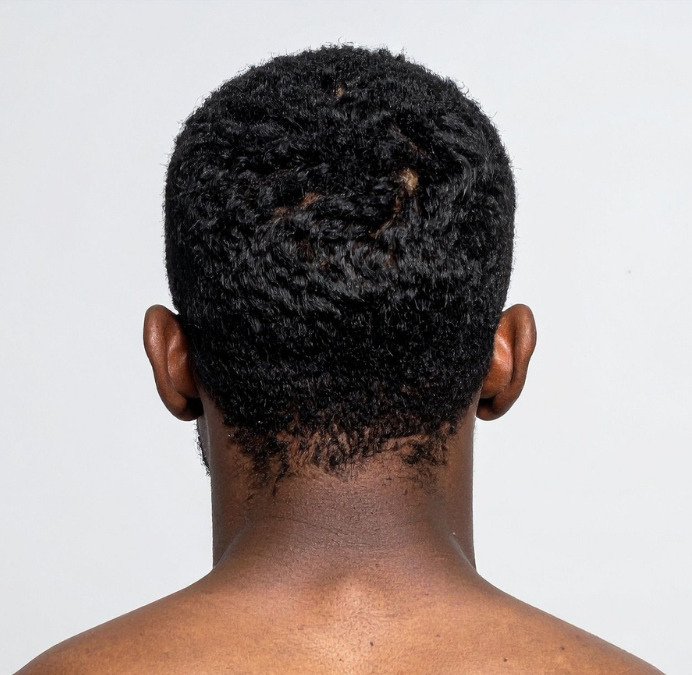
Afro hair follicles curl beneath the skin surface in a genuine C-shape or helical path, meaning a standard straight extraction punch can sever the root before it fully clears the follicle, a problem called transection that straight-hair extraction simply does not face to the same degree.
The difference between trained and untrained hands is real. Standard punch tools designed for straight follicles can transect curly grafts at rates of twenty to thirty percent when a surgeon lacks specific curl-safe training, compared to considerably lower rates achieved by genuinely experienced Afro hair specialists using curved, adapted equipment.
Curved Punches and Specialized Extraction Equipment
Curved punches with wider diameters, typically between 0.7mm and 0.9mm, allow surgeons to follow each follicle's natural curl path during extraction rather than forcing a straight trajectory that risks cutting through the root beneath the surface. This specific equipment separates a genuine Afro hair specialist from a standard clinic.
Those wider punch diameters also mean each individual graft takes marginally longer to extract than the smaller punches used on straight hair, which contributes meaningfully to the longer overall session times. That additional time is not inefficiency; it is the deliberate, careful pace genuinely necessary to keep transection rates low and protect the follicles that will determine your final density. A clinic promising an unusually fast session time for a large Afro hair case should raise genuine questions, since meeting curl-safe standards simply takes the time it takes.
Equipment quality alone never guarantees a good outcome. Even the best curved punch still depends entirely on the hands guiding it, which is exactly why surgeon experience matters more than any single instrument, and why blade sharpness consistency across an entire session matters: a degrading curved punch partway through an extended session can compromise the quality of later follicles.
Manual FUE Versus Motorized Systems
Manual extraction is not universally superior, but it does offer more direct tactile control following each follicle's curved path, a genuine advantage some specialists specifically favour for the most tightly coiled cases. Micromotor extraction works faster but demands genuinely skilled handling to avoid the elevated transection risk curly follicles present. Skilled surgeons achieve excellent results with either approach, so the underlying question remains the same: does this surgeon have documented, extensive experience handling Afro-textured hair successfully?
Who Actually Makes a Good Candidate
Stable pattern loss, traction alopecia from tight styling, and receding hairlines all respond well when adequate donor density exists, though a thorough consultation examining your specific curl tightness and scalp characteristics remains essential before any commitment.
Traction alopecia specifically often responds well, provided the underlying tension pattern that caused hair loss has genuinely stopped, since transplanting into an area still experiencing active traction damage risks compromising the new grafts too. A history of tight braids, weaves, or extensions is genuinely relevant here: the surgeon needs to distinguish between areas where the follicle itself has been permanently damaged and areas where hair could still regrow naturally once tension stops, which directly shapes which zones actually need grafts. Many surgeons recommend reduced-tension styling going forward in previously affected areas, since the same traction pattern could otherwise threaten transplanted grafts too.
Autoimmune hair loss conditions call for the same careful evaluation regardless of hair type, since certain autoimmune patterns can affect any texture similarly. Broader scalp health, including any inflammation or dandruff, is also worth discussing, since these factors can influence healing and long-term graft health.
Afro Hair Transplant Cost in Turkey
Package pricing depends on graft count, curl tightness, and clinic specialization, though patients consistently find Afro hair transplant packages in Turkey run up to roughly 60% cheaper than equivalent private care back home, and that gap generally holds even once flights and accommodation are factored into the total. An Afro hair transplant is often somewhat more expensive than a standard straight-hair procedure given the slower extraction pace and specialized equipment curl-safe technique requires, but exact pricing still depends on your specific graft count and clinic.
Turkey Versus Domestic Care
| Factor | Turkey | Domestic private care |
|---|---|---|
| Package cost comparison | Up to roughly 60% cheaper | Full domestic pricing |
| Curl-safe extraction specialization | Growing dedicated segment | Often limited, few specialists |
| All-inclusive travel packages | Standard offering | Rarely bundled |
Total cost generally scales with graft count, meaning more extensive coverage naturally costs more than addressing a smaller, contained area. A higher graft count does not automatically mean better value, though, if the surgeon's curl-safe technique falls short, making overall skill just as important as raw graft numbers. Genuine value considers surgeon skill, curl preservation, aftercare quality, and verified results together, not simply the lowest total price. A realistic budget also accounts for flights, several nights of accommodation, meals, and a cushion for incidentals, none of which the procedure cost alone captures. For a fuller overview, see our pricing in Turkey page.
What an All-Inclusive Package Typically Covers
A genuinely all-inclusive Afro hair transplant package typically bundles the procedure itself, airport transfers, hotel accommodation, and post-procedure medication into one price, though confirming exactly what is covered before booking remains essential regardless of how the package is marketed. Many reputable clinics offer fixed-price guarantees, meaning the quoted package price will not change once you arrive.
What Separates the Best Clinic From a Standard One
Ask directly whether the surgeon uses curved punches specifically designed for curl-safe extraction and has documented experience with Afro-textured hair, since this technical specialization matters considerably more than general hair transplant volume alone. The cheapest package is rarely a good sign: the elevated transection risk and slower extraction pace curly follicles demand make surgeon skill especially important, so an unusually cheap quote often signals corners cut on exactly the specialized expertise this procedure requires.
A genuinely informed search goes beyond "cheap" toward "best value" or "affordable curl-safe hair transplant reviews" to weigh price against documented expertise. Two quotes citing the same graft count and similar total price can still represent very different value once you factor in who actually performs the extraction and how much curl-safe experience that person genuinely has. Creating a simple side-by-side comparison of graft counts, technique, price, and specific surgeon credentials across two or three clinics makes meaningful differences far easier to spot.
Boutique Clinics Versus High-Volume Clinics
Clinic size matters more for Afro hair cases than for straightforward straight-hair procedures. The slower, more meticulous extraction pace curl-safe technique demands benefits substantially from a boutique clinic's typically lower daily volume and more focused surgeon attention. Whether hospital-affiliated or standalone, either model can deliver excellent care: hospital settings sometimes offer additional reassurance around emergency backup and broader medical resources, while standalone specialized clinics often maintain a more focused, streamlined experience built specifically around curl-safe extraction.
A Clinic Willing to Say No
A clinic honestly telling a prospective patient their donor supply will not realistically support their desired density demonstrates exactly the integrity worth prioritizing, even when it means turning away potential revenue. Choosing not to promise more than a specific case can genuinely deliver protects patients from disappointment far more effectively than an overly optimistic sales pitch ever could.
Verified Reviews and Trustworthy Before-and-After Photos
In reviews from other Afro hair transplant patients, look for mentions of curl preservation and natural growth direction specifically, since these are the procedure's core success markers, alongside photos taken well past twelve months and posted recently rather than years ago. What makes a before-and-after photo trustworthy is consistent lighting, hairstyle, and genuine curl pattern documentation between the before and after shots, along with a visible timestamp past the twelve-month mark, since these details are considerably harder to fake than a single polished photo.
None of the individual verification methods, photos, reviews, or video testimonials, tell the complete story alone, which makes a combined approach drawing on multiple sources genuinely the most reliable path to informed confidence. Some clinics also facilitate direct contact with past patients, either through moderated forums or introduction with patient consent, and a brief conversation can surface practical details, comfort during the procedure, communication quality, and honest satisfaction level, that formal marketing material never captures. Genuinely realistic results usually show some natural variation in density across zones, while an unbroken string of flawless photos across dozens of patients can sometimes indicate selective curation rather than typical outcomes.
The Full Recovery Timeline, Month by Month
Expect scabbing to clear within about ten days, some shock loss around week three or four as newly placed grafts settle, and full curl maturity typically arriving between month twelve and month fourteen, since curly follicles sometimes take slightly longer to reveal their true growth pattern. Most patients notice initial fine, wispy growth beginning somewhere around month three or four, though this early growth often looks noticeably different from the fuller, more textured final result. Recognizing that early growth looks genuinely different from the mature result helps prevent unnecessary worry during this transitional phase.
| Period | Typically Reported Progress |
|---|---|
| First 10 days | Scabbing clears; redness and swelling gradually settle |
| Weeks 3 to 4 | Shock loss as newly placed grafts settle |
| Months 3 to 4 | First fine, wispy growth appears |
| Months 12 to 14 | Full curl maturity and final texture develop |
Recovery is not linear: the same pattern of visible progress followed by plateaus applies equally to Afro hair results, which is completely normal regardless of curl texture. Scheduling specific check-in points, such as the four-month and eight-month marks, rather than checking progress constantly, can make gradual density change feel more noticeable and less discouraging, especially given how curl shrinkage can make early growth look sparser than it actually is.
Aftercare Once You Are Home
The core washing and protection principles stay the same as any first-time transplant, though early styling choices matter more given how tight curl can obscure new growth, making patience with styling particularly important during the first several months. The gentle-washing principle holds, but tightly coiled hair benefits from particularly gentle detangling during early cleaning to avoid unnecessary tension on fresh grafts. Avoiding direct pressure on the scalp during the first several nights helps protect fresh grafts, and the same two-to-four-week wait before heavier exercise and a similar caution around any contact sport applies regardless of hair type, since direct impact to the scalp poses an immediate risk to fresh grafts. Most surgeons recommend waiting at least three to four weeks before any close cutting near the treated area. Remote follow-up works the same way: messaging and video check-ins with your coordinator continue for months following your trip.
Swelling, Itching, and Sensation After Surgery
Similar general healing patterns apply to Afro hair patients as to straight hair patients, though the donor and recipient areas can sometimes show slightly different sensation timelines given the different follicle depth and angle involved with curly hair extraction. Smoking affects graft survival identically regardless of hair type, so the same pre-procedure guidance around quitting or cutting back applies equally, and arguably matters even more given the already elevated technical difficulty. Disclosing every medication remains just as important no matter the hair type, since blood thinners influence bleeding and healing independent of texture, and the same standard blood count, clotting function, and infectious disease screening apply as general surgical safety measures.
Hairline Design and Individualized Planning
Hairline shape preferences vary genuinely by individual rather than by ethnicity alone, though many patients specifically request sharper, more geometric definition, while others prefer a softer, rounder edge closer to their natural pre-loss shape. The angle at which coily hair naturally exits the scalp at the temples differs meaningfully from straight hair, so surgeons must calculate implantation direction with particular care to avoid a stiff, unnatural appearance at these edges. Getting the implantation angle right matters even more for Afro hair, since an incorrectly angled graft can cause regrown hair to curl in a visually unnatural direction relative to surrounding native growth.
Tightly coiled hair can create the visual illusion of fuller crown coverage than straight hair achieves with the same graft count, a genuine advantage some surgeons factor into density planning. Using appropriately sized grafts throughout different zones, finer single-hair grafts along the hairline and denser multi-hair grafts further back, creates the natural density gradient that makes results appear genuinely undetectable even accounting for curl shrinkage. Patients planning specific protective styles, twists, locs, or closely cropped cuts, benefit from discussing this directly, since styling plans can influence where density gets prioritized. Most reputable clinics draw the proposed hairline directly on the skin for patient approval before starting, and tweaking that drawn hairline beforehand is a completely normal, encouraged part of the process.
Considerations Specific to Women
Women seeking Afro hair transplants often face genuinely different considerations than men: female pattern loss in Afro-textured hair tends to present as diffuse thinning rather than a receding hairline, and traction alopecia from styling remains particularly common among women. Women generally prioritize overall density and a natural frontal hairline over the more aggressive coverage patterns men sometimes request, making density distribution planning genuinely different between the two groups even within the same texture category.
Skin Tone, Pigmentation, and Keloid Risk
Skin tone can influence how scarring presents visually, with some darker skin types showing scars as slightly hyperpigmented rather than simply pale, making surgeon experience with diverse skin tones genuinely worth confirming. Some patients with darker skin tones experience temporary post-inflammatory hyperpigmentation around the treated area during healing, a normal and typically fading response, and those prone to it may benefit from being particularly consistent about sun protection during the initial healing months.
Keloid risk relates primarily to individual skin healing tendency rather than hair type alone, though some research suggests certain skin characteristics warrant genuine pre-procedure discussion. Disclosing any personal or family keloid history upfront lets the surgeon plan extraction technique and donor site management more conservatively, sometimes including a small test extraction to observe healing before committing to the full procedure. A keloid history does not automatically disqualify someone; many patients with keloid tendency still proceed successfully with adjusted technique, smaller punch diameters, more conservative graft spacing, and closer monitoring for early keloid formation.
The Donor Zone and Graft Survival
Donor density is not uniform: it typically peaks in the mid-occipital region and tapers somewhat toward the edges, so experienced surgeons strategically prioritize extraction from the densest zones first to preserve the overall donor appearance. Distributing extraction evenly, rather than concentrating it in one visible patch, preserves a natural, undetectable donor zone even after significant graft removal. FUE leaves tiny, dot-like scars that are typically undetectable once hair grows back over them, a meaningful advantage over older strip harvesting, and one that coily hair naturally camouflages well.
When performed by genuinely skilled specialists using curl-safe technique, survival rates run comparable to straight hair procedures, typically in the 85 to 95% range, though inexperienced handling can meaningfully lower this due to transection. Most experienced clinics cap single-session extraction somewhere around four thousand to five thousand grafts given the slower, careful pace curl-safe technique demands, and particularly extensive cases requiring several thousand grafts are occasionally split across two consecutive shorter days to reduce fatigue-related errors. Many procedures fall somewhere between two thousand and four thousand grafts depending on the specific density goal, and sessions generally run longer than straight-hair procedures, often eight to ten hours.

Combining With PRP and Other Options
Several surgeons report improved graft survival when PRP is layered into Afro hair procedures specifically, particularly valuable given the elevated technical challenge curly follicle extraction can present, and periodic PRP sessions are sometimes recommended as ongoing maintenance for both transplanted and native hair. In cases with limited scalp donor supply, beard hair sometimes serves as a secondary source, though beard hair grows with different curl characteristics and must be blended strategically rather than placed in highly visible frontal zones where texture differences would be most noticeable. Scalp micropigmentation is occasionally used alongside a transplant to create the visual appearance of denser coverage between transplanted areas, though matching pigment tone accurately requires a specialist experienced with a range of skin tones. Many surgeons also recommend continuing appropriate medical treatments such as finasteride or minoxidil to protect surrounding native hair, since a transplant addresses visible bald areas but does not stop the underlying genetic process still affecting untreated hair.
Turkish Cities Offering Afro Hair Transplants
The main Turkish cities offering Afro-specific hair transplant services, listed alphabetically, include Adana, Afyonkarahisar, Alanya, Ankara, Antalya, Bodrum, Bursa, Çanakkale, Denizli, Edirne, Eskişehir, Fethiye, Gaziantep, Istanbul, Izmir, Kayseri, Kocaeli, Konya, Kuşadası, Marmaris, Mersin, Sakarya, Samsun, Tekirdağ, Trabzon, and Yalova.
| Turkish Region | Cities | Best Suited For |
|---|---|---|
| Marmara | Istanbul, Bursa, Kocaeli, Sakarya, Tekirdağ, Yalova, Edirne, Çanakkale | Widest curl-safe specialist selection |
| Aegean | Izmir, Kuşadası, Denizli, Afyonkarahisar | Lower regional pricing |
| Mediterranean | Antalya, Alanya, Mersin, Fethiye, Marmaris | Resort-style, private recovery |
| Central & Eastern Anatolia | Ankara, Konya, Kayseri, Eskişehir, Gaziantep | Verify specific Afro hair experience |
| Black Sea | Samsun, Trabzon | Travellers already in the region |
The Marmara region hosts the deepest bench of curl-safe extraction specialists in the country, anchored by Istanbul's international airports and largest concentration of clinics with documented Afro hair experience. Izmir has built a genuine reputation for curl-preserving technique, often at somewhat lower regional pricing than Istanbul's most prominent practices. Antalya's resort-recovery model appeals to many patients given the relaxed, private setting for a longer recovery stay. Fewer clinics in Central and Eastern Anatolia maintain dedicated curved-punch specialization, so patients considering these cities should confirm specific Afro hair experience directly. Surgeon expertise ultimately matters more than city choice alone, and a somewhat lower regional price rarely compensates for meaningfully less documented curl-safe experience.
How Turkey Compares to Other Medical Tourism Destinations
Mexico's medical tourism sector runs solid generally, though genuine curl-safe extraction specialization remains considerably less developed than what Turkish clinics have built through sheer procedure volume over the past decade. Thailand and India both offer growing medical tourism infrastructure, but dedicated curved-punch specialists remain considerably harder to find outside Turkey's concentrated hair transplant ecosystem. Hungary, Poland, and the Czech Republic excel in dental and general cosmetic tourism, yet their Afro hair transplant sectors remain considerably smaller in scale. South Korea brings respected cosmetic credentials to the table, though its pricing sits meaningfully higher, and Costa Rica, Colombia, and Malaysia together maintain considerably smaller, less specialized Afro hair sectors overall. The combination of dedicated curl-safe surgeon experience, competitive pricing, and well-established international patient infrastructure simply is not matched elsewhere at the same scale.
Accreditation, Safety, and Logistics
Confirm Ministry of Health licensing directly, and ask specifically about the surgical team's documented case volume with Afro-textured hair, since general accreditation does not necessarily confirm curl-safe extraction expertise. Hospital-grade accreditation standards hold steady no matter the hair type, since sterilization and safety protocols do not shift between straight and curly hair procedures. Extended procedure times also mean anesthesia needs careful, ongoing management throughout, which is exactly why having a dedicated anesthesia specialist on staff matters for these longer, more technically demanding sessions.
Visa requirements do not differ by procedure: citizens of many countries receive identical visa-free or e-visa entry for short tourist stays regardless of which specific procedure brought them to Turkey. Across nearly all Turkish clinics, WhatsApp continues serving as the standard communication channel, and the same credit-card deposit-plus-balance structure and standard cancellation terms apply no matter the hair type, though confirming exact conditions before booking always remains a sensible precaution. Most clinics also partner with third-party financing providers, so asking directly about payment flexibility beats assuming everything is due upfront.
Red Flags Specific to Afro Hair Bookings
- A clinic without curved punches or curl-specific extraction equipment, or one claiming standard straight-hair equipment works fine for any hair type.
- No dedicated Afro hair portfolio separate from general straight-hair results, or a portfolio showing only borderline wavy examples.
- Pressure to book without discussing realistic transection risk and how it is managed.
- Vague answers about the surgeon's specific experience with tightly coiled hair patterns, or an unusually high hourly extraction rate that may signal rushed technique.
Consultation Green Flags
A trustworthy Afro hair consultation includes honest discussion of transection risk and how it is managed, examination of your specific curl tightness, and a portfolio genuinely showing tightly coiled hair results. A video consultation is especially useful here: a surgeon can often assess your curl tightness and donor density well before you commit to travel, giving you a realistic graft estimate and technique plan early. Clear, well-lit photos taken from multiple angles, front, top, and both sides, genuinely improve the accuracy of any remote estimate, though final numbers typically get confirmed once the surgeon examines your scalp in person. Getting a second opinion is worthwhile, since different surgeons sometimes propose meaningfully different extraction approaches for tightly coiled hair. Expect a thorough consultation to take somewhere between thirty and fifty minutes.
Planning Your Trip
Stay close to the clinic, use the included airport transfer service, and arrive a day early to adjust for jet lag. A credit card without foreign transaction fees simplifies currency handling, and major cities offer wide-ranging dietary options throughout the stay. Most quality hotels and clinics maintain comfortable, climate-controlled environments, so external weather has little meaningful impact on recovery, though extreme summer heat can heighten general swelling sensitivity, making early-morning scheduling and good hydration sensible precautions in warmer months. Lightweight caps or hats prove useful during the first week when redness and swelling remain most visible, particularly if travelling home before full healing. Some patients extend their trip to explore historical sites or coastal regions once the initial recovery window has safely passed, though balancing sightseeing with the practical need to rest and protect fresh grafts takes some planning.
General wellness supports smoother healing: a balanced diet rich in protein and vitamins, adequate sleep, and staying genuinely well-hydrated in the days surrounding your procedure all help, and hydration in particular can help minimize swelling. No specific miracle food accelerates the underlying biological timeline, and any supplement plan, including biotin or a multivitamin, should be discussed directly with your surgical team rather than self-prescribed. Most surgeons recommend keeping a first-time transplant trip focused rather than combining multiple significant procedures, since that can complicate recovery and make it harder to isolate which intervention is responsible for specific results.
Glossary of Afro Hair Transplant Terms
| Term | What It Means |
|---|---|
| Transection | Accidental cutting of a follicle root during extraction |
| Curl shrinkage | Visual shortening of coiled strands compared to their true length |
| Curved punch | Extraction tool shaped to follow a follicle's natural curl path |
| Manual FUE | Hand-operated extraction offering greater tactile curl control |
| Graft | The small tissue unit extracted; one graft can contain multiple follicles producing multiple hairs |
| Follicle | The structure that grows a single hair |
Common Afro Hair Transplant Myths, Debunked
- "Afro hair cannot be transplanted successfully." False, definitively. With proper curved-punch technique and an experienced surgeon, Afro hair transplants achieve results comparable to any other hair type.
- "Afro hair transplants always require more grafts." Not necessarily. While curl shrinkage sometimes means density planning accounts for visual coverage differently, graft count depends primarily on the area needing coverage rather than hair type alone.
- "Transplanted Afro hair loses its natural curl pattern." False when performed correctly. Grafts retain their genetic curl characteristics permanently and continue growing with the same natural texture as before.
Rare Complications and Long-Term Permanence
Elevated transection risk during extraction and a somewhat higher general tendency toward keloid scarring in certain skin types both warrant genuine attention, making surgeon experience with this specific hair type particularly important. Beyond that, transplanted follicles carry the same donor-area genetic resistance regardless of texture, meaning Afro hair transplant results remain equally permanent once fully established, following the same genetic curl pattern as before. A skilled surgeon typically favours a conservative, sustainable hairline design given donor-supply considerations, since native hair surrounding the transplant may continue thinning naturally over the following years, and thoughtful density planning, appropriate donor management, and resisting overharvesting together produce a result that continues looking natural as facial features age.

Final Considerations at a Glance
| Consideration | What to Look For |
|---|---|
| Extraction equipment | Curved punches specifically designed for curl-safe extraction |
| Surgeon experience | Documented case volume with Afro-textured hair specifically |
| Transection rate transparency | Willingness to discuss risk honestly and how it is managed |
| Density planning approach | Genuine understanding of curl shrinkage effect on visual coverage |
A written treatment plan specifying the extraction technique, graft estimates, and inclusions protects both parties and gives you something concrete to reference on procedure day. Trichoscopic imaging documents follicle condition, curl pattern beneath the skin, and donor viability with clinical precision, giving both patient and surgeon an objective starting point, and arriving with photos taken from multiple angles under consistent lighting gives a specialist considerably more to work with than a single snapshot.
In Summary: A Curl-Safe, Well-Researched Decision
Afro-textured hair follicles curl beneath the skin in a genuine C-shape, requiring curved punches and skilled, curl-safe technique to avoid the elevated transection risk straight-hair methods simply do not face. Turkish clinics deliver this specialized work at up to roughly 60% below domestic private pricing, but the real differentiator between a satisfying and disappointing result always comes down to whether your specific surgeon has documented, extensive experience with tightly coiled hair, not the price tag alone. Verify that experience directly, confirm curved-punch equipment, check fresh independent reviews, examine timestamped before-and-after photos matching your own curl pattern, and give the twelve-to-fourteen-month timeline the patience it genuinely requires.
To go further, read our dedicated Afro Hair Transplant in Turkey procedure page for how the intervention is performed, review package details on our pricing in Turkey page, or explore the full hair transplant in Turkey hub. When you are ready, you can request a free quote tailored to your curl pattern and goals, with no obligation.