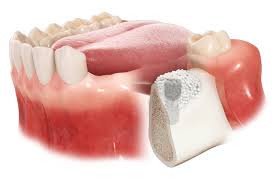
Afro-textured hair transplantation adapts the FUE and DHI principles already detailed throughout our dedicated content to address the genuinely distinct follicular anatomy of tightly curled and coiled hair, since the same extraction and implantation techniques that work reliably on straight or wavy hair carry meaningfully higher graft transection risk when applied without specific technique modification to curved, corkscrew-shaped follicles beneath the skin.
This page is part of our hair transplant in Turkey hub, within the broader aesthetic surgery in Turkey section. Below you will find exactly what makes curly follicle anatomy technically different, who is a genuine candidate, the complete process adapted for this hair type, realistic results, risks worth understanding, and the practical details for pursuing this in Turkey. At any time you can request a free quote, with no obligation.
Understanding why curl pattern extends below the skin surface
The defining technical challenge in this procedure stems from a specific anatomical reality: the curl visible above the scalp continues beneath the skin surface as well, meaning the follicle itself follows a curved, sometimes tightly coiled path through the dermis rather than the relatively straight path typical of straight or wavy hair follicles. A standard circular punch, designed around the assumption of a straight follicular path, can sever a curved follicle partway through its curve, a specific complication called transection that destroys that individual graft's viability entirely.
Why this anatomical reality requires genuine technique modification
Surgeons experienced with this hair type adjust their punch angle continuously during extraction, essentially following the follicle's curve in real time rather than applying a single fixed angle throughout, and some surgeons also use a slightly larger punch diameter specifically to accommodate this curved path without excessive transection risk. This adaptive, curve-following approach requires meaningfully more surgical judgment and experience than the more standardized angle used for straight hair, directly explaining why transection rates vary so significantly between surgeons specifically experienced with textured hair and those without this specific training. These extraction principles build directly on the FUE hair transplant and DHI hair transplant techniques detailed in our dedicated content.
Comparison table: Afro-textured extraction vs. straight-hair extraction
| Criterion | Afro-textured hair extraction | Straight-hair extraction |
|---|---|---|
| Sub-surface follicle path | Curved, sometimes tightly coiled | Relatively straight |
| Transection risk without adapted technique | Significantly elevated | Comparatively lower |
| Punch angle approach | Continuously adjusted to follow the curve | Generally more fixed and consistent |
| Surgeon-specific experience impact on outcome | Particularly significant | Present but less pronounced |
Who is a genuine candidate for this procedure
- Confirmed genetic pattern hair loss with a stable, healthy donor zone, following the same fundamental candidacy principles already detailed in our foundational content.
- Access to a surgeon with specifically documented experience extracting curly or tightly coiled follicles, given this hair type's distinct transection risk profile.
- Realistic expectations about graft yield, since even skilled extraction of curved follicles sometimes yields a somewhat lower usable graft percentage than straight-hair extraction achieves.
Indications and contraindications specific to this hair type
| Common indications | Contraindications or precautions |
|---|---|
| Genetically confirmed pattern loss with tightly curled or coiled native hair texture | The same donor stability and diagnostic considerations relevant to any transplantation candidate |
| A stable donor zone with adequate follicle density for extraction | Excessively tight coiling that a specific surgeon's experience level cannot safely accommodate |
| Realistic understanding of this hair type's specific technical considerations | Keloid-prone scarring tendency, which some patients with this hair type may need to discuss specifically with their surgeon |
Step-by-step: what the procedure involves
Before the procedure
Your surgical team specifically examines your individual curl pattern and coiling tightness, since this varies considerably between individuals even within the broader category of Afro-textured hair, and plans their extraction approach accordingly.
During the procedure
Extraction proceeds using a continuously adjusted punch angle following each follicle's specific curved path, generally requiring more time per graft than straight-hair extraction, while implantation follows the same FUE or DHI principles already detailed in our dedicated content, with attention to preserving the natural curl direction during placement.
After the procedure
Recovery follows a similar timeline to standard FUE, though surgeons experienced with this hair type sometimes note a modestly different visible healing pattern given differences in scalp and follicle characteristics.
Recovery timeline
| Period | Typically reported progress |
|---|---|
| Days 1 to 10 | Scabbing and mild swelling, following a generally similar pattern to standard FUE recovery |
| Weeks 3 to 6 | Transplanted hair sheds as follicles enter a resting phase |
| Months 3 to 6 | New growth begins emerging, gradually revealing the natural curl pattern as hair lengthens |
| Months 9 to 12 | Final density and curl integration become fully apparent |
Expected results and longevity
Results follow the same permanent, donor-dominance-based principle already detailed in our foundational content, with the specific additional consideration that achieving this permanent result depends more heavily on successful, low-transection extraction than with straighter hair types, making surgeon-specific technique and experience an even more significant determinant of overall graft survival and final yield.
Risks and possible complications
- Elevated transection risk without properly adapted technique, directly reducing the number of viable grafts available for transplantation regardless of how many extraction attempts were made.
- Keloid or hypertrophic scarring tendency, which some patients with this hair type and skin characteristics experience at a higher rate, worth discussing directly during consultation.
- The same general risks already detailed in our foundational content, including folliculitis and shock loss affecting surrounding native hair.
- A potentially lower usable graft yield relative to total extraction attempts, even under skilled technique, given this hair type's inherent anatomical complexity.
The rigorous medical oversight behind Turkey's hair restoration industry
Turkey's Ministry of Health framework for international patients and Joint Commission International accreditation held by many leading facilities apply to this procedure exactly as they do to standard FUE, though verifying your specific surgeon's documented experience with this particular hair type matters considerably more here than general clinic accreditation alone.
Why surgeon-specific experience with this hair type matters more than general reputation
A clinic's overall reputation, built predominantly on cases involving straight or wavy hair, does not automatically translate into genuine competency extracting tightly curled follicles without excessive transection. Asking directly how many Afro-textured cases a specific surgeon has personally performed, and requesting to see their specific before-and-after results from this particular patient population, represents an essential verification step distinct from general clinic credentials.
Understanding individual variation within Afro-textured hair itself
It is worth understanding that curl tightness and coiling pattern vary considerably even among patients broadly categorized as having Afro-textured hair, meaning a surgeon's experience with one specific curl pattern does not automatically guarantee equal proficiency across the full spectrum of textures this broader category includes. A thorough surgeon examines your specific individual pattern directly rather than applying a single generalized approach to every patient within this broader hair type category.
The value of understanding scarring considerations specific to this skin and hair type
Some patients with this hair type and associated skin characteristics experience a higher tendency toward keloid or hypertrophic scarring, a consideration relevant both at the donor extraction site and, for FUT-based approaches elsewhere in our content, along any linear incision. Discussing your own personal and family scarring history directly with your surgeon supports appropriate technique selection and honest risk communication specific to your situation.
Quality signals worth looking for in a clinic
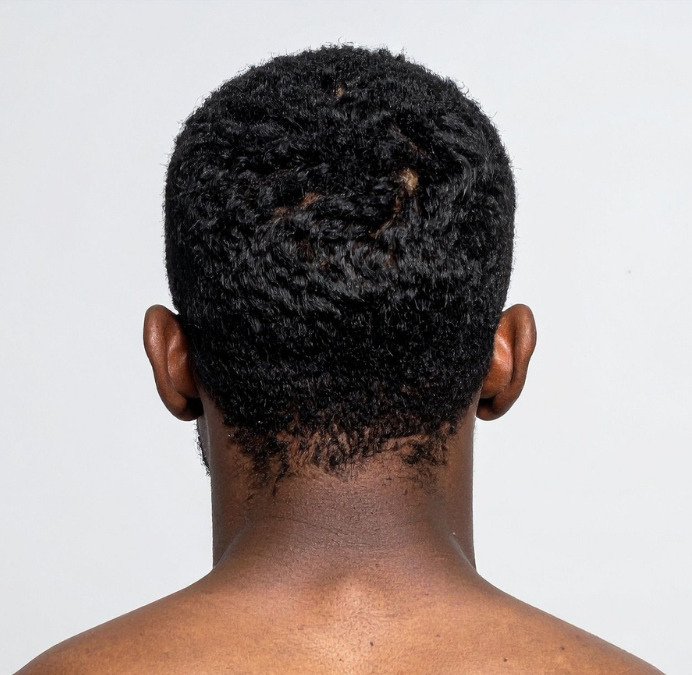
A genuinely experienced provider for this specific hair type demonstrates documented case volume with curly and coiled follicles specifically, discusses transection rate management honestly, and shows before-and-after results from patients whose hair texture and curl pattern genuinely resemble your own rather than generic results from a broader, predominantly straight-hair patient population.
Preparing for your consultation
Bring clear, close-up photographs of your specific curl pattern and donor zone density, and ask directly about your prospective surgeon's specific experience and typical transection rate when working with hair texture similar to your own.
Maintaining continuity of care between Turkey and Canada
Request a written record of your specific graft count, both attempted and successfully transplanted, since this yield detail provides meaningful context for any future consultation regarding additional sessions.
Patient experiences reported with this procedure
Many patients specifically seeking surgeons with documented Afro-textured hair experience describe genuine relief at finding a provider who addressed their specific anatomical considerations directly, having sometimes previously encountered general clinics without this particular specialization.
Combining this procedure with other treatments
This procedure is frequently combined with PRP hair treatment already detailed in our dedicated content to support the health of surrounding native hair, and some patients also discuss scalp health considerations specific to their hair type and styling practices as part of a broader care conversation.
Why a second opinion matters for this decision
Given how significantly transection risk and final yield depend on surgeon-specific experience with this particular hair type, comparing documented case volume and results between two consultations is genuinely valuable before committing to this more anatomically demanding procedure.
Questions worth asking during your consultation
Ask specifically how many procedures your surgeon has personally performed on hair texture matching your own, what typical transection rate they achieve with this hair type, and how they specifically adjust their technique to accommodate your individual curl pattern.
Understanding the FUE versus FUT consideration for this hair type
Some surgeons discuss FUT, the strip harvesting method, as an alternative extraction approach worth considering for certain Afro-textured cases, since removing a strip of scalp tissue and dissecting individual follicular units under microscopic visualization afterward can sometimes reduce transection risk compared to blind punch extraction directly through curved follicles at the skin surface. This approach trades FUE's lack of a linear scar for potentially improved graft yield in particularly tightly coiled cases, a genuine trade-off worth discussing directly with a surgeon experienced in both approaches for this specific hair type.
Understanding why donor density assessment requires particular care
Afro-textured hair often grows in a pattern where follicular units contain a different typical hair count per unit compared to straight hair, and accurately assessing your specific donor density requires a surgeon genuinely familiar with these hair-type-specific norms rather than applying density benchmarks and expectations calibrated primarily around straight-hair patient populations.
Understanding the importance of post-operative care adapted to this hair type
Post-operative care instructions, including washing technique and product recommendations, sometimes require adaptation for textured hair and its associated scalp characteristics compared to generic aftercare instructions written primarily with straight hair in mind. A surgeon experienced with this population typically provides more tailored guidance regarding appropriate products and specific washing technique during the sensitive early healing period.
Understanding why community knowledge and patient networks matter particularly here
Given how significantly outcomes for this specific hair type depend on surgeon-specific experience rather than general clinic reputation, patient communities and networks specifically focused on hair restoration for this population often provide particularly valuable, detailed firsthand accounts of specific surgeons' actual transection rates and results, complementing the more general research steps already outlined throughout this content.
Afro hair transplant pricing in Turkey
| Pricing factor | Cost impact |
|---|---|
| Graft count required, accounting for this hair type's typical yield considerations | A primary factor influencing overall cost |
| Specific surgeon experience level with this particular hair type | Can influence overall cost given the specialized skill involved |
For a full breakdown of what shapes the final figure, see our pricing in Turkey overview, or request a free quote tailored to your graft count and curl pattern.
Why Turkey has become a destination for Afro-textured hair restoration
Turkey compared to other medical tourism destinations
| Criterion | Turkey | Tunisia | Costa Rica | Dominican Republic | Colombia | Mexico |
|---|---|---|---|---|---|---|
| Common clinic language | English widely spoken, growing French support | French and English widely spoken | Spanish, limited English | Spanish, variable English | Spanish, variable English | Spanish, variable English |
| Documented experience with this specific hair type | Growing at leading specialized clinics | Good availability | Variable | Variable | Good availability | Good availability |
| Estimated pricing level | Particularly accessible | Accessible | Moderate to high | Moderate | Moderate | Moderate |
| Direct flight access from Canada | Direct flights to Istanbul | Generally via a European stopover | Variable | Variable | Variable | Variable |
The Turkish cities most recognized for this procedure
Istanbul's exceptionally high overall procedure volume has led some leading clinics to develop specific, documented expertise with Afro-textured hair alongside their broader straight-hair caseload, though verifying this specific specialization directly remains essential given that overall volume does not automatically guarantee this particular expertise. Antalya, Izmir, and Ankara also host clinics worth evaluating on this same specific criterion.
Why Canadians with this hair type consider Turkey for this procedure
Patients from Toronto, Montreal, Calgary, Ottawa, Edmonton, Winnipeg, Quebec City, Hamilton, Kitchener, London, Victoria, Halifax, Oshawa, Windsor, Saskatoon, Regina, Sherbrooke, St. Catharines, Barrie, Kelowna, Abbotsford, Kingston, Trois-Rivières, Guelph, Moncton, Brantford, Saint John, Peterborough, Thunder Bay, Saguenay, Lethbridge, Nanaimo, Kamloops, Belleville, Chilliwack, Drummondville, Sudbury, Sarnia, Wood Buffalo, and Fredericton research this procedure in Turkey, specifically seeking documented Afro-textured hair experience alongside pricing considerably below typical Canadian private clinic rates.
How to choose a clinic for this procedure
- Confirm the facility holds recognized accreditation and operates under direct physician supervision throughout the procedure.
- Ask specifically for documented case volume and typical transection rate with Afro-textured or tightly coiled hair specifically, not general clinic statistics alone.
- Request before-and-after results specifically from patients whose curl pattern and hair texture genuinely resemble your own.
Planning your medical trip to Turkey
- Entry requirements: Canadian citizens generally need an electronic visa before departure.
- Flights and transfers: several airlines offer direct service from major Canadian cities to Istanbul.
- Length of stay: plan for four to five days, allowing time for the procedure, which may take somewhat longer per graft than straight-hair extraction, and an initial follow-up before flying home.
In summary: a technically distinct procedure requiring specific expertise
Afro-textured hair transplantation requires genuine technique adaptation to safely navigate curved, coiled follicle anatomy beneath the skin, making surgeon-specific experience with this particular hair type considerably more important than general clinic reputation alone. Turkey's leading specialized clinics have developed documented expertise in this specific area worth verifying directly.
Before making a decision, request specific documentation of your prospective surgeon's case volume and results with hair texture similar to your own. Patients interested in a personalized assessment can request a free quote from the Aylan Clinic team to receive information suited to their specific hair type, curl pattern, and donor zone characteristics. To explore further, visit our hair transplant in Turkey hub or the broader aesthetic surgery in Turkey section.

Everything about Afro Hair Transplant in Turkey
Technique, pricing, results and the full patient journey — every detailed answer in our complete guide.