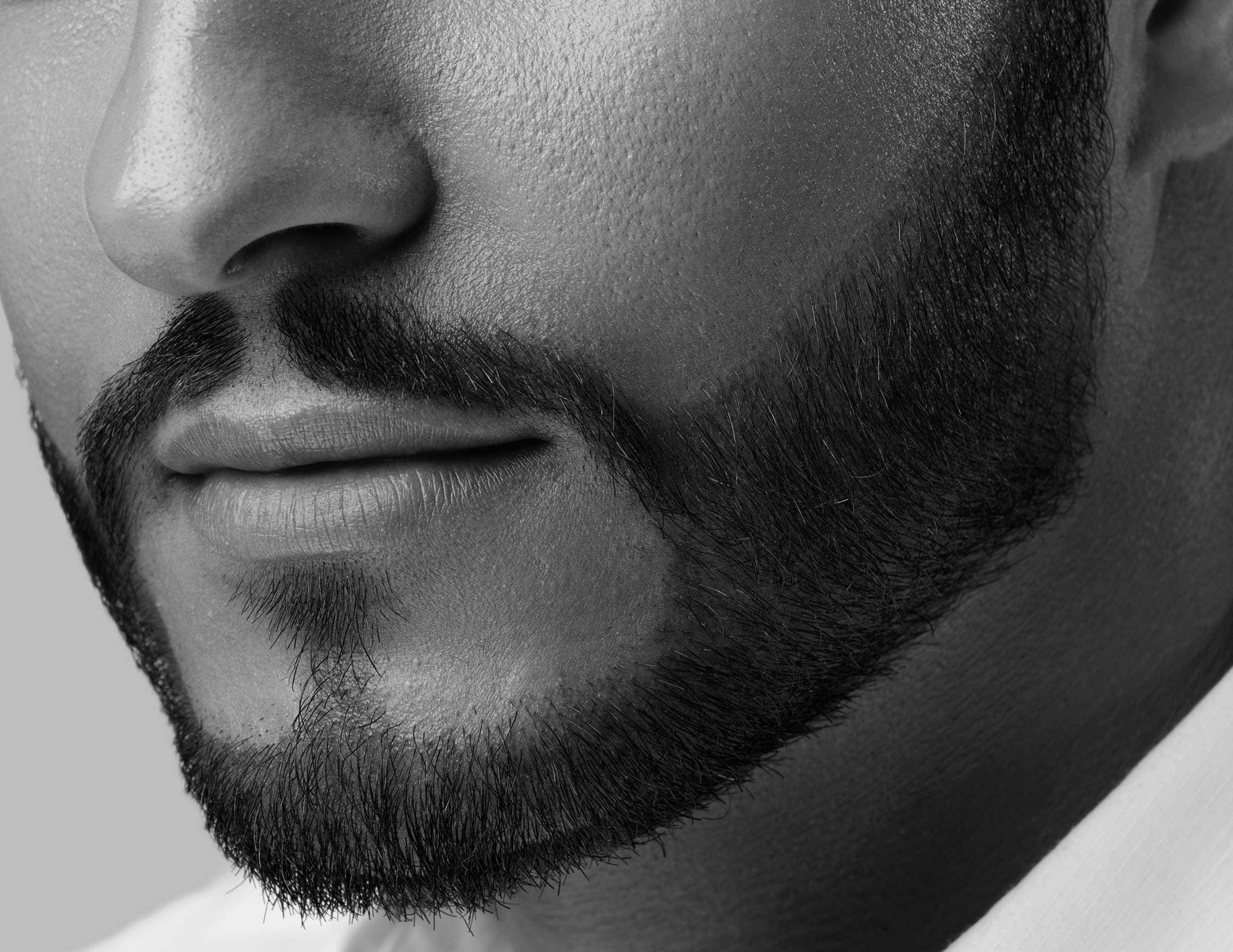
A beard transplant relocates individual hair follicles, usually taken from the back of the scalp, into patchy or sparse areas of the beard and jawline to create a fuller, more even growth pattern. The extraction works exactly like scalp FUE, but implantation into facial skin demands a very different angle strategy, since beard hair grows at a much sharper angle than scalp hair. Patients comparing the best hair transplant clinics Turkey has to offer increasingly consider this procedure alongside scalp work, drawn by skilled surgeons and pricing that can run up to roughly 60% below equivalent private care in Canada.
This guide complements our dedicated Beard & Mustache Transplant in Turkey procedure page, which covers exactly how the operation is performed, your stay, and aftercare. It sits within our wider hair transplant in Turkey section. Below you will find how a beard transplant works, who makes a genuine candidate, what it costs to consider, the full recovery timeline, and how to choose a clinic honestly. At any time you can review our pricing in Turkey or request a free, no-obligation quote. Aylan Clinic built this resource to help you compare your options honestly.
What a Beard Transplant Actually Is
The extraction process works identically to scalp FUE, pulling individual follicles from the donor area. Implanting them into facial skin, however, requires a different angle strategy, since beard hair typically grows at a much sharper angle than scalp hair. This matters enormously: a beard growing at an unnatural angle reads as obviously transplanted almost immediately, making the surgeon's attention to natural growth direction arguably more critical here than in nearly any other zone of the body.
Facial skin also has naturally different elasticity compared with scalp skin, which requires surgeons to adjust their implantation technique slightly, another reason dedicated facial hair experience matters beyond general scalp expertise.
How the Beard Transplant Procedure Works, Step by Step
Extraction proceeds the same way as scalp FUE, followed by careful mapping of the jawline and cheek area, then implantation at the sharp angles beard hair naturally grows at. The process generally takes four to six hours depending on graft count, somewhat shorter on average than a full scalp procedure given the typically smaller treated surface area.
| Time | What Happens |
|---|---|
| Morning | Blood work, facial hair mapping consultation, marking growth angles |
| Mid-morning | Local anesthetic and scalp donor extraction begins |
| Midday to afternoon | Implantation following the mapped angles, typically with a break |
| Late afternoon | Final grafts placed, post-procedure instructions given |
Beard transplant days often run shorter than full scalp days: the typically smaller treated surface area generally means a shorter overall procedure, though exact timing still depends on your specific graft count.
Who Actually Seeks Out a Beard Transplant
Patchy patches along the cheeks, thin coverage on the jawline, or an inability to grow a full, connected beard despite otherwise normal scalp hair all commonly bring patients to explore this option. Some patients also seek a beard transplant purely for density enhancement or jawline definition, even without significant patchiness. Others switch from daily concealer routines or beard-filling products to a permanent solution, seeking a lasting fix over ongoing maintenance, and many describe a genuine sense of relief once they no longer plan their morning routine around covering sparse areas.
Who Makes a Good Beard Transplant Candidate
Candidacy depends largely on donor hair availability and skin condition. A thorough consultation examining both your beard pattern and scalp donor supply determines whether this procedure genuinely fits your case, rather than a blanket assumption that any patchy beard qualifies.
- Patchy cheeks, a thin or uneven jawline, or gaps connecting to the mustache, alongside adequate scalp donor supply.
- Facial hair growth that has genuinely stabilized: many surgeons prefer waiting into the mid-twenties or later, since patchiness patterns can still shift into a person's late twenties.
- Good general health and realistic expectations about density and about a full-maturity timeline that stretches up to a year.
Beard Transplant Turkey Cost
Package pricing depends on graft count and clinic reputation, though patients consistently find beard transplant packages in Turkey run up to roughly 60% cheaper than equivalent private care in Canada, a gap that holds even once flights and accommodation are factored into the total. A beard transplant is often somewhat cheaper than a full scalp procedure given the typically smaller graft count required, though exact pricing still depends on your specific patchiness extent and clinic reputation.
When evaluating quotes, request a breakdown covering surgeon experience specifically with facial hair, graft count, and aftercare, rather than comparing bottom-line totals that can hide meaningfully different service levels. Many clinics offer per-graft savings at higher volumes, but total package value and inclusions matter more than chasing per-graft discounts alone. A few hundred dollars difference between reputable clinics matters far less than surgeon quality and genuine expertise.
Beard Transplant: Turkey vs Canada
| Factor | Turkey | Canada |
|---|---|---|
| Package cost comparison | Up to roughly 60% cheaper | Full domestic pricing |
| Surgeon experience with facial hair specifically | Typically extensive | Typically limited |
| All-inclusive travel packages | Standard offering | Rarely bundled |
Best Clinic for a Beard Transplant in Turkey
Facial hair growth angles differ meaningfully from scalp hair, so ask directly to see beard-specific before-and-after results rather than general scalp portfolio photos when comparing your options. The precise angle work this procedure demands makes surgeon skill even more important than with scalp work, so an unusually cheap quote deserves real scrutiny: the cheapest package is rarely the best value.
The strongest candidates tend to share common traits: a surgeon-led approach, capped daily patient volume, and verifiable long-term results over flashy marketing. A lower daily cap generally means your surgeon is not stretched across too many cases at once, allowing more focused attention throughout your procedure. A clinic that added beard work recently as a trend-chasing service differs meaningfully from one with years of dedicated facial hair case volume, a distinction worth verifying directly.
A Canadian Checklist for Beard Work
- Does the surgeon have specific, extensive experience with facial hair angle mapping?
- Are beard-specific before-and-after photos available and verified, dated past twelve months?
- Does the clinic explain realistic density expectations for your specific patchiness pattern?
- Is aftercare support available once you are home?
Verified Reviews on Beard Transplant Turkey
Look for reviews mentioning natural growth direction and density specifically, since these are the procedure's core success markers, alongside photos taken well past twelve months. Genuinely realistic results usually show some natural variation in density and thickness, while an unbroken string of flawless photos across dozens of patients can sometimes indicate selective curation. Because a clinic's overall scalp results do not necessarily reflect their specific facial hair skill, beard-specific review filtering is genuinely worthwhile. Searching "beard transplant before and after" alongside a clinic name is a useful verification step, revealing whether independently posted results match what the clinic showcases on its own website.
Turkish Cities Offering Beard Transplants
The main Turkish cities offering beard transplant services, listed alphabetically, are: Adana, Afyonkarahisar, Alanya, Ankara, Antalya, Bodrum, Bursa, Çanakkale, Denizli, Edirne, Eskişehir, Fethiye, Gaziantep, Istanbul, Izmir, Kayseri, Kocaeli, Konya, Kuşadası, Marmaris, Mersin, Sakarya, Samsun, Tekirdağ, Trabzon, and Yalova.
| City | What It Is Known For |
|---|---|
| Istanbul | Widest selection of beard-specific specialists |
| Antalya | Resort-style packages bundled with recovery stays |
| Izmir | Growing beard transplant clinic scene, lower regional pricing |
Turkey by Region: Where Beard Transplant Clinics Cluster
The Marmara region hosts the deepest bench of beard-specific surgeons in the country, anchored by Istanbul's international airports and largest concentration of accredited clinics. The Aegean, and Izmir in particular, has built a genuine reputation for facial hair restoration, often at somewhat lower regional pricing. Antalya's resort-recovery model in the Mediterranean works well given the relatively shorter recovery window compared with full scalp work. In Central and Eastern Anatolia, fewer clinics specialize specifically in beard restoration, so confirm facial hair experience directly. The Black Sea region has a smaller presence overall, generally better suited to patients already travelling through the area.
| Turkish Region | Cities | Best Suited For |
|---|---|---|
| Marmara | Istanbul, Bursa, Kocaeli, Sakarya, Tekirdağ, Yalova, Edirne, Çanakkale | Widest beard specialist selection |
| Aegean | Izmir, Kuşadası, Denizli, Afyonkarahisar | Lower regional pricing |
| Mediterranean | Antalya, Alanya, Mersin, Fethiye, Marmaris | Resort-style recovery |
| Central & Eastern Anatolia | Ankara, Konya, Kayseri, Eskişehir, Gaziantep | Domestic-focused, verify beard experience |
| Black Sea | Samsun, Trabzon | Travellers already in the region |
Turkey vs Other Destinations
Mexico's medical tourism sector is solid generally, but beard-specific specialization remains considerably less developed than what Turkish clinics have built through sheer procedure volume over the past decade. Thailand and India both offer growing medical tourism infrastructure, though dedicated facial hair specialists remain harder to find outside Turkey's concentrated hair transplant ecosystem. Hungary, Poland, and the Czech Republic excel in dental and general cosmetic tourism, but their hair transplant sectors, and beard restoration specifically, remain considerably smaller in scale. South Korea carries strong cosmetic credentials but at meaningfully higher pricing, while Costa Rica, Colombia, and Malaysia all maintain smaller, less specialized hair transplant sectors overall. The combination of dedicated facial-hair-specific surgeon experience, competitive pricing, and well-established international patient infrastructure simply is not matched elsewhere at the same scale.
"Beard Transplant Near Me": Why Turkey Still Wins
Checking local options for comparison is a reasonable first step, though most people searching "beard transplant near me" quickly find domestic per-graft pricing runs considerably higher than an all-inclusive Turkish package.
Provincial Health Coverage
Coverage simply is not available. Beard transplants are classified as cosmetic procedures exactly like scalp work, so OHIP, MSP, AHCIP, and every other provincial plan excludes them entirely. Neither public health plans nor most private insurance policies provide any coverage. A completed, healed beard transplant with no ongoing complications generally has no bearing on future insurability, since it represents a completed cosmetic procedure rather than an ongoing medical condition, and it typically does not require special disclosure on standard health or travel insurance applications.
The Full Recovery Timeline, Month by Month
Expect scabbing to clear within about a week, shock loss of the transplanted hairs around week three or four, and full maturity typically arriving between month eight and month twelve, somewhat faster on average than scalp results. The pattern of visible progress followed by plateaus is completely normal, and some patients report subtle continued thickening even past twelve months, representing incremental refinement rather than dramatic change. Genetic factors, age, and general health all influence individual healing speed, so treat the twelve-month timeline as a general guideline rather than a rigid deadline, and track your own pace with consistent monthly photos.
| Period | Typically Reported Progress |
|---|---|
| Week 1 | Scabbing clears; mild swelling around the jaw and cheeks, temporary itching, some numbness |
| Weeks 3 to 4 | Shock loss of transplanted hairs, an expected part of the cycle |
| Months 3 to 6 | Gradual regrowth begins; useful check-in points to gauge progress |
| Months 8 to 12 | Full maturity and final density become apparent |
Aftercare Once You Are Back Home
The core principles stay the same as scalp aftercare, though gentle shaving guidance around the treated area during early recovery adds a facial-hair-specific consideration. Most surgeons recommend waiting at least two to three weeks before shaving the treated area directly, and the same minimum applies to trimming, giving grafts adequate time to settle before introducing a razor. Avoid direct pressure on the face during the first several nights to protect fresh grafts, and apply the same two-to-four-week wait before heavier exercise as with scalp procedures.
Contact sports deserve extended caution: any direct impact to the face poses an even more immediate risk to fresh facial grafts than scalp impacts would. The gentle-washing principle stays the same, though the facial area requires particular care around the mouth and nose during early cleaning. Normal eating and talking do not meaningfully threaten properly placed grafts, so soft-food restrictions are not medically necessary, though some patients prefer eating gently for the first couple of days out of caution. Ongoing telemedicine follow-up, through messaging and video check-ins with your coordinator, continues for months after your trip.
Sun Exposure and Seasonal Timing
Facial sun exposure requires more caution than scalp exposure during recovery, since the face receives more consistent daily sun and a hat cannot shield it the way it shields the scalp. Most surgeons recommend waiting until initial scabbing has cleared, typically around ten days to two weeks, before applying sunscreen directly to the treated area; simply avoiding prolonged direct sun during the first two weeks offers the most reliable protection. Cooler months can feel more comfortable for facial healing given lower sweat and sun exposure, though clinics manage recovery successfully across all seasons with appropriate guidance.
Diet and Everyday Life
A protein-rich diet with adequate vitamins generally supports healthy healing and growth, the same nutritional principle that applies to scalp transplants. Normal facial expressions, smiling, and talking pose no real risk to healing grafts. Beyond the specific washing, sun protection, and shaving guidance, most aspects of daily life continue entirely normally during recovery.
Technical Detail: The Art of a Natural Beard Line
Most surgeons plan a deliberate density gradient, generally denser along the jawline and chin with slightly less density on the upper cheeks, mirroring how natural beard growth distributes. Several boundary details carry outsized weight:
- The neck line: an improperly placed neck line can look artificial regardless of how well the rest of the beard blends, making this boundary one of the more technically important details to discuss upfront.
- The cheek line: an inconsistent or unnatural upper-cheek boundary can undermine an otherwise excellent result and matters just as much as the neck line.
- Mustache connection: bridging the gap between mustache and beard is one of the more commonly requested improvements, since a gap here can make an otherwise full beard look visibly incomplete.
- Jawline definition: strategically placed grafts along the jaw contour can create a noticeably sharper, more defined line, a goal some patients pursue independent of general patchiness.
- Sideburns: largely similar in technique, though sideburn work involves distinct angle and density considerations connecting to both the beard and the scalp hairline, and the scalp-to-sideburn transition demands particular attention to angle consistency.
Most reputable clinics draw the proposed beard boundary and neck line directly on the skin for your approval before starting. Requesting adjustments to that drawn outline before any grafts are placed is completely normal and encouraged. A thorough surgeon also assesses facial symmetry carefully before mapping placement, since asymmetric jaw structure or existing growth requires compensating adjustments, and may deliberately plan slightly asymmetric density to match your existing natural pattern rather than forcing artificial perfect symmetry. Assessing patterns under natural lighting with the patient standing can reveal subtleties around jaw contour and cheek coverage a seated, artificially lit assessment might miss.
Personalizing the Result: Face Shape, Skin Tone, and Hair Type
A skilled surgeon considers your specific jaw structure and overall face shape when planning density distribution, since the same beard style suits different face shapes differently. Rounder faces sometimes benefit from slightly heavier jawline density to create a more defined, elongated appearance, while strongly defined jawlines might prefer a softer density that complements rather than exaggerates existing structure. These are useful starting points rather than rigid rules, and personal style preference matters more than any face-shape formula.
Skin tone itself does not significantly affect the technical procedure, but higher contrast between hair colour and skin tone can make even moderate density appear more visually striking, so patients whose hair and skin blend more closely sometimes request slightly higher density for the same visual impact. Natural beard density also varies considerably across genetic backgrounds, and curl pattern affects both extraction technique and apparent density, with curlier hair often providing better visible coverage per graft than straight facial hair. Transplanted follicles remain biologically your own hair, so they will eventually grey like natural facial hair, and surgeons account for existing colour variation when planning placement.
Conservative vs Comprehensive: Two Valid Approaches
Some patients deliberately choose a more conservative graft count for their first procedure, preferring to see how a moderate result looks and feels while preserving donor supply for a potential future session. Others prefer maximizing density comprehensively in a single session, avoiding a return trip. Neither is objectively better: both are legitimate strategies depending on your risk tolerance, budget, and certainty about your desired final look. Clearly communicating your preference helps your surgeon tailor a recommendation to your priorities rather than defaulting to an assumption.
Combining a Beard Transplant With Other Procedures
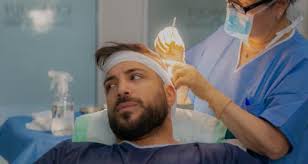
Many clinics offer combining a beard transplant with scalp hair restoration in the same trip, though it typically extends total procedure time and requires careful donor supply planning so both zones receive adequate grafts. Committing donor grafts to facial hair today affects what remains available for scalp work later, so thoughtful long-term allocation matters, and sharing your complete picture, including any scalp concerns, during the initial consultation helps your surgeon plan strategically. Some surgeons recommend prioritizing beard work first in cases of limited donor supply, since facial procedures often require meaningfully fewer grafts, though this sequencing advice is not universal.
Adding PRP therapy alongside a beard transplant is reported by several surgeons to improve graft survival, the same benefit reported with scalp procedures. Beard and eyebrow work are sometimes combined in the same trip, since both draw from the same scalp donor supply and share similar precision requirements. Beard transplantation can also help visually soften certain types of facial scarring beneath the beard line, though results depend heavily on scar type, location, and severity, and complete scar invisibility is not always achievable.
Medical Considerations and Candidacy
Standard blood count, clotting function, and infectious disease screening apply the same way regardless of treatment zone, since these panels reflect general surgical safety. Full medication disclosure remains equally important: blood thinners, certain supplements such as fish oil, and some over-the-counter pain relievers can all affect bleeding risk. Surgeons occasionally recommend temporarily pausing certain medications, but only under appropriate medical guidance rather than a patient's own initiative, and coordinating with your family doctor helps for complex regimens.
| Condition | Consideration |
|---|---|
| Autoimmune hair loss | Careful evaluation of an active autoimmune condition applies, since certain patterns can affect facial and scalp hair similarly |
| Thyroid conditions | A well-managed thyroid condition typically does not rule out the procedure; an undiagnosed issue deserves medical attention |
| Heart conditions | Patients with significant cardiac history should confirm fitness beforehand, as with any outpatient procedure under local anesthetic |
| Keloid tendency | Keloid risk relates primarily to the scalp extraction site, which is essentially unchanged whether grafts go to the face or elsewhere |
| Skin sensitivity or allergies | Facial skin can react differently than scalp skin to certain products, so disclose known facial sensitivities |
| Facial piercings or tattoos | Rarely rule out candidacy; surgeons plan graft placement around them and may recommend temporary piercing removal |
Local anesthetic technique adjusts somewhat for facial nerve distribution, requiring surgeons to shift injection points to numb the jaw and cheek areas completely, though the overall approach and sedation options remain broadly consistent with scalp procedures. Rare risks around infection or graft survival apply as with any procedure, though facial skin tends to heal quite well given its rich blood supply. Graft survival rates for beard transplants are generally comparable or even slightly favourable relative to scalp procedures for the same reason.
Who Performs the Work, and How Grafts Are Counted
Ideally, your surgeon personally oversees the critical facial angle decisions while trained technicians assist elsewhere under supervision, so confirming this division of labour matters before booking. The same one-to-four-hairs-per-graft principle applies to facial follicles as it does to scalp follicles, since this reflects biology rather than treatment zone. Because clinics do not always count grafts the same way, always ask exactly how a beard transplant graft number was calculated rather than comparing bare totals across quotes. Achieving full density generally needs fewer total grafts than scalp coverage given the smaller surface area, though expectations still depend on your patchiness pattern and donor supply, with many procedures falling somewhere between five hundred and three thousand grafts.
Beyond technical precision, a beard transplant genuinely calls for artistic judgment: achieving a shape that suits your specific facial structure requires both. Mastering the sharper, more variable growth angles of facial hair generally takes dedicated practice beyond standard scalp FUE training, making case-specific experience worth verifying directly. Transplanted follicles carry the same donor-area genetic resistance to shedding as scalp transplants, so beard results are equally permanent once fully established, and they will eventually need regular grooming just like natural beard hair.
Accreditation, Red Flags, and Green Flags
Beyond standard Ministry of Health licensing, ask specifically about the surgical team's facial hair case volume, since general accreditation does not necessarily confirm dedicated beard expertise. The same hospital-grade accreditation standards apply regardless of treatment zone, since sterilization and safety protocols do not change based on facial versus scalp work. A well-prepared clinic should have clear emergency protocols and, ideally, proximity to a full hospital facility.
| Red Flags | Green Flags |
|---|---|
| Treating beard work as identical to scalp work without acknowledging angle differences | Honest discussion of realistic density given your donor supply |
| No dedicated beard-specific portfolio separate from general scalp results | Careful examination of your existing patchiness pattern |
| Vague answers about expected density given your specific donor supply | Willingness to explain the angle-mapping process in detail |
| Pressure to book without a thorough facial hair pattern assessment | Willingness to say a beard transplant might not be the right fit for you |
Planning the Trip: Flights, Logistics, and Money
Canadian citizens enjoy the same visa-free entry for short tourist stays regardless of which specific procedure brought them to Turkey. Toronto and Ottawa offer the most direct paths to Istanbul; Vancouver and Calgary typically involve a single reasonable connection; Prairie patients usually route through Toronto or Calgary; Atlantic Canadians connect via Toronto or Montreal; and Northern patients add a domestic leg before heading overseas. Turkey typically sits seven to ten hours ahead of Canadian time zones, and Istanbul offers wide-ranging dietary options throughout your stay.
Staying close to the clinic, using the included airport transfer service, and arriving a day early to adjust for jet lag all help. A no-foreign-transaction-fee credit card simplifies currency handling, and the credit card payment recommendation and standard deposit structure apply regardless of which zone is treated. Many clinics offer a deposit-plus-balance structure and some work with third-party financing, so ask directly what flexibility exists. Budget for flights, several nights of accommodation, meals, and a reasonable cushion for incidentals, since the procedure cost alone does not capture the full financial picture, and many cautious patients take out travel insurance to cover trip disruptions such as flight delays or lost luggage, which standard clinic guarantees do not extend to.
WhatsApp remains the standard communication channel across virtually all Turkish clinics. Cancellation terms are generally similar to scalp procedures, though confirming specific conditions before booking remains worthwhile. A written treatment plan specifying graft estimates, density-gradient planning, and inclusions protects both parties and gives you something concrete to reference on procedure day. A handful of clinics extend guarantees covering graft survival below a certain threshold, though getting these terms in writing matters more than assuming coverage exists.
Comparing Package Tiers
| Tier | Typically Includes |
|---|---|
| Basic | The procedure and minimal accommodation |
| Standard | Better hotels and airport transfers added |
| Premium | VIP transport and extended aftercare bundled in |
A fixed-price guarantee protects against the unpleasant surprise of arriving to find your quoted price has quietly increased. With a transparent clinic offering one, the number on an initial quote should match the final invoice precisely, and any unexplained discrepancy deserves questioning immediately. A consultation fee, when charged at all, covers the assessment itself, while a deposit secures your surgery date and is usually credited toward your total package cost.
Aylan Clinic and Our International Patients
Aylan Clinic works with patients seeking fuller, more even beard growth, and we prioritize careful angle mapping specific to facial hair rather than treating this as a simple extension of scalp technique. We built our beard transplant process around exact angle mapping, honest density expectations, and aftercare that continues long after you have landed back home. Some larger clinics staff coordinators fluent in French and other languages, worth asking about directly if English is not your first or preferred language for a decision this significant.
A significant portion of our Canadian patients come from across the country, and remote consultation makes distance a non-issue.

| Region | Cities We Serve |
|---|---|
| Ontario & GTA | Toronto, Ottawa, Hamilton, London, Kitchener, Waterloo, Windsor, Mississauga, Brampton, Barrie, Kingston, Sudbury |
| BC & the Prairies | Vancouver, Victoria, Surrey, Burnaby, Kelowna, Calgary, Edmonton, Winnipeg, Regina, Saskatoon |
| Atlantic Canada | Halifax, Saint John, Fredericton, Charlottetown, St. John's |
| Northern Canada | Whitehorse, Yellowknife, Iqaluit |
The Emotional Side of Facial Hair Patchiness
Patchy facial hair can carry real emotional weight, sometimes tied closely to broader feelings about self-presentation, and acknowledging that openly tends to ease decision-making. Some patients report feeling more comfortable discussing beard transplants than scalp work, perhaps because facial hair modification carries less social stigma in casual conversation, while others prefer to keep the decision private initially, explaining any visible healing as normal skin irritation until fully recovered. Many patients in patient-facing or public-facing roles cite professional appearance as a factor, though personal confidence remains the most common motivator, and personal satisfaction alone is entirely sufficient justification.
Patient satisfaction correlates strongly with the quality of pre-procedure communication: those who received clear, honest expectations about density and timeline report meaningfully higher satisfaction than those who did not. A technically excellent result can still disappoint if expectations were not properly calibrated, which is why communication quality matters alongside surgical skill. It is also completely legitimate to decide you are not ready yet; there is no medical urgency, patchy patterns generally stay stable or change only gradually, and this remains an elective decision entirely.
Glossary of Beard Transplant Terms
| Term | What It Means |
|---|---|
| Facial angle mapping | Planning implantation direction to match natural beard growth |
| Jawline definition | Using transplanted grafts to create a more defined jaw contour |
| Density gradient | Varying graft density across cheek, jaw, and chin zones |
| Patchiness pattern | The specific distribution of sparse versus fuller beard areas |
| Follicle | The biological structure that grows a single hair |
| Graft | The small tissue unit extracted during the procedure, which can contain multiple follicles |
| Coverage | How much of the patchy area is addressed at all |
| Connection | Bridging gaps between separate beard zones such as the cheek and mustache |
Common Beard Transplant Myths, Debunked
| Myth | Reality |
|---|---|
| Beard transplants always look obviously artificial | False. A well-executed procedure with careful angle mapping produces results that blend naturally |
| Only patchy beards qualify | Not quite. Some patients seek transplants purely for density enhancement or jawline definition |
| Results grow in immediately | False. The same biological growth cycle applies, so full results still take up to a year to mature |
Getting It Right: Consultation, Second Opinions, and Patience
A video consultation is genuinely useful for assessing candidacy: a surgeon can often assess your patchiness pattern and donor supply well before you commit to travel, giving you a realistic graft estimate early. Expect somewhere between twenty and forty minutes for a thorough consultation, enough time to cover your facial hair history, examine photos properly, and answer questions without feeling rushed. Photographing your current facial hair from front, side, and slightly upward angles gives your surgeon a more complete picture, and reference photos communicate a specific density and shape goal far more precisely than words, provided they are understood as a direction rather than a guarantee.
Getting a second opinion is genuinely worthwhile, since different surgeons sometimes assess patchiness patterns and donor availability differently. Above all, wanting to see visible results faster than biology allows is one of the most universal experiences reported by patients: full results take up to a year, not weeks. Scheduling specific check-in points, such as the three-month and six-month marks, rather than checking constantly, can make gradual change feel more noticeable and less discouraging.
Final Considerations at a Glance
| Consideration | What to Look For |
|---|---|
| Surgeon involvement | Personally maps facial angles, not delegated entirely |
| Pricing transparency | Full itemized breakdown, fixed-price guarantee |
| Portfolio verification | Beard-specific results, verified and dated past twelve months |
| Aftercare | Shaving guidance and ongoing support after you are home |
Final Verification Checklist Before You Book
- Confirmed the surgeon's specific beard transplant experience in writing.
- Received an itemized cost breakdown with no hidden add-ons.
- Cross-checked reviews on at least two independent platforms.
- Verified accreditation and Ministry of Health licensing.
- Set realistic personal expectations for a twelve-month timeline.
In Summary: A Fuller, More Even Beard, Done Well
A beard transplant relocates genetically resistant scalp follicles into patchy facial areas using careful angle mapping, typically costing somewhat less than a full scalp procedure while still landing up to roughly 60% below equivalent private clinic pricing when booked through an accredited Turkish clinic. Prioritize surgeon involvement over price, treat your donor area as a finite resource worth protecting, and expect results to take up to a year to fully mature. When the right technique meets the right surgeon and realistic expectations, a beard transplant genuinely delivers the natural, connected coverage it is known for.
When you are ready to turn this research into a real conversation about whether a beard transplant suits your specific case, read our dedicated Beard & Mustache Transplant in Turkey page for the procedure itself, review our pricing in Turkey, or explore the wider hair transplant in Turkey section. You can request a free, no-obligation quote from the Aylan Clinic team whenever it feels right.