Roux-en-Y gastric bypass at Aylan Clinic gives patients from Toronto, Montreal, Vancouver, Calgary, Ottawa and across Canada access to the operation with the longest track record in bariatric surgery, with a full pre-operative workup, a fourteen-day monitored stay, and a structured follow-up plan, for up to 60% less than Canadian private prices. The bypass is the procedure against which every other bariatric operation is measured: it has the longest published follow-up of any technique, it is the strongest procedure for type 2 diabetes short of a SADI-S, and it improves reflux rather than worsening it.
This guide complements our Gastric Bypass in Turkey procedure page, within our wider bariatric surgery in Turkey section. It explains what the operation does, whether it suits you, how the assessment and the fourteen-day stay work, and the lifelong supplementation and follow-up the bypass requires — set up in Canada before you travel. Three things distinguish a serious bypass programme, and we build all three into every plan: a pre-operative endoscopy, a fourteen-day monitored stay, and a supplementation and follow-up plan organised at home. At any time you can consult our pricing in Turkey page for how a quote is built.
1. Understanding gastric bypass
What the operation does
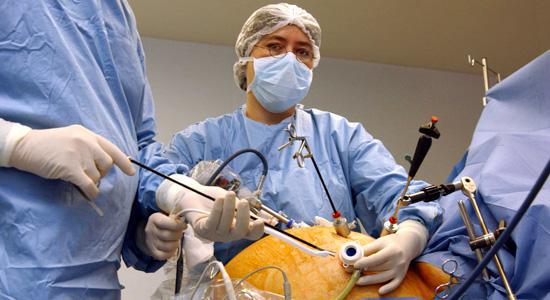
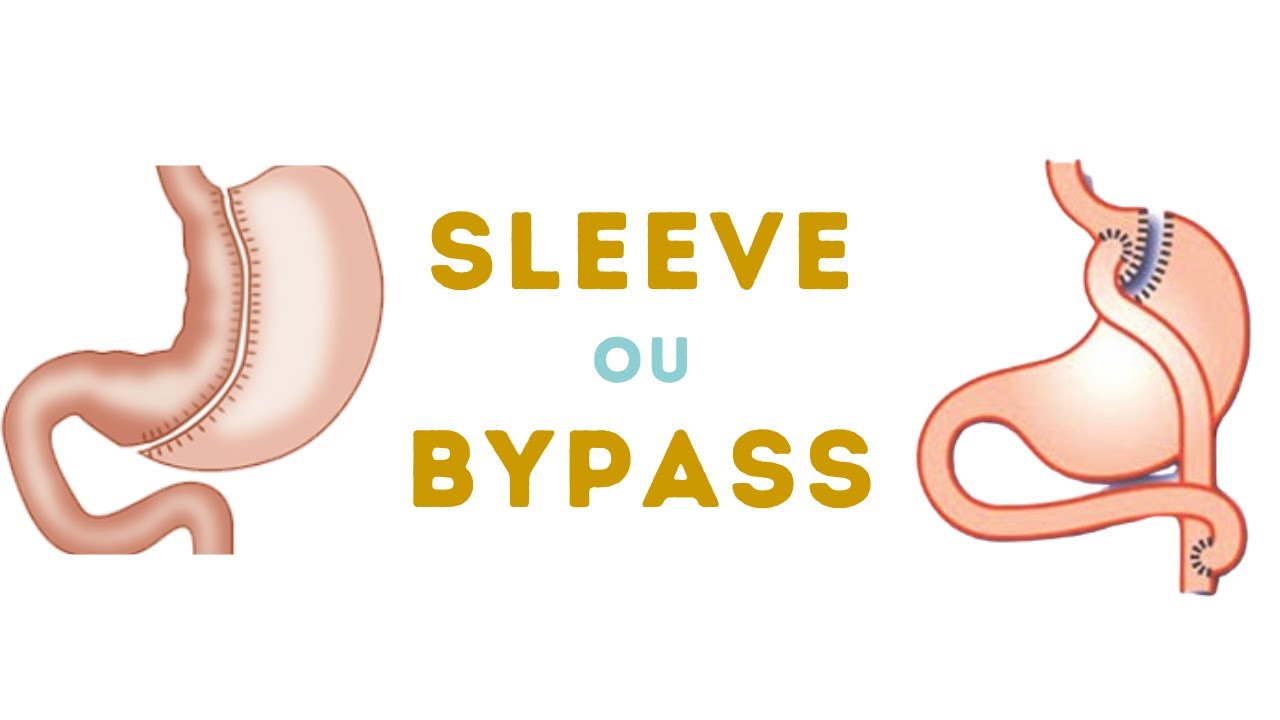
Two steps, performed laparoscopically through four or five small incisions. A small stomach pouch is created at the top of the stomach, roughly the size of an egg; the remainder of the stomach is left in place but no longer receives food. The small intestine is then rerouted so that food from the pouch bypasses the first section of intestine and joins further down — digestive juices continue to reach the food, but lower along the tract. The operation takes around two hours.
Why it produces weight loss and metabolic change
Three mechanisms, and the third is what makes the bypass distinctive. Restriction: the pouch holds very little. Reduced absorption: food bypasses part of the small intestine, so fewer calories are absorbed. Hormonal change: delivering food directly to the lower small intestine alters gut hormone signalling substantially, which affects appetite, insulin sensitivity and blood sugar control. That third mechanism is why diabetes improves before weight is lost, and it is what sets the bypass apart from purely restrictive procedures.
What the results look like
Most patients lose a substantial proportion of their excess weight over twelve to eighteen months, and the published long-term durability of the bypass is the best documented of any bariatric procedure. Your surgeon gives you a realistic expectation for your starting point rather than a promise. The pattern is consistent: rapid early loss, continued loss through the first year, then stabilisation.
Is it reversible?
Technically the anatomy can be reversed, but it is a major operation and it is very rarely done. Treat the bypass as permanent. The stomach that is bypassed remains in place, which matters for one practical reason: it cannot be examined by standard endoscopy afterwards, which is part of why the pre-operative endoscopy is important.
The health changes patients notice
- Type 2 diabetes: the bypass is the strongest bariatric procedure for diabetes short of a SADI-S. A large proportion of patients achieve remission, and many reduce or stop medication within weeks.
- Reflux: typically resolves. Patients who have taken acid suppression for years frequently stop it.
- Sleep apnoea improves markedly in most patients, and many stop using CPAP.
- Blood pressure and cholesterol improve in the majority.
- Joint pain eases, which is what finally makes exercise possible for many patients.
- Fatty liver disease improves substantially, which shows on follow-up bloodwork.
2. Bypass or sleeve? The honest comparison
Both are excellent operations. Here is what genuinely differs, and your assessment establishes which suits you.
Where the bypass is the better choice
- Significant reflux — the clearest indication. A sleeve can worsen reflux; a bypass typically resolves it. This is what the pre-operative endoscopy establishes, and it is the most common reason a patient who enquired about a sleeve is recommended a bypass.
- A hiatus hernia with reflux, for the same reason.
- Severe or long-standing type 2 diabetes — remission rates are higher, and the effect is faster.
- A very high BMI, where the additional malabsorptive component produces more substantial loss.
- Previous sleeve with inadequate result or reflux — conversion to a bypass is a well-established revision.
Where the sleeve is the better choice
- No significant reflux, and a simpler set of long-term requirements suits you better.
- Simpler supplementation — the sleeve is restrictive rather than malabsorptive, so its nutritional requirements are less demanding.
- No intestinal rerouting, which means no possibility of the internal hernia that a bypass can produce years later, and no permanent restriction on anti-inflammatory medication.
- Anaemia or existing iron deficiency, which the bypass can make harder to manage.
The trade-off in one sentence
The bypass does more, and it asks more of you: better diabetes remission and better reflux resolution, in exchange for more demanding lifelong supplementation and two permanent practical constraints — sections 11 and 14 cover both. Patients who understand that trade and accept it do very well with a bypass. Your assessment sets out which operation suits your situation, and where both are reasonable the choice is yours with the trade-offs explained.
What about a SADI-S?
More effective again for weight and diabetes, and more malabsorptive still — with correspondingly more demanding follow-up. It suits very high BMI, severe diabetes, or revision after a sleeve, and it is covered in its own guide.
3. Are you a candidate?
The usual criteria
Generally a BMI of 40 or above, or 35 or above with an associated condition such as type 2 diabetes, sleep apnoea, hypertension or significant joint disease. Some programmes consider a BMI of 30 to 35 where type 2 diabetes is poorly controlled — and the bypass is the procedure most often considered in that group, given its metabolic effect.
What else matters
- Understanding that supplementation is lifelong and non-negotiable after a bypass. This is the single strongest predictor of a good outcome at ten years, and it is straightforward once set up.
- Willingness to attend follow-up bloodwork, which is more important after a bypass than after a sleeve.
- Accepting two permanent constraints — no anti-inflammatory medication, and reliable non-oral contraception where relevant. Section 14 covers both.
- Stable mental health, and support around you.
Where we would suggest a different route
- A BMI in the low thirties with no associated conditions, and no structured weight-loss attempt yet. We would set out the public referral route and the option of a balloon as a less definitive step.
- Existing significant anaemia or iron deficiency, where a sleeve may be easier to manage nutritionally. This is discussed rather than ruled out.
- Where lifelong supplementation is genuinely not going to happen. We would talk about it honestly and consider whether a sleeve suits you better — its requirements are simpler.
4. Why Canadians choose Turkey — and the Canadian route
| Factor | Canada | Turkey — Aylan Clinic |
|---|---|---|
| Cost | Covered in the public system where you qualify | At your expense, well below Canadian private |
| Wait time | Frequently years | Weeks |
| Accommodation | Not applicable | 5-star hotel, full board included |
| Companion | Not applicable | Free, accommodated and fed |
| Length of stay | Local | 14 days with daily monitoring |
| Dietitian programme | Standard in public programmes | Included, with a written plan |
The Canadian public route
Bariatric surgery is available in the public system in most provinces for patients who meet the criteria, at no cost. The obstacle is waiting time, frequently two to five years from referral to surgery including a mandatory pre-operative programme. We suggest asking your family doctor about a referral and the realistic wait in your province. If it is manageable, the public route offers the whole team permanently in one place, including the dietitian and the follow-up — which is genuinely valuable for a bypass in particular. If the wait is not liveable — and for a patient with poorly controlled diabetes, several years is a health consideration rather than an inconvenience — this is a reasonable alternative chosen knowingly. Most of our Canadian bypass patients arrive having already been on a waiting list.
What our fourteen-day stay covers
Longer than for a sleeve, and deliberately so. A bypass involves two anastomoses — the surgical joins where the pouch meets the intestine and where the intestine rejoins itself — and the early window in which a leak would declare itself extends further. Fourteen days with hospital monitoring followed by daily nursing covers that window with a bariatric team on hand. Section 13 explains why this is the most important logistical decision in your plan.
5. Assessment: what a full workup includes
The online consultation
You send your details, and your surgeon reviews them. You receive an initial plan and quote, including whether the bypass is the right procedure for you. What to send: your height, weight and BMI, all medical conditions and medications, your weight history, any previous abdominal or bariatric surgery, and — importantly — whether you have reflux or heartburn and whether you take anything for it.
On-site assessment
- Upper gastrointestinal endoscopy — and after a bypass this matters twice over, because the bypassed stomach cannot be examined by standard endoscopy afterwards. Section 6 covers it.
- Blood work, including a full nutritional panel: iron, ferritin, B12, folate, vitamin D, calcium, zinc, thyroid function and parathyroid hormone. A more comprehensive baseline than for a sleeve, because the bypass affects more of these.
- Abdominal ultrasound, checking the liver and looking for gallstones.
- Cardiac and respiratory assessment, proportionate to your BMI and conditions.
- Sleep apnoea screening, and assessment where suspected. A substantial proportion of bariatric patients have undiagnosed sleep apnoea, and it matters for the anaesthetic.
- Anaesthetic review, more thorough at a higher BMI.
- Dietitian consultation, setting your eating progression and your supplementation plan.
- Diabetes review where relevant, since medication frequently needs adjusting as your intake changes — and after a bypass those changes begin immediately.
Why the nutritional baseline matters more here
Because the bypass reduces absorption of iron, B12, calcium and fat-soluble vitamins. Knowing your starting values is what makes your follow-up bloodwork interpretable and your supplementation correctly dosed. A patient whose ferritin was already low needs a different plan from one whose was normal — and after a bypass that difference is more consequential than after a sleeve.
6. The pre-operative endoscopy
Why it matters particularly before a bypass
Two reasons. It establishes whether a bypass is the right operation — and for patients with reflux, it frequently confirms that it is. This is the examination that most often turns a sleeve enquiry into a bypass recommendation. And the bypassed stomach cannot be examined by standard endoscopy afterwards: once the anatomy is rerouted, reaching the remainder of the stomach requires specialised techniques, so examining it beforehand is the sensible point at which to do so.
What it looks for
- Reflux and oesophageal inflammation, which supports the bypass.
- Hiatus hernia, common, contributing to reflux, and repairable at the same operation.
- Ulcers or gastritis, treated before surgery.
- Helicobacter pylori, looked for and treated if present — and this matters more before a bypass, since the join between pouch and intestine is where a marginal ulcer would form later.
- Anything else in a stomach that will become difficult to examine.
Why we include it as standard
Because it informs the choice of operation, because it treats things that would otherwise cause trouble at the anastomosis, and because it is the last straightforward look at a stomach that will be bypassed. Ask any bariatric programme whether endoscopy is included. A programme that does not perform it before a bypass is skipping the examination with the clearest rationale of any pre-operative test.
7. Preparing for surgery
The pre-operative diet
Two to four weeks before surgery, depending on your BMI. Its purpose is to reduce the size of the liver: a larger liver sits over the upper stomach and makes laparoscopic access harder, so shrinking it makes the operation safer and technically easier. Patients who follow it properly have shorter, more straightforward operations. Your dietitian provides the plan using Canadian-available foods.
Stopping smoking
More important before a bypass than before most operations, and worth stating specifically. Smoking substantially increases the risk of a marginal ulcer — an ulcer at the join between the pouch and the intestine — which is the most common late complication of a bypass and which can be troublesome. Stopping at least four weeks before makes a measurable difference, and stopping permanently is what protects the anastomosis long term. Canadian provincial quitlines are free, your pharmacist can advise on nicotine replacement, and combining behavioural with pharmacological support roughly doubles success rates. Tell us honestly where you are.
Medications
Bring a complete list including supplements. Disclose specifically: blood thinners; diabetes medications, which will need adjusting and which change quickly after a bypass; hormonal contraception, which section 14 covers; anything for reflux; and any regular anti-inflammatory medication, since these are avoided permanently after a bypass.
What to arrange at home before you travel
- A follow-up plan with your family doctor — one conversation, and section 12 has the words.
- Your supplements, purchased and ready. After a bypass the list is longer than after a sleeve.
- Soft food for the first weeks home.
8. Your trip, day by day
Fourteen days, and this is deliberate.
Day 1 — Arrival
Your driver meets you at the airport and takes you to your hotel with your companion. Nothing clinical today.
Day 2 — Assessment
The full workup: endoscopy under sedation, comprehensive blood work, abdominal ultrasound, cardiac and respiratory assessment, sleep apnoea screening, and anaesthetic review. Then your consultation with the surgeon, and your dietitian appointment covering eating progression and supplementation. By the end of the day your plan is confirmed.
Day 3 — Surgery
The operation under general anaesthesia, laparoscopically, around two hours. You wake in your room. You will be helped up to walk the same day — the single most effective measure against blood clots and chest complications. Nothing by mouth initially, then sips of water.
Days 4 to 6 — In hospital
Monitoring, with observations and blood tests. Progression from water to clear liquids. Mobilisation increases — walking the corridor several times daily, which matters a great deal. Most patients are surprised by how manageable the pain is; the dominant sensations are shoulder discomfort from the laparoscopic gas and fullness after very small volumes. Three to four nights in hospital, longer where your surgeon prefers.
Day 7 — Transfer to hotel
Discharge to your hotel, with daily nursing visits from here. Progression to full liquids under your dietitian’s plan.
Days 8 to 13 — Monitored recovery
Daily nursing visits, and your dietitian available throughout. This is the window that matters, and section 13 explains why it extends further after a bypass than after a sleeve. Most patients feel substantially better each day. Short walks become comfortable, and a number manage a gentle outing by day ten or eleven.
Day 14 — Final review and departure
Your surgeon reviews you, and you receive your documentation: operative report describing the anatomy created including the limb lengths, your endoscopy and pathology results, your baseline bloodwork, your written dietary progression, your supplementation prescription, and a follow-up schedule addressed to your Canadian doctor. The operative report matters more after a bypass than after a sleeve: any doctor who ever needs to investigate your abdomen will want to know exactly what anatomy you have — and section 19 explains why. Then your transfer to the airport.
If you would rather stay longer
Some patients extend by two or three days, particularly those facing a long journey home. The extra days are comfortable and we generally support it.
9. Recovery, week by week
Week 1 — in Turkey
Covered above. Liquids, walking, hospital monitoring then daily nursing.
Week 2 — still in Turkey
The remainder of your fourteen days. Full liquids progressing, energy improving, and the window of closest monitoring completing.
Week 3
Home. Fatigue is the dominant feature and more pronounced than patients expect — you are recovering from surgery on a very low intake. Pureed foods begin according to your dietitian’s plan. Walking daily. Most patients return to desk work at three weeks after a bypass.
Weeks 4 to 6
Energy improves noticeably. Soft foods progress. Weight loss is rapid and visible week to week. Physical work: five to six weeks. No heavy lifting for six weeks.
Weeks 6 to 10
Solid foods reintroduced gradually. Portions remain very small, which is normal. Exercise progresses: walking throughout, light cardio from four to five weeks, resistance work from six to eight.
Months 3 to 6
The period of fastest loss, and typically when diabetes medication changes are consolidated. Your first follow-up bloodwork is due at three months, and after a bypass it matters more than after a sleeve. Temporary hair thinning around months three to five is common and resolves.

Months 6 to 18
Loss continues more slowly and then stabilises. Portion capacity increases somewhat. This is where habits determine the long-term result.
Beyond 18 months
Weight stabilises. Follow-up continues annually for life — bloodwork, supplementation review, and a check that everything is holding.
10. Eating after a bypass
Your dietitian provides a written plan in stages. This is the outline; yours will be specific.
The five stages
Clear liquids for the first days. Full liquids roughly to day fourteen. Pureed roughly weeks three to five. Soft roughly weeks five to eight. Regular from around week ten, gradually. Slightly slower than a sleeve progression, because there are two anastomoses to protect.
The habits that matter permanently
- Protein first, at every meal, permanently. Your plan sets a target.
- Small portions, eaten slowly — twenty to thirty minutes for a meal.
- Chew thoroughly.
- Do not drink with meals. Thirty minutes before or after.
- Fluids between meals, to a daily target. Dehydration is the most common reason patients feel unwell early and it is entirely avoidable.
- Avoid fizzy drinks.
Dumping syndrome: worth understanding
A bypass-specific effect that patients should know about rather than be surprised by. Eating something high in sugar or refined carbohydrate can cause it to pass rapidly into the small intestine, producing cramping, nausea, sweating, palpitations, light-headedness and sometimes diarrhoea, within twenty to sixty minutes. It is unpleasant, it is not dangerous, and it is entirely avoidable by avoiding concentrated sugar. A number of patients describe it as a useful teacher — it makes sugar genuinely unappealing rather than a matter of willpower. Some patients never experience it at all. There is also a later form, occurring one to three hours after eating, related to a blood sugar drop. Your dietitian covers both and how to eat to avoid them.
What patients find harder than expected
- Drinking enough, since you cannot take a glass in one go.
- Eating slowly, which takes practice.
- Learning what your body tolerates, which varies between individuals — some patients find certain textures difficult early on, and it settles.
What patients find easier than expected
- Reduced appetite from the hormonal changes.
- Losing the desire for sugar, which dumping syndrome enforces more effectively than any diet.
11. Vitamins and supplementation: more demanding than a sleeve
Why
Because a bypass reduces both intake and absorption. Food bypasses the duodenum, which is where much of your iron and calcium absorption occurs, and stomach acid and intrinsic factor are both reduced. This is the main thing the bypass asks of you in exchange for what it delivers, and it is entirely manageable once set up as a routine.
What is typically required
- A complete bariatric multivitamin formulated for post-surgical needs — not a standard supermarket multivitamin, which will not contain adequate amounts.
- Vitamin B12, frequently sublingual or by injection. Absorption is significantly reduced after a bypass.
- Iron, at higher doses than after a sleeve, and particularly in menstruating women. Taken separately from calcium, since they compete for absorption — a practical detail worth getting right.
- Calcium citrate with vitamin D. Citrate rather than carbonate, because it absorbs better in a low-acid environment.
- Fat-soluble vitamins where your bloodwork indicates.
- Protein supplementation in the early months.
Your prescription is specific to your baseline bloodwork, which is why the comprehensive panel matters.
Making it a routine
Patients who set this up in the first month do not find it burdensome: a pill organiser, phone reminders, and iron at a different time of day from calcium. Patients who do not establish a routine are the ones who develop deficiencies at year three or five — and those are entirely preventable.
Where to buy them in Canada
Bariatric-specific supplements are available from Canadian pharmacies and specialist suppliers. Your plan names the formulations and doses so you can source equivalents locally. Buy your first three months before you travel if you can.
Bloodwork schedule
Typically at three, six and twelve months, then annually for life — and after a bypass the annual bloodwork is genuinely not optional. Your plan sets out the panel, addressed to your Canadian doctor.
12. Setting up your follow-up in Canada
This section determines whether your bypass works well for twenty years, and it takes one conversation before you travel.
What it involves
Bloodwork at three, six and twelve months, then annually. A supplementation review. And someone to ask if you have a question. That is the whole commitment. It is not demanding.
Who provides it
Your family doctor, in most cases. The panel is standard, the supplements are over-the-counter or prescribed, and interpretation is straightforward with the schedule we provide.
How to arrange it
Have the conversation before you travel: “I’m having a gastric bypass. I’ll come back with an operative report, my baseline bloodwork and a follow-up schedule. Would you be able to order the bloodwork at three, six and twelve months and then annually, and review my supplements?” Most family doctors say yes without hesitation. It is routine work, and they are generally glad a schedule exists.
If your doctor is hesitant
Some are cautious about surgery they did not arrange, which is a reasonable professional position. What helps: approaching them beforehand, being clear you are asking for bloodwork and supplement review rather than for them to adopt the surgical case, and bringing the written schedule. If they decline, alternatives exist — walk-in clinics can order bloodwork, and some provinces have bariatric follow-up clinics accepting patients operated elsewhere. Ask us and we will help you work out the options for your province.
Why this matters more after a bypass
Because the nutritional consequences of no follow-up are greater. A sleeve patient who neglects supplements may develop a deficiency; a bypass patient is more likely to, and sooner. We will not proceed with a bypass without a follow-up plan that works where you live. Not as a formality — because it is the difference between a good operation and a preventable problem at year four. Arranging it is easy, and we help.
13. The flight home: why fourteen days
The interval
Fourteen days minimum, and this is the most important logistical decision in your plan.
Why longer than a sleeve
Because a bypass creates two anastomoses rather than one staple line. The window in which a leak would declare itself extends further, and there is more that requires observation. Leaks are uncommon. When one occurs it needs recognising quickly and managing in a hospital with a bariatric team — which is what you have here, and not what you have on a transatlantic flight or in an emergency department that has never seen you. Staying through that window is what makes travelling for a bypass safe.
What we watch for
Daily observations, blood tests and clinical review. A rising heart rate, increasing abdominal pain, fever, or feeling unexpectedly unwell rather than progressively better. By day fourteen the window has passed.
Ask this of any programme
“How many days do I stay, and why that number?” For a bypass, a specific answer referencing the anastomoses and the leak window is what you want. A seven-day answer without explanation is a red flag on this operation.
Making the flight comfortable
- Book an aisle seat. Walk every hour — thrombotic risk after abdominal surgery warrants real attention.
- Wear graduated compression stockings, and continue any prescribed anticoagulation exactly as directed.
- Bring your fluids and sip constantly. Airline cups are the wrong shape for someone who has to sip.
- Bring your own food — small portions of something on your current stage.
- Do not book a same-day domestic connection. Build in an overnight stay near your Canadian arrival airport.
14. Two permanent constraints, explained clearly
These are the two things a bypass asks of you indefinitely. Both are manageable, and both are worth knowing before rather than after.
Anti-inflammatory medication
Avoided permanently after a bypass. This includes ibuprofen, naproxen, diclofenac and similar drugs, whether prescribed or over-the-counter. The reason is specific: they substantially increase the risk of a marginal ulcer at the join between the pouch and the intestine — the most common late complication of a bypass, and one that can be troublesome to treat. What you use instead: paracetamol is fine. For anything more, your doctor has alternatives — and it is worth having that conversation with your family doctor when you set up your follow-up, so it is on your record. Tell any doctor or dentist treating you that you have had a bypass and cannot take anti-inflammatories. It is worth carrying it on a card or in your phone. If you take an anti-inflammatory regularly for a condition such as arthritis, raise it at your consultation. It may influence whether a bypass or a sleeve suits you better, and that is a genuine consideration rather than a formality.
Oral contraception
Absorption of oral contraceptives is reduced after a bypass, which means the pill is not reliable. A non-oral method is needed — an intrauterine device, an implant, an injection or a patch. Your gynaecologist or family doctor will arrange it, and it is straightforward. This matters particularly in the first eighteen months, when pregnancy is best deferred and fertility frequently improves as weight comes off. A number of unplanned pregnancies after bariatric surgery trace to exactly this, and it is entirely avoidable. Raise it at your consultation so it is in your plan and arranged before you need it.

15. The longer term
Weight loss and durability
The bypass has the best-documented long-term durability of any bariatric procedure. Most loss occurs in the first twelve to eighteen months, then stabilises. Some regain after two years is common and usually modest. Habits and follow-up determine how modest.
What helps it hold
Protein at every meal. Eating slowly. Regular activity, which becomes genuinely possible. Attending your annual review. And not drinking calories, which is the most common route back.
Alcohol
Worth knowing about specifically after a bypass. Alcohol is absorbed faster and reaches a higher peak than before, and the effect is more pronounced than after a sleeve — you will feel it from considerably less. There is also a documented increase in problematic alcohol use after bariatric surgery in a proportion of patients. It is worth being aware of, and worth mentioning to us if alcohol has been an issue for you.
Pregnancy
Entirely possible, and many patients have healthy pregnancies. Fertility frequently improves as weight comes off. Wait twelve to eighteen months, so weight has stabilised and nutrition is settled. Use a non-oral contraceptive in that window, per section 14. Your nutrition and supplementation need reviewing before and during pregnancy, and your obstetrician should know you have had a bypass. Iron and B12 in particular need watching.
Gallstones
Rapid weight loss increases the chance of gallstones becoming symptomatic. Your ultrasound checks for existing stones.
Internal hernia
Specific to a bypass, and worth knowing about because recognising it matters. Rerouting the intestine creates spaces through which a loop of bowel can occasionally become trapped, and this can happen years after surgery. It presents as severe, colicky abdominal pain, frequently coming in waves and often with nausea. If you ever develop severe abdominal pain, seek medical attention and tell them you have had a gastric bypass. It is uncommon and it is treatable, and the reason it matters is that a doctor who does not know your anatomy may not consider it. This is why your operative report is worth keeping and worth giving to your family doctor. Section 19 covers what to keep.
Marginal ulcer
An ulcer at the pouch-intestine join. The main risk factors are smoking and anti-inflammatory medication, which is why both are addressed. It presents as pain in the upper abdomen, sometimes with nausea. It is diagnosed endoscopically and treated with medication.
Skin
Substantial weight loss leaves loose skin, to a degree depending on how much you lose, your age and your skin quality. Body contouring is an option once your weight has been stable for at least six months, typically twelve to eighteen months post-bypass. A number of our patients return for it.
16. Aylan Clinic across Canada: 50 cities we serve
Aylan Clinic works with patients from every province and territory in Canada. Wherever you live, the process begins the same way: a free online consultation, with your details sent from home and no need to travel before your dates are confirmed. Below are the fifty Canadian cities from which we most frequently receive enquiries, with practical notes on travelling to Istanbul from each region — and on the return journey.
Greater Toronto Area and southern Ontario
Toronto is our single largest source of Canadian patients, and Pearson offers the most direct connections to Istanbul of any Canadian airport. For a procedure where the return journey matters, a direct flight is a genuine advantage. Across the wider Greater Toronto Area we regularly work with patients from Mississauga, Brampton, Markham, Vaughan, Richmond Hill and Oshawa. Along the western end of Lake Ontario, patients travel to us from Hamilton, Burlington and Oakville, and from the Niagara region including St. Catharines and Niagara Falls. In southwestern Ontario we see patients from London, from the Waterloo region — Kitchener, Waterloo and Cambridge — and from Guelph, Windsor and Barrie. Driving to Pearson rather than connecting domestically is strongly preferable after abdominal surgery.
Eastern and northern Ontario
Ottawa patients typically connect through Toronto or Montreal, with many choosing Montreal for its frequency of European departures. Kingston patients generally drive to either. In northern Ontario we work with patients from Sudbury, Thunder Bay and Sault Ste. Marie. Journeys from the north involve a domestic connection, which after a bypass means a second flight the same day — so an overnight stay near your arrival airport is strongly recommended. Public bariatric waiting times at southern centres are frequently longest for patients from these regions. Sudbury and Thunder Bay both have substantial francophone populations, and those patients are served in French throughout, including the dietitian consultation and the written plan.
Montreal and the surrounding region
Montreal is our second-largest Canadian source, with excellent direct and one-stop connections to Istanbul from Trudeau. Patients from Laval, Longueuil and Brossard are all within easy reach of the airport. The frequency of departures makes it straightforward to extend your return by a day or two if your surgeon advises it.
Quebec City and across the province
From Quebec City and the Capitale-Nationale region, including Lévis, most patients connect through Montreal. The same applies to Trois-Rivières, Sherbrooke, Drummondville and Saint-Jérôme — all within driving distance of Trudeau, which after this procedure is preferable to a domestic flight. Gatineau patients usually depart from Ottawa or drive to Montreal. From Saguenay, a domestic connection through Montreal is the norm, with an overnight buffer particularly recommended. All Quebec patients are served in French throughout — and on this procedure more than most. Your dietary progression, your supplementation plan, your follow-up schedule and your operative report are documents you will use for decades, and they are provided in French. The dietitian consultation is conducted in French, and the follow-up schedule for your family physician is available in French. For a bypass in particular, the anti-inflammatory and contraception points in section 14 need to be understood precisely — and that is a conversation to have in your own language.
Vancouver and British Columbia
Vancouver patients connect through European hubs, typically one connection and a full day of travel. We schedule assessment for the day after arrival so that you are rested before your endoscopy. Across the Lower Mainland we work with patients from Surrey, Burnaby and Richmond. From Victoria and Nanaimo, patients cross to Vancouver by ferry or short flight — the ferry is considerably preferable on the return leg. Kelowna, Abbotsford and Kamloops patients typically connect through Vancouver or Calgary. Given the journey length, British Columbia patients frequently extend to sixteen or seventeen days, and we generally suggest it.
Alberta
Calgary and Edmonton both offer good European connections, and Alberta is consistently among our strongest sources of Canadian bariatric patients. Patients from Red Deer and Lethbridge generally drive to Calgary rather than adding a domestic flight. We schedule Alberta patients with the same rest-day approach as British Columbia.
Manitoba and Saskatchewan
Winnipeg patients connect through Toronto or Montreal. The francophone community of Saint-Boniface is served in French, as are Franco-Manitoban patients from the surrounding region. From Saskatoon and Regina, journeys involve a domestic connection followed by a transatlantic flight. An overnight stay near your arrival airport on the return is particularly worthwhile here.
Atlantic Canada
Halifax offers seasonal and connecting European service, and Nova Scotia patients typically route through Toronto or Montreal. In New Brunswick we work with patients from Moncton, Fredericton and Saint John. Moncton and the surrounding Acadian communities are served in French, as are Acadian patients across the province. Most connect through Montreal, which for francophone patients has the added convenience of French-language service throughout. From Charlottetown in Prince Edward Island and St. John’s in Newfoundland and Labrador, journeys involve one or two connections. St. John’s patients benefit from the shortest transatlantic leg in Canada, though the onward connection adds a second flight — an overnight in between is advisable.
Northern Canada
We work with patients from Whitehorse in Yukon, and from communities across the Northwest Territories and Nunavut. For northern patients, bariatric surgery in the public system means travelling to a southern centre and waiting, frequently for years. Several of our patients from the territories have found the journey to Istanbul comparable in effort, with accommodation, meals, fourteen days of monitored recovery and a companion all included. Two things we plan carefully for northern patients, and for a bypass they matter more than for a sleeve: the return journey, with buffer days and no same-day connections; and the follow-up, since bloodwork access varies considerably — after a bypass the annual bloodwork is genuinely important, and we work through the options with you before you travel. We will not proceed without a plan that works where you live.
How we handle the logistics
Whichever city you are travelling from, your coordinator arranges airport transfers at both ends in Istanbul, confirms your hotel before you depart, and builds your schedule around your arrival time. Four recommendations: schedule your assessment for the day after you land; book a changeable return fare where you can, since your departure date is confirmed by your surgeon; avoid a same-day domestic connection on your return; and arrange your follow-up before you travel, which section 12 covers. If you are unsure how to structure your travel from your city, ask before booking.

17. What the package includes
- Free online consultation with a plan and quote, including whether a bypass or a sleeve suits you better
- Full on-site workup: upper GI endoscopy, comprehensive nutritional blood panel, abdominal ultrasound, cardiac and respiratory assessment, sleep apnoea screening
- Anaesthetic review proportionate to your BMI and conditions
- Diabetes review and medication planning where relevant
- Dietitian consultation with your written eating progression, including dumping syndrome guidance
- Surgeon consultation and your confirmed plan
- The procedure, general anaesthesia, and hospitalisation
- Hiatus hernia repair where indicated and found at endoscopy
- Three to four nights in hospital with continuous monitoring
- Daily nursing visits for the remainder of your fourteen-day stay
- Dietitian available throughout your stay
- Medication, including anticoagulation as prescribed
- Your supplementation prescription, specific to your baseline bloodwork
- Guidance on non-oral contraception and on avoiding anti-inflammatories, in writing
- Final surgical review before departure
- Complete documentation: operative report describing the anatomy created including limb lengths, endoscopy and pathology results, baseline bloodwork, written dietary progression, supplementation plan, and a follow-up schedule addressed to your Canadian doctor
- Help identifying and arranging your Canadian follow-up before you travel
- 5-star hotel accommodation, full board adapted to your dietary stage
- A companion at no extra cost, accommodated and fed in the same room
- Airport–clinic–hotel transfers
- A personal coordinator from arrival to departure
- English and French-speaking Canadian patient liaison available on request
The clinical team
- Bariatric surgeon — laparoscopic Roux-en-Y bypass and revision surgery
- Gastroenterologist — pre-operative endoscopy
- Anaesthetist — assessment and monitoring, with bariatric anaesthesia experience
- Bariatric dietitian — eating progression and supplementation plan
- Internal medicine input — diabetes and other conditions around surgery
- Dedicated nurse — daily post-operative care throughout your stay
18. Results by patient profile
Diabetes as the driver
A patient in his fifties with a BMI of 42 and type 2 diabetes on insulin for eight years, who had been on a provincial waiting list for three years. His insulin was reduced during his hospital stay and stopped at week five. At eighteen months his diabetes remains in remission. The bypass is the strongest procedure for diabetes short of a SADI-S, and this is the presentation where that matters most.
Reflux made the decision
A patient who enquired about a sleeve. Her endoscopy showed significant reflux with oesophageal inflammation, and she had taken acid suppression daily for six years. Her surgeon recommended a bypass. She stopped her acid medication at week three and has not needed it since. This is the most common reason a sleeve enquiry becomes a bypass, and the endoscopy is what identifies it.
Conversion after a sleeve
A patient who had a sleeve elsewhere four years earlier, with inadequate weight loss and troublesome reflux. Conversion to a bypass addressed both. Revision surgery is more complex, which was reflected in the plan and the stay.
A patient for whom we recommended a sleeve instead
A patient with a BMI of 41, no reflux, and significant existing iron deficiency anaemia with a history of heavy menstrual bleeding. Her surgeon explained that a bypass would make her iron management materially harder, and recommended a sleeve. She proceeded with the sleeve and her iron has been stable. Recommending the operation that suits the patient rather than the one enquired about is what an assessment is for.
Arthritis and anti-inflammatories
A patient taking a daily anti-inflammatory for arthritis, enquiring about a bypass. The permanent constraint in section 14 was set out clearly. She discussed alternatives with her rheumatologist in Canada, established a plan that did not rely on anti-inflammatories, and then proceeded. Raising it at consultation is what made that work, and it is why we ask.
Follow-up done properly
A patient who had the conversation with her family doctor before travelling, took her written schedule to her first appointment, and has had bloodwork at three, six and twelve months. Her B12 dropped at six months, her dose was changed to injections, and it corrected. That is the system working, and it is why the schedule exists.
Body contouring afterwards
A patient who lost a substantial amount over sixteen months and returned once her weight had been stable for eight months. Knowing the option existed from the outset helped her plan.
19. Documentation: why yours matters more after a bypass
What you take home
Your operative report describing the anatomy created — including the lengths of the limbs of intestine — your endoscopy and pathology results, your baseline bloodwork, your dietary progression, your supplementation plan, and your follow-up schedule.
Why the operative report matters specifically
Because your abdominal anatomy is now different from a standard anatomy, and any doctor who ever needs to investigate your abdomen — for an internal hernia, for an ulcer, for anything unrelated — needs to know what was done. A surgeon in a Canadian emergency department at two in the morning, looking at a patient with severe abdominal pain and a bypass, works very differently depending on whether the operative report is available. Give a copy to your family doctor. Keep one yourself. Photograph it on your phone.
The practical version
Some patients carry a card noting: gastric bypass, the date, that anti-inflammatories are contraindicated, and that severe abdominal pain warrants consideration of an internal hernia. It takes a minute to write and it is genuinely useful.
20. Practical points to know
What to expect
Less pain than most patients anticipate. Shoulder discomfort from the laparoscopic gas is the main early complaint and resolves in days. Fullness after very small volumes. Fatigue for the first three weeks, more pronounced than expected. Rapid weight loss visible week to week. Temporary hair thinning around months three to five, which resolves. Dumping syndrome if you eat concentrated sugar — unpleasant, not dangerous, avoidable.
Recognised points
The gastric bypass has the longest published track record in bariatric surgery and a well-established safety profile in properly assessed patients. Your surgeon will discuss the considerations relevant to you, and the fourteen-day stay with monitoring exists precisely to cover the early ones. The main ones: anastomotic leak, uncommon, with a window extending across the first two weeks — the reason for the fourteen-day stay. Bleeding, most likely in the first days. Venous thrombosis, which is why you walk within hours, wear stockings and take anticoagulation as prescribed. Marginal ulcer, the most common late complication, with smoking and anti-inflammatories as the main risk factors. Internal hernia, uncommon, possible years later, presenting as severe colicky pain — and the reason your operative report matters. Stricture at an anastomosis, treatable endoscopically. Nutritional deficiency, preventable with supplementation and detected by the bloodwork schedule. Dumping syndrome, manageable by diet. Gallstones, more likely with rapid loss. Weight regain, usually modest. And loose skin, addressed later by body contouring if you wish.
Three things entirely within your control
- Following the pre-operative diet, which makes the operation safer and technically easier.
- Not smoking, which protects the anastomosis from a marginal ulcer permanently.
- Taking your supplements and attending your bloodwork, which is what makes the bypass a good operation at year fifteen.
Who this suits
Adults meeting the criteria, in a condition to undergo abdominal surgery, who understand the two permanent constraints and who are willing to supplement and be followed for life.
Pregnancy
Not during pregnancy, and pregnancy best deferred twelve to eighteen months afterwards with non-oral contraception in that window.
21. Price: how it is built and how to compare it
Why we quote per case rather than publishing a price list
Because the workup and the stay vary with your BMI, your conditions and your endoscopy findings — and because a revision bypass after a previous sleeve is a more complex operation than a primary bypass. Your quote is built from your details, itemised, and fixed once you approve it. See our pricing in Turkey page for how this works.
What determines your price
Five factors. Whether it is a primary bypass or a revision after a previous bariatric procedure — revision surgery is more complex and takes longer. The extent of the workup your BMI and conditions require. Whether a hiatus hernia repair is included, decided at endoscopy. The length of your stay — fourteen days as standard, with nights in hospital and daily nursing afterwards, and longer where you or your surgeon prefer. And any condition needing managing around surgery, such as insulin-treated diabetes requiring internal medicine input.
What is included in your quote
Everything in section 17: the online consultation, the full workup including endoscopy, the anaesthetic and diabetes reviews, the dietitian consultation and written plan, the surgeon consultation, the procedure, anaesthesia, three to four nights in hospital with continuous monitoring, daily nursing visits for the rest of the fourteen days, medication including anticoagulation, your supplementation prescription based on your own bloodwork, written guidance on contraception and anti-inflammatories, the final review, complete documentation including the operative report with limb lengths and a follow-up schedule for your Canadian doctor, help arranging that follow-up, your hotel with full board adapted to your dietary stage, transfers, and your coordinator. A companion is accommodated and fed at no additional cost.
What sits outside it
Flights, travel insurance, your supplements after the initial prescription, your follow-up bloodwork in Canada, and — if you choose it later — body contouring surgery.
How to compare quotes properly
Six checks, and bariatric quotes vary more in what they include than any other procedure.
- Is a pre-operative endoscopy included? Before a bypass it has the clearest rationale of any pre-operative test.
- How many days is the stay, and how many nights in hospital? Fourteen days with three to four nights in hospital is the appropriate standard for a bypass, and a quote based on seven days total is not comparable — it is a different level of care during the window that matters.
- Is a dietitian consultation included, with a written progression?
- Is a supplementation prescription included, based on your own bloodwork? After a bypass this is more demanding than after a sleeve, and a generic list is not the same thing.
- Does the operative report include the limb lengths? It should. Any surgeon investigating your abdomen years later will want them.
- What help do you get arranging Canadian follow-up?
Why the lowest quote is rarely the best value
On a bypass, the savings available concern the workup and the stay — and both are the parts that protect you. Omitting the endoscopy skips the examination that determines whether a bypass is the right operation, in a stomach that will become difficult to examine afterwards. Shortening the stay to seven days moves the leak window from a hospital with a bariatric team to a transatlantic flight. This is the one procedure family in our series where we would say plainly that the cheapest option is not a saving. Ask any programme the questions in this section and compare the answers.
Insurance in Canada
Bariatric surgery is available in the public system where you meet criteria, and care abroad is generally not reimbursed. There is no claim to prepare for the surgery itself. Your follow-up in Canada is covered as ordinary medical care — bloodwork, physician visits, and prescribed supplements according to your provincial formulary. The ongoing part costs you little, which is worth knowing. Travel medical insurance is worth arranging, and read the exclusions carefully — many policies exclude complications of elective surgery, and bariatric surgery specifically in some cases. Ask in writing, and prioritise medical repatriation and hospitalisation cover.
Payment
A deposit confirms your dates. The balance is settled on site, under terms set out in full when you approve your plan. There are no additional charges once accepted — where the endoscopy findings change the recommended procedure, we discuss the revised plan with you before proceeding.
Getting your figure
Send your height, weight and BMI, all medical conditions and medications, your weight history, any previous abdominal or bariatric surgery, whether you have reflux and what you take for it, and whether you use anti-inflammatory medication regularly. You will receive a plan and quote within 24 to 48 hours, including whether a bypass or a sleeve would serve you better.
22. Glossary
- Roux-en-Y gastric bypass — the standard bypass: small pouch, intestine rerouted
- Pouch — the small stomach created at the top, roughly egg-sized
- Anastomosis — a surgical join; a bypass creates two
- Limb lengths — the measured segments of rerouted intestine, recorded in your operative report
- Malabsorptive — reduces absorption; the bypass is partly malabsorptive
- Dumping syndrome — rapid transit of sugar into the intestine causing cramping, sweating and palpitations
- Marginal ulcer — an ulcer at the pouch-intestine join; smoking and anti-inflammatories are the main risks
- Internal hernia — bowel trapped in a space created by the rerouting; possible years later
- Calcium citrate — the form that absorbs better in a low-acid environment
- Intrinsic factor — needed to absorb B12; reduced after a bypass
- Bariatric multivitamin — a supplement formulated for post-surgical needs
23. How Canadians search for this
- “Gastric bypass Turkey cost” — the most common search. Ask what the stay and workup include; that is where quotes differ.
- “Gastric bypass vs sleeve” — the bypass for significant reflux, severe diabetes or very high BMI; the sleeve for simpler long-term requirements. Your endoscopy informs it.
- “Gastric bypass wait time Canada” — frequently years in the public system.
- “Is gastric bypass covered in Canada” — yes, in the public system where you meet criteria. Ask your family doctor about a referral and the wait.
- “Gastric bypass and diabetes remission” — the strongest bariatric procedure for diabetes short of a SADI-S, and the effect frequently begins within days.
- “Gastric bypass reflux” — the bypass typically resolves reflux, where a sleeve can worsen it.
- “Dumping syndrome” — caused by concentrated sugar, unpleasant, not dangerous, avoidable. Some patients find it a useful teacher.
- “Can I take ibuprofen after gastric bypass” — no, permanently. Paracetamol is fine, and your doctor has alternatives.
- “Birth control after gastric bypass” — oral contraception is not reliable. A non-oral method is needed.
- “Gastric bypass vitamins for life” — yes, and more demanding than after a sleeve. Prescription based on your own bloodwork.
- “How long to stay in Turkey for gastric bypass” — fourteen days. Ask any programme why they say what they say.
- “Internal hernia after gastric bypass” — uncommon, possible years later, presenting as severe colicky pain. Keep your operative report.
- “Marginal ulcer bypass” — smoking and anti-inflammatories are the main risk factors, which is why both are addressed.
- “Sleeve to bypass conversion” — a well-established revision for inadequate loss or reflux.
In summary
Gastric bypass at Aylan Clinic combines an experienced bariatric team, a full pre-operative workup including endoscopy, a fourteen-day stay with three to four nights in hospital and daily nursing afterwards, a dietitian programme with a written progression, and a supplementation and follow-up plan built for a patient who lives in Canada — with 5-star accommodation and a companion at no extra cost, for up to 60% less than Canadian private prices. The bypass does more than a sleeve — better diabetes remission, resolved reflux, the longest track record in bariatric surgery — and it asks more of you in return.
Six things that make this go well: have the endoscopy, since it determines whether a bypass is right for you and is the last straightforward look at a stomach that will be bypassed; stay fourteen days, because two surgical joins mean the early window extends further than for a sleeve; stop smoking, permanently if you can, since it protects the join from an ulcer for life; arrange non-oral contraception if relevant, before you need it; know that anti-inflammatories are out permanently — and if you take one regularly, raise it at your consultation, because it may change which operation suits you; and arrange your Canadian follow-up before you travel, and take your supplements, since after a bypass this is what makes the difference at year fifteen. And ask your family doctor about the public route first: if the wait is manageable, it offers something we cannot.
To go further, read our Gastric Bypass in Turkey procedure page for how the operation works, the stay and the aftercare, consult our pricing in Turkey page for how a quote is built, or explore the full range of bariatric surgery in Turkey.