
Suction-assisted extraction, sometimes called the ventouse technique, refines the standard FUE process by incorporating a gentle vacuum mechanism that helps draw each extracted follicle out of the donor site and, in some device configurations, directly into a collection chamber, reducing the manual forceps handling that conventional extraction typically requires at this specific step.
This page belongs to our hair transplant in Turkey hub, within our broader aesthetic surgery in Turkey resource. Below you will find exactly how this vacuum mechanism changes the extraction process, who genuinely benefits from this specific technique, the complete surgical process, realistic results, risks worth understanding, and the practical details for pursuing this in Turkey. At any point, you can request a free quote, with no obligation.
Understanding the specific mechanical difference this technique introduces
In standard manual FUE extraction, after the circular punch separates a follicular unit from surrounding tissue, the surgeon or a technician typically uses fine forceps to grasp and remove that specific graft from the donor site, a manual handling step performed individually for potentially thousands of grafts across a full session. Suction-assisted technique instead applies controlled, gentle vacuum pressure at the extraction site, helping draw the separated follicle out with reduced or, in some device configurations, without direct forceps contact at this specific extraction step.
Why reducing manual handling carries genuine biological significance
This distinction matters because each additional point of mechanical contact and handling a follicle experiences outside the body introduces some incremental risk of physical trauma to that delicate structure, and forceps handling specifically carries a recognized risk of crush injury if grip pressure is not calibrated with genuine precision across potentially thousands of repetitions within a single session. Suction-based extraction aims to reduce this specific handling risk by minimizing direct mechanical contact during this particular step, though the follicle still experiences other handling points throughout the broader extraction and implantation process regardless of this specific refinement.
Comparison: suction-assisted extraction vs. standard manual extraction
| Criterion | Suction-assisted extraction | Standard manual forceps extraction |
|---|---|---|
| Primary extraction mechanism | Controlled vacuum pressure draws the follicle out | Forceps grasp and remove the follicle manually |
| Direct mechanical contact at this specific step | Reduced or eliminated, depending on device | Direct forceps contact for every graft |
| Potential for crush injury at this specific step | Reduced, given decreased direct grasping | A recognized risk requiring precise, consistent forceps pressure |
| Equipment requirement | Specialized vacuum-integrated device | Standard forceps, widely available |
| Surgeon training requirement | Distinct technique familiarity with vacuum calibration | Well-established, more universally taught technique |
Who is a genuine candidate for suction-assisted extraction
- Candidates for standard FUE or DHI transplantation, following the same fundamental donor stability and diagnostic principles, since this technique represents a refinement of extraction method rather than a change in underlying candidacy criteria.
- A specific interest in this particular technical refinement, alongside access to a clinic genuinely equipped with and experienced in this specific vacuum-based technology.
- Realistic expectations about incremental, rather than transformative, benefit, since this technique's advantage lies in reduced handling trauma risk rather than a fundamentally different biological outcome.
Indications and contraindications for suction-assisted extraction
| Common indications | Contraindications or precautions |
|---|---|
| Standard candidacy for FUE or DHI transplantation | The same donor stability and diagnostic considerations relevant to any transplantation candidate |
| A patient specifically interested in this reduced-handling extraction approach | Clinics lacking genuine, specific equipment and training in this particular vacuum-based technique |
| Cases where minimizing manual handling trauma risk is a specific priority | Situations where standard manual extraction already comfortably meets the patient's needs |
Step-by-step: what the procedure involves
Before the procedure
Your surgical team confirms your general candidacy for transplantation following the same foundational principles that apply to any hair restoration case, and discusses specifically whether this vacuum-assisted extraction approach is available and appropriate for your particular case.
During the procedure
Performed under local anesthesia, the surgeon uses a specialized device combining the circular extraction punch with an integrated vacuum mechanism, separating each follicular unit and drawing it out using controlled suction pressure calibrated to avoid excessive force that could itself damage the delicate follicle.
After the procedure
Recovery follows the same general timeline as standard FUE, since this technique changes the extraction mechanism specifically rather than the broader healing process following extraction and implantation.
Recovery timeline
| Period | Typically reported progress |
|---|---|
| Days 1 to 10 | Scabbing and mild swelling, following a generally similar pattern to standard FUE recovery |
| Weeks 3 to 6 | Transplanted hair sheds as follicles enter a resting phase |
| Months 3 to 6 | New growth begins emerging, initially thin and sparse |
| Months 9 to 12 | Final density becomes fully apparent as growth cycles complete |
Expected results and longevity
Results follow the same permanent, donor-dominance-based principle that governs any successful hair transplant, since this technique's specific refinement concerns extraction method rather than the underlying biological outcome of successfully transplanted follicles.
Risks and possible complications
- Suction pressure miscalibration, since excessive vacuum force can itself damage delicate follicular structures, meaning appropriate pressure calibration represents a genuine technical skill requirement specific to this approach.
- The same general risks relevant to any transplant, including folliculitis and standard graft placement considerations.
- Equipment-dependent variability, since specific vacuum-assisted devices vary in their precision and calibration capability across different manufacturers.
- Limited availability, since not every clinic invests in this specific specialized equipment, potentially limiting your choice of provider if this specific technique is a priority.
The rigorous medical oversight behind Turkey's hair restoration industry
Turkey's Ministry of Health framework for international patients and Joint Commission International accreditation held by many leading facilities apply to suction-assisted extraction exactly as they do to standard FUE, ensuring this particular technical refinement receives the same regulatory oversight as any hair transplant procedure.
Understanding why vacuum pressure calibration represents a genuine technical skill
Just as manual forceps technique requires precise, consistent pressure calibration to avoid crush injury, vacuum-assisted extraction requires its own specific calibration skill, since insufficient suction fails to adequately assist extraction while excessive suction risks its own form of mechanical trauma to the follicle. A surgeon or technician genuinely experienced with this specific technology develops refined judgment about appropriate pressure settings across different hair and tissue characteristics, a skill distinct from general manual extraction competency alone.
Understanding this technique's relationship to overall extraction speed
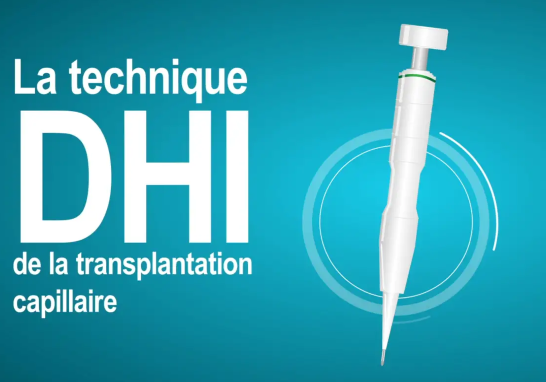
Beyond its handling-trauma consideration, some surgeons report that suction assistance can meaningfully speed the extraction process itself, since the vacuum mechanism can help move each separated graft into a collection system efficiently, potentially reducing the total time follicles spend outside the body before implantation, a consideration especially relevant to graft viability in DHI procedures specifically.
The value of understanding device variation across different clinics
Not every suction-assisted device on the market offers the same precision, calibration control, or collection mechanism design, and clinics investing in more sophisticated, well-engineered devices may achieve more consistent results than those using more basic vacuum attachments retrofitted onto standard extraction tools. Asking your clinic directly about their specific device and its manufacturer represents a reasonable, informed verification step.
Understanding why this technique is sometimes combined with other refinements
Suction-assisted extraction addresses specifically the extraction phase of the broader transplantation process, meaning it can be combined with other technique refinements addressing different phases, such as Sapphire blades for recipient site creation or DHI's direct implantation method, within a single comprehensive procedure incorporating multiple complementary technical refinements simultaneously.
Understanding the historical development of this technique within the broader FUE evolution
Suction-assisted extraction emerged as part of a broader ongoing effort within the hair restoration field to progressively refine each individual step of the FUE process, following a similar developmental pattern to how Sapphire blades refined recipient site creation and DHI refined the implantation step itself. Understanding this technique within this broader context of incremental, step-specific refinement helps clarify why no single technical advancement alone defines overall procedure quality, but rather the cumulative combination of skilled surgical judgment applied consistently across every individual step from extraction through final implantation.
Understanding why this technique may particularly benefit high-volume sessions
Because suction assistance can help streamline the extraction workflow itself, some surgeons find this technique particularly valuable during sessions involving very high total graft counts, where even small efficiency gains per graft can accumulate into a meaningfully shorter overall extraction phase across a session requiring several thousand individual grafts, potentially reducing total follicle handling time outside the body across the entire procedure.
Understanding the role of collection chamber design in graft preservation
Beyond the extraction mechanism itself, some suction-assisted devices incorporate a specifically designed collection chamber that receives extracted grafts directly, sometimes maintaining a controlled, moisturized environment within this chamber to help preserve graft viability during the interval between extraction and implantation. Devices with more thoughtfully engineered collection systems can offer a meaningful advantage in this specific regard compared to more basic designs where extracted grafts are simply collected onto a standard surface without this same environmental control, making the specific collection mechanism itself a legitimate additional point of comparison between different clinics' equipment.
Understanding why this technique's adoption has been gradual rather than universal
Unlike some technique refinements that achieved rapid, widespread adoption across the hair restoration industry, suction-assisted extraction has spread more gradually, in part because the specific equipment investment and surgeon retraining this technique requires represents a genuine commitment beyond simply purchasing a single new instrument. This gradual adoption pattern means the specific clinics that have genuinely invested in this technology, rather than merely advertising its availability without substantial actual case volume, tend to be identifiable through their willingness to discuss specific case numbers and equipment details openly when asked directly.
Understanding the relationship between this technique and overall session comfort
Some patients report that suction-assisted extraction feels somewhat different during the procedure itself compared to standard manual extraction, given the distinct sensation associated with the vacuum mechanism, though local anesthesia should render this comfortably tolerable regardless of which specific extraction method is used. Discussing what sensations to expect directly with your surgical team beforehand can help set appropriate expectations for this specific aspect of your procedure day experience.
Understanding how to evaluate marketing claims about this technique critically
Given that suction-assisted extraction, like several other technique refinements, can be marketed with more confidence than the underlying incremental benefit necessarily supports, patients benefit from approaching promotional claims about this specific technology with a measured, informed skepticism. This technique offers a genuine, legitimate refinement with real biological rationale, but it does not represent a fundamentally different or dramatically superior outcome compared to skilled standard manual extraction performed by an experienced surgical team.
Understanding this technique's place within a broader, individualized treatment decision
Ultimately, whether suction-assisted extraction genuinely represents the right choice for your specific procedure depends less on this single technical detail in isolation and more on your overall surgical team's complete skill, experience, and judgment across every phase of your treatment, from initial diagnostic evaluation through final implantation. Patients are well served by evaluating this specific technique as one component within this broader, more comprehensive assessment rather than treating any single technical refinement as the primary determinant of their eventual satisfaction with their results.
Understanding the broader trend toward minimizing every point of tissue trauma
This specific technique reflects a broader philosophical trend within contemporary hair restoration practice, one increasingly focused on minimizing tissue trauma at every individual step of the transplantation process rather than concentrating improvement efforts on any single aspect alone. Sapphire blades reduce trauma during recipient site creation, DHI reduces trauma through combined incision-and-placement, and suction assistance reduces trauma during extraction itself, together representing a cumulative, multi-pronged approach to graft preservation that, when combined thoughtfully within a single comprehensive procedure, may offer meaningfully better overall outcomes than any single technique improvement considered in isolation.
Quality signals worth looking for in a clinic offering this technique
A genuinely experienced provider demonstrates specific documented case volume with this particular vacuum-assisted technology, can speak knowledgeably about their specific device's calibration capabilities, and explains honestly what incremental benefit this technique offers compared to standard manual extraction for your particular case.
Understanding why documented case volume matters more than marketing language alone
When evaluating any clinic's claims about this specific technology, requesting concrete numbers, such as how many total procedures have used this specific device and how long the clinic has maintained this particular equipment in active use, provides considerably more reliable insight than general marketing descriptions emphasizing terms like "advanced" or "state-of-the-art" without this underlying specificity. A clinic genuinely experienced with this technology should be able and willing to share these concrete details readily when asked directly during your consultation process.
Understanding this technique within your complete decision-making process
As you weigh this specific technique alongside the many other considerations relevant to hair restoration, from surgeon-specific experience and documented case volume through realistic expectations calibrated to your specific pattern and donor supply, remember that no single technical refinement, however genuinely beneficial, substitutes for the fundamental importance of thorough diagnosis, honest expectation-setting, and demonstrated surgical skill across your entire treatment journey. This technique earns its place as one legitimate, worthwhile consideration within this broader, more comprehensive decision-making process, rather than standing as a decisive factor on its own.
A final note on balancing technical interest with practical priorities
For patients genuinely drawn to researching the specific technical details behind their chosen procedure, engaging with content like this reflects admirable diligence, though it remains worth keeping the relative weight of different decision factors in appropriate perspective: surgeon skill and experience, honest diagnostic evaluation, and realistic expectation-setting collectively matter considerably more to your eventual satisfaction than any single extraction technique refinement, however genuinely interesting or technically sound that specific refinement may be.
Preparing for your consultation
Ask specifically whether your prospective clinic offers this particular technique, what specific device they use, and how this approach might be combined with other techniques as part of your comprehensive treatment plan.
Maintaining continuity of care between Turkey and Canada
Request a written record specifying that suction-assisted extraction was used, along with your specific graft count and any combined techniques, since this documentation provides relevant context for any future consultation regarding additional sessions.
Patient experiences reported with suction-assisted extraction
Patients specifically choosing this technique often describe this decision as part of a broader interest in accessing the most refined available technology, alongside general satisfaction levels comparable to standard FUE outcomes when performed by an experienced provider.
Combining this technique with other treatments
Beyond combination with other extraction and implantation refinements already discussed, suction-assisted extraction is frequently paired with PRP therapy to support the health of surrounding native hair following the procedure.
Why a second opinion matters for this decision
Given how much this technique's specific benefit depends on genuine device quality and surgeon-specific calibration skill, comparing documented experience and specific equipment between two consultations offers valuable perspective before committing.
Questions worth asking during your consultation
Ask specifically what suction-assisted device your clinic uses, how many procedures your surgeon has personally performed using this exact technology, and what specific incremental benefit they believe this technique offers for your particular case compared to standard manual extraction.
Suction-assisted extraction pricing in Turkey
| Pricing factor | Cost impact |
|---|---|
| Graft count and whether this technique is used exclusively or combined with other refinements | A primary factor influencing overall cost |
| Specific device and clinic investment in this specialized equipment | Can influence overall cost given variable equipment sophistication |
You can compare indicative ranges across procedures on our pricing in Turkey page, or request a free quote tailored to your graft count and preferred technical approach.
Why Turkey has become a destination for suction-assisted extraction
Turkey compared to other medical tourism destinations
| Criterion | Turkey | Tunisia | Costa Rica | Dominican Republic | Colombia | Mexico |
|---|---|---|---|---|---|---|
| Common clinic language | English widely spoken, growing French support | French and English widely spoken | Spanish, limited English | Spanish, variable English | Spanish, variable English | Spanish, variable English |
| Documented expertise with this specific technology | Growing at leading, well-equipped clinics | Good availability | Variable | Variable | Good availability | Good availability |
| Estimated pricing level | Particularly accessible | Accessible | Moderate to high | Moderate | Moderate | Moderate |
| Direct flight access from Canada | Direct flights to Istanbul | Generally via a European stopover | Variable | Variable | Variable | Variable |
The Turkish cities most recognized for this technique
Istanbul's leading hair restoration facilities, given their substantial investment in a wide range of specialized equipment across the broader industry, include clinics offering this specific vacuum-assisted technology alongside their other technique options. Antalya, Izmir, and Ankara also host clinics offering this technique at select facilities.
Why Canadians consider Turkey for this technique
Patients from Toronto, Montreal, Calgary, Ottawa, Edmonton, Winnipeg, Quebec City, Hamilton, Kitchener, London, Victoria, Halifax, Oshawa, Windsor, Saskatoon, Regina, Sherbrooke, St. Catharines, Barrie, Kelowna, Abbotsford, Kingston, Trois-Rivières, Guelph, Moncton, Brantford, Saint John, Peterborough, Thunder Bay, Saguenay, Lethbridge, Nanaimo, Kamloops, Belleville, Chilliwack, Drummondville, Sudbury, Sarnia, Wood Buffalo, and Fredericton researching this technique often combine it with other refinements, benefiting from pricing considerably below typical Canadian private clinic rates for comparable combined technical approaches.
How to choose a clinic for suction-assisted extraction
- Confirm the facility holds recognized accreditation and operates under direct physician supervision throughout the procedure.
- Ask specifically what suction-assisted device the clinic uses and how many procedures they have performed using this exact technology.
- Request an honest, specific explanation of what incremental benefit this technique offers for your particular case.
Planning your medical trip to Turkey
- Entry requirements: Canadian citizens generally need an electronic visa before departure.
- Flights and transfers: several airlines offer direct service from major Canadian cities to Istanbul.
- Length of stay: plan for four to five days, allowing time for the procedure and an initial follow-up before flying home.
In summary: a refined extraction mechanism within the broader FUE process
Suction-assisted extraction uses controlled vacuum pressure to help draw follicles from the donor site with reduced manual handling, offering an incremental refinement aimed at minimizing extraction-related trauma risk. Turkey's leading, well-equipped clinics offer this specific technology as one option within their broader technical toolkit.
Before making a decision, confirm your chosen clinic's specific equipment and documented experience with this exact technique. Patients interested in a personalized assessment can request a free quote from the Aylan Clinic team. To explore further, browse our full hair transplant in Turkey hub.