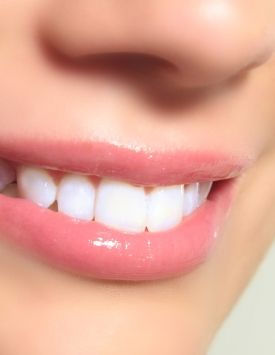
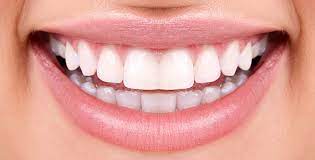
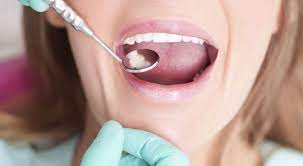
Professional teeth whitening uses a concentrated bleaching agent, typically hydrogen peroxide or carbamide peroxide, applied under controlled clinical conditions to lighten the visible shade of natural tooth enamel, offering a genuinely conservative, reversible cosmetic improvement distinct from the more permanent treatments such as veneers already detailed throughout our dedicated content.
This page belongs to our dental care in Turkey hub, itself part of aesthetic surgery in Turkey. Below you will find the specific chemistry behind why this treatment works, who is a genuine candidate, the complete treatment process, realistic expectations, risks worth understanding, and the practical details for pursuing this in Turkey. At any point, you can request a free quote, with no obligation.
Understanding the Chemistry Behind How Whitening Actually Works
Bleaching agents used in professional whitening work by releasing oxygen molecules that penetrate the tooth enamel and break apart the pigmented compounds responsible for staining and discoloration, effectively breaking these larger colored molecules into smaller, less visually apparent ones. This process specifically targets stains within the enamel and underlying dentin, distinguishing it from surface cleaning alone, which removes only external staining sitting on top of the tooth without addressing discoloration that has penetrated the tooth structure itself.
Why Professional Concentration and Supervision Matters
Professional whitening treatments use considerably higher bleaching agent concentrations than over-the-counter products, allowing for more significant, faster results, though this higher concentration also requires professional application and supervision to protect gum tissue and manage the sensitivity this stronger formulation can produce. This distinction explains why professionally supervised whitening achieves more dramatic results than store-bought alternatives while still maintaining an appropriate safety profile through proper clinical oversight.
Comparison Table: In-Office vs. Take-Home Professional Whitening
| Criterion | In-Office Whitening | Take-Home Professional Whitening |
|---|---|---|
| Bleaching agent concentration | Highest, professionally applied | Moderate, used with custom trays at home |
| Speed of visible results | Immediate, within a single session | Gradual, over one to two weeks |
| Professional supervision | Direct, throughout the entire session | Initial fitting and instruction, then self-administered |
| Typical session structure | One or a few in-clinic appointments | Custom trays used nightly over a specified period |
Who Is a Genuine Candidate for Professional Teeth Whitening
- Discoloration affecting natural tooth enamel, whether from food and beverage staining, aging, or certain medications, rather than discoloration on existing restorations, which whitening does not affect.
- Good overall dental health, since active decay or gum disease should generally be addressed before pursuing primarily cosmetic whitening treatment.
- Realistic expectations about achievable results, since your genetic tooth shade and the specific cause of your discoloration both influence how dramatically whitening can improve your particular situation.
Indications and Contraindications for Teeth Whitening
| Common Indications | Contraindications or Precautions |
|---|---|
| Enamel discoloration from food, beverages, aging, or certain staining sources | Active untreated decay or gum disease requiring treatment first |
| A desire for a conservative, reversible cosmetic improvement | Pregnancy, where whitening is generally postponed as a precaution |
| Discoloration not adequately explained by an existing restoration needing separate treatment | Very sensitive teeth or gums requiring careful, gradual approach or alternative treatment |
Step-by-Step: What the Procedure Involves
Before the Procedure
Your dentist evaluates your current tooth shade, the specific cause of your discoloration, and your overall dental health to confirm whitening genuinely suits your particular situation before proceeding.
During the Procedure
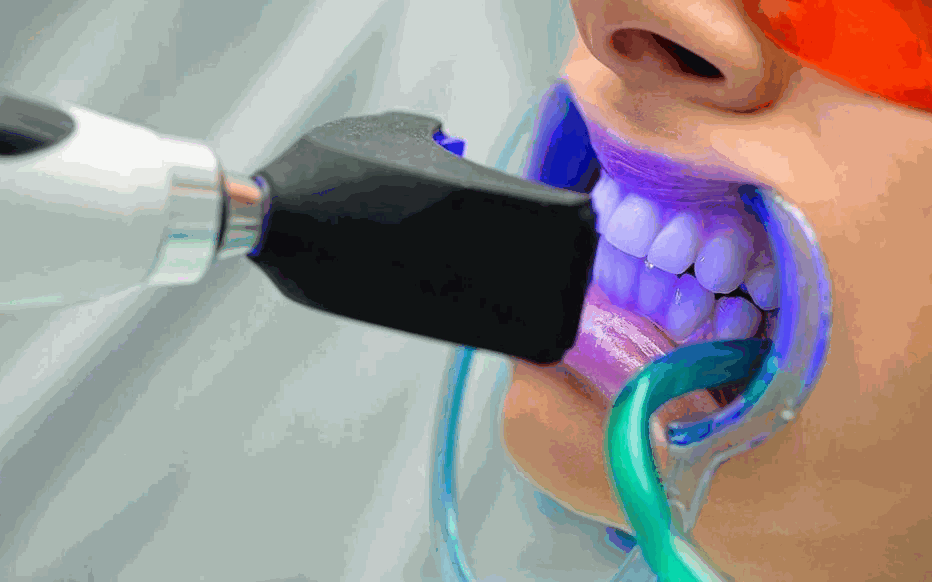
For in-office treatment, a protective barrier is applied to your gums, the bleaching agent is applied to your teeth, sometimes activated with a specific light source, and this process may be repeated several times within a single session to achieve your desired shade. Take-home treatment involves receiving custom-fitted trays and a lower-concentration gel for consistent nightly use over one to two weeks.
After the Procedure
Most patients experience some temporary sensitivity following treatment, generally resolving within a day or two, with final results becoming fully apparent as any initial dehydration-related color change settles.
Recovery Timeline
| Period | Typically Reported Progress |
|---|---|
| Hours to Day 1 | Temporary sensitivity, particularly to temperature, generally mild |
| Days 2 to 3 | Sensitivity resolves for most patients |
| Week 1 to 2 | Final shade stabilizes as any initial dehydration effect settles |
| Ongoing | Results generally last six months to two years, depending on diet and habits |
Expected Results and Longevity
Results vary considerably based on your starting shade and the specific cause of your discoloration, with most patients achieving several shades of improvement, though whitening cannot change tooth color beyond your natural, underlying enamel capacity, meaning some discoloration, particularly from certain medications or genetic factors, may respond less dramatically than typical food and beverage staining.
Risks and Possible Complications
- Temporary tooth sensitivity, the most common side effect, generally resolving within a few days following treatment.
- Gum irritation, minimized through careful protective barrier application during in-office treatment.
- Uneven results on restorations, since whitening affects only natural enamel, meaning existing crowns, veneers, or fillings will not lighten alongside your natural teeth, potentially creating a noticeable shade mismatch requiring separate consideration.
- Diminishing returns with repeated treatment, since enamel has a natural limit to how much lightening it can achieve regardless of treatment frequency.
The Rigorous Medical Oversight Behind Turkey's Dental Industry
Turkey's Ministry of Health framework for international patients and Joint Commission International accreditation held by many leading facilities apply to whitening treatment under the same licensed practitioner oversight standards governing dental care generally.
Why Professional Evaluation Matters Even for This Conservative Treatment
Even though whitening represents one of the more conservative cosmetic dental treatments available, professional evaluation before proceeding remains genuinely valuable, since a dentist can identify whether your specific discoloration will respond well to whitening or whether an alternative approach, such as dental veneers already detailed in our dedicated content, might better address your particular situation, particularly for discoloration from certain medications or developmental causes less responsive to standard bleaching.
Understanding Why Existing Restorations Require Separate Consideration
Because whitening agents do not affect the color of existing crowns, veneers, fillings, or bonding material, patients with visible restorations on front teeth should discuss this specifically with their dentist, since whitening surrounding natural teeth without addressing this consideration can create a noticeable, mismatched appearance between your now-lighter natural teeth and unchanged restoration color. Where a restoration dominates a visible tooth, dental crowns or veneers may be revised to match the newly achieved shade.
The Value of Understanding Realistic Shade Expectations
A thoughtful dentist discusses realistic shade expectations honestly based on your specific starting point and discoloration cause, rather than promising dramatic results regardless of your individual circumstances, since some patients' teeth respond more readily to whitening than others based on their particular enamel characteristics and the specific type of staining present.
Quality Signals Worth Looking for in a Clinic
A genuinely thorough provider evaluates your specific discoloration and existing restorations before proceeding, uses appropriate protective measures for gum tissue during in-office treatment, and discusses realistic expectations honestly rather than guaranteeing a specific dramatic outcome regardless of your individual starting point.
Preparing for Your Consultation
Bring information about any medications you take or have taken historically, since certain medications can cause specific types of discoloration responding differently to standard whitening treatment.
Maintaining Continuity of Care Between Turkey and Canada
Request documentation of your specific treatment and achieved shade, since this information supports any future touch-up treatment you might pursue with a dentist in Canada.
Patient Experiences Reported After Teeth Whitening
Many patients describe genuine satisfaction with this conservative, relatively quick treatment, particularly appreciating the noticeable improvement achieved without the more permanent commitment veneers or crowns involve.
Combining This Treatment With Other Procedures
Whitening is frequently pursued before veneer placement, already detailed in our dedicated content, to establish a baseline shade for planning, and sometimes serves as a more conservative first step before patients decide whether additional cosmetic treatment is genuinely necessary for their goals. Some patients pair it with a complete smile makeover such as a Hollywood smile, while others explore orthodontic treatment to address alignment separately.
Why a Second Opinion Matters for This Decision
While whitening represents a relatively low-risk treatment, comparing recommendations regarding whether whitening alone will adequately address your specific concern, or whether additional treatment might better serve your goals, remains worthwhile before proceeding.
Questions Worth Asking During Your Consultation
Ask specifically what shade improvement is realistically achievable for your particular starting point, how existing restorations on visible teeth will be addressed, and what maintenance routine will help extend your results.
Understanding Why Intrinsic and Extrinsic Discoloration Respond Differently
Dental discoloration falls into two broad categories worth understanding: extrinsic discoloration, occurring on the enamel surface from external sources such as coffee, tea, red wine, or tobacco, generally responds well to standard whitening treatment, while intrinsic discoloration, originating within the tooth structure itself from factors such as certain childhood medication exposure, excessive fluoride exposure during tooth development, or trauma, sometimes responds less predictably and may require more sessions or, in some cases, alternative cosmetic approaches such as veneers to achieve the desired improvement.
Understanding the Specific Role of Light Activation in Some Protocols
Some in-office whitening protocols use a specific light source, whether LED or another activation technology, applied alongside the bleaching gel, with manufacturers suggesting this light accelerates the chemical breakdown process responsible for whitening. The independent evidence regarding how much genuine additional benefit this light activation provides beyond the bleaching agent alone remains somewhat debated within dental research, making this a reasonable topic to discuss directly if you are specifically choosing between light-activated and standard protocols.
Understanding Why Post-Treatment Dietary Choices Affect How Long Results Last
Following whitening treatment, temporarily avoiding heavily pigmented foods and beverages, particularly during the initial period when enamel may be somewhat more porous and receptive to staining, helps extend your results before returning to normal dietary habits. Your dentist can provide specific guidance on this temporary adjustment period relevant to your particular treatment protocol.
Understanding the Value of Baseline Shade Documentation
Having your specific starting shade documented using a standardized shade reference chart before treatment begins provides an objective reference point for measuring your actual achieved improvement, rather than relying on subjective visual comparison alone, and this documentation also proves valuable for tracking any future fading and determining appropriate timing for touch-up treatment.
Understanding Why Whitening Represents a Genuinely Good Starting Point for Cosmetic Dental Exploration
For patients uncertain about how extensively they want to pursue cosmetic dental improvement, whitening represents a genuinely reasonable, low-commitment starting point, allowing you to assess your satisfaction with a more conservative improvement before deciding whether additional treatments, such as veneers or orthodontic correction already detailed throughout our broader content, genuinely serve your remaining goals.
Teeth Whitening Pricing in Turkey
| Pricing Factor | Cost Impact |
|---|---|
| In-office versus take-home treatment approach | A primary factor influencing overall cost |
| Number of sessions required to achieve your desired shade | Influences overall total investment |
For a broader view of what dental treatment costs in Turkey, see our Turkey pricing guide.
Understanding the Role of Fluoride and Desensitizing Treatment Around Whitening
Many providers apply fluoride or a specific desensitizing agent either before, during, or after whitening treatment specifically to help manage and reduce the temporary sensitivity this treatment commonly produces, and asking your provider about their specific protocol for sensitivity management represents a reasonable, informed question, particularly if you have a personal history of tooth sensitivity even outside the context of whitening treatment.
Understanding Why Combining Whitening With Professional Cleaning First Often Improves Results
Since whitening addresses discoloration within the enamel and dentin rather than surface debris, having a professional cleaning performed shortly before your whitening treatment ensures any surface plaque or tartar buildup is removed first, allowing the bleaching agent to work directly and effectively on your tooth structure itself rather than being partially obstructed by this surface material.
Understanding Why Age-Related Discoloration Involves a Distinct Mechanism
Beyond staining from food, beverages, or medications, natural aging itself gradually changes tooth appearance through a distinct mechanism: enamel naturally thins somewhat over decades of normal wear, allowing the naturally more yellow-toned dentin layer beneath to become increasingly visible through this thinner enamel. Understanding that this specific age-related mechanism differs somewhat from surface staining helps set appropriate expectations, since whitening still generally helps in these cases but may require realistic expectations about the degree of improvement achievable given this underlying structural change.
Understanding the Value of Maintaining Realistic Long-Term Expectations
Since whitening results are not permanent and natural teeth continue interacting with your diet and habits after treatment, planning for periodic touch-up treatment as part of your long-term maintenance routine, rather than expecting a single treatment to provide permanently unchanging results, supports more realistic satisfaction with this treatment over time.
A Final Word on Approaching This Conservative Treatment Thoughtfully
Given whitening's relatively low risk and reversible nature compared to more permanent cosmetic treatments detailed throughout our broader content, this represents a genuinely accessible entry point for patients beginning to explore cosmetic dental improvement, though the same principle of honest, individualized professional evaluation before proceeding remains valuable regardless of how conservative a specific treatment may be.
Understanding Why Personal Priorities Should Inform Your Treatment Timing Choice
Whether you choose in-office treatment for its immediate results or take-home treatment for its gradual, more flexible approach depends on your own specific priorities regarding timeline, budget, and personal preference, with neither approach representing a universally superior choice for every patient regardless of these individual circumstances. A thoughtful discussion of these trade-offs during consultation supports a genuinely informed choice.
Why Turkey Has Become a Leading Destination for Teeth Whitening
Turkey Compared to Other Medical Tourism Destinations
| Criterion | Turkey | Tunisia | Costa Rica | Dominican Republic | Colombia | Mexico |
|---|---|---|---|---|---|---|
| Common clinic language | English widely spoken, growing French support | French and English widely spoken | Spanish, limited English | Spanish, variable English | Spanish, variable English | Spanish, variable English |
| Documented expertise with cosmetic dental treatment | Particularly well established | Good availability | Variable | Variable | Good availability | Good availability |
| Estimated pricing level | Particularly accessible | Accessible | Moderate to high | Moderate | Moderate | Moderate |
| Direct flight access from Canada | Direct flights to Istanbul | Generally via a European stopover | Variable | Variable | Variable | Variable |
The Turkish Cities Most Recognized for This Treatment
Istanbul concentrates a particularly high density of clinics offering cosmetic dental treatment, including professional whitening, within the broader industry's extensive infrastructure. Antalya, Izmir, and Ankara also host recognized clinics offering this treatment.

Why So Many Canadians Choose Turkey for Teeth Whitening
Patients from Toronto, Montreal, Calgary, Ottawa, Edmonton, Winnipeg, Quebec City, Hamilton, Kitchener, London, Victoria, Halifax, Oshawa, Windsor, Saskatoon, Regina, Sherbrooke, St. Catharines, Barrie, Kelowna, Abbotsford, Kingston, Trois-Rivières, Guelph, Moncton, Brantford, Saint John, Peterborough, Thunder Bay, Saguenay, Lethbridge, Nanaimo, Kamloops, Belleville, Chilliwack, Drummondville, Sudbury, Sarnia, Wood Buffalo, and Fredericton often combine this treatment with other dental care during their visit to Turkey, benefiting from pricing considerably below typical Canadian private clinic rates.
How to Choose a Clinic for Teeth Whitening
- Confirm the facility holds recognized accreditation and operates under licensed dental practitioner supervision.
- Ask specifically how your existing restorations, if any, will be addressed relative to your whitening treatment.
- Request an honest assessment of realistic shade improvement for your specific starting point.
Planning Your Medical Trip to Turkey
- Entry requirements: Canadian citizens generally need an electronic visa before departure.
- Flights and transfers: several airlines offer direct service from major Canadian cities to Istanbul.
- Length of stay: this treatment requires minimal time, often completed within a single appointment or combined efficiently with other dental care during your visit.
In Summary: A Conservative, Effective Cosmetic Improvement
Professional teeth whitening uses concentrated bleaching agents under clinical supervision to safely and effectively lighten natural tooth enamel, offering a genuinely conservative alternative to more permanent cosmetic treatments. Turkey offers well-established expertise for this treatment.
Before making a decision, ensure your specific discoloration and any existing restorations have been thoroughly evaluated. Patients interested in a personalized assessment can request a free quote from the Aylan Clinic team to receive information suited to their specific situation. To explore further, browse our dental care in Turkey hub or the full range of aesthetic surgery in Turkey.
Everything about Teeth Whitening in Turkey
Technique, pricing, results and the full patient journey — every detailed answer in our complete guide.