
Choosing between a deep plane facelift and a classic facelift is one of the most consequential decisions a patient faces when planning facial rejuvenation surgery, since these two approaches differ meaningfully in the tissue layer they address, the depth of correction they achieve, and the naturalness and longevity of their results. This comparison, offered through the best specialized centers in Turkey, draws on internationally accredited hospital infrastructure that allows either approach to be performed with particularly well-documented medical rigor.
This page belongs to our facial surgery in Turkey hub, within the broader aesthetic surgery in Turkey section. Below you will find the principle behind each technique, a detailed side-by-side comparison, who is a genuine candidate for each approach, the full step-by-step process, expected results, risks worth knowing, and the practical details to consider before choosing this treatment in Turkey. At any time you can request a free quote, with no obligation.
What a Facelift Actually Addresses
As facial skin loses elasticity and the deeper supporting structures of the face gradually descend with age, jowls develop along the jawline, the mid-face loses its youthful fullness and begins to sag, and the neck often develops looseness as well. A facelift surgically repositions these descended tissues back toward their original, more youthful position, and the fundamental difference between techniques lies in exactly which tissue layer the surgeon lifts and repositions to achieve this correction.
The Classic Facelift Explained
This traditional approach primarily addresses the skin and the layer directly beneath it, called the superficial musculoaponeurotic system, or SMAS, tightening this layer and removing excess skin to smooth and lift the face. This technique has been refined and practiced for decades, offering a well-established, predictable improvement particularly well suited to correcting looser skin and mild to moderate jowling.
The Deep Plane Facelift Explained
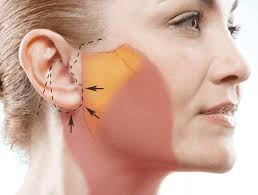
This more advanced approach goes further beneath the surface, releasing and repositioning the SMAS layer along with the deeper facial ligaments and the fat compartments beneath it as a single, unified structural unit, rather than simply tightening the more superficial layer alone. This deeper release allows the surgeon to reposition the underlying facial structure more comprehensively, often producing a more natural-looking result with less tension visible on the skin itself, since the lifting force is distributed across deeper structural tissue rather than concentrated on the skin. Our dedicated content on the deep plane facelift technique explores this approach in greater depth.
Comparison: Deep Plane vs. Classic Facelift
| Criterion | Classic Facelift | Deep Plane Facelift |
|---|---|---|
| Tissue layer addressed | Skin and the SMAS layer | SMAS, deeper ligaments, and fat compartments as one unit |
| Degree of correction | Well suited to mild to moderate aging | Better suited to more significant midface and jowl descent |
| Naturalness of result | Good, though tension can occasionally be visible on skin | Often described as more natural, since force is distributed deeper |
| Surgical complexity | Well established, moderately complex | More technically demanding, requiring specific surgical expertise |
| Recovery time | Generally two to three weeks | Often slightly longer, three to four weeks, given the deeper dissection |
| Longevity of results | Typically seven to ten years | Often described as longer-lasting, sometimes ten to fifteen years |
Who Is a Genuine Candidate for Each Approach
- A classic facelift tends to suit patients with mild to moderate skin laxity and jowling, where the primary concern is loose skin rather than significant deeper structural descent.
- A deep plane facelift tends to suit patients with more pronounced midface sagging, deeper nasolabial folds, and jowls, where a more comprehensive structural repositioning produces a more meaningfully transformative result.
- Both approaches require good general health and realistic expectations about a natural, refreshed appearance rather than an entirely different face.
Indications and Contraindications for Facelift Surgery
| Common Indications | Contraindications or Precautions |
|---|---|
| Jowling, midface descent, and loose facial and neck skin | Uncontrolled cardiovascular conditions increasing anesthesia risk |
| Desire for a longer-lasting, more comprehensive correction (deep plane) | Active smoking, which significantly increases healing complications |
| Realistic expectations about a natural, age-appropriate improvement | Unrealistic expectations about looking like a fundamentally different or much younger person |
Step-by-Step: What Each Procedure Involves
Before the Procedure
The initial consultation includes a thorough evaluation of your skin quality, facial fat distribution, and the degree of structural descent present, directly informing which technique is genuinely more appropriate for your specific anatomy.
During the Procedure
Both procedures are typically performed under general anesthesia or deep sedation, with a classic facelift generally lasting three to four hours and a deep plane facelift often requiring four to six hours given its more extensive dissection and repositioning of deeper tissue layers.
After the Procedure
Recovery involves noticeable swelling and bruising during the first two weeks, with drains sometimes used briefly after a deep plane approach given the more extensive dissection involved.
Recovery Timeline
| Period | Typically Reported Progress |
|---|---|
| Days 1 to 7 | Significant swelling and bruising, drains removed if used, limited activity recommended |
| Weeks 2 to 4 | Most visible bruising resolves, gradual return to normal activities |
| Months 2 to 6 | Final, settled facial contour becomes fully apparent as subtle residual swelling and tissue tightness resolve |
Expected Results and Longevity
Classic facelift results typically last seven to ten years before the natural aging process gradually reintroduces similar concerns, while deep plane facelift results are often described as lasting longer, sometimes ten to fifteen years, since repositioning the deeper structural layer rather than only the skin tends to hold its corrected position more durably against gravity over time.
Risks and Possible Complications
- Nerve injury, a risk present with both techniques but requiring particular surgical precision during a deep plane approach given its proximity to facial nerve branches.
- Asymmetry, reduced through careful, symmetrical surgical planning regardless of which technique is chosen.
- Hematoma or prolonged swelling, managed through careful surgical technique and, when needed, temporary drain placement.
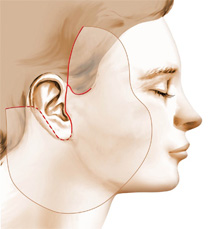
- Visible scarring or hairline distortion, minimized through strategic incision placement within the hairline and natural skin creases in front of and behind the ear.
The Rigorous Medical Oversight Behind Turkey’s Healthcare System
Turkey has built one of the most densely accredited healthcare infrastructures internationally among medical tourism destinations, with a number of Joint Commission International certified hospitals among the highest outside the United States. This accreditation enforces rigorous standards for this category of comprehensive facial surgery.
Turkey’s Ministry of Health has also developed a specific regulatory framework for medical tourism, including official certification of facilities authorized to receive international patients for either of these procedures.
The Specialized Training Behind Turkish Surgeons for These Techniques
Turkey has developed a deep pool of facial plastic surgeons with extensive experience in both classic and deep plane facelift techniques, and this accumulated volume of experience is particularly significant for the deep plane approach, which demands more advanced training given its proximity to facial nerve structures during the deeper dissection involved.
Why Surgeon Experience Matters More for the Deep Plane Technique
It is essential to emphasize that the deep plane facelift, while often associated with superior, longer-lasting, and more natural results, also carries a steeper learning curve and a narrower margin for error than the classic approach, given its proximity to the facial nerve branches running through this deeper tissue layer. A surgeon should be able to speak specifically and confidently about their training and experience with this particular technique, since meaningful outcome differences between these two approaches are closely tied to the individual surgeon’s specific expertise rather than the technique name alone.
How Facial Anatomy Influences Which Technique Is Recommended
A thoughtful surgeon bases their technique recommendation on your specific facial anatomy rather than defaulting to a single preferred approach for every patient. Concretely, a patient with primarily loose skin and minimal deeper structural descent may achieve an excellent result with a classic facelift, avoiding the additional complexity and slightly longer recovery of a deep plane approach, while a patient with significant midface volume loss and jowl descent often benefits meaningfully from the more comprehensive repositioning that only a deep plane technique can achieve.
The Role of Fat Grafting Alongside Either Technique
Many surgeons now combine facelift surgery, whether classic or deep plane, with facial fat grafting to restore volume that has been lost through natural aging rather than relying on skin tightening and repositioning alone. This combination addresses both the descent of tissue and the loss of volume simultaneously, often producing a more complete, naturally youthful result than either lifting or volumizing alone.
Quality Signals Worth Looking for in a Surgical Team
A genuinely experienced team recommends the specific technique that matches your anatomy and goals rather than defaulting to whichever approach they perform most frequently regardless of individual fit. A team that discusses realistic recovery timelines honestly, including the meaningfully longer recovery often associated with the deep plane technique, also reflects the kind of transparency that distinguishes trustworthy surgical care.
Preparing for Your Consultation
It is useful to bring photographs of yourself from ten or fifteen years earlier, since these images help your surgeon understand your natural facial structure and how it has changed over time, directly informing which technique and degree of correction will produce the most naturally appropriate result for your face.
Maintaining Continuity of Care Between Turkey and Canada
It is recommended to keep thorough documentation of your procedure, including the specific technique used and any complementary treatments performed, since this information can be valuable for any future consultation with a surgeon in Canada.
Patient Experiences Reported After Each Technique
Many patients who undergo a deep plane facelift describe their result as looking distinctly more natural compared to facelifts they may have seen on others, often specifically citing an absence of the pulled or tight appearance sometimes associated with more superficial techniques. Patients who undergo a well-performed classic facelift for appropriately matched mild to moderate concerns often report similarly high satisfaction, underscoring that the right technique for the right patient matters more than the assumption that one approach is universally superior.
Combining This Decision With a Broader Facial Rejuvenation Plan
Both facelift techniques are frequently combined with blepharoplasty, a brow lift, or neck-specific procedures such as a neck lift, all already detailed in our dedicated content, since a comprehensive facial rejuvenation plan addressing the eyes, brow, midface, and neck together often produces a more harmoniously balanced overall result than lifting the lower face in isolation. Some patients pursue a coordinated procedure such as a combined facelift and blepharoplasty.
Why a Second Opinion Matters for This Decision
Seeking a second surgical opinion is particularly worthwhile for this specific decision, given how meaningfully the appropriate technique depends on individual anatomy, and a second consultation can help confirm whether a classic or deep plane approach genuinely represents the better fit for your specific face and goals.
Questions Worth Asking During Your Consultation
It is useful to gather here the most relevant questions to bring to your surgeon, including their specific volume of experience with each technique, why they are recommending one approach over the other for your particular anatomy, and what specific improvement in longevity or naturalness you can realistically expect from their recommended technique compared to the alternative.
The Historical Evolution of These Two Techniques
It is worth understanding how these techniques developed over time, since this history clarifies why the deep plane approach, despite offering meaningful advantages, has not entirely replaced the classic technique. The SMAS-based classic facelift became the dominant standard approach starting in the 1970s and 1980s, offering a significant improvement over even older techniques that addressed skin alone without any deeper tissue repositioning. The deep plane technique emerged later as surgeons sought to address a specific limitation of the classic approach, namely that pulling primarily on the SMAS layer alone can occasionally create a somewhat two-dimensional, tightened appearance rather than a genuinely three-dimensional repositioning of descended facial volume. Refining this deeper technique took considerable time and surgical innovation, and it continues to be taught and practiced by a smaller, more specialized subset of facial plastic surgeons today.
The Role of the Facial Nerve in Explaining This Complexity
The facial nerve exits the skull and branches extensively through the face, with several of its branches running quite close to the deep tissue plane addressed during a deep plane facelift. A classic facelift, working at a more superficial layer, maintains a somewhat greater distance from these nerve branches, which is part of why it has historically been considered a technically more forgiving procedure. Understanding this anatomical reality helps explain why surgeon-specific experience with the deep plane technique matters so significantly, since the theoretical benefits of this deeper approach depend entirely on a surgeon’s ability to navigate this more delicate anatomical territory safely and consistently.
How Skin Quality Independently Affects the Final Result
It is worth noting that neither technique directly addresses skin quality itself, meaning fine wrinkles, sun damage, and skin texture concerns are not corrected by either facelift approach on their own. Patients seeking to address these specific concerns alongside structural lifting often benefit from complementary skin treatments such as laser resurfacing or chemical peels, performed either at the same time as the facelift or during a subsequent recovery phase once the surgical healing process is further along.
Why Recovery Support Matters More for These Procedures Than Many Others
Given the more extensive nature of facelift surgery compared to smaller facial procedures, having reliable support during the first week of recovery is particularly important, whether from a travel companion, a dedicated recovery service, or arranged in-clinic aftercare. Simple daily tasks can feel more difficult during this initial period of swelling and restricted movement, and international patients specifically benefit from confirming what recovery support is available or can be arranged through their chosen clinic before travelling.
The Importance of Setting Realistic Timeline Expectations
It is common for patients to feel disappointed at the two-week mark, when swelling has only partially resolved and the face can still look asymmetric, tight, or simply unfamiliar, rather than reflecting the true final outcome. Surgeons who proactively walk patients through this extended, sometimes emotionally challenging healing timeline before surgery, rather than only addressing it if a patient raises concerns during recovery, tend to support a considerably smoother psychological experience throughout this process.
Speaking With Your Surgical Team in Your Own Language
Communicating your specific concerns and goals clearly, particularly given how much this decision depends on a nuanced understanding of your own facial anatomy and aging pattern, benefits enormously from a direct conversation in a language you are fully comfortable in rather than relying entirely on translation. Many clinics in Turkey now offer English-speaking and French-speaking coordination specifically to support this kind of clear, direct communication for their international patients.
The Value of a Comprehensive, Unhurried Consultation Process
Given the complexity and permanence of this decision, a single brief consultation is rarely sufficient to properly evaluate which technique is right for you. The most reputable surgical teams typically schedule a thorough initial evaluation, encourage follow-up questions, and sometimes recommend a second visit or a detailed video consultation before finalizing a surgical plan, and patients should feel entitled to this level of care given the significance of this decision.
Long-Term Maintenance Following Either Technique
Once healing is complete, maintaining good sun protection and a consistent skincare routine helps preserve your surgical result for longer, since ongoing sun exposure and natural collagen decline continue to affect skin quality throughout life regardless of any prior surgery. Many patients also choose to incorporate periodic, less invasive treatments such as skin resurfacing or targeted injectables in the years following their facelift, addressing new, more superficial signs of aging without requiring a full surgical revision.
A Final Word on This Significant Decision
Choosing between these two techniques is ultimately a decision best made collaboratively with an experienced surgeon who takes the time to understand your specific anatomy, your aesthetic goals, and your tolerance for a longer recovery in exchange for a potentially more comprehensive and durable result. Neither technique is inherently right or wrong in isolation, and the right choice is always the one genuinely matched to your individual face.
Taking the Time to Make This Decision Thoughtfully
Given the significant investment of time, resources, and recovery involved in either approach, this decision deserves the same careful reflection given to any major, irreversible surgical commitment, ideally including sufficient time to consult with more than one surgeon before moving forward. Ultimately, some patients prioritize the shorter recovery of a classic facelift, while others prioritize the potentially longer-lasting, more natural result associated with the deep plane technique, and there is no universally correct answer independent of your own priorities, anatomy, and comfort with each technique’s specific trade-offs.
Pricing for Facelift Surgery in Turkey
| Pricing Factor | Cost Impact |
|---|---|
| Classic versus deep plane technique | A primary factor influencing overall cost given the difference in surgical complexity and duration |
| Combination with fat grafting, blepharoplasty, or a neck lift | May represent an additional investment depending on this broader treatment plan |
For a full overview of costs, see our pricing in Turkey, or request a free quote tailored to your situation.
Why Turkey Has Become a Leading Destination for Facelift Surgery
Turkey Compared to Other Medical Tourism Destinations
| Criterion | Turkey | Tunisia | Costa Rica | Dominican Republic | Colombia | Mexico |
|---|---|---|---|---|---|---|
| Common clinic language | English widely spoken, with growing French-speaking support | French and English widely spoken | Spanish, limited English | Spanish, variable English | Spanish, variable English | Spanish, variable English |
| Documented expertise with advanced facelift techniques | Particularly well established | Good availability | Variable | Variable | Good availability | Good availability |
| Estimated pricing level | Particularly accessible | Accessible | Moderate | Moderate | Moderate | Moderate to accessible |
| Direct flight access from Canada | Direct flights available to Istanbul | Generally with a stopover in Europe | Variable | Variable | Variable | Variable |
The Turkish Cities Most Recognized for These Procedures
Istanbul, a Major Hub for International Facial Plastic Surgery
This metropolis concentrates a particularly high density of clinics with surgeons experienced in both classic and deep plane facelift techniques.
Antalya, Izmir, and Ankara as Complementary Hubs
These cities also host recognized clinics offering both approaches.
Why So Many Canadians Are Turning to Turkey for This Decision
Patients from cities such as Toronto, Montreal, Calgary, Ottawa, Edmonton, Winnipeg, Quebec City, Hamilton, Kitchener, London, Victoria, Halifax, Oshawa, Windsor, Saskatoon, Regina, Sherbrooke, St. Catharines, Barrie, Kelowna, Abbotsford, Kingston, Trois-Rivières, Guelph, Moncton, Brantford, Saint John, Peterborough, Thunder Bay, Saguenay, Lethbridge, Nanaimo, Kamloops, Belleville, Chilliwack, Drummondville, Sudbury, Sarnia, Wood Buffalo, and Fredericton are researching this comparison in Turkey, drawn by deep, well-documented expertise in both techniques combined with pricing that is significantly more accessible than what is typically available in Canada.
How to Choose a Clinic for This Decision
- Confirm the facility holds internationally recognized accreditation, particularly JCI.
- Ask specifically how many deep plane facelifts, as distinct from classic facelifts, the surgeon has personally performed.
- Request to see the surgeon's own before-and-after results for each technique separately, ideally including patients with a similar starting degree of aging to your own.
Planning Your Medical Trip to Turkey
- Entry requirements: Canadian citizens generally need to obtain an electronic visa before departure.
- Flights and transfers: several airlines offer direct flights from major Canadian cities to Istanbul.
- Length of stay: plan for approximately two to three weeks for either procedure and initial recovery before flying home, with the deep plane approach often requiring the longer end of this range.
In Summary: Two Distinct Paths to Facial Rejuvenation
The classic facelift and the deep plane facelift address different tissue layers and suit different degrees of facial aging, with the right choice depending entirely on your specific anatomy rather than one technique being universally superior. Turkey offers well-established expertise in both approaches.
Before making a decision, it is recommended to have your facial structure thoroughly evaluated by an experienced surgical team capable of performing both techniques. Patients interested in a personalized assessment can request a free quote from the Aylan Clinic team. To explore further, browse all facial surgery in Turkey.
Everything about Deep Plane vs Traditional Facelift in Turkey
Technique, pricing, results and the full patient journey — every detailed answer in our complete guide.