
FaceTite uses radiofrequency-assisted lipolysis to simultaneously melt small amounts of fat and tighten loose skin through tiny incisions, offering a meaningful middle-ground option between non-surgical injectables and a full surgical facelift. This treatment, offered at the best specialized centers in Turkey, relies on internationally accredited hospital infrastructure that allows this procedure to be supervised with particularly well-documented medical rigor.
This page belongs to our facial surgery in Turkey hub, within our wider aesthetic surgery in Turkey section. Below you will find the principle behind this technology, who is a genuine candidate, the full step-by-step process, expected results, risks worth knowing, and the practical details to consider before choosing this treatment in Turkey. At any time you can request a free quote, with no obligation.
What FaceTite Actually Does
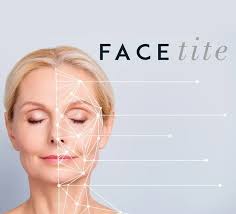
This technology uses a thin probe inserted through a tiny incision, delivering controlled radiofrequency energy simultaneously to both the underside of the skin and a small external electrode on the skin's surface. This dual-energy delivery heats the deeper tissue layer to a precise, controlled temperature, causing existing collagen fibers to contract immediately while also stimulating new collagen production over the following months, all while gently melting small pockets of fat that can be suctioned out through the same tiny access point.
How FaceTite Differs From Traditional Facelift Surgery
Unlike a traditional facelift, which repositions descended tissue through a longer incision typically running along the hairline and around the ear, FaceTite works by heating and contracting tissue in place through a single tiny incision, often just a few millimeters long. This fundamentally different mechanism means FaceTite produces a genuine tightening effect without repositioning tissue the way a facelift does, making it best suited to mild to moderate skin laxity rather than the more significant structural descent that a facelift is specifically designed to correct. For that more significant descent, a deep plane facelift or a cervicofacial lift remains the more appropriate approach.
Comparison Table: FaceTite vs. Traditional Facelift
| Criterion | FaceTite | Traditional Facelift |
|---|---|---|
| Mechanism | Radiofrequency heating causes tissue contraction in place | Surgical repositioning of descended tissue |
| Incision size | A few millimeters, often just one per side | Longer incision along the hairline and around the ear |
| Best suited for | Mild to moderate skin laxity | Moderate to significant structural descent and jowling |
| Anesthesia | Local anesthesia, often with light sedation | General anesthesia or deep sedation |
| Recovery time | Generally one to two weeks | Generally two to four weeks |
| Degree of correction | Meaningful but more modest tightening | More comprehensive, dramatic repositioning |
Who Is a Genuine Candidate for This Treatment
- Mild to moderate skin laxity along the jawline, cheeks, or neck, without the significant structural descent that would require a full facelift.
- A preference for minimal scarring and downtime, since FaceTite's tiny incisions and shorter recovery appeal to patients seeking meaningful improvement without a lengthy surgical recovery.
- Realistic expectations about a noticeable but more modest tightening effect rather than the dramatic repositioning a full facelift can achieve.
Indications and Contraindications for FaceTite
| Common Indications | Contraindications or Precautions |
|---|---|
| Mild to moderate jawline, cheek, or neck skin laxity | Significant structural descent better suited to a full facelift |
| Desire for minimal scarring and a shorter recovery | Active skin infection in the treatment area |
| Realistic expectations about a moderate, not dramatic, degree of tightening | Certain implanted electronic devices, such as pacemakers, requiring careful evaluation |
Step-by-Step: What the Procedure Involves
Before the Procedure
The initial consultation evaluates your skin laxity and determines whether FaceTite alone will meet your goals or whether combining it with another procedure, or considering a full facelift instead, would better address your specific degree of aging.
During the Procedure
This treatment is typically performed under local anesthesia with light sedation, generally lasting between one and two hours depending on the treatment area, with the surgeon inserting a thin probe through a tiny incision to deliver controlled radiofrequency energy beneath the skin.
After the Procedure
Recovery involves swelling and some firmness in the treated area during the first one to two weeks, with the true final tightening effect continuing to develop gradually over the following months as new collagen forms.
Recovery Timeline
| Period | Typically Reported Progress |
|---|---|
| Days 1 to 7 | Swelling, mild bruising, and firmness in the treated area |
| Weeks 2 to 4 | Most visible swelling resolves, initial tightening becomes apparent |
| Months 2 to 6 | Progressive tightening continues as new collagen forms, final result becomes fully apparent |
Expected Results and Longevity
Results typically continue improving for several months after treatment as new collagen production continues, with the final tightened result generally lasting several years, though the natural aging process continues afterward just as it would following any other skin-tightening approach.
Risks and Possible Complications
- Temporary numbness or altered sensation, which typically resolves as the treated tissue heals from the controlled heating process.
- Irregular contour or firmness, minimized through careful, even energy delivery across the treatment area by an experienced provider.
- Burns, a rare but recognized risk if temperature is not carefully monitored throughout the procedure, underscoring the importance of choosing a provider with specific training in this technology.
- Insufficient tightening for the degree of laxity present, which is why appropriate patient selection matters so significantly for this specific treatment.
The Rigorous Medical Oversight Behind Turkey's Healthcare System
Turkey has built one of the most densely accredited healthcare infrastructures internationally among medical tourism destinations, with a number of Joint Commission International certified hospitals among the highest outside the United States. This accreditation enforces rigorous standards for this category of energy-based facial treatment.
Turkey's Ministry of Health has also developed a specific regulatory framework for medical tourism, including official certification of facilities authorized to receive international patients for this procedure.
The Specialized Training Behind Turkish Providers for This Technology
Turkey has developed a deep pool of facial plastic surgeons and dermatologic specialists with specific training in radiofrequency-assisted technologies, and this accumulated experience contributes to precise, carefully monitored energy delivery that maximizes tightening while minimizing the risk of thermal injury to surrounding tissue.
The Technology Behind Controlled Radiofrequency Heating
It is worth understanding this mechanism in more depth, since it explains why this treatment achieves genuine tissue contraction rather than simply a temporary, superficial effect. The internal probe and external electrode work together to create a controlled electrical field, with real-time temperature monitoring built into the device to ensure the treated tissue reaches a precise therapeutic temperature range, generally between sixty and seventy degrees Celsius, hot enough to cause immediate collagen contraction and stimulate new collagen formation, but carefully controlled to avoid burning the skin's surface or surrounding structures.
Why Patient Selection Matters More for This Treatment Than Many Others
Because FaceTite works through tissue contraction rather than surgical repositioning, it has genuine limits in how much correction it can achieve for more significantly descended or lax tissue. A patient with primarily mild to moderate skin laxity is likely to be thrilled with their FaceTite result, while a patient with significant jowling or structural descent may find the improvement more subtle than hoped, which is why a surgeon who honestly assesses whether you are a genuinely good candidate, rather than promoting this treatment to every patient regardless of fit, provides a meaningfully more valuable consultation.
Combining FaceTite With Complementary Treatments
This treatment is frequently combined with a small amount of traditional liposuction for larger fat deposits that FaceTite's more limited fat-melting capacity cannot fully address, or with facial fat grafting to restore volume in areas that have become hollow with age. Combining these complementary approaches often produces a more complete rejuvenation than FaceTite alone, addressing tightening, fat reduction, and volume restoration together. When the concern is concentrated under the chin, a targeted double chin treatment may also be discussed.
Quality Signals Worth Looking for in a Provider
A genuinely experienced provider for this treatment explains clearly whether your specific degree of skin laxity is well suited to FaceTite or whether a full facelift would produce meaningfully better results for your situation, rather than defaulting to whichever treatment they are most invested in offering. A provider who monitors tissue temperature carefully and explains their specific safety protocols during the procedure also reflects the kind of rigor that distinguishes trustworthy care with this energy-based technology.
Preparing for Your Consultation
It is useful to bring reference photographs of yourself from several years earlier, since these images help your provider assess how quickly your skin has been aging and whether FaceTite's more moderate tightening effect will meet your specific expectations.
Maintaining Continuity of Care Between Turkey and Canada
It is recommended to keep thorough documentation of your treatment, including the specific device and settings used, since this information can be valuable for any future consultation with a provider in Canada.
Patient Experiences Reported After This Treatment
Many patients describe genuine satisfaction with the balance this treatment strikes between meaningful visible improvement and a substantially shorter recovery than a full facelift, particularly patients who are not yet ready for more extensive surgery but want more correction than injectables alone can provide.
The Psychological Dimension Behind Choosing a Middle-Ground Treatment
Many patients considering their facial rejuvenation options feel caught between wanting a meaningful improvement and hesitating at the idea of a full surgical facelift, whether due to recovery time, cost, or simply not feeling ready for that level of intervention. This middle-ground preference deserves genuine respect from any provider, one who helps patients find the right treatment for where they currently are in their own aesthetic journey rather than pushing toward either extreme.
Why a Second Opinion Matters for This Decision
Seeking a second opinion remains worthwhile for this treatment, particularly to confirm whether your specific degree of skin laxity is genuinely well matched to FaceTite's capabilities or whether a different approach would serve you better.
Questions Worth Asking During Your Consultation
It is useful to gather here the most relevant questions to bring to your provider, including their specific training and experience with this radiofrequency technology, how they monitor tissue temperature during treatment, and what realistic degree of tightening you can expect given your specific starting point.
The Broader Category of Radiofrequency-Assisted Lipolysis
FaceTite belongs to a broader family of technologies collectively known as radiofrequency-assisted lipolysis, a category that includes several branded devices sharing this same fundamental internal and external electrode approach. Understanding this broader category helps clarify that FaceTite is one specific, well-established implementation of this technology rather than an entirely unique invention, and different clinics may use different specific devices within this same general category, each with subtle variations in probe design and energy delivery.
How This Technology Emerged From Earlier Body Contouring Applications
This radiofrequency-assisted approach was originally developed and refined for body contouring applications before being adapted specifically for the more delicate tissue of the face and neck. This origin matters because it means the underlying technology has a longer track record of safety data from its body-contouring applications, even though its specific facial application, requiring smaller, more precise probes and more conservative energy settings given the face's thinner skin and more complex underlying anatomy, represents a more specialized and technically demanding adaptation.
The Importance of Individualized Energy Settings
A skilled provider does not apply identical energy settings to every patient and every treatment area, since skin thickness, fat distribution, and the specific anatomical structures beneath the treatment area all vary meaningfully from one location to another and from one patient to the next. Concretely, the neck, with its thinner skin and closer proximity to important structures, typically requires more conservative energy settings than the cheek or jawline, and a provider's ability to make these judgment calls appropriately reflects genuine expertise rather than simply operating the device according to a single default protocol.
Why Combining Modest Expectations With This Technology Produces the Best Outcomes
Patients who approach FaceTite with an understanding that it offers meaningful but moderate tightening, rather than expecting a facelift-equivalent transformation, consistently report higher satisfaction with their results. This is less a limitation of the technology itself and more a reflection of the importance of matching any treatment to appropriately calibrated expectations, a principle that applies across virtually every category of cosmetic treatment but that deserves particular emphasis here given how this technology is sometimes marketed with language that can inadvertently overstate its capabilities relative to full surgical alternatives.
The Role of Skin Thickness in Determining Candidacy
Patients with notably thin, fragile skin sometimes are not ideal candidates for this specific technology, since achieving adequate tissue contraction requires a certain minimum thickness of tissue to safely heat without excessive risk to the skin's surface. A thorough evaluation includes an assessment of your specific skin thickness and quality, and a transparent provider will tell you directly if your particular skin characteristics make you a less ideal candidate for this treatment compared to an alternative approach.
Speaking With Your Provider in Your Own Language
Communicating your specific concerns and expectations clearly benefits enormously from a direct conversation in a language you are fully comfortable in, particularly given how important properly calibrated expectations are for this specific treatment. Many clinics in Turkey now offer English-speaking and French-speaking coordination specifically to support this kind of clear, direct communication for their international patients.
The Value of Photographic Documentation Throughout Your Healing Process
Since FaceTite's full tightening effect develops gradually over several months rather than appearing immediately, taking standardized photographs at regular intervals throughout your recovery, rather than relying on memory or the mirror alone, provides a much clearer, more objective way to appreciate your gradual improvement over time.
Long-Term Maintenance Following This Treatment
Since this treatment stimulates genuine new collagen formation rather than simply providing a temporary superficial effect, results tend to hold reasonably well for several years, though maintaining good sun protection and a consistent skincare routine helps preserve this improvement for longer, since ongoing collagen decline continues throughout life regardless of any prior treatment. Some patients choose to repeat this treatment or add a complementary procedure years later as further natural aging occurs.
A Final Word on This Increasingly Popular Middle-Ground Technology
This treatment occupies a genuinely useful niche within facial rejuvenation, offering meaningfully more correction than injectables or surface-level devices while avoiding the more extensive recovery and cost associated with a full surgical facelift. This middle-ground position is precisely why appropriately matching this treatment to the right candidate matters so significantly for patient satisfaction.
Taking the Time to Confirm This Is the Right Fit for You
Given the importance of appropriate patient selection for this specific technology, it is worth taking the time to have a genuinely thorough evaluation, ideally including a frank discussion of whether your particular anatomy is better suited to FaceTite or to an alternative approach, before committing to this treatment.
Recognizing the Value of an Honest, Nuanced Consultation
The single most valuable thing a prospective patient can find in a consultation for this treatment is honesty about its genuine capabilities and limitations, since a provider willing to say that a full facelift would serve you better, even at the cost of a smaller treatment fee, is demonstrating the kind of integrity that should inform your broader confidence in that provider's judgment.
How This Technology Fits Within a Staged Approach to Aging
Some patients specifically choose FaceTite as an earlier intervention in their overall aging journey, addressing mild to moderate laxity in their forties or early fifties with this less invasive option, while planning for the possibility of a more comprehensive facelift at a later stage once their aging has progressed further. This staged approach can be a genuinely thoughtful way to address facial aging progressively rather than either over-treating early signs of aging or waiting until a much more extensive intervention becomes necessary.
The Importance of Post-Treatment Compression and Care
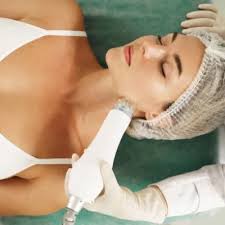
Following this procedure, most providers recommend a compression garment for the treated area during the initial healing period, supporting the tissue as it heals and helping to minimize swelling. Following your provider's specific aftercare instructions closely during this window meaningfully supports achieving the best possible final result from your treatment.
Considering Your Own Comfort Level With Emerging Technologies
Some patients feel more comfortable with well-established surgical techniques that have decades of data behind them, while others are drawn specifically to newer, less invasive technologies like FaceTite precisely because of their shorter recovery and smaller incisions. Neither preference is inherently right or wrong, and a good provider respects your personal comfort level with different categories of intervention rather than pushing you toward whichever approach they happen to prefer performing.
A Closing Note on Patience During Your Recovery
Because this treatment's full benefit unfolds gradually over months rather than instantly, patience during this waiting period is genuinely part of the process, and trusting this gradual timeline rather than judging your result too early tends to lead to a more satisfying overall experience with this technology.
FaceTite Pricing in Turkey
| Pricing Factor | Cost Impact |
|---|---|
| Treatment area size (face, neck, or both) | A primary factor influencing overall cost |
| Combination with traditional liposuction or fat grafting | May represent an additional investment depending on this broader treatment plan |
For a fuller overview of what to budget, see our prices in Turkey page, or simply request a free quote tailored to your situation.
Why Turkey Has Become a Leading Destination for This Treatment
Turkey Compared to Other Medical Tourism Destinations
| Criterion | Turkey | Tunisia | Costa Rica | Dominican Republic | Colombia | Mexico |
|---|---|---|---|---|---|---|
| Common clinic language | English widely spoken, with growing French-speaking support | French and English widely spoken | Spanish, limited English | Spanish, variable English | Spanish, variable English | Spanish, variable English |
| Documented expertise with radiofrequency-assisted technologies | Particularly well established | Good availability | Variable | Variable | Good availability | Good availability |
| Estimated pricing level | Particularly accessible | Accessible | Moderate | Moderate | Moderate | Moderate to accessible |
| Direct flight access from Canada | Direct flights available to Istanbul | Generally with a stopover in Europe | Variable | Variable | Variable | Variable |
The Turkish Cities Most Recognized for This Treatment
Istanbul, a Major Hub for International Facial Plastic Surgery
This metropolis concentrates a particularly high density of clinics offering advanced radiofrequency and energy-based facial technologies.
Antalya, Izmir, and Ankara as Complementary Hubs
These cities also host recognized clinics offering this treatment.
Why So Many Canadians Are Turning to Turkey for This Treatment
Patients from cities such as Toronto, Montreal, Calgary, Ottawa, Edmonton, Winnipeg, Quebec City, Hamilton, Kitchener, London, Victoria, Halifax, Oshawa, Windsor, Saskatoon, Regina, Sherbrooke, St. Catharines, Barrie, Kelowna, Abbotsford, Kingston, Trois-Rivières, Guelph, Moncton, Brantford, Saint John, Peterborough, Thunder Bay, Saguenay, Lethbridge, Nanaimo, Kamloops, Belleville, Chilliwack, Drummondville, Sudbury, Sarnia, Wood Buffalo, and Fredericton are researching FaceTite in Turkey, drawn by pricing that is significantly more accessible than what is typically available in Canada.
How to Choose a Clinic for This Treatment
- Confirm the facility holds internationally recognized accreditation, particularly JCI.
- Ask specifically about the provider's training and experience with this particular radiofrequency technology.
- Request to see the provider's own before-and-after results specifically for FaceTite, ideally including patients with a similar starting degree of skin laxity.
Planning Your Medical Trip to Turkey
- Entry requirements: Canadian citizens generally need to obtain an electronic visa before departure.
- Flights and transfers: several airlines offer direct flights from major Canadian cities to Istanbul.
- Length of stay: plan for approximately one week for this procedure and initial recovery.
In Summary: A Meaningful Middle Ground in Facial Rejuvenation
FaceTite uses controlled radiofrequency energy to tighten skin and reduce mild fat through tiny incisions, offering a genuine middle-ground option between injectables and a full surgical facelift. Turkey offers well-established expertise for this treatment.
Before making a decision, it is recommended to have your specific degree of skin laxity evaluated by an experienced provider familiar with both this technology and traditional facelift surgery. Patients interested in a personalized assessment can request a free quote from the Aylan Clinic team, or explore the full range of facial surgery in Turkey and related options such as a neck lift.
Everything about FaceTite in Turkey
Technique, pricing, results and the full patient journey — every detailed answer in our complete guide.