A second hair transplant is a follow-up procedure that adds density, covers areas that have thinned since your first surgery, or refines and corrects earlier work, using follicular units from your remaining donor supply. Here is the honest heart of it: needing one is normal, not a failure. Around a third of patients have a second procedure, because hair loss is progressive and a transplant never stops future thinning in untreated areas. The single most important idea is your restoration capital, a finite, non-renewable donor supply of roughly 4,000 to 8,000 lifetime grafts, of which surgeons safely use only about 40 to 50% across your whole life. A good second transplant protects that budget rather than draining it.
This guide is part of our hair transplant in Turkey category, within our wider aesthetic surgery in Turkey section, and it complements the practical procedure information found there. Below you will find the real reasons for a second procedure, timing, donor management, technique, candidacy, cost, how to choose a clinic, and the honest constraints that separate a good second transplant from a harmful one. You should wait at least 12 to 18 months after the first, so results fully mature and your donor supply and coverage gaps can be honestly assessed. At any time you can consult our pricing in Turkey page or request a free quote, with no obligation. Aylan Clinic wrote this to give you the honest version, not the sales version.
What a Second Hair Transplant Actually Involves
A second procedure adds grafts to increase density, cover areas that have thinned since your first procedure, or refine and correct earlier work, using follicular units from your remaining donor supply. Because part of your donor area was already used, a second procedure is fundamentally an exercise in careful planning, spending what remains of your finite donor budget where it delivers the most natural, lasting improvement.
In most cases the first transplant worked exactly as intended, and the second is needed because hair loss kept progressing in untreated areas, because initial planning was sensibly conservative, or because you want more density now that you have seen the result. A second procedure is typically a planned chapter in lifelong restoration, not a rescue.
Why Hair Loss Progresses After a Transplant
Androgenetic alopecia, the genetic pattern loss behind most thinning, does not stop after surgery. Transplanted follicles resist the hormone driving loss, but your native, non-transplanted hair can keep receding for decades, sometimes exposing new thin areas beside the restored ones. This progressive nature, not any flaw in the first surgery, is the most common reason a second procedure becomes worthwhile. A man restored at the hairline in his thirties may see his crown thin in his forties, which is exactly why surgeons plan the first transplant anticipating that more may come.
Understanding Your Restoration Capital
Restoration capital is the idea that your donor area holds a finite, non-renewable supply of roughly 4,000 to 8,000 lifetime grafts, and every extraction permanently spends part of it. Surgeons safely harvest only about 40 to 50% of your donor hair across your whole life to keep the area looking natural. A second transplant must be planned within this budget, which is why donor management matters so much. Once you grasp this single concept, almost every other second-procedure decision, timing, graft numbers, whether to use medication, follows logically from the goal of spending that finite capital wisely.
Why the Donor Area Sets the Limits
Your donor area does not regenerate, so once healthy follicles are used, they are gone, and overharvesting leaves the back and sides visibly thin. Most people can support two to three procedures within safe limits, and data shows about 30% of patients have a second while under 2% have three or more. The donor supply, not desire, is the real ceiling on how many transplants you can have.
The Three Real Reasons for a Second Transplant
There are three honest reasons. First, continued hair loss in untreated areas as genetic pattern loss progresses. Second, wanting more density than a sensibly conservative first procedure provided. Third, corrective or repair work to improve an earlier result. Each is a legitimate, planned reason, and none means your first transplant failed. Understanding which of these applies to you is the starting point for any second-procedure plan, because each calls for a slightly different approach to graft placement, donor use, and timing.
Reason One: Progressive Hair Loss
The most common reason is simple biology: androgenetic alopecia keeps advancing after surgery, thinning native hair in areas the first transplant did not cover. A second procedure addresses this new loss, which is why surgeons plan the first transplant anticipating that more may come.
Reason Two: Adding Density
Many skilled surgeons deliberately plan a conservative first procedure, creating natural coverage while preserving donor supply and seeing how loss progresses. Once the result has matured and you have lived with it, you may want more density in the same area. A second transplant adds grafts between the existing ones, a legitimate refinement rather than a correction of any error.
Reason Three: Repair and Correction
Sometimes a second procedure corrects an earlier result, an unnatural hairline, pluggy placement, low density, or over-harvested donor work, often from a cut-rate first clinic. This repair work is among the most demanding hair surgery there is, requiring an especially skilled surgeon to improve aesthetics while working within whatever donor supply remains.
Why Timing Matters: The 12-to-18-Month Rule
You must wait 12 to 18 months before a second transplant because transplanted hair needs that long to fully mature and reveal its true density, so judging results and planning a second procedure earlier means acting on incomplete information. Waiting also lets scalp laxity recover, making further harvesting safer, and allows the surgeon to see the wave and density of the first result to blend the second seamlessly. There is a strategic reason too: if your loss is still progressing, waiting the full period lets your surgeon see where it is heading and plan the second procedure to address the real pattern rather than guessing prematurely.
Deciding on a second transplant at six months, before growth completes, risks pursuing grafts in areas that have not revealed their full result, leading to over-correction or wasted donor hair. Because your donor supply is finite, spending it prematurely is a genuine loss, which is why reputable surgeons insist on the full maturation period before planning more. A second transplant also works best when your hair loss has stabilized, or when medication is reliably managing its progression; operating while loss is still advancing rapidly risks needing a third procedure sooner than expected.
The Donor Conservation Strategy
Surgeons conserve the donor area by treating your roughly 4,000 to 8,000 lifetime grafts as a budget spent across decades, not a single procedure. They harvest evenly, stay within the safe extraction threshold of about 40 to 50% of donor hair, and plan each procedure knowing more may follow. A surgeon thinking this way will sometimes deliberately use fewer grafts in a first procedure precisely to leave room for a second, which is why conservative early planning and a well-managed second procedure so often go hand in hand.
Understanding the Safe Extraction Threshold
Surgeons generally extract no more than 40 to 50% of your available donor grafts over a lifetime to keep the back and sides looking full and natural. In a donor area of 80 to 100 grafts per square centimetre, a surgeon might harvest only 20 to 30 per square centimetre in any one procedure. Respecting this threshold across multiple transplants is essential to avoid a visibly thinned donor zone.
The Serious Risk of Overharvesting
Overharvesting, taking too many grafts to chase density now, permanently thins the donor area, leaving visible sparseness at the back and sides and limiting or ending future surgical options. It is irreversible, which is why a careful surgeon harvests conservatively even when you want more, protecting the finite resource that makes any future second or third procedure possible. The damage can also be subtle at first, becoming apparent only years later as the donor area continues to thin with age, which is exactly why respecting safe limits from the very first procedure matters so much.
Second Hair Transplant Cost in Turkey
Turkish clinics price as flat all-inclusive packages rather than per graft, which suits a second procedure well since these often need fewer grafts than the first. Canadians consistently find these packages run up to roughly 60% cheaper than equivalent Western clinics, where a second per-graft bill on top of the first would quickly become a serious expense. Often the procedure itself needs fewer grafts, since it is topping up density or covering a specific new area rather than rebuilding from scratch, so the flat-package model means you pay for a whole procedure without watching a per-graft meter climb.

Comparing Second Transplant Costs: Canada vs Turkey
| Factor | Private Canada / West | Turkey with Aylan Clinic |
|---|---|---|
| Pricing model | Usually per graft | Flat all-inclusive package |
| Second procedure cost | Full price again per graft | Included in package |
| Consultation | Often paid | Free photo assessment |
| Package inclusions | Surgery only | Hotel, transfers, aftercare |
| Coverage | Not covered (cosmetic) | Not covered (cosmetic) |
The honest comparison favours Turkey, especially when you are funding a second procedure and want to protect your budget as well as your donor supply. For a fuller overview, see our pricing in Turkey page, or request a free quote tailored to your situation.
Understanding the Full Cost Breakdown
A transparent quote covers the consultation, the procedure regardless of graft count, anaesthesia, medications, the first wash, follow-up, and usually hotel and transfers. Because a second procedure often needs fewer grafts, the flat-package model can be especially good value, so you should see one total price, not a per-graft meter climbing on top of what you already paid for your first transplant. Compare what is included, the surgeon's experience with repeat procedures, and the honesty of the donor assessment, not just the headline price. A cheap quote built on overharvesting your donor area is not comparable to a donor-conscious plan.
Watching for Hidden Fees
Ask whether medications, the post-op kit, follow-up, and transfers are covered or cost extra. Some clinics quote a low surgery price then add charges for things a genuinely all-inclusive package would include. Clarifying exactly what is covered protects your budget, especially when you are funding a second procedure and want no surprises after committing.
Finding the Best Clinic for Your Second Procedure
Skip any clinic branding itself the best clinic outright and focus on what a second procedure truly needs: a surgeon who assesses your remaining donor supply honestly, works skilfully around your existing grafts, and plans within your restoration capital. A clinic that ignores your donor limits and promises unlimited density is waving a red flag, not showing expertise. What matters most is experience placing grafts among existing transplanted hair without damaging it, honesty about how much donor supply remains, and a plan that protects your future options. The best clinic for a second procedure treats your remaining donor hair as precious, distributing new grafts evenly among the old, which takes more skill than a first transplant on a blank area.
Searching Second Hair Transplant Near Me
Most Canadians searching second hair transplant near me find a few local options priced per graft, which makes a second round expensive on top of the first. That is exactly why so many compare what is near me at home against Turkish clinics offering flat packages, where a second procedure does not mean paying full Western per-graft prices all over again. Searching near me helps you understand local pricing and availability, but limiting yourself to only what is near me often means paying premium per-graft rates. When you search near me, compare each surgeon's experience with second procedures specifically, their honesty about your remaining donor supply, the pricing model, and independent reviews, because a clinic near me is not automatically better at the delicate work of transplanting among existing grafts simply for being close.
Searching Second Hair Transplant Close to Me
Finding trustworthy second-procedure work close to me means checking the surgeon's experience working around existing grafts, their honesty about your donor limits, and their reviews just as carefully as for a clinic abroad. Proximity does not guarantee skill at this delicate work. For a tiny touch-up, a clinic close to me might do, but a second transplant demands careful donor assessment and skilled placement among existing hair, and its cost stacks on top of your first procedure in the West, so the savings and specific expertise in Turkey often outweigh the convenience of staying close to me for this work.
Second Transplant Reviews: What to Look For
Useful reviews come from patients who had a second procedure specifically, showing natural added density a year or more later, with the donor area still looking full and no damage to the first transplant. Look for mentions of honest donor assessment and realistic expectations, and be wary of clinics showing only dramatic first-transplant transformations. Read across several independent platforms rather than a clinic's own gallery, and seek patients whose situation resembles yours, a second procedure for added density or progressive loss. The most trustworthy reviews mention specifics: honest donor assessment, careful placement that protected the first transplant, a natural increase in density, and a donor area that still looks full a year on. They read like real people who understood their restoration capital, not marketing copy promising endless grafts.
Spotting Fake Reviews
Watch for floods of identical raves, galleries that blur first and second procedures, and reviews with no mention of donor assessment, timing, or realistic incremental results. Video testimonials add real authenticity, since seeing a patient show their added density and intact donor area on camera, ideally a year out, is harder to fake than a still photo, though you should still watch for honest talk about donor assessment and realistic incremental improvement.
Second Transplant Before and After
Honest before and after photos show the result at least twelve to fifteen months out, comparing density before and after the second procedure specifically, ideally from a patient with a similar goal. Be cautious of galleries mixing first and second procedures confusingly, and remember the donor area should look intact and full in the after photos, not thinned. Good before and after photos help you see the realistic incremental improvement a second procedure delivers, refining density or coverage rather than a dramatic first-time transformation, and they protect you from disappointment by showing that a second transplant is usually about balance and polish.
Which Technique Suits a Second Transplant Best
Both FUE and DHI work well, and many patients choose Sapphire FUE or DHI for a second procedure precisely because they allow more precise placement among existing grafts. DHI's implanter pen excels at slotting new hairs between established ones to build density, while FUE gives flexible site creation. Your second procedure is not bound to your first method, and surgeons often choose the technique best suited to the specific goal, adding density, covering a new area, or refining. The surgeon's skill working around your first transplant matters more than the tool.
The Special Skill of Working Around Existing Grafts
A second transplant demands a skill a first does not: placing new grafts among established transplanted and native hair without damaging either. Surgeons work with the existing hair, avoid cutting settled follicles, and distribute new grafts evenly to prevent clusters or gaps. On a blank scalp a surgeon has a clean canvas, but on a partly-restored one every new incision must respect what is already there, which takes a steadier hand, sharper planning, and the kind of judgment that only comes from having done many second procedures before.
Using FUT, FUE, Beard and Body Hair to Extend Your Donor Supply
Some patients whose scalp donor supply is limited find that combining harvesting approaches, or drawing on beard and body hair where suitable, can unlock additional grafts for a second procedure. Beard hair is the most common non-scalp source and shows good uptake when moved to the scalp, offering coarser hair that adds visual density; it is typically used to supplement rather than replace scalp grafts. Chest and other body hair can also supplement a limited donor supply, though uptake and texture vary more, so it suits certain cases better than others. Many patients whose first procedure was the older FUT strip method, leaving a linear scar, have a second procedure by FUE, which can both add grafts and sometimes place hair into the scar to reduce its visibility.
Detailed Candidacy for a Second Transplant
A proper assessment confirms at least 12 to 18 months have passed, that your first result has fully matured and growth has plateaued, that you have a clear goal, and crucially that your remaining donor supply can support more without overharvesting. The surgeon also checks your loss has stabilized or is medically managed, so a second procedure will not be quickly outpaced. Only when all of these line up does a responsible surgeon give a graft estimate and a price, since any figure quoted before this assessment is little more than a guess.
Someone whose first procedure has not fully matured, whose loss is still advancing rapidly without medication, or whose donor supply is too depleted to harvest safely is not ready. An honest surgeon will advise waiting, optimizing medication, or in some cases declining further surgery, because a second procedure on an inadequate donor area can do more harm than good. The ideal candidate is at least a year past a fully matured first result, has a clear specific goal, stable or medically managed loss, adequate remaining donor supply confirmed by assessment, and realistic expectations of incremental improvement.
Your Second Transplant Treatment Day
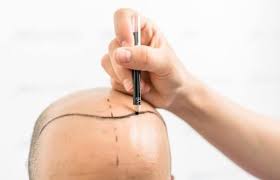
The day is broadly similar to your first, with an important extra step: the surgeon carefully maps where your existing grafts sit so new ones blend in. Local anaesthetic numbs the scalp, grafts are harvested within safe limits from your remaining donor supply, then placed precisely among the existing hair. You are awake and comfortable throughout, as with your first procedure.
Aftercare Following a Second Transplant
The essentials mirror your first transplant, and you will likely know the routine: gentle washing, no friction or pressure on the grafts, no heavy sweating or strain for around two weeks, and sun protection. Healing can even be a little faster if your scalp is healthy and well supplied with blood, though you should follow every instruction just as carefully as before.
- Sleeping: sleep semi-upright with your head elevated for the first several nights to reduce swelling and keep pressure off the grafts, using a travel pillow if it helps.
- Exercise: light walking is fine within days, but avoid strenuous exercise, heavy lifting, and heavy sweating for around two weeks, since sweat and raised blood pressure can disturb the healing grafts.
- Hats: avoid tight hats and pressure on the grafts for the first days, though clinics often provide a loose cap for travel; after the initial healing window you can wear hats normally.
- Colouring: most surgeons advise waiting around four weeks before colouring, since the grafts and scalp need to heal and chemicals can irritate fresh recipient sites.
- Physical jobs: if your job involves heavy lifting, sweating, or exertion, plan to take around two weeks off; desk-based workers often return within days.
A Realistic Second Transplant Timeline
The timeline mirrors your first: surgery day, then shedding of transplanted hairs within two to six weeks, regrowth from around month three, meaningful density by months six to nine, and full maturation at roughly twelve to eighteen months. In the first month the new grafts settle, scabbing clears within a couple of weeks, and any temporary shock loss of existing hair usually begins to recover soon after. Between months twelve and eighteen the second procedure reaches full maturation, with the new density settled and blended seamlessly into your first result, and this is when you fairly judge the outcome. Even having been through it once, patience remains essential, since a second procedure follows the same maturation cycle regardless of your experience; late-growing hairs keep adding density well into the second year, so an early verdict rarely reflects the true final result.
Verifying Clinic Accreditation and Second-Procedure Expertise
Look for internationally recognized standards like JCI accreditation, proper licensing, and above all a surgeon experienced with second and repeat procedures, since working among existing grafts and managing a partly-used donor area takes specific skill. JCI accreditation signals that a facility meets rigorous international standards for safety and quality, which matters for any surgery involving anaesthesia. Ask to see their results from second procedures specifically, because that experience is the biggest factor in a natural, donor-safe outcome. A surgeon inexperienced with repeat procedures can damage the first transplant or overharvest, which is why their specific track record matters enormously.
Red Flags When Choosing a Second-Transplant Clinic
- Promising unlimited procedures from a limited donor area.
- No honest assessment of remaining donor supply.
- Willing to operate before the 12-to-18-month mark.
- Ignoring whether your hair loss has stabilized.
- No mention of safe extraction limits or overharvesting.
- Technicians, not the surgeon, planning graft placement.
- Pressure to book immediately with a discount.
Green Flags When Choosing a Second-Transplant Clinic
- Honest assessment of your remaining donor supply.
- Experienced with second and repeat procedures.
- Insists on the proper 12-to-18-month waiting period.
- Checks that your loss has stabilized or is managed.
- Respects safe extraction limits to protect the donor area.
- Surgeon-led planning around your existing grafts.
- No pressure, giving you time to decide.
How Surgeons Calculate Your Second-Procedure Graft Number
A second procedure's graft number depends on your goal, adding density, covering a new area, or refining, and crucially on how much donor supply remains within safe limits. Because you have already spent part of your restoration capital, the surgeon works backward from what is left, often using fewer grafts than the first procedure to protect the donor area for the future. This is why two patients wanting the same visual result can be quoted very different graft numbers, since each starts from a different amount of remaining donor supply and a different degree of loss to address.
Whether a Third Procedure Is Ever Needed
A third procedure is occasional but uncommon, with data showing under 2% of patients have three or more procedures. A third is only feasible if enough healthy donor hair remains, and it should follow careful analysis. This is precisely why conserving your donor supply across the first and second procedures matters. While there is technically no fixed limit as long as donor grafts remain, getting more than three procedures is strongly discouraged, because a finite donor area cannot sustain endless harvesting without looking patchy or unnatural.
Second Transplants for Women and Men
Women whose diffuse thinning has progressed, or who want more density after a first procedure matured, may benefit from a second, with the surgeon assessing donor stability carefully as always. Because female loss is often diffuse, planning is nuanced, and techniques that avoid shaving the whole head are frequently preferred for discreet recovery. Male pattern loss is progressive, so a man restored at the hairline or crown may see adjacent areas thin years later, making a second procedure a common, planned step; around a third of patients, mostly men, have one. You can read more on our hair transplant for women and hair transplant for men pages.
Age and the Norwood Scale
Younger patients, especially under thirty, often have more aggressive ongoing loss, so surgeons may advise waiting longer between procedures or optimizing medication first, to avoid draining donor supply too fast. Loss in the twenties is often aggressive and ongoing, so a second procedure risks being outpaced quickly. By the thirties and forties, many patients who had a first transplant years earlier see adjacent areas thin as pattern loss progresses, and with donor supply still reasonable this age range is often ideal for a sensibly planned second transplant. Older patients with settled loss can be planned more definitively, their established progression an advantage. The Norwood scale charts how male pattern loss progresses, and understanding your likely trajectory helps a surgeon anticipate whether a second procedure will be needed and plan your donor supply accordingly from the outset.
Why Medication Protects Your Second Result
Medication such as finasteride and minoxidil slows the pattern loss affecting your native hair, protecting both your first and second results and delaying or preventing the need for a third procedure. Finasteride works by reducing the hormone driving pattern loss, while minoxidil supports follicle health and blood supply; together they slow the native thinning that would otherwise keep advancing around your grafts. Since your donor supply is finite, using medication to preserve existing hair is one of the smartest ways to protect your restoration capital long-term, and many surgeons regard a stable medical regimen as one of the best predictors of a lasting second-procedure result.
Factors That Support Second-Procedure Graft Survival
Several everyday factors influence how well your second-procedure grafts survive, since the procedure relies on your body healing and forming new blood vessels around the grafts.
- Nutrition: well-nourished tissue heals and revascularizes better, so a diet with enough protein, iron, and key vitamins gives your grafts the best environment to survive.
- Stress and sleep: chronic stress and poor sleep slow healing, so managing stress and resting well in the weeks after surgery supports revascularization.
- Smoking: smoking constricts blood vessels and reduces scalp blood supply, which grafts depend on, so most surgeons strongly advise cutting back or quitting around surgery.
- Existing conditions: conditions affecting healing, bleeding, or the immune system can affect safety and graft survival, so disclose any new conditions or medications since your first transplant.
- Scalp health: active scalp conditions like psoriasis, dermatitis, or infection should be treated and settled first, since inflammation compromises safety and graft survival.
Some clinics also use PRP or exosome therapy around the grafts to support healing and revascularization, which may help protect your finite second-procedure grafts. It is an optional add-on rather than a necessity, so ask your surgeon whether it suits your case. You can learn more on our PRP hair treatment and exosome hair treatment pages.

Understanding Shock Loss and Protecting Your First Result
Sometimes existing hair sheds temporarily after surgery, called shock loss, and it can occur with a second procedure as with a first. It is usually temporary, with the hair regrowing over the following months, but a skilled surgeon minimizes it by placing new grafts carefully among existing follicles without disturbing them. The overriding priority in a second procedure is protecting the first result while adding to it: a skilled surgeon works with your existing grafts, avoids cutting settled follicles, and distributes new hairs evenly to avoid clusters or gaps, so the two procedures blend into one natural whole. Some temporary shock loss can occur, but it typically regrows and should not be confused with permanent damage.
A Deeper Look at Your Donor Area After a First Procedure
After a first transplant, your donor area holds fewer grafts than before, though a well-managed first procedure leaves it looking full and with meaningful supply remaining. A second-procedure surgeon assesses its current density, elasticity, and any micro-scarring from earlier extractions, then calculates precisely what can be safely harvested without tipping the area into visible thinning. Previous extractions can leave tiny scars that slightly affect blood circulation and skin elasticity, which is one reason a second procedure demands an experienced surgeon who works around existing scarring and harvests from the healthiest remaining follicles. With a partly-used donor area, harvesting evenly across the remaining supply matters even more, since concentrated extraction would quickly create visible patches.
Understanding Graft Survival and Realistic Success Rates
In skilled hands, graft survival for a second procedure is typically comparable to a first, commonly high, provided the proper waiting period passed, the donor area is healthy, and the surgeon works carefully among existing hair. Survival depends on gentle handling, minimal time outside the body, and good recipient-site blood supply, exactly the factors an experienced surgeon controls. A surgeon quoting perfect results or unlimited future procedures is overstating it, since your donor quality, your health, the care taken during surgery, and how faithfully you follow aftercare all shape the outcome, and none can be guaranteed to perfection. What matters is that the surgeon is honest about the range of likely outcomes for your specific case.
Second Procedures Across Different Hair Types
Coarse or wavy hair provides more visual coverage per graft, which can stretch a limited donor supply further in a second procedure, while fine hair may need more grafts for the same look. Curly hair, including many Afro-textured types, offers excellent visual coverage since each hair covers more scalp, which can be an advantage when donor supply is limited, though the curl requires specific extraction and placement skill to protect the follicles. Different ethnic hair types, whether Afro-textured, Asian, Middle Eastern, Caucasian, or others, have distinct follicle characteristics, densities, and angles that a second-procedure surgeon must understand to plan and blend grafts naturally. Turkey's high-volume surgeons see a wide range of hair types, which builds versatile experience.
Travel, Visa and Your Stay in Turkey
Canadian passport holders can generally enter Turkey for short medical-tourism stays under current arrangements, and the process is usually straightforward. Rules do change occasionally, so confirm the latest official requirements yourself before booking flights. Plan for around three to five days, similar to a first transplant: the procedure is one day, clinics like to see you the next day for a first wash and check, and a short buffer lets you rest before flying home. Clinics serving international patients arrange airport pickup, hotel, and transfers as part of the package, and direct and connecting flights run regularly from major Canadian cities to Istanbul. Within reason you can turn the trip into a bit of a holiday, provided you protect the grafts from sun, avoid swimming and heavy exertion, and keep things gentle. Flying home a few days after surgery is generally fine: wear a loose button-up shirt, avoid anything pressing on the grafts, and do not wear a tight hat.
Paying for Your Second Transplant
Provincial plans including Ontario's OHIP, British Columbia's MSP, and Alberta's AHCIP treat hair restoration as elective cosmetic surgery, so you pay entirely out of pocket for a second procedure just as for the first. That is exactly why Turkey's flat pricing matters so much when you are funding a repeat transplant, since Western per-graft billing would double an already significant cost. With no provincial help, Canadians fund a second procedure through savings, personal financing, or clinic payment plans where offered. Pin down the total price and exactly what the package includes before you travel, ideally quoted in a stable reference currency, and confirm accepted payment methods, so you can budget the whole trip, flights and all, with confidence.
The Role of Your Patient Coordinator and Language Support
A good coordinator guides you from the first photo consultation through booking, travel, the surgery day, and follow-up, acting as your single point of contact, and for a second overseas procedure that continuity smooths the experience. Clinics serving international patients provide English-speaking coordinators and staff, so you can expect clear communication through consultation, surgery, and aftercare. That matters especially when discussing something as nuanced as your remaining donor supply, safe extraction limits, and realistic second-procedure expectations, where you want to fully understand the trade-offs.
Understanding Guarantees and Realistic Assurances
Some clinics offer graft-survival guarantees, but treat bold ones cautiously, since survival depends partly on your biology, donor quality, and aftercare. An honest clinic sets realistic expectations about incremental improvement rather than promising perfection or, worse, unlimited future procedures. A guarantee that ignores your finite donor supply is a warning sign, not reassurance.
Second Transplants for Snowbirds and Remote Workers
Snowbirds who already travel seasonally can build a Turkey trip into their plans, and recovery, while requiring care to protect the grafts from sun and friction, does not stop them enjoying a warm base afterward. The timing flexibility suits this group well. Remote workers can also manage the trip comfortably: after the surgery day and first check, they can handle light work from their hotel while recovering, turning the trip into a productive change of scenery, provided they avoid stress and strain and keep pressure off the grafts.
Second Transplants for Patients Across Canada
For patients throughout Ontario and the Greater Toronto Area, a second procedure priced per graft at home stacks on top of the first, quickly becoming costly, and Turkey's flat-package model makes a well-planned second transplant far more affordable. Across the western provinces, patients face the same doubled per-graft reality, and even accounting for the longer flight, Turkey's pairing of donor-conscious surgeons and flat pricing makes the trip worth serious thought. In Atlantic Canada and the territories, patients already travel a fair way for specialized care, so extending that journey to Turkey for a second transplant is reasonable for those committed to adding density or addressing progressive loss. Wherever you are, the principles hold: get your remaining donor supply honestly assessed, verify the surgeon's experience with second procedures, expect placement that protects your first transplant, and read real matured reviews from patients in your position.
| Region | Representative cities served |
|---|---|
| Ontario / GTA | Toronto, Ottawa, Hamilton, London, Mississauga, Brampton |
| Ontario (other) | Kitchener, Waterloo, Windsor, Barrie, Kingston, Sudbury |
| BC | Vancouver, Victoria, Surrey, Burnaby, Kelowna |
| Prairies | Calgary, Edmonton, Winnipeg, Regina, Saskatoon |
| Atlantic | Halifax, Saint John, Fredericton, Charlottetown, St. John's |
| Territories | Whitehorse, Yellowknife, Iqaluit |
Second Transplants Across Turkey's Regions
Istanbul is the clear hub for second and repeat procedures, but skilled clinics operate across all five major regions of Turkey. The Marmara region, anchored by Istanbul, holds Turkey's deepest concentration of surgeons experienced in second and repeat procedures, offering the donor-assessment expertise and skill in working around existing grafts that a second transplant genuinely rewards. Along the Aegean coast, capable clinics combine with a calm seaside setting for restful recovery, while the Mediterranean coast blends established clinics with a holiday feel. Further inland, Central and Eastern Anatolia deliver reliable surgical care, with the capital Ankara offering well-established clinics, and in the north the Black Sea region extends Turkey's countrywide coverage.
| Region | Representative cities |
|---|---|
| Marmara | Istanbul, Bursa, Kocaeli, Sakarya, Tekirdag, Yalova, Edirne, Çanakkale |
| Aegean | Izmir, Kusadasi, Denizli, Afyonkarahisar |
| Mediterranean | Antalya, Alanya, Mersin, Fethiye, Marmaris |
| Central / East Anatolia | Ankara, Konya, Kayseri, Eskisehir, Gaziantep |
| Black Sea | Samsun, Trabzon |
How Turkey Compares to Other Destinations for Second Procedures
Turkey pairs an enormous volume of hair surgery, giving surgeons deep experience with repeat procedures and donor management, with flat pricing that keeps a second transplant affordable. That sheer volume built exceptional depth across the craft, including the specific skill of second and repeat transplants, working around existing grafts and managing partly-used donor areas, which newer or lower-volume destinations simply have not had time to develop to the same level.

- Mexico appeals with proximity and fair pricing, but Turkey's far higher volume, deeper bench of repeat-procedure surgeons, and flat-package model generally give it the edge.
- Thailand offers polished infrastructure, yet Turkey's concentrated experience and case volume make it the sharper choice for placing grafts among an existing transplant without damaging it.
- India provides keen pricing and skilled surgeons, but Turkey's more developed hair-tourism machinery gives a smoother, better-supported experience.
- Hungary, Poland and the Czech Republic deliver sound European care, but Turkey's depth in high-volume repeat procedures and lower pricing generally make it the stronger pick.
- South Korea leads in some advanced fields, but its higher pricing makes Turkey the stronger value choice without a meaningful sacrifice in quality.
- Costa Rica and Colombia tempt North American travellers, though Turkey's deeper specialist expertise, higher case volumes, and flat pricing give it the edge for a well-managed repeat transplant.
- Malaysia provides capable surgery, yet Turkey's larger volume, deeper pool of second-transplant surgeons, and flat-package pricing generally outweigh it.
Second Transplant Glossary: Key Terms
| Term | Meaning |
|---|---|
| Restoration capital | Your finite lifetime supply of donor grafts. |
| Donor area | The permanent hair at the back and sides used for grafts. |
| Safe extraction threshold | The roughly 40 to 50% of donor hair that can be harvested over a lifetime. |
| Overharvesting | Taking too many grafts, thinning the donor area permanently. |
| Graft maturation | The 12-to-18-month period for transplanted hair to fully grow in. |
| Androgenetic alopecia | Genetic pattern hair loss that progresses over time. |
| Shock loss | Temporary shedding of existing hair after surgery, which usually regrows. |
| Density | The number of grafts per square centimetre. |
| Body hair transplant | Using beard or body hair to supplement limited scalp donor supply. |
| Graft distribution | Placing new grafts evenly among existing ones to avoid clusters or gaps. |
A Pre-Booking Checklist for a Second Procedure
- Confirmed at least 12 to 18 months since the first transplant.
- First result fully matured and growth plateaued.
- A clear, specific goal for the second procedure.
- Professional assessment of remaining donor supply.
- Loss stabilized or managed with medication.
- Verified the surgeon's experience with repeat procedures.
- Checked accreditation and sterile facilities.
- Read independent reviews from second-procedure patients.
- Received clear, all-inclusive pricing with no hidden fees.
Why a Second Transplant Is a Strategic Chapter
The healthiest way to see a second procedure is as a planned chapter in a lifelong restoration story, not a reaction to failure. Patients who achieve the best lifetime outcomes plan their whole journey from the start, conserving donor supply, using medication, and sequencing procedures strategically, rather than scrambling to address each new stage of loss as it arrives. Because pattern loss can progress for twenty to thirty years, a patient in their thirties planning a second procedure should consider potential needs at fifty, sixty, and beyond. A graft spent recklessly at thirty-five is a graft unavailable at fifty-five, so every decision along the way is really a decision about the whole arc of your restoration. For the right candidate, a well-timed second procedure often costs less worry and less money than repeatedly reacting to loss, because it is planned as part of a coherent strategy rather than a series of expensive, unplanned corrections.
Common Myths About Second Procedures, Corrected
Several myths deserve correcting. The myth that a second procedure means your first failed is false, since most first transplants work as intended and the second addresses new progressive loss. The myth that you can have unlimited transplants is false, since your donor supply is finite. The myth that a second procedure is quick to judge is false, since it follows the same twelve-to-eighteen-month maturation as the first. Another persistent myth is that a cheaper second procedure is always better value, when in reality a suspiciously cheap package often signals a clinic willing to overharvest your diminished donor area. A further myth is that a second procedure is riskier by nature, when in skilled hands it is as safe as a first, with the main risks coming from rushing the timing or overharvesting, both of which experienced surgeons avoid.
How to Talk to Your Surgeon About a Second Procedure
Come to your consultation ready to ask direct questions: how much donor supply remains within safe limits, whether your first result has fully matured, whether your loss is stable enough, what realistic density the second procedure can add, and how they will protect your existing grafts. A surgeon who answers these honestly, even when the answer is to wait, is one worth trusting with your finite donor supply. Equally, share openly your first-procedure details, your goal, your medical history, any medications, and your honest expectations. The more complete the picture you provide, the more accurate and donor-conscious a plan your surgeon can build, which is why the best consultations feel like a two-way, honest conversation rather than a sales presentation. Come prepared with clear photos of your current result and any thinning areas, and details and dates of your first procedure.
In Summary: A Planned Chapter in Lifelong Restoration
Needing a second procedure is normal, not a failure, and around a third of patients have one as pattern loss progresses. Your donor supply is finite, so a second procedure must be planned within your restoration capital, waited for at least 12 to 18 months, and paired with medication like finasteride and minoxidil. Done right, it completes a restoration for years; done carelessly, it wastes an irreplaceable resource. For the right candidate, Turkey offers excellent value, pairing surgeons deeply experienced with repeat work and the delicate skill of placing grafts among existing hair with flat all-inclusive pricing up to roughly 60% below Western clinics.
Before making a decision, have your remaining donor supply honestly assessed by an experienced team, verify accreditation and repeat-procedure experience, and read independent reviews from second-procedure patients. To go further, explore the full range of our hair transplant in Turkey category and our pricing in Turkey page, or request a free quote from the Aylan Clinic team to receive information suited to your situation.