
An endoscopic facelift uses a miniature camera inserted through small incisions, allowing a surgeon to visualize and lift deeper facial tissue without the longer, more visible incisions required by traditional facelift techniques. This procedure, offered at the best specialized centers in Turkey, relies on internationally accredited hospital infrastructure that allows this surgery to be supervised with particularly well-documented medical rigor.
This page belongs to our facial surgery in Turkey hub, within the wider aesthetic surgery in Turkey section. Below you will find the principle behind this technique, who is a genuine candidate, how it compares to traditional facelift approaches, the full step-by-step process, expected results, risks worth knowing, and the practical details to consider before choosing this treatment in Turkey. At any moment you can request a free quote, with no obligation.
What an endoscopic facelift actually does
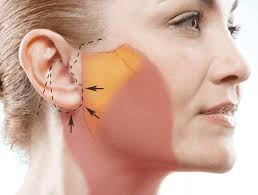
This technique uses a thin, illuminated camera, called an endoscope, inserted through small incisions typically hidden within the hairline or inside the mouth, allowing the surgeon to see clearly beneath the skin without needing the longer incisions traditional facelift techniques require for direct visualization. Working through this camera-guided view, the surgeon releases and repositions deeper facial tissue, commonly focusing on the brow, temple, and upper midface, achieving a lifted, refreshed appearance through significantly smaller entry points than conventional techniques.
How this technique compares to traditional facelift approaches
It is worth understanding this comparison clearly, since the endoscopic approach offers genuine advantages for certain concerns while having real limitations for others. Traditional facelift techniques provide direct visualization through longer incisions, allowing for more extensive tissue repositioning across the lower face and neck, while the endoscopic approach’s smaller incisions are particularly well suited to the brow and upper midface, where the correction needed is often more limited and where minimizing visible scarring carries particular value given this area’s visibility. For lower face and neck concerns, a deep plane facelift or a dedicated neck lift is generally more appropriate.
Comparison table: endoscopic facelift vs. traditional facelift
| Criterion | Endoscopic facelift | Traditional facelift |
|---|---|---|
| Incision size | Small, often less than two centimeters | Longer, running along the hairline and around the ear |
| Visualization method | Camera-guided | Direct visualization |
| Best suited for | Brow, temple, and upper midface correction | More extensive lower face and neck correction |
| Scarring | Minimal, well concealed within the hairline | Longer but still well concealed within natural creases |
| Recovery time | Generally shorter, one to two weeks | Generally two to four weeks |
Who is a genuine candidate for this technique
- Brow or upper midface descent as the primary concern, without significant lower face or neck laxity requiring more extensive correction.
- A preference for the smallest possible incisions, since this technique’s minimally invasive nature appeals to patients specifically prioritizing scar minimization.
- Realistic expectations about the specific areas this technique addresses well, understanding its more limited scope compared to a traditional facelift.
Indications and contraindications for this technique
| Common indications | Contraindications or precautions |
|---|---|
| Brow and upper midface descent without significant lower face concerns | Significant lower face or neck laxity better addressed through traditional facelift techniques |
| Desire for minimal scarring in these specific areas | Active scalp or skin infection near the planned incision sites |
| Realistic expectations about this technique’s more targeted scope | Very thick, dense hair that could complicate incision healing or visibility in some cases |
Step-by-step: what the procedure involves
Before the procedure
The initial consultation evaluates your specific pattern of aging, confirming whether the endoscopic approach alone will address your primary concerns or whether it should be combined with other techniques for a more complete result.
During the procedure
This surgery is typically performed under general anesthesia or deep sedation, generally lasting between one and three hours depending on the specific areas addressed, with the surgeon working through the endoscope to release and reposition tissue through these minimal incisions.
After the procedure
Recovery involves swelling and some bruising during the first one to two weeks, generally milder than that associated with more extensive traditional facelift techniques given the smaller incisions and more limited tissue dissection involved.
Recovery timeline
| Period | Typically reported progress |
|---|---|
| Days 1 to 7 | Swelling and bruising, particularly around the brow and temple if these areas were treated |
| Weeks 2 to 3 | Most visible bruising resolves, gradual return to normal activities |
| Months 1 to 3 | Final, settled contour becomes fully apparent |
Expected results and longevity
Results from this technique are generally durable for the specific areas treated, often lasting five to ten years, though the more limited scope of tissue repositioning compared to a traditional facelift means this technique’s longevity is typically somewhat shorter than that of more extensive approaches addressing deeper structural layers across a larger treatment area.
Risks and possible complications
- Incomplete correction for patients whose aging extends beyond what this technique’s more limited scope can address, underscoring the importance of appropriate patient selection.
- Temporary numbness, particularly around the incision sites, which typically resolves as the treated tissue heals.
- Asymmetry, reduced through careful, symmetrical surgical planning.
- Hair loss near incision sites, a rare but recognized risk when incisions are placed within the hairline, generally minimized through careful surgical technique.
The rigorous medical oversight behind Turkey’s healthcare system
Turkey has built one of the most densely accredited healthcare infrastructures internationally among medical tourism destinations, with a number of Joint Commission International certified hospitals among the highest outside the United States. This accreditation enforces rigorous standards for this category of minimally invasive facial surgery.
Turkey’s Ministry of Health has also developed a specific regulatory framework for medical tourism, including official certification of facilities authorized to receive international patients for this procedure.
The specialized training behind Turkish surgeons for this technique
Turkey has developed a deep pool of facial plastic surgeons with specific experience in endoscopic techniques, a skill set requiring particular comfort working through a camera-guided view rather than direct visualization, along with the specific instrumentation this technique requires.
The technology behind endoscopic visualization
It is worth understanding this technology in more depth, since it explains both the technique’s advantages and its inherent limitations. The endoscope transmits a magnified, illuminated image from beneath the skin to an external monitor, allowing the surgeon to work with excellent visual clarity despite the small incision size. However, this camera-guided view provides a more limited field of vision at any given moment compared to the wide, direct visualization of a traditional open approach, which is part of why this technique tends to work best for more contained, well-defined areas like the brow and temple rather than the broader, more diffuse correction sometimes needed across the lower face and neck.
Why this technique excels specifically for brow and temple correction
The brow and temple region benefits particularly well from this approach, since the tissue movement needed in this area is often more straightforward and contained compared to the more complex, multi-directional repositioning sometimes required in the lower face. This is why endoscopic technique is frequently associated most closely with brow lift procedures specifically, even though it can be applied to other facial areas with appropriate technique modification.
The importance of matching this technique to the right concern
A thoughtful surgeon evaluates whether your specific pattern of aging genuinely aligns with what this technique addresses well, rather than applying it simply because it offers smaller scars, if your concerns would be better served by the more comprehensive correction a traditional facelift technique can provide. This honest matching between technique and concern is central to patient satisfaction with this specific approach.
Quality signals worth looking for in a surgical team
A genuinely experienced team for this technique explains clearly which specific concerns this approach will address well for your situation and, just as importantly, which concerns it will not adequately address, guiding you toward a more comprehensive technique when that genuinely better serves your goals. A team that demonstrates specific comfort and experience with endoscopic instrumentation, rather than occasional or incidental use of this technology, also reflects the kind of dedicated expertise that produces the best results with this approach.
Preparing for your consultation
It is useful to bring photographs of yourself from several years earlier, since these images help your surgeon assess exactly which areas have changed most significantly and whether this technique’s specific scope of correction will meet your particular goals.
Maintaining continuity of care between Turkey and Canada
It is recommended to keep thorough documentation of your procedure, including the specific technique and areas addressed, since this information can be valuable for any future consultation with a surgeon in Canada.
Patient experiences reported after this technique
Many patients specifically appreciate the minimal scarring and generally shorter recovery associated with this technique, particularly patients whose primary concern was genuinely well matched to what this approach addresses, such as brow heaviness or early temple hollowing, reporting high satisfaction with both their results and their overall surgical experience.
The psychological dimension behind choosing a less invasive option
Many patients are drawn to this technique specifically because of a preference for the least invasive option available that can still meaningfully address their concern, sometimes reflecting anxiety about more extensive surgery or simply a personal value placed on minimizing visible evidence of having had any surgical procedure at all. This preference deserves genuine respect from any surgical team, one that helps patients find a technique matching both their aesthetic goals and their comfort level with surgical intervention.
Combining this technique with other facial treatments
This technique is frequently combined with blepharoplasty or fat grafting, both already detailed in our dedicated content, since addressing the eyes and restoring volume alongside this endoscopic lift often produces a more comprehensively refreshed appearance than the endoscopic technique alone.
Why a second opinion matters for this decision
Seeking a second surgical opinion remains worthwhile for this procedure, particularly to confirm whether this more limited technique genuinely addresses your specific concerns adequately or whether a more comprehensive approach would produce a meaningfully better result for your situation.
Questions worth asking during your consultation
It is useful to gather here the most relevant questions to bring to your surgeon, including their specific experience with endoscopic technique, which specific areas they recommend addressing through this approach for your particular concerns, and whether they believe a more traditional technique would produce a meaningfully different result for your situation.
The evolution of endoscopic technique in facial surgery
This approach developed as an extension of endoscopic principles already well established in other surgical specialties, adapted specifically for the unique anatomical demands of facial rejuvenation. Its adoption within facial plastic surgery reflects a broader trend toward minimizing surgical invasiveness wherever meaningful results can still be achieved, and surgeons who have embraced this technique often describe a genuine appreciation for how it allows significant tissue repositioning without the more extensive incisions traditional approaches require for similar areas.
Understanding the specific instrumentation this technique requires
Beyond the endoscope itself, this technique relies on specially designed, elongated surgical instruments capable of performing precise dissection and tissue manipulation through the same small incisions used for the camera. Surgeons must develop specific comfort and dexterity with these specialized tools, since the visual and tactile feedback differs meaningfully from the more direct approach used in traditional open surgery, representing a genuine additional skill set beyond general facelift training.
The role of fixation techniques in maintaining results
Once tissue has been repositioned through this endoscopic approach, it must be secured in its new position, typically through sutures or specialized fixation devices anchored to stable structures such as the deep tissue of the scalp. The specific fixation method used can influence both the durability of your result and your recovery experience, and this is a reasonable topic to discuss directly with your surgeon during your consultation.
Why patient anatomy significantly influences candidacy for this technique
Certain anatomical factors, including your specific hairline pattern, hair density, and the thickness of your scalp tissue, can influence how well this technique’s specific incision placement will work for your individual case. A thorough evaluation considers these individual anatomical factors rather than assuming this technique will work identically well for every patient regardless of these variations.
Speaking with your surgical team in your own language
Communicating your specific concerns and goals clearly benefits enormously from a direct conversation in a language you are fully comfortable in, particularly given how much this decision depends on an accurate understanding of exactly which areas this technique will address for your unique situation. Many clinics in Turkey now offer English-speaking and French-speaking coordination specifically to support this kind of clear, direct communication for their international patients.
The value of a thorough, honest consultation process
Given how much patient satisfaction with this technique depends on appropriate matching between the procedure and the patient’s specific concerns, a single brief consultation is rarely sufficient. The most reputable surgical teams take genuine time to evaluate your anatomy thoroughly and explain honestly whether this technique represents the best available option for your specific goals.
Long-term follow-up considerations
Since this technique’s fixation methods secure tissue to stable underlying structures, results tend to hold reasonably well over time for the specific areas treated, though maintaining a relationship with your surgical team over the years remains valuable, particularly as natural aging continues to affect areas beyond what this initial procedure addressed.
A final word on this minimally invasive option
This technique occupies a genuinely useful niche within facial rejuvenation, offering meaningful correction for specific areas through remarkably small incisions. This niche positioning is precisely why matching the technique to the right patient and the right concern matters so significantly for overall satisfaction with this approach.
Endoscopic facelift pricing in Turkey
| Pricing factor | Cost impact |
|---|---|
| Number and extent of areas addressed through this technique | A primary factor influencing overall cost |
| Combination with blepharoplasty or fat grafting | May represent an additional investment depending on this broader treatment plan |
For a fuller overview of costs across procedures, see our pricing in Turkey page.
Why Turkey has become a leading destination for this technique
Turkey compared to other medical tourism destinations
| Criterion | Turkey | Tunisia | Costa Rica | Dominican Republic | Colombia | Mexico |
|---|---|---|---|---|---|---|
| Common clinic language | English widely spoken, with growing French-speaking support | French and English widely spoken | Spanish, limited English | Spanish, variable English | Spanish, variable English | Spanish, variable English |
| Documented expertise with endoscopic techniques | Particularly well established | Good availability | Variable | Variable | Good availability | Good availability |
| Estimated pricing level | Particularly accessible | Accessible | Moderate | Moderate | Moderate | Moderate to accessible |
| Direct flight access from Canada | Direct flights available to Istanbul | Generally with a stopover in Europe | Variable | Variable | Variable | Variable |
The Turkish cities most recognized for this technique
Istanbul, a major hub for international facial plastic surgery
This metropolis concentrates a particularly high density of clinics with surgeons experienced in endoscopic facial techniques.
Antalya, Izmir, and Ankara as complementary hubs
These cities also host recognized clinics offering this technique.
Why so many Canadians are turning to Turkey for this technique
Patients from cities such as Toronto, Montreal, Calgary, Ottawa, Edmonton, Winnipeg, Quebec City, Hamilton, Kitchener, London, Victoria, Halifax, Oshawa, Windsor, Saskatoon, Regina, Sherbrooke, St. Catharines, Barrie, Kelowna, Abbotsford, Kingston, Trois-Rivières, Guelph, Moncton, Brantford, Saint John, Peterborough, Thunder Bay, Saguenay, Lethbridge, Nanaimo, Kamloops, Belleville, Chilliwack, Drummondville, Sudbury, Sarnia, Wood Buffalo, and Fredericton are researching endoscopic facelift surgery in Turkey, drawn by pricing that is significantly more accessible than what is typically available in Canada.
How to choose a clinic for this technique
- Confirm the facility holds internationally recognized accreditation, particularly JCI.
- Ask specifically about the surgeon’s experience with endoscopic instrumentation and technique.
- Request to see the surgeon’s own before-and-after results specifically for this technique.
Planning your medical trip to Turkey
- Entry requirements: Canadian citizens generally need to obtain an electronic visa before departure.
- Flights and transfers: several airlines offer direct flights from major Canadian cities to Istanbul.
- Length of stay: plan for approximately ten days to two weeks for this procedure and initial recovery.
The value of honest guidance about this technique’s scope
Given how important appropriate patient selection is for this specific technique, the most valuable consultation is one where your surgeon speaks honestly about what this approach can and cannot achieve for your particular concerns, even if that means recommending a different technique altogether. If your concerns extend across the lower face, comparing this option against a deep plane and classic facelift discussion can help clarify the right path.
Considering your own priorities between scarring and scope of correction
Some patients prioritize minimizing scarring and recovery time above all else, while others prioritize achieving the most comprehensive correction possible even if that requires a longer incision and recovery. Neither preference is inherently right or wrong, and a thoughtful surgeon helps you weigh these priorities honestly against your specific anatomy and goals.
In summary: a minimally invasive option for targeted correction
An endoscopic facelift offers meaningful correction for the brow, temple, and upper midface through minimal incisions and a generally shorter recovery, though its more limited scope makes appropriate patient selection especially important. Turkey offers well-established expertise for this technique.
Before making a decision, it is recommended to have your specific pattern of facial aging evaluated by an experienced surgical team to confirm whether this technique genuinely matches your goals. Patients interested in a personalized assessment can request a free quote from the Aylan Clinic team. To explore further, browse all of our facial surgery in Turkey.
Everything about Endoscopic Facelift in Turkey
Technique, pricing, results and the full patient journey — every detailed answer in our complete guide.