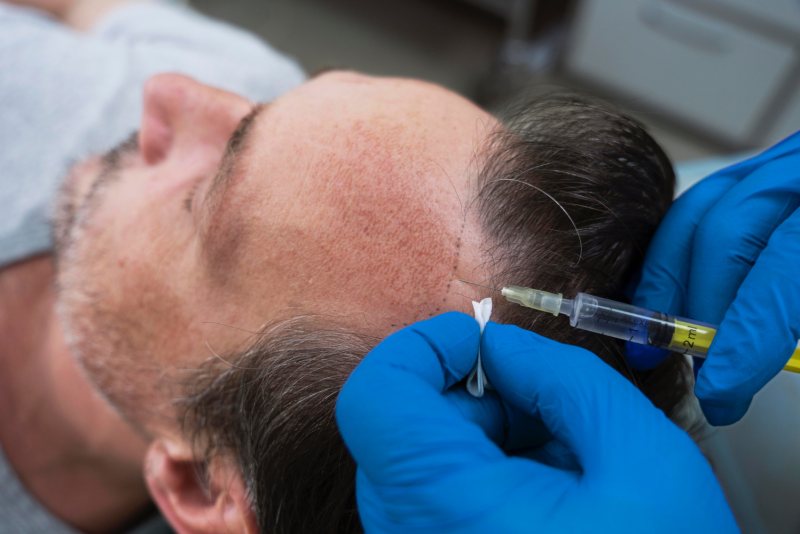
Stem cell hair treatment uses regenerative cells and growth factors from your own body, most commonly micro-grafts taken from a small sample of your own scalp and processed in a specialized device, then injected into thinning areas to reactivate dormant follicles. It is genuinely an emerging, regenerative therapy rather than a guaranteed permanent cure, and you should know upfront that much of what clinics worldwide market as "stem cell" is actually exosome or PRP therapy, which is related but genuinely different. True autologous stem cell approaches like Regenera Activa micro-grafting suit early-to-moderate thinning and transplant support, with studies suggesting meaningful density improvement that typically lasts one to three years before a maintenance session. Because it uses your own cells, allergic reactions are genuinely rare, and international patients consistently find Turkish packages run up to roughly 60% cheaper than equivalent private care at home, especially when bundled with a hair transplant.
This guide complements our Stem Cell Hair Treatment in Turkey procedure page and sits within our wider hair transplant in Turkey section. It walks through exactly how the treatment works, who benefits, what to verify before booking, realistic costs and timelines, and the honest limitations this field so often blurs. At any point you can compare costs on our pricing in Turkey page or request a free quote, with no obligation. Aylan Clinic built this resource to help you compare honestly and avoid the overselling common in this field.
Understanding What Stem Cell Hair Treatment Actually Is
Stem cell hair treatment is an emerging regenerative therapy that reactivates dormant follicles using your own regenerative cells and growth factors, rather than a guaranteed permanent cure. It works best on follicles that are weakening rather than already lost, which makes realistic expectations essential from the very start. Something more modest and honest than a "cure" is the right way to frame it.
At the follicle level, regenerative cells and growth factors, most often harvested as micro-grafts from your own scalp, are processed and injected into thinning zones, where they help rejuvenate dormant follicles, improve the scalp's blood and nutrient supply, and extend the natural growth phase, stimulating stronger, denser hair over the following months.
What Genuinely Counts as Real Stem Cell Therapy
Realistically, not everything marketed as stem cell therapy genuinely is, and this matters enormously. Much of what clinics worldwide advertise as stem cell treatment is actually exosome or PRP therapy, which stimulates your own stem cells indirectly rather than delivering processed regenerative cells. Understanding exactly what a clinic means by "stem cell treatment" protects you from paying premium prices for a different, if related, therapy.
The Stem Cell Hair Treatment Process Explained
In the most common autologous approach, a small skin sample is taken, usually from the back of the scalp, processed in a specialized device into an injectable solution of regenerative cells and growth factors, then re-injected across the thinning zones. The whole minimally invasive process typically takes thirty to sixty minutes under local anaesthetic.
The Extraction Step in Detail
A small skin sample is taken, usually from the back of the scalp under local anaesthetic, containing the regenerative cells and growth factors. It is a quick and minimally invasive step that produces only mild, temporary sensitivity at the donor site afterward.
The Processing Step in Detail
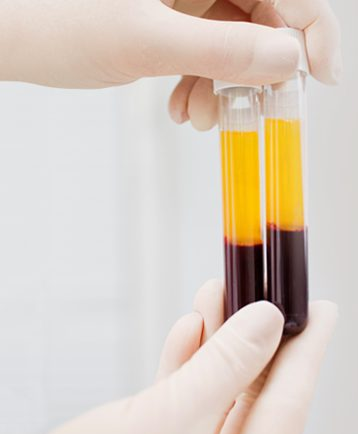
The extracted sample is processed in a specialized device that isolates the regenerative cells and growth factors into an injectable solution, a quick preparation step performed while you wait comfortably, before the solution is injected across your thinning zones in the same session.
The Injection Step in Detail
The processed solution is injected through a series of small, shallow injections across the thinning zones under local anaesthetic, distributing the regenerative cells and growth factors where they are needed, with the whole injection phase typically completing quickly and comfortably within the same appointment.
Who Genuinely Benefits Most From Stem Cell Hair Treatment
Stem cell treatment suits early-to-moderate thinning, weakening follicles, and transplant support. It offers little for areas already completely bald, since it reactivates existing dormant follicles rather than creating new hair where follicles are entirely gone, which makes honest candidacy assessment essential.
Detailed Candidacy Assessment
A genuine assessment examines your hair loss pattern, stage, and the viability of your remaining follicles, often using magnified scalp imaging, since stem cell treatment works by reactivating dormant but living follicles. The honest question is whether enough viable follicles remain to stimulate in your thinning zones. Patients whose loss has progressed to complete baldness in the target areas are poor candidates, since no viable follicles remain to reactivate, and an honest clinic will recommend a transplant for those areas instead, potentially combined with stem cell treatment to protect surrounding thinning hair.
The Ideal Candidate
The ideal candidate has early-to-moderate thinning with viable but weakening follicles, realistic expectations about gradual regenerative results, and a willingness to consider maintenance over time. Proactive patients acting at the first signs of thinning are particularly well-suited to this regenerative approach.
Stem Cell Hair Treatment Cost in Turkey
While exact figures vary by technique, cell dosage, and whether it is bundled with a transplant, international patients consistently find Turkish stem cell packages run up to roughly 60% cheaper than equivalent private care at home, with the value strengthening further when combined with a hair transplant in a single trip.
Lower operating costs, a favourable exchange rate, and intense competition among Turkish clinics together drive prices down without necessarily compromising quality, letting patients access advanced regenerative protocols at a fraction of what the same treatment would cost in a private clinic back home. Because regenerative treatments like this are entirely out of pocket almost everywhere, the honest cost comparison genuinely favours Turkey for committed patients.
| Factor | Private care at home | Turkey with Aylan Clinic |
|---|---|---|
| Base treatment | Full domestic pricing | Up to roughly 60% less |
| Bundled with transplant | Rarely offered together | Common, added value |
| Consultation | Often paid | Free photo assessment |
| Package inclusions | Treatment only | Transfers, accommodation options |
| Coverage | Not covered (cosmetic) | Not covered (cosmetic) |
For a fuller overview, see our pricing in Turkey page. A genuine, transparent quote should cover the consultation and assessment, the treatment itself, any bundled sessions, and follow-up, ideally in an all-inclusive package with transfers and accommodation options clearly stated, so you know the total cost upfront rather than facing add-ons later. Compare quotes by confirming exactly what method is used, how many sessions are included, what is bundled, and whether follow-up is covered, since a cheap headline price for a different or lesser therapy is not comparable to a complete package for true regenerative treatment.
Watching for Hidden Fees
Watch for extra charges beyond the headline price, such as consultation fees, additional session costs, medication, or transfer and accommodation add-ons. A genuine all-inclusive package states everything upfront, and clarifying exactly what is covered protects your budget from unwelcome surprises.
Finding the Best Stem Cell Hair Clinic for You
Rather than chasing any clinic claiming to be "the best" in absolute terms, focus on verifying what regenerative method they actually use, whether a qualified doctor performs the procedure, their honesty about realistic results, and recent independent reviews, since these genuine markers matter far more than bold marketing claims. A good clinic explains honestly whether they offer true autologous stem cell micro-grafting or exosome and PRP therapy marketed under the stem cell label, sets realistic expectations about gradual results, and never promises a permanent cure, whereas an overselling clinic blurs these distinctions to justify premium pricing.
Red Flags When Choosing a Stem Cell Clinic
- Promises of dramatic, permanent regrowth or a guaranteed cure.
- Blurring the distinction between true stem cell, exosome, and PRP therapy.
- Refusal to explain exactly what method and cells they use.
- No honest discussion of realistic, gradual results.
- Pressure to book immediately with a limited-time discount.
- Vague answers about who performs the procedure.
- No mention of accreditation or sterile, single-use equipment.
Green Flags When Choosing a Stem Cell Clinic
- Honest framing of realistic, gradual regenerative results.
- Clear explanation of the specific method and cells used.
- Transparent about whether it is true stem cell, exosome, or PRP therapy.
- Doctor-led treatment with proper accreditation.
- Willingness to say you may need a transplant instead.
- Sterile, single-use equipment confirmed openly.
- No pressure, allowing you time to decide.
Verifying Clinic Accreditation and Standards
Look for internationally recognized standards like JCI accreditation, proper medical licensing, and doctor-led treatment, since regenerative procedures involving tissue extraction and processing require genuine medical oversight. Because stem cell treatment involves extracting, processing, and re-injecting your own tissue, genuine accreditation ensures proper sterile technique, qualified staff, and safety protocols, which matters more here than for simpler procedures. JCI accreditation signals that a facility meets rigorous international standards for safety and quality, making it a meaningful marker you can use to identify clinics taking safety seriously.

Stem Cell Hair Treatment Reviews: What to Look For
Useful reviews describe realistic, gradual density improvement over months rather than miraculous overnight transformation, mention the specific method used, and note honest expectation-setting by the clinic, whereas a wall of identical five-star raves promising dramatic regrowth warrants healthy skepticism. Reading reviews across multiple independent platforms rather than relying solely on a clinic's own website gives a more balanced picture, and looking specifically for reviews from patients at a similar hair loss stage to your own helps you calibrate realistic expectations for your particular case.
The most trustworthy reviews genuinely mention specifics: the method used, the realistic timeline, honest communication about the treatment being regenerative rather than a permanent cure, and gradual results tracked over months. Watch for a wall of identical five-star raves, vague reviews lacking specifics about method or timeline, and suspiciously uniform language, since authentic reviews signal a clinic that informs honestly rather than overselling. Video testimonials add a layer of authenticity, since seeing a real patient describe their experience is harder to fake than written text, though even video should be weighed critically for realistic gradual improvement rather than dramatic claims.
Before and After: Setting Realistic Expectations
Authentic before and after documentation should show gradual, believable density improvement over three to twelve months, ideally from patients at a similar starting point to your own, rather than dramatically retouched images, since honest evidence reflects the treatment's real, regenerative-level results. Genuine before and after photos help you calibrate what realistic improvement looks like, revealing that stem cell treatment produces meaningful but gradual thickening rather than dramatic regrowth, which protects against the disappointment that inflated expectations otherwise create.
The Science Behind Stem Cell Hair Treatment
Biologically, regenerative cells and growth factors stimulate dormant follicles, improve the scalp's blood supply, and extend the growth phase of the hair cycle. Research suggests stem-cell-derived material can even help counteract the inhibitory effect of DHT on follicles through pathways like Wnt signalling, supporting healthier, denser growth. Growth factors affecting vascular supply, such as VEGF, play a central role, enlarging follicles and improving their blood supply to promote thicker, stronger hairs, which is why regenerative approaches focus on delivering or stimulating these signalling molecules within the scalp.
The Hair Growth Cycle and Stem Cells
The hair growth cycle moves through active growth, transition, and resting phases. Stem cell treatment aims to extend the active growth phase while reactivating follicles that have slipped into dormancy, helping shift more of the scalp's follicles back toward productive growth over the months following treatment.
The Genuine Evidence Base
The evidence is promising but still emerging, with studies showing meaningful density improvements from regenerative approaches while researchers continue working to establish long-term effectiveness. This is why honest clinics describe it as a promising regenerative therapy rather than a proven permanent cure, and why success varies by candidacy, method, and individual response rather than following any generalized statistic a clinic might advertise.
Honest Comparisons: Stem Cells vs the Alternatives
Stem Cell Treatment vs PRP
Some research suggests regenerative micro-grafting produces more substantial and longer-lasting density improvement than PRP, with gains potentially lasting one to three years versus PRP's six-to-twelve-month maintenance intervals, though PRP remains a valuable, more established, and often cheaper option, making the honest choice depend on your goals and budget. Our dedicated PRP hair treatment page covers that approach in detail.
Stem Cell Treatment vs Exosome Therapy
True stem cell treatment delivers processed regenerative cells or micro-grafts, while exosome therapy uses stem-cell-derived vesicles to signal your own cells to release growth factors. The two are often combined, since exosomes can enhance the effectiveness of your own stem cells for a stronger overall regenerative effect. See our exosome hair treatment page for more.
Stem Cell Treatment vs a Hair Transplant
It depends on your loss stage: a transplant permanently restores areas already bald by redistributing existing follicles, while stem cell treatment reactivates thinning but viable follicles. A transplant is better for advanced loss and stem cell treatment better for early thinning, with many patients benefiting from both together.
Stem Cell Treatment vs Medication
Medications like finasteride and minoxidil work primarily by slowing loss and modestly stimulating growth, requiring daily ongoing use, while stem cell treatment actively regenerates follicles in periodic sessions. Combining medication to slow the underlying process with stem cell treatment to regenerate follicles often produces the strongest overall results.
Why Combining Treatments Often Works Best
Because each approach addresses hair loss differently, combining stem cell treatment with medication, PRP, or exosome therapy, and potentially a transplant for advanced areas, often produces better results than any single treatment alone, which is exactly why an honest clinic assesses your whole situation rather than pushing one option. Because PRP and exosome therapy work through related but distinct mechanisms, they genuinely complement stem cell treatment, with exosomes in particular able to enhance your own cells' effectiveness.
The Stem Cell Treatment Protocol: Sessions and Timing
Many autologous micro-grafting approaches work as a single session with results developing over months, while some protocols and combination approaches involve a small series. A maintenance session is typically recommended after around twelve months, making it less session-intensive than PRP's initial multi-session series. Session recommendations vary with the specific method, your hair loss severity, and response, so it is worth understanding exactly what a clinic proposes and why rather than assuming a standard package. Because regenerative results typically last one to three years, a maintenance session around the twelve-month mark genuinely helps sustain and extend the density gains.
Your Stem Cell Treatment Day: What to Expect
Expect a genuine assessment and consultation first, then local anaesthetic applied to both the extraction site and treatment zones, the small skin sample taken and processed, and the regenerative solution injected across the thinning areas, all within roughly thirty to sixty minutes with no significant downtime afterward. For most patients the day is comfortable, since local anaesthetic keeps both the extraction and injection comfortable, with only mild pressure sensations, and the minimally invasive nature means most patients describe the experience as far less daunting than they anticipated. Understanding that visible results come gradually over months, not on the day of treatment, helps patients leave the session with realistic expectations rather than anticipating immediate change.
Aftercare Following Stem Cell Hair Treatment
Genuine aftercare is minimal: avoid washing the scalp for the first day or two, skip strenuous exercise and excessive sweating for a few days, use a mild sulfate-free shampoo, follow a nutrient-rich diet, and attend any follow-up appointments, with most patients returning to normal routines almost immediately. Recovery is quick, with any mild redness or sensitivity at the extraction and injection sites typically settling within twenty-four to forty-eight hours, making stem cell treatment one of the least disruptive hair restoration options available.
The Safety Profile of Stem Cell Hair Treatment
Autologous stem cell treatment using your own cells is considered safe with minimal allergy risk, since your body recognizes its own material, though as with any procedure involving skin extraction, minor risks like bleeding or infection at the sample site exist, making a qualified practitioner and sterile technique essential. Genuine side effects are typically mild and temporary, including redness, sensitivity, or minor swelling at the extraction and injection sites, with more serious risks like infection being genuinely rare when the procedure is performed properly using sterile, single-use equipment.
Because autologous treatment uses cells from your own body, it eliminates the allergy and rejection risks associated with foreign material, a significant safety advantage and one of the reasons regenerative hair treatments using your own tissue have grown so popular among patients prioritizing a natural, low-risk approach.
A Realistic Stem Cell Treatment Timeline
A genuine timeline runs from consultation and assessment, through the treatment session itself, to reduced shedding within the first weeks, visible thickening over three to six months, continued improvement through nine to twelve months, and a maintenance session around the one-year mark. Patience is essential to appreciating the gradual results.
| Period | Typically reported progress |
|---|---|
| First few weeks | Reduced shedding and a healthier-feeling scalp as regenerative cells begin their work |
| Months 1 to 3 | Reactivated follicles begin producing stronger hair; early thickening may appear toward the end |
| Months 3 to 6 | Visible density and thickness improvement becomes clearer |
| Months 6 to 12 | Results reach fullest expression; density and quality at their peak; plan maintenance |
The first few months often show subtle changes rather than dramatic results, which tests patience, but this gradual progression is entirely normal. Consistent monthly photography under identical lighting reveals the gradual progress that daily mirror checks miss, giving you objective evidence of your response that cuts through the impatience the slow regenerative timeline can otherwise create. Around the six-to-twelve-month mark provides a meaningful assessment point, letting you and your provider evaluate the overall outcome and plan any maintenance session.
Bundling Stem Cell Treatment With a Hair Transplant
Bundling genuinely makes sense because stem cell treatment can support the survival and healing of fresh grafts while strengthening surrounding native hair, and combining both in a single Turkish trip maximizes value, letting patients address both lost areas and thinning zones comprehensively at accessible cost. Some research suggests regenerative support around fresh grafts can meaningfully improve transplant results, making the bundle one of the most practical uses of stem cell treatment for anyone already considering surgery for advanced loss areas.
Stem Cell Hair Treatment for Women and Men
For women, stem cell treatment is often particularly well-suited, since many women experience diffuse thinning with viable follicles rather than the patchy baldness more common in men, exactly the scenario where the follicle-reactivating effect works best. Because female thinning is often diffuse and hormonally influenced, with follicles weakening rather than dying outright, the treatment's ability to reactivate dormant but viable follicles aligns well with the female pattern, offering a non-surgical option many women prefer over a transplant.
For men with early-to-moderate pattern thinning where follicles are miniaturizing but not yet gone, stem cell treatment helps reactivate and strengthen them, though men with advanced baldness in the target areas benefit more from a transplant, potentially combined with stem cell treatment for surrounding hair.
Age Considerations
There is no single ideal age, but patients in their twenties through forties with early-to-moderate thinning and viable follicles tend to benefit most, since younger follicles respond well to regenerative stimulation. For younger patients in their twenties experiencing early thinning, pairing treatment with medication to address the underlying loss process often serves better than regenerative treatment alone. Patients in their thirties and forties often have meaningful thinning with viable follicles remaining, exactly the scenario the treatment addresses best. Older patients in their fifties and beyond can still benefit wherever viable follicles remain, though those with more advanced loss may find a transplant addresses their needs better, making an honest assessment of remaining follicle health more important than age alone.
Which Types of Hair Loss Stem Cell Treatment Helps
For early-to-moderate androgenetic alopecia, the most common pattern loss, stem cell treatment genuinely helps by reactivating miniaturizing follicles and counteracting some effects of DHT, though it works best before follicles are fully lost, making early intervention important for this progressive condition. It cannot stop the underlying genetic process permanently, which is why it works as regenerative maintenance rather than a cure for hereditary loss.
The treatment may also help certain other forms of thinning where viable follicles remain, such as some diffuse or stress-related shedding, though conditions like scarring alopecia or advanced autoimmune loss warrant specialist assessment, since results vary considerably. Because different types of hair loss respond differently to regenerative treatment, getting an accurate diagnosis of your specific cause and pattern comes first. Along a receding hairline or in early crown thinning, it can strengthen thinning hair where follicles remain viable, but it cannot restore a hairline or crown where follicles are already gone, making it a complement to rather than a replacement for a transplant in advanced recession.
Matching the Treatment to Your Specific Goal
- Density: for thinning but viable follicles, the treatment reactivates dormant follicles and strengthens existing hair, with research suggesting meaningful density gains, one of its most reliable benefits for appropriate early-to-moderate thinning.
- Reducing shedding: by strengthening follicles and improving scalp health, it often reduces excessive shedding, one of the earlier improvements patients notice, sometimes within the first weeks.
- Strengthening hair: it can increase the strength and quality of existing thin hair by improving follicle health and blood supply, making weak, fine hair a particularly appropriate target.
- Transplant support: regenerative support around fresh grafts may improve their survival and healing while strengthening surrounding native hair, one of the most practical and evidence-supported uses.
Because the treatment serves different goals, matching it to your specific goal through honest assessment ensures you approach it with the right expectations, which determines whether the same actual results feel like success.
Lifestyle Factors That Support Your Results
A nutrient-rich diet supporting protein, iron, and key vitamins gives your reactivated follicles the raw materials to produce healthy hair, and addressing any nutritional deficiencies alongside treatment helps create the best environment for growth. Chronic stress can trigger or worsen shedding through several biological mechanisms, so managing stress supports both your overall hair health and the regenerative results. Adequate sleep supports the body's regenerative processes, contributing to the environment in which reactivated follicles recover and grow. Hormonal factors, particularly the DHT driving genetic loss, work against hair retention regardless of treatment, which is why combining stem cell treatment with medication addressing the hormonal process, where appropriate, often produces better results. Smoking impairs blood circulation and healing, potentially reducing the effectiveness of a treatment that depends on scalp blood supply, so reducing or quitting supports better outcomes.
Existing Conditions, Medications and Scalp Health
Certain conditions affecting healing, blood clotting, or the immune system can affect eligibility or require precautions, which is exactly why an honest clinic reviews your full medical history during assessment. Disclose all medications, conditions, and prior treatments fully and honestly, since this lets the clinic assess safety accurately and tailor the approach. Active scalp conditions like dermatitis or infection should be treated first, since inflammation can compromise both the safety and effectiveness of regenerative treatment, making a healthy scalp environment a genuine prerequisite. Overall health, nutrition, and factors like smoking all influence outcomes, since regenerative treatment relies on your body's own healing and cell function.
You can generally continue hair loss medication with stem cell treatment, and it is often recommended, since medications like finasteride or minoxidil work through different mechanisms and complement each other well. Most providers suggest avoiding chemical hair colouring for a few days around treatment to prevent scalp irritation, and avoiding intense exercise and excessive sweating for a few days to let the scalp settle, after which normal activity resumes freely.
Travel and Visa Considerations
Most international patients can enter Turkey for short medical-tourism stays under the current entry arrangements, which are typically straightforward, though you should verify the latest official requirements before travelling, since entry rules can change. Because stem cell treatment itself requires minimal downtime, a short stay of a few days often suffices for a standalone procedure, though patients bundling it with a transplant should plan for the longer stay that surgery requires.
Flights are accessible, with direct and connecting options available to Istanbul from major cities. Because the treatment requires minimal downtime, the stay is comfortable and low-stress, often with clinic-arranged accommodation and transfers, leaving time to rest or explore. Many patients turn the trip into a genuine holiday, exploring Turkey's history, cuisine, and coastline in a way surgical procedures requiring significant rest simply cannot match. Confirm the total price and what it covers in advance, ideally in a stable reference currency, and clarify accepted payment methods with the clinic.
Regional Availability Across Turkey
Istanbul remains the primary hub, but quality regenerative care is genuinely available across all five major regions of Turkey. The Marmara region, centred on Istanbul, anchors the country's regenerative hair treatment expertise, with Istanbul offering the deepest concentration of clinics, specialists, and supporting medical-tourism infrastructure. The Aegean region combines quality clinics with an appealing coastal setting, the Mediterranean region draws medical tourists with its holiday appeal, Central and Eastern Anatolia offers quality care in Turkey's heartland around the capital Ankara, and the Black Sea region rounds out nationwide availability in a distinctive green, mountainous setting.
| Region | Representative cities |
|---|---|
| Marmara | Istanbul, Bursa, Kocaeli, Sakarya, Tekirdağ, Yalova, Edirne, Çanakkale |
| Aegean | Izmir, Kuşadası, Denizli, Afyonkarahisar |
| Mediterranean | Antalya, Alanya, Mersin, Fethiye, Marmaris |
| Central / East Anatolia | Ankara, Konya, Kayseri, Eskişehir, Gaziantep |
| Black Sea | Samsun, Trabzon |
Serving Patients Across Canada
Many patients researching this treatment come from across Canada, where regenerative hair treatment is entirely out of pocket regardless of province. Patients across Ontario and the Greater Toronto Area, British Columbia and the Prairies, Atlantic Canada, and the northern territories all face the same reality, which is exactly why Turkey's savings on a bundled course are particularly meaningful. Wherever you are based, the same honest principles apply: verify the method, credentials, reviews, and realistic expectations before committing.

| Region | Representative cities served |
|---|---|
| Ontario / GTA | Toronto, Ottawa, Hamilton, London, Mississauga, Brampton |
| Ontario (other) | Kitchener, Waterloo, Windsor, Barrie, Kingston, Sudbury |
| BC | Vancouver, Victoria, Surrey, Burnaby, Kelowna |
| Prairies | Calgary, Edmonton, Winnipeg, Regina, Saskatoon |
| Atlantic | Halifax, Saint John, Fredericton, Charlottetown, St. John's |
| Territories | Whitehorse, Yellowknife, Iqaluit |
Searching "Near Me" and "Close to Me"
Most patients searching "stem cell hair treatment near me" find limited local options at high out-of-pocket cost, which is exactly why so many extend their search, comparing what is genuinely available at home against the stronger value and bundled options Turkish clinics offer for the same regenerative approach. Searching near me is a genuine starting point for understanding local pricing and availability, but limiting yourself to only what is nearby often means missing the substantial savings and transplant-bundling advantages that make Turkey worth considering. Proximity alone does not guarantee quality: for a single quick session a nearby clinic may make sense, but for a full regenerative course or one bundled with a transplant, the savings and expertise available in Turkey often outweigh the convenience of staying close to home. When comparing any clinic, near or far, weigh the specific regenerative method offered, the credentials of who performs it, transparent pricing, and honest reviews.
How Turkey Compares to Other Destinations
Turkey combines concentrated hair-treatment expertise, refined regenerative protocols at accessible pricing, and the unique ability to bundle stem cell treatment with high-volume transplants, giving it a genuine global edge for hair-focused regenerative treatment that few other destinations match at comparable value. Its enormous volume of hair procedures over years built deep expertise, creating an ecosystem of experienced providers, refined protocols, and supporting infrastructure that newer destinations have not had the time to develop to the same degree.
| Destination | How Turkey compares for stem cell hair treatment |
|---|---|
| Mexico | Turkey's deeper hair-specific regenerative expertise, higher volumes, and stronger transplant-bundling generally give it an edge despite Mexico's proximity for North Americans. |
| Thailand | Thailand has strong medical-tourism infrastructure, but Turkey's specific dominance in hair restoration makes it the stronger choice when hair is the primary focus. |
| India | India offers competitive pricing and skilled practitioners, but Turkey's more mature hair-tourism ecosystem offers a smoother, more supported experience. |
| Hungary | Hungary is established for dental and some cosmetic tourism, but Turkey's depth in hair restoration and lower pricing generally win for regenerative hair treatment. |
| Poland | Poland offers quality care at reasonable European prices, yet Turkey's far greater hair-procedure volume and refined protocols give it an edge. |
| Czech Republic | Reputable for cosmetic procedures, but Turkey's concentration of hair expertise and transplant-bundling make it more compelling for hair specifically. |
| South Korea | South Korea leads in some advanced fields but at higher prices, making Turkey the stronger value for this application without a meaningful quality sacrifice. |
| Costa Rica | Appeals with proximity for North Americans, yet Turkey's deeper hair-specific expertise and stronger regenerative protocols give it an edge. |
| Colombia | Competitive cosmetic-tourism pricing, but Turkey's more established hair-restoration ecosystem is the better-supported choice. |
| Malaysia | Offers quality treatments and clear information, but Turkey's greater volume, deeper specialist pool, and bundling options generally win for value together. |
Beyond individual clinics, Turkey offers supporting infrastructure, from experienced coordinators and translators to hotels accustomed to medical tourists, smoothing the whole experience. An experienced provider understands proper extraction, processing, and injection technique, candidacy assessment, and realistic expectation-setting, making the depth of experience Turkey's ecosystem provides a genuine quality factor beyond mere pricing advantage.
Health Coverage and Financing
No public plan covers stem cell hair treatment, since hair restoration is classified as elective cosmetic care, meaning patients pay entirely out of pocket. In Canada, this includes Ontario's OHIP, British Columbia's MSP, and Alberta's AHCIP. Because the treatment is out of pocket everywhere, the only variable is price and quality, and since Turkey offers the same regenerative approach at up to roughly 60% less, the lack of domestic coverage makes the Turkish option more compelling for committed patients. Patients fund treatment through savings, personal financing, or clinic payment arrangements where offered, and the substantial savings on Turkish packages mean the total out-of-pocket cost is often far more manageable than equivalent domestic private treatment.
Guarantees, Individual Response and Cell Quality
Honest clinics avoid guaranteeing specific results for a regenerative treatment whose outcomes vary by individual, though some may offer certain assurances around the procedure itself. A clinic being honest about the impossibility of guaranteeing exact regrowth is a positive sign, not a negative one. Follicle viability, overall health, hair loss stage, the specific method used, and individual biology all vary between patients, meaning even identical protocols produce somewhat different outcomes. The number and viability of regenerative cells delivered influences the treatment's effect, which is why advanced protocols using higher live-cell counts command a premium, and why understanding a clinic's specific approach matters when comparing options and pricing.
The Patient Coordinator, Language and Communication
A genuine coordinator guides you from initial photo consultation through booking, travel logistics, the treatment itself, and follow-up, serving as your single point of contact throughout, one of the practical advantages of Turkey's mature medical-tourism ecosystem. Language is rarely a barrier, since clinics serving international patients typically provide English-speaking coordinators and staff, ensuring clear communication throughout your assessment, treatment, and aftercare.
Long-Term Value and Building a Sustainable Hair Plan
For the right candidate, results lasting one to three years before a maintenance session offer a longer benefit interval than treatments requiring frequent sessions, making the per-year value attractive, particularly at Turkish pricing. Over many years, cumulative maintenance can approach the cost of a one-time transplant, so for patients whose loss will progress regardless, a transplant may prove more economical long-term, which is why honest candidacy assessment considers not just current suitability but your realistic long-term trajectory. Stem cell treatment and transplants are not mutually exclusive: many patients benefit from both, using a transplant to restore lost areas and stem cell treatment to protect and strengthen remaining native hair.
For many patients, stem cell treatment forms one part of a broader hair plan that may include medication to slow loss, good scalp care and nutrition, and potentially a transplant to restore lost areas. A sustainable plan accounts for your loss trajectory, budget, and preferences, with each element serving its genuine role rather than relying on any single treatment to do everything. The patients who see the best long-term results stay consistent with maintenance sessions and supportive lifestyle factors, and an honest clinic tracks your response objectively, adjusts the plan as needed, and tells you frankly whether continuing or combining treatments makes sense.
Why the Cheapest Option Rarely Represents Best Value
An unusually cheap stem cell package may deliver a lesser therapy marketed under the stem cell label, or use lower cell concentrations producing weaker results, which is exactly why genuine value comes from matching quality regenerative protocols to fair pricing rather than simply minimizing cost. The genuine sweet spot lies in clinics offering proper regenerative protocols, doctor-led treatment, and transparent pricing at Turkey's accessible rates, delivering the quality that produces results alongside the savings that make an ongoing regenerative treatment financially sustainable. The key is verifying the method, credentials, and reviews rather than chasing the lowest price, since Turkey offers both savings and quality when you choose carefully.
Stem Cell Treatment as Prevention and Early Intervention
For patients with early signs of thinning or a family history suggesting future loss, stem cell treatment used proactively can help maintain follicle health while follicles remain viable, though it works best on follicles showing early weakness rather than perfectly healthy hair, making timing important. Because follicles that have completely miniaturized cannot be reactivated by regenerative treatment, acting early while follicles remain viable matters enormously, making stem cell treatment a therapy that rewards the proactive far more than those who wait until loss has progressed to advanced baldness.

Who This Treatment Suits: Lifestyle Fit
Its non-surgical, minimally invasive, low-downtime nature offers an appealing way to address thinning proactively, an accessible entry point into hair treatment for those not ready for a bigger surgical step. Canadian snowbirds who already travel seasonally find it fits their lifestyle well, since a trip can be woven into existing travel plans. Remote workers can often work from Turkey around their treatment given the minimal downtime, turning a treatment trip into a genuine change of scenery without needing significant time off. Beyond the hair itself, patients who see genuine density improvement often describe renewed confidence in their appearance, a meaningful quality-of-life benefit that, while developing gradually, genuinely matters.
The Full Turkish Medical Tourism Journey
The mature Turkish ecosystem means patients benefit from established processes, from remote photo consultation through airport pickup to structured follow-up. Most clinics arrange airport pickup, so patients typically find a coordinator or driver waiting on arrival. With no fasting or special preparation required beyond arriving rested and hydrated, patients settle in comfortably before treatment. Pack little beyond normal travel essentials, plus your medication list, any relevant medical records, and comfortable clothing for the session. The treatment works year-round with no seasonal dependency, so the best time to start is whenever you are ready, though some patients prefer timing it around travel plans or bundling it with a transplant. Because maintenance sessions are single, quick, minimally invasive appointments around the one-year mark, patients fit them around travel, work, and life easily.
Your First Consultation: What to Expect and How to Prepare
Expect a genuine conversation about your hair loss history and goals first, an honest scalp-based candidacy assessment second, and only then a realistic recommendation and cost breakdown, never a rushed sales pitch promising results the treatment cannot deliver. Most Turkish clinics offer free initial photo-based consultations for international patients, though some may charge for an in-depth video consultation with the treating doctor for more complex cases. A genuine free consultation should honestly assess your candidacy, explain realistic expectations, clarify exactly what method they use, outline the recommended approach and any maintenance, and provide transparent pricing. Arrive with clear scalp photos, an honest medical history, your medication list, and realistic goals, since the quality of your consultation depends as much on your preparation as the clinic's expertise.
Tracking Progress and Knowing When to Reassess
Through follow-up scalp assessments and comparative photography over the months following treatment, a clinic tracks density and follicle changes objectively, letting them evaluate your response and advise on maintenance timing. Objective tracking through consistent photography and scalp assessment cuts through the emotional impatience that makes gradual regenerative results feel slower than they are. A stem cell plan can be adjusted based on results: an honest clinic may recommend combining treatment with medication, PRP, or exosome therapy, or reassess candidacy if response is limited. If assessment shows your loss progressing faster than stem cell treatment alone can address, or if certain areas reach baldness, adding medication or a transplant genuinely makes sense.
Glossary: Key Terms
- Autologous: derived from your own body, minimizing allergy risk.
- Micro-grafting: extracting and processing tiny scalp samples containing regenerative cells.
- Regenera Activa: a common autologous micro-grafting system.
- Exosomes: stem-cell-derived vesicles that signal your cells to release growth factors.
- Progenitor cells: regenerative cells that help rejuvenate dormant follicles.
- Mesenchymal stem cells: cells that can help repair and activate follicles.
- Dormant follicle: a living but inactive follicle that regenerative treatment aims to reactivate.
- DHT: the hormone driving genetic hair loss, which some regenerative material may help counteract.
- Wnt signalling: a biological pathway involved in follicle growth.
- VEGF: a growth factor improving follicle blood supply.
- Androgenetic alopecia: the most common pattern hair loss.
- Maintenance session: the periodic follow-up treatment sustaining results.
A Pre-Booking Checklist
- Confirmed you are a genuine candidate with viable follicles remaining.
- Verified exactly what method the clinic uses (true stem cell, exosome, or PRP).
- Confirmed a qualified doctor performs the procedure.
- Checked accreditation and sterile, single-use equipment.
- Read recent independent reviews describing gradual, realistic results.
- Examined honest before-and-after documentation.
- Received clear, all-inclusive package pricing with no hidden fees.
- Understood the realistic timeline and maintenance expectations.
- Compared at least two clinic assessments where possible.
- Set realistic expectations about gradual improvement, not dramatic regrowth.
A Few Honest Questions Patients Ask Us Most
Will people be able to tell I have had something done? Because stem cell treatment thickens and revives the hair you already have rather than adding anything obvious, the change reads as your own hair simply looking healthier. Nobody points to a line or a scar; friends tend to say you look well-rested, not that you have had a procedure.
What if it does not work for me? Response varies from person to person, which is why an upfront scalp assessment matters so much, and why a clinic worth trusting will tell someone honestly that a transplant suits them better rather than take payment for a treatment unlikely to help. Managing that expectation before you book is part of doing this properly.
Take your time with this decision. Read the reviews, ask the awkward questions, compare a couple of clinics, and sleep on it. A good provider will not rush you, and the ones pressing you to pay a deposit today are telling you something about how they operate. If you do move ahead, keep a simple photo diary from day one, since the month-to-month changes are gradual enough that your own memory will undersell the progress.
In Summary: An Honest Regenerative Option
Stem cell hair treatment uses your own regenerative cells to reactivate dormant follicles. It suits early-to-moderate thinning and transplant support rather than baldness, produces gradual results over three to twelve months lasting one to three years, requires a maintenance session around the one-year mark, and runs up to roughly 60% below domestic pricing at Turkish clinics. Much of what is marketed as stem cell therapy is actually exosome or PRP treatment, so verifying the exact method genuinely matters, alongside doctor-led treatment, accreditation, honest reviews, and realistic expectations.
For the right candidate who verifies the method and holds realistic expectations, it delivers meaningful density improvement at accessible cost. To go further, read our Stem Cell Hair Treatment in Turkey procedure page for how the treatment is delivered, stay and care, compare figures on our pricing in Turkey page, or explore the full range of hair transplant in Turkey. When you are ready for a personalized assessment, request a free quote from the Aylan Clinic team.