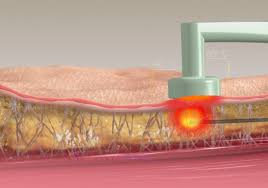
BodyTite Quantum RF in Tunisia is a search phrase often used for energy-assisted body contouring, but BodyTite and QuantumRF are separately named InMode technologies. BodyTite is associated with radiofrequency-assisted lipolysis and tissue contraction, usually using an internal and an external electrode. QuantumRF is described by the manufacturer as internal fractional radiofrequency for soft-tissue contraction. Either may be discussed with or without liposuction according to the plan, and neither is automatically a substitute for excising a substantial fold of skin. A Canadian patient should confirm which device, applicator, body zone and additional operation are actually proposed.
In this article, you will find the differences between these technologies, ways to assess skin and fat, the role of liposuction or a lift, expected results and their limits, recovery, costs and a plan for return to Canada. The aim is to make a device-led proposal understandable as a specific surgical decision.
Two related names, two different applications
BodyTite radiofrequency-assisted lipolysis
BodyTite delivers radiofrequency energy through an applicator working across tissue between an internal part and an external surface electrode, allowing treatment of subcutaneous tissue with temperature monitoring. It is commonly discussed for contraction and contour refinement and may be combined with liposuction. The surgeon should explain where fat removal ends and radiofrequency treatment begins. A patient can ask for the exact platform version, operative area, incision sites and what the manufacturer and local rules say about its intended use. Device availability alone does not establish a result.
QuantumRF fractional energy under the skin
InMode describes QuantumRF as internal fractional radiofrequency delivered by cannula-type applicators for soft-tissue contraction. The manufacturer's material lists differently sized applicators for larger and smaller treatment zones. This describes a technical approach, not a promise that any patient will achieve a chosen amount of skin tightening. The surgeon should name the applicator and planned anatomical plane and explain whether the operation also includes suction. The term “Quantum RF” should not be used to silently replace a proposal for BodyTite or vice versa.
What the shared platform name does and does not mean
InMode may market both technologies within its broader equipment ecosystem. That does not make their energy delivery, clinical protocol or outcomes identical. The phrase “BodyTite Quantum RF” may describe a consultation comparing options, a combined plan or imprecise marketing. Ask the provider to write one clear line for each device that will actually touch tissue. Consent and the itemized quote should identify the method, zones, extra surgery and expected benefits separately. If a clinic cannot explain which technology is being offered, the patient cannot fairly compare it with another proposal.
Why radiofrequency heats tissue
Radiofrequency energy produces heat in selected tissues; controlled heating can lead to immediate contraction and later remodeling. The visible skin change depends on the structure and amount of loose skin, tissue thickness and treatment coverage. An energy device may improve mild or moderate laxity without the long scar of an excisional lift, but it does not physically remove a large hanging apron or arm fold. Ask whether your concern is primarily fat, skin, a separated abdominal wall or several issues. Technology choice follows that diagnosis, rather than replacing it.
Where these technologies may fit
Abdomen and flanks with selected laxity
A person with a modest localized fat deposit and some skin softness may discuss liposuction plus BodyTite or another energy step. A patient with a long abdominal fold after pregnancy or major weight change may need a tummy-tuck discussion instead. QuantumRF may be proposed for tissue contraction in a selected zone without the same fat-removal component. Clarify how the surgeon expects the profile to look when standing and sitting, and whether untreated flanks or the lower abdomen will limit the effect. A flat stomach cannot be promised by energy alone.
Upper arms and inner thighs
These areas can show both fatty fullness and lax skin. An energy-assisted approach may be considered when the fold is limited and the patient wants to avoid a long scar, accepting a smaller or less certain change. Pronounced hanging skin often requires a brachioplasty or thigh lift to remove it. Ask for a drawing of both options and what would remain after each. Thigh and arm operations also place different demands on walking, lifting luggage and daily care, so a procedure that looks small on a website may still matter greatly during travel.
Neck and other smaller areas
InMode offers different applicators and other technologies for facial and neck contouring. A proposal for the neck must identify the exact device, depth and adjacent structures rather than copy a body-treatment description. Not every BodyTite or QuantumRF setup is interchangeable across delicate and broad zones. Ask to see results from patients with similar skin quality and the same site. A surgeon may choose another technique or recommend against energy when a skin fold or anatomy requires direct surgical work.
Post-weight-loss or postpartum skin
After major weight change, skin elasticity can be limited, and a residual drape may not respond as a mildly loose area would. A parent after pregnancy may have abdominal muscle separation that radiofrequency does not repair. The surgeon should test the likely effect of contraction separately from the effect of suction or future excision. A smaller procedure may be worthwhile for a patient comfortable with a modest improvement; another may prefer the more predictable removal of excess skin and accept a scar. Weight stability and overall health remain relevant to either path.
Choosing among energy, liposuction and a lift
Radiofrequency without fat removal
A surgeon may propose QuantumRF to target selected laxity even when there is little fat to remove. The actual result depends on tissue quality and the technique used, and recovery is not necessarily the same as a purely external skin treatment. Ask what the access sites are, what tissues are treated and whether the proposed improvement is visible in ordinary light and movement. The absence of a large incision does not mean the treatment is non-invasive. If the patient mainly wants fat reduction, a contraction-only approach may not address the goal.
BodyTite with planned liposuction
Radiofrequency-assisted lipolysis may form part of a liposuction plan. The surgeon should map fat deposits and skin separately, say which zones undergo suction and describe where BodyTite energy will be applied. Combined techniques can improve contour for selected patients, but before-and-after images cannot tell which component caused which change. Ask about the planned anaesthesia, monitoring, garments, return-to-work restrictions and expected skin response. A marketed name should not replace a written description of both steps.
Excisional surgery when skin is abundant
An arm lift, abdominoplasty, thigh lift or lower body lift removes skin directly and therefore leaves a scar. When a substantial drape is present, this may be the operation that addresses the central problem. Radiofrequency treatment can change tissue firmness but cannot gather unlimited skin into a small puncture without contour consequences. Ask the surgeon to mark the possible scar and compare it with the amount of looseness likely to remain after an energy-only plan. The correct choice depends on the patient's tolerance for scarring versus residual laxity.
Other devices and the value of no treatment
Ultrasound-assisted suction, laser energy, helium or argon plasma and external devices use different principles. None should be equated simply because they appear under “skin tightening.” A patient may choose standard liposuction when the skin is elastic, or no surgery if the expected gain is small. Ask the surgeon what their suggested device contributes over a simpler plan. A second opinion is reasonable if the chosen method is explained mainly through brand comparisons rather than an examination of your skin and fat.
Real indications and limits
- There is a defined body area where moderate laxity or fat causes a specific concern.
- The surgeon can explain why BodyTite, QuantumRF or neither suits that anatomy.
- The patient accepts the likely magnitude of change and any remaining skin fold.
- The full plan, including liposuction or excision if proposed, has its own consent.
- Follow-up, travel support and access to care after return are realistic.
These are consultation prompts. A person with a small concern may decide no procedure is worthwhile; a person with extensive skin may need an operation that directly removes it. The decision should remain open until in-person examination and anaesthesia review.

Candidacy and plan comparison
| Finding | How it informs the choice |
|---|---|
| Small fat deposit and elastic skin | Liposuction alone or no surgery may suffice. |
| Modest skin laxity | Consider a clearly defined energy application and realistic benefit. |
| Large hanging fold | Discuss direct skin excision and its scar. |
| Abdominal muscle separation | RF does not substitute for appropriate clinical assessment or repair. |
| Old scars or prior suction | Treatment plane and tissue response may differ. |
| Active skin issue or poor healing | May require treatment or postponement. |
| Unclear brand or applicator | Require precise device identification and written consent. |
| Long international return trip | Include direct review and individual clot-risk planning. |
This table does not select a machine for the patient. The surgeon should explain how skin, fat and deeper tissues contribute to the concern, what can be expected in each zone and whether the proposed use is appropriate in the actual facility. A standardized package cannot determine how a particular abdomen or arm will contract.
The treatment process
Before: a clinical map, not a device menu
Describe the change that matters and show it in useful positions. The surgeon assesses skin laxity, fat distribution, weight history, scars, medication and health, then writes the precise technology, applicator and zones. Confirm whether liposuction is also planned and how much of the expected change comes from each step. The anaesthesia team assesses the full procedure. Ask for before-and-after examples with similar anatomy and sufficient follow-up, recognizing that no example predicts your own result. In-person findings may change the remote plan.
During: a specific energy application
Under the selected anaesthesia and monitoring, the surgeon treats the agreed tissue planes using the chosen applicator. If the plan includes liposuction, its extent and sequence are separate surgical decisions. The operating record should name BodyTite or QuantumRF as actually used, the regions treated and any additional procedure. A small access site may be required for internal energy delivery. The team checks tissue response and completes dressings or compression as appropriate. Patients need to know what happened, not only that “RF” was used.
After: observation and practical instructions
Staff review breathing, circulation, pain, swelling, access sites and skin. Obtain instructions on garments, washing, mobility, medications and who will review the treated area in person. The degree of bruising and downtime depends on the whole procedure, especially any fat removal or excision. Ask who can examine a new focal pain, altered skin colour or unexpected swelling during the stay. Before returning to Canada, a clinician should check mobility and healing rather than relying solely on images or a fixed ticket date.
Recovery and the flight home
| Phase | Practical decisions |
|---|---|
| Immediately after treatment | Monitor comfort, access sites, skin and safe walking. |
| First days | Manage swelling, any garment and help with travel logistics. |
| Following weeks | Return gradually to work and exercise as cleared. |
| Subsequent months | Review contour after swelling and tissue remodeling. |
| Before Canada-bound travel | Direct assessment of symptoms, mobility and clot risk. |
The timeline varies with treated surface area, energy depth, anaesthesia and additional liposuction. Marketing phrases such as “minimal downtime” are no substitute for instructions tailored to the actual operation and the length of a Canadian return route.
Bruising, swelling and garment fit
Early swelling can make the treated zone look larger or uneven. Follow the team's instructions for dressing and any compression garment; poor fit or numbness should be reported. If liposuction was performed, its recovery effects must be included in the interpretation. Do not test the final result during the first days by comparing tight clothing or posing differently for photographs. A planned review lets the surgeon assess ordinary change versus something that needs hands-on care.
Work, exercise and long-distance travel
Lifting luggage, desk work and exercise involve different movements and should be cleared separately. The abdomen, thighs, arms and neck each have different practical restrictions. Ask whether a companion or airport help is advisable. A clinician should consider the flight's full duration, connections, mobility and individual clot risk before departure. A boarding pass does not establish medical readiness. Keep the report naming the device and other procedures, and identify a Canadian clinician who could assess a concern after return.
Review after Canada arrival
Take standardized photographs at intervals agreed with the surgeon and note changes in skin texture, contour and comfort. A later comparison should use similar lighting, posture and weight. If a substantial fold remains, ask whether it reflects the original limitation of energy treatment rather than immediately scheduling more RF. If another procedure is considered, allow healing and a direct examination. An overseas clinician can advise, but a local clinician may need to inspect a painful or changing area. Records enable them to understand the treated plane.
What results can reasonably be discussed?
Tissue contraction and natural variation
Energy-based treatment may improve firmness or the outline of a selected zone. The magnitude differs with baseline skin, fat and anatomy, and the effect of any simultaneous suction must be separated. A modest visible improvement without a long lift scar can satisfy a patient whose laxity is limited. It may disappoint someone expecting excision-level correction of a large fold. Describe the change you would value before consenting and ask whether the surgeon expects it to be plausible for your tissue.
Photos, timing and evidence
Manufacturer photographs demonstrate possible outcomes but often involve different patients, lighting and additional techniques. Ask for procedure-specific information and explain how the clinic follows its own patients. BodyTite has a longer history of RF-assisted contouring, while QuantumRF's specific fractional approach has a different and evolving evidence base. A technical depth listed in a brochure is not a percentage of skin tightening. Compare results after a reasonable healing period and avoid converting a device's maximum specification into an individual promise.
Durability and later choices
Ageing, weight change and untreated tissue continue to influence body shape. A contraction procedure does not remove the possibility that a patient later chooses a lift, and a first treatment does not obligate them to buy another. Evaluate whether the improvement in clothing and daily appearance justifies the recovery and cost. If a revision or skin excision is discussed, request a new diagnosis, scar map and separate consent. The value of the procedure lies in a realistic change that suits the patient, not in ownership of a particular generation of machine.
A practical framework for deciding
Define the target zone in ordinary terms
Before comparing equipment, describe the change you want while standing, sitting and wearing typical clothes. It might be a fold above a waistband, a softer outline at the back of an arm or an area where the skin no longer follows the underlying contour. Record whether the concern is extra fat, a loss of firmness or loose skin that drapes. These may coexist but respond to different treatments. Photographs taken from several consistent angles can begin a discussion; they do not replace the surgeon touching the area, assessing thickness and examining how it moves. Ask the surgeon to repeat back your goal and point to the particular anatomical feature each proposed step would address.
Compare the complete plans
Request at least two meaningful options when clinically appropriate: an energy-assisted approach and the relevant conventional operation or no intervention. For each, ask about the likely visible change, position and length of marks, anaesthesia, healing demands and the possibility of remaining laxity. A treatment can be technically feasible yet offer a change too small to justify your personal cost and travel. Likewise, a larger lift may offer a stronger correction but require scars you do not want. The decision is easier when the comparison uses your anatomy and the same end goal rather than separate marketing photographs.
Set a review point before committing
Agree on the stage at which preliminary advice becomes a definitive surgical plan. A remote discussion can prepare a schedule and budget, but a hands-on assessment may reveal thinner tissue, unexpected scarring or more loose skin than anticipated. The surgeon should explain how the proposal and price would change if that occurs and give you time to reconsider. Keep a copy of the operative plan, consent and aftercare information. This makes discussions after return to Canada more useful and prevents a device label from standing in for a documented clinical decision.
Cost of a personalized operation in Tunisia
An itemized quote should identify every proposed procedure, not simply a package label. Ask for separate surgical fees, anaesthesia, facility, observation, tests, dressings, garments, prescriptions and planned postoperative visits. More operations can mean longer operating time, more recovery support and a larger chance that the plan changes after examination. For someone travelling from Canada, total cost includes flights, companion travel when needed, lodging close to the clinic, absence from work and a flexible return booking.

| Cost element | Questions to put in writing |
|---|---|
| Exact operations and sites | Which tissues, body areas and incision patterns are included? |
| Surgeon and anaesthesia | Who performs each step and provides assessment and monitoring? |
| Facility and observation | Where is surgery performed and is an overnight stay proposed? |
| Tests and specialist input | Which examinations are included or billed separately? |
| Garments, drains and supplies | What is provided, fitted, taught and reviewed after discharge? |
| Local travel and accommodation | How close are recovery lodging and follow-up appointments? |
| Flights from Canada | Allow for connections, companion, luggage help and changes. |
| Extended stay and complications | Clarify the emergency pathway, exclusions and extra treatment costs. |
| Later stages or revision | Confirm whether these are separate operations and quotes. |
Currency changes, work absence and a delayed journey can materially change the final cost. Ask about refunds if the surgeon recommends a smaller operation or postponement. Canadian provincial coverage and private insurance for elective treatment abroad or a complication should be checked individually. A written price without the same procedure scope and follow-up as another quote is not a reliable comparison.
Comparing Tunisia with other treatment locations
| Issue | Tunisia | Canada | Another destination |
|---|---|---|---|
| Direct assessment | Arrange in-person examination before a final procedure plan. | Local consultations may be easier if available. | Clarify timing and access to the actual surgeon. |
| Operating scope | Map each area, scar and staged or combined component. | Compare a clinically equivalent plan. | Check what a similarly named package actually contains. |
| Travel burden | Long flight and possible connections during recovery. | Often less travel, though remote communities may still face long trips. | Compare the real itinerary and ground legs. |
| Total cost | Include facility, follow-up, time off and flexibility. | Ask for an itemized equivalent quote. | Account for currency and aftercare at that location. |
| Continuity | Obtain records and arrange a Canadian assessment pathway. | Local reviews may be easier to coordinate. | Plan the handover for the specific destination. |
A country name is not evidence of an individual's skill or a facility's suitability. Compare the named surgeon, exact operation, realistic recovery burden and access to follow-up. A short package itinerary or low initial price can omit a later stage, scar revision or the support needed to care for fresh incisions.
Tunisian cities and postoperative logistics
Tunis: align consultations and recovery
Tunis may offer a workable base if the identified surgeon, anaesthesia team, operating facility and postoperative visits are genuinely located there. Confirm the physical address of each appointment and how far the lodging is from a direct wound check. A named emergency facility and transport plan matter during early recovery. Do not choose an airport or accommodation before confirming where the clinical team actually practices.
Sousse and Monastir: verify the full pathway
Sousse or Monastir can be considered when the specific team performs the operation there and can offer direct follow-up in the same location. Ask whether consultations, surgery, garment fitting and review take place in one city, and how an unexpected issue would be assessed. A resort location does not make the first postoperative days a holiday. Moving between cities can add strain when several areas are healing, so plan lodging around the actual care pathway.
How to choose a surgeon and a plan
Check the named clinicians and facility
Ask for the surgeon's full name, specialty, right to practise, experience with comparable anatomy and the operating facility. Confirm who performs the operation, who provides anaesthesia and who reviews you after discharge. A coordinator can arrange logistics, but clinical questions require direct access to the responsible clinician. Ask whether emergency assessment is available outside office hours and how complications are documented. Verify that any before-and-after photographs are relevant to the same body areas and show the scar as well as contour.
Ask for a map of the proposed work
A useful consultation examines skin, fat distribution, existing scars and movement, together with weight history, health and personal goals. Request a drawing of the planned incisions and a written list of included and excluded procedures. Ask why an operation is combined or staged and what problem each step solves. A credible surgeon can explain what will remain, the likely scar and when a plan should be narrowed or delayed. A polished package name alone gives none of these answers.
Confirm the handover before booking
Establish who can examine a wound during the Tunisian stay, when the surgeon will assess travel fitness and how the operative report will be delivered. Identify a Canadian clinician or service able to inspect a concern if needed, while recognizing access differs by community. Clarify policies on extra care and later revisions without treating a revision promise as a guarantee. Direct follow-up, records and realistic recovery help make a remote operation understandable and manageable after the patient goes home.
Planning a medical stay in Tunisia
For {phrase}, begin with a preliminary history and direct discussion of the proposed surgery rather than selecting flights from a standard package. Send relevant photographs, prior operation records, medicines and travel constraints, while recognizing that only an in-person examination can confirm anatomy and suitability. Reserve time for consultation, anaesthesia assessment, surgery, observation, wound checks and a possible delay before the flight. Plan the return itinerary and access to Canadian care before paying non-refundable costs.
Medical preparation in Canada
Disclose previous anaesthesia difficulties, clot history, chronic conditions, nicotine use, prescriptions and supplements. Ask the surgeon and anaesthesiologist which examinations are necessary and do not stop medicine independently. Arrange practical help at home, especially if daily tasks or lifting will be limited. Check exclusions in health and travel policies for elective surgery abroad. Confirm passport, entry and transit requirements for the actual route. Keep a medical summary and a contact for the Canadian clinician who might provide care after return.
Direct examination and consent
The surgeon should assess tissue quality and the specific areas of concern in person, confirm where incisions would lie and review alternative operations or postponement. The anaesthesia team should determine whether the proposed extent suits your health. Request consent in a language you understand, and verify whether the surgeon and anaesthesiologist themselves can discuss care in English or French or provide appropriate interpretation. A plan made from photographs may change substantially; allow time to consider the new proposal before agreeing.
Recovery near the facility
Stay close enough for direct reviews and arrange assistance with meals, bathing, transport and bags. Follow written directions about walking, dressing care, medications, garments and drains if used. Ask who answers an urgent call and which facility can examine you after hours. A journey across a city or a sightseeing itinerary can be difficult with fresh incisions. Keep track of new symptoms and appointments and ask the team to clarify any instruction that is hard to follow at the accommodation.
Examination before the journey home
A clinician should review incisions, swelling, mobility, pain control and individual clot risk against the whole flight and ground itinerary. Arrange airport and baggage help when relevant, and keep the return date changeable. A patient may be able to walk a short distance yet struggle with a long connection or several hours seated. If a wound or another finding needs reassessment, extend the stay instead of treating the ticket as a medical deadline. Airline boarding permission and the treating surgeon's clinical judgment answer different questions.
Continuing care in Canada
Take home a discharge summary, operative report, medication list, wound instructions, scheduled review plan and direct surgical contact. Agree on remote postoperative visits and identify a Canadian clinician for a hands-on examination when needed. Access to planned aesthetic care and urgent services varies by province and community. Share the exact procedure details if a problem develops. For acute chest pain, breathlessness, fainting, major bleeding or a rapidly worsening wound, seek local urgent care immediately rather than waiting for an overseas video response.
Which Canadian cities can patients travel from?
The right comparison is the complete door-to-door itinerary, including the journey back while swollen and tired. Availability and connections depend on actual dates. A longer route may justify more recovery time in Tunisia, a companion, flexible booking, and a medical review before departure. Ask a clinician in Canada in advance whether they can assess a wound or a possible complication, without assuming that a routine public appointment can replace the operating team's follow-up.

Montreal, Quebec City, Laval and Longueuil
Montreal may offer several airport and connection choices, while Quebec City travellers should compare a local departure with ground transport to another hub. For Laval and Longueuil, getting to an airport can appear simple, but the total journey still includes check-in, transfers, waiting and the trip home after landing. Decide whether consultations and written aftercare instructions should be in English or French; verify which language the surgeon and anaesthesiologist actually use for direct medical discussions. Before departure, identify a Quebec-based clinician or service that can assess a wound or new symptom. Save the operative report, medication list and emergency contact in a format that can be shared promptly.
Ottawa, Gatineau, Sherbrooke, Trois-Rivières, Saguenay and Lévis
Ottawa and Gatineau patients may compare airports on either side of their usual travel corridor, while Sherbrooke, Trois-Rivières, Saguenay and Lévis can add a substantial overland leg. A return flight ending at a distant airport is not the end of recovery: arrange a manageable last leg and someone to help with bags. Weather, road conditions and connections can alter the practical duration. Ask who will remove or check dressings if required and where to seek urgent evaluation after arriving home. The language preferred for medical discussions should be stated in advance and confirmed with the individual clinicians involved.
Toronto, Hamilton, Kitchener–Waterloo and London, Ontario
Toronto residents can compare available itineraries, but should allow for the full time between home, the Tunisian facility and home again. From Hamilton, Kitchener–Waterloo and London, Ontario, airport access and the onward ground journey affect fatigue after surgery. Plan enough time away from work for the operation, observation, review and travel, with flexibility if recovery is slower. Arrange an Ontario contact for clinical questions, and understand that an emergency department addresses urgent symptoms but does not automatically provide planned aesthetic follow-up. Keep a clear English or French medical summary, including the exact operations, incision sites and prescribed medicines.
Vancouver, Victoria, Surrey and Kelowna
Western Canadian journeys can involve additional flight segments and long periods seated. Vancouver and Surrey patients should consider ground access and connection buffers; Victoria and Kelowna patients may add another travel leg. Jet lag and disrupted sleep can make the first postoperative days harder, while a rigid return booking may pressure a patient to fly before a surgeon has reviewed swelling or mobility. Compare refundable or changeable travel options and realistic companion availability. Identify a local assessment pathway before leaving British Columbia and confirm how imaging or operative records could be transferred if a complication requires care.
Calgary, Edmonton, Winnipeg, Saskatoon and Regina
For Alberta and Prairie patients, access to a departure airport, layovers and the final trip home are part of the medical plan. Calgary and Edmonton offer different departure options on different dates; travellers from Winnipeg, Saskatoon and Regina should check the entire itinerary, including transit requirements. Ask how long sitting is reasonable for your individual clot risk and what preventive measures your treating team recommends; a compression garment is not a substitute for an individual clot-prevention plan. After returning, know which local service can assess a suspected infection, leg swelling or unexplained breathlessness without waiting for an overseas video appointment.
Halifax, Moncton, Dieppe, Edmundston, Fredericton, Charlottetown and St. John's
Atlantic routes may require multiple legs and additional travel to reach the departure airport. Halifax patients should compare actual schedules; Moncton, Dieppe, Edmundston and Fredericton travellers should account for driving or regional connections; Charlottetown and St. John's can add another segment. Acadian and other bilingual patients can request French or English documentation and confirm the language used in each direct consultation. Include a buffer for weather and missed connections, and make a plan for returning home without carrying heavy bags. Follow-up access differs across provinces and communities, so identify a realistic local point of care before paying for travel.
Safety and informed consent
Internal radiofrequency treatment requires assessment of tissue thickness, treatment plane and energy delivery. Possible concerns include swelling, altered sensation, uneven contour, heat injury, fluid collection, infection or disappointment with contraction. Associated liposuction brings its own recovery and risks. Ask who performs each step, how the team monitors treatment and whom to contact after discharge. Sudden chest pain, shortness of breath or a painful swollen leg needs urgent local assessment. Consent should identify the actual BodyTite or QuantumRF applicator and any combined operation, with expectations based on your anatomy.
Why consider a coordinated Tunisia consultation?
Travel to Tunisia works best when assessment, treatment and aftercare are planned together. Ask Aylan Clinic which named InMode platform and applicator would be used, whether liposuction or excision is included, who performs the steps and when the surgeon will examine you after treatment. Obtain an itemized quote and a route for questions after returning to Canada. Allow an honest change of plan if the in-person assessment reveals more skin excess than photographs suggested. A coordinator arranges logistics; the surgeon establishes the indication and reasonable expected result.
Request an individualized assessment
Describe to Aylan Clinic the areas you want to change, prior operations and what result matters in clothing and daily life. Ask which device and applicator are proposed, whether liposuction is included and what alternatives could achieve. The in-person consultation in Tunisia should confirm the suitability of the preliminary recommendation.
Request an itemized quotation and an itinerary with surgeon reviews before travel and follow-up at home. Decide using your anatomy, likely improvement, marks, recovery and total cost. A precise clinical recommendation matters more than a device's generation name.
Clinical and technical sources
- InMode, body treatment solutions, listing BodyTite and QuantumRF separately.
- InMode, QuantumRF overview, describing internal fractional radiofrequency. Manufacturer claims do not guarantee patient outcomes.
- US CDC, medical tourism considerations.
Continue exploring the complete body contouring and aesthetic surgery overview, compare plastic surgery prices in Tunisia, or request a free, personalized quote.
Everything about BodyTite Quantum RF in Tunisia
Technique, pricing, results and the full patient journey — every detailed answer in our complete guide.