
Brazilian butt lift in Tunisia generally means harvesting a patient's fat by liposuction and placing prepared fat into the subcutaneous layer of the buttocks to alter shape. Despite the word “lift,” it does not remove significant loose skin. This operation has a distinctive risk of fatal fat embolism if fat enters deep gluteal vessels, so the surgeon's injection-plane protocol and real-time ultrasound monitoring require direct scrutiny before a Canadian patient considers travelling for it.
In this article, you will find how BBL fat transfer works, the anatomical safety boundary and alternatives, patient selection, operation and recovery, complications, full travel costs, departure considerations across Canada and the clinical handover needed before the return flight.
What a Brazilian butt lift changes
Donor-site liposuction and gluteal fat transfer
A BBL has two surgical components. The surgeon removes subcutaneous fat from selected donor areas, such as the abdomen, waist or back when appropriate, processes it and injects it into the buttock's subcutaneous fat. The donor-site change can affect the apparent waist-to-hip relationship as much as buttock projection itself. Ask which donor sites are planned, whether the patient has sufficient fat for a useful and safe result, and whether the liposuction contour would be acceptable even if less graft volume remains than hoped. The extracted volume is not the same as the safely implantable or surviving volume.
Transferred fat needs a blood supply in the new location; some of it may not survive. Absorption is variable and cannot responsibly be converted into a guaranteed final size. A surgeon should plan modest distribution and smooth borders within the available subcutaneous layer rather than inject a preset volume. The buttock's bone, muscle, existing fat, skin quality and left-right asymmetry constrain what can be achieved. Significant hanging skin or a low fold may remain because fat transfer does not excise it. If the patient is still losing weight, the donor and recipient contours can continue to change.
The critical boundary above the muscle fascia
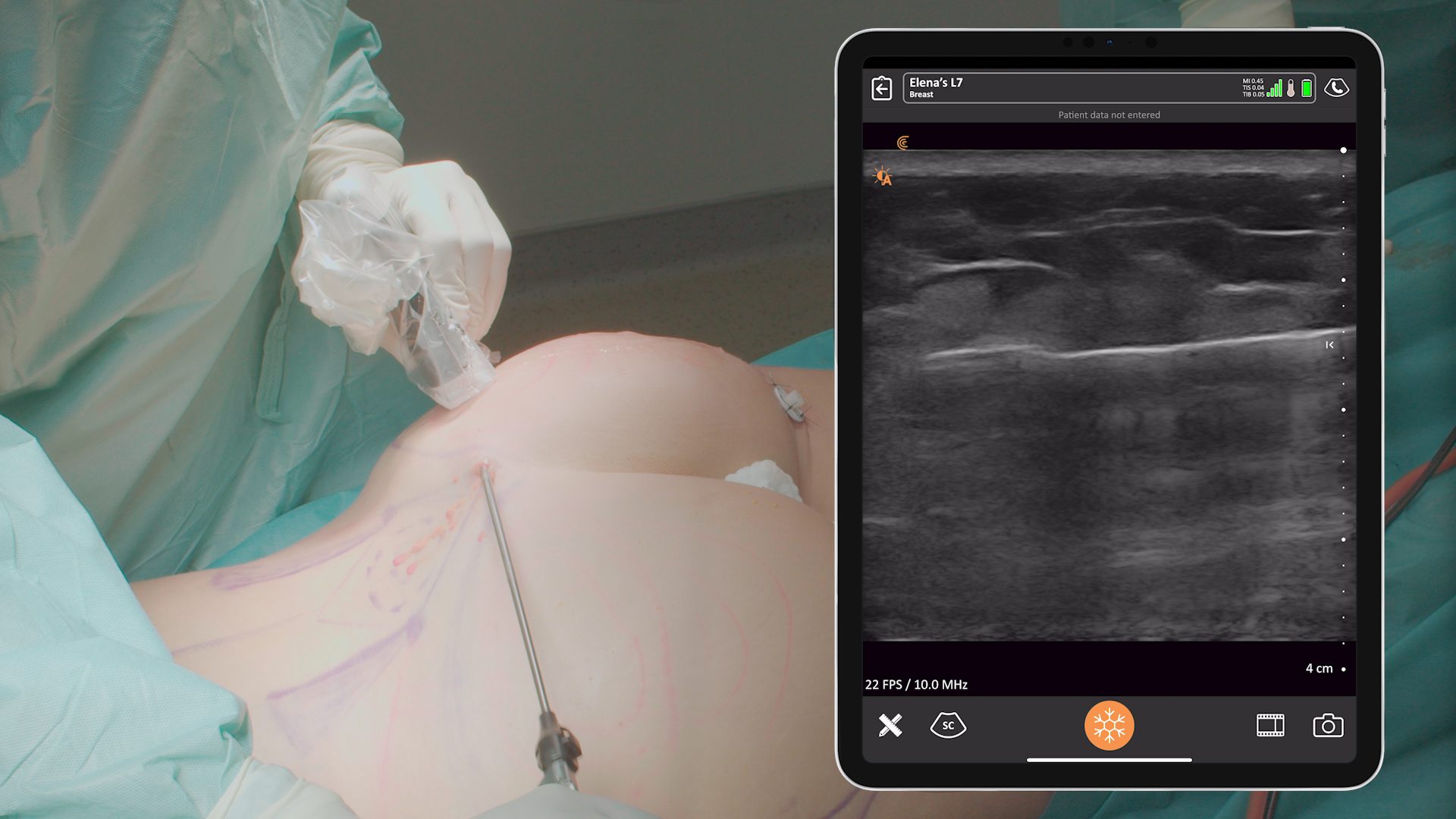
Gluteal muscles lie beneath a fascial layer and contain large blood vessels. Fat injected into or below muscle can enter vessels and travel to the lungs, causing fat embolism and death. Professional plastic-surgery societies have emphasized injection only into the subcutaneous plane above gluteal fascia and supported real-time ultrasound imaging during injection to verify cannula position. Ask the actual surgeon to explain and document the plane, how the ultrasound probe is used during each injection and who is watching the tip. A claim that the procedure is “safe” or “modern” without these details is inadequate.
Real-time imaging supports anatomical control but is not a guarantee that complications cannot occur. Technique, surgeon training, appropriate staffing and an operating facility with emergency capacity remain essential. An ultrasound-assisted liposuction device such as VASER has a different role from ultrasound imaging of the gluteal injection plane. Confusing the two can obscure the safety question. Ask specifically whether ultrasound is used to see the injection cannula during fat placement, not merely to harvest donor fat. There is no universally safe minimum or maximum volume that bypasses anatomical judgment.
Body contour rather than a skin lift
A BBL can add volume to selected buttock regions and reshape donor areas, but cannot shorten markedly stretched skin, remove a lower fold or build gluteal muscle. A surgical buttock lift removes tissue and leaves a longer scar; it is a distinct option for selected patients with significant laxity, especially after major weight loss. An implant creates a device-based volume change with its own risks. For a patient seeking an extremely dramatic projection despite limited donor fat or a thin subcutaneous layer, the safest recommendation may be a smaller target or no grafting. The desired photograph must be translated into an anatomical plan.
Techniques and alternatives for buttock enhancement
Harvest, processing and placement decisions
Donor liposuction may use conventional or power-assisted instruments, with the surgeon selecting access sites and maintaining a smooth contour. The collected fat is processed to separate material suited for grafting, though techniques vary. During placement the surgeon should remain in the superficial subcutaneous compartment and distribute fat with attention to tissue capacity and symmetry. Ask for a plan that records donor zones, injection sites, intended plane and imaging protocol. Marketing descriptions about “purification” or a particular cannula do not establish fat survival or remove the embolism risk.
Real-time ultrasound versus a verbal assurance
Ultrasound imaging during injection can help the operator monitor the cannula tip relative to fascia and muscle in real time. Discuss who holds the probe, who injects and whether the image is used throughout injection rather than once at the beginning. An initial scan of anatomy alone is not the same as monitoring the cannula during placement. Different jurisdictions have different rules; for a Canadian patient considering Tunisia, the key is the particular team's demonstrable practice, not an assumption about local law. Request documentation of the actual technique and an emergency protocol for sudden cardiopulmonary symptoms.
Small-volume goals, staging and limitations
A more modest contour can be appropriate when available donor fat or the subcutaneous layer is limited. A proposed second session should be considered only after healing and evaluation of the first result, not sold as a guaranteed completion. Staging introduces another anaesthetic, donor-site treatment, cost and potentially another trip. Fat absorption can create asymmetry even with good technique; further grafting may be medically inappropriate if donor supply or tissue capacity is insufficient. Ask how the surgeon balances patient preferences with anatomical limits and whether the final goal would remain acceptable without a later operation.
Implants, skin excision and non-surgical alternatives
Gluteal implants use silicone devices placed in a surgically created pocket and can provide volume without donor fat, but add risks of infection, displacement, wound problems and future removal or revision. Skin excision addresses laxity at the cost of a longer scar. Exercise can build underlying muscle and influence proportions, while weight management supports general health; neither supplies the same immediate shape change as grafting. Injecting unapproved fillers or silicone into the buttocks can cause serious harm and should not be treated as an equivalent shortcut. Discuss each alternative's actual tissues, scars and maintenance implications with a qualified surgeon.
Real indications for a Brazilian butt lift
- The patient seeks a measured contour change and has suitable donor fat.
- In-person assessment suggests adequate subcutaneous tissue for superficial placement.
- Weight and health are reasonably stable, with realistic expectations about fat survival.
- The surgeon explains real-time ultrasound monitoring and injection only above fascia.
- Recovery support, long-distance travel planning and Canadian follow-up are workable.
These points are reasons to consider evaluation, not a guarantee of suitability. A surgeon may decline grafting when donor supply is inadequate, the requested projection exceeds safe superficial capacity, medical risk is excessive or reliable follow-up is unavailable. The acceptable outcome may be subtler than the original request. Insisting on a large transfer volume cannot turn a thin subcutaneous compartment into a safe one.
Indications and contraindications for a Brazilian butt lift
| Situation to assess | How it affects the decision |
|---|---|
| Adequate donor fat and stable weight | Supports discussion of a limited transfer; donor liposuction contour still needs assessment. |
| Thin superficial gluteal tissue | May constrain safe volume or make fat grafting unsuitable. |
| Significant loose skin | Fat cannot remove an overhanging fold; a distinct lift may be relevant. |
| Demand for intramuscular injection or very large volume | An unacceptable approach; safety requires superficial placement above fascia. |
| Active infection or uncontrolled illness | May require treatment, postponement or refusal of elective surgery. |
| Prior clot, severe immobility or long travel | Changes risk assessment, prevention and feasibility of overseas care. |
| Nicotine use or healing concerns | May impair recovery and require cessation or reassessment. |
| Lack of surgeon-led ultrasound and emergency protocol | A reason not to proceed with that proposed team or plan. |
A temporary reason to defer is different from an anatomical reason not to graft. The surgeon and anaesthesiologist must assess the whole person directly. A remote image cannot establish the injection layer's capacity, anaesthetic fitness or a safe flight date.

How a Brazilian butt lift is performed, step by step
Before the procedure
The surgeon examines buttocks, donor zones, skin and asymmetry while standing and discusses realistic shape rather than a fixed volume. History includes prior surgery, weight pattern, medicines, nicotine, clotting and anaesthetic concerns. Confirm the named surgeon's experience, who performs liposuction and injection, the planned superficial plane, real-time ultrasound method and emergency facility. The anaesthesia team completes its evaluation and necessary tests. Informed consent should address fat embolism, donor-site irregularity, variable survival, alternatives and the possibility of stopping before a planned volume is reached.
During the procedure
Following anaesthesia and checks, selected donor-site fat is harvested by liposuction and processed. The surgeon then places suitable fat into the buttock's subcutaneous tissue above the gluteal fascia while monitoring cannula position with real-time ultrasound, according to the agreed safety protocol. The team records areas treated, imaging use, volumes and any changes in plan, while anaesthesia staff monitor the patient's condition. The number of injection passes and distribution are governed by tissue capacity and contour, not a package amount. Incisions are dressed and any prescribed garment applied without unsafe pressure on grafted areas.
After the procedure
Recovery staff watch breathing, circulation, bleeding, pain and early mobility. Ask specifically where sudden chest symptoms would be treated and who can respond immediately. Obtain instructions for donor-site wounds, positioning, garment use, medicines, walking, travel and direct surgeon reviews. A companion may be needed to help with basic tasks and luggage. The operative report should state donor areas, injection sites, subcutaneous plane, real-time imaging and fat volumes. Do not leave Tunisia before an in-person assessment of wounds, mobility and symptoms relevant to the whole return journey.
Recovery and time away from normal activities
| Approximate period | Expected changes and practical decisions |
|---|---|
| Immediately after surgery | Anaesthetic recovery, breathing and circulation checks, wound care and safe mobility. |
| First days | Bruising at donor and recipient sites; follow positioning and pressure restrictions. |
| Following weeks | Swelling and discomfort change; sitting, work and exercise resume only as cleared. |
| Subsequent months | Some fat may be absorbed; the settled contour takes time to assess. |
| Before any flight | Direct review of health, wounds, mobility and clot risk for the actual itinerary. |
These phases do not authorize a fixed return date. Avoiding prolonged pressure on grafted fat may conflict with a long flight; discuss this explicitly before booking. The surgeon's instructions take precedence over a cushion advertisement or a generic timetable.
Positioning, sitting and practical help
The surgeon should specify how to lie, sit, walk and protect the treatment during healing. Instructions differ between fat grafts and implants; do not copy advice from another procedure or infer that a special cushion allows unlimited sitting. The journey home includes airport queues, connections, boarding and the final drive, all of which need discussion. Arrange help with bags and accommodation close to clinical review. If a position causes severe pain, pressure on a wound or reduced mobility, contact the team promptly rather than forcing adherence to a generic online schedule.
Wounds, swelling and garments
Swelling and bruising can affect the buttocks and, with fat transfer, donor sites. The surgeon may prescribe dressings and a garment, with instructions on fit, skin checks, washing and how long to wear it. Fat grafting involves small access sites; implants create a larger incision and sometimes temporary drains. Follow the actual operative instructions. Increasing redness, fever, a new painful lump, wound opening, foul drainage or a rapidly enlarging side needs assessment. Do not massage or compress an area unless the surgeon has advised it for your particular operation.
Movement, work and warning signs
Gentle walking is often part of recovery, but exercise, driving, physical work and prolonged sitting require individualized clearance. A patient may need help with daily tasks and time away from work if sitting is central to the job. Seek urgent care for chest pain, breathlessness, fainting, sudden one-sided leg swelling, major bleeding or severe sudden buttock pain. Fat transfer adds the possibility of fat embolism; implants add device and wound problems. Contact the designated emergency facility in Tunisia, or local emergency services in Canada after return, with records of the procedure and medicines.
Return flight and follow-up in Canada
A surgeon should examine wounds, mobility, circulation and any concerning symptom before deciding if the entire itinerary is reasonable. Prolonged sitting and recent surgery can add clot concerns; a booked flight or airline permission does not establish fitness. Keep changeable reservations and a plan for delayed travel. Obtain an operative record with injection plane and ultrasound details if grafting was done, or implant identifiers and placement details if devices were used. Arrange direct surgical follow-up and a local clinician or service able to examine a wound, collection or implant problem after you arrive home.
Expected results and durability
Donor sites and recipient volume
Donor-site contour and buttock shape should be assessed together. Swelling can temporarily exaggerate both a smaller waist and a larger buttock; some transferred fat does not survive, so the initial appearance is not final. A modest retained change may be the safe limit for a given superficial layer. Weight changes later can enlarge or shrink remaining fat cells in both donor and grafted areas. No surgeon can guarantee a specific percentage of survival, clothing size or perfect symmetry for one individual patient.
Skin, silhouette and longer-term change
Fat transfer can fill selected hollows and alter projection but does not remove pronounced loose skin, stretch marks or a low sagging fold. Bone structure and underlying muscle remain the base of the silhouette. Later pregnancy, ageing and significant weight changes may alter the result. Ask whether the planned donor-site reduction itself will satisfy your goal if buttock volume settles less than hoped. A before-and-after image from another person cannot show how your fat, skin or postoperative travel will behave.
Reviewing images and considering revision
Consistent standing photographs from front, side and back can help assess progress once swelling eases. Clarify when sample images were taken, what donor sites were suctioned and whether an implant or skin lift was added. A revision decision requires examination and enough healing to distinguish normal absorption from a lasting problem. A second transfer may be limited by donor fat and superficial tissue capacity, and it carries new surgical risks. Painful swelling, fever or a breathing symptom calls for urgent assessment rather than waiting for cosmetic follow-up.
Risks and possible complications
Gluteal fat grafting has a potentially fatal complication distinct from routine donor-site liposuction. The surgeon must explain individual risk and the safeguards used; superficial placement and real-time ultrasound improve anatomical control but do not eliminate all danger.
- Fat embolism: Fat entering deep gluteal vessels can reach the lungs and cause sudden, life-threatening breathing and circulation problems.
- Anaesthesia and cardiopulmonary events: Reactions, breathing difficulties and other complications require appropriate monitoring and emergency capacity.
- Blood clots: Deep vein thrombosis or pulmonary embolism can occur after surgery and is relevant to a long return flight.
- Bleeding and fluid imbalance: Donor-site liposuction and grafting may cause bleeding, collections or physiological fluid shifts.
- Infection and wound problems: Fever, increasing redness, foul drainage or worsening pain require examination.
- Fat necrosis and lumps: Some fat may not survive, producing firm areas, oil cysts or contour irregularity.
- Uneven retention and asymmetry: The volume surviving on each side is unpredictable and further treatment may be inappropriate.
- Donor-site irregularity and scarring: Liposuction can leave dents, persistent sensation changes or visible access scars.
- Further surgery: A complication or unsatisfactory result may lead to intervention; no revision is guaranteed to be safe or successful.
Chest pain, sudden breathlessness, fainting, confusion or collapse after grafting demands emergency medical care immediately, not a routine message to the surgeon. Discuss which facility would treat such an event in Tunisia and carry a record of the operation to Canada. Leg swelling, fever or a new painful buttock collection also warrants prompt local assessment after return.
Why consider Tunisia for a Brazilian butt lift?
An overseas proposal has to justify itself through a suitable named surgeon, safe operative setting, clear technique and viable follow-up, alongside an acceptable total cost. Gluteal procedures can involve serious complications and sitting restrictions that make transatlantic travel a material part of the decision. A shorter stay offered for convenience is not evidence that a patient can safely fly. Compare care in Tunisia with accessible Canadian options using the actual surgical plan and the ability to manage complications, not a general claim about either country.
Before travel, ask for the surgeon's identity, the anaesthesia and monitoring plan, postoperative examinations and a documented handover. A patient with limited local follow-up, high clot risk, poor wound healing or an unrealistic volume request may reasonably be advised against distant elective surgery. Communication in English or French can help Canadian patients understand consent, but verify the languages used by the actual surgeon, anaesthesiologist and recovery team. A bilingual booking message cannot replace direct clinical discussion or emergency access.
Cost of a Brazilian butt lift in Tunisia
An itemized quotation must identify the actual operation and its safety arrangements. The surgeon, anaesthesia, operating facility, planned observation, tests, garments, medications and reviews should be listed. For fat transfer, clarify donor-site liposuction, processing, injection-plane monitoring and any included imaging. For implants, clarify implant brand, model, size, placement plane, incision, device documentation and the policy if removal becomes necessary. Do not compare two prices with different operations as if they describe the same care.
| Factor | Effect on total cost |
|---|---|
| Procedure scope | Donor-site liposuction and grafting, or implant placement and pocket formation, create different time and supply needs. |
| Surgeon, anaesthesia and facility | Confirm who operates, where, postoperative monitoring and access to urgent treatment. |
| Technology or implant | Ask whether ultrasound for graft-plane monitoring or implant hardware is included where applicable. |
| Garments, medication and reviews | Clarify dressings, support, prescriptions and in-person follow-up in Tunisia. |
| Travel and connections | Compare full Canada–Tunisia journeys, transit, baggage and companion travel. |
| Accommodation and work absence | Leave room for clinical review, sitting restrictions and a delayed return. |
| Complications or revision | Identify who manages infection, a graft problem, a clot or an implant issue and the additional fees. |
| Insurance and local follow-up | Check exclusions for elective overseas surgery and budget for Canadian examination. |
Currencies, exchange fees and payment policies can change the amount a Canadian patient pays. Ask for cancellation terms and what happens if the in-person examination changes or cancels the operation. Do not assume provincial coverage, private insurance or a travel policy pays for elective surgery or its complications. A low package price cannot be assessed until the precise safety measures, equipment and follow-up have been verified.
Comparison: Tunisia and other medical tourism destinations
| Question | Tunisia | Canada | Another destination, such as France or Türkiye |
|---|---|---|---|
| Direct communication | Verify the actual surgeon's and anaesthesiologist's language and interpreter arrangements. | Confirm language and direct clinical access in the specific practice. | Verify those details with the named team. |
| Travel | Long flights, possible connections and postoperative sitting restrictions. | Often shorter journeys, though remote regions may still require travel. | Compare actual route, transit and total sitting time. |
| Clinical assessment | Define in-person preoperative and postoperative reviews before departure. | Local visits may be easier if treatment is accessible near home. | Clarify the time needed abroad for the actual technique. |
| Quote | Compare the same anatomical plan, monitoring, exclusions and emergency access. | Request an equivalent itemized clinical plan. | Compare equipment, implant or graft details and total cost in local currency. |
| Continuity | Obtain records and arrange a Canadian assessment pathway. | Nearby treatment may simplify continuity. | Plan the particular destination's handover and complications. |
A destination does not establish individual safety. Compare the identified surgeon's training, facility, proposed technique, emergency plan and actual travel burden. A bargain that shortens observation or makes follow-up impractical is not an equivalent clinical proposal.
Tunisian cities to consider for this procedure
Tunis: link every visit to the named surgical team
Tunis may be practical if the identified surgeon operates in a facility with the required anaesthesia and emergency support and can personally review you before departure. Confirm where surgery, recovery, postoperative checks and urgent assessment occur. A patient who cannot sit normally or carry luggage may need accommodation close to those services. Airport access does not establish when a wound, graft or implant has been examined sufficiently for travel.
Sousse and Monastir: continuity and emergency access
Sousse or Monastir may suit a patient when a specifically identified team has relevant expertise, a suitable operating setting and direct follow-up in that city. Ask where a suspected infection, fluid collection or breathing symptom would be assessed outside normal hours, and who can transfer the operative details to a Canadian clinician. Avoid unnecessary intercity travel while recovering. City reputation, tourism facilities and convenient flights do not verify the surgeon's competence or provide medical clearance.
Which Canadian cities can patients travel from?
The right comparison is the complete door-to-door itinerary, including the journey back while swollen and tired. Availability and connections depend on actual dates. A longer route may justify more recovery time in Tunisia, a companion, flexible booking, and a medical review before departure. Ask a clinician in Canada in advance whether they can assess a wound or a possible complication, without assuming that a routine public appointment can replace the operating team's follow-up.
Montreal, Quebec City, Laval and Longueuil
Montreal may offer several airport and connection choices, while Quebec City travellers should compare a local departure with ground transport to another hub. For Laval and Longueuil, getting to an airport can appear simple, but the total journey still includes check-in, transfers, waiting and the trip home after landing. Decide whether consultations and written aftercare instructions should be in English or French; verify which language the surgeon and anaesthesiologist actually use for direct medical discussions. Before departure, identify a Quebec-based clinician or service that can assess a wound or new symptom. Save the operative report, implant or graft details, medication list and emergency contact in a format that can be shared promptly.
Ottawa, Gatineau, Sherbrooke, Trois-Rivières, Saguenay and Lévis
Ottawa and Gatineau patients may compare airports on either side of their usual travel corridor, while Sherbrooke, Trois-Rivières, Saguenay and Lévis can add a substantial overland leg. A return flight ending at a distant airport is not the end of recovery: arrange a manageable last leg and someone to help with bags. Weather, road conditions and connections can alter the practical duration. Ask who will remove or check dressings if required and where to seek urgent evaluation after arriving home. The language preferred for medical discussions should be stated in advance and confirmed with the individual clinicians involved.
Toronto, Hamilton, Kitchener–Waterloo and London, Ontario
Toronto residents can compare available itineraries, but should allow for the full time between home, the Tunisian facility and home again. From Hamilton, Kitchener–Waterloo and London, Ontario, airport access and the onward ground journey affect fatigue after surgery. Plan enough time away from work for the operation, observation, review and travel, with flexibility if recovery is slower. Arrange an Ontario contact for clinical questions, and understand that an emergency department addresses urgent symptoms but does not automatically provide planned aesthetic follow-up. Keep a clear English or French medical summary, including the gluteal operation, donor areas if any, and medicines prescribed.
Vancouver, Victoria, Surrey and Kelowna
Western Canadian journeys can involve additional flight segments and long periods seated. Vancouver and Surrey patients should consider ground access and connection buffers; Victoria and Kelowna patients may add another travel leg. Jet lag and disrupted sleep can make the first postoperative days harder, while a rigid return booking may pressure a patient to fly before a surgeon has reviewed swelling or mobility. Compare refundable or changeable travel options and realistic companion availability. Identify a local assessment pathway before leaving British Columbia and confirm how imaging or operative records could be transferred if a complication requires care.
Calgary, Edmonton, Winnipeg, Saskatoon and Regina
For Alberta and Prairie patients, access to a departure airport, layovers and the final trip home are part of the medical plan. Calgary and Edmonton offer different departure options on different dates; travellers from Winnipeg, Saskatoon and Regina should check the entire itinerary, including transit requirements. Ask how long sitting is reasonable for your individual clot risk and what preventive measures your treating team recommends; a cushion or support garment is not a substitute for a clot-prevention plan. After returning, know which local service can assess a suspected infection, leg swelling or unexplained breathlessness without waiting for an overseas video appointment.

Halifax, Moncton, Dieppe, Edmundston, Fredericton, Charlottetown and St. John's
Atlantic routes may require multiple legs and additional travel to reach the departure airport. Halifax patients should compare actual schedules; Moncton, Dieppe, Edmundston and Fredericton travellers should account for driving or regional connections; Charlottetown and St. John's can add another segment. Acadian and other bilingual patients can request French or English documentation and confirm the language used in each direct consultation. Include a buffer for weather and missed connections, and make a plan for returning home without carrying heavy bags. Follow-up access differs across provinces and communities, so identify a realistic local point of care before paying for travel.
How to choose a surgeon for a Brazilian butt lift
Verify people, facility and the exact procedure
Request the surgeon's full name, specialty, right to practise and experience with the particular gluteal operation. Ask who will perform the critical steps, who administers anaesthesia, where the operation takes place and how complications are handled. Fat grafting requires a clear injection-plane safety protocol and appropriate real-time ultrasound use by a trained operator; implant surgery requires details of the pocket, device and infection prevention. Confirm these points directly with the surgeon, not solely with a booking coordinator. A photo portfolio or device name cannot validate the actual clinical team.
Ask for an anatomical plan and limitations
An in-person assessment should examine buttock shape, skin, asymmetry, available donor fat or implant coverage, previous scars and medical risk. Ask how much change is realistic, where a scar or donor-site contour will be, and what outcome remains impossible. For a graft, the surgeon should explain why injection stays in the subcutaneous plane above muscle fascia; for an implant, explain the placement plane, size selection and revision options. If the proposed result needs unsafe graft volume or an implant too large for the tissue, a smaller goal or no operation may be the sound answer.
Confirm follow-up and financial contingencies
Ask for direct postoperative examinations, an urgent contact, the relevant facility and records describing the actual surgery. Define sitting, sleeping, wound care and flight review before purchasing an inflexible ticket. Identify a Canadian clinician or service that can evaluate a complication; an overseas video call cannot manage an embolism or a serious implant infection. Obtain an itemized quote and ask how revisional surgery, device replacement or fat graft touch-ups are assessed and charged. No revision policy is a guarantee that an additional operation will be safe or successful.
Planning a medical stay in Tunisia
For Brazilian butt lift in Tunisia, start with a clinical consultation and travel feasibility rather than a package date. Submit relevant history, medications, photographs and the result you hope to achieve, then ask which parts need an in-person examination. Allow time for anaesthesia review, surgery, observation, direct postoperative checks and a possible delay. Plan exactly how you will sit, sleep and travel in the early weeks, without treating a cushion, a flexible ticket or a coordinator's timetable as a medical clearance.
Preparation before departure
Disclose previous operations, significant weight change, nicotine, diabetes, heart or lung disease, prior clots, medicines, supplements and anaesthesia problems. Ask which tests or specialist reviews are needed and do not alter a prescribed medicine without clinical instruction. Identify a companion if feasible, a suitable place to recover and a Canadian service able to examine you on return. Check travel and insurance exclusions for elective surgery abroad. Keep medical records available throughout the journey. Verify current entry and transit requirements for your citizenship and itinerary rather than assuming the same route works from every Canadian city.
Direct assessment and consent in Tunisia
The surgeon should examine buttock proportions, skin quality, scars, asymmetry and available donor fat or implant coverage, then confirm whether the proposed technique is appropriate. Ask about the actual volume or device size as a clinically limited estimate rather than a guarantee. For grafting, confirm superficial injection above fascia and real-time ultrasound monitoring; for implants, the pocket, incision and device details. Verify that direct consultation with the surgeon and anaesthesiologist is available in your preferred English or French, or with appropriate interpretation. The plan may change or surgery may be declined after examination.
Early observation and the first reviews
Obtain written instructions for positioning, walking, wounds, garment use, medicines and symptoms requiring immediate care. Ensure a companion understands where to go outside office hours. Swelling may mask a collection or wound problem, so attend the scheduled direct review. A medical team should determine when activity and sitting can increase for the operation actually performed. Keep accommodation close enough for reassessment and avoid arranging sightseeing or long ground transfers while mobility is limited. Ask for copies of the operative note and any implant labels or injection-plane documentation.
Clinical examination before flying
The surgeon should assess wounds, pain, mobility, swelling and clot risk, and ask specifically about chest, breathing and leg symptoms. A long itinerary from Atlantic, central or western Canada can differ in sitting time and onward transport. Discuss the restrictions that remain and how they can be met during each segment. If a complication or limited mobility makes departure unsafe, remain for treatment and change the return ticket. Airline permission to board and a surgeon's medical clearance are distinct; neither a package date nor the absence of visible bruising can substitute for examination.
Care after returning to Canada
Take a discharge summary, the operative record, prescriptions, warning signs and direct contact for the operating surgeon. Arrange scheduled remote reviews and an available local point of care. A Canadian clinician evaluating redness, a fluid collection or severe pain needs to know whether fat was grafted and where or which implant was inserted. For chest pain, breathlessness, fainting, sudden leg swelling or severe wound symptoms, seek emergency care without waiting for an overseas message. Confirm how records will be transmitted promptly and whether insurance covers any later assessment or intervention.
Request a personalized opinion on a Brazilian butt lift in Tunisia
Tell Aylan Clinic what change you want, your weight and health history, available donor areas, previous operations, medicines, travel constraints and preferred language for direct medical discussions. Ask for the proposed surgeon's identity, a donor and recipient map, superficial-only injection plan, real-time ultrasound protocol, anaesthesia setting, emergency arrangements and an itemized quote. Confirm that the clinical team and required imaging are actually available for the proposed date.
A remote preliminary discussion cannot determine recipient tissue capacity or eliminate fat-embolism risk. Obtain a direct examination, consider alternatives and make a practical plan for monitoring in Tunisia and urgent access to a clinician in Canada. The return flight should be set only after postoperative assessment of wounds, mobility and the whole travel itinerary.
You may also want to compare Smart BBL and Drainless Abdominoplasty in Tunisia.
Continue exploring the complete body contouring and aesthetic surgery overview, compare plastic surgery prices in Tunisia, or request a free, personalized quote.
Everything about BBL in Tunisia
Technique, pricing, results and the full patient journey — every detailed answer in our complete guide.