Cryolipolysis in Tunisia uses controlled cooling to reduce a selected, pinchable pocket of subcutaneous fat. Often discussed using a device brand such as CoolSculpting, it is a non-surgical contour treatment rather than weight-loss care. A suitable patient wants a limited change in a defined bulge, has enough skin tone for the reduced volume to look smooth and can wait months for the result. Canadian visitors should understand the exact device, applicator, number of cycles and follow-up plan before buying a multi-area package.
This page explains fat freezing, candidacy, consultation, treatment steps, comparison with liposuction, gradual results, costs and travel planning. The term cryolipolysis describes a method; different devices and applicators are not automatically equivalent. A clinic should identify what it actually offers and assess whether a particular bulge suits cooling.
How controlled cooling changes a fat bulge
Subcutaneous fat and the applicator
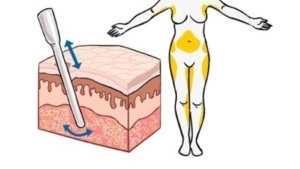
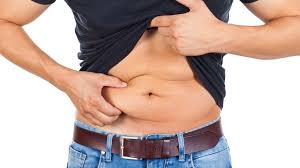
Cryolipolysis targets a deposit in the fat layer immediately under the skin. Depending on the device and body site, a clinician positions an applicator to draw tissue into a cooling cup or to contact a selected area. The body gradually processes affected fat cells after treatment. The process is intended to change a localized outline, not remove a known number of kilograms. It cannot treat fat deep inside the abdomen around organs. Ask the clinician to distinguish a pinchable surface deposit from abdominal fullness caused by deeper fat or other anatomy.
Cooling is not overall weight loss
A person can see little change on the scale while noticing a smoother contour in a treated zone. Weight management involves the whole body, diet, activity and medical factors; cryolipolysis for local fat is a limited shaping option. A large area of generalized excess may require another approach. The clinician should assess whether the amount of fat fits the available applicator and how much change can reasonably be noticed in clothing. A successful contour treatment does not replace stable lifestyle habits, and later weight gain can affect the appearance.
Time and response vary
Fat reduction develops gradually over weeks and months. The American Society of Plastic Surgeons describes a process extending over several months and an average reduction in a treated bulge, but averages do not predict one patient's change. The visible effect depends on the starting deposit, applicator placement, number of cycles, skin tone and weight stability. Agree on a review point and consistent photographs before deciding whether another session is warranted. A before-and-after photo made just days apart is not a useful measure of the final result.
Cooling equipment is not interchangeable
“Cryolipolysis” is a category, while CoolSculpting is a particular brand. Equipment differs in applicator dimensions, cooling design, settings, operator training and intended sites. A low-priced package may describe a very different treatment from a quote using another named system. Ask for the manufacturer, model, applicator, treatment area and number of cycles in writing. Regulatory status and instructions should be checked for the actual device and jurisdiction, without assuming that a generic “fat freezing” label guarantees equivalent clinical results.
Who may be a suitable candidate?
A small, defined, pinchable bulge
A persistent pocket at the abdomen, flank or another device-appropriate area can be considered when a clinician can map it clearly and the patient wants a modest reduction. “Stubborn” describes a patient's experience, not a medical diagnosis. The operator should examine the contour standing, seated and relaxed, measure the area and check whether the applicator fits. The best question is whether shrinking that particular bulge would satisfy your goal. Multiple disconnected zones might require several cycles, raising cost without ensuring a more harmonious silhouette.
Skin tone and existing laxity
Cooling reduces fat volume; it is not a skin-excision operation or a reliable treatment for a long hanging fold. A person with lax skin might find that reducing the underlying fat leaves visible looseness. Ask the clinician to show what will likely remain and whether another option better addresses the skin. Prior weight loss, pregnancy, stretch marks and age can affect the response. A suitable choice may be no treatment, a different body-contouring technology or a surgical operation, depending on what tissue causes the concern.
A health history that includes cold sensitivity
Tell the clinician about cold-triggered conditions, unusual reactions to cold, circulation problems and any previous procedure in the zone. ASPS lists cryoglobulinemia, cold urticaria and paroxysmal cold hemoglobinuria among reasons a person should not undergo cryolipolysis. Other conditions, medicines or skin issues may also influence suitability, so the provider should review the actual device instructions. Do not rely on a questionnaire alone if symptoms or a previous diagnosis need clinical evaluation. Screening protects the choice of an effective treatment as well as the patient's health.
Recent changes or previous treatments
Prior liposuction, fat freezing, abdominal surgery or a weight change can alter the contour and treatment plane. Ask the clinician to record what was done and whether the remaining bulge is fat, swelling, scar tissue or skin. If a treated area became unexpectedly firmer or larger after prior cryolipolysis, seek assessment before booking another cooling cycle. Photographs and records help distinguish a suitable new target from a condition requiring a different diagnosis. The same treatment should not be repeated merely because a package offers a discount.
Areas, applicators and planning
Abdomen and flanks
An abdominal pocket may be suitable if subcutaneous fat can be isolated and the applicator fits its shape. Fullness caused mainly by deep visceral fat or muscle separation is different. Flanks present curved surfaces and transitions into the waist and back, so a clinician should plan both sides together even if one is more prominent. Ask how many cycles each side receives and whether there will be a visible untreated edge. A symmetrical plan can involve different applicator positions if the starting anatomy differs.
Thighs, upper arms and under the chin
Other sites may be considered only when the particular device and applicator are intended for them and the tissues suit treatment. A thigh's inner surface, an arm with substantial laxity and a small under-chin pocket pose different questions. Do not assume that a success photo of an abdominal bulge predicts the effect on an arm. Ask for a map of the precise treatment region and where nearby skin or an uneven junction might remain. The neck also requires a clinician to distinguish fat from skin and deeper structures.
Counting cycles and sessions
One cycle usually refers to applying a particular applicator to one defined placement, but package terms differ. Two sides may count as two cycles in one appointment; a second treatment of the same site may be another session. Ask for both counts and for the time needed for each visit, plus the recommended interval before review. More cycles do not automatically improve candidacy. A quote should make the anatomical coverage and price legible enough that a Canadian traveller can compare options without guessing what “full body” means.
Mapping a realistic endpoint
Mark the precise outline that you want changed and agree on an outcome that would be worthwhile. A few millimetres or a subtle clothing difference may be enough for one patient and disappointing for another. The clinician should show the boundary of a single applicator and explain whether adjacent fat is likely to remain. Take neutral photographs with consistent posture, lighting and weight data if helpful. An attractive marketing result from a much larger or smaller starting bulge cannot define your personal endpoint.
| Finding | Useful question |
|---|---|
| Small pinchable deposit | Does the applicator fit the whole bulge? |
| Generalized weight concern | Would this local change matter? |
| Loose skin | What might remain after fat reduction? |
| Cold-related condition | Is treatment unsuitable with this diagnosis? |
| Previously cooled site | What explains the current contour? |
| Several zones | How many placements and reviews are included? |
What happens at an appointment?
Assessment and marking
The practitioner reviews history and inspects the proposed sites before selecting an applicator. Markings should identify both the center of the bulge and its edges. Confirm the device model, intended area, number of cycles, expected sensation and how a later result will be assessed. No general anaesthesia or incision is usually needed for standard cryolipolysis. Ask who will supervise the appointment and which clinician can examine a concern afterward. A promotional booking can be revised or cancelled if the examination finds an unsuitable site.

Cooling and tissue contact
A protective interface and applicator are placed according to the device instructions. With a suction-based system, the tissue is drawn into the applicator and becomes cold and numb; initial pulling or pressure may be felt. Other devices can use different contact designs, which is why the actual model matters. The treatment time is specific to that system, applicator and site. The practitioner should check placement and patient comfort rather than leave the user to infer that every level of cold sensation is normal.
Removal and immediate aftercare
At the end of a cycle, the operator removes the device and may massage the treated tissue if its protocol calls for it. Temporary redness, a firm feeling or altered sensation may follow. Written instructions should say what activities can resume, whom to call with a persistent change and when follow-up takes place. Many patients return to ordinary routines relatively promptly, but the absence of an incision does not mean the contour is final immediately. Keep a record of each site and applicator placement.
Review before another cycle
The treated fat bulge usually changes gradually, so a clinician should not sell an immediate second course as proof the first has failed. Agree on photographs and a review interval appropriate to the device and body site. At that point, compare the same posture and weight and identify whether any residual volume is fat, skin or another anatomical feature. A second cycle might be reasonable for some people; another modality or no further treatment may be better for others. Request a new assessment and price before committing.
Expected contour and its limits
A smaller local bulge
The ASPS describes an average reduction in the fatty bulge, not a fixed result for every person. Some patients notice a meaningful improvement in clothing; others see a modest change that is difficult to photograph. A localized fat treatment cannot guarantee a perfectly flat abdomen, an athletic waist or a change to the whole body shape. Ask what portion of the visible concern is within the applicator footprint. An honest clinician should be able to say when the likely reduction is too small to justify the expense.
Skin, weight and future change
After fat volume decreases, the overlying skin needs to adapt. Where elasticity is limited, laxity may remain or appear more apparent. Later weight gain can enlarge remaining fat cells and change the shape again. Fat freezing is not a lasting exemption from weight changes or age-related skin change. A stable weight makes before-and-after comparisons more meaningful. Decide whether the likely local improvement serves your original goal and whether more treatment is warranted only after the zone has had time to settle.
Interpreting photographs and marketing images
Compare starting anatomy, treated zone, device, number of cycles and time after treatment. Pose, lighting, clothing and changes in weight can make a modest result look dramatic. A clinic should distinguish photographs of cryolipolysis alone from those after liposuction or other procedures. Marketing images are not clinical evidence or a promise of your outcome. Ask for the provider's method of follow-up and examples that show the entire relevant contour, including boundaries between treated and untreated areas.
Choosing between non-surgical and surgical contouring
Cryolipolysis and liposuction answer different requests
Cryolipolysis changes a localized pocket gradually, without an incision or anaesthesia for a standard treatment. Liposuction removes selected subcutaneous fat through small access sites in a surgical setting and generally offers a different scale of reshaping. Compare the size and number of areas, expected gain, scar and recovery. A patient who wants a small reduction might value an office treatment. Someone seeking broad waist restructuring may find that many cooling cycles cost more time without addressing the full goal. The clinician should explain both possibilities for the same anatomy.
Cooling and skin tightening
Reducing fat and tightening loose skin are different objectives. A cooling device may leave the surface smoother if the skin adapts well, but it should not be sold as an alternative to excising a hanging fold. Some devices or procedures aim at tissue contraction by other mechanisms; each has its own indication and recovery. Ask what portion of your contour comes from fat and what portion comes from skin. If skin is the central concern, treating the fat may make the decision harder rather than better.
Weight management and body confidence
A clinic should not use a weight-loss promise to sell treatment of a small bulge. A patient may feel strongly about a localized deposit at a stable weight, and that concern deserves a clear assessment. If weight is changing substantially, however, the desired target can also change, making immediate cycles less useful. Set a body-contour goal that can be checked in ordinary clothing and movement. A delayed decision can be sensible when the person's main objective is overall health or weight change rather than one defined outline.
How to compare a treatment course
A cryolipolysis quote might include one applicator placement, several cycles at one appointment or repeated sessions months apart. Ask for a table of sites, placements and prices before paying. The number of visits matters to a Canadian traveler: returning for a second course after weeks may be impractical. A local provider in Canada could offer easier later review even if the initial price is higher. Compare the full course and follow-up, not only the rate for one placement.
Questions about results after the trip
Measure change at the same weight and position
A waist measurement can change with posture, meals and time of day. Standardized photographs, a consistent pinch assessment and clothing fit may be more informative for a small treated bulge. Ask which method the provider will use and when. Take images before the first cycle, then at a follow-up point that allows a biological response. If your weight changed in the meantime, discuss that openly rather than attributing every difference to cooling.
Identify why a contour still looks uneven
A remaining bulge might be untreated adjacent fat, resistant treated fat, loose skin or a different structure. A clinician should examine the area before recommending another session. Device placement and applicator edges can influence which portion changed. Compare the originally marked map with the current contour. The next choice could be observation, another planned cycle or a different procedure. A rigid package promising a fixed number of cycles for everyone ignores these anatomical distinctions.
The difference between delay and disappointment
Fat reduction is gradual. A patient returning to Canada soon after a single session may see little change yet later notice an improvement. The provider should tell you when a fair assessment can be made and how to send photographs. If a firm enlargement develops instead of a reduction after several months, obtain an in-person diagnosis; this uncommon response should not be assumed to be ordinary delayed healing. Clear expectations about timing help avoid both premature retreatment and overlooked concerns.
What a sensible final decision looks like
Start with the specific bulge, its physical size and the result you would notice. Compare the likely extent and timing of cooling with the alternatives and total cost. Ask for the device details, the clinic's assessment of your suitability, all planned placements and a follow-up point. If the expected gain is too small, declining treatment is a reasonable outcome. A good decision is based on a clearly identified anatomical target, not on a sale of “unlimited fat freezing.”
How to make a body contour decision worth the trip
A bulge visible only in some positions
A small deposit may be noticeable when seated but not when standing, or vice versa. Ask the clinician to examine the position that actually bothers you and whether the applicator can address that part of the contour. Skin creases, abdominal muscle posture and clothing pressure can mimic a pocket of fat. A treatment planned from one standing photograph may miss the real concern. If the tissue cannot be isolated within the applicator's contact area, the operator should explain why another method or observation makes more sense.
A transition between waist and back
The flank is a broad transition rather than a sharply bounded patch. Reducing one small spot may leave a neighboring fullness that attracts attention. A clinician should map the entire curve from front to back and show what part each placement covers. On two sides of the body, anatomy and fat thickness may differ, so placement need not be numerically identical to achieve visual balance. The patient should know the expected change in clothing and whether an untreated upper or lower area will still define the waistline.
The inner thigh in walking
An inner-thigh concern can reflect fat, loose skin, bone alignment and movement. Ask whether a cooling applicator suits the site's shape and whether a local reduction would change rubbing or only the look in a photograph. A substantial fold or skin laxity may remain after fat volume changes. An honest assessment considers standing with feet apart and ordinary walking. If the patient's chief concern is daily friction, the clinician should explain whether cryolipolysis is likely to address it before taking payment for several placements.
The lower abdomen after pregnancy
After pregnancy, abdominal fullness can combine subcutaneous fat, skin laxity and changes in the abdominal wall. Cooling affects only the suitable superficial fat component. It does not repair muscle separation, treat a hernia or remove a lower abdominal fold. The clinician should ask about symptoms, prior surgery and weight changes and refer for appropriate assessment when necessary. If a pinchable pocket is small but the main concern is an overhanging crease, a modest reduction may leave the silhouette essentially unchanged.

Planning with the original photographs
Before treatment, agree on a simple, repeatable photo protocol: the same distance, lighting, relaxed posture and exposed anatomical landmarks. Document the applicator positions and the starting contour. A patient can then compare at the planned review date without having to rely on memory or a marketing image. A difference in camera height can make a flank appear much smaller; compression from clothing can distort an abdominal fold. The provider should assess the whole zone and the person's stated goal, not select only the most flattering frame.
Interpreting average study outcomes
Published or professional summaries often describe an average change in a treated bulge. That figure is not an estimate of total body fat reduction and should not be multiplied by the number of areas to promise a whole-body percentage. Studies also differ in devices, body sites and measurement methods. Ask which evidence applies to the actual device and applicator and what the clinician expects from one mapped placement. If the likely improvement is subtle, decide whether that would still justify the full travel and treatment cost.
What follow-up should produce
A useful follow-up is a clinical decision, not merely a request for a favorable review. The provider should compare the mapped site with the original goal, note any weight change, inspect boundaries and ask about sensation or unusual firmness. The result may be satisfactory, may need more time, may justify another cycle or may need direct assessment by another clinician. Ask for the outcome in writing so a Canadian practitioner can understand what was treated and how the area evolved after the trip.
Cost of cryolipolysis in Tunisia
A quote for cryolipolysis in Tunisia should identify the complete course, not only the advertised price for one application. Ask which device and applicator are used, how many distinct sites and cycles are included, who performs the session and when an outcome review is scheduled. Several sides or neighboring areas may require more than one placement. A later touch-up, if suggested, is another expense and may involve a second trip from Canada. The full budget includes consultation, accommodation, ground transport and time away from work, even if the session itself has little downtime.
| Cost element | Clarification to request |
|---|---|
| Device and applicator | Which model and size will treat each zone? |
| Anatomical coverage | Where do placements begin and end? |
| Number of cycles | How many applicator uses are included? |
| Appointment count | Are several cycles delivered on the same day? |
| Clinical assessment | Who screens suitability and examines concerns? |
| Follow-up | When and how is the result reviewed? |
| Possible repeat | Is another session included or priced separately? |
| Travel from Canada | What flights, lodging and changes are excluded? |
Ask how the price changes if the clinician finds the tissue unsuitable, recommends fewer zones or suggests a different treatment. When comparing Canadian and Tunisian offers, match the device, mapped coverage and clinical follow-up rather than only the price per cycle. Currency conversion and a second long trip can eliminate an apparent saving. Provincial or private coverage for elective contour treatment should not be presumed.
Comparing Tunisia with treatment nearer home
Cryolipolysis often involves a brief office appointment and a result that develops over months. This makes travel calculus different from an operation requiring immediate wound checks. If the patient would travel to Tunisia for another procedure or a longer visit, a cooling consultation might fit the itinerary, subject to clinician approval. If the sole aim is one small bulge, compare the entire international journey with an appropriately qualified provider closer to home. Access to a local in-person review can be valuable when a result is uncertain or a treated site changes later.
| Question | Tunisia | Canada | Another destination |
|---|---|---|---|
| Named equipment | Obtain the actual device, applicator and zone map. | Compare the same technical details locally. | Verify the model and training rather than a generic name. |
| Treatment course | Count all placements and visits in the itinerary. | Repeat visits may be easier to attend. | Determine whether another trip is needed. |
| Result review | Set a remote review date and hands-on pathway. | Local examination may be easier to arrange. | Confirm who evaluates unexpected change. |
| Total expense | Include airfare, stay, transport and currency. | Compare complete treatment and consultation costs. | Use the full equivalent cost. |
A country label alone does not establish device quality or the competence of the operator. The worthwhile comparison is between complete plans for the same bulge, with an honest assessment of skin, anticipated change and aftercare.
How to select a clinic and a clinician
Ask who determines candidacy
A trained clinician should review the history, identify the actual fat deposit and decide whether controlled cooling suits the tissue. Ask for the clinician's name, credentials and experience with the exact device. The person applying the applicator should know how to protect skin, verify placement and respond to a problem. A coordinator can arrange a time and quote, but cannot replace a clinical assessment. Ask whether a physician is available to review an atypical symptom or a later unexpected change.
Review the device and coverage map
Request the manufacturer, model, applicator, treatment site and number of cycles. An annotated body map should show which portion is treated and where untreated tissue may remain. A clinic may quote a smaller applicator and more cycles than another; these plans are not equivalent. Discuss whether the main problem is fat or loose skin and what another procedure could achieve. A provider who can explain when cryolipolysis is a poor fit gives more useful advice than one who treats every zone the same way.
Define follow-up before booking
Agree on when photographs will be taken and who judges the result after sufficient time has passed. A photograph cannot always explain a firm or uncomfortable area, so identify a Canadian point of care for direct examination if needed. Ask for an appointment record with device name, treatment settings as appropriate, date, zone and applicator placements. Discuss what happens if an unexpectedly larger or harder bulge appears months later. A long-distance provider should be able to supply timely records for local assessment.
Planning a non-surgical visit to Tunisia
Prepare for a focused consultation
Send neutral photographs and a description of the one or two bulges that matter most. Share earlier procedures, weight changes, cold-related diagnoses, medication and any skin concern. Ask for an in-person assessment before a final quote or treatment. If a cooling contraindication or a predominantly loose-skin concern emerges, the plan should be reconsidered without pressure to substitute an unrelated package. Compare the result you want with the modest change that an office device can realistically offer.
Arrange the session within the trip
Confirm the clinic address, session duration and whether several placements take place in one visit. Arrange time for check-in, assessment and instructions afterward. Standard cryolipolysis generally does not involve anaesthesia, an operating room, incisions or a compression garment, so do not apply a surgical package's recovery timetable to it. Nonetheless, plan a contact for persistent pain or an unexpected skin change, and allow enough time to ask questions before leaving Tunisia. A rushed last-hour airport appointment can make follow-up harder.
Travel and later review in Canada
Many patients can resume ordinary activity after a standard session, but individual sensations vary. Ask about expected redness, soreness or numbness and whom to contact if these persist or worsen. Keep the treatment record and a planned review date several months later. Because the contour develops gradually, a short holiday cannot capture the outcome. If another session is proposed, compare returning abroad with care nearer home. A symptom that requires hands-on assessment should be evaluated locally rather than waiting solely for photographs to be reviewed overseas.
Canadian cities and route planning
The cities below illustrate door-to-door travel rather than claim direct flights on a particular date. Actual schedules, visa or transit requirements and accommodation should be checked when a booking is made. Because cryolipolysis is commonly an office visit rather than surgery, the main travel question is whether the expected local contour gain justifies a long journey and whether a repeat visit would be practical. A Canadian clinician should be identified for an unexpected change after return.
Montreal, Quebec City, Laval and Longueuil
From Montreal, Quebec City, Laval or Longueuil, compare the whole itinerary including ground travel, connections and lodging near the clinic. Ask whether the clinical consultation and written instructions are available directly in English or French. A bilingual coordinator may help with logistics, but the person assessing suitability should be able to answer questions clearly. A local contact in Quebec is useful if a treated bulge changes after you return. Save the device and zone map in a shareable format.

Ottawa, Gatineau, Sherbrooke, Trois Rivières, Saguenay and Lévis
Travellers from these cities may use a distant airport and a longer ground leg. Add those costs and hours to the price of all planned cycles, and consider whether a repeat appointment in several months would be realistic. If the package combines cooling with another procedure, calculate the recovery and travel requirements of that procedure separately. Follow-up photographs can often be sent remotely, but direct clinical assessment of a new firm or painful area needs a local path.
Toronto, Hamilton, Kitchener Waterloo and London, Ontario
Toronto-area patients can compare several routes, while Hamilton, Kitchener Waterloo and London residents should include travel to and from an airport. A treatment that takes a limited time in the clinic can still occupy days of travel. Ask for the exact applicator, placement count and review date before committing. Keep a local clinician's details if an unusual symptom develops. Planned aesthetic follow-up abroad is distinct from the medical assessment needed for a changing area at home.
Vancouver, Victoria, Surrey and Kelowna
Western Canadian routes can add long flights, connection time and a substantial cost to an office treatment. Vancouver and Surrey patients may have different ground journeys; Victoria and Kelowna may add a flight or ferry segment. Evaluate whether one local contour concern warrants the itinerary, and ask how any later treatment would be coordinated. Remote reviews are practical for routine photographs, but the original clinic should promptly provide treatment details if a Canadian clinician must examine the site.
Calgary, Edmonton, Winnipeg, Saskatoon and Regina
Compare the complete journey and actual travel dates from Alberta and the Prairies. A multi-cycle package may require a longer appointment than one application, so avoid assuming treatment will fit between tight connections. If the clinician proposes a repeat visit, include another airfare or seek a local opinion first. Document the treated areas and date. For unusual enlargement or persistent discomfort months later, seek a local diagnosis rather than automatically scheduling additional cooling.
Halifax, Moncton, Dieppe, Edmundston, Fredericton, Charlottetown and St John's
Atlantic patients may need several flight and ground segments. Compare the full price of the trip with an equivalent local assessment and treatment. French or English instructions can be requested, while the actual clinician should be available for direct questions. A flexible itinerary is still useful if an appointment changes, although standard cooling has a very different recovery burden from surgery. Arrange a realistic local examination pathway and keep the clinic's device record after returning home.
Safety and informed consent
Common temporary effects can include redness, soreness, numbness or swelling. Less common problems include an uneven contour, prolonged discomfort or an unexpectedly enlarged, firm treated area called paradoxical adipose hyperplasia. Cold-related disorders can make treatment unsuitable. Ask the clinician about the device instructions, skin protection and when a changing area should be examined. An unusual enlargement months later needs a diagnosis before another cooling cycle. These points belong in informed consent alongside the main discussion of candidacy, reasonable change and alternatives.
A focused consultation in Tunisia
Ask Aylan Clinic to identify the exact cooling device, named clinician, treatment map, total number of placements and review date. A visit can be convenient when combined with other travel, but a short appointment must still begin with an individual assessment. Request a written comparison with alternatives when skin laxity or a larger fat volume dominates. Arrange a way to discuss the gradual result and a route for a Canadian clinician to examine any unexpected change. The choice should make sense after accounting for the entire trip.
Request a focused contour assessment
Share the exact bulge that concerns you and relevant medical history with Aylan Clinic. Ask for a named device, an applicator map, realistic expected change and a clear total for all proposed cycles. An in-person examination should confirm whether the tissue and skin suit cryolipolysis.
For a Canadian patient, agree on the timing of result review and a practical plan for examining any unexpected change after returning home. Choose treatment only if the likely local reduction meets your personal goal.
Clinical and technical sources
- American Society of Plastic Surgeons, cryolipolysis overview, covering candidacy, procedure and gradual results.
- US CDC, medical tourism considerations.
You may also want to compare Abdominal Lipo + Tummy Tuck, Calf Implants and High-Definition Liposuction in Tunisia.
Continue exploring the complete body contouring and aesthetic surgery overview, compare plastic surgery prices in Tunisia, or request a free, personalized quote.
Everything about Cryolipolysis in Tunisia
Technique, pricing, results and the full patient journey — every detailed answer in our complete guide.