
Cryolipolysis is the smallest intervention in our body library — a non-surgical treatment for a small, stubborn fat pocket, not a substitute for liposuction and not a weight loss method. At Aylan Clinic Tunisia, controlled cooling reduces fat cells in a treated area during outpatient sessions requiring no anaesthesia and no incision, for up to 60% less than Canadian private prices. The effect is genuine and modest: a percentage reduction in the fat layer of the treated area, developing over months rather than the dramatic change liposuction produces.
This guide is the long-form companion to our procedure page on fat freezing cryolipolysis in Tunisia, which sets out how the session runs, what is included and how the stay is organised. Read it alongside the wider body contouring in Tunisia overview and our plastic surgery prices in Tunisia page, so you can weigh a modest non-surgical treatment against the surgical alternatives before committing to anything.
Three things before you read further. First, it is genuinely non-surgical, and the effect is correspondingly modest. Second, there is a specific, rare but real complication you should know about before treatment, not after — paradoxical adipose hyperplasia, a firm, enlarged area developing months after treatment, uncommon and requiring surgical correction when it occurs. Third, it treats one small area at a time: it is not a whole-body solution, and a patient wanting significant contouring across several areas is better served by liposuction.
One thing distinguishes Tunisia: it is a French-speaking country. Not a clinic with French-speaking staff — a country where French is a working language across medicine and daily life.
Part one — deciding
1. What cryolipolysis is
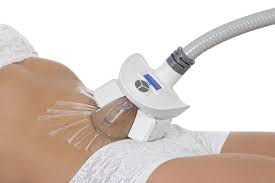
The mechanism. Fat cells are more susceptible to cold-induced damage than the skin and the other surrounding tissue. An applicator delivers controlled cooling to the treatment area, typically drawing the tissue into the device with gentle suction. The cold triggers a process of fat cell death over the following weeks, and the body gradually clears the damaged cells through its normal processes over the following months.
What that means practically. No incision, no anaesthesia, and generally no significant downtime. A single session lasts roughly thirty-five to sixty minutes per area, depending on the applicator and protocol. The result develops slowly — not visible immediately, and continuing to develop over two to three months as the cleared fat cells are processed.
What areas are typically treated.
- The abdomen and flanks — the most common.
- The inner and outer thighs.
- The submental area (under the chin) and, in some protocols, the upper arm.
- Areas defined by having a pinchable, definable pocket of fat that the applicator can draw in.
2. What it achieves, honestly
Set out plainly, because expectations here need calibrating carefully.
The typical effect. A percentage reduction in the fat layer thickness of the treated area — generally described in the published literature as a modest reduction per treatment session, assessed by callipers or imaging rather than dramatic visual transformation. It is visible to the patient and to others in a proportion of cases, particularly with a well-selected small area and realistic expectations. It is not visible, or not satisfying, to some patients — a genuine and reported outcome rather than a rare failure.
Why more than one session is common. A single session produces a modest reduction. Two or three sessions to the same area, spaced weeks to months apart, are frequently used to build a more noticeable result — and this should be part of the plan and the cost discussion from the outset, not a surprise after the first session disappoints.
The comparison with liposuction. Liposuction removes a defined, immediate and considerably larger volume of fat in a single procedure. Cryolipolysis produces a slower, more modest reduction, without surgery. Neither is simply better — the choice depends on how much change you want, how quickly, and whether you are prepared to accept a surgical procedure to get it. A patient wanting the change liposuction produces will not get it from cryolipolysis, however many sessions.
| Consideration | Cryolipolysis | Liposuction |
|---|---|---|
| Surgery | None — no incision, no anaesthesia | Surgical, with anaesthesia |
| Volume of change | Modest percentage reduction of the fat layer | Defined and considerably larger |
| Timing of the result | Gradual, over two to three months | Immediate, refining as swelling settles |
| Area coverage | One small, pinchable pocket at a time | Multiple areas in a single procedure |
| Sessions | Frequently more than one per area | One procedure |
3. Who is a good candidate
Good candidates.
- A small, well-defined, pinchable pocket of fat — not a large area, and not generalised excess.
- Realistic expectations of a modest, gradual improvement, not a dramatic transformation.
- Willingness to consider more than one session if a single session is insufficient.
- Good skin elasticity in the treated area, since the skin must accommodate the reduced volume — the same consideration that governs liposuction candidacy.
- Stable weight.
Who is better served by liposuction. Larger areas of excess. Multiple areas wanting treatment at once. Patients wanting a defined, immediate and considerably more substantial result. And patients with a firm, non-pinchable area, which as with liposuction suggests the underlying issue may not be a fat layer the treatment can meaningfully reach.
Who should not have it.
- Cryoglobulinaemia, cold agglutinin disease or paroxysmal cold haemoglobinuria — specific cold-sensitivity conditions that are a clear contraindication.
- Significantly impaired skin sensation in the treatment area, which affects the ability to recognise if cooling is excessive.
- A hernia in or near the treatment area.
- Active skin infection or significant skin irritation in the area.
- Pregnancy.
4. Paradoxical adipose hyperplasia: the specific risk to know beforehand
Uncommon, and worth understanding properly rather than discovering after the fact.
What it is. A firm, enlarged area of fat developing in the treated zone, typically becoming apparent over the months following treatment — the opposite of the intended effect. The tissue takes on a distinct, well-demarcated, rubbery firmness.
Why it happens. Not fully understood. It is reported more often in men than women in published series, and more often in the abdominal area, though it can occur wherever treatment is given. It is a genuine biological response in a minority of patients rather than a technique error — which means it is not entirely avoidable by any particular precaution, though appropriate patient and protocol selection matters.
What it means if it happens. It does not resolve on its own. Correction requires surgical removal — typically liposuction, sometimes combined with excision — of the enlarged, firmer tissue, which behaves differently from ordinary fat and can be technically more demanding to treat.
Why we tell you this before treatment. Because it is rare enough that many patients have never heard of it, and specific enough that you should know it exists before you consent — rather than being alarmed by an unfamiliar development months later without having been warned. A clinic that does not mention this at consultation is not giving you complete information.
What we do. We discuss it directly as part of consent. We photograph the treatment area at baseline, so any change is assessed against a clear starting point. And if it does develop, we would assess and discuss surgical correction, which we can also perform.
5. The other, more common effects
Set out for completeness, because these are the considerations most patients actually experience.
During and immediately after. Intense cold, a pulling and tugging sensation from the suction, and pinching — typically most noticeable in the first several minutes as the area numbs. Redness, swelling, firmness and bruising of the treated area afterwards are common and expected, resolving over days to weeks.
In the days following. Numbness, which can persist for several weeks and occasionally longer. Tingling or itching as sensation returns. Some patients report cramping-type discomfort for days to a couple of weeks, sometimes more uncomfortable than the treatment session itself.
Less common. Prolonged pain beyond the expected window — worth reporting. Hyperpigmentation of the treated skin, more likely in darker skin tones, generally fading over months. Frost nip or a more significant cold injury to the skin, uncommon with modern protocols and protective measures. And a late-forming firm lump at the treatment site unrelated to paradoxical hyperplasia, occasionally requiring assessment.
6. Your Canadian options
Not covered. Cryolipolysis is available in Canada under various device brand names, and availability and pricing vary by clinic and region. It is worth comparing on the same basis wherever you have it — operator experience, realistic expectation-setting, and whether paradoxical adipose hyperplasia is discussed as part of consent — rather than on the device brand alone.
Part two — preparing and the procedure
7. From first contact to confirmed dates
The online consultation. Send photographs:
- The specific area of concern, from multiple angles, in good light.
- A pinch photograph of the area — showing what can be grasped, which informs whether the pocket is well-suited to the applicator.
- Where relevant, a photograph with the area relaxed and tensed (for the abdomen).
Plus your age, any cold-sensitivity condition, any hernia in the area, skin conditions, weight stability, previous treatments to the area, and any medical conditions.
What you receive. A plan stating whether the area suits cryolipolysis or would be better served by liposuction, the number of sessions likely needed for a noticeable result, an honest discussion of paradoxical adipose hyperplasia, the schedule and the cost — within 24 to 48 hours.
Questions worth asking before you commit.
- « Ma zone est-elle réellement adaptée à ce traitement, ou la liposuccion serait-elle plus appropriée ? »
- « Combien de séances seront probablement nécessaires pour un résultat visible ? »
- « Que se passe-t-il si une hyperplasie adipeuse paradoxale survient ? » — a fair question to ask any clinic.
- « Combien de traitements de cryolipolyse réalisez-vous par an ? »
What to arrange at home before you travel. Confirm weight stability. Photograph the area yourself beforehand, for your own comparison. And plan realistically — this is not a procedure requiring recovery time in the way surgery does, but the gradual, modest nature of the result is worth mentally preparing for.
8. The session
Straightforward, and briefly described because there is little to it procedurally.
- The area is marked and photographed.
- A gel pad is applied to protect the skin.
- The applicator is positioned, drawing the tissue in with gentle suction.
- Cooling begins, with an initial intense cold sensation that generally subsides as the area numbs over several minutes.
- The session lasts roughly thirty-five to sixty minutes, depending on the applicator and area.
- A brief massage of the treated area is generally performed immediately afterwards, which some data suggests may modestly improve the fat reduction achieved.
You leave the same visit — no anaesthesia recovery, and generally able to resume normal activity immediately, though the treated area will feel firm, numb and tender for some time.
Part three — afterwards
9. The weeks and months that follow
| Period | What to expect |
|---|---|
| Days 1 to 14 | Redness, swelling, firmness and bruising of the treated area, settling progressively. Numbness is common through this period and sometimes beyond. |
| Weeks 2 to 8 | The fat cell clearance process continues, and the area gradually softens and reduces, though change is not usually dramatic or rapid. |
| Months 2 to 3 | The fuller effect of a single session is generally apparent — which is why we advise not judging the result, or deciding on a further session, before around twelve weeks. |
| Beyond | Where a firm, enlarging area develops rather than the expected gradual reduction, this should be assessed for paradoxical adipose hyperplasia. |
10. Your Canadian follow-up
A physician is not routinely required for uncomplicated recovery, but arranging one before you travel is sensible given any procedure performed abroad.
What warrants assessment. Pain persisting well beyond the expected window. Signs of skin injury — blistering, non-healing changes, unusual discolouration beyond simple bruising. And, months later, a firm, enlarging, well-demarcated area in the treated zone, which should be assessed for paradoxical adipose hyperplasia.
Canadian coverage. Not covered. Treatment of any complication, including surgical correction of paradoxical adipose hyperplasia, is available and would be at private cost unless a specific circumstance applies.
Part four — practical matters
11. Canadian patients: travelling to Tunisia from your region
Aylan Clinic works with patients from every province and territory in Canada, and this is among the more straightforward procedures in our library to combine with travel, given the lack of surgical recovery.
Montreal and the surrounding region. Montreal is our largest Canadian source for Tunisia, with connections through Paris, Frankfurt or Istanbul. Patients from Laval, Longueuil and Brossard are within easy reach of the airport.
Quebec City and across the province. From Quebec City and the Capitale-Nationale region including Lévis, most patients connect through Montreal — as do patients from Trois-Rivières, Sherbrooke, Drummondville and Saint-Jérôme. Gatineau patients depart from Ottawa or drive to Montreal.
On this page the francophone advantage is at the expectation-setting conversation — being told plainly that this is a modest, gradual treatment for a small area, not a liposuction alternative, and hearing about paradoxical adipose hyperplasia clearly enough to remember it if it is ever relevant months later. Patients consistently tell us they appreciated a direct explanation of what a modest result actually looks like, in their own language, rather than marketing language promising more.
Acadia and New Brunswick. We work with patients from Moncton, Fredericton and Saint John. Moncton and the surrounding Acadian communities are served in French throughout.
Francophone Ontario. Sudbury, Thunder Bay and Sault Ste. Marie all have substantial francophone populations, served in French from first contact onward. Ottawa patients typically connect through Montreal.
Greater Toronto Area and southern Ontario. Toronto patients connect through European hubs. Across the wider Greater Toronto Area: Mississauga, Brampton, Markham, Vaughan, Richmond Hill and Oshawa. Along the lake: Hamilton, Burlington, Oakville, St. Catharines and Niagara Falls. In southwestern Ontario: London, the Waterloo region — Kitchener, Waterloo and Cambridge — plus Guelph, Windsor and Barrie. Kingston patients generally drive to Toronto or Montreal.
Vancouver and British Columbia. Vancouver patients face the longest journey — typically two connections. Given there is no surgical recovery here, the usual body-surgery flight precautions do not apply in the same way, though general hydration and movement on a long flight are always sensible. Given the modest nature of a single treatment, some Vancouver patients weigh whether this specific procedure justifies the journey compared with combining it with another treatment while already travelling — worth discussing with us directly. Across the Lower Mainland: Surrey, Burnaby and Richmond. From Victoria and Nanaimo, ferry or short flight. Kelowna, Abbotsford and Kamloops connect through Vancouver or Calgary.
Alberta. Calgary and Edmonton both offer European connections. Red Deer and Lethbridge patients generally drive to Calgary.
Manitoba and Saskatchewan. Winnipeg patients connect through Toronto or Montreal. Saint-Boniface is served in French. From Saskatoon and Regina, a domestic connection plus two further flights.
Atlantic Canada. Halifax routes through Montreal or Toronto. From Charlottetown and St. John’s, two or three connections.
Northern Canada. We work with patients from Whitehorse in Yukon, and from communities across the Northwest Territories and Nunavut. Given the modest scale of this treatment, many northern patients combine it with another procedure being performed during the same trip rather than travelling for cryolipolysis alone — worth discussing as part of your overall plan.
How we handle the logistics. Your coordinator arranges transfers, confirms your hotel, and builds your schedule around your arrival time.
Five recommendations. Confirm your area suits this treatment rather than needing liposuction. Ask how many sessions are realistic. Ask about paradoxical adipose hyperplasia directly. Do not judge the result before twelve weeks. And consider combining it with another procedure if travelling a long distance specifically for this.
12. What your package includes
- Free consultation in French or English, with an honest assessment of whether your area suits this treatment or would be better served by liposuction.
- Assessment of the treatment area, including a pinch assessment.
- A discussion of paradoxical adipose hyperplasia as part of consent.
- Baseline photography for comparison.
- The cryolipolysis session or sessions, with post-treatment massage.
- A stated realistic expectation of the likely number of sessions for a noticeable result.
- Written aftercare in French or English.
- Continued contact in French or English after you return, including assessment if any late change in the treated area develops.
- French-speaking care throughout, with English available on request.
13. Results by patient profile
The straightforward case. A patient with a small, well-defined pocket at the flank, good skin elasticity, and realistic expectations of a modest result. Two sessions to the area, several weeks apart. At three months, a modest but genuinely noticeable reduction — consistent with what we had described, and what she was satisfied with.

Where liposuction was the honest recommendation. A patient wanting significant reduction across the abdomen, both flanks and the inner thighs in one visit. We explained that cryolipolysis would produce, at best, a modest change per area over months, across several sessions, and that liposuction would achieve a considerably larger, more immediate result. She had liposuction 360 instead, and was better served.
Where paradoxical adipose hyperplasia occurred. A patient who developed a firm, enlarging area at the treated abdominal site several months after a session performed elsewhere. She had not been told this was possible before her original treatment. We assessed and confirmed the diagnosis, and performed surgical correction with liposuction. Her comment afterwards was about the missing consent conversation — and it is precisely why we raise this directly with every cryolipolysis patient now, before treatment.
Where a second session was appropriate. A patient satisfied but wanting more reduction after her first session. We reassessed at twelve weeks — not before — and proceeded with a second session to the same area, which added to the effect.
A patient from Sherbrooke. A patient who had researched the treatment extensively online. Her comment was about the honesty of the consultation: « On m’a clairement dit que ce ne serait pas dramatique, et on m’a parlé d’une complication rare dont je n’avais jamais entendu parler ailleurs. J’ai apprécié qu’on ne me vende pas quelque chose de plus grand que ce que c’est vraiment. »
14. Practical points to know
What to expect. An outpatient session with no anaesthesia, lasting under an hour per area. Intense cold and a pulling sensation initially, subsiding as the area numbs. Redness, swelling, firmness, bruising and numbness afterwards, resolving over days to weeks. A gradual, modest reduction developing over two to three months. Possibly more than one session for a noticeable result. And a small possibility of the opposite effect — paradoxical adipose hyperplasia — requiring surgical correction if it occurs.
Recognised points. Cryolipolysis has a good overall safety profile as a non-surgical treatment, and your practitioner will discuss the considerations relevant to you. The main ones: paradoxical adipose hyperplasia, uncommon and requiring surgical correction; prolonged numbness or discomfort; hyperpigmentation, particularly in darker skin; frost injury to the skin, uncommon; an unsatisfying result relative to expectations, which is a genuine and reported outcome rather than a rare complication; and the general limitations of a non-surgical treatment for anyone wanting a substantial contouring change.
Three things within your control. Setting your own expectations honestly against what the treatment actually achieves. Asking about paradoxical adipose hyperplasia before you consent. And not judging the result before twelve weeks.
Who this suits. A small, well-defined, pinchable fat pocket, realistic expectations of a modest and gradual result, stable weight, and no cold-sensitivity condition.
Who should consider liposuction instead. Larger areas. Multiple areas at once. Anyone wanting an immediate, substantial, defined result. And anyone unwilling to consider more than one session for a modest effect.
15. Price: how it is built and how to compare it
What determines your price. The number of areas treated, the number of sessions per area, and the applicator or protocol used. It is itemised, and fixed once you approve it.
What is included. Everything listed in section 12. What sits outside it. Flights and travel insurance, and any additional sessions beyond the initial plan.
How to compare quotes properly — four checks.
- Has the clinic assessed whether your area actually suits this treatment, or would you be better served by liposuction? A clinic that offers this to every enquiry regardless of area size or expectation is not assessing you.
- Is paradoxical adipose hyperplasia discussed as part of consent? This is the clearest indicator of whether a clinic is giving you complete information.
- Is the likely number of sessions for a noticeable result stated honestly upfront, rather than discovered after a disappointing first session?
- Is post-treatment massage included?
Why the lowest quote is a concern here. Because the areas most easily skipped are the honest expectation-setting conversation and the paradoxical adipose hyperplasia discussion — both of which cost consultation time rather than equipment, and both of which are what protect you from a disappointing or poorly understood outcome.
Canadian coverage. Not covered. Our plastic surgery prices in Tunisia page shows how cryolipolysis sits against the surgical options.
16. Glossary
| Term | Meaning |
|---|---|
| Cryolipolysis | Fat reduction through controlled cooling; non-surgical |
| Applicator | The device drawing tissue in and delivering cooling |
| Paradoxical adipose hyperplasia | A rare complication where the treated area enlarges rather than reduces |
| Fat cell apoptosis | The programmed cell death process the cooling triggers |
17. How Canadians search for this
- Cryolipolysis Tunisia cost — the most common search.
- Cryolipolyse Tunisie — how most Quebec patients search.
- Does cryolipolysis actually work — modestly, for a well-selected small area; not a substitute for liposuction and not dramatic.
- Cryolipolysis vs liposuction — non-surgical and gradual versus surgical, immediate and considerably larger.
- Cryolipolysis complications — paradoxical adipose hyperplasia is the one to know about beforehand, though uncommon.
- How many cryolipolysis sessions needed — frequently more than one for a noticeable result, which should be part of the plan from the start.
- Cryolipolysis results timeline — developing over two to three months; do not judge before twelve weeks.
- Cryolipolysis pain after — numbness, firmness and some discomfort for days to weeks is common and expected.
- French speaking practitioner abroad — Tunisia’s distinguishing feature.
In summary
This is the smallest intervention in our body library, and it should be chosen with correspondingly modest expectations. Controlled cooling triggers fat cell death in a treated area, cleared gradually by the body over two to three months — producing a genuine, and modest, reduction. Not the dramatic, immediate result liposuction produces, and not a substitute for it where significant contouring is wanted.
There is a specific, rare complication worth knowing about before you consent, not after. Paradoxical adipose hyperplasia — the treated area becoming firm and enlarged rather than reduced, in an uncommon minority of patients — is not fully understood, is not entirely avoidable by technique alone, and requires surgical correction if it occurs. A clinic that does not mention this is not giving you complete information.
And it treats one small, well-defined area at a time, frequently requiring more than one session for a result you would actually notice — which should be part of the plan and the cost from the start.
At Aylan Clinic Tunisia that means an honest assessment of whether your area suits this treatment or liposuction would serve you better, paradoxical adipose hyperplasia discussed directly as part of consent, a realistic session count stated upfront, and a willingness to assess and surgically correct that rare complication if it ever occurs. It takes place in a French-speaking country, which matters when the honest message is a modest one and marketing elsewhere may promise more — for up to 60% less than Canadian private prices.
Five things to hold onto.
- This produces a modest, gradual result, not a liposuction-equivalent one. Set your expectations against that from the outset.
- Ask about paradoxical adipose hyperplasia directly. A clinic that does not raise it is not giving you complete information — uncommon, and worth knowing before you consent.
- Plan for more than one session. A single treatment is frequently a modest start rather than the full result.
- Do not judge the result before twelve weeks. The fat clearance process takes months to complete.
- Ask honestly whether your area suits this or needs liposuction. Larger or multiple areas are usually better served by surgery.
Send photographs of the specific area and a pinch photograph, and you will have an honest answer within 24 to 48 hours — including where liposuction would serve you better.
Read the procedure page for fat freezing cryolipolysis in Tunisia, explore the full body contouring in Tunisia range, compare plastic surgery prices in Tunisia, or request a free, personalized quote.
Related guides
Everything about Cryolipolysis in Tunisia
Mechanism, honest expectations, the rare complication to know about, pricing and the full patient journey.
