
A mini facelift is a term used for a more limited face-lifting operation, often focused on early changes near the jawline and lower cheeks. The term is not a single standardized technique. Incision length, tissue layers treated and whether the neck is included differ among surgeons. “Facial rejuvenation” is broader still: it can refer to surgery, skin treatments or injectables that address different concerns. For a Canadian considering treatment in Tunisia, the useful question is what the proposed plan actually changes and whether its scope matches your goals. This guide helps frame that discussion with a qualified surgeon and plan follow-up after travel.
What a mini facelift means in practice
A defined region rather than a fixed package
A mini lift commonly concentrates on the lower face, but clinics may use the name for different incisions and tissue maneuvers. One surgeon may reposition a supporting layer near the jowls; another may offer a shorter skin-focused procedure. Ask for a description of the exact areas treated, incision map and deeper tissue steps. The word mini should not be interpreted as proof of no anaesthesia, no scar or no recovery. A clear plan is more valuable than the size implied by the label.
Early jawline and cheek changes
Some patients first notice small jowls or a lower cheek that looks heavier than it used to. A limited lift may improve these concerns if tissue descent is the main cause. It may be less useful when significant neck skin or deeper bands are the dominant problem. The surgeon should examine your face upright and compare front, side and three-quarter views. Ask whether the expected improvement is large enough to justify surgery and whether an untreated region might make the result look incomplete.
The neck question
Some mini lifts include a limited neck component, while others do not. If your neck is the main concern, a mini operation focused near the ears may not address loose central skin or platysma bands. Ask explicitly what will be done below the jaw and whether a separate neck procedure is recommended. If the neck already suits you, treating the lower face alone may be reasonable. The appropriate scope follows anatomy and personal priority, not an automatic pairing or omission.
Rejuvenation has several meanings
Facial aging can involve tissue descent, volume loss, fine lines, pigment, brow position and eyelid skin. A mini facelift primarily addresses selected tissue position; it will not treat all those features. A clinician may discuss other options, but each should have a separate purpose and consent. Ask what the proposed lift alone would change before adding treatments. A plan that solves one visible concern well can be more useful than a broad set of procedures without a clear objective.
Who may consider a limited lift
Mild to moderate lower face descent
A patient with early jowling and some remaining skin elasticity may be considered for a more limited operation. Age alone does not define candidacy; the tissue, goals and health matter. The surgeon can explain whether the supporting structures can be moved sufficiently with the proposed approach. A patient with substantial laxity might need a more comprehensive face or face-and-neck plan to achieve the desired change. Ask what the shorter operation would leave untreated.
A specific visible complaint
Point to the feature that troubles you in an ordinary photograph. Is it a small jowl, a blurred line under the cheek, loose neck skin, a deep fold or fine surface wrinkles? These have different causes. The surgeon should identify whether a mini lift addresses the feature directly. A vague wish to look younger is less useful than a statement such as “I want the jawline to look less interrupted in profile.” Your words should lead to an anatomical explanation, not simply to a predefined package.
Health and previous treatment
Bring details of prior fillers, threads, skin devices, fat transfer, facelift or neck procedures. They can affect examination and planning. Discuss health conditions, smoking or nicotine, medication, supplements, previous anaesthesia and healing. The surgical team may request testing according to the operation and your health. Do not stop prescribed medicine without the managing clinician's and surgeon's advice. A smaller operation still deserves a proper medical assessment.
When a mini lift is not the best match
If major neck laxity, central bands or pronounced cheek descent drive the concern, a limited lift may produce too little change. If pigment and skin texture are the real problem, surgery may not address them. Some patients may prefer observation or an appropriate non-surgical treatment. Ask the surgeon to explain why a particular plan is suitable and what result is likely from it. A consultation can be valuable even when the best conclusion is to defer surgery.
Understanding the anatomy
Skin and supporting tissues
Skin covers fat and a supporting layer commonly called the SMAS. Modern facelift operations may reposition or tighten deeper support rather than rely solely on skin tension. A mini lift can use different variations of this principle. Ask what layer will be treated, where it will be fixed and how the skin will be redraped. Without that information, two quotations for “mini facelift” may describe very different operations. Tissue movement and appropriate tension influence whether the result looks natural.
Jowls and facial structure
A jowl can reflect tissue descent, the shape of the jaw near the chin and skin laxity. Repositioning tissue may soften it but cannot change every underlying skeletal feature. Ask how much improvement is expected in your front and side views. A simulated straight jawline may exaggerate what surgery can achieve. A natural improvement can be worthwhile without an artificial sharp border. The surgeon should also assess asymmetry, which can remain to some degree after treatment.
Cheek volume versus descent
A lower cheek may look heavy because tissue has moved, while an upper cheek looks hollow because volume has decreased. Lifting may change one relationship without restoring all lost volume. Filler or fat transfer can be discussed separately in selected cases, with their own limits and recovery. Ask what the mini lift alone would achieve and whether additional volume is truly important to you. A fuller face is not a universal goal.
Skin texture and fine lines
Pigmentation, sun damage and superficial wrinkles are not corrected solely by moving deeper tissue. A facial rejuvenation consultation may include skin care, resurfacing or other treatments if those are your priority. Their indications and timing should be discussed separately from surgery. A person who mainly wants a smoother jawline may choose a mini lift and accept existing fine lines. Your plan should distinguish visible contour changes from skin-quality changes so the outcome can be evaluated fairly.
Mini lift versus other approaches
Full facelift
A broader facelift can treat more extensive lower face descent and sometimes neck changes, depending on the technique. It may have a different incision and recovery plan. A mini lift can be suitable when a smaller, localized change meets the goal, but doing too little may leave a major concern untouched. Ask the surgeon to compare the predicted improvement, incisions and postoperative commitments for your own face. Neither term by itself establishes better value.
Cervicofacial lift
A cervicofacial procedure explicitly considers both the face and neck. A mini lift may or may not include meaningful neck work. If the jawline and neck both bother you, ask which approach addresses each region and what trade-offs accompany a broader plan. If your neck is already satisfactory, a face-focused operation may be enough. The comparison should be anatomical rather than based on assumptions about which name sounds more advanced.
Deep plane and SMAS techniques
Deep plane and SMAS describe ways of working with facial support tissues; mini describes a perceived scope, although usage varies. They are not mutually exclusive categories. A surgeon can explain which layer will be mobilized during a limited procedure and why. Claims that a named approach automatically yields a natural or longer-lasting result for every patient are too simple. The operator's skill, selection and specific design matter. Ask what will actually be moved in your face.
Injectables and skin treatment
Botulinum toxin can address selected expression lines; fillers can address some volume concerns; resurfacing can target skin texture. None is the same as surgically repositioning descended tissue, and surgery does not replace all their roles. A clinician should recommend an option based on the feature you want changed, not on a generic anti-aging package. If previous injectables were used, provide product and date details when possible. Combining treatments changes planning and should be clearly explained.

| Main concern | Likely source to assess | Discussion |
|---|---|---|
| Early jowls | Lower face support and skin | Limited lift scope |
| Pronounced loose neck | Skin and platysma | Neck or combined surgery |
| Hollow cheek | Volume distribution | Whether volume care is relevant |
| Expression lines | Muscle movement | Separate non-surgical options |
| Sun damage | Skin surface | Skin treatment rather than lifting |
Planning with Aylan Clinic in Tunisia
Surgeon and facility
Identify the operating surgeon, qualifications, facility and anaesthesia plan. Ask who will examine you in person, perform the surgery and manage the early postoperative visits. Aylan Clinic can coordinate appointments and travel, while the clinical team must define what “mini” means for your case. Ask to see the planned incision and a description of the supporting tissue work. This helps you compare providers on the operation offered rather than on a label.
Photographs and a provisional plan
Send clear front, profile and oblique views and a concise list of concerns. A remote discussion can suggest whether a limited operation is worth considering, but skin elasticity and tissue movement require in-person assessment. The surgeon might advise a different scope after examination. Build time into your itinerary to consider a changed plan, including the option to decline. A simulation can help communicate a direction but cannot guarantee how your face will heal.
Itemized quotation
Request written details of surgeon, facility, anaesthesia, the face and neck regions treated, medicines, early visits, accommodation or transfers if offered and any separate treatments. Ask how the price would change if the in-person examination suggests a full facelift or neck work. A smaller-sounding name does not always mean a smaller cost or minimal recovery. Compare the complete clinical plan and follow-up, alongside travel expenses and possible local care after returning to Canada.
Follow-up across borders
Plan for the initial postoperative reviews and any removal of dressings, drains or sutures before flying, as advised by the operating team. A long trip can be tiring with swelling or bruising. Ask for explicit travel clearance based on healing, a secure photo review route and a contact number across time zones. Identify a Canadian clinician for an issue requiring examination. General medical tourism guidance recommends arranging continuing care before travel.
Preparation and consent
Medical review
Provide full information on medicines, supplements, allergies, nicotine use, medical conditions and earlier facial procedures. The surgeon and anaesthesia team can advise what testing or preparation is appropriate. If you develop illness or change medication near surgery, inform them. Never stop prescribed treatment solely from a generic checklist. Arrange practical help, transport and a place to rest according to the operation planned.
Define the promised scope precisely
Consent should identify the cheek, jaw and neck changes intended, the incisions, supporting tissue maneuver, anaesthesia and likely recovery. Discuss expected benefit, limitations, alternatives and material risks such as bleeding, infection, delayed healing, altered sensation, asymmetry and potential nerve-related concerns. The conversation should be proportionate and focused on your individual choice. Ask which visible concern would still be present afterward, especially if you have declined broader neck or skin treatment.
Practical schedule
A limited operation remains surgery. Ask separately when you can return to desk work, public-facing activity, exercise, hair care, makeup and travel. Visible bruising may improve before deeper tissue has settled. Plan important events with flexibility. Have a way to contact the team during the first days and follow written incision instructions. A short package stay should not replace the reviews the surgeon considers necessary.
Surgery and recovery
The operation
The team performs the planned anaesthesia, makes incisions according to the agreed map, addresses selected support tissues and redrapes skin. The exact method depends on what the surgeon means by a mini lift and what was approved in consent. A dressing or drain may be used in some cases. At discharge, ask what was actually performed and obtain written instructions for medicines, incision care, activity and early review. The description should match the plan you understood before surgery.
First days
Swelling, bruising, tightness and temporary changes in sensation can occur. Follow the team's advice about rest, sleeping position, washing, avoiding pressure and when to contact them. Attend scheduled checks even if you feel well. Do not assume that a short incision means no recovery or that the first appearance after a dressing is removed is final. A new or significant concern should be assessed through the agreed clinical route, with local urgent care when appropriate.
Weeks and months
Visible marks may fade while subtler swelling and scars continue to settle. Follow advice about work, exercise, hair colouring, sun exposure and cosmetic products. Photograph your face at agreed intervals under similar lighting to compare the specific lower face concern. A mini lift cannot stop later aging or treat skin texture that was outside the plan. Ask when the result is mature enough for a fair review and whether any persistent issue calls for an examination.
Return to Canada
Take the operation report, medicine list, incision-care instructions and review dates. Agree on remote photographs and the contact route for questions. A Canadian clinician should be available for a concern that cannot be resolved by images. If a dressing or suture check is needed, coordinate it before departure. The operating surgeon should advise when you are fit for the journey based on your actual recovery, not a standard number of hotel nights.
A closer look at the proposed mini lift
Why the name needs a technical description
The term mini facelift can refer to a short-scar lift, a smaller dissection, a procedure concentrated around the jaw, or a broader operation marketed under a familiar name. Two proposals with identical titles may therefore differ substantially. Ask the surgeon to write down the regions treated, the position and length of each incision, whether the supporting layer will be adjusted, and any neck work. Ask to see the planned effect separately on the right and left. These details let you compare proposals by the change they can reasonably produce. They also prevent a mismatch between an attractive label and a concern such as substantial neck laxity that requires a different plan. A useful consultation ends with a description of the operation that you could explain back in your own words.
What the mirror test can and cannot tell you
Many people gently draw the skin toward an ear to imagine a sharper jawline. This can help you point out the region that bothers you, but it does not accurately simulate surgery. Pulling surface skin with a finger changes several zones at once and can flatten or distort natural features. The surgeon must assess tissue mobility, deeper support, skin elasticity and the location of excess skin while your face is relaxed. Show which part of the reflection you want to change, then ask which element of the surgical plan creates that effect. Photographs taken from front, oblique and profile views are more useful than a single close-up. Compare your desired improvement with the surgeon's proposed scope, particularly where the chin meets the upper neck.
Different degrees of lower-face change
An early interruption in the jawline may respond differently from heavy descent of the lower cheek. Small changes can also look large in a magnifying mirror but subtle in everyday conversation. During consultation, describe how the concern appears at normal distance and in ordinary light. Ask whether the proposed operation will improve the contour itself, the fold beside it, or both. A modest correction may be an excellent fit for someone who wants a restrained change; for someone seeking a major transformation, the same plan may disappoint despite technically successful surgery. A surgeon can explain which tissues can be repositioned and how the planned incision limits access. Agree on a realistic direction and scale of improvement rather than a promise of a particular photographed face.
Cheek support and facial fullness
The lower face can appear tired because tissue has descended, volume has been lost, or both have happened together. Lifting descended tissue and replacing volume solve different problems. Too much added volume may not sharpen a jowl, while tightening without addressing an obviously hollow area may leave the face looking leaner than expected. Ask the surgeon to distinguish true sagging from shadows created by cheek structure and changes in fat distribution. If a filler or fat transfer is proposed, ask why, where, and whether it should be staged rather than performed during the lift. The goal is proportion across cheek, jaw and chin when the face is viewed from several angles. Previous fillers can change the assessment, so disclose product, site and approximate date where known.
The boundary between the jaw and neck
One of the most important decisions is where the mini lift stops. A cleaner jawline may make nearby neck looseness more noticeable, especially in profile. Conversely, a patient with little neck change may not need the additional steps of a dedicated neck procedure. Ask the surgeon to assess skin, fat and muscle bands separately under the chin and along the neck. A short incision near the ear cannot automatically solve each of these concerns. If the neck is excluded, record that explicitly and ask what its likely appearance will be relative to the new jawline. A comparison of planned front and side-view outcomes helps establish the right scope. The ideal decision follows your anatomy and priorities, not a fixed package name.
How skin quality affects the plan
Skin elasticity, thickness and texture shape how smoothly a redraped surface can settle. Sun damage, marked creasing or pigment differences may remain after supporting tissues have been repositioned. Fine lines beside the mouth and changes in the skin surface often need their own discussion. A surgeon may suggest skin care or a separate resurfacing plan when appropriate, with timing based on the incisions and healing. Ask whether the proposed treatment aims to alter a contour, skin texture, or both. The answer helps you assess before-and-after images fairly: a smooth photographic finish may reflect lighting, makeup or combined treatments as well as surgery. Healthy skin care and sun protection can support appearance over time, but cannot replace an indicated lift of descended tissue.
SMAS support within a limited operation
The superficial musculoaponeurotic system, or SMAS, is a supporting layer commonly considered in facelift planning. The label “mini” does not itself say whether this layer will be tightened, folded, repositioned or left untouched. Different methods provide different access and tissue movement. Ask your surgeon to describe the proposed supporting step in everyday terms and explain why it fits your jawline and cheek. More extensive dissection is not automatically better for everyone; the meaningful measure is whether the operation addresses the anatomical cause of your concern at an acceptable recovery burden. The surgeon can also describe how the plan balances a natural contour with the amount of change desired. Technique names should make a decision clearer, rather than substitute for an explanation.
Hairline, ear contours and incision planning
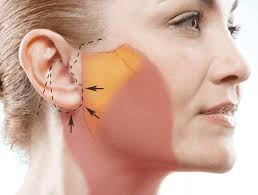
An incision is usually designed around existing contours to make the scar less apparent as it matures. Its exact course depends on the operation, hairline and skin characteristics. Ask where it will run in front of and behind the ear, whether it reaches the hair-bearing scalp, and how your preferred hairstyle affects visibility. A person who wears very short hair or regularly ties hair back may weigh a scar differently. The surgeon should explain how the natural position of the ear and sideburn will be respected. Scar maturation takes time, and its appearance varies between individuals. If you have a history of raised or unusually visible scars, raise it during assessment. Ask to see healed examples from patients with similar hair and skin characteristics where available.
Natural expression and a rested appearance
Patients often ask for a result that looks rested without advertising that surgery took place. That goal requires a conversation about contours and expression rather than simply a request for tighter skin. Describe the features you want to retain: cheek character, smile lines that feel natural to you, or the way your face looks in motion. Ask the surgeon to distinguish expected improvement from an over-smoothed illustration. A lift can alter selected lower-face contours while normal facial expressions continue, but no procedure produces a permanent frozen moment from a photograph. A realistic plan accepts that some lines and asymmetries belong to the natural face. This conversation also makes it easier to say when a larger procedure offers more correction than you actually want.
Existing facial asymmetry
Most faces have differences in cheek fullness, jawline shape, eyebrow level or skin laxity from one side to the other. Photographs under even lighting can help distinguish these features from camera angle. The surgeon should note the asymmetry before planning incisions and tissue movement. Correction may improve a specific imbalance, but perfectly identical sides are not a realistic expectation. Ask whether both sides will receive the same maneuver or tailored adjustments and what differences may remain. This matters especially if one cheek has had filler, a previous operation or an injury. Documenting the baseline prevents a long-standing difference from being mistaken for a new surgical effect. Revisit the discussion during the final in-person examination, where movement and touch add information that photographs cannot provide.
Revisiting previous threads, fillers or surgery
Prior aesthetic treatment can influence the next plan even when the visible effect has faded. Tell the surgeon about facial threads, fillers, fat transfer, energy-based treatments, ear-area surgery and any previous facelift. If you know the dates and products, bring those records. Previous operations can change tissue planes or scar placement; remaining filler can change the way volume loss is judged. Do not assume that a limited operation is straightforward simply because you had a smaller treatment before. The surgeon may adjust the technique or recommend waiting for a recent treatment to settle. Ask whether any old material or scar affects the expected result and whether an additional examination is necessary. A complete history allows a specific plan rather than a generic promise.
Choosing when to treat
There is no universal birthday for a mini lift. The better questions concern the visible problem, the degree of tissue change, your health and the result you would consider worthwhile. Some people with early jowls prefer to wait and review photographs later; others find the contour sufficiently important to seek a surgical opinion. The same age can come with very different skin quality and neck anatomy. Ask what you might gain by acting now and whether waiting would substantially change the choice of operation. A surgeon should help you understand options without implying an urgent deadline for an elective procedure. Choose a period when you can accommodate consultation, postoperative reviews, rest and a flexible return trip. Your calendar matters as much as the technique label.
Comparing before-and-after images intelligently
Look for images taken from comparable angles, with similar head position, expression, lighting and time since surgery. A chin tilted upward can make the neck and jaw appear firmer even without treatment. Ask whether the example shows a mini lift alone or a combination with a neck lift, fat transfer, skin treatment or eyelid procedure. Try to identify the changes in the exact area that concerns you. A photograph of someone with different facial structure cannot predict your result, but it can illustrate the surgeon's aesthetic approach and the scale of change achievable in a similar case. If possible, discuss a front and side view together. The most useful example is one that supports a precise conversation, not a promise of identical results.
Assessing your budget against the procedure scope
An itemized estimate should indicate surgeon and facility fees, anaesthesia, proposed additional procedures, postoperative reviews and what happens if a visit is delayed. Ask whether the quote assumes a day case or an overnight stay and which medicines or dressings are included. A cheaper figure may reflect a smaller operation, different inclusions or different travel arrangements. Compare the actual care pathway, not just the total. Also consider flights, accommodation, time away from work and the cost of arranging local follow-up once back in Canada. A package that bundles extras can be useful only if the clinical plan matches your needs. Keep the decision anchored to the surgeon's assessment and a clear written scope.
A useful remote consultation
Before travel, a video or photographic assessment can narrow the questions. Send clear, unfiltered views of the face and neck at rest, along with a description of prior treatments and the specific contour you want to improve. The remote plan should remain provisional: the surgeon may change it after examining skin, scars and facial movement in person. Use the appointment to ask which parts of your goal are feasible with a mini lift, which would require a broader procedure and which are outside the reach of surgery. Make time for a further discussion after arrival if the proposed operation changes. Consent is strongest when there is space to consider an amended plan, including the option to postpone treatment rather than decide under travel pressure.
Making sense of a combined plan
Some plans pair a limited lift with treatment of the neck, eyelids, skin or facial volume. Each addition should solve a named concern. Ask what the mini lift alone would accomplish and what the additional step contributes. Combining operations may affect anaesthesia, incision care and recovery, so the plan should be reviewed as a whole. It may also be reasonable to stage treatments to judge one result before deciding on another. Where the operation and a non-surgical treatment address different features, separate timelines can make healing and outcome assessment clearer. There is no need to purchase every suggested treatment for a coherent result. You should be able to choose the priorities that matter most to you and understand what will remain untreated.
Preparing the first week abroad
Schedule the consultation and any testing early enough to discuss findings before the operation. Arrange a comfortable place to sleep, food, transport and help during the initial recovery if recommended. Keep the clinic's contact details, review appointments and written instructions accessible to anyone assisting you. Follow individualized guidance on medicines, nicotine and activity rather than a generic internet schedule. Ask before the trip who will check your incisions, when the first review will occur and whether any stitches or drains require attention before departure. If the team changes your discharge plan after surgery, adjust travel rather than trying to meet an inflexible itinerary. A practical recovery plan is part of deciding whether this operation fits the trip.

Returning to public life
The point at which you feel comfortable being seen in public is personal and may differ from the time at which a clinician clears you for routine activity. Early swelling, bruising and hairstyle changes can be more visible than the eventual contour. Ask about separate milestones for desk work, a video call, an in-person event, exercise and a long flight. Some people prefer a conservative buffer before a wedding or presentation because healing varies. Do not judge the final result from the first postoperative photographs or hide a concerning change solely to keep a schedule. Written follow-up instructions should explain what normal early variation can look like and when to request an examination. The surgeon can tailor the timeline to your operation.
Looking at progress without chasing symmetry daily
At each planned review, compare photographs with the same camera height, light and relaxed expression. Early swelling may be unequal, and changes in bruising can distract from the underlying contour. Ask when the surgeon expects the jawline to be informative and when scar and sensation changes should be assessed. Recording questions between appointments can be more useful than taking many daily close-ups that vary in angle. If one side changes suddenly or you develop an urgent symptom, contact the clinical team through the pathway given at discharge. Routine progress is better judged over the agreed review schedule. A measured approach lets you notice meaningful improvement without expecting the face to settle at the same pace everywhere.
Planning for the years after surgery
A mini lift repositions tissue at a particular moment; the face will continue to change with age, weight variation and sun exposure. Discuss what elements of the result are likely to remain visible as you age and what skin care, weight stability or separate treatment might support your goals. Avoid interpreting a quoted number of years as a guarantee. Some patients remain satisfied as a smaller improvement gradually softens; others later choose a new consultation because their priorities or anatomy change. Keep the operative record and photographs so future clinicians know what was done. The most durable value of the decision is a well-matched improvement you appreciate now, with a realistic understanding of later change.
Questions to bring to the surgeon
Bring a short list focused on decisions: What is the main cause of my jawline change? Which tissues will you adjust? What will the neck look like if it is untreated? Where will scars lie with my hairstyle? Is any suggested filler, fat transfer or skin treatment essential to the result I want? Ask the surgeon to show the expected improvement and the area likely to remain unchanged on your own photographs. Clarify the review schedule before the return flight and how an in-person concern will be handled in Canada. Ask what could cause the plan to change at the examination in Tunisia. Answers to these questions make a mini lift a defined, personal choice rather than an abstract product name.
A change in weight after the lift
Facial contours can change with substantial weight gain or loss. If you anticipate a major change in weight, mention it while planning surgery. The surgeon can discuss whether it makes sense to wait until your weight is more stable and how facial fullness may influence the visible jawline after a lift. A face with relatively little fat can look different from a fuller one even when the skin has similar laxity. Avoid assuming that surgery can preserve exactly the same contour through later changes in weight. Ask whether photographs used to illustrate expected results come from patients with a comparable build and face shape. This discussion concerns predictability and personal timing, not a requirement to reach an arbitrary number on the scale.
Looking beyond the face in profile
Jawline perception depends partly on the chin, the angle beneath it and the neck. A patient may describe a “jowl” when the strongest visual issue in profile is actually under-chin fullness or neck skin. Ask for an assessment from the front, side and three-quarter views, and indicate which view matters to you. The surgeon may explain that an isolated mini lift can improve one border while leaving another unchanged. That information can lead to a better focused operation or to a decision that surgery is not currently worthwhile. Do not accept a bundle of procedures simply because the areas appear together in a photograph. Each proposed change should have a clear contribution to your stated goal.
Deciding what counts as worthwhile improvement
Before choosing surgery abroad, write a short description of the smallest change that would make the effort worthwhile and the features you could comfortably leave alone. Discuss it with the surgeon without relying on a percentage improvement or a filtered image. Consider the time involved in travel, preparation, early recovery and follow-up alongside the likely visual benefit. For someone with a very subtle complaint, a well-executed limited operation might still be more than they wish to undertake. For someone whose main complaint extends through the neck, it may offer less change than expected. A decision can be sound whether you choose treatment, a broader consultation or a period of observation, provided you understand the actual options.
A clear record for later care
Before leaving the clinic, request the operation note with the exact procedures performed and any relevant details about dressings, drains and prescribed medicines. Keep a copy of the preoperative assessment and photographs if the clinic makes them available. Ask whether a follow-up appointment after arrival in Canada is planned with the operating surgeon by video, and who can examine the incisions locally if needed. If a Canadian clinician later sees you, these records help them distinguish the planned changes from unexpected ones. The same documents will be valuable years later if you seek another facial procedure. Organized records support continuity of care across borders and give you a reliable account of what the term “mini lift” meant in your individual operation.
Discuss a mini lift with Aylan Clinic
Tell Aylan Clinic whether your main concern is an early jowl, lower cheek change, neck contour or skin texture. Share previous facial treatments and the degree of change you would welcome. The team can arrange a surgeon consultation in Tunisia, an itemized plan and early postoperative reviews. Ask exactly what the proposed mini lift will change and who will follow your recovery once you return to Canada. A smaller name is meaningful only when the operation fits your specific goal.
Medical and travel references
- American Society of Plastic Surgeons, Facelift overview
- American Society of Plastic Surgeons, Facelift procedure
- American Society of Plastic Surgeons, Facelift recovery
- American Society of Plastic Surgeons, Neck lift overview
- CDC, Medical Tourism
You may also want to compare Forehead Lift in Tunisia.
Continue exploring our facial surgery in Tunisia overview, the complete aesthetic surgery panorama, compare plastic surgery prices in Tunisia, or request a free, personalized quote.
Everything about Mini Facelift in Tunisia
Technique, pricing, results and the full patient journey — every detailed answer in our complete guide.