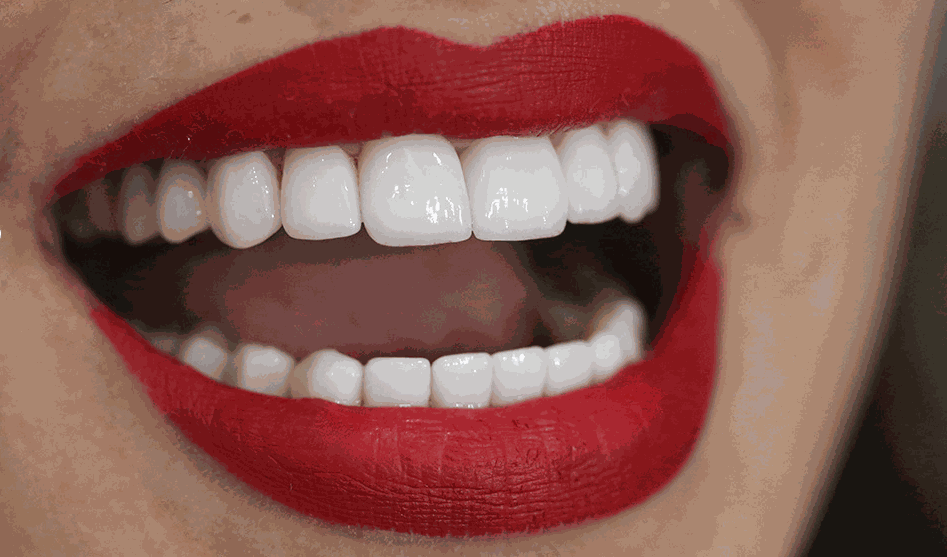
A Hollywood Smile in Tunisia is a popular name for a planned change to the appearance of the smile, not a standardized dental operation or a particular number of veneers. The first decision for a Canadian patient is which concern actually needs treatment and whether the proposed changes preserve healthy teeth and a comfortable bite. A bright, uniform photograph should not determine irreversible work on sound enamel.
In this article, you will find how an individual smile plan is assessed, what veneers and other options can and cannot do, how treatment is staged, risks and maintenance, the total cost of travelling from Canada and arrangements for care after returning home. English-speaking and French-speaking patients alike need a diagnosis and a written, practical plan.
What a Hollywood Smile means and how the plan works
A design term rather than one clinical procedure
The label can describe a change in tooth colour, visible shape, alignment or proportions. One person may need only cleaning and whitening; another may be considering selected veneers after disease has been treated. It is misleading to quote a fixed set of crowns or veneers from a smiling photograph. The dentist should identify the specific teeth involved, the existing fillings, the visible gum margin, the bite and the patient's desired level of change before selecting any irreversible step.
Teeth, gums and the way the jaws meet
The visible front surfaces are supported by enamel, dentin, roots and surrounding gums. A restoration must fit without trapping plaque at the margin and must allow comfortable contact with opposing teeth. Tooth wear, grinding, deep overbite, periodontal disease and missing teeth can affect which aesthetic options are safe. An examination, periodontal assessment and imaging when indicated may reveal needs that a digital preview cannot show. Treatment of decay or gum disease takes precedence over cosmetic work.
A natural target and its limits
Shade, texture, edge shape, tooth length and the amount of tooth visible while speaking all influence the result. Selecting the palest available shade or copying a celebrity smile can create a result that looks out of place and may demand more tooth preparation than needed. A mock-up can help discuss proportions, but it cannot guarantee the final bite or tissue response. Ask what would happen if the plan were limited to the few teeth that bother you most.
Veneers, whitening and other smile design options
Ceramic veneers and composite bonding
Ceramic veneers cover the front of selected teeth and can change apparent colour or shape. They generally involve preparation of the tooth and must be replaced if damaged or worn; a claimed minimal-preparation option still needs an individual assessment. Composite bonding may be more readily repaired and may require less enamel removal in some cases, but it can stain, chip or wear. Neither treatment corrects the biological cause of active decay, weak gum support or a harmful bite. The separate pages about ceramic veneers and Lumineers describe their particular limitations.
Whitening, alignment and gum contour
Whitening changes the shade of natural teeth but not fillings, veneers or crowns. Orthodontics can move teeth and roots and may be more appropriate than disguising substantial crowding with broad restorations; it requires months of supervision and retention. Gum contouring may address a specific margin when the tissues and bone permit it. These are alternative routes within a smile plan, not obligatory components of a package. Their timing matters: final restoration shades should account for any planned whitening and stable gum levels.
Crowns and replacement of missing teeth
A crown covers substantially more tooth structure than a veneer and may be appropriate for a heavily restored or fractured tooth, depending on clinical findings. Placing full crowns on healthy teeth solely for a uniform look involves irreversible removal and requires careful justification. Missing teeth demand a distinct assessment of bridges or implants, supporting tissues and time for healing. A single short trip may be inadequate if the smile plan requires surgery, orthodontics or several stages of definitive work.
Real indications for a Hollywood Smile plan
- A defined aesthetic concern about colour, shape or proportions after dental health has been assessed.
- Localized chips or old restorations for which repair or replacement is clinically appropriate.
- A patient who wants to compare conservative treatment with veneers or crowns before consenting.
- A need to coordinate several dental disciplines around a clearly agreed goal and feasible follow-up.
The term does not itself create a medical indication. The dentist may advise cleaning, whitening, limited bonding, orthodontics or observation instead of multiple restorations. If the patient expects a guaranteed shade, a perfectly symmetric line or a complete change during one short holiday, revise the goal and timetable before irreversible preparation begins.
Indications and contraindications for a Hollywood Smile plan
| Situation to assess | How it affects the decision |
|---|---|
| Healthy teeth with minor colour concerns | Whitening or observation may preserve more natural tissue than veneers. |
| Active decay or gum disease | Treat and stabilize disease before elective aesthetic restorations. |
| Grinding or an unstable bite | Evaluate load, protective options and whether a proposed restoration can last. |
| Crowding or prominent misalignment | Consider orthodontics instead of disguising the position with excess preparation. |
| Thin enamel or already heavily restored teeth | Determine whether bonding, veneer or crown is viable tooth by tooth. |
| Unrealistic shade or symmetry expectations | Revisit the target and mock-up before any irreversible step. |
| Limited availability for return visits | Stage work differently or seek treatment nearer home if safe follow-up is not possible. |
How a Hollywood Smile plan is performed step by step
Before treatment
The treating dentist examines the teeth, gums and bite, reviews medical and dental history and obtains appropriate photographs, radiographs or scans. Discuss which teeth are sound, which need disease treatment, and whether orthodontic or periodontal opinions are required. A proposed design should show the planned shade, contours, number of restorations, extent of preparation and costs. Ask for the treating clinicians' identities and whether any laboratory or specialist work requires more than one visit. Consent is specific to each procedure, not a blanket agreement to a promotional package.
During treatment
The sequence depends on diagnosis. Cleaning and gum treatment may precede whitening; alignment can take considerably longer; prepared veneers or crowns may require temporaries, impressions or scans, laboratory work and a bonding visit. Local anesthesia may be used when preparing teeth. The dentist checks shade, margins, speech and bite before final cementation. No responsible sequence assumes every patient needs all of these steps, and an unexpected finding may require the plan to pause or change.
After treatment
The clinician checks bite contacts, gum response and hygiene around any new margins. Temporary sensitivity or an unfamiliar feel can occur after restorative work, but persistent pain or inability to bite comfortably deserves assessment. Obtain written cleaning instructions, the materials and teeth treated, any advice for grinding protection, and the schedule for review. Agree which dentist will adjust, repair or replace restorations after the patient returns to Canada.
Recovery and time away from normal activities
| Approximate period | Expected changes and practical decisions |
|---|---|
| Consultation and preparation | Diagnostic findings can change the number of visits and the proposed work. |
| Immediately after whitening or bonding | Sensitivity or gum irritation may need review before further steps. |
| After veneers or crowns | Check speech, bite, margins and any temporary restoration before leaving. |
| Following weeks and months | Monitor gum health and comfort; orthodontics or staged treatment continues separately. |
These are planning phases, not promised completion dates or individual clearance to travel.
Sensitivity, temporaries and everyday eating
Prepared teeth can be sensitive, and temporary restorations may feel different from definitive work. Avoid using the front teeth to break hard items and follow the treating dentist's specific eating and cleaning instructions. A new high spot when biting should be reviewed promptly rather than tolerated through a long journey. If the plan includes gingival surgery, its healing timetable can determine when impressions and definitive restorations are sensible.
Warning signs and travel back to Canada
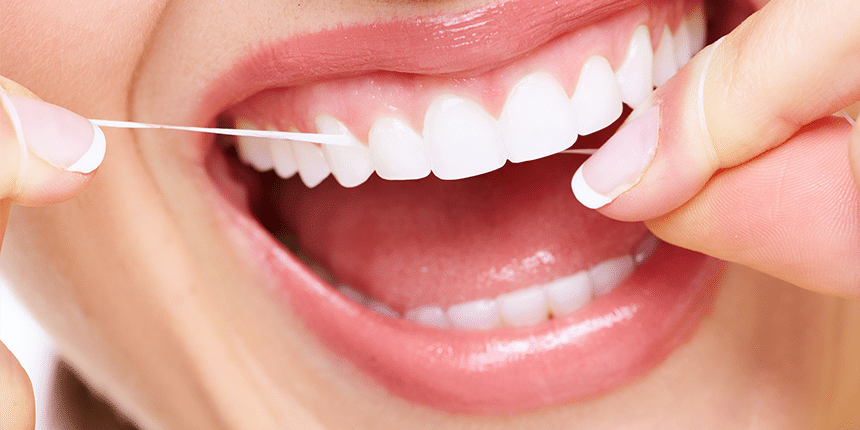
Severe or worsening tooth pain, a loose restoration, swelling, fever, bleeding or inability to chew needs a dental assessment. Arrange a review before a transatlantic flight, particularly after multiple restorations. A connection or fixed return ticket should not replace a needed adjustment. If only whitening or bonding is planned, the travel considerations are different from those after surgery; obtain advice for the actual procedures received.
Maintenance with a local dentist
Set up a Canadian dentist who can examine the bite and restoration margins, review photographs and records, and manage an unexpected chip or sensitivity. The original dentist should provide tooth numbers, materials, images, shade and any laboratory or implant information relevant to future repairs. Gum health and daily cleaning matter even when the restorations look excellent initially. Check how warranties, if any, work when a patient lives across an ocean.
Expected results and durability
Visible changes and settled tissues
Colour or shape may appear changed immediately after definitive restorations, but gums and patient perception can take longer to settle. Whitening can show variation between teeth, and a newly placed restoration may need a bite check. An aesthetic preview is useful for discussion, not a guarantee of exact shade or symmetry under every light. If the plan included gum treatment, wait for a clinically stable margin before judging the final contour.
Repair, replacement and natural teeth
Ceramic and composite can chip or detach; a crown or veneer may eventually need replacement. The natural tooth beneath remains vulnerable to decay or fracture, and restorations do not remove the need for regular dental examinations. Whitening of remaining natural teeth can change the match with fixed restorations. Ask what repairs would be possible in Canada, whether the original laboratory specifications will be available and what replacement might mean for a previously prepared tooth.
Function as part of the result
A visually even row is not a successful plan if biting becomes painful, speech is affected or cleaning between teeth becomes difficult. Before-and-after images rarely show the bite, tooth preparation or future upkeep. Discuss how the edges contact during chewing and speaking, how restorations will be cleaned, and whether grinding protection is proposed. A dentist should explain both the expected aesthetic change and the foreseeable maintenance burden.
Risks and possible complications
- Irreversible preparation: Veneers and crowns can require enamel or further tooth removal, committing the patient to future maintenance.
- Sensitivity or tooth pain: Prepared teeth may become sensitive; persistent or severe symptoms require assessment.
- Chips, debonding and shade mismatch: Materials can fail or differ from adjacent natural teeth over time.
- Gum inflammation and decay: Poorly fitting margins or inadequate cleaning can harm the underlying teeth and tissues.
- Bite and expectation problems: High contacts, speech changes or an unnatural appearance may require adjustments or more extensive revision.
If something goes wrong at home
Do not wait for an overseas response to severe pain, spreading swelling, fever or a broken restoration with sharp edges. Contact a local dentist or urgent care service as appropriate. Before treatment, ask who handles early problems in Tunisia, what is included in any correction and whether a Canadian repair is reimbursed. A promise to fix work abroad has limited practical value if another international trip is necessary.
Why consider Tunisia for a Hollywood Smile plan?
Tunisia may be considered when a specific, qualified dental team can offer an examined plan, clear staging and sufficient access to adjustments. For Canadians, the travel cost and distance make the distinction between a one-visit improvement and a complex, multi-stage reconstruction essential. Remote photographs can begin a discussion but cannot diagnose decay, the bite or the amount of enamel that might be removed.
Confirm the exact clinical scope
Ask whether the offer consists of whitening, bonding, ceramic veneers, crowns or a combination, and which teeth receive each treatment. Confirm where laboratory work and clinical reviews occur. If orthodontics, an implant or gum surgery is needed first, ask whether the expected stay or number of return visits changes. Never interpret a package title as evidence that every component is necessary or available at Aylan Clinic without direct confirmation.
Direct communication and handover
Ask the treating dentist and any specialist which languages they use for direct consultations and consent; do not infer English or French availability from the booking service. Request written records that a Quebec, Ontario or other Canadian dentist can use. A short stay should include time to assess shade, bite and gum response before flying. Quality is specific to the clinician, laboratory and follow-up pathway, not to a country or city.
Cost of a Hollywood Smile in Tunisia
| Factor | Effect on total cost |
|---|---|
| Diagnosis and number of teeth | Examinations and the tooth-by-tooth plan determine scope. |
| Material and laboratory work | Ceramic, composite and crown designs involve different costs. |
| Prior disease treatment | Cleaning, fillings or periodontal work may be additional. |
| Staging and adjustments | Temporaries, reviews and extra trips change the total. |
| Flights and connections | Long-haul transport and domestic legs from Canada vary. |
| Accommodation and time off | Allow for lab timing and an extended stay if corrections are needed. |
| Complications and insurance | Clarify exclusions, travel protection and Canadian emergency costs. |
| Long-term Canadian care | Routine reviews, repairs and eventual replacement have their own fees. |
An itemized quote should list each tooth, its treatment and material, diagnostics, laboratory steps, temporaries, medications, reviews, exclusions and responsibility for revisions. Compare the complete cost after travel, currency exchange and unpaid time away, rather than a price per veneer. Ask for a revised quote if the in-person diagnosis differs from the preliminary proposal.
Comparison: Tunisia and other medical tourism destinations
| Decision point | Tunisia | Care in Canada | Another destination |
|---|---|---|---|
| Direct consultation | Confirm the treating team and consultation language. | Local access depends on community and provider. | Confirm team and language individually. |
| Journey and staging | International travel may be needed for reviews or repairs. | Local visits may simplify staged work. | Repeat travel depends on route and plan. |
| Quote | Request tooth-by-tooth materials and exclusions. | Request equivalent itemized detail. | Request equivalent itemized detail. |
| Long-term care | Arrange a Canadian dentist before treatment. | Follow-up can be with the original local team. | Establish a home-care handover. |
No country-wide comparison can establish a specific dentist's clinical skill. The important comparison is what happens to the actual patient's teeth, how much healthy tissue is removed and who can treat a problem after the traveller returns home.
Tunisian cities to consider for this procedure
Tunis and the sequence of appointments
If a named dental team operates in Tunis, ask where the consultation, scans, preparation, laboratory work and final review occur. Allow for the possibility that a shade or bite adjustment needs another visit before departure. Airport convenience does not establish the dentist's experience or the feasibility of the proposed timeline; obtain the actual treatment addresses and dates first.
Sousse, Monastir and access to corrections
Sousse or Monastir may fit a travel plan only when a specific treating clinician and the required facilities are identified. Confirm the turnaround for any dental laboratory step and the availability of the person who can adjust a restoration if it feels high or becomes loose. Compare ground transfers and repeat appointments, not just accommodation. A city's reputation is no substitute for checking the team and its follow-up arrangements.
Which Canadian cities can patients travel from?
Montreal, Laval and Longueuil
Greater Montreal patients may have several routes to an international departure airport, but a smile reconstruction also needs a dentist at home to examine gum margins and the bite. Confirm directly whether the treating Tunisian team can consult in French or English as preferred. A Quebec dentist should know how many teeth were prepared, what materials were used and whether further treatment is planned; do not assume every practice will accept responsibility for an outside restoration.
Quebec City, Lévis, Trois-Rivières and Saguenay
Allow for a drive or domestic leg before the transatlantic trip and for possible extra travel if a final fitting is delayed. Someone returning to Saguenay or Trois-Rivières with a high bite may need rapid local adjustment, so arrange access before leaving. Ask whether a proposed veneer shade depends on whitening performed earlier and whether the healing gum margin will be stable by the planned final appointment.

Ottawa, Gatineau and Sherbrooke
Compare the full itinerary from home to the dental clinic, including an overland connection to a departure airport. Ottawa and Gatineau patients may use different local health or dental networks; Sherbrooke patients should account for extra road travel. Independently of language preference, confirm direct communication with the treating dentist and establish how a local clinician can receive records and examine a loose temporary or painful restoration.
Toronto, Hamilton, Kitchener–Waterloo and London
Multiple departure choices around southern Ontario do not shorten the laboratory and clinical steps of a smile plan. Calculate time away from work for examination, preparation, trial and fitting, plus a possible extra review. Identify an Ontario dentist who can check new restoration margins and adjust the bite if needed. If the offer includes orthodontics or implants, the full course extends beyond a convenient initial trip.
Vancouver, Surrey, Victoria and Kelowna
From British Columbia, longer travel, jet lag and transit buffers make a rushed fitting particularly unattractive. Victoria or Kelowna may add another flight; Surrey residents should include ground transfers. Use flexible travel dates if final restorations need changes and work out how a chip would be repaired near home. The cost of flying back for a minor correction can exceed an attractive difference in the initial procedure fee.
Calgary and Edmonton
Albertans should compare the travel burden against the number of separate dental stages proposed. An initial consultation, temporary stage and final fit are distinct appointments, even when scheduled close together. Confirm whether the local dentist has agreed to review the work and whether the Tunisian team will share scans, shade and material specifications. Consider the cost of an extra journey if the bite needs later modification.
Winnipeg, Saskatoon and Regina
Prairie routes may include transit stops and an overnight stay; check actual schedules rather than assuming a direct service. A restorative plan should leave time for an adjustment before the long return journey. Ensure someone near home can assess sensitivity, a loose temporary or a high contact, and account for additional domestic travel if the nearest restorative specialist is in another city.
Halifax, Charlottetown and St. John's
Atlantic Canadians may face multiple flight legs and variable connections, which complicate returning with temporary restorations or a sore bite. Ask how the dental team handles an unexpected delay in laboratory work and whether an extra night abroad is feasible. A dentist near home should receive an operative summary and be available if a crown or veneer loosens after the journey. Check real routes and transit rules for the travel dates.
Moncton, Dieppe, Edmundston and Fredericton
Acadian patients may prefer French for a discussion of irreversible enamel preparation, while other patients prefer English; confirm the clinician's direct language capacity either way. The road leg to an airport adds to the journey and can matter if a postoperative check runs late. Establish local follow-up in New Brunswick and request records that can be understood without asking the patient to translate clinical details.
Smaller communities and the territories
Long drives, limited appointment availability and an extra domestic flight can make repeat visits for restorative work difficult. Identify a local dental contact before paying for a complex makeover. If a large number of sound teeth would be prepared and future repair cannot be assured, a more conservative or local plan may be preferable. Check seasonal routes, current transit requirements and the cost of travel if the final fitting needs to be postponed.
How to choose a dentist for a Hollywood Smile plan
Verify the clinician and the diagnosis
Ask for the treating dentist's identity, right to practise and experience with similar aesthetic and restorative cases. If separate specialists perform orthodontic, periodontal or implant work, identify each person's role. A direct consultation should explain the health of every proposed tooth, the reason for each material choice and whether there is a less invasive option. Assess the facility, laboratory arrangements and who checks the final bite.
Examine consent and long-term responsibility
Request a written tooth-by-tooth plan, a trial design where useful, a realistic timetable and an itemized quote. Ask how much tooth must be prepared, what is reversible, how corrections are handled and which records will travel with you. Verify access to early reviews in Tunisia and identify a Canadian dentist who can provide later maintenance. A clinician should be willing to reduce or postpone the plan when examination finds disease or an unsafe bite.
Planning a medical stay in Tunisia
Planning a Hollywood Smile in Tunisia starts with the clinical sequence, not the flight. A limited cosmetic change and a large restorative reconstruction need very different visit schedules. Work backwards from examination, any treatment of disease, preparation, laboratory delivery, trial, fitting and a final review. Build flexibility into return travel and compare whether a Canadian follow-up arrangement makes the overall plan practical.
Before leaving Canada
Have existing decay or gum symptoms assessed locally and collect recent records, medication details and the names of dental materials already present. Photographs can show your goals, but do not prove that crowns or veneers are necessary. Ask the proposed clinician what can be decided remotely and what awaits examination. Check current entry and transit requirements for the traveller's nationality and exact route; departure from Canada alone does not determine them.
Assessment and consent in Tunisia
Meet the treating dentist, review tooth and gum findings and ask to see which teeth are included. Discuss shade in natural light, expected edge shapes, bite contacts and the alternative of fewer restorations. If the diagnosis adds crowns, extractions, bone work or longer orthodontics, request a new plan and quote before consenting. Confirm the language of direct medical discussions and retain a copy of signed treatment details.
During treatment and before flying
Keep all scheduled trial and bite-check visits. If a temporary breaks or a final restoration feels high, seek assessment before the transatlantic journey. Follow cleaning and eating instructions and know whom to contact for pain or swelling. The team should review the final restorations before travel; a nonrefundable ticket is not a clinical reason to cement work early or leave an unresolved bite problem.
After arriving home
Share the summary of treated teeth, shade, materials, imaging and aftercare with a Canadian dentist. Continue routine preventive visits, clean around all restoration margins and discuss a protective appliance if grinding is present. Confirm who manages a chip, sensitivity, a new gap at a margin or a mismatch after later whitening. An overseas photograph can support communication, but painful or loose work often needs an in-person visit.
Request a personalized opinion on a Hollywood Smile in Tunisia
Tell Aylan Clinic what you hope to change about your smile, which teeth concern you, relevant dental and medical history, previous restorations, preferred consultation language and the Canadian city you would depart from. Request the proposed treating dentist's identity, a tooth-by-tooth plan, an achievable medical schedule and an itemized quote covering materials, reviews and exclusions.
A remote preliminary opinion can help identify useful records and possible options. Only an in-person examination can determine whether whitening, bonding, veneers, crowns or no intervention is appropriate, how much healthy tooth would be affected and whether follow-up across Tunisia and Canada is workable.
Continue exploring our dental care in Tunisia overview, the complete aesthetic surgery panorama, compare plastic surgery prices in Tunisia, or request a free, personalized quote.
Everything about Hollywood Smile in Tunisia
Technique, pricing, results and the full patient journey — every detailed answer in our complete guide.