Teeth whitening in Tunisia uses a bleaching agent to lighten natural teeth after a dentist has assessed the cause of discoloration and the health of the mouth. For a Canadian patient, the key decision is whether the teeth are suitable for bleaching and whether the expected shade change warrants international travel. Whitening does not change the colour of crowns, veneers or fillings, and a single dark tooth may need a different diagnosis.
In this article, you will find the difference between office and dentist-supervised home treatment, who may benefit, possible sensitivity, realistic results, total travel costs and arrangements for care in Canada. The same questions matter for English-speaking and French-speaking patients, although their travel routes and preferred language of consultation differ.
What teeth whitening is and how it works
Natural enamel and different kinds of stains
Enamel covers the tooth's outer surface; dentin lies beneath it. Pigments from coffee, tea and tobacco may stain the surface, while ageing, development, medication or injury can affect colour deeper in the tooth. Professional cleaning can remove certain external deposits without bleaching the natural underlying shade. A dentist examines the teeth to distinguish surface stain from changes inside the tooth, decay, a failing filling or a darkening tooth that needs further investigation.
How bleaching agents lighten a tooth
Most clinical whitening approaches use hydrogen peroxide or carbamide peroxide according to a prescribed regimen. These agents penetrate tooth tissues and alter coloured molecules, which can make natural teeth look lighter. The response varies with the starting shade and cause of discolouration; it is not possible to promise a particular final shade or that every tooth will respond evenly. Dose, contact time and protection of gums are clinical decisions, not reasons to use stronger gel indiscriminately.
The boundary between teeth and restorations
Existing veneers, crowns, bridges and tooth-coloured fillings do not lighten with bleaching in the same way as natural teeth. If those restorations are visible, whitening may make their colour mismatch more noticeable. The dentist should chart them before treatment and explain whether a replacement is desirable and what it would cost. A single dark tooth after trauma or root treatment may need a different assessment, potentially including internal bleaching or restorative care; ordinary external whitening may not solve the cause.
Office bleaching, supervised trays and alternatives
Whitening at the dental practice
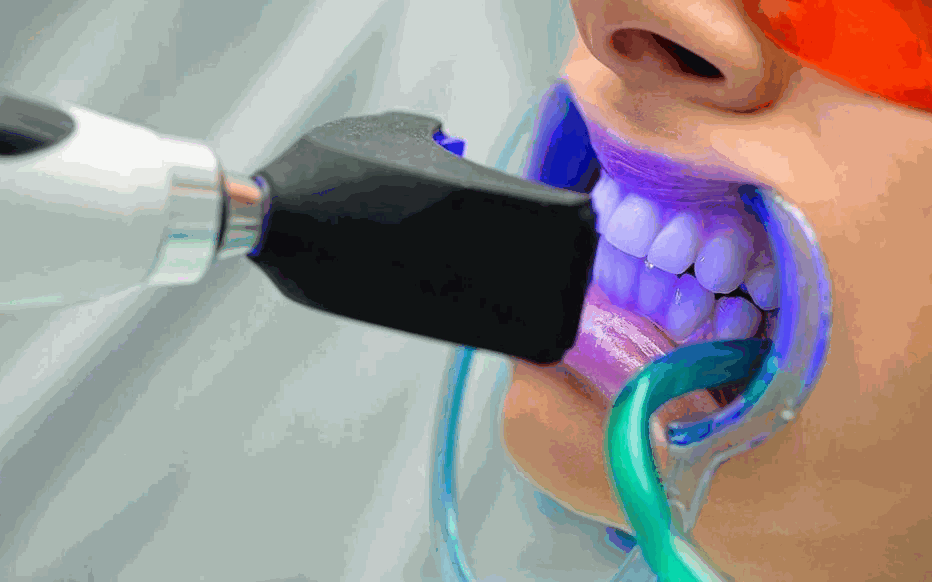
An in-office approach places bleaching material on the teeth with steps to protect soft tissue and monitor the patient. The dentist selects the product and exposure according to the clinical situation; some systems use a light, but light is not a universal requirement or proof of a better result. In-office treatment may produce a visible change during a visit, yet temporary dehydration can affect the immediate appearance. Ask when a more reliable shade evaluation should occur.
Dentist-supervised home trays
Custom trays can hold prescribed gel while the patient follows an individual schedule at home. They require instruction about the amount of gel, wear time, storage and what to do if sensitivity or gum irritation develops. A Canadian patient starting the regimen abroad should have contact details, written product information and a plan for assessment after returning home. Do not substitute stronger products or extend the wear schedule because a flight or photograph is approaching.
Cleaning, retail products and other treatments
Polishing and suitable toothpaste can reduce superficial stains but do not necessarily lighten the tooth's intrinsic colour. Some over-the-counter products contain peroxide, while abrasive do-it-yourself methods can damage enamel or irritate gums without predictable whitening. Veneers or bonding may be discussed for selected intrinsic stains that do not respond adequately, but they involve different costs, maintenance and possible tooth preparation. Whitening can be the conservative first step when natural teeth are sound; it should not delay treatment of active disease.
Real indications for teeth whitening
- Natural teeth that are darker than the patient wishes after stain type and oral health have been evaluated.
- Generalized shade change where existing visible restorations have been identified and a realistic colour plan is agreed.
- Selected staining that a dentist judges responsive to bleaching, with appropriate monitoring.
- A patient who wants to compare conservative whitening with more invasive cosmetic dentistry.
Aesthetic preference is an acceptable reason to seek advice, but an advertisement for a particular shade is not a clinical indication. A dentist may recommend cleaning, repair of a failing restoration, investigation of a dark tooth or postponement until decay or gum inflammation has been treated. International travel should be judged against the availability of a comparable supervised course at home.
Indications and contraindications for teeth whitening
| Situation to assess | How it affects the decision |
|---|---|
| Healthy natural teeth with generalized staining | Whitening may be reasonable after diagnosis and discussion of expected variation. |
| Decay, leaking fillings or active gum disease | Treat disease before placing bleaching gel near vulnerable areas. |
| Crowns, veneers and visible fillings | They will not lighten; plan for possible colour mismatch or replacement. |
| One tooth dark after injury or root treatment | Investigate the cause; ordinary external bleaching may not be appropriate. |
| Significant baseline sensitivity or exposed roots | Assess cause and consider another regimen or postponement. |
| Pregnancy, breastfeeding or an adolescent patient | Seek individualized professional advice; elective treatment may reasonably be deferred. |
| Unclear product ingredients or inability to attend review | Do not start until safe use and follow-up can be established. |
How the procedure is performed step by step
Before the procedure
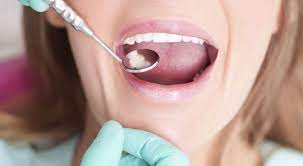
The dentist reviews dental history, existing sensitivity, medicines and the cause of staining, then examines teeth, gums and restorations. Radiographs or other tests may be needed if a dark tooth, decay or pain raises concern. Surface cleaning can be recommended before shade recording. Discuss the intended treatment area, realistic colour change, gum protection, product, duration, alternatives and the plan for visible restorations. Cosmetic bleaching of vital teeth ordinarily does not require general anesthesia or an operating theatre.
During the procedure
For chairside whitening, the clinician protects tissues as appropriate and applies the bleaching material for the prescribed exposures, checking for irritation or sensitivity. For supervised home treatment, they take impressions or a scan if custom trays are proposed, check fit and demonstrate gel placement. The patient's response and the product determine the regimen; avoid fixed promises about concentration or appointment length. If discomfort or a burning sensation occurs, tell the dentist so the barrier or treatment can be checked.
After the procedure
The team supplies written instructions for cleaning, sensitivity, any remaining home applications and whom to contact for unexpected symptoms. A review can assess the settled shade, gum health and whether visible fillings or restorations now need colour matching. The dentist may advise pausing or modifying home treatment if sensitivity develops. Keep details of the product and any trays for a Canadian dentist, especially if the course continues after the journey.
Recovery and time away from normal activities
| Approximate period | Expected changes and practical decisions |
|---|---|
| Treatment visit | Temporary sensitivity or gum irritation can arise; report discomfort promptly. |
| First days after treatment | Colour may appear to change as teeth rehydrate; assess symptoms before more gel. |
| Supervised home course | Follow prescribed application times and contact the dentist if sensitivity persists. |
| Later review | Compare settled shade with restorations and discuss any maintenance needs. |
This outline is illustrative, not an individual treatment duration or a guarantee that sensitivity will resolve on a fixed day.
Sensitivity and care of the gums
Temporary tooth sensitivity and gum irritation are recognized effects of bleaching. Contact with excess gel, a poorly fitting tray or vulnerable exposed areas can contribute to discomfort. Follow the dentist's instructions about pausing, adjusting or stopping treatment rather than adding more gel to compensate for uneven colour. Severe, localized or persistent pain should be examined because it may signal decay, a cracked tooth or another problem unrelated to normal whitening sensitivity.
Work, meals and the return flight
Ordinary activity is usually possible after a whitening visit, but discomfort may affect eating and drinking. Follow the specific advice provided about staining foods and beverages rather than assuming a universal restrictive diet. Flying itself is generally not a surgical recovery issue; the practical concern is that unexpected toothache or irritated gums may be difficult to assess mid-journey. Carry the written instructions, avoid exceeding a prescribed home regimen and keep a flexible plan if a dental examination is necessary.
Follow-up in Canada
If the regimen continues at home, agree in advance who will check progress and respond to sensitivity or a mismatch with existing restorations. Provide the Canadian dentist with starting shade records, product and concentration information, tray details, treatment dates and any photographs. A remote shade photograph varies with lighting and should not replace an examination for persistent pain. Confirm whether replacing a visible filling is a separate, locally billed procedure.
Expected results and durability
Shade change and variation between teeth
The degree of lightening depends on the stain, starting shade and treatment used. Natural teeth can respond differently from each other, and some developmental or injury-related discolorations are difficult to change. The immediate appearance after office treatment may not be the eventual settled shade. Shade tabs recorded under consistent conditions are more informative than filtered photographs or a claim about the number of shades achieved.
Maintenance and future staining
The result is not permanent: diet, tobacco, ageing and oral hygiene can influence subsequent colour. Maintenance treatment, if considered, should be supervised rather than undertaken continuously with stronger gel. Whitening does not prevent decay or replace regular examinations and cleaning. If a crown or veneer is subsequently selected to match bleached teeth, discuss when the colour has stabilized enough for a reliable choice and what happens if natural teeth later darken again.
What a photograph cannot show
Camera lighting and exposure can exaggerate before-and-after differences. A photograph cannot establish whether a dark tooth has disease, whether enamel is thin or whether a gel caused sensitivity. Ask what change is realistically expected for your own teeth, which visible restorations will stay their current colour and whether more than one visit would be needed to evaluate the outcome.
Risks and possible complications
- Tooth sensitivity: Bleaching can cause temporary discomfort, especially where teeth are already sensitive.
- Gum irritation: Contact with gel or an ill-fitting tray may inflame or temporarily injure soft tissue.
- Uneven or disappointing colour: Stains respond differently, and restorations retain their existing shade.
- Missed dental disease: A dark tooth, decay or a leaking restoration needs diagnosis rather than cosmetic bleaching alone.
- Overuse of products: Excessive or unsupervised use can irritate tissues and harm tooth surfaces.
Symptoms that warrant examination
Seek a dentist for severe, localized or persistent tooth pain, swelling, a significant gum injury or an unexpected change in a single tooth. Do not continue a home course against the prescribed advice if the pain worsens. Ask before travelling what the Tunisian team will do if irritation develops during the stay and which Canadian clinician can provide in-person care after departure. Clarify the fees for a complication or a replacement restoration.
Why consider Tunisia for teeth whitening?
An existing visit to Tunisia may allow an individual dental assessment and a supervised whitening consultation. For a Canadian patient travelling specifically for the procedure, the high cost and time of a transatlantic journey may outweigh the value of an otherwise straightforward course. Assess the diagnosis, product, supervision and ability to manage sensitivity, not a promise of very white teeth or a treatment described as instant.
Assess before departure and on arrival
If available, have a dental examination at home and share information about fillings, veneers, crowns and previous sensitivity. A remote photo may help describe a concern but cannot rule out decay or explain a single dark tooth. In Tunisia, ask the dentist to confirm a suitable approach after direct examination. Establish whether treatment is in-office, continued with trays in Canada or deferred because of a clinical finding.
Language and longer-term access
Confirm that the treating dentist can discuss diagnosis, consent and aftercare directly in your preferred English or French; do not infer this from a booking agent. Obtain product details and an English or French written regimen you can understand. Arrange a Canadian dentist for a later review or unexpected sensitivity. The standard of care must be assessed for the specific professional and clinic rather than presumed from the destination.
Cost of teeth whitening in Tunisia
| Factor | Effect on total cost |
|---|---|
| Examination and cleaning | Diagnosis and stain removal may have separate fees. |
| Method and product | Office sessions and custom trays have different inclusions. |
| Additional dental care | Fillings, gum treatment or replacement restorations may be needed. |
| Transport and connections | International and domestic legs can exceed the procedure fee. |
| Accommodation and work | Allow time for assessment, sensitivity review and an extended stay if needed. |
| Complications and insurance | Clarify coverage for dental problems and changes to travel plans. |
| Follow-up in Canada | Local reviews and shade-matching restorations carry separate costs. |
Request an itemized written quote identifying the dentist, product, number of office visits or tray supply, cleaning, records, reviews and exclusions. Add flights, currency conversion and time away from work. A package that includes one bleaching session but excludes assessment of a dark tooth or replacement of a mismatched filling is not the same as a complete aesthetic plan. Check insurance terms for elective dental care and travel interruption.
Comparison: Tunisia and other medical tourism destinations
| Decision point | Tunisia | Care in Canada | Another destination |
|---|---|---|---|
| Clinical assessment | Confirm who diagnoses the stain and delivers treatment. | A local dentist can usually examine and review. | Confirm individual provider and diagnostic work. |
| Language and consent | Verify direct English or French consultation. | Availability varies by community and clinician. | Verify direct consultation language. |
| Journey | Include transatlantic travel and any connection. | Often no international travel is required. | Check actual routes and transit rules. |
| Quote | Compare product, trays, reviews and exclusions. | Request the same itemization. | Request the same itemization. |
| Follow-up | Arrange home assessment for sensitivity or mismatch. | Follow-up may be with the original local provider. | Arrange a Canadian handover. |
Whitening is widely discussed but not appropriate for every discoloured tooth. Compare the actual diagnostic assessment and aftercare rather than treating a destination, light-assisted device or lower advertised fee as evidence of a better result.
Tunisian cities to consider for this procedure
Tunis and access to a dental examination
If a named treating dentist practises in Tunis, confirm the consultation address, where any cleaning or imaging occurs and when a shade review could be arranged. The ability to return promptly if a tray causes irritation matters more than a marketing claim about equipment. If the patient intends to continue treatment in Canada, obtain the product details and a plan that a local clinician can review.
Sousse and Monastir as practical alternatives
Sousse or Monastir may be convenient only if a specific dentist can assess the cause of staining and manage sensitivity. Check the travel time between accommodation, practice and airport, especially if another visit is needed before departure. A city's name cannot establish the clinician's qualifications or a bleaching product's suitability. Keep appointments and return transport flexible until an in-person assessment confirms the plan.
Which Canadian cities can patients travel from?
Montreal, Laval and Longueuil
Greater Montreal patients should compare the full cost of a Tunisia trip with supervised treatment available locally, especially if whitening is the sole reason to travel. Confirm directly whether the treating dentist discusses sensitivity and limitations in French or English as preferred. If existing crowns or veneers are visible, ask a Quebec dentist to document their shade before departure and to advise on any later replacement, which bleaching itself will not accomplish.
Quebec City, Lévis, Trois-Rivières and Saguenay
An overland trip to a departure airport adds time and expense to what may be a short dental procedure. If a dentist in Tunisia recommends a multi-day home regimen, clarify how questions and sensitivity will be managed from these Quebec communities. A local check for decay or gum problems can prevent an unnecessary international appointment. Calculate the entire itinerary, including a potential return review, rather than flight time alone.

Ottawa, Gatineau and Sherbrooke
The practical issue for patients near provincial boundaries is where to obtain a dental assessment and a follow-up visit. Confirm the clinician's preferred language for direct discussions, then agree how shade records and product information will reach a professional in Canada. An Ottawa, Gatineau or Sherbrooke patient may choose different ground routes to an airport, but none should begin stronger whitening solely to finish before a return flight.
Toronto, Hamilton, Kitchener–Waterloo and London
Compare airport access, connections and time off work with the modest clinical scope of a typical whitening plan. If several natural teeth have different shades or front fillings, an Ontario dentist can identify likely mismatches before the trip. Leave time after an in-office session to report sensitivity, and identify who can assess pain on returning home. Flights and an extra night may account for more of the total than the whitening itself.
Vancouver, Surrey, Victoria and Kelowna
The long journey from British Columbia is a substantial undertaking for elective whitening alone. Victoria and Kelowna may require an additional domestic flight, while Surrey patients should consider road and airport travel. If combining treatment with other planned care, keep the whitening schedule separate from the timing of veneers or crowns so their shade is chosen after an appropriate review. Take prescribed trays and instructions in hand luggage if continuing at home.
Calgary and Edmonton
Albertans should consider whether a local assessment could establish both candidacy and a workable treatment regimen without repeated international travel. If whitening is part of a longer Tunisian dental plan, ask how it affects the colour choice for any future restoration. Record product details and start dates so a Canadian dentist can assess sensitivity. Connection buffers and flexible return arrangements are useful if a new, painful tooth symptom requires examination.
Winnipeg, Saskatoon and Regina
Prairie departures may require transit stops and considerable time away from work. Check the full price of travel and accommodation before deciding on a whitening-only trip. A patient planning custom trays should know whether replacements can be made near home, what gel is prescribed and how to stop treatment if gums become irritated. Arrange a local dentist for symptoms that cannot be judged reliably through a photograph.
Halifax, Charlottetown and St. John's
Atlantic routes can involve several legs and variable connection times. Ensure that a dental examination is scheduled before a proposed bleaching visit; an unexpected cavity or dark tooth may change the plan and make the journey financially disproportionate. Patients on an island or farther from a specialist should identify accessible local follow-up for significant sensitivity or a damaged restoration. Recheck actual flights and transit conditions for the travel date.
Moncton, Dieppe, Edmundston and Fredericton
Acadian and other bilingual patients may prefer a French or English explanation of the product, gum protection and expected result. Confirm the treating dentist's direct language capacity rather than relying on translated promotional material. Add the road leg to the international itinerary and compare the total expense with a local course. If home trays are prescribed, request instructions and product details that a New Brunswick dentist can use for follow-up.
Smaller communities and the territories
For patients with an additional domestic flight or limited local dental availability, early diagnosis matters more than the advertised speed of whitening. A single dark tooth should be investigated locally where possible. If the regimen begins in Tunisia, plan how to obtain help for pain, a damaged tray or a visible colour mismatch. Check seasonal transport and actual transit documents; there is no standard direct route from every Canadian community to Tunisia.
How to choose a dentist for teeth whitening
Look for diagnosis rather than a shade promise
Verify the clinician's identity, right to practise and experience assessing discoloration. The dentist should examine the teeth and gums, identify restorations, discuss sensitivity and explain why the chosen bleaching method fits the stains. Ask what materials are used, how gums are protected and whether the facility can manage an adverse reaction. A light, brand name or photograph of a very white smile is not evidence of appropriate diagnosis.
Confirm supervision and records
Request the product name, concentration, planned application and instructions for stopping or seeking assessment. A written quote should distinguish examination, cleaning, bleaching, custom trays, extra gel and shade review. Ask who sees you if pain develops in Tunisia and who reviews a home regimen in Canada. If a dark tooth is being investigated, obtain the diagnostic findings and any recommended specialist referral before beginning elective cosmetic care.
Planning a medical stay in Tunisia
Planning teeth whitening in Tunisia means leaving room for assessment before exposure to bleaching gel and deciding how any subsequent home regimen will be supervised. Compared with surgery, there may be little physical recovery, but the cause of discolouration and existing restorations can make the plan more complex. Travel from Atlantic, central, eastern or western Canada changes the cost and accessibility of an extra review, not the biological response of the teeth.
Before departure
Discuss current toothache, gum bleeding and visible fillings with a dentist at home if possible. Collect relevant records and a list of prior whitening products that caused sensitivity. Ask what the Tunisian appointment includes and whether a single dark tooth will be assessed rather than bleached indiscriminately. Check current entry and transit requirements for your nationality and itinerary near the departure date; Canadian residence alone does not settle those rules.
Assessment and treatment in Tunisia
Meet the treating dentist directly and confirm how the stain is classified, the starting shade, restorations that will not change colour and the expected limitations. Ask about gum protection, product, possible sensitivity and whether trays will be worn after returning home. If disease or a failing restoration is found, request a revised treatment and cost proposal before consenting. Do not accept an automatic package in place of clinical judgment.
Before the return journey
Report significant discomfort and have any gum injury or localized pain checked before flying. If using trays at home, ensure you can demonstrate correct gel placement and have written timing, stopping instructions and contact details. A prepaid ticket must not be used as a reason to ignore symptoms. Carry the product information and any appliances securely; plan the whole journey and not just the international flight segment.
Care after arriving in Canada
Attend an agreed review if the treatment continues or colour matching of visible restorations is planned. Give the local dentist the gel name, concentration, dates, initial shade record and any sensitivity history. Pause and obtain assessment for severe or persistent pain instead of repeating the bleaching exposure. Continue routine examinations: whitening does not treat decay, gum disease or a tooth that has darkened because of injury.
Request a personalized opinion on teeth whitening in Tunisia
Tell Aylan Clinic which teeth concern you, previous whitening attempts, sensitive areas, fillings or crowns, your dental and medical history, preferred direct consultation language and the Canadian city you would travel from. Ask for the proposed treating dentist's identity, an examination-based treatment schedule and an itemized quote covering products, reviews and exclusions.
A remote preliminary discussion can identify what records would be useful. An in-person examination determines whether bleaching is appropriate, whether a dark tooth needs investigation and how treatment and any follow-up can be managed after your return to Canada.
Continue exploring our dental care in Tunisia overview, the complete aesthetic surgery panorama, compare plastic surgery prices in Tunisia, or request a free, personalized quote.
Everything about Teeth Whitening in Tunisia
Technique, pricing, results and the full patient journey — every detailed answer in our complete guide.